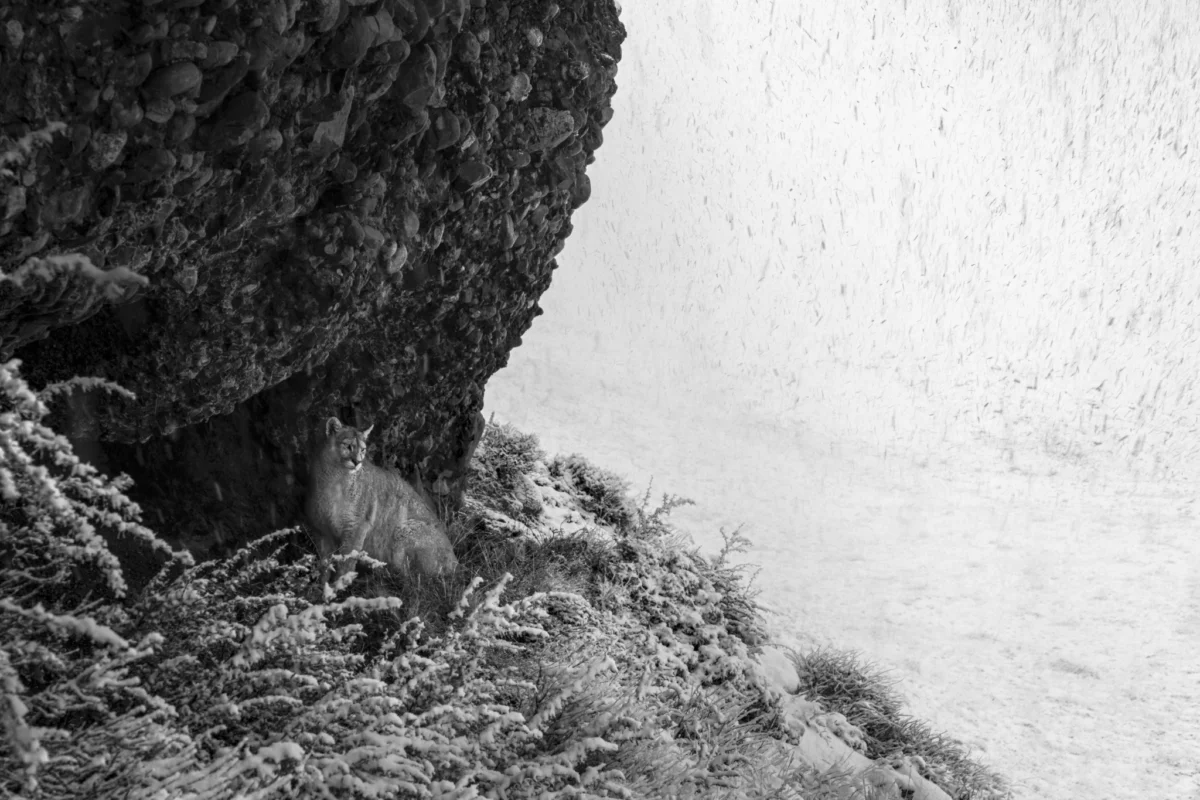
For three decades, inhabiting Vancouver Island, a region renowned for its high cougar population, the author experienced only fleeting glimpses of these elusive creatures. This personal history underscores a universal truth in wildlife observation: the predator often remains unseen, a testament to its masterful camouflage and evolutionary adaptations. As John Vaillant aptly stated, "The tiger will see you a hundred times before you see him once." This profound understanding of animal stealth fueled a deep-seated desire to witness these apex predators in their natural habitat, a dream that eventually led to a photographic expedition in the rugged landscapes of Chilean Patagonia.
The Journey to Chilean Patagonia
The expedition’s commencement was not without its challenges. A lost passport necessitated an unexpected detour to a Brazilian embassy, delaying the author’s arrival in Chile. Upon finally reaching their destination, the chosen accommodation was a unique estancia, a converted traditional ranch, situated on the fringes of the iconic Torres del Paine National Park. This working ranch, still equipped with functional farming and livestock apparatus, offered a tangible connection to the region’s heritage.
The surge in ecotourism, driven by the park’s breathtaking granite peaks, has transformed the local economy. The estancia owners are emblematic of this shift, having embraced a philosophy of coexistence with the wildlife that was once perceived as a threat to their livestock. The staff, a vibrant group of local residents, embody the enduring values of gaucho culture – a deeply ingrained ethos of honesty, diligent work, and open-hearted generosity. This cultural backdrop provided a rich tapestry against which the pursuit of the puma would unfold.
Encountering the Elusive "Petaka" and Her Offspring
The key to navigating the formidable Patagonian terrain and locating its most sought-after inhabitants lay with Rodrigo, a guide renowned for his expertise and intimate knowledge of the local puma population. Rodrigo, who regarded the cats with a familial understanding, led the expedition deep into puma territory. The transition from cultivated lands to the dramatic rock formations, glacial lakes, and vast grasslands, or pampas, marked a profound immersion into the wild. As the Andes’ granite sentinels loomed larger, the landscape itself seemed to hold its breath.
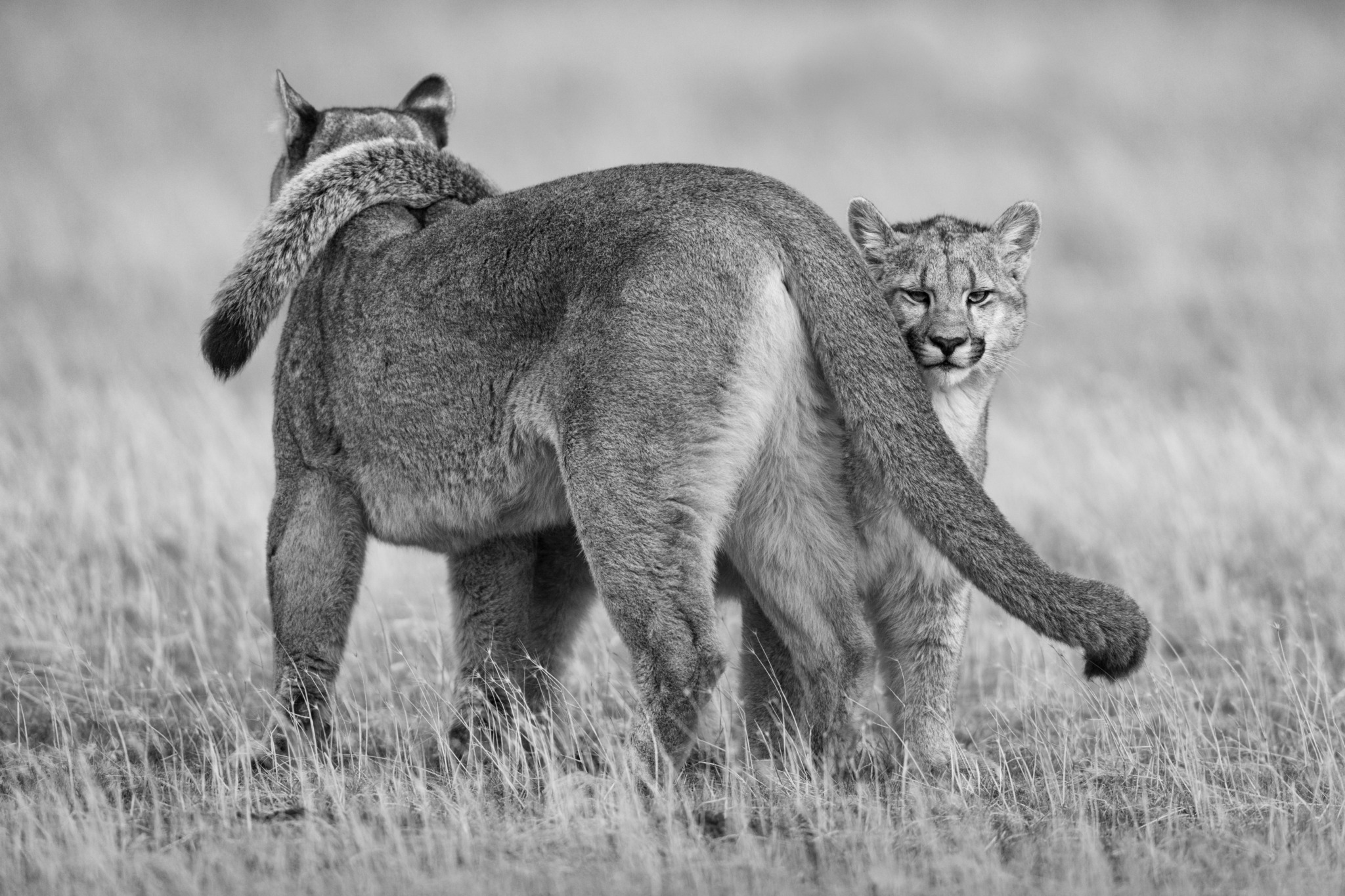
It was within this awe-inspiring setting that the first significant sighting occurred. A female puma, known locally by the name "Petaka," accompanied by her two young kittens, emerged into view. Petaka’s presence was described as one of serene command, her indifference to human observers having cemented her legendary status among visitors to Torres del Paine and its environs.
The Protected Puma: A Shift in Human-Wildlife Dynamics
Unlike in neighboring Argentina, where historical conflicts and hunting pressures have significantly impacted puma populations, Chile designates pumas as a protected species. This legal framework, largely prohibiting hunting, has fostered a unique adaptation among some pumas in the Torres del Paine region. These animals have become accustomed to the presence of humans, often choosing to ignore them entirely as they go about their daily lives. This tolerance, born from conservation efforts, creates rare opportunities for respectful observation. The author expressed profound contentment in witnessing such moments, where the quiet passage of time is spent in the company of wild creatures exhibiting a natural state of calm and ease.
The privilege of observing Petaka’s maternal care was a deeply moving experience. The photographer remained nearby, a silent observer as the mother and her kittens engaged in playful interactions amidst the tall grasses. This intimate glimpse into the family dynamics of these powerful predators underscored the success of conservation initiatives in allowing such natural behaviors to flourish undisturbed.
The Unforeseen Blizzard and a Moment of Solitude
The serene encounters with Petaka and other resident pumas were soon interrupted by the capricious Patagonian weather. The skies darkened, winds intensified, and the first snowflakes began to fall, heralding an impending blizzard. The storm quickly enveloped the landscape, muffling all sound and reducing visibility to mere yards. Seeking refuge from the elements, the author retreated to the shelter of mountainside caves to await the storm’s passage.
It was within this stark, snow-laden environment that an extraordinary event unfolded. A large puma emerged from the swirling snow, settling just a few meters away, seemingly seeking the same protection from the inclement weather. In a moment of profound stillness, instinct took over. Breath was held, and the camera, an instrument of capture, remained steady against the surge of adrenaline and awe.
For an extended period, an almost surreal silence permeated the cave. Two vastly different beings, an apex predator and a human observer, shared a space, united by the shared challenge of the blizzard. The puma remained entirely focused on its surroundings, exhibiting no overt recognition of the human presence. It was only as the storm began to abate and the snow-covered landscape emerged anew that the emotional dam broke. The cat, a silent phantom, departed over the fresh, pristine canvas of snow, leaving behind an indelible memory.
Reflections on Nature’s Resilience and the Human Role
This profound encounter served as a powerful reminder of the intrinsic value of wild spaces and the importance of allowing nature to reclaim its dominion. The author reflected that when ecosystems are granted the space to heal and thrive, humanity becomes privy to the full spectrum of life on Earth, experienced in its most authentic and untamed form. The wild, raw, and often beyond human comprehension, offers profound lessons in resilience and interconnectedness.
The fleeting moment of shared solitude with a wild puma, set against the dramatic backdrop of one of the planet’s most breathtaking landscapes, was described as an unparalleled gift. It underscored the transformative power of experiencing nature on its own terms, free from the imposition of human will or interference.
The Broader Implications of Puma Conservation in Patagonia
The experiences in Chilean Patagonia highlight a critical paradigm shift in wildlife management. The success of protecting species like the puma not only benefits the animals themselves but also contributes to the ecological health of vast landscapes. The presence of healthy predator populations is a key indicator of a balanced ecosystem.
Supporting Data on Puma Populations and Conservation:
- Global Puma Range: Pumas (Puma concolor) have the largest geographic range of any terrestrial mammal in the Western Hemisphere, spanning from Canada to the southern Andes. However, populations are fragmented and facing threats such as habitat loss, human-wildlife conflict, and poaching in many areas.
- Torres del Paine National Park: This park, a UNESCO World Biosphere Reserve, is a critical stronghold for pumas. While precise population numbers fluctuate, it is recognized as one of the best places globally for observing these cats, largely due to effective conservation policies and increasing ecotourism revenue that supports park management.
- Human-Wildlife Conflict Mitigation: In regions like Patagonia, successful conservation often involves collaborative efforts between park authorities, local communities, and landowners. Strategies include anti-predator livestock management techniques, compensation programs for livestock losses, and public education campaigns to foster tolerance and understanding.
- Economic Impact of Ecotourism: The rise of wildlife tourism, particularly puma tracking, has become a significant economic driver in areas like El Calafate and Torres del Paine. This economic incentive can align local interests with conservation goals, providing a sustainable funding stream for protected areas and incentivizing the preservation of wildlife.
Background Context and Timeline:
The conservation status of pumas has evolved significantly over the past century. Historically, pumas were often viewed as vermin and actively persecuted due to perceived threats to livestock and game animals. However, a growing scientific understanding of their ecological role and the impact of their removal on prey populations has led to a reassessment.
- Mid-20th Century: Widespread eradication campaigns were common in many parts of the Americas.
- Late 20th Century: A gradual shift began, with increased scientific research and the establishment of protected areas. International conservation organizations began advocating for stronger legal protections.
- Early 21st Century: Chile, along with other South American nations, has strengthened its legal protections for pumas, recognizing their intrinsic value and ecological importance. This has been further bolstered by the growth of ecotourism, which provides both economic incentives for conservation and opportunities for public engagement and education.
Analysis of Implications:
The positive outcomes observed in Chilean Patagonia offer a compelling model for wildlife conservation globally. The ability of pumas to habituate to human presence, albeit with careful management and a non-intrusive approach, demonstrates that coexistence is not only possible but can lead to profound benefits for both wildlife and local economies.
- Ecological Balance: The presence of healthy puma populations helps regulate herbivore populations, preventing overgrazing and maintaining the health of grassland ecosystems. This has cascading effects throughout the food web.
- Economic Sustainability: Ecotourism focused on wildlife observation can provide a sustainable alternative to traditional industries that may be more detrimental to the environment. Revenue generated from tourism can be reinvested in conservation efforts, creating a virtuous cycle.
- Cultural Preservation: The gaucho culture, with its deep connection to the land and its wildlife, is being revitalized through ecotourism. This integration allows for the preservation of traditional values while adapting to modern conservation challenges.
The photographer’s journey into the heart of Patagonian puma territory serves as a powerful narrative, illustrating the rewards of patience, respect, and a commitment to conservation. It highlights that in the wild, the most profound encounters are often born from a willingness to observe, to understand, and to allow nature to reveal its wonders on its own terms. The quiet dignity of the puma, observed in its natural habitat, offers a potent reminder of the wild beauty that still exists and the critical importance of preserving it for future generations.
With enduring gratitude and a hopeful outlook for the future of these magnificent creatures and their wild domains,
Paul Nicklen