Immediately after delving into the essential cameras that captured the magic of this year’s Oscar-nominated films, it becomes unequivocally clear that while camera technology forms a crucial foundation, it represents merely a single component in the intricate tapestry of cinematic excellence. The true artistry often resides in the manipulation of light, an element paramount to shaping mood, emphasizing character, and guiding the audience’s gaze within any given frame. This exploration shifts focus from the mechanics of capture to the profound impact of illumination, encouraging a deeper appreciation for the nuanced craft of cinematographers who transform ordinary scenes into unforgettable visual narratives. The objective here is to embark on an analytical exercise, dissecting the sophisticated lighting strategies employed in recent acclaimed television and film productions, thereby inspiring fellow enthusiasts and aspiring professionals to cultivate a discerning eye for the subtleties of cinematic lighting.
Understanding the precise lighting breakdown for every scene in major productions is a formidable challenge, far more complex than merely identifying camera models. This difficulty underscores the invaluable expertise of professional cinematographers and gaffers, whose intricate knowledge of light physics, emotional resonance, and technical execution commands significant industry recognition and compensation. Unlike camera data, which is often released for promotional or technical interest, detailed lighting schematics are proprietary and deeply embedded in the creative process, rarely surfacing publicly. Nevertheless, by meticulously examining still images from prominent movies and TV shows, it is possible to reverse-engineer and deduce with reasonable accuracy the lighting principles at play. This process, while interpretive, serves as an invaluable educational tool, demonstrating the methodologies employed by industry veterans to achieve their signature looks. For the purpose of this analysis, all accompanying lighting diagrams were meticulously constructed using set.a.light 3d, a specialized 3D modeling software designed for the precise deduction and construction of complex lighting setups for both still photography and motion picture production. This endorsement stems purely from personal experience and appreciation for its intuitive interface and robust capabilities, having utilized it extensively for years in breaking down personal and professional projects, and is not a sponsored promotion. The following analyses present an attempt to demystify the lighting behind several iconic scenes, offering insights for educational purposes, with the understanding that the specific gear used in the original productions may vary from the reconstruction.
The Foundational Art of Cinematic Lighting
The journey of cinematic lighting began in the early days of cinema, evolving from crude stage lighting techniques to sophisticated methodologies that now define visual storytelling. Initially, filmmakers relied heavily on natural light or basic artificial sources to merely illuminate subjects. However, pioneers like Billy Bitzer, D.W. Griffith’s cinematographer, began experimenting with artificial lighting to create dramatic effects, chiaroscuro, and to shape the narrative. The advent of studios brought controlled environments, allowing for the development of the "three-point lighting" system (key, fill, back light), which remains a fundamental principle today. The mid-20th century saw the rise of film noir, a genre intrinsically linked to its low-key, high-contrast lighting, using deep shadows and stark highlights to convey mood and psychological depth. This era cemented lighting as an integral part of narrative rather than just a technical necessity.
Technological advancements have consistently reshaped the art of lighting. From bulky carbon arc lamps and incandescent tungsten fixtures, the industry transitioned to more powerful and color-accurate HMI (Hydrargyrum medium-arc iodide) lights, which mimic daylight. The most recent revolution has been the widespread adoption of LED technology, offering unprecedented control over color temperature, hue, saturation, and intensity, often wirelessly. Products like the Aputure B7c, mentioned in one of the case studies, exemplify this trend, providing portable, versatile RGBWW (Red, Green, Blue, Warm White, Cold White) lighting solutions that can simulate a vast spectrum of practical and theatrical lighting effects. This continuous evolution has empowered cinematographers with an ever-expanding palette to paint with light, creating environments that are not only visually striking but also deeply resonant with the film’s emotional core. The psychological impact of light is profound; soft, diffused light can evoke warmth and romance, while harsh, undiffused light can create tension, drama, or realism. High-key lighting suggests optimism and openness, whereas low-key lighting implies mystery or danger. Understanding these effects is central to the cinematographer’s craft.
Case Study 1: Marty Supreme – The Power of Hard Light in Character Portrayal
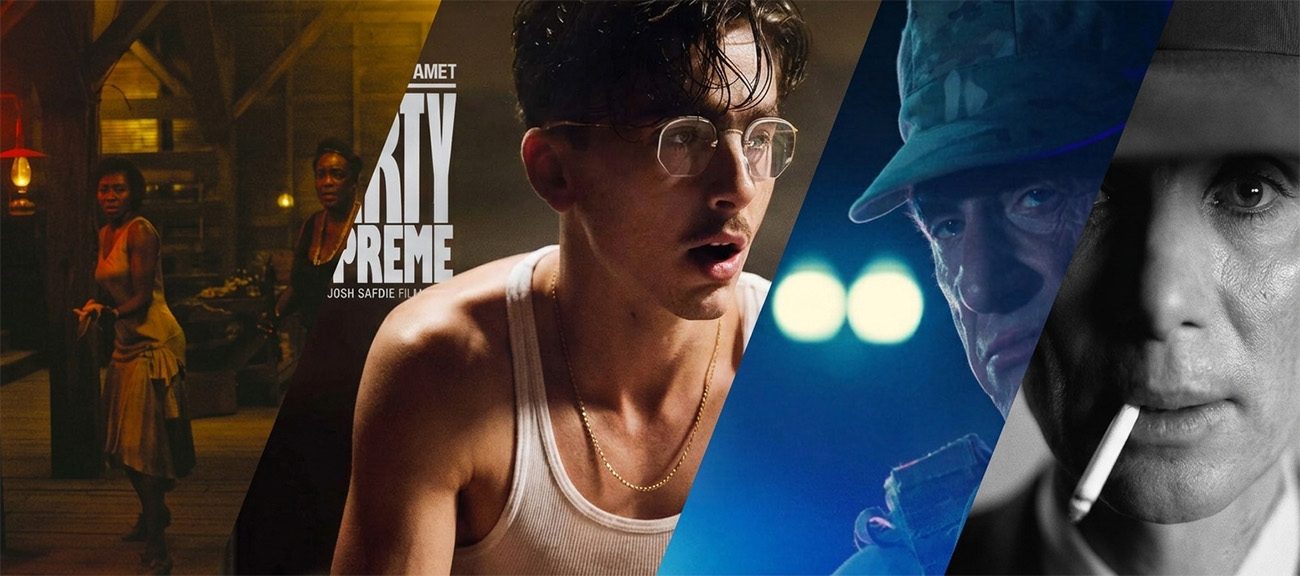
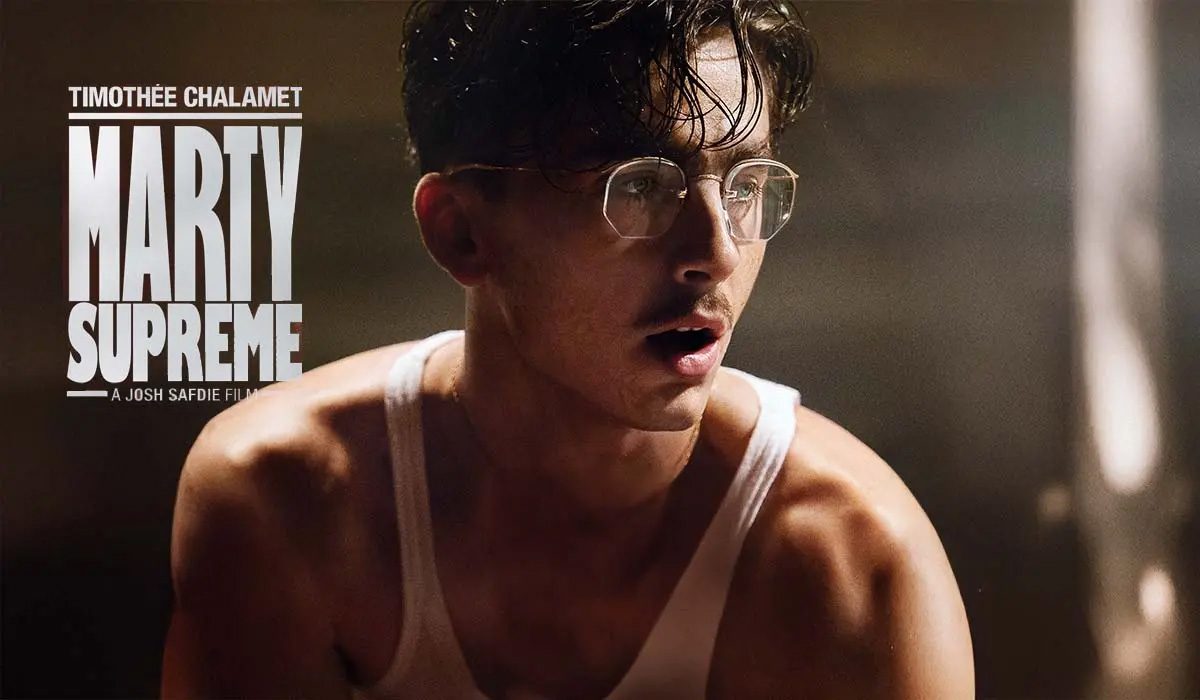
The promotional image for "Marty Supreme" presents a compelling study in the assertive use of hard light. The immediate visual cues, such as the sharply defined specular highlights and the distinct, well-demarcated shadows, unequivocally point to the employment of undiffused, hard light sources. Evident in the stark shadow cast on the character’s nose and the pronounced silhouettes created by his glasses, this lighting choice imbues the image with a sense of intensity and gravitas. This approach to lighting is often utilized to convey a strong, unwavering character, or to introduce an element of tension and confrontation, perfectly aligning with the dramatic themes often explored in films featuring such prominent imagery.
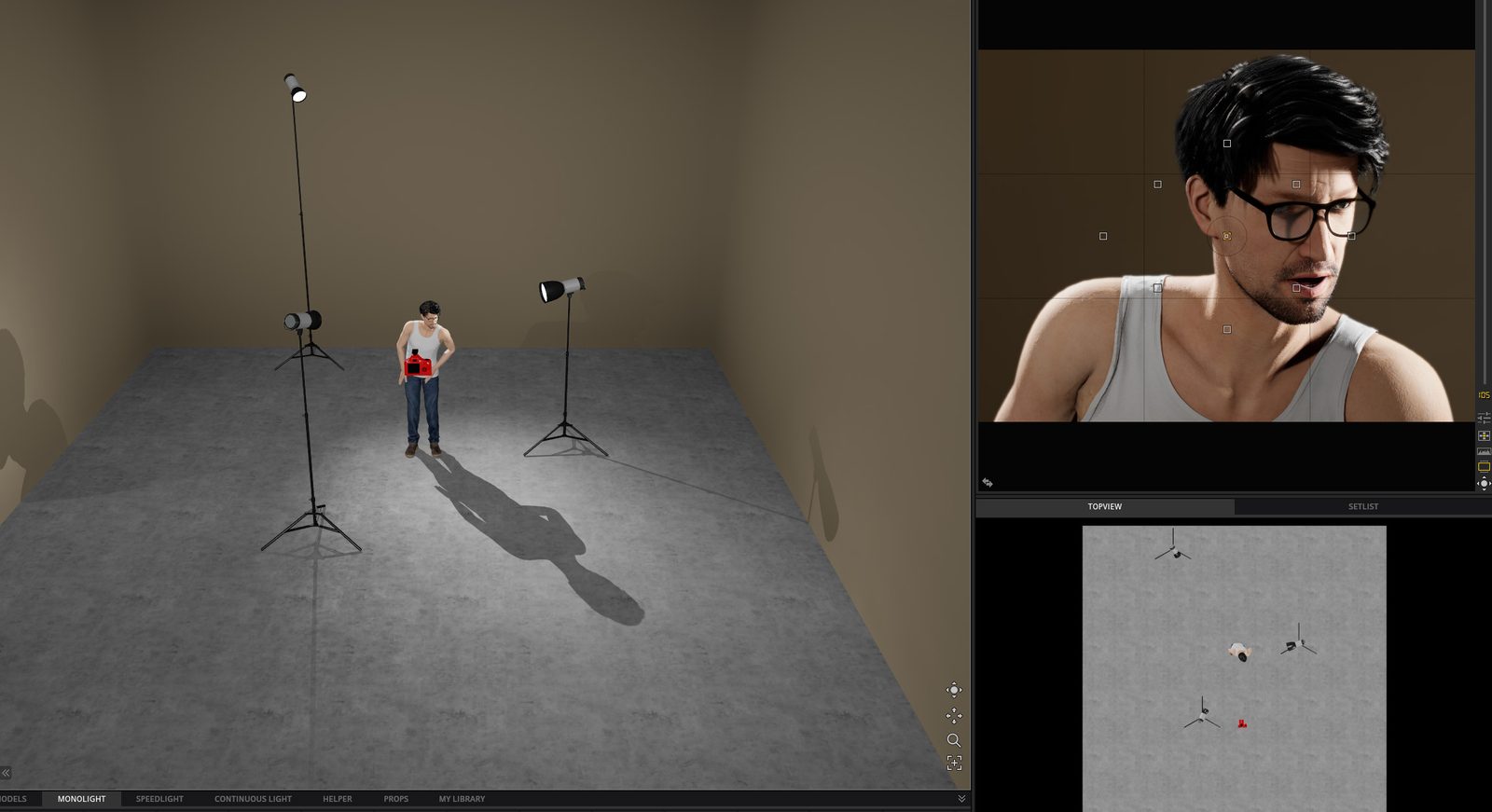
Our recreation of this powerful aesthetic involved a three-light setup, each light deployed without any diffusion to maintain the desired hardness. A key light positioned to the front-right of the subject creates the primary illumination and distinct facial shadows. For the rim light, strategically placed to the right of the subject and slightly behind, a gridded light was selected. The grid serves to precisely control the light spill, focusing its beam to accentuate both the shoulders and to carve a defined edge on the side of the face, separating the subject from the background and adding depth. A similar, undiffused light was mirrored on the opposite side, contributing to the characteristic stark backlighting that permeates the film’s visual style. To subtly mitigate the deepest shadows and ensure facial details remained legible without sacrificing the overall high-contrast look, a fill light was introduced camera-left. This fill light was carefully powered down to merely lift the shadow side of the face, preventing it from falling into complete obscurity while preserving the dramatic interplay of light and shadow that defines the scene’s emotional landscape. The result is a portrait that is both visually arresting and deeply expressive, leveraging the inherent qualities of hard light to sculpt form and convey narrative weight.
Case Study 2: Sinners – Crafting Atmosphere with Multi-Colored Illumination
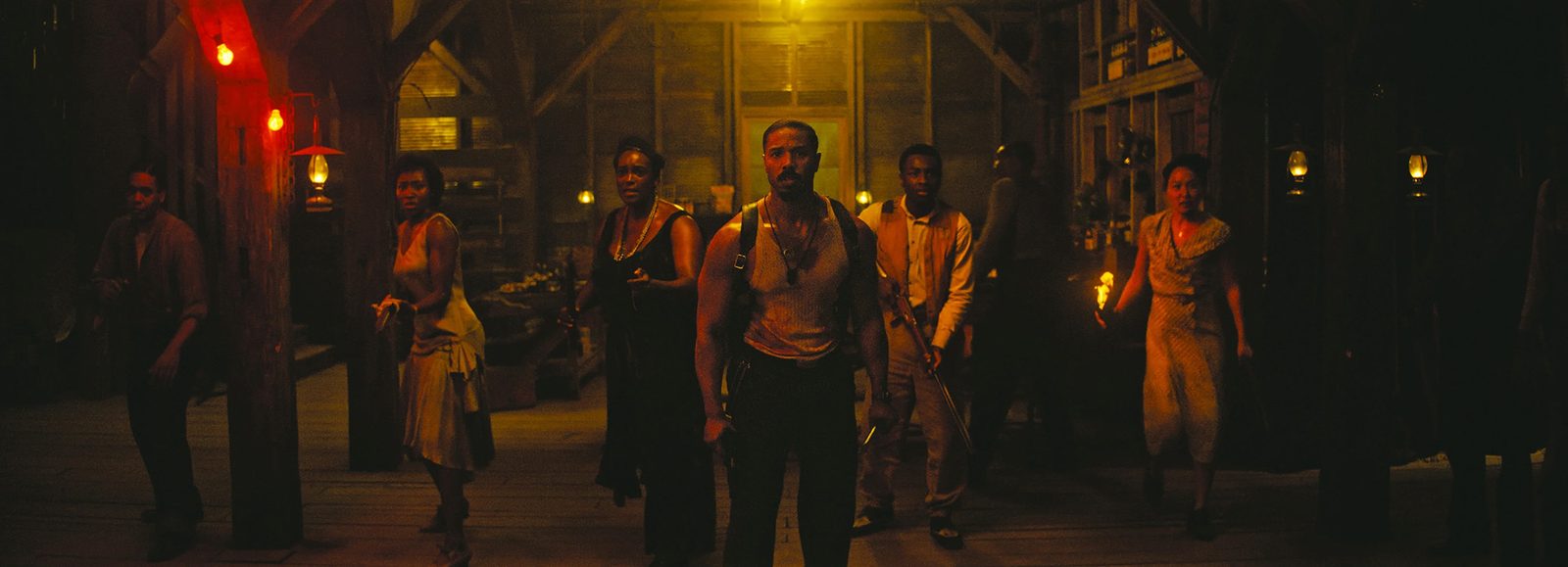
The pivotal group scene in "Sinners" stands as a masterclass in atmospheric lighting, demonstrating how variegated light sources can be orchestrated to create a profound sense of mood and narrative significance. The scene’s ambiance is largely sculpted by a combination of flickering firelight and strategically placed red and orange practical bulbs, transforming the interior setting into a crucible of emotion. This expert application of multicolored light is not merely decorative; it actively contributes to the film’s thematic depth, evoking feelings of danger, passion, or perhaps a surreal, infernal aesthetic, depending on the specific narrative context of this "pivotal moment."
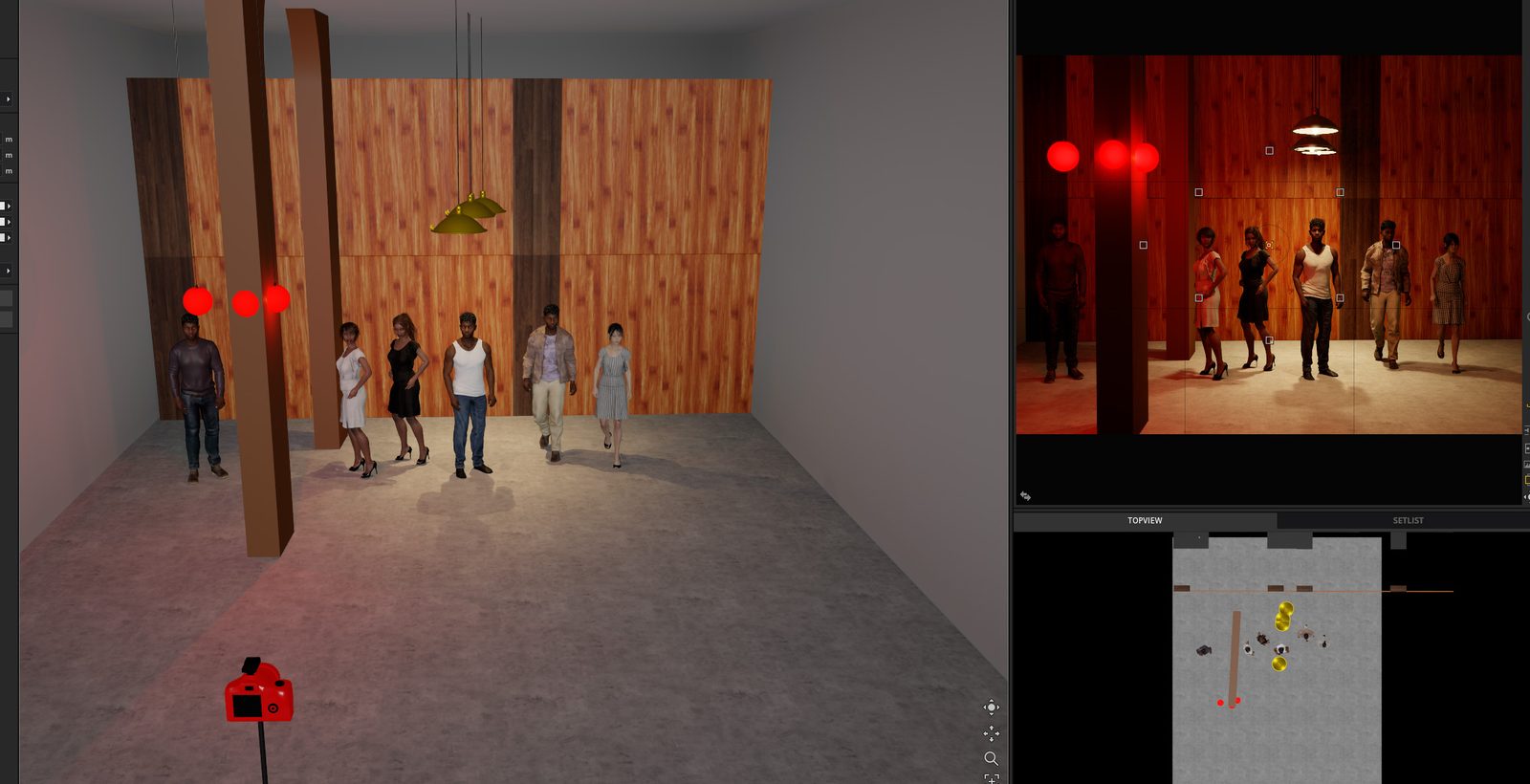
To accurately deconstruct this scene, the initial step involved constructing a rudimentary 3D model of the interior space. The architecture of the building plays a crucial role, not only in grounding the shot within a physical reality but also in dictating how light interacts with the environment, creating naturalistic shadows and reflections that add depth and realism. Following the environmental setup, subjects were introduced into the scene in a staggered pattern. This arrangement is key to creating visual interest and contrast, allowing light to fall differently on each individual, highlighting their forms and faces in varied ways. The placement of the primary light sources was then referenced directly from the original still image. These sources, likely RGBWW LED units such as the Aputure B7c or similar versatile bulbs, were chosen for their ability to precisely match the color spectra of fire and colored practicals seen in the film. Once the basic placement was established, the meticulous process of adjusting the power and intensity of each light began. This iterative fine-tuning ensured that the balance between the warm, flickering firelight, the intense reds, and the ambient oranges accurately replicated the complex and emotionally charged illumination of the original scene, culminating in a visual representation that effectively conveys the desired dramatic mood.
Case Study 3: Oppenheimer – The Hero Shot and Emotional Resonance
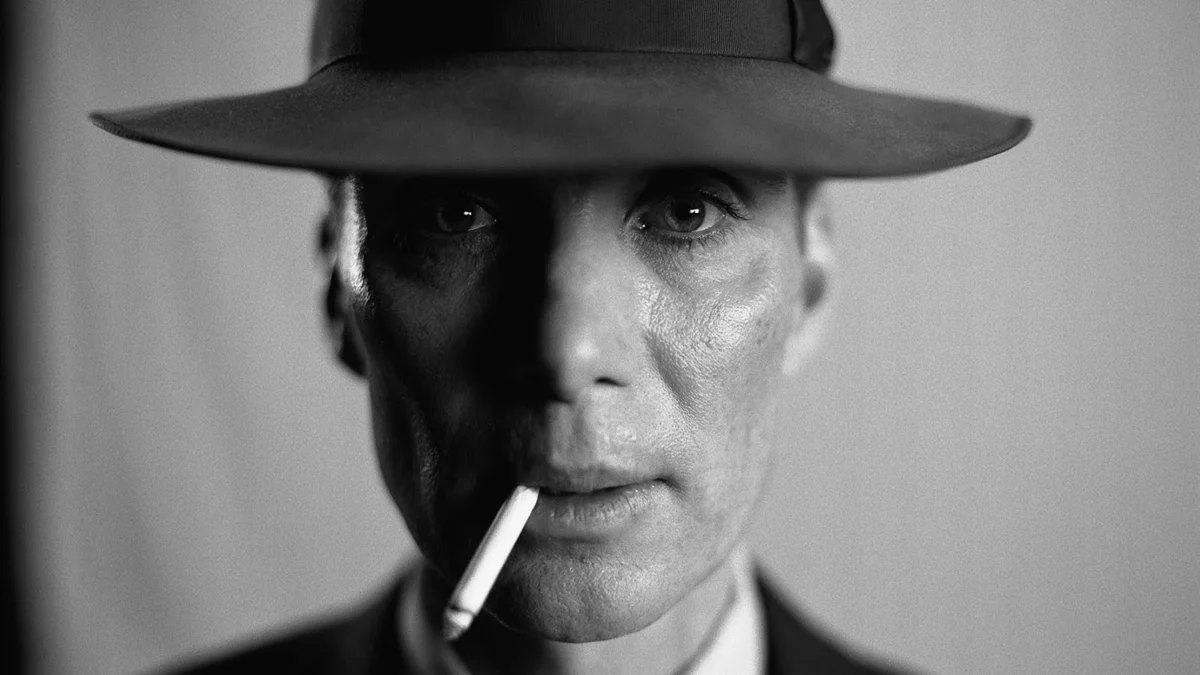
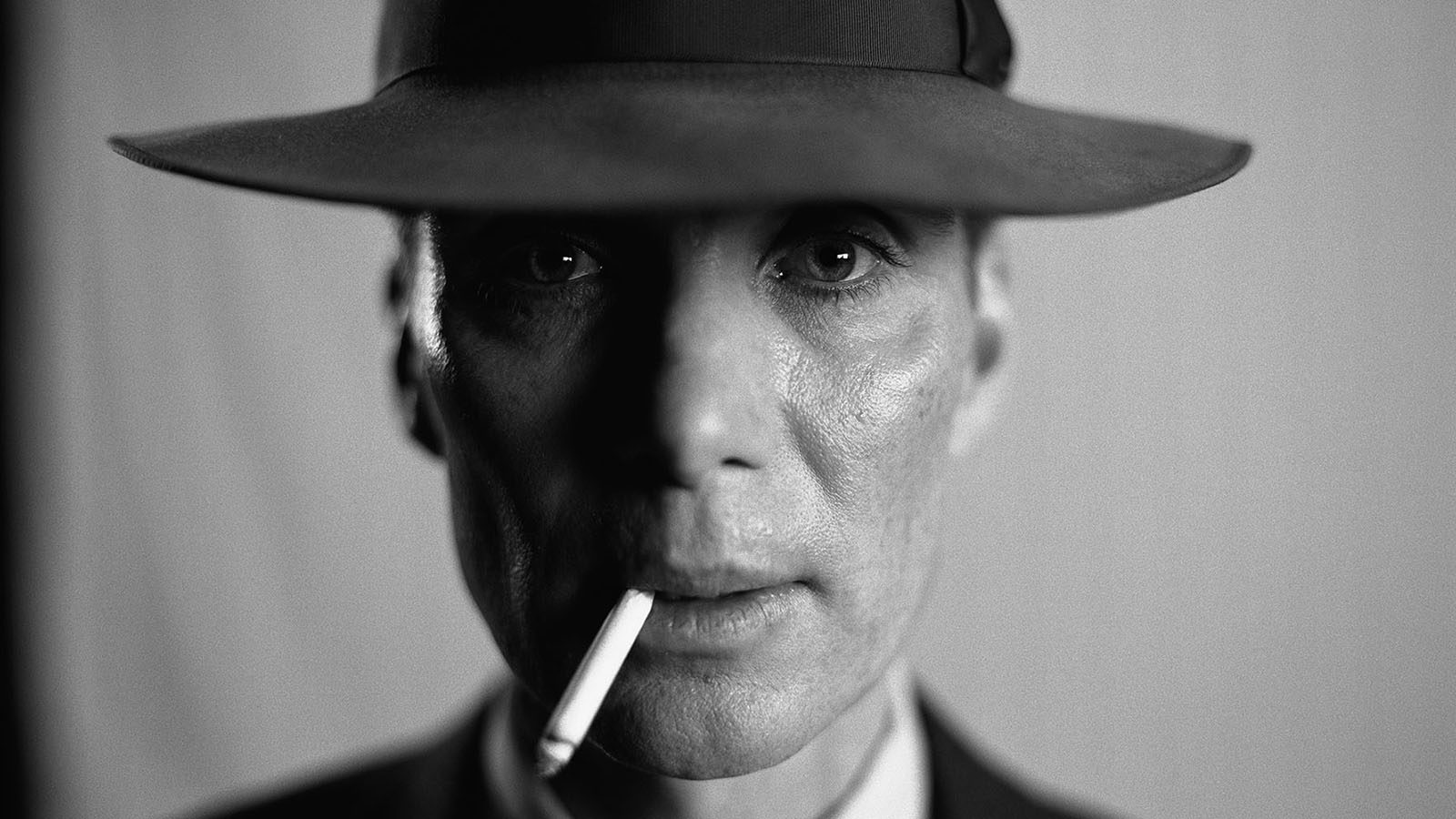
The iconic hero shot of Cillian Murphy in "Oppenheimer," prominently featured in the film’s promotional campaign, is a testament to the dramatic power of high-contrast lighting. The striking interplay between sharply defined rim lights and pronounced split lighting shadows generates a profound sense of drama, effectively mirroring the complex internal world of the character. Crucially, the deliberate placement of catchlights in the subject’s eyes serves to amplify emotion and imbue the image with a palpable sense of character depth, drawing the viewer into Oppenheimer’s intense gaze.
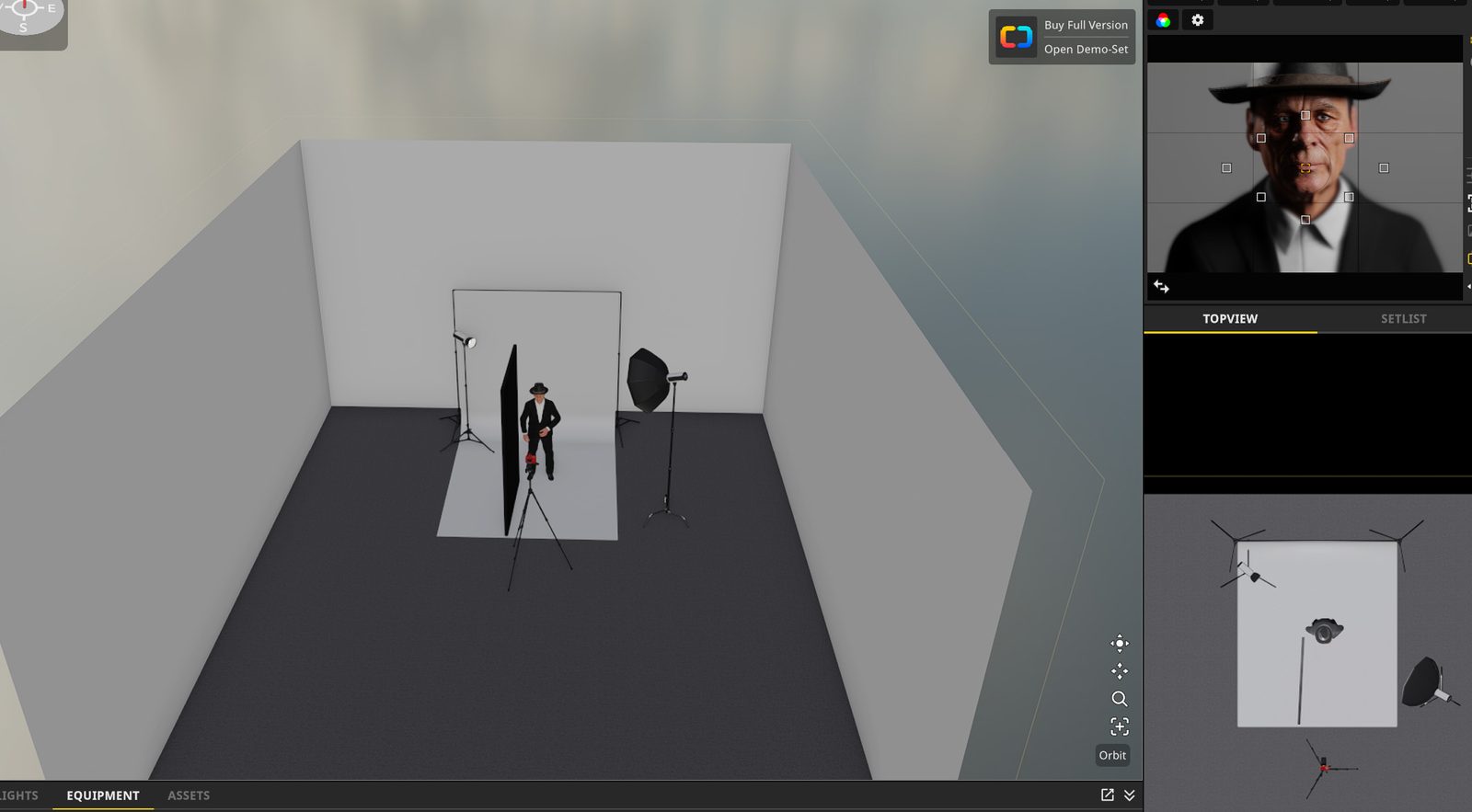
To meticulously recreate this compelling visual, the lighting setup commenced with a relatively small, gridded Octobox positioned camera right. The choice of a grid on the Octobox is instrumental; it precisely controls the spread of light, preventing spill and ensuring that the illumination remains focused on the subject, contributing to the high-contrast aesthetic. Furthermore, the Octobox’s larger surface area, even when gridded, is designed to produce a slightly larger and more appealing catchlight in the eyes, a subtle yet powerful technique for conveying emotional nuance and establishing a connection with the audience. Following this, a black blocking board was strategically placed in close proximity to the subject, camera left. This negative fill technique actively absorbs light, intensifying the shadows on that side of the face and dramatically enhancing the contrast between highlights and shadows, a hallmark of the film’s visual style. Finally, a bare light, devoid of any modifiers, was positioned behind and to the left of the subject. This back light serves to sculpt the edges of the figure, creating a distinct rim light that further separates the subject from the background and adds an additional layer of depth and visual interest to this deeply contemplative and emotionally charged portrait. The combined effect is a powerful, almost sculptural representation of the character, where light and shadow work in concert to reveal both strength and vulnerability.
Case Study 4: One Battle After Another – Narrative Impact of Nocturnal Lighting
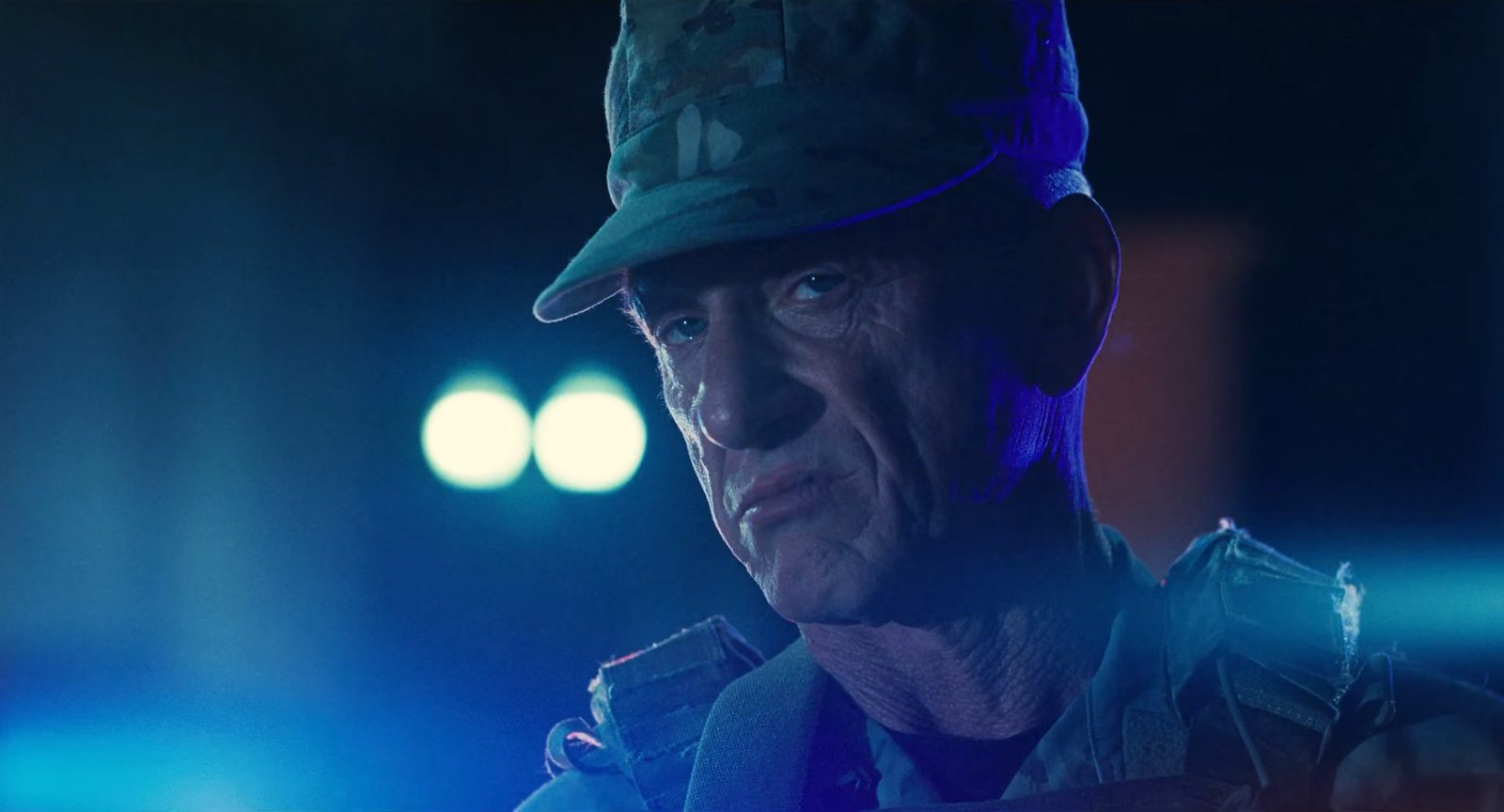
"One Battle After Another," lauded as a masterclass in cinematography and storytelling, deservedly clinched Best Picture this past year, resonating deeply with audiences. While much of the film skillfully utilized natural light in its location shoots, its nocturnal sequences, particularly those featuring Sean Penn’s formidable antagonist, Lockjaw, stand out for their dramatic and purposeful lighting. These scenes are not merely lit; they are meticulously crafted to enhance the narrative tension and underscore the character’s menacing presence.
Analyzing the Lockjaw scene reveals a deliberate reliance on harder light sources, evidenced by the sharp, well-defined shadows cast across Sean Penn’s face. This choice of hard lighting is intrinsically linked to the scene’s grim atmosphere, often employed to convey a sense of harsh reality, danger, or moral ambiguity. The reconstruction of this scene began with the establishment of pronounced rim lights on either side of the subject. Crucially, one of these rim lights was given a distinct blue hue, a powerful visual cue signifying the presence of police car lights in the background. This not only adds a layer of environmental realism but also injects an immediate sense of urgency and foreboding into the frame. Following the setup of these defining rim lights, a bare light, significantly powered down, was introduced to the front of the subject. Its purpose was to subtly fill in some of the deepest shadows on his face, ensuring that enough detail remained visible to convey emotion and character without sacrificing the overall high-contrast, hard-light aesthetic. This delicate balance prevents the scene from becoming overly dark or indecipherable, maintaining dramatic impact while preserving visual clarity. Furthermore, the scene’s distinct horizontal lens flare on the right side of the frame strongly suggests that it was captured using an anamorphic lens. Beyond being a mere optical artifact, anamorphic lenses are often chosen for their unique widescreen aspect ratio and distinctive bokeh and flares, which contribute to a heightened cinematic feel and can visually compress backgrounds, further intensifying the focus on the central figure and the narrative at hand. The combination of these precise lighting choices and lens characteristics creates a scene that is not only visually striking but also deeply resonant with the film’s overarching themes of conflict and consequence.
The Broader Implications: Cultivating a Cinematographic Eye
The meticulous deconstruction of these iconic cinematic moments transcends a mere technical exercise; it serves as a profound educational pathway for aspiring cinematographers, photographers, and passionate film enthusiasts alike. By actively engaging in this type of analysis, one begins to develop a critical "lighting eye," a crucial skill for understanding how light functions as a primary tool for visual storytelling. This analytical approach encourages viewers to move beyond passive consumption, fostering an appreciation for the deliberate choices made by creative teams in every frame.
The increasing sophistication of lighting in contemporary television series, often rivaling or even surpassing the production values of feature films, highlights the growing importance of this craft across all moving image mediums. Directors of Photography (DPs) and their lighting teams are not just illuminating subjects; they are creating immersive worlds, subtly guiding emotional responses, and underpinning narrative themes through the strategic deployment of light and shadow. The interplay between lighting, production design, and costume design is synergistic; a perfectly lit set can be undermined by inappropriate costume colors, just as an exquisite costume can be elevated by the right key light. This holistic view of visual production emphasizes the collaborative nature of filmmaking.
Looking ahead, the field of cinematic lighting is poised for further innovation. The rise of virtual production environments, where actors perform against massive LED screens displaying photorealistic digital backgrounds, demands a new understanding of how real and virtual light interact. Artificial intelligence is also beginning to play a role, potentially assisting in the generation of complex lighting setups or optimizing light distribution for desired effects. These advancements will undoubtedly open new frontiers for creative expression, yet the fundamental principles of light’s psychological and narrative impact will remain timeless.
This exercise underscores the notion that understanding lighting is not about memorizing equipment lists but about grasping the underlying principles of how light shapes perception, mood, and narrative. It is an invitation to engage more deeply with the visual language of cinema, to see the deliberate artistry behind every glow, every shadow, and every carefully placed highlight. So, how do these breakdowns resonate with your own observations? Do you find yourself analyzing the light in films and TV shows? Are there any scenes from recent productions that have particularly captured your imagination through their lighting? We invite you to share your insights and engage in this ongoing discussion in the comments section below. For those inspired to experiment with lighting in their own creative endeavors, a comprehensive array of professional lighting equipment is readily available for rental, providing the tools to bring your unique visual stories to light.