Entering the high-stakes world of professional photography and videography production sets for the first time can be an intensely transformative experience, marked by both significant challenges and unparalleled opportunities for growth. This dynamic environment, characterized by rapid decision-making and an expectation of peak performance from every team member, often presents a steep learning curve for newcomers. As the demand for high-quality visual content continues to surge across industries, understanding the intricate dynamics of a professional set is no longer just beneficial but essential for aspiring creatives aiming for career longevity and success. This guide distills critical insights gleaned from extensive industry experience, offering a comprehensive overview of the multifaceted nature of professional productions and practical advice for navigating them effectively.
The Diverse Landscape of Production Sets
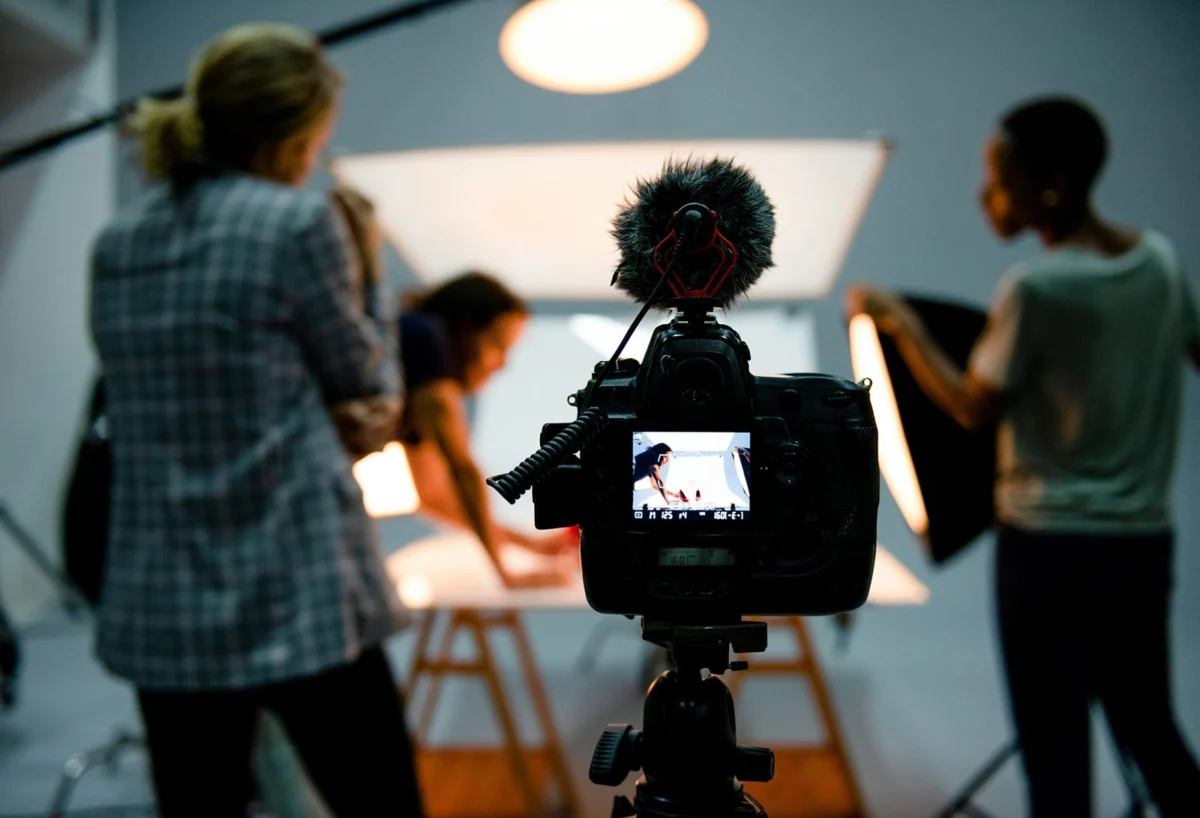
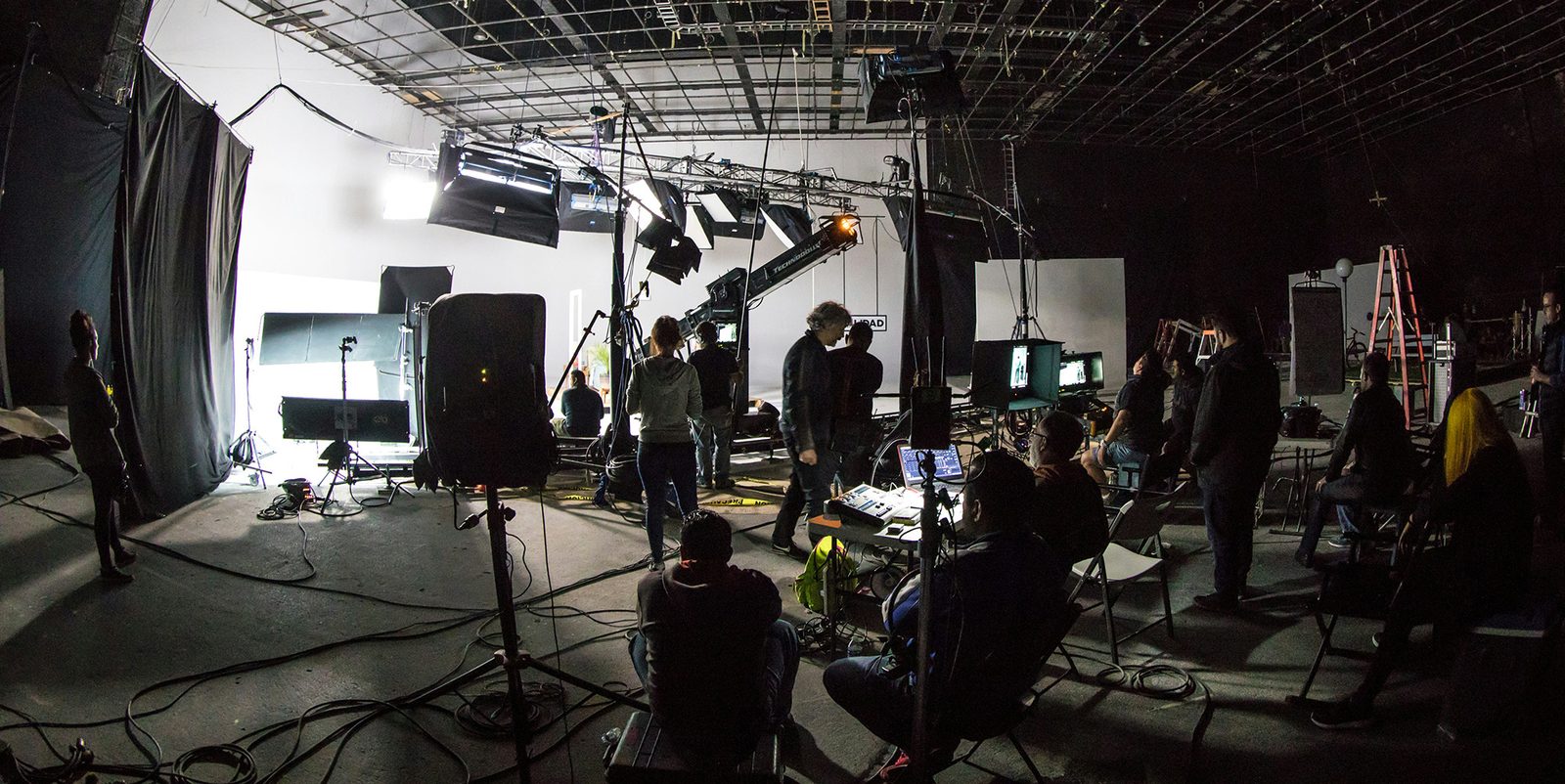
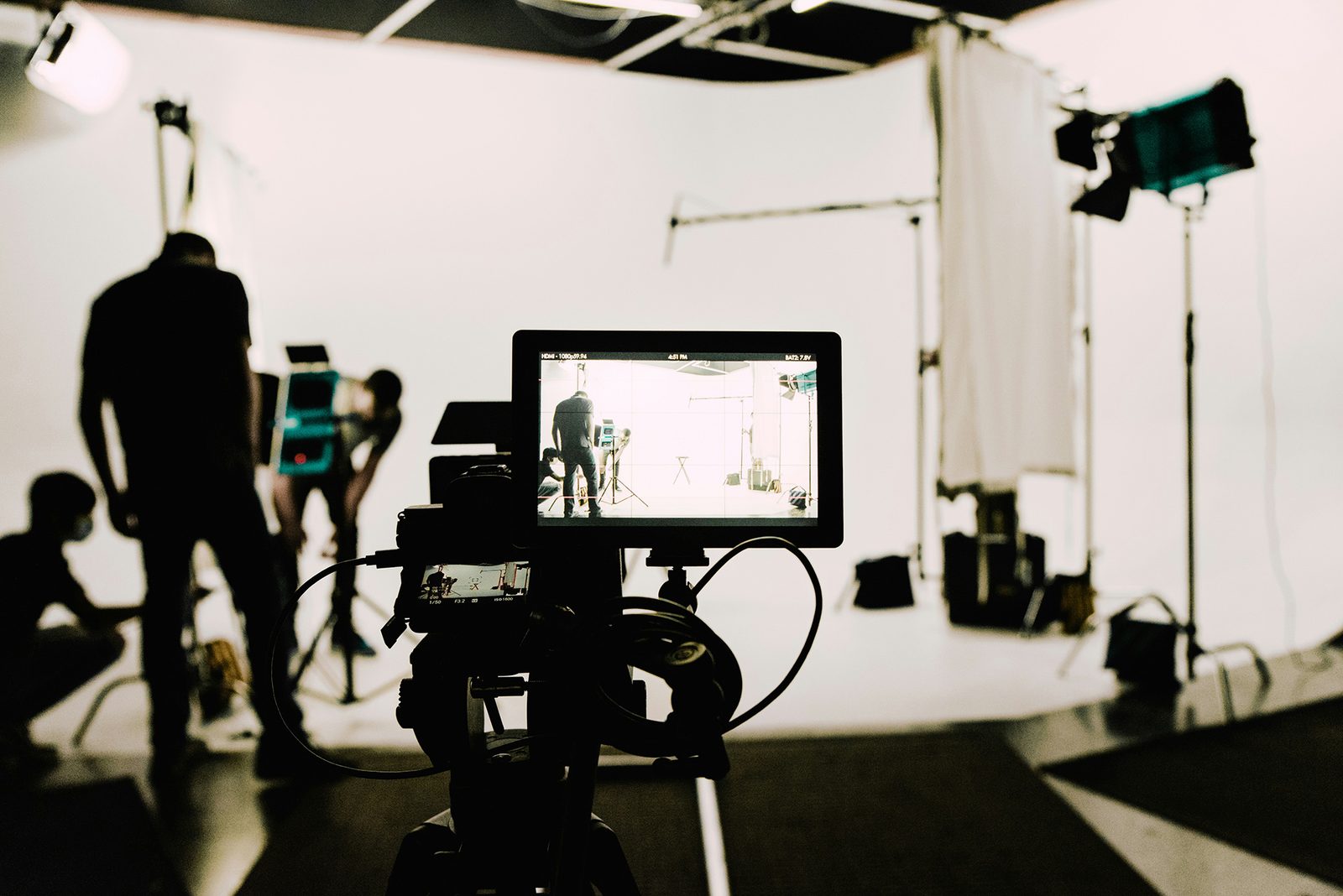
One of the most immediate realities encountered upon arriving on a professional set is its inherent variability. The physical environment can range dramatically, from a minimalist, 200-square-foot pop-up studio tucked away in an unassuming strip mall to expansive, multi-million dollar sound stages equipped with a full complement of state-of-the-art grip and lighting gear. This spectrum highlights the absence of a universal standard across production houses and professional studios, making adaptability a core requirement. While pre-production briefings typically offer some indication of the scale and setting, a degree of flexibility and an open mind are crucial. The sheer diversity reflects the broad scope of projects undertaken, from nimble social media campaigns requiring minimal footprint to large-scale commercial advertisements demanding elaborate sets and extensive crews.
According to a 2023 industry report by Statista, the global market for film and video production services is projected to exceed $280 billion, underscoring the vast ecosystem within which these varied sets operate. This growth fuels an increasing array of production types, each with unique logistical and creative demands. For instance, a small product photography shoot might involve only a photographer and an assistant in a rented studio space, while a major automotive commercial could engage dozens of crew members, multiple camera teams, and complex special effects on a purpose-built location. Understanding this inherent variability is the first step toward successful integration into any production environment, reinforcing the principle that no two shoots are ever exactly alike, despite shared underlying principles.
Strategic Preparedness: Mitigating the Unforeseen
The unpredictable nature of live production necessitates rigorous preparation, particularly concerning equipment and contingencies. Industry veterans consistently advise adopting a "prepare for the worst" mentality, especially when it comes to critical gear. Cameras, lenses, lighting units, and various accessories are complex machines prone to unexpected malfunctions, and these issues often arise at the most inopportune moments, particularly when under the watchful eyes of clients and creative directors. This phenomenon, often colloquially referred to as Murphy’s Law, dictates that anything that can go wrong, will go wrong, usually at the worst possible time.
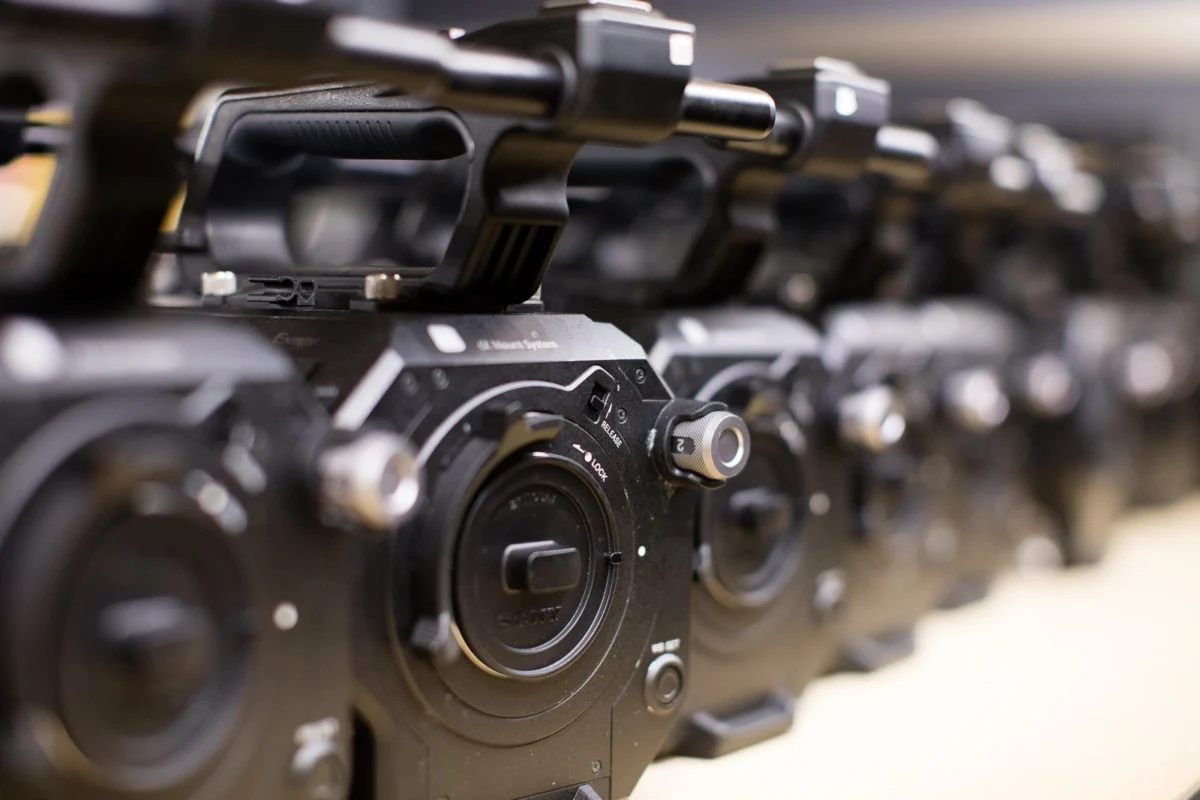
A robust contingency plan involves bringing backups for every essential piece of equipment. This includes secondary camera bodies, alternative lenses covering crucial focal lengths, spare wireless triggers, additional strobe heads, and an ample supply of fully charged batteries and formatted memory cards. For productions where the equipment is provided by a rental house, it is prudent to discuss potential replacements for requested items that might be unavailable on the day of the shoot. Seasoned production managers often recommend creating an itinerary of optional replacements or suitable alternatives during pre-production, streamlining the morning setup and preventing costly delays. Data from professional equipment rental companies indicates that a significant percentage of on-set delays are attributable to equipment failure or unavailability, emphasizing the financial implications of inadequate preparation. A single hour of downtime on a commercial set can easily cost thousands of dollars, making proactive gear management an economic imperative.
Cultivating the On-Set Atmosphere: Leadership and Professional Demeanor
The psychological climate of a production set is profoundly influenced by its leadership, particularly the creative director or lead producer. Stress, much like enthusiasm, tends to cascade from the top down. A tense or anxious creative director grappling with scheduling pressures or creative challenges can inadvertently permeate the entire crew with a sense of urgency and unease. Conversely, a calm, confident, and approachable leader can foster an environment of collaboration and creative freedom, even amidst demanding circumstances.
"The best productions I’ve been a part of always had leadership that prioritized clear communication and a positive attitude, regardless of the hurdles," observes Sarah Chen, a freelance commercial producer with over 15 years of experience. "When the creative director is stressed, that anxiety ripples through the entire team, hindering creativity and efficiency. A relaxed, yet focused, approach makes everyone feel more empowered and less prone to mistakes."
For individual crew members, maintaining a positive and cooperative attitude is paramount. While the primary objective is to achieve the day’s goals, contributing to a friendly and supportive work environment is a crucial secondary objective. This often involves being willing to undertake tasks that might fall slightly outside one’s immediate job description or offering assistance where needed. Approaching these requests with a smile and a spirit of helpfulness not only eases on-set tension but also significantly enhances one’s professional reputation. In a competitive industry where networking and repeat engagements are vital, a positive attitude and a collaborative spirit are often as valued as technical proficiency, directly influencing future hiring decisions. A 2022 survey of advertising agency executives indicated that "team player attitude" and "problem-solving skills" ranked among the top soft skills sought in freelance creatives, often outweighing pure technical prowess in securing long-term relationships.
The Dynamic Nature of Production Schedules and Shot Lists
In the days leading up to a scheduled shoot, project coordinators or creative directors typically provide a detailed shot list and a creative deck. These documents outline all required images, style guidelines, and a proposed shooting schedule. While these are essential planning tools, it is crucial to recognize their inherent fluidity. An experienced professional will review the provided schedule not just for adherence but also for optimization. Often, initial schedules may not account for the practical realities of setups and breakdowns, or they might sequence shots in a less-than-optimal order. For example, a schedule that intersperses product still life photography with lifestyle portraits multiple times throughout the day can lead to inefficient gear changes and lighting adjustments. Reorganizing the shot list into a streamlined sequence that groups similar setups can significantly enhance efficiency.
"Initial shot lists are a blueprint, not a rigid prison," states David Kim, a seasoned commercial photographer. "My first action upon receiving a creative deck is always to resequence it logically, ensuring minimal downtime for transitions. It’s about anticipating the practical flow of the day, which often differs from the ideal presented on paper."
Furthermore, production schedules rarely unfold precisely as planned. It is common for shoots to run ahead or behind schedule. The key is to manage these deviations without undue stress, unless the project falls significantly behind. The dynamic nature of production means that unforeseen variables—such as lighting changes, talent delays, creative revisions, or technical glitches—can necessitate adjustments on the fly. Project managers and creative directors, especially those with less on-set experience, may sometimes underestimate the time required for complex lighting setups, prop styling, or even minor camera adjustments. Acknowledging this inherent flexibility and being prepared to adapt ensures that the overall creative vision is achieved without compromising team morale or inducing unnecessary panic.
The Rhythm of Production: Periods of Calm and Intense Activity
One of the most characteristic rhythms of a professional production set is its alternating pace: periods of seemingly slow, deliberate activity punctuated by sudden bursts of intense, high-speed execution. A typical day can involve hours of meticulous setup—arranging props, fine-tuning lighting, adjusting camera angles, and engaging in impromptu creative meetings to refine objectives. During these phases, crew members might find themselves with unexpected downtime, waiting patiently for the next instruction or for a specific element to be finalized. This can sometimes feel counterintuitive, especially if the project is already behind schedule.
However, these quiet moments are often precursors to periods of rapid-fire activity. Once all elements are in place and the creative vision is locked, the set transforms into a hive of focused energy. Photographers and videographers may find themselves "speedrunning" through a creative deck, capturing a multitude of images or video clips as quickly and efficiently as possible. This "slowly, then all at once" dynamic requires crew members to manage their energy effectively, remaining alert and focused during downtime so they can spring into action when needed.
For newcomers, understanding this rhythm is vital to managing expectations and avoiding unnecessary stress. The temptation to feel unproductive during lulls should be resisted; these are often critical periods for behind-the-scenes problem-solving and preparation by other departments. Experienced professionals learn to utilize these brief respites for hydration, quick mental breaks, or to re-check their own equipment, ensuring they are ready for the inevitable acceleration. Recognizing that this ebb and flow is a normal part of the production process helps maintain a steady professional demeanor and contributes to overall efficiency when the pace invariably picks up.
Broader Implications for Career Development and Industry Standards
Mastering the intricacies of professional production sets extends beyond merely completing a single job; it forms the bedrock of a successful and sustainable career in the visual media industry. The ability to navigate varied environments, anticipate challenges, maintain a positive attitude, adapt to fluid schedules, and manage the unique rhythm of production days collectively builds a formidable professional reputation. In an industry heavily reliant on referrals and repeat business, these soft skills, combined with technical prowess, are often the differentiating factors that secure future engagements.
Furthermore, adherence to these best practices contributes significantly to elevating industry standards as a whole. An efficient, well-managed, and positive set environment not only ensures higher quality creative output but also fosters stronger client relationships and more satisfied production teams. This, in turn, contributes to a more robust and professional creative economy, where talent is recognized not just for artistic vision but for operational excellence. As technology continues to evolve, from AI-driven post-production tools to advanced remote collaboration platforms, the human elements of adaptability, communication, and resilience on set remain irreplaceable cornerstones of successful visual content creation.
In conclusion, embarking on a professional photography or videography set demands more than just technical skill. It requires a comprehensive understanding of the diverse and dynamic nature of production, a commitment to rigorous preparation and contingency planning, the cultivation of a positive and adaptable demeanor, and a keen awareness of the fluid timelines and unique pacing of the creative process. By embracing these principles, aspiring creatives can transform what might initially seem like a stressful challenge into an enriching and rewarding pathway to a thriving career in the visual media landscape.