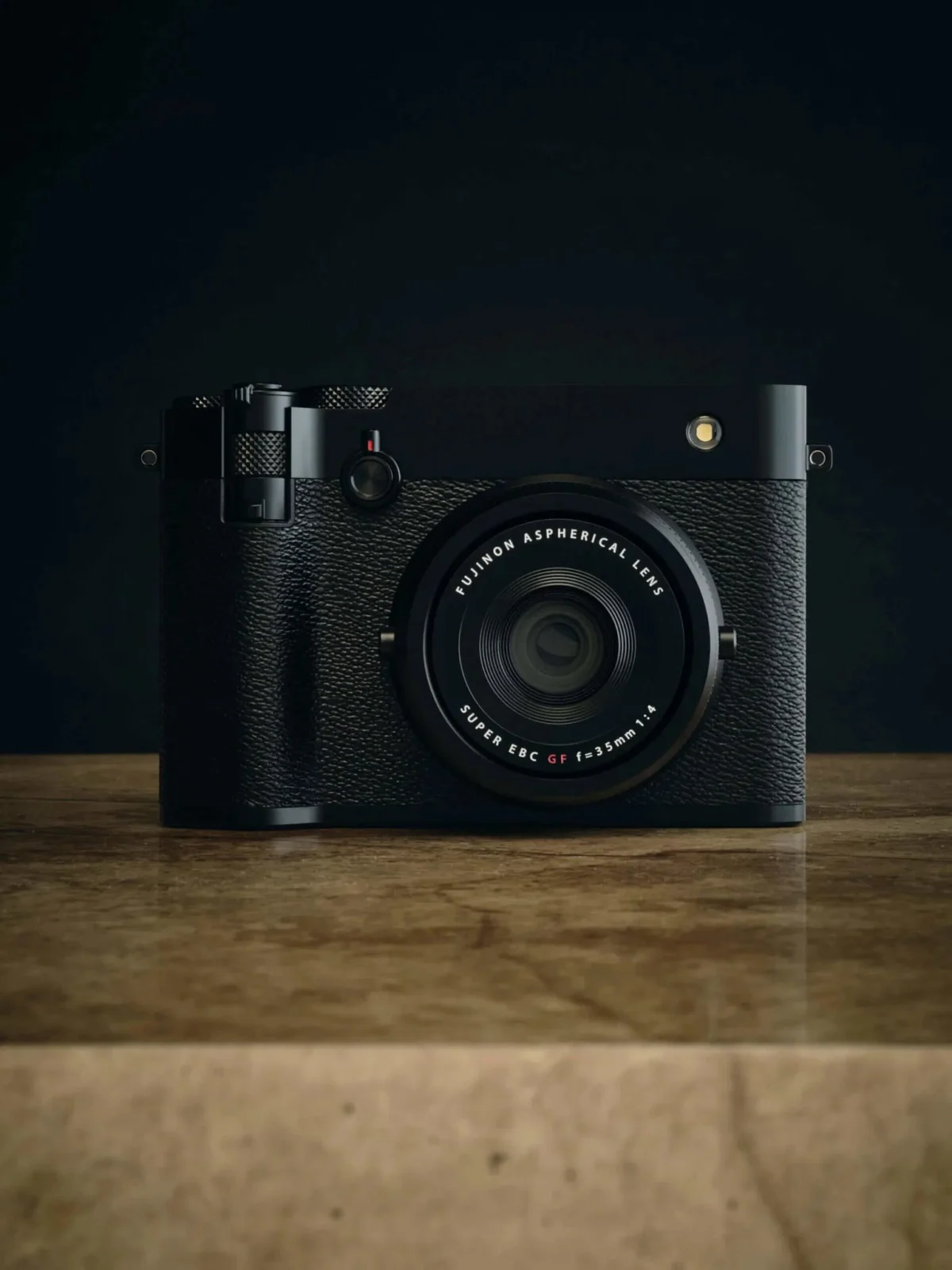
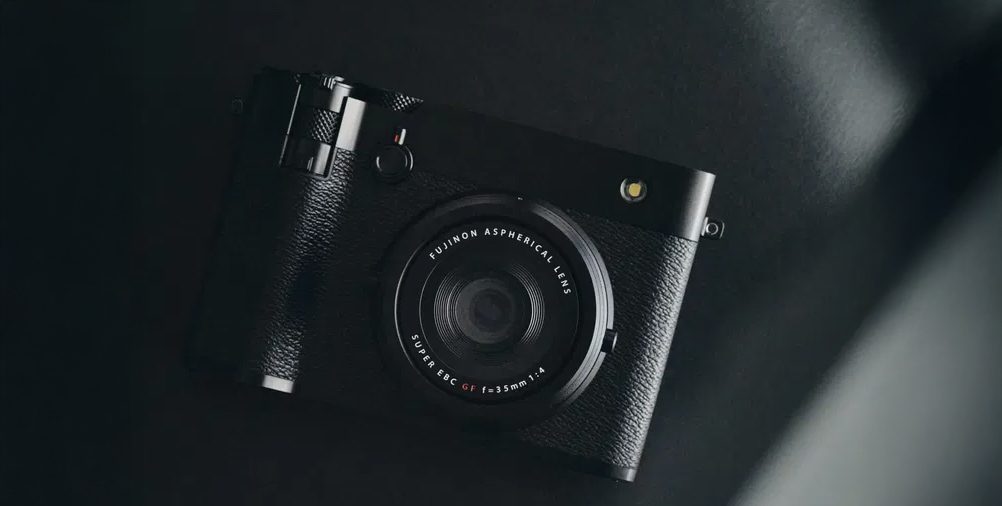
The arrival of the Fujifilm GFX 100RF from Lensrentals.com presented a compelling first impression, notable for its surprisingly compact form factor. For a medium-format camera housing a substantial 100-megapixel sensor, its svelte dimensions challenge conventional expectations, bringing its perceived heft closer to that of a full-frame mirrorless system like a Nikon Z7 paired with a modest 35mm lens. This design ethos deliberately echoes the classic rangefinder aesthetic, drawing parallels to revered models such as the Plaubel Makina 67, yet it distinctively reinterprets this heritage for the digital age.
Design Philosophy and Market Positioning
The GFX 100RF is positioned as a highly specialized instrument, catering to a distinct segment of the photographic community. Its fixed 35mm lens (medium format equivalent, yielding a field of view similar to a 28mm lens on a full-frame sensor) and deliberate omission of certain features—most notably in-body image stabilization (IBIS) and an exceptionally fast lens—are central to its design philosophy. Fujifilm’s strategic decision to prioritize a reduction in size and weight, while retaining the high-resolution Sony 33x44mm 100 MP sensor, has carved out a unique "niche within a niche" in the premium digital camera market.
This design choice has, however, generated considerable discussion among photographers and industry commentators. Critics often point to the absence of IBIS and a faster lens as potential drawbacks, particularly for a camera in its price bracket. However, Fujifilm’s objective was to create an exceptionally portable medium-format camera. Incorporating IBIS and a larger, faster lens would inevitably increase the camera’s bulk and mass, directly contravening the core tenet of its design. The GFX 100RF, therefore, emerges as a highly convenient, lightweight, and fluid operating tool for those whose photographic pursuits align with its specific capabilities, particularly photographers who value the expansive field of view offered by a 28mm equivalent lens in a medium-format sensor. It stands as a unique proposition for professionals and enthusiasts seeking the unparalleled quality of a 100 MP medium-format sensor in a highly mobile, precise, and fixed-lens package.
Key Specifications and Technical Underpinnings
At the heart of the GFX 100RF is the same high-performance 100-megapixel, 33x44mm medium format sensor found in the acclaimed GFX 100 II. This sensor is renowned for its exceptional dynamic range, superb color rendition, and immense resolution, providing an unparalleled canvas for intricate detail. The sensor’s performance, including Fujifilm’s characteristic ISO 80 black-point subtraction, delivers image quality that will be immediately familiar and impressive to users of other high-end GFX models.
The camera’s autofocus system, while not matching the blistering speeds of the latest full-frame professional cameras, is entirely adequate by medium-format standards, performing on par with the GFX 100 II. This translates to reliable and accurate focusing for a wide range of photographic scenarios typical of medium format use, such as landscape, portrait, and architectural photography, where absolute speed is often secondary to precision.
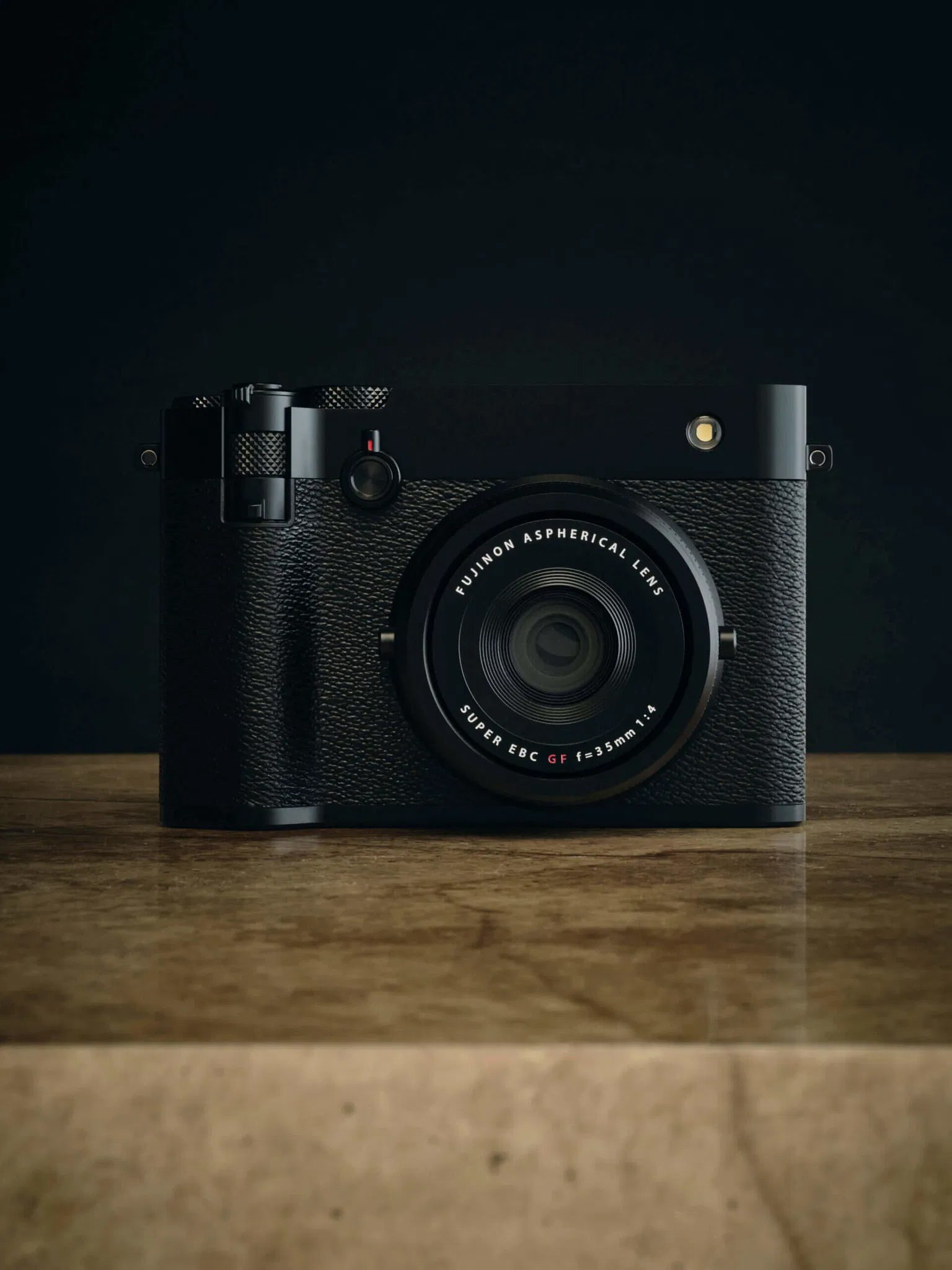
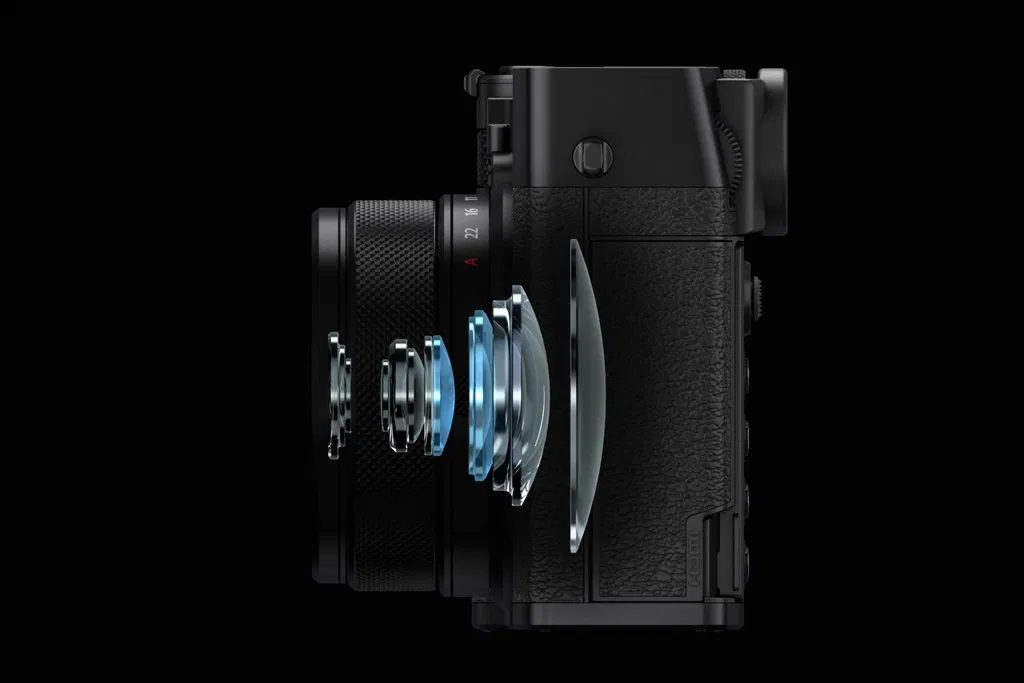
Powering the GFX 100RF is a battery system that exhibits improved longevity compared to its counterparts, the GFX 100 II and GFX 100S II, which utilize the same battery type. This enhanced efficiency is attributed primarily to two factors: the absence of in-body image stabilization, which is a significant power consumer, and the lower power demands of the leaf shutter integrated into the GFX 100RF’s lens, as opposed to the focal plane shutters found in the other GFX models. This extended battery life further enhances the camera’s appeal as a capable travel companion.
Ergonomics and User Experience: A Balanced Assessment
The ergonomic design of the GFX 100RF presents a mixed but largely positive user experience. The camera’s controls are thoughtfully laid out, with some notable refinements and a few areas for potential improvement.
A significant enhancement is the redesigned Q button, which now sits flush with the camera body. This prevents accidental presses, a common complaint with earlier Fujifilm models, and contributes to a smoother workflow. The exposure system offers considerable flexibility, with both aperture and shutter speed dials featuring an "A" (auto) position. ISO adjustments are intuitively handled by a collar encircling the shutter dial, an elegant solution that keeps essential exposure controls within easy reach. However, the lack of distinct detents for the ISO collar means that precise adjustments by feel alone can be challenging, necessitating visual confirmation.
The exposure compensation dial stands out as an ergonomic highlight. Its generous size and optimal placement allow for effortless thumb access, facilitating quick and precise exposure adjustments—a crucial feature for many photographers. Conversely, the tactile feedback from the knurled dials and the joystick has been described as somewhat vague and mushy, indicating an area where Fujifilm could still refine its haptics to match the crisp, responsive feel offered by competitors like Nikon.
Further minor design quibbles include a battery door latch that does not self-engage, requiring a manual push to secure, and a card slot door that feels less robust compared to designs found on professional-grade Nikon cameras. The camera utilizes two SD card slots, a standard choice, but some power users might have preferred the faster data transfer speeds and enhanced reliability of a CFExpress slot, especially given the large file sizes generated by a 100 MP sensor.
Lens Performance and Optical Characteristics
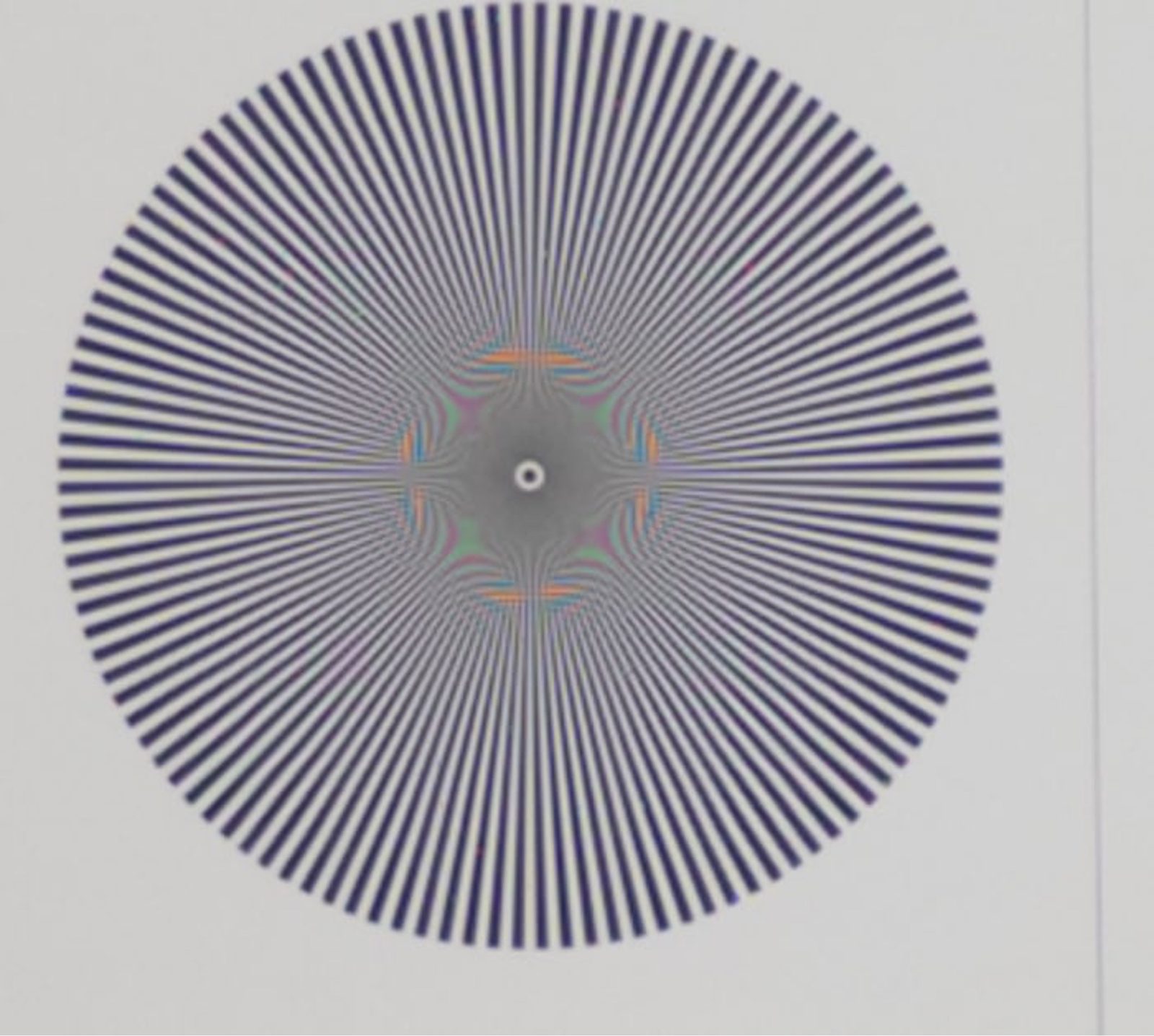
The integrated lens of the GFX 100RF is a strong performer, especially considering its compact dimensions. It delivers excellent on-axis sharpness, which holds up remarkably well until the effects of diffraction begin to introduce appreciable blur at smaller apertures. There is only a modest falloff in sharpness towards the edges of the frame, a testament to the lens’s optical design. Field curvature, a common optical aberration, is commendably absent, ensuring consistent sharpness across the image plane.

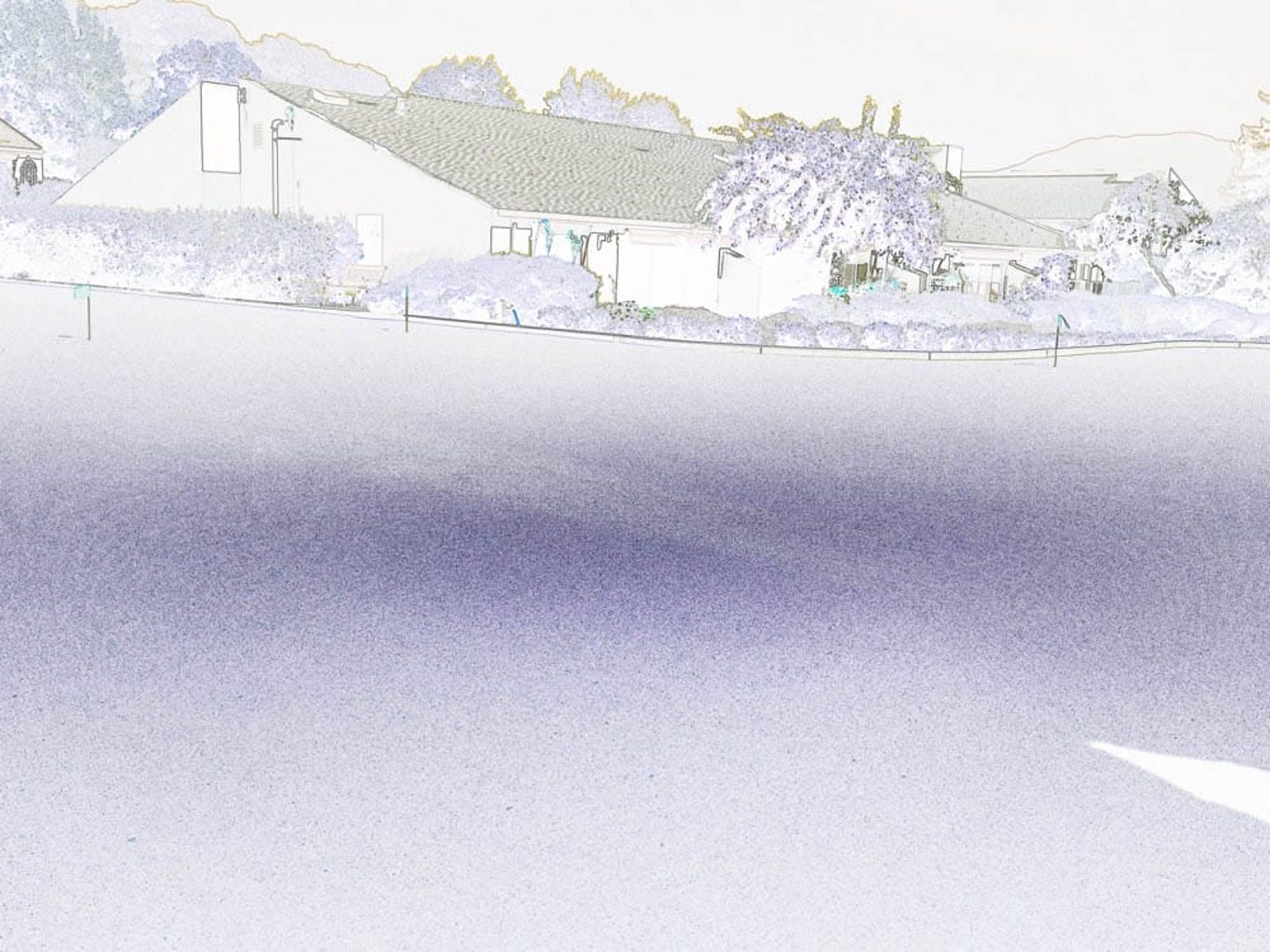
Distortion is noticeable in uncorrected RAW files, particularly for a wide-angle lens. However, modern digital correction profiles within image processing software effectively eliminate these distortions with virtually no discernible impact on overall sharpness. Similarly, vignetting, or light falloff towards the corners, is moderate but is easily rectified through software corrections.
A notable feature of the GFX 100RF is its leaf shutter. This mechanism contributes to the camera’s quiet operation, a significant advantage in sensitive shooting environments. However, at higher shutter speeds (typically 1/500 second and above), the leaf shutter can introduce subtle bokeh artifacts. These become more pronounced at speeds like 1/4000 second, where the shutter acts almost like an additional aperture, altering the shape of out-of-focus highlights. While present, these artifacts are generally considered less objectionable than those produced by the focal plane shutters in some other medium format lenses, such as Hasselblad’s XCD 38V and 90V lenses. The interplay between flash duration and high shutter speeds also merits attention; at 1/4000 second, a minor loss of light from a hot shoe flash can occur if the flash duration exceeds the shutter speed, a common consideration for high-speed sync.
Comparative Analysis and Market Alternatives
The GFX 100RF operates in a highly competitive and specialized market segment. Its unique blend of medium format quality, 100-megapixel resolution, and an unusually compact, fixed-lens design invites comparisons with both other medium format systems and high-end full-frame fixed-lens cameras.

Within Fujifilm’s own ecosystem, the GFX 100RF distinguishes itself from the GFX 100 II and GFX 100S II by its fixed lens and smaller footprint, making it the most portable 100MP GFX camera. Its lack of IBIS is a key differentiator, influencing both its size and battery performance.
Looking beyond Fujifilm, the GFX 100RF faces intriguing competition from premium full-frame fixed-lens cameras such as the Leica Q3 and the Sony RX1R III. These cameras offer a different set of compromises and advantages. The Leica Q3, for instance, provides a 60-megapixel full-frame sensor with IBIS and a high-quality fixed 28mm lens (the same field of view as the GFX 100RF’s 35mm medium format equivalent). The Sony RX1R III, also a full-frame fixed-lens camera, is considerably smaller and lighter than the GFX 100RF, though it lacks IBIS and offers a 42-megapixel sensor.
In terms of physical dimensions, the GFX 100RF weighs approximately the same as the Leica Q3, while the Sony RX1R III is notably more compact and lighter. Pricing also shows a tight race, with the GFX 100RF and Sony RX1R III often in a similar price range, while the Leica Q3 typically commands a higher premium. Therefore, opting for a full-frame alternative might not always translate to significant cost savings, but it could offer a substantial weight advantage, particularly with the Sony. The inclusion of IBIS in the Leica Q3 also makes it a potentially superior choice for handheld shooting in low-light conditions, a scenario where the GFX 100RF’s lack of IBIS might necessitate higher ISOs or a tripod.
The Cropping Debate and Sensor Utilization
A crucial aspect of the GFX 100RF’s design, and one that Fujifilm actively promotes, is the cropping flexibility afforded by its 100-megapixel sensor. The fixed 35mm lens on the 33x44mm medium format sensor provides a field of view equivalent to a 28mm lens on a full-frame sensor. This means that photographers who prefer the perspective of a 28mm lens can fully utilize the camera’s impressive 100MP resolution.
However, the implications shift for photographers who desire the "look" or field of view of a 35mm lens on a full-frame camera. To achieve this perspective with the GFX 100RF, one would need to crop the image significantly. This effectively transforms the 100-megapixel camera into a roughly 60-megapixel camera, as a substantial portion of the sensor area would be discarded. In such a scenario, the resolution advantage over a 60MP full-frame camera like the Leica Q3 (which offers a native 28mm equivalent field of view and 60MP) diminishes considerably.
Fujifilm highlights that the 100MP GFX sensor allows for more aggressive cropping than a 60MP full-frame sensor at the same pixel pitch. This is true in a general sense, offering greater flexibility. However, when comparing the GFX 100RF’s cropped image quality at specific angles of view (e.g., a 35mm full-frame equivalent) to cameras like the Sony RX1R III, the advantage for the GFX 100RF is primarily found in the "sweet spot" between the full-frame equivalent angles of view of 28mm and 35mm. Beyond this, the benefits of the larger sensor are somewhat mitigated by the cropping required to match specific full-frame focal lengths. This necessitates careful consideration of a photographer’s preferred focal lengths and whether the GFX 100RF’s native 28mm equivalent field of view aligns with their primary shooting style.
Broader Implications and Target Audience
The Fujifilm GFX 100RF represents a bold statement in the medium format landscape. It challenges the perception that medium format cameras must be bulky and cumbersome. By focusing on extreme portability and a highly specialized fixed-lens configuration, Fujifilm has created a tool that appeals to a discerning group of photographers. These are individuals who prioritize ultimate image quality and detail, demand a compact form factor for travel or street photography, and are comfortable with the unique workflow and perspective offered by its fixed 28mm-equivalent lens.
While the absence of IBIS and a wider range of focal lengths might deter some, the camera’s strengths—its unparalleled 100MP medium-format sensor, excellent lens performance, robust build (despite minor haptic issues), and impressive battery life—make it a compelling choice for its intended audience. Its "eccentric" user interface, characterized by a blend of physical dials and digital controls, is a hallmark of Fujifilm and often highly praised by its loyal user base for its directness and intuitiveness once mastered.
Ultimately, the GFX 100RF is a purposeful, specialized instrument. For photographers who embrace its specific characteristics—the medium format "look," the vast resolution, the portability, and the 28mm equivalent field of view—it promises to be an indispensable creative companion. However, for those seeking a more versatile system with interchangeable lenses, IBIS, or a different primary focal length, other options, including Fujifilm’s own GFX line or high-end full-frame alternatives, might prove more suitable. The GFX 100RF is not a camera for everyone, but for those it resonates with, it offers a uniquely powerful and elegant photographic experience.