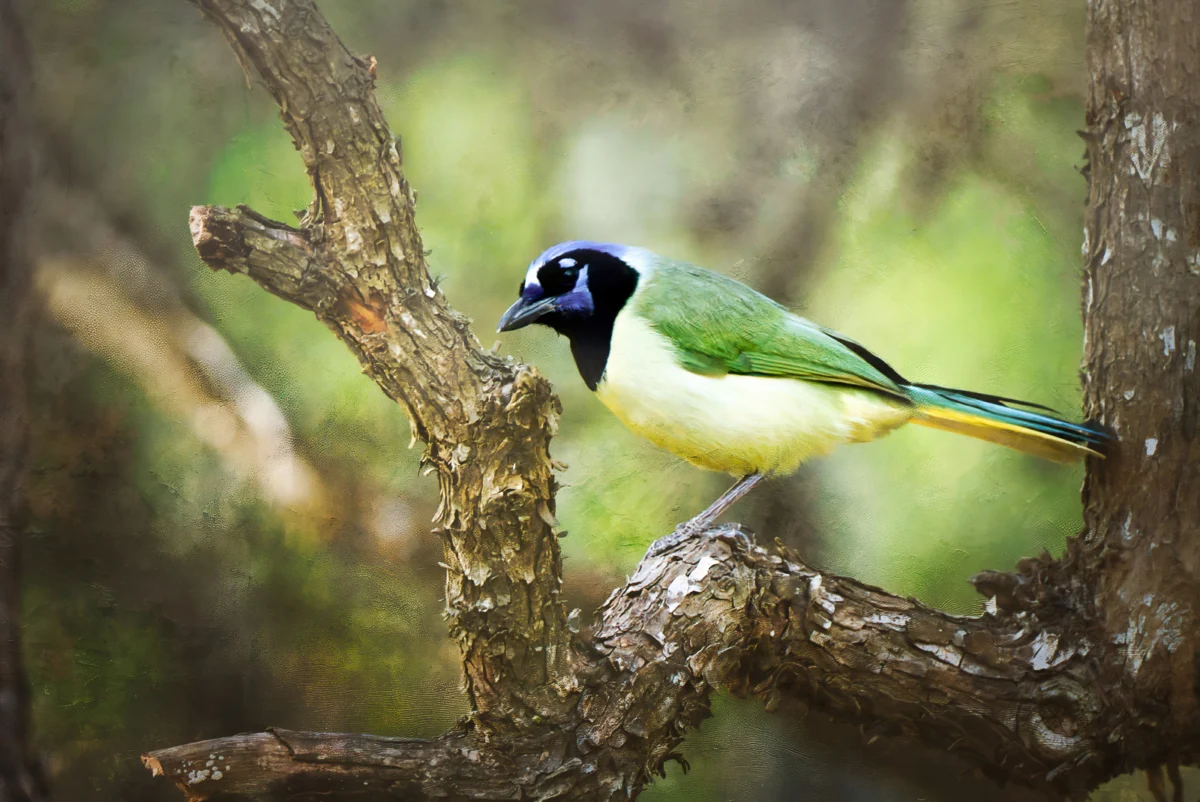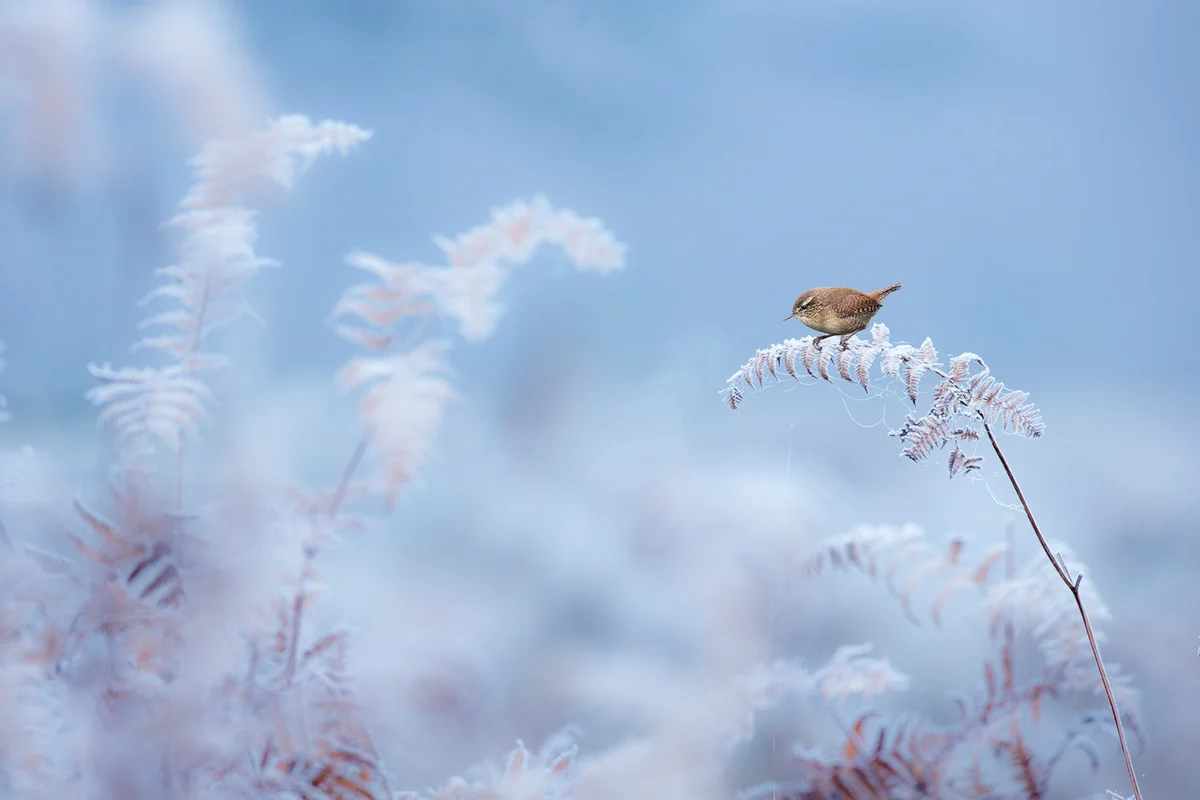
Passerine birds, often referred to as perching birds, constitute the monumental order Passeriformes, representing an astonishing diversity that encompasses over half of all avian species globally. With approximately 6,500 distinct species, these birds are not only the largest but also the most widespread and ecologically significant order of birds, inhabiting virtually every terrestrial environment on Earth, from bustling urban gardens and dense forests to expansive open fields. Their defining anatomical feature, an anisodactyl foot structure with three toes pointing forward and one robust toe directed backward, grants them unparalleled agility, enabling them to grip branches and perches with remarkable dexterity. This adaptability, combined with their vibrant plumage and often complex vocalizations, makes them a captivating subject for wildlife photography, offering both significant challenges and immense rewards.

Background and Ecological Significance
The evolutionary success of passerine birds is a testament to their adaptability and specialized traits. Their diverse feeding habits, ranging from insectivory and granivory to nectivory and omnivory, play crucial roles in ecosystem health. Many species are vital for seed dispersal, contributing to plant regeneration, while insectivorous passerines act as natural pest controllers, helping to regulate insect populations. Their songs, often intricate and melodious, serve critical functions in communication, territorial defense, and mate attraction, making them a significant component of natural soundscapes. From the iconic European robin and the vibrant American goldfinch to the ubiquitous house sparrow and the swift swallow, passerines demonstrate an incredible spectrum of forms and behaviors, providing endless opportunities for study and artistic capture.

Accessibility and Growing Popularity in Wildlife Photography
Unlike many larger or more elusive wildlife subjects, passerine birds are remarkably accessible. Their presence in human-modified landscapes, particularly gardens and parks, makes them ideal subjects for aspiring wildlife photographers, especially those looking to hone their skills close to home. This accessibility has fueled a surge in backyard bird photography, transforming ordinary gardens into vibrant outdoor studios. The challenge, however, lies in their typically small size and rapid, unpredictable movements. Capturing these swift, often skittish creatures requires a blend of technical proficiency, profound patience, and a deep understanding of avian behavior. Despite the difficulties, the sheer availability of passerines offers a unique entry point into the demanding yet gratifying world of wildlife photography, promising rich visual narratives for those willing to invest the time.

The Art of Observation and Fieldcraft: Understanding Your Subject
Successful passerine photography begins long before the camera shutter is pressed. It demands meticulous observation and an understanding of the bird’s natural history. Ornithologists and seasoned wildlife photographers alike emphasize that knowledge of species-specific behaviors—such as feeding patterns, social interactions, and vocalizations—is paramount. Learning to identify birds by their songs and calls, for instance, can significantly enhance fieldcraft, allowing photographers to locate subjects even when they are obscured by foliage. Resources such as field guides, online databases, and local birdwatching communities can provide invaluable insights into the habits of local passerine populations.

Spending dedicated time simply observing birds, without the immediate pressure of taking photographs, allows for the development of predictive skills. Noticing typical perching spots, preferred feeding times, and interaction dynamics between individuals can help anticipate movements, dramatically increasing the chances of capturing compelling moments. This deep engagement with the subject fosters not only better photographs but also a greater appreciation for the natural world.
Creating the Optimal Photographic Environment: The Backyard Sanctuary

For many, the backyard offers the most convenient and consistent opportunities to photograph passerines. Establishing a dedicated feeding station can dramatically increase the frequency and variety of avian visitors, transforming a simple garden into a dynamic photographic set.
- Strategic Food Selection: To attract a diverse range of species, offer a variety of high-quality foods. Sunflower seeds (especially black oil sunflower seeds), nyjer seeds, suet blocks, mealworms, and fresh fruit are highly appealing to different passerine species. For instance, finches are often drawn to nyjer seeds, while robins and thrushes appreciate mealworms and fruit. During colder months or periods of harsh weather, when natural food sources are scarce, feeders become particularly crucial, often leading to increased bird activity and opportunities for dynamic shots of inter-species interactions.
- Feeder Placement and Natural Light: The positioning of feeders is critical for both bird safety and photographic quality. Place feeders in areas that receive ample natural light, ideally with soft, diffused illumination during the "golden hours" of early morning and late afternoon. Avoid harsh midday sun, which can create strong shadows and overexposed highlights. Crucially, position feeders near natural cover such as shrubs or trees. This provides birds with a sense of security from predators and offers convenient perching spots before and after visiting the feeder.
- Hygiene as a Priority: Maintaining rigorous hygiene at feeding stations is non-negotiable to prevent the spread of diseases among birds. Regularly clean feeders with a mild bleach solution (one part bleach to nine parts water) and ensure they are thoroughly rinsed and dried before refilling. This practice protects the birds and ensures a healthy, thriving population for your photography endeavors.
- The Allure of Water: Introducing a clean, fresh water source, such as a bird bath or a reflection pool, can attract additional species and provide exceptional photographic opportunities. Birds require water for drinking and bathing, and these activities can yield captivating action shots or serene portraits with elegant reflections. A shallow, rectangular planting tray, strategically placed and lined with natural elements like rocks or logs, can serve as an effective reflection pool. Careful positioning is essential to capture reflections of trees or foliage, which tend to offer more aesthetically pleasing backgrounds than a bright, washed-out sky.
Crafting the Perfect Frame: Perches and Backgrounds

Beyond the birds themselves, the aesthetic quality of a passerine photograph is heavily influenced by its environment. Thoughtfully selected perches and carefully managed backgrounds can elevate an image from a simple record shot to a work of art.
- The Art of the Natural Perch: Actively search for and incorporate natural perches into your feeding station setup. Branches, twigs, wildflowers, or even a sprig of seasonal blossom can add significant visual interest and context. Look for elements that complement the bird’s colors and hint at its natural habitat, avoiding anything that looks artificial or contrived. Moss-covered branches in winter or vibrant cherry blossoms in spring can provide stunning settings. The goal is to create a scene that feels authentic and visually harmonious.
- Optimal Perch Positioning and Lighting: Ensure perches are positioned to benefit from the best available light. Experiment with different orientations; a perch that is front-lit in the morning might be beautifully backlit by the setting sun, offering dramatically different moods. Overcast days, often overlooked, provide a giant natural diffuser, softening light and eliminating harsh shadows, making them ideal for capturing intricate feather details and muted, rich colors. The "golden hour" remains a prime time for its warm, rich light, perfect for experimenting with backlighting to create ethereal rim lighting effects.
- The Significance of the Background: To achieve professional-looking results, backgrounds must be rendered soft and out of focus, ensuring the bird remains the undisputed subject. This separation is achieved through a combination of lens choice and aperture settings. A wide aperture (e.g., f/2.8 to f/5.6) creates a shallow depth of field, blurring distractions. A longer focal length further exaggerates this effect. Always take test shots to evaluate how the background appears. Additionally, consider the background’s colors; choose areas where the tones complement the subject rather than clash. Utilizing areas of deep shadow can create a dramatic, dark background, making the bird pop with striking contrast and impact.
Mastering the Lens: Essential Camera Settings

The diminutive size and rapid movements of passerines demand technical precision from the photographer. Understanding and adjusting camera settings—shutter speed, aperture, ISO, and focusing modes—are paramount for success.
- Shutter Speed: Freezing the Moment: Passerines are rarely still. To freeze their rapid movements and prevent motion blur, a fast shutter speed is essential. A minimum of 1/1000th of a second is recommended for static perching shots, while capturing birds in flight necessitates even higher speeds, often 1/2500th of a second or faster, to render sharp wing detail.
- Aperture: Controlling Depth of Field: A wide aperture, typically ranging from f/2.8 to f/5.6, is ideal for creating a shallow depth of field. This technique effectively isolates the bird from its surroundings, producing a pleasingly blurred background (bokeh) while keeping the subject sharp. When photographing multiple birds or aiming for sharpness across more of the bird (e.g., from eye to chest feathers for a close portrait), a slightly smaller aperture (e.g., f/8) may be necessary, especially when working in close proximity to the subject.
- ISO: Embracing Light Sensitivity: Do not shy away from using higher ISO settings, particularly in challenging low-light conditions. Modern cameras handle noise at higher ISOs much better than older models. It is generally preferable to achieve a critically sharp image with some visible noise, which can often be managed in post-processing, than to have a clean, noise-free image that lacks sharpness due to an insufficient shutter speed.
- Focus Mode: Pinpoint Precision: Continuous autofocus (AI Servo on Canon, AF-C on Nikon/Sony) is crucial for tracking moving subjects. This mode continuously adjusts focus as the bird moves, increasing the likelihood of sharp images. Advanced cameras with eye-detection autofocus can be exceptionally effective, locking onto the bird’s eye for maximum accuracy. However, if eye detection struggles, switching to a single-point or group focus mode, carefully placed over the bird’s eye or head, offers reliable precision. For predictable movements, such as a bird flying between a perch and a feeder, manual pre-focusing on an anticipated spot and then firing a burst of shots as the bird enters that plane of focus can yield excellent results.
- Burst Mode: The Power of Sequence: Utilizing the camera’s continuous shooting or burst mode is indispensable. Passerines can move and change poses in a fraction of a second, and shooting a rapid sequence of frames significantly increases the chances of capturing that fleeting perfect moment, be it a wing flap, a head tilt, or an interaction.
Beyond the Static Shot: Capturing Dynamic Behavior

While a sharp portrait is always desirable, truly compelling passerine photography often involves capturing dynamic behaviors and interactions. These moments tell a story and add depth to your images.
- Feeding and Drinking: Documenting birds actively feeding, gathering food for young, or splashing in a water bath provides excellent opportunities for action and detail shots. These behaviors are often extended, allowing more time to compose and focus.
- Vocalizations and Territorial Displays: During breeding season, many passerines engage in elaborate singing to establish and defend territories. Capturing a bird mid-song, with its beak open, conveys a powerful sense of its presence and behavior. Similarly, territorial squabbles over food or prime perching spots can offer fast-paced, dramatic action. When two or more birds are in the frame, remember to adjust your aperture to maintain sufficient depth of field for all subjects, potentially increasing ISO to compensate for the necessary shutter speed.
- Parenting Moments: Witnessing and photographing parent birds feeding their chicks or guiding fledglings through their first flights are incredibly touching and unique moments. Such opportunities require extreme patience and a highly ethical approach, ensuring no disturbance to the birds or their nest. Often, fledglings are fed by parents in nearby bushes or trees, making garden feeders a good spot to observe this after the young have left the nest.
- Preening and Comfort: Birds meticulously preen their feathers to maintain their insulation and flight capabilities. These intimate moments, as well as stretching or ruffling feathers, offer chances for detailed, candid shots that reveal the bird’s character.
Recommended Equipment for Success

While passion and patience are paramount, having appropriate gear can significantly enhance your passerine photography experience.
- Camera Body: A modern DSLR or mirrorless camera with fast autofocus systems and a high continuous shooting rate (10 frames per second or more) is highly advantageous. Features like advanced eye-detection autofocus, though not strictly essential, can be a game-changer for tracking small, fast-moving subjects.
- Lenses: A telephoto lens is indispensable. A focal length of 300mm or longer allows for sufficient reach to photograph birds without disturbing them. Lenses in the 500mm or 600mm range are particularly effective for achieving highly blurred backgrounds and isolating subjects. Tele-zoom lenses (e.g., 100-400mm, 150-600mm) offer versatility in framing and composition, making them an excellent choice for dynamic situations.
- Support System: A sturdy tripod is essential for stability, especially when using long telephoto lenses or shooting for extended periods from a hide. Pairing it with a gimbal head significantly improves maneuverability and tracking of moving birds, making it feel almost weightless.
- Hide/Blind: To get truly close without causing disturbance, a portable hide or camouflage netting is invaluable. A purpose-built bird photography hide, if it can be left in place for extended periods, allows birds to acclimate to its presence, leading to more natural behavior.
- Accessories: A remote shutter release minimizes camera shake and is particularly useful when pre-focusing on a specific spot. High-speed memory cards are crucial to handle the large number of images generated during burst shooting, preventing buffer slowdowns.
Ethical Considerations and Conservation

As with all wildlife photography, ethical practices are paramount. The well-being of the birds must always take precedence over the desire for a photograph. This means maintaining a respectful distance, avoiding any actions that could disturb nesting birds or cause undue stress, and never baiting birds with harmful food or manipulating their environment unnaturally. By observing birds responsibly, photographers also become advocates for their conservation, often contributing to citizen science projects through their observations and images. Understanding the threats faced by passerine populations—habitat loss, climate change, and pesticide use—can inspire a deeper commitment to their protection.
In Conclusion: A Rewarding Pursuit

Passerine birds, with their ubiquitous presence and captivating behaviors, offer an unparalleled entry point into the world of wildlife photography. From the comfort of a backyard to the depths of a local woodland, these agile creatures provide endless opportunities for creative expression. While their small size and rapid movements present technical challenges, mastering the art of observation, establishing an inviting environment, and employing precise camera settings can unlock a world of stunning imagery. Beyond the technical aspects, engaging with passerines fosters a profound connection to nature, transforming a simple hobby into a deeply rewarding pursuit. So, equip yourself with patience, knowledge, and your camera, and step into the enchanting world of passerine photography, where every frame tells a story of resilience, beauty, and ecological wonder.