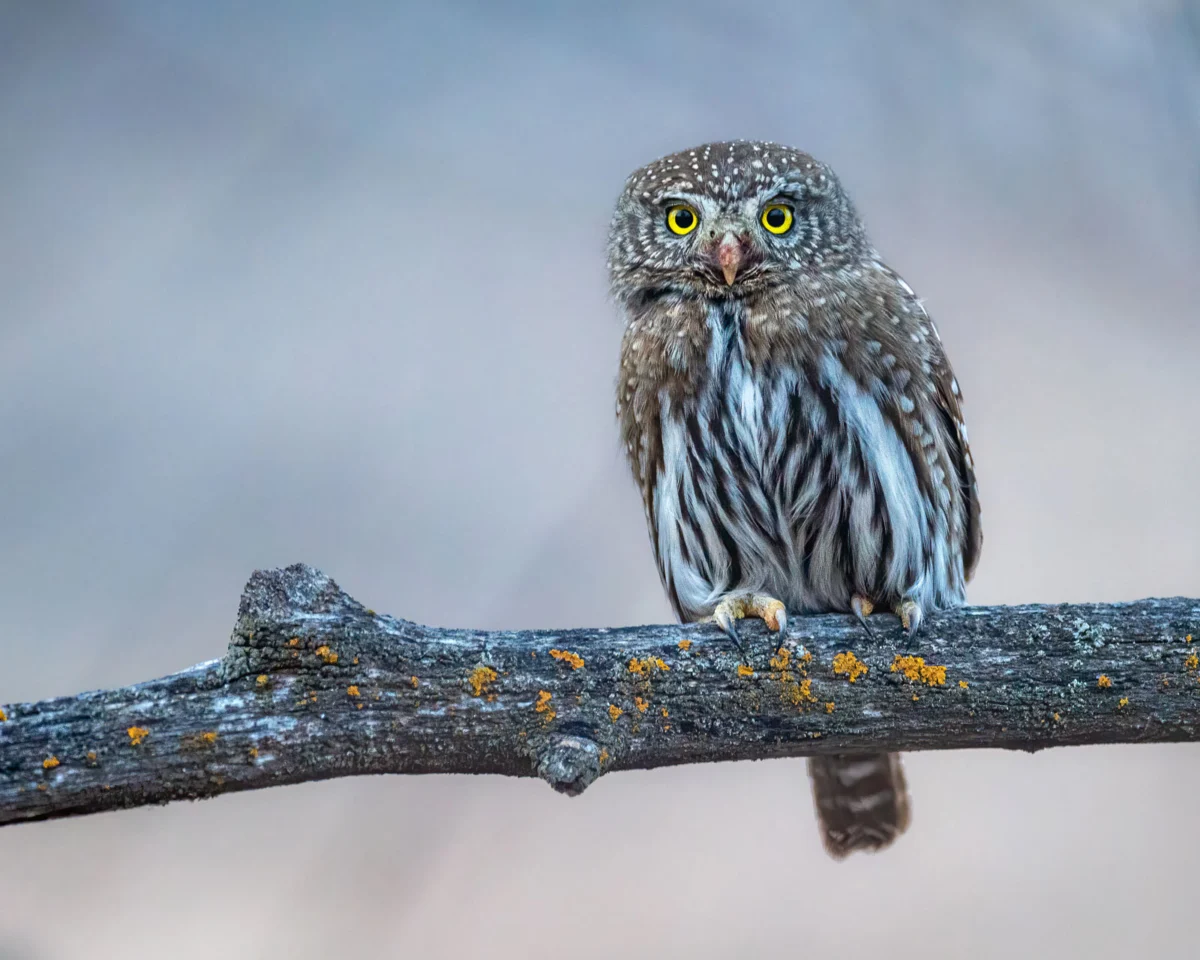
Owls, with their enigmatic presence and profound silence, have long captivated human imagination, embodying mysteries that compel a deeper understanding. The art of owl photography serves as a powerful medium to unveil their captivating characteristics, exquisite beauty, and inherent grace, deepening our collective fascination with these remarkable raptors. Through a meticulous blend of patience, ecological knowledge, and technical skill, photographers can transcend mere observation, capturing enchanting images that not only celebrate these birds but also contribute to their conservation.
Unveiling the Enigma: The Deep-Rooted Fascination with Owls
The global intrigue surrounding owls stems from a unique combination of their nocturnal habits, striking appearance, and predatory prowess. Unlike most diurnal birds, owls operate under the cloak of darkness, their silent flight and piercing gaze making them symbols of wisdom, mystery, and sometimes, ill omen across various cultures. This inherent elusiveness only amplifies the desire to witness and document them. Owl photography, therefore, is more than a hobby; it is a dedicated pursuit into the hidden lives of these magnificent creatures, offering a window into an often-unseen world. Successful photographers are those who invest in understanding the complex tapestry of owl habitats and behaviors, significantly enhancing their opportunities to encounter and immortalize these raptors through their lenses.

Global Reach and Diverse Habitats: A Chronology of Owl Presence
Owls are among the most geographically widespread avian predators, inhabiting every continent except Antarctica. Their remarkable adaptability allows them to thrive in an astonishing array of environments, from the dense canopies of tropical rainforests and vast boreal forests to arid plains, expansive deserts, rugged canyons, frozen tundra, lush wetlands, and even the bustling, densely populated urban centers. This global distribution means that, regardless of location, there is a strong probability that several owl species reside within a relatively close proximity to most human populations, making them accessible subjects for dedicated photographers year-round.

The presence of owls in diverse ecosystems highlights their ecological resilience and importance. Some species, like the Barn Owl (Tyto alba), demonstrate incredible versatility, adapting to a wide range of habitats and prey availability. Others, such as the Spotted Owl (Strix occidentalis), are highly specialized, confined to specific old-growth forest ecosystems, making them indicators of forest health and subjects of significant conservation concern. Furthermore, seasonal changes often dictate owl movements; some species undertake considerable migrations in response to food scarcity or breeding cycles, offering dynamic photographic opportunities for those who track these patterns. This ecological versatility is a boon for photographers, underscoring the potential for discovering owls in unexpected places, often closer to home than anticipated.
Strategic Discovery: Decoding Owl Behavior and Habitat

The initial step in successful owl photography is to undertake thorough research into the local owl species. A comprehensive understanding of the owls inhabiting a specific region—their physical characteristics, vocalizations, diet, hunting strategies, breeding habits, and preferred roosting sites—is paramount. Numerous free resources, including ornithological databases, local Audubon society guides, and natural history books, provide invaluable data. Photographers should research the relative abundance of different species, recognizing that rarity doesn’t necessarily equate to difficulty in finding, nor does abundance guarantee easy sightings. Factors such as a species’ feeding habits, diurnal versus nocturnal activity, seasonal migration patterns, camouflage effectiveness, and breeding behaviors play significant roles in their detectability.
For instance, the Great Horned Owl (Bubo virginianus), a relatively large and common species across North and Central America, possesses exceptional camouflage, allowing it to blend seamlessly into tree bark, rendering it almost invisible to the casual observer. Similarly, the Tawny Owl (Strix aluco), widespread throughout Europe, is notoriously secretive despite its size, often requiring extensive knowledge of its favored dense woodland habitats to locate. Equipping oneself with this species-specific knowledge dramatically increases the likelihood of successfully finding and photographing target owl species.

While most owls are predominantly nocturnal, many species exhibit increased activity during crepuscular hours – dawn and dusk. This period, often referred to as "golden hour," offers optimal light for photography and is a prime time for listening for their characteristic calls or hoots. Consistent evening outings to listen for these vocalizations can train the ear to identify local owls, establishing their presence in an area. Visually, the challenge shifts to spotting them in fading light. Developing an "owl eye" involves scanning trees for unusual shapes that break the natural lines of branches, focusing particularly on larger branches close to the main trunk, typically at least halfway up the tree, but rarely at the very top. As light diminishes, owls often move towards the tree edges, providing better silhouettes against the sky. With practice, photographers can quickly scan large areas, instinctively identifying potential roosting spots.
Signs of Presence: Tracking and Ethical Engagement

Once an owl’s presence is established through vocalizations, subsequent daytime visits to the same general area should focus on visual tracking. Owls rarely move far from their day roosts at the onset of their nightly hunt. If a food supply is plentiful, an owl may utilize the same roosting tree, or even the same branch, for extended periods. Indicators of owl activity include "whitewash" – droppings on branches or the ground beneath a roost – which is particularly noticeable in communal winter roosts of species like the Long-eared Owl (Asio otus). Another key sign is the presence of owl pellets on the ground, composed of undigested fur, bones, and feathers regurgitated by the owl. These pellets offer insight into their diet and confirm a regular roosting location.
Crucially, ethical considerations must guide all interactions. Owls are particularly vulnerable during their daytime rest periods. Disturbing a roosting owl can cause significant stress, forcing it to expend precious energy and potentially abandon a favorable location. Photographers must maintain a respectful distance, typically 75 to 100 feet, and use long telephoto lenses to avoid intrusion. Any sign of nervous movement from the owl, such as head bobbing or changes in posture, signals that the photographer is too close and should immediately retreat. Prioritizing the owl’s welfare over a photograph is a fundamental tenet of responsible wildlife photography.

Some owl species, such as the Burrowing Owl (Athene cunicularia), Northern Hawk Owl (Surnia ulula), Little Owl (Athene noctua), and various pygmy owls, are more active during daylight hours, relying heavily on eyesight for hunting. These diurnal owls often perch openly, scanning the landscape for prey, offering more straightforward photographic opportunities. Species that use a combination of sight and hearing may be partially active during the day but intensify their hunting efforts at dawn and dusk. Knowledge of these species-specific hunting behaviors allows photographers to optimize their time and energy, maximizing their chances of capturing dynamic images that showcase natural behaviors.
For those struggling to locate owls despite diligent research, engaging a local wildlife guide specializing in photography can be highly effective. These guides possess intimate knowledge of local owl populations, recent sightings, and understand the specific needs and ethical considerations of wildlife photographers, significantly shortening the learning curve. Additionally, understanding owl migration patterns, often driven by prey availability, snow depth, and population dynamics, is essential for year-round planning. The journey of finding and photographing owls can be lengthy, sometimes taking a full year to achieve the first successful image, but the reward of connecting with these magnificent birds in their natural environment is profound.

Specialized Equipment: Precision Tools for Elusive Subjects
Capturing compelling owl photographs, whether of a stoic perched bird or one in dynamic flight, necessitates specialized equipment designed to meet the unique challenges presented by these subjects. Given the ethical imperative to maintain a significant distance (75 to 100 feet minimum), a long telephoto lens is indispensable. Lenses ranging from 300mm to 600mm are commonly employed, allowing the photographer to fill the frame with the owl while remaining non-intrusive. A key advantage of this setup, especially when photographing owls perched high in trees, is the ability to create images that give the illusion of eye-level perspective, a far superior result to shooting sharply upwards from a close distance.

Owl photography frequently occurs in low-light conditions, particularly during twilight or at night. Consequently, lenses with wide maximum apertures are crucial for maximizing light gathering capabilities, enabling faster shutter speeds to freeze motion and minimize camera shake. An f/2.8 lens is considered ideal, offering exceptional low-light performance and shallow depth of field for isolating the subject. While expensive, f/4 or even f/5.6 lenses can be effective, especially on modern camera bodies with excellent high ISO performance. Photographers should generally start with the widest possible aperture to maximize light and then gradually stop down if lighting conditions allow for increased depth of field.
Stabilizing the camera and lens system is equally important. While not always strictly necessary, a sturdy tripod significantly enhances image sharpness, particularly with heavy telephoto lenses and slower shutter speeds common in low light. Owls, when not actively hunting, tend to remain relatively still, making tripods invaluable for sustained observation and precise framing. A monopod offers a lighter, more mobile alternative, providing support while allowing for greater flexibility in tracking moving subjects. Handholding heavy gear for extended periods is arduous and can lead to missed opportunities when an owl makes an unexpected movement. A tripod keeps the camera poised and ready. Many experienced wildlife photographers use a tripod for static perched shots, then quickly detach the camera for anticipated flight sequences.

To further eliminate camera shake during critical low-light captures, a remote shutter release, either wired or wireless, is highly recommended. This device allows the photographer to trigger the shutter without physically touching the camera, ensuring maximum sharpness, especially when using slower shutter speeds on a tripod-mounted camera.
Artistic Opportunities: Showcasing Owl Uniqueness

Owls belong to the order Strigiformes, possessing a suite of distinctive characteristics and behaviors that set them apart from most other birds. These unique attributes contribute to their mystique and offer unparalleled opportunities for creating compelling bird photographs.
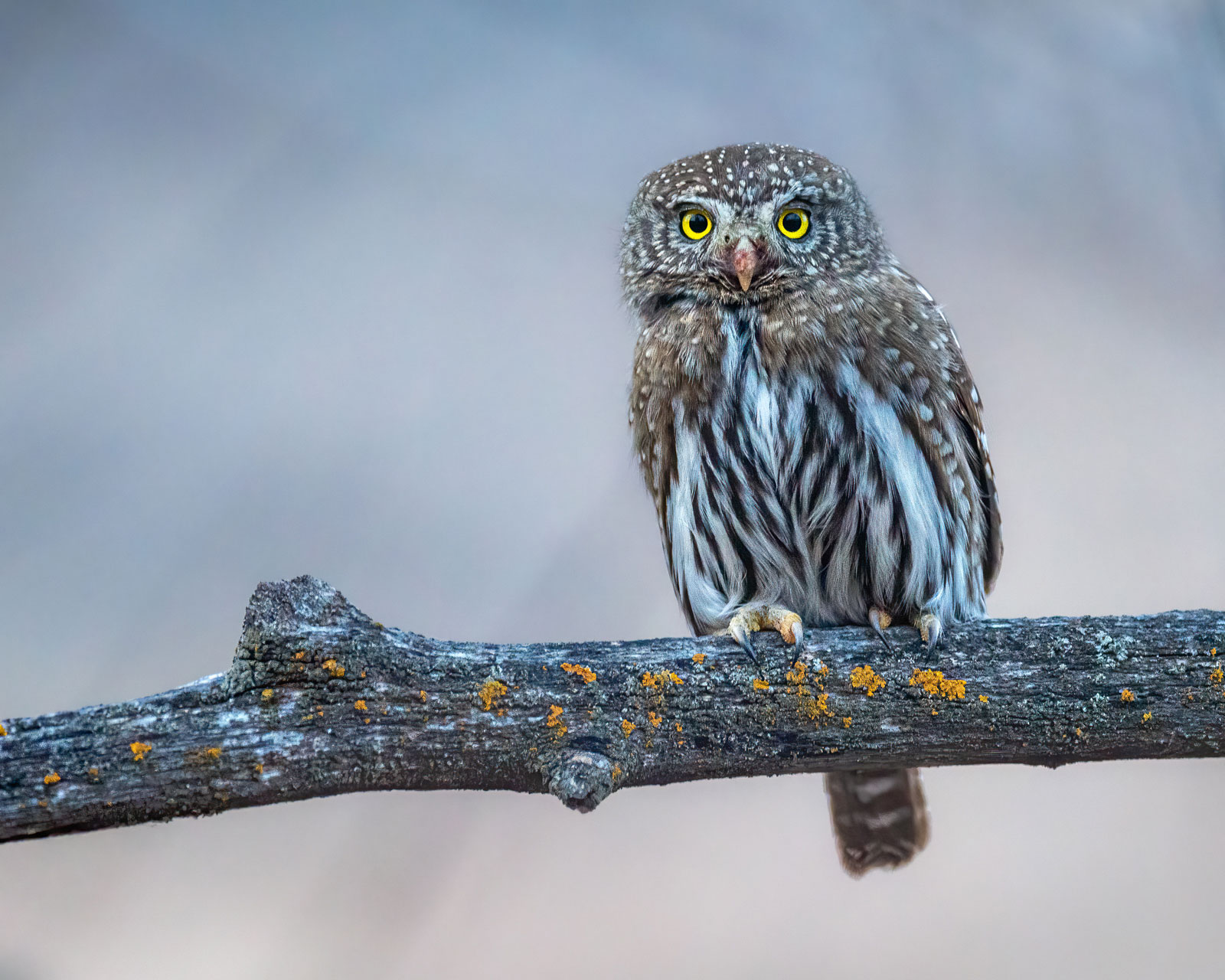
One of their most striking features is the prominent facial disc, a concave arrangement of feathers that acts like a parabolic dish, channeling sound waves to their asymmetrical ears and significantly enhancing their acute hearing. This disc forms a powerful visual frame around the owl’s large, forward-facing eyes, creating a strong central point of interest in portraits and a secondary focal point in behavioral shots. The eyes and facial disc typically lie within the same focal plane, simplifying the task of achieving critical focus. Photographers should strategically compose images to highlight these features, leveraging their inherent strength to provide balance and draw the viewer’s eye.

Another surprising feature, often hidden beneath their dense plumage, is the remarkable length of many owls’ legs, far longer than one might expect. This becomes evident during flight, especially when an owl extends its legs for landing or to grasp prey. Capturing these fleeting moments where legs and powerful talons are exposed adds a dynamic and often humorous element to images, illustrating their hunting prowess. Photographers observing hunting owls should be prepared to shoot a rapid series of frames to catch these brief, revealing movements.
The impressive wingspan of owls, often disproportionately wide relative to their body size, is another captivating aspect. In flight shots, emphasizing the fully outstretched wings showcases their power and the remarkable adaptation for silent flight. Opportunities to capture backlighting through their wings, revealing intricate feather structures, can create stunning, ethereal images.

Compositional Mastery: Perching, Portraits, and Environmental Context
An owl perched within its natural environment, be it a dense forest or an expansive landscape, offers a wealth of photographic possibilities. While a perched owl presents a seemingly static scene, skilled photographers can introduce dynamic compositional elements to enhance interest.

When photographing an owl in a secluded forest, where it typically rests or sleeps, the priority must be non-disturbance. After capturing a few initial frames, photographers should experiment with repositioning themselves to achieve a clearer line of sight and a less distracting background. Forest environments can often lead to busy, cluttered backgrounds that detract from the main subject. The goal is to find an angle that isolates the owl against a smooth, out-of-focus backdrop, often a compromise that requires careful scouting. Foreground elements can also be utilized, either as leading lines or to create a pleasing blur that conceals visual clutter deeper in the scene. Once sufficient images of a resting owl are secured, it is best to retreat, allowing the bird to resume its natural behavior without perceived pressure.
An alternative approach involves making the owl a smaller element within a broader environmental portrait. A wider forest scene, with the owl acting as an accent, can produce an intriguing photograph that communicates the bird’s habitat. For these shots, a shorter telephoto lens, such as a 70-200mm zoom, might be more appropriate. However, the wider scene itself must be aesthetically pleasing, free from harsh highlights or excessive visual noise.

Owls do not always perch high. Many species, including Long-eared Owls, often perch just a few feet off the ground, or even directly on it after capturing prey. These low perching situations offer the best eye-level vantage points but often involve more skittish individuals. When an owl is on the ground with prey, it feels particularly vulnerable. Photographers must remain exceptionally quiet and avoid any movement that could cause the owl to abandon its meal. Granting ample space to low-perched owls often yields the most natural and rewarding images.
Consider the interplay of light and tone within the scene. A lighter-toned owl against a dark, forested background can create a striking contrast. Camera settings should be optimized to correctly expose the highlights of the owl’s plumage, ensuring they are bright without being overexposed, which often renders the background dark and featureless. This technique results in dramatic images that require minimal post-processing adjustment. Slight adjustments in camera position can transform a distracting element into a supportive one, guiding the viewer’s eye towards the owl without competition.

Capturing Flight: Dynamic Action and Ethical Principles
Photographing owls in flight demands immense patience and an understanding of their hunting behaviors. When owls are located around sunset, photographers can anticipate that they will eventually take flight to begin their nightly hunt. To capture flight shots effectively, backing up further from the owl is often beneficial. Owls have surprisingly wide wingspans, requiring more space in the frame to avoid clipping their wings. Increased distance also helps the owl feel more comfortable, potentially leading to more natural flight paths, even towards the photographer. It is imperative to reiterate that baiting techniques – luring owls with food to induce flight or specific behaviors – are unethical and harmful. Such practices create unnatural dependencies and habituate owls to humans, often leading to detrimental outcomes for the birds and images that misrepresent natural behavior.

Learning the specific hunting strategies of target owl species is crucial. Great Gray Owls (Strix nebulosa), for example, are known for their sudden, precise drops from perches to capture prey hidden beneath snow. Short-eared Owls (Asio flammeus) gracefully glide low over open fields, scanning for voles and other small mammals. Knowing these patterns helps photographers anticipate flight paths and prepare for action.
When an owl is actively hunting, it typically pauses on perches for several minutes, allowing photographers to slowly and quietly reposition themselves for an unobstructed view with a clean background. Owls often fly from one tree to another in a predictable pattern while searching for prey, providing opportunities to anticipate their next move and prepare for flight shots or even captures of the owl with prey.

Larger owl species generally exhibit slower, more predictable flight patterns, making them somewhat easier to track. For sharp flight images, a fast shutter speed of at least 1/1600th of a second is recommended, though experienced photographers can achieve artistic motion blur at slower speeds. Once the owl is in flight, continuous shooting is advised, especially when it flies perpendicular or towards the photographer. Owls can be erratic in the air, offering a variety of interesting wing and body positions as they maneuver and change direction.
Image Orientation: Framing the Narrative

A critical decision in the field is the choice of image orientation – horizontal (landscape) or vertical (portrait). This decision should align with the energy and narrative flow of the scene. If an owl is captured mid-flight, traversing from left to right across the frame, a horizontal orientation typically best conveys this movement and the expanse of its flight. Conversely, a tall, perched owl, especially with interesting compositional elements above or below it, often benefits from a vertical orientation, emphasizing its stature and connection to its environment. For symmetrical portraits of owls facing directly into the camera, a square crop can create a powerful, balanced image. Experimenting with different orientations in the field and during post-processing allows for maximum creative flexibility.
Conclusion: Respect, Discovery, and the Photographic Journey

The pursuit of owl photography is a profound journey of discovery, where the act of searching for these elusive birds is as rewarding as the eventual encounter. It fosters a deep appreciation for the natural world and the delicate balance of ecosystems. While owls are notoriously challenging subjects, requiring patience and dedication, the photographic opportunities they present are unparalleled. Approaching them with the utmost respect for their space and their need for undisturbed silence is paramount. When human presence is mindful and ethical, owls often reward photographers with unique, unforgettable moments that transcend the lens. These images not only serve as personal triumphs but also as powerful tools for education and conservation, inspiring others to protect these magnificent, mysterious predators and their vital habitats. The responsible photographer, in essence, becomes an ambassador for these silent hunters, translating their hidden lives into compelling visual narratives for the world to see and cherish.