The recently concluded 2026 FIFA World Cup delivered a spectacle of football, marked by exhilarating matches and a groundbreaking showcase of technological innovation that fundamentally reshaped the global viewing experience. Beyond the athletic prowess on the field, the tournament served as a living laboratory for advanced broadcast solutions, providing fans with unprecedented access, real-time insights, and a cinematic quality previously unseen in live sports. This analysis delves into the pivotal technologies deployed, their operational implications, and their profound impact on how the world consumes the beautiful game.
The Evolution of the Global Broadcast Spectacle
The FIFA World Cup, a quadrennial event of unparalleled global magnitude, has consistently pushed the boundaries of sports broadcasting. With the 2026 edition expanding to 48 teams and co-hosted across 16 cities in North America, the logistical and technical demands on the Host Broadcast Services (HBS) were immense. The objective was clear: to leverage cutting-edge technology not merely for incremental improvements but for a transformative shift in fan engagement and officiating transparency. This vision manifested in the widespread adoption of several key innovations, from dynamic aerial cameras to referee-worn viewpoints and advanced analytical tools.
Spidercam: Elevating the Aerial Perspective
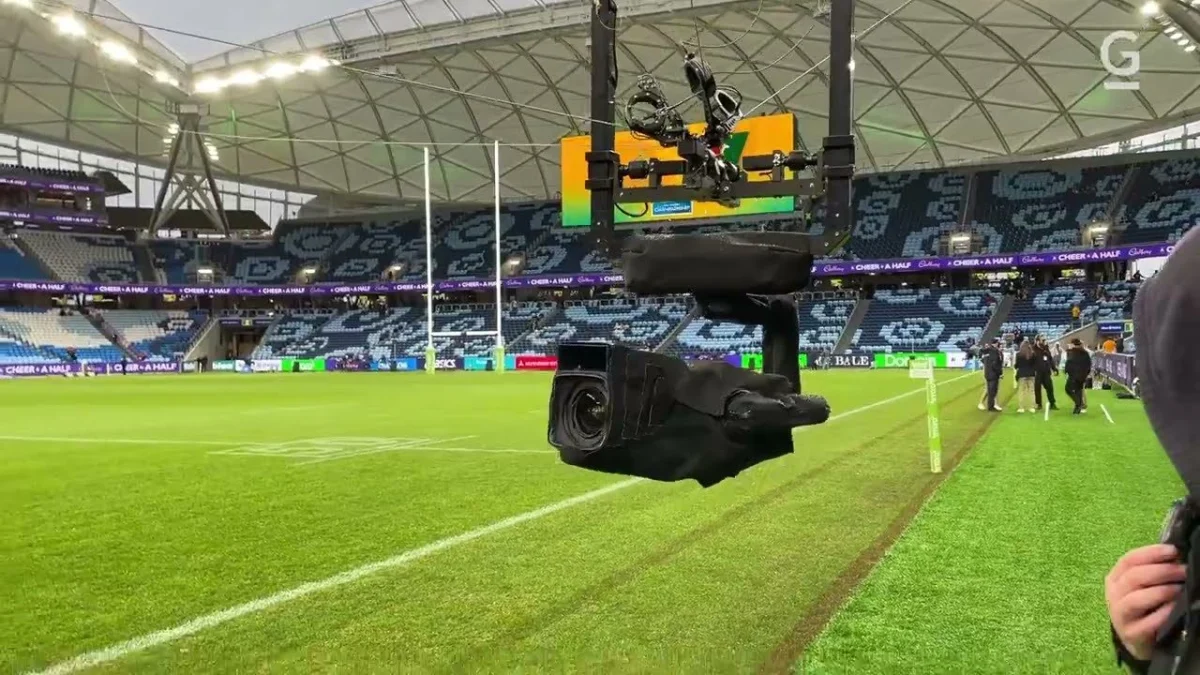
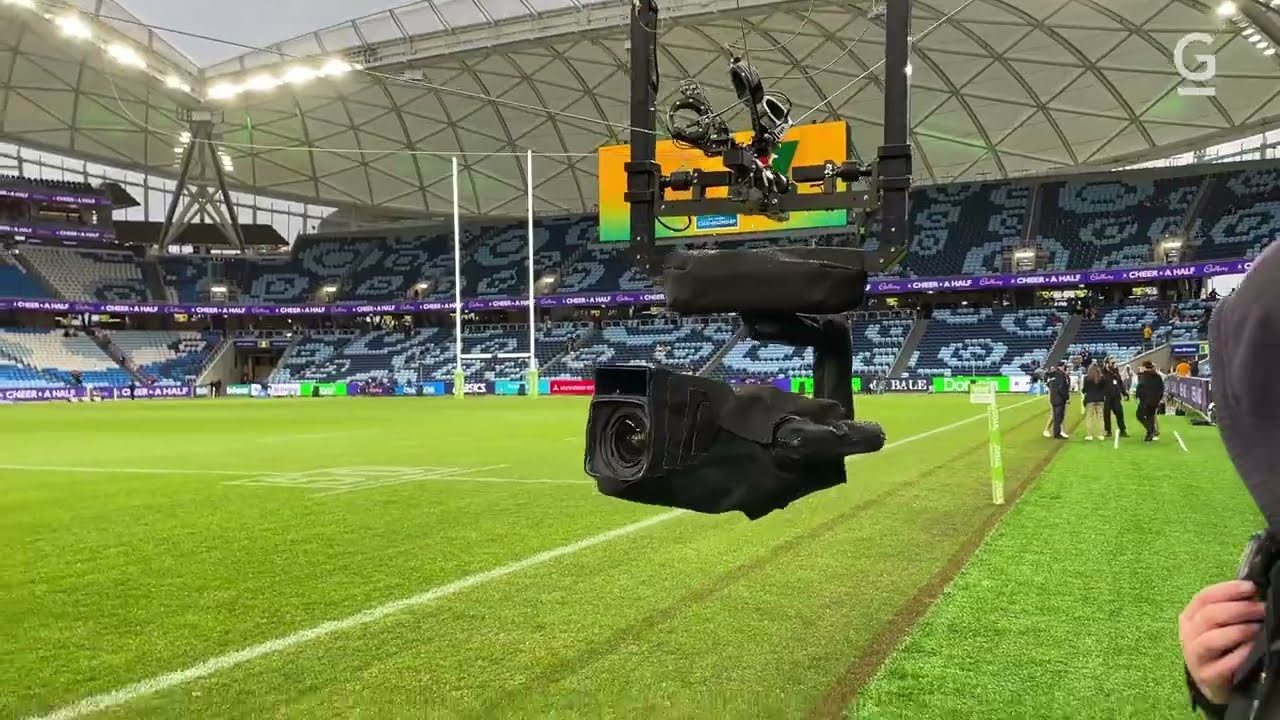
One of the most visually striking technological advancements at the 2026 World Cup was the pervasive and dynamic deployment of the Spidercam system. While cable-suspended cameras have been a fixture in major sporting events for years, their application in this tournament represented a significant leap forward. Traditionally reserved for pre-match panoramas, halftime entertainment, and post-goal replays due to safety protocols and concerns over player distraction, the 2026 World Cup saw Spidercams actively integrated into live gameplay.
This enhanced integration was facilitated by sophisticated software zoning and real-time trajectory prediction systems. These advancements allowed the camera rigs, suspended by a web of motorized Kevlar cables, to maintain a strict safe altitude above the ball’s projected path, enabling them to capture sweeping, tactical angles of unfolding attacks without interfering with play. Broadcasters, led by Host Broadcast Services (HBS), capitalized on this capability, delivering a viewing experience that felt less like a standard television broadcast and more akin to a high-budget cinematic production.
A notable innovation was the deployment of these cameras directly during penalty shootouts. Positioned dynamically behind or slightly above the kicker, they offered an intimate, high-tension perspective, capturing the psychological drama, the goalkeeper’s precise movements, and the ball’s trajectory with unparalleled clarity. This specific application, previously tested successfully at the 2025 Club World Cup Final, provided a unique insight into one of football’s most dramatic moments.
To achieve this level of immersion and flexibility, HBS introduced multiple cablecam systems per venue in select marquee stadiums. Alongside the traditional 4-point Spidercam, which navigates a three-dimensional space, a secondary, high-speed point-to-point cable camera often ran parallel to the touchline. This dual-system approach allowed for simultaneous, multi-angle aerial tracking of fast-break counters and intricate tactical movements. These next-generation rigs were outfitted with ultra-lightweight 4K HDR broadcast cameras, paired with real-time augmented reality (AR) graphics tracking. This integration allowed for live statistics, player speeds, and tactical grids to be overlaid seamlessly onto the aerial feed with virtually no latency, blurring the lines between live action and interactive data visualization. The result was a radical redefinition of sports broadcasting, blending the tactical depth of a video game with the high-stakes drama of a Hollywood blockbuster.

RefCam: The Referee’s Eye View
Perhaps the most talked-about and potentially transformative innovation of the 2026 World Cup was the official global deployment of the RefCam. This small, high-definition camera, mounted discreetly onto each referee’s headset, provided a literal first-person perspective of the match. Developed through a joint initiative by FIFA’s football technology team and its refereeing department, with advanced AI stabilization provided by partners such as Lenovo, the RefCam delivered footage unlike anything fans had ever witnessed.
The technology plunged viewers directly into the heart of the action, showcasing players closing space at full speed, the chaotic intensity of a crowded penalty box scramble, and the immense pressure inherent in split-second officiating decisions. While the RefCam had undergone successful trials, notably at the 2025 Club World Cup and in the Premier League (where Australian referee Jarred Gillett became the first to wear one in 2024), its deployment across all 104 matches of the 2026 World Cup marked its definitive global debut.
The implications of RefCam are multifaceted. From a transparency standpoint, it offered an unparalleled window into the referee’s decision-making process, potentially fostering greater understanding and empathy from fans and players alike. It highlighted the speed and complexity of the game from the official’s vantage point, making contentious calls more comprehensible. However, its introduction was not without debate, with discussions around potential player distraction, the privacy of on-field conversations, and the psychological impact on referees under constant, intimate scrutiny. Despite these considerations, FIFA officials emphasized the technology’s role in enhancing fan immersion and providing an unfiltered perspective that enriches the narrative of the game.
Cinematic Cameras: A Blockbuster Aesthetic for Live Sports
Building on trends observed since the 2022 World Cup in Qatar, FIFA significantly expanded the integration of high-end cinema cameras into its live broadcast production for the 2026 tournament. These are the same sophisticated tools used by crews for Hollywood feature films and high-production-value music videos, a marked departure from traditional sports broadcast cameras. The primary driver for this shift is the ability of cinema cameras to deliver a super-shallow depth of field, a characteristic largely unachievable with conventional broadcast equipment.
This capability allowed for the capture of exquisitely cinematic shots: a player’s face rendered with razor-sharp focus against a softly blurred background, dramatic close-ups of coaches reacting intensely on the sideline, or the raw emotion of fans in the stands. For the 2026 World Cup, these specialized rigs became a permanent fixture at every match, dedicated to capturing the evocative moments that transcend simple gameplay. From the solemn pre-game tunnel walks to jubilant post-goal celebrations and the subtle expressions of agony and ecstasy, these cameras elevated the emotional resonance of the broadcast.
The integration of such high-fidelity equipment, typically reserved for controlled studio environments or scripted productions, into a fast-paced live sporting event underscores the ambition to transform the World Cup into a total blockbuster experience. The equipment utilized for these cinematic inserts included advanced digital cinema cameras such as the RED Komodo-X 6K, often paired with high-performance prime or zoom lenses like the Canon RF 24-105mm f/2.8L IS USM Z. These combinations provided not only the desired aesthetic but also the robust performance required for demanding live applications.
On the production side, managing the vast amounts of high-resolution data from these cameras necessitated equally advanced infrastructure. Systems such as the BlackMagic Design HyperDeck Studio 4K Pro were instrumental for ingesting, recording, and playing back the pristine 4K footage. Connectivity was paramount, with extensive networks of Belden 12G-SDI BNC cables, some extending up to 150 feet, ensuring reliable, high-bandwidth signal transmission across complex stadium environments. The logistical support for these systems included an army of power solutions, such as Micro-V Mount batteries, along with various camera cages, tripods, and other essential grip equipment to ensure stable and flexible operation.
Semi-Automated Offside Technology (SAOT) and Smart Ball Technology
Beyond the visual spectacle, the 2026 World Cup further refined and expanded the application of technologies designed to enhance the integrity and accuracy of the game itself. Semi-Automated Offside Technology (SAOT), building on its successful implementation at the 2022 World Cup, was a cornerstone of officiating. This system utilizes 12 specialized tracking cameras mounted beneath the stadium roof, which monitor 29 data points on each player’s body at 50 frames per second. These data points are then processed by AI algorithms to determine the exact position of players on the field.
In conjunction with SAOT, the tournament continued its use of a soccer ball embedded with sensors. These internal inertial measurement unit (IMU) sensors transmit real-time data on the ball’s movement, including its speed, trajectory, and the precise moment of contact, at a rate of 500 times per second. When a player makes contact with the ball, the system can instantly register this event.
The synergy between SAOT and the smart ball technology allowed for highly accurate and rapid offside decisions. When a potential offside incident occurred, the combined data from the limb-tracking cameras and the ball sensor provided definitive evidence. Computer systems could then rebuild the play in a 3D space, generating near-immediate playback with 3D visualizations for both Video Assistant Referees (VAR) and broadcast audiences. This capability significantly reduced the time taken for VAR reviews, minimized controversial calls, and offered fans unprecedented insight into the mechanics of offside decisions, complete with clear, interactive deductions. The real-time data from the smart ball also allowed for instant statistics on ball speed, shot power, and intricate passing metrics to be displayed during live broadcasts, further enriching the fan experience.
The Orchestration of a Global Broadcast Ecosystem
The seamless delivery of these technological marvels required an unparalleled orchestration effort by Host Broadcast Services (HBS) and its partners. Across 16 venues in three countries, hundreds of cameras, miles of fiber optic cabling, sophisticated control rooms, and thousands of dedicated technical and production personnel worked in concert. This complex ecosystem leveraged cloud computing for data processing and distribution, advanced data analytics for real-time insights, and robust cybersecurity measures to protect the integrity of the broadcast and data streams. The scale of this operation underscored the World Cup’s role not just as a sporting event, but as a major technological undertaking, setting new benchmarks for live event production.
Implications for the Future of Sports Broadcasting
The 2026 FIFA World Cup has undeniably set a new standard for sports broadcasting, fundamentally altering audience expectations. The implications of these technological advancements are far-reaching:
- Enhanced Fan Engagement: Viewers are no longer passive observers but are immersed deeper into the game, offered perspectives previously reserved for players and officials. The blend of cinematic visuals, intimate referee perspectives, and real-time analytical data creates a richer, more engaging narrative.
- Increased Transparency and Accuracy in Officiating: Technologies like RefCam and SAOT aim to reduce contentious decisions and provide clearer explanations, potentially fostering greater trust in the integrity of the game. However, they also introduce new layers of scrutiny and debate regarding the human element of officiating.
- New Creative Avenues for Broadcasters: The adoption of cinematic cameras and dynamic aerial systems opens up vast creative possibilities for storytelling within live sports, pushing broadcasters to innovate beyond traditional coverage.
- Commercial Opportunities: The wealth of real-time data and new visual formats create fresh avenues for sponsorship, advertising, and interactive fan experiences, driving further commercialization of sports media.
- The "Purity vs. Progress" Debate: While many embrace these advancements for their immersive qualities and data insights, a segment of fans and purists voice concerns that excessive technology might detract from the organic flow and traditional "purity" of the sport. They argue that constant technological intervention could over-analyze moments, removing some of the spontaneous drama and human error that are inherent to football.
Regardless of individual stance on the "purity" debate, the trajectory is clear: technology will continue to find its way into all sporting events. The 2026 FIFA World Cup served as a powerful demonstration of how these innovations can provide deeper insights into the game, offer camera angles previously unimaginable, and deliver an immersive spectacle that reshapes the global viewing experience. As technology advances further, so too will the possibilities for understanding, enjoying, and interacting with the world’s most popular sport. The 2026 tournament has not just concluded; it has laid down a formidable marker for the future of sports media.