The high-octane world of MotoGP, with its blistering speeds and split-second decisions, typically demands camera systems engineered for raw velocity and relentless autofocus tracking. Professional sports photographers meticulously choose gear capable of capturing fleeting moments at extreme frame rates, often prioritizing speed over ultimate resolution. It was against this established wisdom that a recent photographic endeavor unfolded at the Circuit of the Americas (COTA), where a photographer embarked on what might initially seem like a "fool’s errand": deploying the Fujifilm GFX100S II, a medium-format camera renowned for its unparalleled image fidelity, into the heart of a MotoGP weekend. This audacious experiment sought to explore whether a camera fundamentally designed for maximum image quality could, with skill and strategic application, adapt to the dynamic and unforgiving environment of elite motorcycle racing, offering a unique perspective beyond conventional action photography.
The Pinnacle of Two-Wheeled Racing: MotoGP at COTA
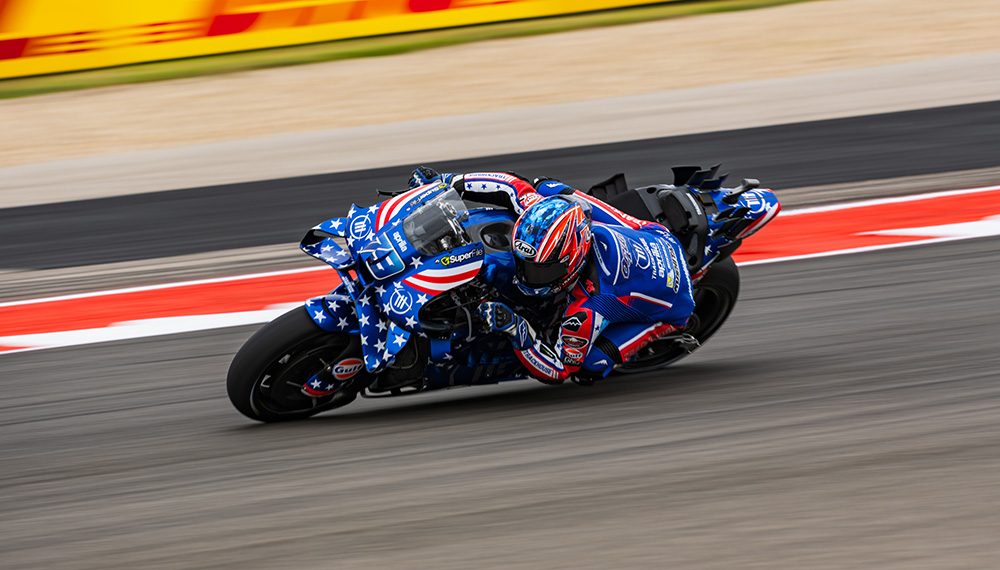
MotoGP stands as the premier class of motorcycle road racing, a global spectacle where the world’s finest riders push cutting-edge machinery to their absolute limits. Speeds routinely exceed 200 mph (320 km/h), with bikes leaning at extreme angles through corners, demanding incredible precision from both rider and machine. Capturing these moments requires not just advanced equipment, but also an intimate understanding of the race, the track, and the riders.
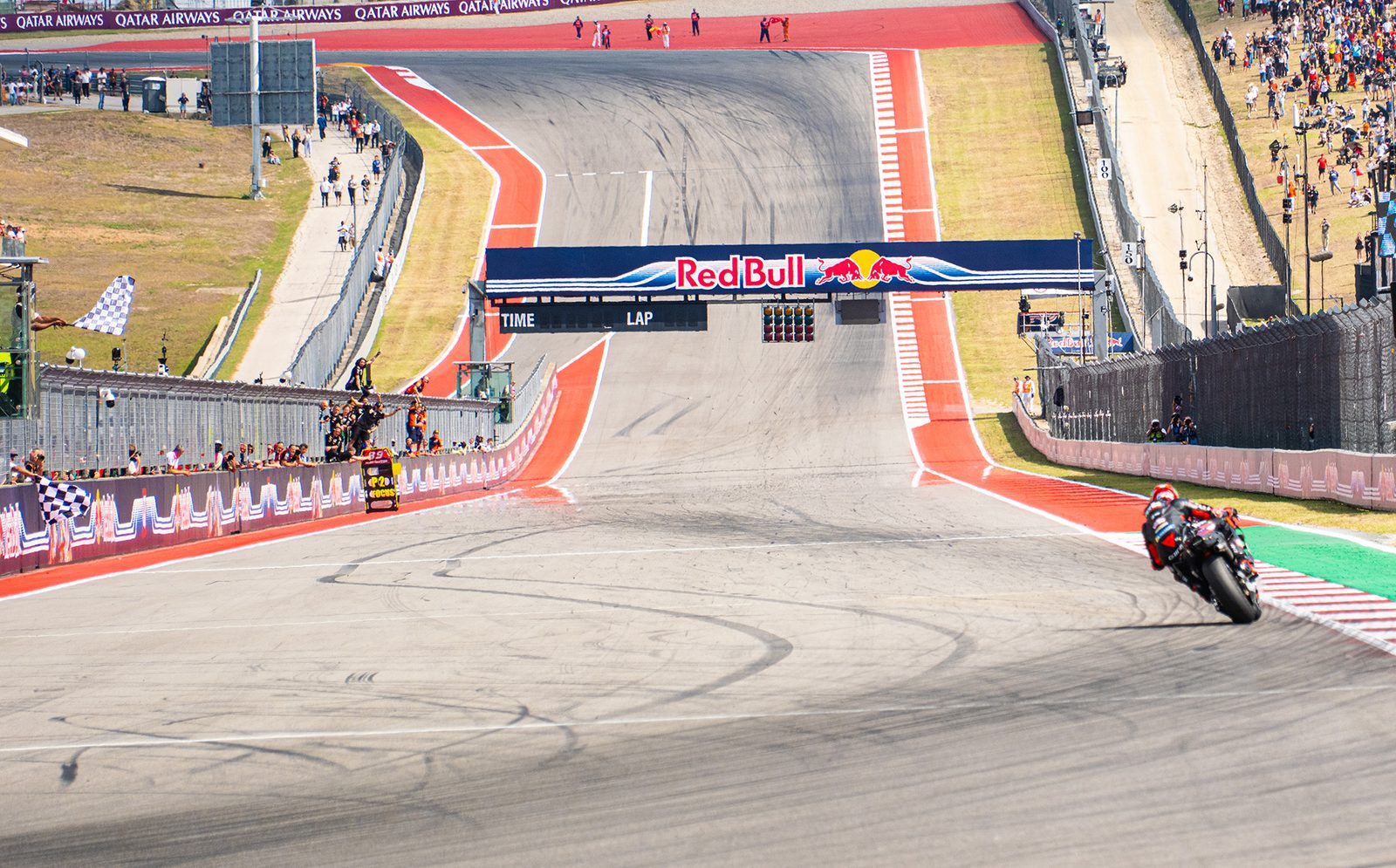
The Circuit of the Americas, located in Austin, Texas, is a fitting arena for such a demanding event. As the only Formula 1 and MotoGP-grade track in the United States, COTA is celebrated for its challenging and diverse layout. Designed by Hermann Tilke, the 3.41-mile (5.5 km) circuit features 20 turns, including a dramatic uphill Turn 1, a technical esses section, and long straights that test both engine power and braking prowess. Its varied topography and complex corners provide numerous photographic opportunities, but also present considerable challenges, from managing rapidly changing light conditions to anticipating the trajectory of bikes moving at incredible velocities. For a photographer, intimate familiarity with COTA’s every corner, marshal post, and optimal shooting angle becomes an invaluable asset, transforming potential disadvantages into strategic opportunities. This "home court advantage" allows for a deliberate, considered approach, essential when working with a camera system not inherently built for rapid-fire action.
The Unconventional Choice: Fujifilm GFX100S II
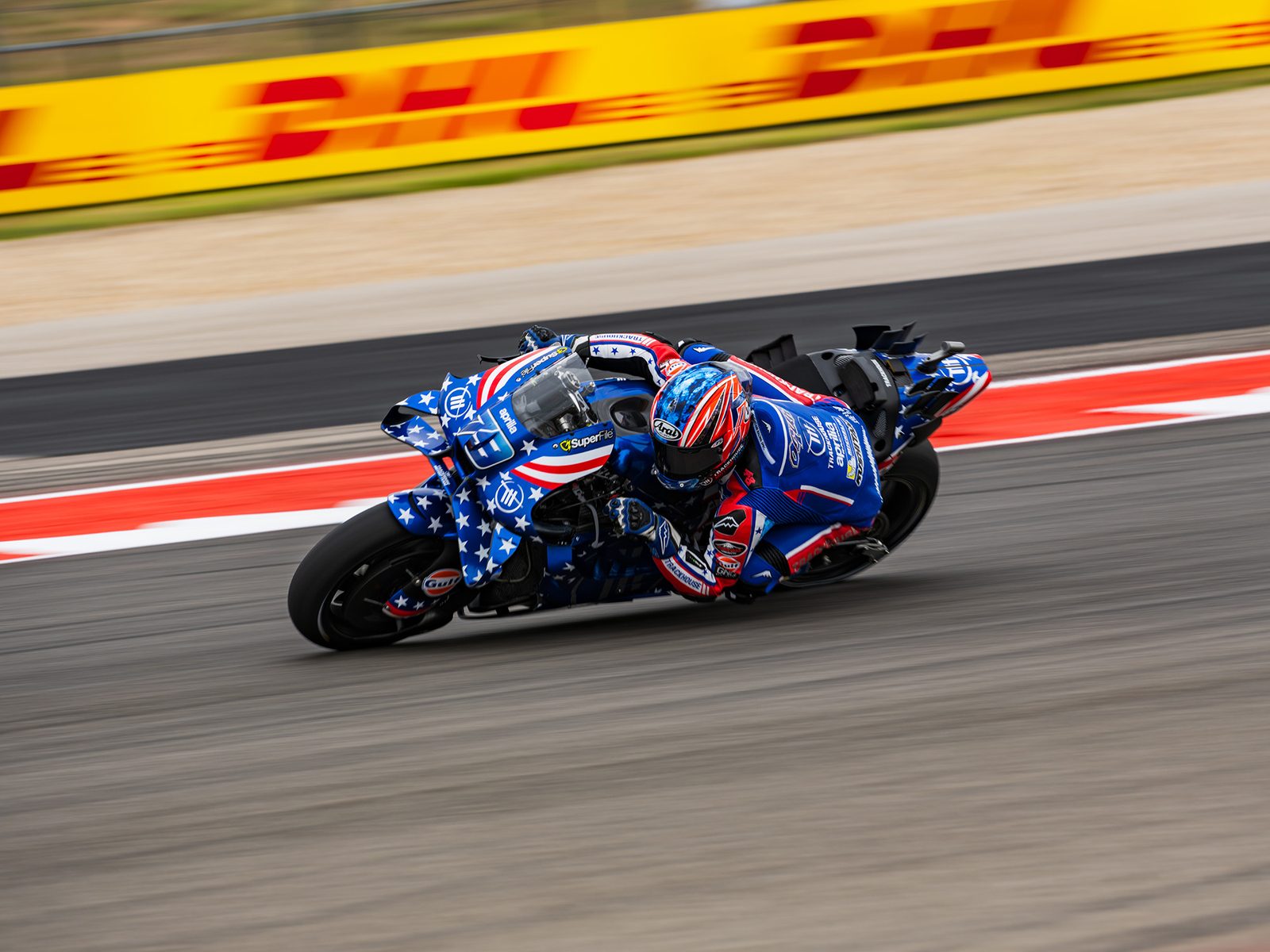
At the core of this photographic challenge was the Fujifilm GFX100S II, a medium-format mirrorless camera boasting a staggering 102-megapixel, 43.8×32.9mm sensor. Unlike its smaller-format counterparts, the GFX system is primarily engineered for supreme image fidelity, offering an expansive dynamic range, exceptional color depth, and resolving power that captures intricate details with breathtaking clarity. Its 16-bit image capture at a standard minimum sensitivity of ISO 80 allows for an extraordinary breadth of tonal information, even in high-contrast lighting conditions often encountered on a race track. However, its design priorities traditionally place it outside the realm of high-speed sports photography, where burst rates and lightning-fast autofocus are paramount. While Fujifilm asserts the GFX system can perform in diverse environments, its inherent strengths lie in deliberate, high-resolution capture rather than machine-gun spray-and-pray tactics. This fundamental difference set the stage for a compelling exploration into its practical limitations and surprising capabilities.
To provide a clear benchmark for comparison, the GFX100S II was used alongside the photographer’s primary workhorses for track events: two Fujifilm X-H2S bodies. The X-H2S, Fujifilm’s flagship X-series camera, is a testament to speed, built around a 26.1-megapixel APS-C stacked BSI CMOS sensor and the powerful X-Processor 5. This combination allows for blistering continuous shooting speeds of up to 40 frames per second (fps) with the electronic shutter and 15 fps with the mechanical shutter. Critically, its advanced subject-detection autofocus system is designed to tenaciously lock onto fast-moving subjects like motorcycles and riders, making it an ideal tool for the dynamic environment of MotoGP. The contrast between these two systems—one prioritizing sheer resolution and the other, uncompromised speed—formed the crux of the weekend’s investigation.

Strategic Preparation and Familiar Ground
One significant advantage in this cross-system endeavor was Fujifilm’s consistent menu logic and ergonomic philosophy across its camera lines. Setting up the GFX100S II to mirror the X-H2S’s configuration was remarkably straightforward, streamlining the photographer’s workflow. Custom settings (C1, C2) were configured for shutter priority for trackside action, allowing instant switching between sharp freezes and motion pans via a dedicated FN button. C3 was designated for aperture priority, ideal for the more static yet visually rich environments of the paddock and grid. While video capabilities were not tested on this assignment, the GFX100S II’s six custom positions on its mode dial facilitated a seamless integration into the established workflow. A minor ergonomic difference was noted in the FN button layout, which, while functional, varied slightly from the X-H2S’s additional body-side button typically mapped for subject-detection AF.
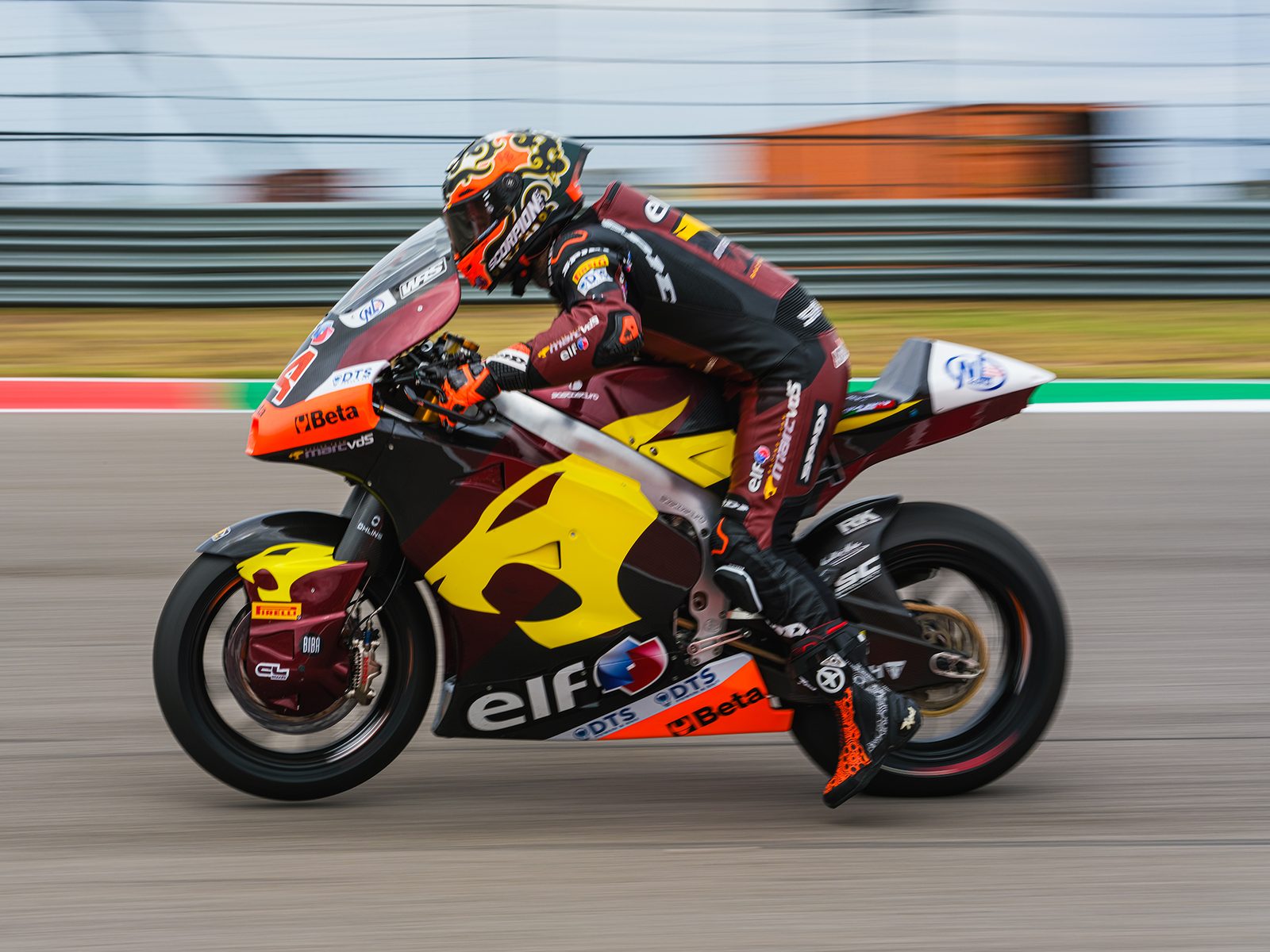
For this rigorous test, the photographer committed to a single lens for the GFX system: the Fujifilm GF 100-200mm F5.6 R LM OIS WR. Considering the GFX system’s 0.79x crop factor relative to a 35mm full-frame sensor, this lens provided an effective field of view approximately equivalent to 79-158mm. This range proved remarkably versatile, handling perspectives from the high-speed main straight to the intimate scenes within the paddock. The choice of a single, well-understood lens allowed for focused evaluation of the camera body’s performance without the added variable of lens characteristics. On the X-H2S, the equivalent go-to lens would typically be the Fujifilm XF 50-140mm F2.8, further highlighting the deliberate comparison in focal length and aperture capabilities across the two systems.
Autofocus Performance Under Pressure
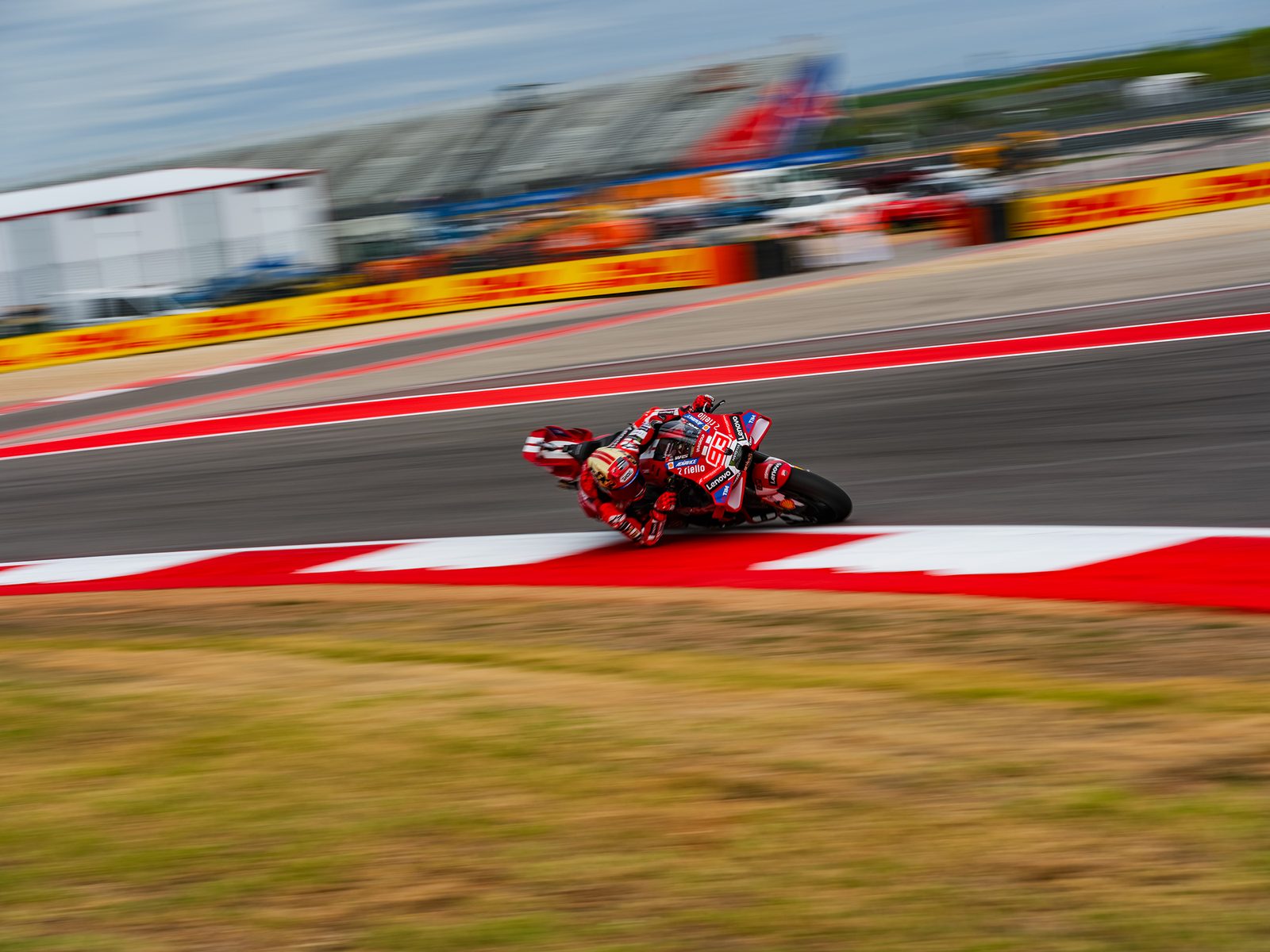
The most significant apprehension entering the MotoGP weekend revolved around the GFX100S II’s autofocus performance in the demanding, high-speed race conditions. Historically, medium-format systems have not been celebrated for their AF speed or tracking capabilities. However, the GFX100S II features a significantly improved AF algorithm over its predecessors, incorporating deep-learning AI for subject detection that officially supports motorcycles and bikes. In practice, this enhancement proved more capable than initially anticipated. The system demonstrated reasonable reliability in tracking riders through sweeping corners and against rapidly changing backgrounds, a testament to Fujifilm’s advancements in computational photography.
Despite these improvements, a direct comparison revealed that the GFX100S II was not as "sticky" or responsive as the X-H2S, even with identical AF-C settings. Hit rates in the most challenging sequences—such as bikes entering the frame at high speed from the side, or through aggressive braking zones—were observably lower. Both cameras share the X-Processor 5 engine, suggesting that the difference in performance might stem from the sheer volume of data processed from the GFX’s much larger 102-megapixel sensor, which demands more computational power per frame, or from fundamental design optimizations for different sensor sizes and intended uses. While not disqualifyingly slow, the discernible gap in response time and subject retention between the GFX and the X-H2S underscored the X-H2S’s specialized design for high-volume, high-speed environments. This finding highlighted that while the GFX can adapt, it cannot fully replicate the dedicated speed capabilities of a camera built from the ground up for action.

Navigating the Buffer: A New Shooting Discipline
The practical limitations of the GFX100S II became most evident when confronting its buffer capacity. Operating at its maximum mechanical shutter speed of 7 frames per second, the camera generates enormous RAW files – either 14-bit or 16-bit from its 102-megapixel sensor. Even when paired with fast UHS-II media, the buffer fills rapidly. Shooting lossless-compressed RAW files, the camera could capture approximately 19 frames before a noticeable slowdown occurred. Opting for uncompressed RAW further reduced this to around 16 frames. While compressed RAW allowed for a more generous burst of roughly 30 frames, this still translates to under five seconds of sustained fire before the camera needed to "catch its breath" and write data to the card.
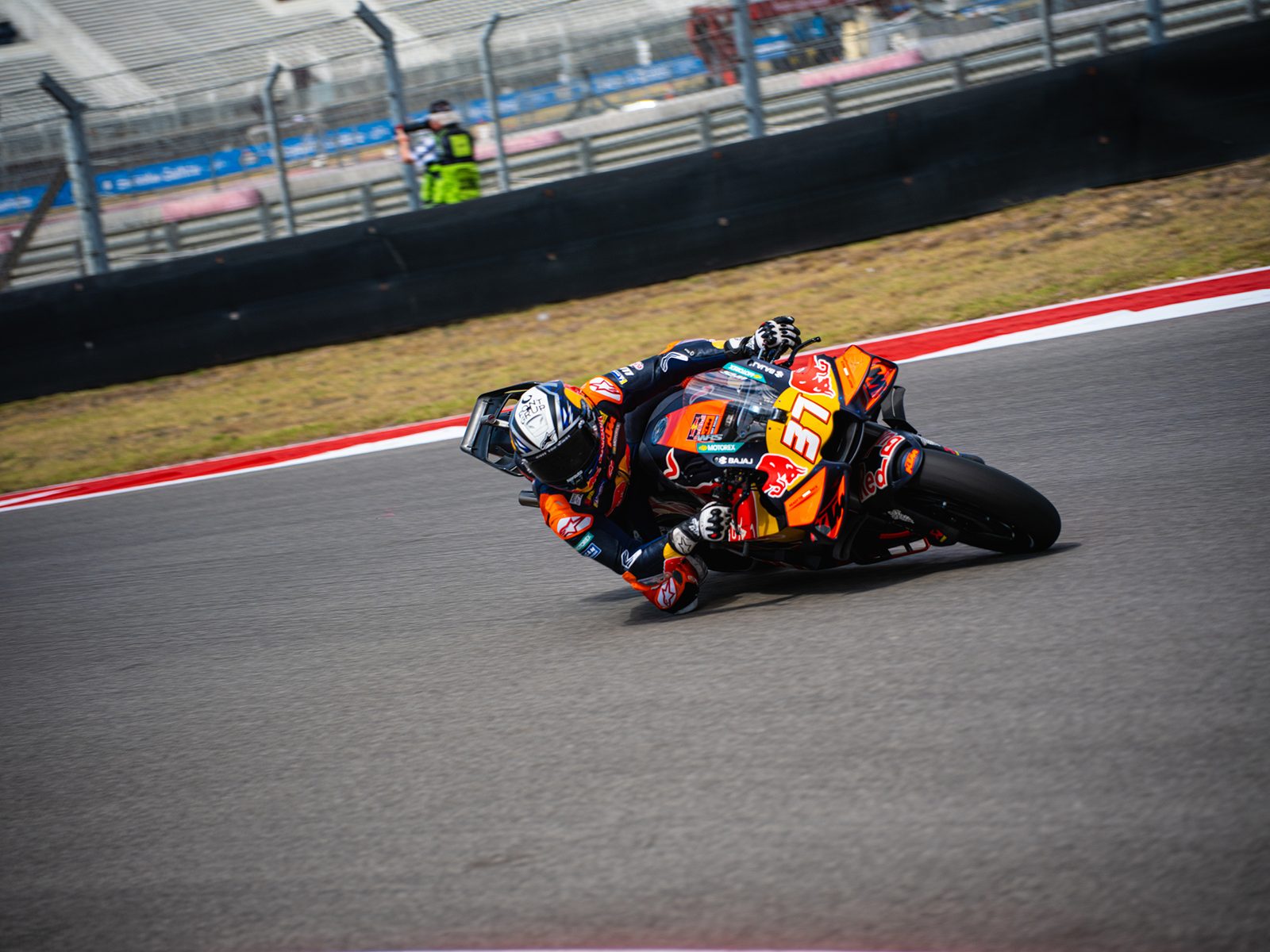
This buffer limitation fundamentally alters the photographic approach. The common "spray and pray" technique, often employed in fast-paced sports to maximize the chances of capturing the decisive moment, becomes untenable. Instead, the photographer is compelled to adopt a more disciplined, deliberate strategy. This involves a heightened sense of anticipation, meticulously reading the race, understanding the riders’ lines, and committing to the precise moment of capture. It’s a return to a more traditional, thoughtful style of photography, where every press of the shutter is a calculated decision. While this constraint might be seen as a limitation in a speed-driven environment, it also fosters a deeper engagement with the subject and can lead to more impactful, carefully composed images. It transforms the act of shooting from a reactive response to a proactive prediction, emphasizing skill and timing over sheer volume.
The Unrivaled Realm of Image Fidelity
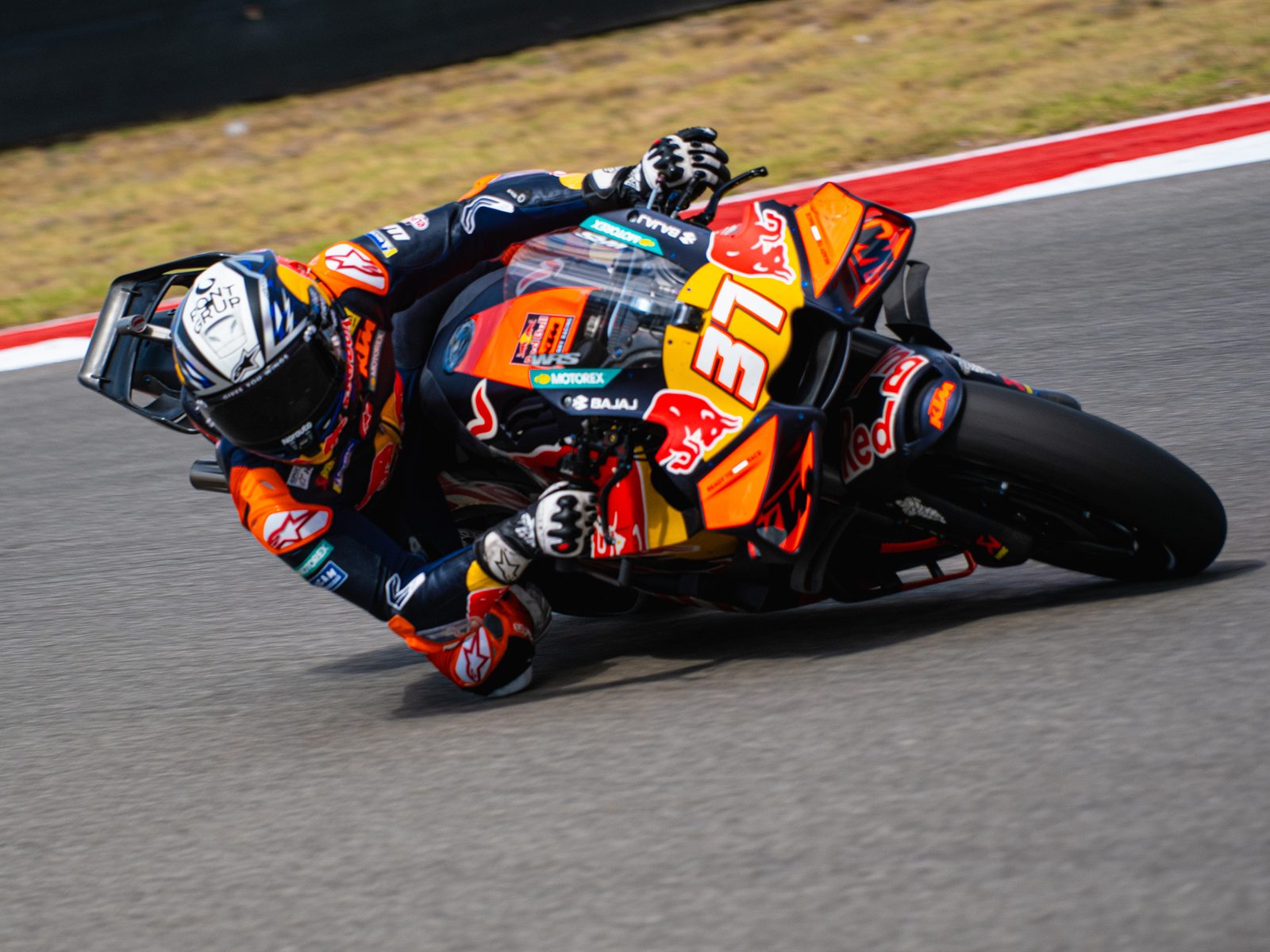
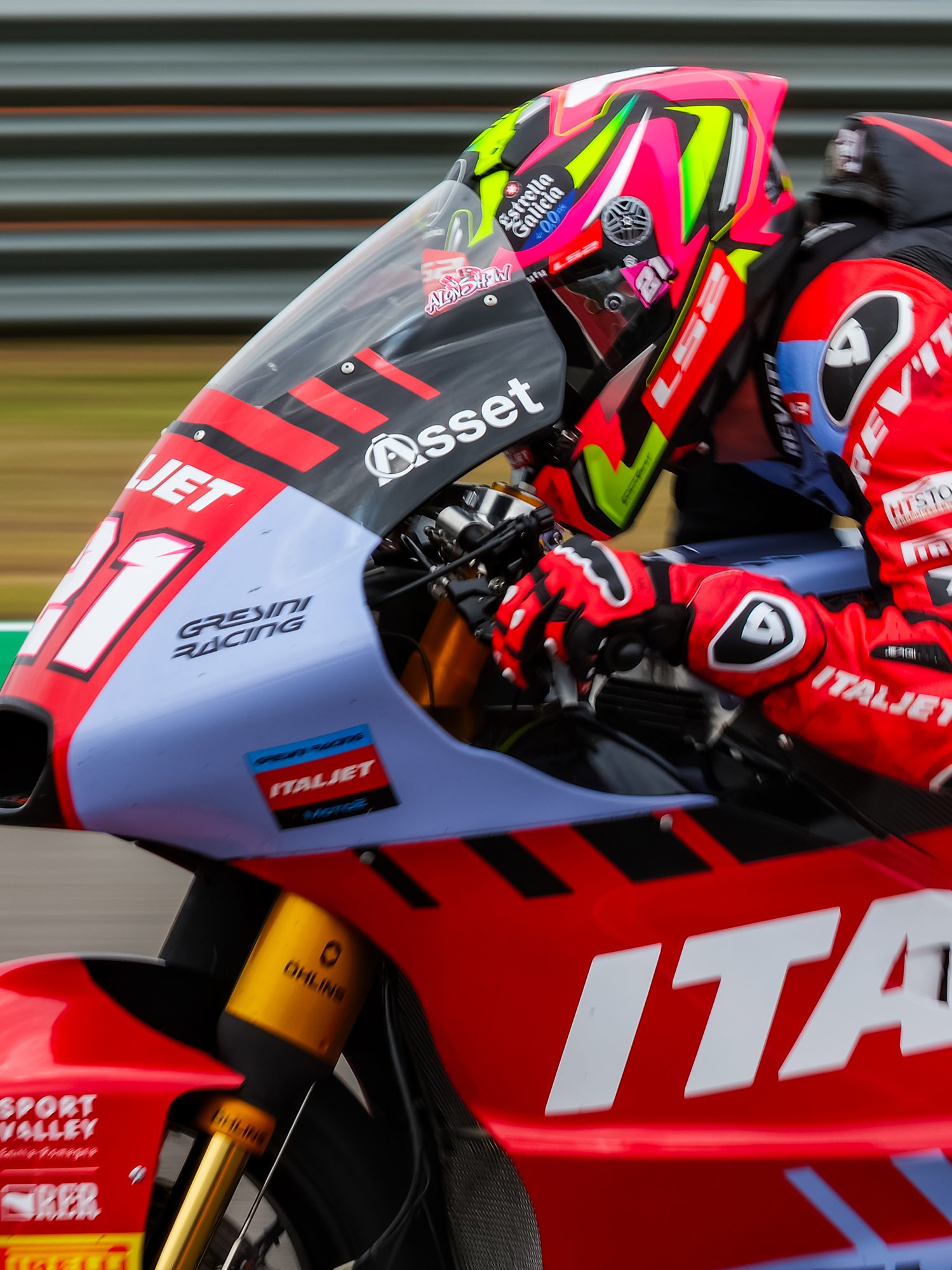
Despite its operational constraints in high-speed scenarios, the Fujifilm GFX100S II truly distinguishes itself through its unparalleled image quality. Setting aside the limitations, the output from this camera belongs in a league of its own. The 102-megapixel sensor, featuring redesigned microlenses, produces files characterized by an extraordinary depth of tone, a three-dimensional quality in color gradation, and a resolving power unmatched by any full-frame or APS-C system. The sheer physical size of the sensor—measuring 55mm diagonally—is a critical factor, enabling the capture of tonal nuances that smaller formats simply cannot replicate.
The initial review of images on the camera’s rear screen often belies the true potential held within the files. It’s only when these images are loaded into a high-resolution display, such as a 27-inch Studio Display, that their full richness and detail become apparent. Textures in rider leathers, the subtle shimmer of heat emanating from an exhaust pipe, and even individual crowd members in backgrounds previously assumed to be undifferentiated mush, spring into sharp focus. The sensor’s ability to capture 16-bit images at a standard minimum sensitivity of ISO 80 ensures an exceptionally wide dynamic range, preserving highlight and shadow details even in the harsh, high-contrast lighting conditions common on a brightly lit race track.

Further enhancing its utility, especially for non-action sequences, is the GFX100S II’s highly effective 5-axis in-body image stabilization (IBIS). Rated at up to 8.0 stops, it represents Fujifilm’s most powerful IBIS system in a GFX body to date. This allowed for fluid and confident handheld shooting in the paddock and on the grid, particularly when using the longer end of the GF100-200mm lens, expanding the camera’s versatility beyond tripod-bound scenarios.
Beyond the Track: The GFX100S II’s True Domain

While the GFX100S II demanded a more considered and challenging approach trackside, its performance away from the blur of high-speed racing was nothing short of exceptional. In the more controlled environments of the paddock, on the starting grid, and during the post-race podium celebrations, the camera truly shone. Here, the photographer could frame shots deliberately, trusting the autofocus system to reliably acquire and maintain focus on static or slow-moving subjects.
The true power of the 102-megapixel sensor became evident in these scenarios. The immense resolution offered unparalleled flexibility in post-production, allowing for dramatic cropping without any discernible loss of image quality or detail. A tight portrait of a rider on the grid, for instance, could be cropped aggressively to focus solely on their eyes above the visor, yielding a print-ready image with astonishing clarity. This level of cropping freedom is genuinely liberating, enabling photographers to refine compositions and extract incredible detail from their original captures, pushing the boundaries of what a single image can yield. It transforms every frame into a potential masterpiece, offering a creative latitude simply unattainable with lower-resolution sensors.
Implications for Sports Photography and Technology
The comprehensive test of the Fujifilm GFX100S II at MotoGP reveals several crucial insights for both photographers and the broader camera industry. While the GFX100S II, with its deliberate pace and immense file sizes, will not replace dedicated sports cameras like the X-H2S for primary action photography, it carves out a unique and invaluable niche. It functions as a "secret weapon" third body, deployed for specific moments where ultimate image quality and detailed rendering are paramount, and speed is a secondary concern. The pre-race grid walk, the intimate moments in the paddock, the celebratory podium, or a quiet corner awaiting a single, perfectly composed shot of a passing bike – these are the scenarios where the GFX100S II excels, producing images with a depth and richness that simply cannot be matched by smaller-sensor systems.

This experiment underscores the enduring principle of choosing the right tool for the job, while simultaneously pushing the boundaries of what each tool can achieve. It demonstrates that with sufficient skill, adaptability, and an intimate understanding of both the subject and the equipment, even an unconventional choice can yield extraordinary results. For the photographic community, it highlights the increasing versatility of medium-format systems, which are becoming lighter, more responsive, and more accessible, blurring the lines between traditional photographic genres. For Fujifilm, it validates their engineering prowess in bringing high-resolution medium format into a more practical and portable form factor, evidenced by the GFX100S II’s impressive weight of 883g with battery and card.
Ultimately, this endeavor was not about finding a single camera that does everything, but rather understanding how specialized tools can complement each other to achieve a more diverse and impactful photographic portfolio. The GFX100S II offers an unmatched artistic vision for landscape, portraiture, studio, fashion, and editorial work, and now, demonstrably, for select moments within dynamic events. However, when the starting lights extinguish and the thunderous field of MotoGP bikes accelerates through Turn 1, the immediate and relentless demands of speed will always necessitate reaching for the X-H2S. The synthesis of both systems allows a photographer to tell the complete story of a MotoGP weekend, from the raw, unbridled action to the nuanced, high-fidelity details that define the sport.