Macro wildlife photography stands as one of the most enthralling and intrinsically rewarding disciplines within the expansive realm of photographic artistry. By meticulously focusing on the minute, photographers gain unprecedented access to a world of intricate details often overlooked by the casual observer. This specialized approach not only uncovers the hidden beauty of the natural world but also enables the creation of truly captivating imagery of subjects many people rarely get to witness up close. The discipline has seen a surge in popularity, driven by advancements in camera technology and a growing global appreciation for biodiversity, with online communities dedicated to sharing macro work flourishing across platforms. This article aims to guide aspiring and experienced photographers alike beyond the conventional, exploring a diverse array of overlooked subjects, delving into the essential gear, refining technical prowess, and underscoring the critical importance of ethical practices in capturing the stunning intricacies of the natural world.
The World Unseen: Beyond Conventional Macro Subjects
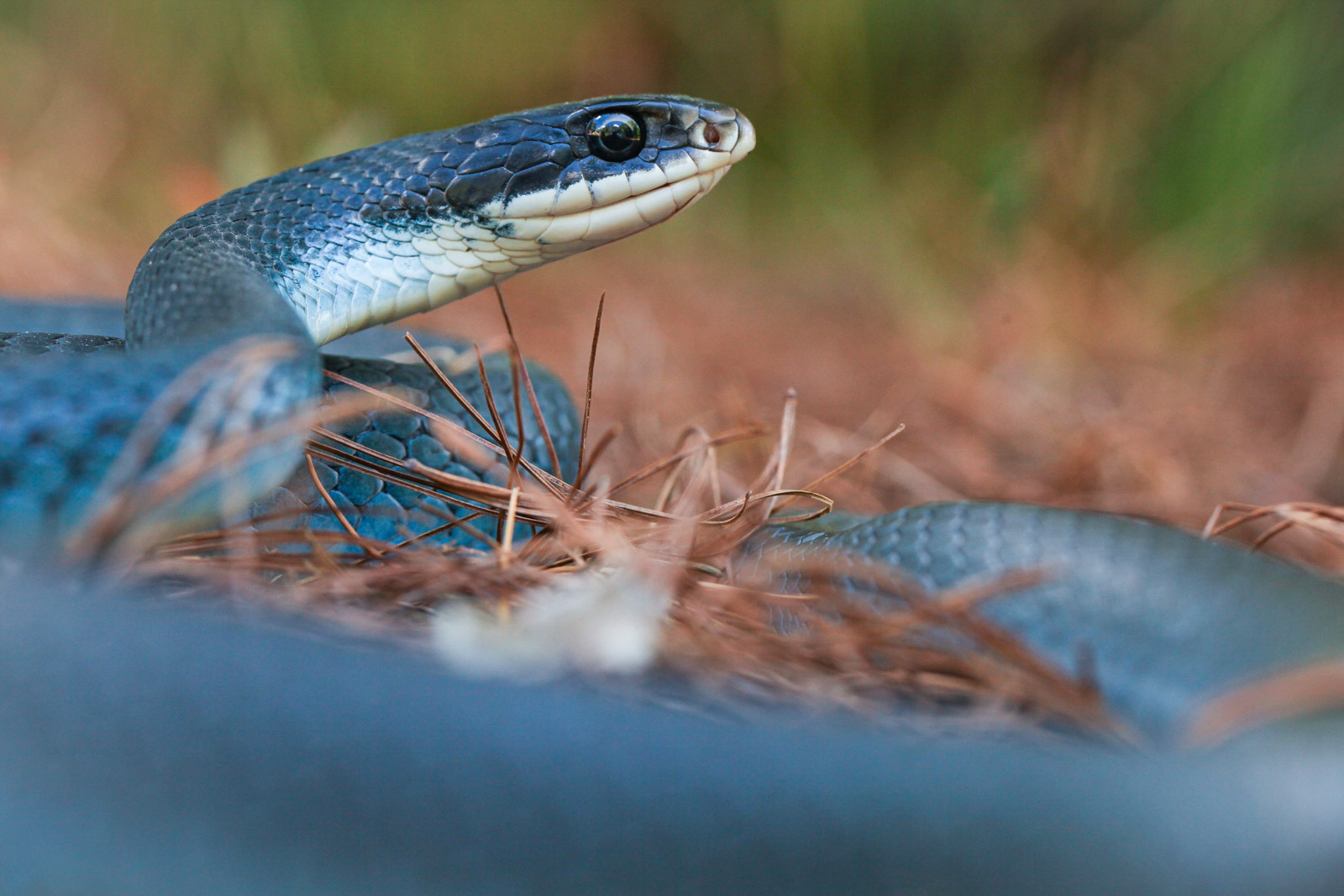
While macro photography traditionally conjures images of vibrant insects and delicate flora, the scope of this art form extends far beyond these familiar subjects. The natural world teems with countless micro-ecosystems and organisms, each offering unique textures, patterns, and behaviors ripe for photographic exploration.
The Reign of Insects and Flora
Insects and flowers have long held the spotlight in macro photography, and for good reason. Their intricate structures, often dazzling coloration, and relative accessibility make them ideal subjects. From the iridescent wings of a dragonfly caught in mid-flight to the complex architecture of a spider’s web, or the delicate unfurling of a rare orchid, these subjects provide endless opportunities for compelling visuals. Scientifically, insects represent over 80% of all known animal species, playing crucial roles in pollination, decomposition, and food chains. Similarly, flowers, beyond their aesthetic appeal, are fundamental to plant reproduction and ecosystem health. Photographers often find themselves drawn to the vibrant personalities of jumping spiders or the ethereal beauty of dew-kissed petals, using these readily available subjects to hone their skills before venturing into more challenging territory.
Exploring the Herpetological Haven
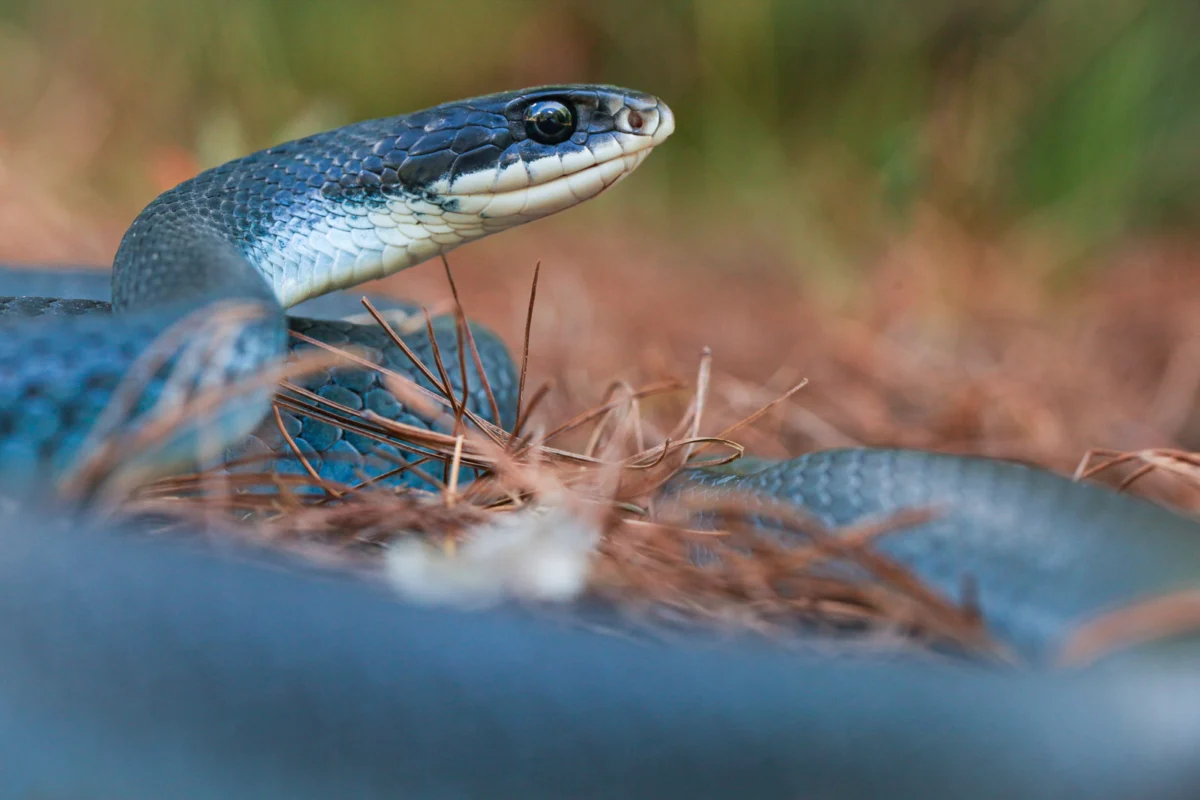
Beyond the insect realm, reptiles and amphibians present a rich, often-neglected tapestry for macro investigation. Snakes, lizards, frogs, and newts are covered in a fascinating array of textures and patterns, from the smooth, often translucent skin of a tree frog to the rough, segmented scales of a lizard or the intricate mosaic of a snake. Many species exhibit iridescent qualities, reflecting light in a spectrum of colors, making them ideal candidates for close-up photography. Capturing the minute details of their eyes, the texture of their skin, or the delicate grip of their tiny toes reveals a beauty often missed from a distance. Dr. Anya Sharma, a renowned herpetologist, notes that "macro photography provides an invaluable window into the micro-anatomy and subtle behaviors of these creatures, often revealing features crucial for species identification and conservation efforts, especially for less-studied or nocturnal species."

Feathers, Fur, and Fin: Mammalian and Avian Intricacies
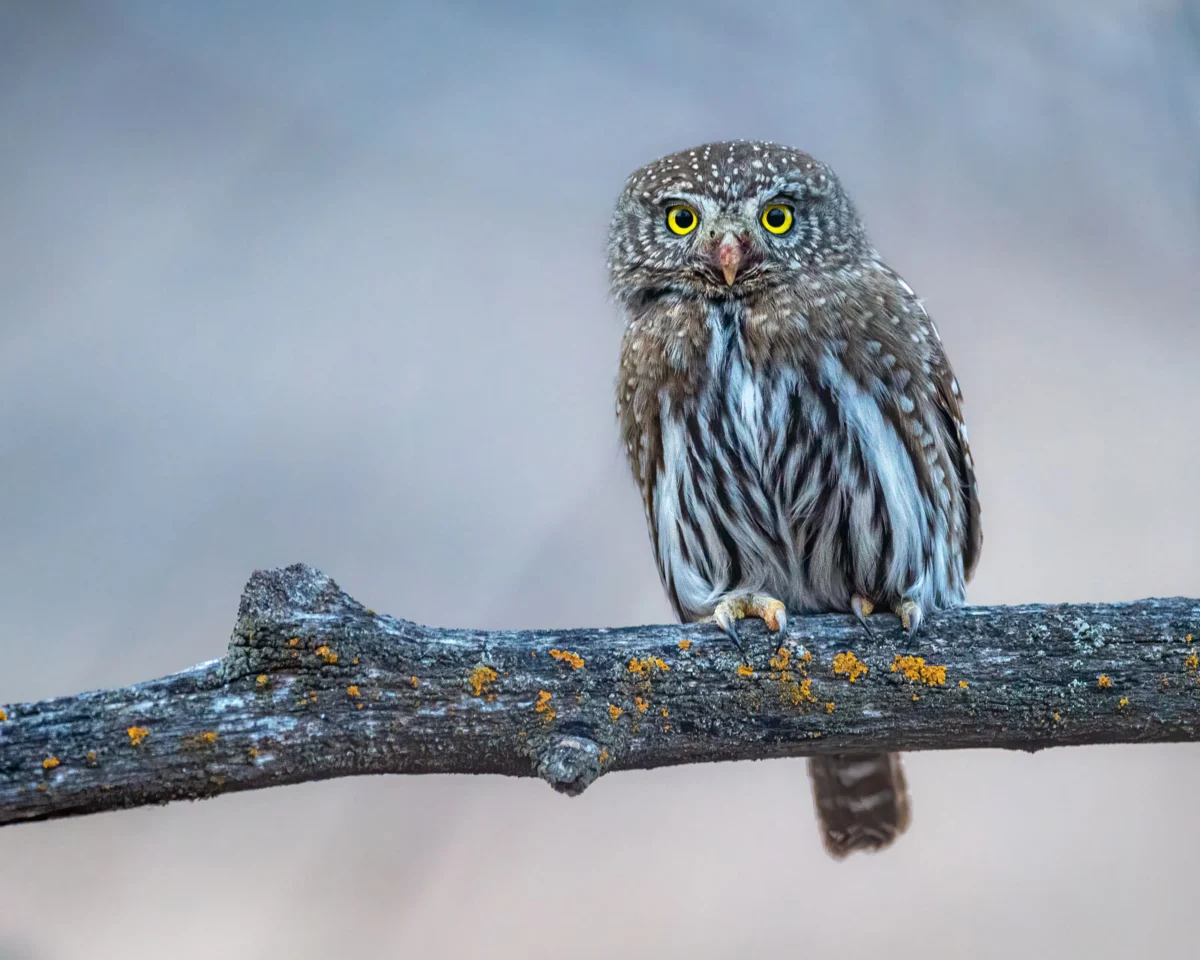
While birds and mammals are typically photographed with telephoto lenses from a distance, macro photography offers a unique perspective by focusing on their individual body elements. A single feather, with its barbules and intricate structure, can be a work of art. The delicate texture of a talon, the subtle ridges on a beak, or the expressive detail in a bird’s eye can reveal character and complexity often obscured in broader shots. Similarly, for mammals, opportunities arise in capturing the individual strands of fur, the sensitivity of whiskers, the depth of an eye, or the unique patterns on paw pads. These fleeting moments require immense patience and often a stroke of luck, but the resulting images provide an intimate glimpse into the lives of these larger creatures, highlighting their often-overlooked micro-features.
Subaquatic Spectacles: The Depths of Macro Marine Life
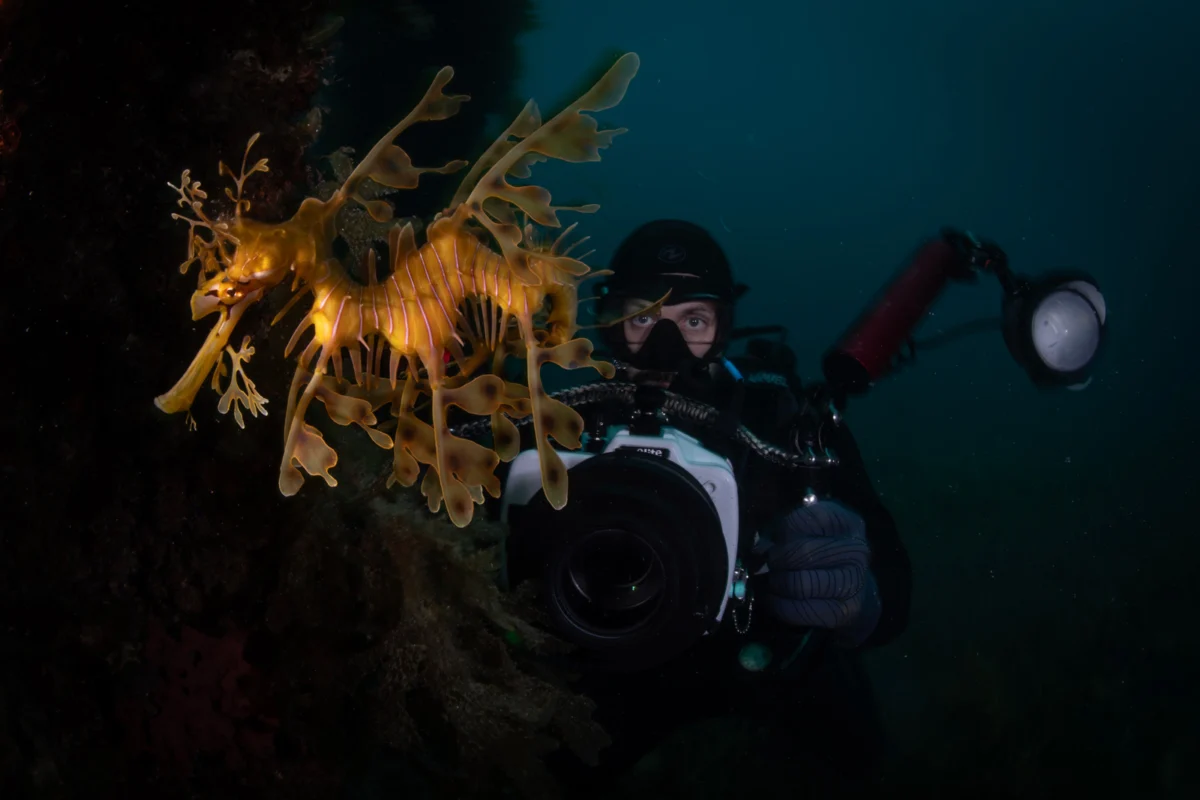
For those equipped with the right underwater setup, a breathtaking new world of macro subjects unfolds beneath the surface. Marine life, from vibrant fish to the exquisitely patterned nudibranchs and intricate crustaceans, comes in an astonishing array of colors, forms, and unique features. The sheer biodiversity of the ocean’s micro-inhabitants offers endless photographic possibilities. Nudibranchs, often called "sea slugs," are particularly popular for their flamboyant colors and bizarre forms. Capturing these tiny wonders, with their intricate gills, rhinophores, and defensive adaptations, reveals a secret world rarely seen by the human eye. According to marine biologists, an estimated 90% of marine species remain undiscovered, underscoring the vast potential for scientific and artistic discovery through underwater macro photography.
The Silent Kingdom: Fungi and Mosses
Perhaps one of the most accessible, yet most overlooked, categories of macro subjects is fungi. Unlike mobile wildlife, fungi remain static, allowing photographers ample time to compose their shots and experiment with lighting. They boast an astonishing variety of unique surfaces, textures, and architectural forms, which, when captured with a macro lens, transform into abstract and exciting imagery. From the delicate gills beneath a mushroom cap to the velvety texture of bracket fungi or the intricate details of lichen, these subjects offer a playground for creative exploration. Fungi play a vital ecological role as decomposers, recycling nutrients, and forming essential mycorrhizal associations with plants. Macro photography aids mycologists in documenting species diversity and morphological variations, contributing significantly to our understanding of these crucial organisms. Ultimately, whether one is in a dense rainforest, a barren desert, or simply their own backyard, a worthy macro wildlife photography subject is always closer than one might think.

Mastering the Craft: Essential Gear for Macro Wildlife Photography
Achieving compelling macro wildlife photographs demands not only an eye for detail and patience but also the right equipment. The specialized nature of macro photography means certain gear choices are paramount for success.
The Foundation: Macro Lenses and Magnification
The cornerstone of any macro setup is a dedicated macro lens. True macro lenses offer a 1:1 (or 1x) magnification ratio, meaning the subject is projected onto the camera’s sensor at its actual size. This allows for extreme close-ups that reveal microscopic details. Macro lenses come in various focal lengths, typically ranging from 50mm to 200mm. A 60mm macro lens is often compact and excellent for flowers or stationary subjects, while a 100mm or 105mm lens provides a comfortable working distance, making it versatile for insects and other small, potentially skittish wildlife. Longer focal lengths, like 180mm or 200mm, increase the working distance further, which is advantageous for shy subjects or when working with venomous reptiles, allowing the photographer to maintain a safer distance. For those new to the hobby or on a budget, extension tubes or close-up filters can serve as cost-effective alternatives to a dedicated macro lens. Extension tubes fit between the camera body and a standard lens, reducing the minimum focusing distance, while close-up filters screw onto the front of a lens, acting like a magnifying glass. While these options are excellent for experimentation, they often introduce optical compromises compared to a true macro lens.

Illuminating the Micro-World: Advanced Lighting Techniques
Lighting is arguably as, if not more, crucial than the lens itself in macro photography. Given the tiny scale of subjects and the often-limited natural light in their habitats, supplementary lighting is frequently necessary to achieve sharp, well-exposed, and visually striking images.
- Flash Units: An external flash unit offers significant advantages over a camera’s built-in flash. It provides more power, faster recycle times, and crucial control over light direction. Off-camera flashes, mounted on brackets or held manually, allow for creative lighting angles, while ring flashes or twin flashes provide even, shadowless illumination, often favored for scientific documentation. The ability to freeze motion with a flash is particularly beneficial when photographing active insects or skittish amphibians.
- Diffusers: A diffuser is an indispensable accessory. Direct flash can be harsh, creating unflattering hot spots and deep shadows. A diffuser softens and spreads the light, creating a more natural, even, and aesthetically pleasing illumination. Various types exist, from collapsible dome diffusers that fit over an on-camera flash to larger softboxes for off-camera units, or even DIY solutions made from translucent plastic. The right diffuser can transform a good image into a great one by enhancing textures and colors without overwhelming the subject.
- Continuous Lighting: While less common for mobile wildlife, continuous LED lights can be useful for static subjects like fungi or for studio setups. They offer a "what you see is what you get" approach to lighting, simplifying composition and focus, though they may lack the power to freeze fast motion.
Precision and Patience: Advanced Macro Photography Techniques
Beyond the gear, successful macro wildlife photography relies on a combination of refined technical skills and a deep understanding of subject behavior.

Achieving Stability in the Field
Unlike landscape photography, where tripods are often a staple, macro wildlife photography frequently demands mobility. For active subjects, a tripod can be cumbersome. Handheld shooting is often preferred, requiring photographers to master techniques for minimizing camera shake. Proper grip—bracing the camera with two hands, tucking elbows into the body, and using burst shooting modes—is essential. For ground-dwelling subjects or low-angle shots, a beanbag or even a folded towel can provide a versatile and quick stabilization solution, allowing the camera to be rested directly on the ground. Monopods offer a good compromise between stability and mobility, especially with heavier lens setups.
The Art of Illumination: Creative Lighting Angles
Experimenting with flash angles can dramatically alter the mood and visual impact of an image. While a flash mounted on the camera hot shoe provides basic frontal illumination, taking the flash off-camera opens up a world of creative possibilities. Side lighting emphasizes texture and form, creating dramatic shadows. Backlighting can produce beautiful rim lighting, separating the subject from the background, or highlight translucence in subjects like flower petals or insect wings. Top lighting can add depth and dimension. Balancing flash with ambient light is also key; using flash as a fill light can brighten shadows while retaining the natural colors and mood of the environment. Employing light modifiers like snoots or grids can further refine light direction, creating focused beams to highlight specific details.
Critical Focus and Depth of Field Management
In macro photography, depth of field is exceptionally shallow, making precise focus paramount. Photographers often grapple with whether to use autofocus or manual focus. Many modern cameras offer sophisticated autofocus systems, including AI-driven tracking modes that can be effective for moving subjects. However, for ultimate control, especially with static subjects or when focusing on a very specific point like an insect’s eye, manual focus with aids like focus peaking is invaluable. A great starting point for aperture in small-subject macro is often f/11. This provides a reasonable depth of field to capture sufficient detail without introducing excessive diffraction, which can soften images at very narrow apertures (e.g., f/16, f/22). For maximum sharpness from front to back, especially for static subjects like fungi, advanced techniques such as focus stacking—capturing multiple images at different focal planes and merging them in post-processing—can be employed.

The RAW Advantage: Post-Processing Power
Shooting in RAW format is a non-negotiable best practice for serious photographers, especially in macro wildlife photography. RAW files retain significantly more image data than JPEGs, offering immense flexibility during post-processing. This is critical in the field, where conditions are often dynamic and opportunities fleeting. RAW allows for comprehensive adjustments to exposure, white balance, color, and contrast without degrading image quality, enabling photographers to recover details in highlights and shadows, correct color casts, and fine-tune sharpness and noise reduction. This robust workflow often means the difference between salvaging an otherwise challenging shot and having to discard it.
The Zen of Macro: Cultivating Patience and Observation
Beyond the technical, macro wildlife photography demands a profound sense of patience and keen observation. Wildlife, especially at the macro level, operates on its own timeline. Waiting patiently for the right moment—an insect to emerge from cover, a reptile to adjust its posture, or a droplet of dew to catch the light—is often the difference between a mediocre shot and an extraordinary one. Veteran macro photographer, Dr. Evelyn Reed, often emphasizes, "The best macro shots aren’t just about gear; they’re about the quiet dedication to observing and understanding your subject’s world." Learning about subject behavior, understanding their habitats, and anticipating their movements are skills developed over time, enriching not just the photographic outcome but also the photographer’s connection with nature.
Ethical Photography: Respecting the Microcosm

In all forms of wildlife photography, but particularly in macro where close proximity is inherent, ethical considerations must always take precedence. The welfare of the plant or animal and the integrity of its habitat should be the photographer’s paramount concern. No photograph is worth causing harm or undue stress.
Minimizing Disturbance: A Photographer’s Responsibility
Responsible photographers strive to capture stunning imagery without disturbing their subjects. This means moving slowly and deliberately, maintaining a respectful distance whenever possible, and avoiding any actions that might alter the animal’s natural behavior or habitat. Repeated attempts to photograph a particular subject, especially if it shows signs of stress (e.g., trying to flee, increased heart rate in amphibians), should be avoided. Practicing techniques at home with models or inanimate objects can ensure efficiency in the field, allowing for quick, respectful interactions.
Ecological Awareness: Knowing Your Subjects
Entering the field with prior knowledge about potential subjects is crucial. Researching local species—understanding if they are protected, venomous, poisonous, or particularly susceptible to human contact—informs safe and ethical interaction. Local field guides, wildlife blogs, and conservation websites are invaluable resources. For example, knowing the nesting season of certain birds might lead a photographer to avoid an area entirely, or understanding the defensive mechanisms of a spider can prevent accidental bites.

Setting the Standard: The Broader Impact of Ethical Practices
Choosing to prioritize animal welfare sets a vital example for fellow photographers and contributes positively to the public perception of wildlife photography. Unethical practices, such as manipulating a scene, stressing an animal for a shot, or damaging habitats, not only harm individuals but can also erode trust in the photographic community. Organizations like the National Wildlife Federation consistently advocate for photographers to adhere to a strict code of ethics, emphasizing that "the image should never come at the expense of the animal’s well-being or its environment." Adhering to these principles ensures that the animals we cherish today will continue to thrive for future generations.
Broader Implications and The Future of Macro Wildlife Photography
The impact of macro wildlife photography extends far beyond the individual images. It plays a significant role in scientific discovery, conservation efforts, and personal enrichment.

Scientific Contributions: Macro photography serves as a powerful tool for scientists across various disciplines. Entomologists use it to document new insect species or observe intricate behaviors. Botanists can analyze floral structures in detail, aiding in plant identification and genetic research. Herpetologists can track variations in skin patterns for individual identification or study adaptations. Marine biologists rely on it to explore the hidden biodiversity of aquatic ecosystems. These detailed visual records often complement traditional scientific methods, providing invaluable data for research and understanding.
Conservation and Education: By bringing the unseen world into sharp focus, macro photography fosters a deeper appreciation for biodiversity, particularly for the smaller, often-overlooked creatures that form the foundation of our ecosystems. Images of a bee pollinating a flower, a frog camouflaged in its environment, or a vibrant nudibranch can raise public awareness about environmental fragility, habitat loss, and the importance of conservation. Educational initiatives often leverage macro photographs to teach children and adults about the intricate web of life, inspiring a new generation of naturalists and conservationists.
Artistic Expression and Personal Growth: For the photographer, macro photography offers unique artistic possibilities, pushing the boundaries of creativity through composition, lighting, and storytelling at a microscopic level. It cultivates an acute sense of observation, patience, and technical precision. This journey into the small scale often leads to a profound personal connection with nature, transforming how one perceives the world around them.

Technological Advancements: The future of macro photography looks bright with ongoing technological advancements. Improved sensor technology, more powerful and portable lighting solutions, and computational photography techniques like in-camera focus stacking are making it easier for photographers to capture even more intricate and detailed images. These innovations will continue to democratize macro photography, making it accessible to a broader audience and furthering its potential for scientific and artistic contributions.
In Conclusion
Macro wildlife photography is an endlessly fascinating pursuit. The ability to capture these often-overlooked subjects at a level that reveals their hidden qualities is truly unique and profoundly rewarding. Not only do the resulting photographs inspire awe and encourage viewers to interpret the world in a whole new light, but the act of engaging in macro wildlife photography itself transforms the photographer’s perspective, fostering a heightened awareness of the smaller side of nature. Whether it’s the delicate structure of a butterfly’s wing, the mesmerizing patterns of a snake’s scales, the intricate details of a monkey’s hand, or the alien beauty of a fungal fruiting body, macro investigation is rarely a dull experience. It invites us to slow down, observe, and appreciate the extraordinary complexity that exists in the minute. For those excited to unveil the wonders beneath their macro lens, the call to explore the vast, intricate world around us, with both technical prowess and profound respect, is clear.