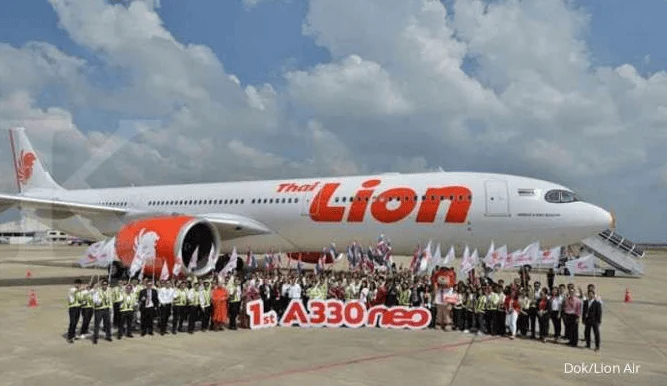
The arrival of two brand-new Airbus A330-900neo aircraft at Don Mueang International Airport on October 7, 2021, represents a transformative moment for Thai Lion Air, a prominent low-cost carrier in Southeast Asia. These aircraft, which flew directly from the Airbus delivery center in Toulouse, France, were greeted with a traditional water cannon salute and a formal blessing ceremony. The event was attended by high-ranking dignitaries, including the French Ambassador to Thailand and the Head of Airbus Thailand, signaling the high level of diplomatic and industrial cooperation involved in this fleet renewal. As the aviation industry navigates the complexities of the post-pandemic landscape, the introduction of these widebody jets underscores Thai Lion Air’s commitment to modernizing its fleet, enhancing fuel efficiency, and positioning itself as a major player in both the long-haul passenger market and the growing air cargo sector.
A New Era of Efficiency: The Technical Prowess of the A330neo
The Airbus A330neo (New Engine Option) is the latest evolution of the highly successful A330 family, designed to bridge the gap between traditional widebody performance and next-generation efficiency. For Thai Lion Air, the decision to incorporate the A330-900 variant is driven by the aircraft’s superior economics. Equipped with the latest-generation Rolls-Royce Trent 7000 engines, the A330neo offers a 25 percent reduction in fuel burn and CO2 emissions compared to previous-generation aircraft of a similar size. This efficiency is further enhanced by aerodynamic improvements, including new high-span wings and composite "Sharklets" that optimize lift and reduce drag.
Inside the cabin, Thai Lion Air has opted for a high-density configuration capable of seating 436 passengers in a single-class layout. While this maximizes seat-mile cost efficiency—a critical factor for low-cost carriers—the aircraft does not compromise on passenger experience. The "Airspace by Airbus" cabin concept provides a quieter environment, larger overhead bins, and advanced mood lighting systems designed to reduce jet lag. For a carrier that aims to connect Bangkok with distant markets in North Asia and potentially Europe or Australia, these technological advancements are essential for maintaining competitive pricing while offering a modern travel experience.
Chronology of Fleet Development and the Toulouse Delivery
The journey of these two A330neo aircraft began long before they touched down on the tarmac of Don Mueang. Thai Lion Air, as a subsidiary of the Indonesia-based Lion Air Group, benefits from one of the world’s largest outstanding orders for Airbus aircraft. The delivery on October 7 was the culmination of a multi-year procurement strategy intended to replace older widebody models and expand the airline’s reach.
The delivery flight from Toulouse to Bangkok covered approximately 6,000 miles, showcasing the aircraft’s long-range capabilities even before its first commercial mission. Upon arrival, the aircraft underwent a rigorous inspection by the Civil Aviation Authority of Thailand (CAAT) to ensure compliance with local safety regulations. The blessing ceremony, a deeply rooted Thai tradition, served to bring good fortune to the new vessels and the crews who will operate them. This event followed a period of relative quiet for the airline’s widebody operations, as the COVID-19 pandemic had previously forced the grounding of much of the world’s long-haul fleets. The timing of the delivery was viewed by industry analysts as a signal of confidence in the eventual reopening of Thailand’s borders and the resurgence of the regional tourism economy.
Strategic Shift Toward Long-Haul and Cargo Markets
Prior to the arrival of the A330neo, Thai Lion Air’s operations were primarily focused on domestic routes and short-haul international flights using Boeing 737 family aircraft. The introduction of the A330neo allows the airline to pivot toward a more diversified business model. By operating out of both Don Mueang (DMK) and Suvarnabhumi (BKK) airports, the airline can capture different segments of the market.
- International Tourism: The A330neo is perfectly suited for "thin" long-haul routes—destinations that require the range of a widebody but may not have the premium demand required by full-service carriers. Destinations in Japan, South Korea, and Greater China are primary targets for Thai Lion Air. The ability to fly 436 passengers at a lower cost per seat than its competitors gives the airline a significant advantage in the price-sensitive leisure market.
- Cargo Capacity: One of the most critical lessons learned during the global pandemic was the importance of air cargo. The A330neo features a spacious under-floor cargo hold that can carry significant amounts of freight alongside passengers. As global supply chains continue to recover, the ability to transport high-value goods, electronics, and agricultural products from Thailand to international markets provides a vital secondary revenue stream that buffers the airline against fluctuations in passenger demand.
Official Responses and Industry Sentiment
The reception of the A330neo was met with optimism from both the airline’s leadership and diplomatic representatives. The French Ambassador to Thailand highlighted the delivery as a testament to the enduring partnership between the European aerospace industry and Thailand’s aviation sector. Airbus officials noted that Thai Lion Air is now among a select group of airlines in Southeast Asia operating the A330neo, placing it at the forefront of technological adoption in the region.
Management at Thai Lion Air emphasized that while the pandemic created unprecedented challenges, the arrival of these aircraft is a "forward-looking investment." They noted that the A330neo’s versatility allows the airline to remain agile. In the short term, the aircraft could be used for high-demand domestic routes or regional cargo hops, while in the long term, they will be the workhorses of the airline’s international network expansion.
Economic Implications for Thailand’s Aviation Sector
The expansion of Thai Lion Air’s fleet has broader implications for the Thai economy, which is heavily reliant on tourism and international trade. Each new widebody aircraft introduced into the market generates hundreds of jobs, from pilots and cabin crew to ground handlers, maintenance engineers, and catering staff. Furthermore, by increasing the number of available seats into Thailand, the airline supports the government’s efforts to revitalize the tourism industry.
From a competitive standpoint, the A330neo allows Thai Lion Air to challenge the dominance of other low-cost long-haul carriers in the region, such as Thai AirAsia X. This competition is generally beneficial for consumers, as it leads to lower fares and more travel options. Additionally, the environmental benefits of the A330neo cannot be overlooked. As Thailand moves toward more stringent environmental regulations and carbon-offsetting schemes in aviation (such as CORSIA), operating a fuel-efficient fleet becomes a financial necessity rather than just a corporate social responsibility goal.
Analyzing the Post-Pandemic Operational Landscape
The arrival of these aircraft in late 2021 occurred during a transitional phase for global travel. While domestic travel in Thailand had begun to stabilize, international restrictions remained fluid. Thai Lion Air’s strategy involves a phased entry into service for the A330neo. Initially, the aircraft are expected to be deployed on routes where cargo demand is high or where "travel bubbles" have been established.
The "Sandbox" programs initiated by the Thai government to allow vaccinated tourists into specific provinces provided a testing ground for the return of long-haul flights. The A330neo’s efficiency makes it an ideal candidate for these types of operations, where load factors might be unpredictable. The airline’s ability to break even at lower passenger loads compared to older, less efficient aircraft provides a safety net during the volatile recovery period.
Conclusion: A Milestone for Regional Aviation
The delivery of the first two Airbus A330neo aircraft to Thai Lion Air is more than just a fleet update; it is a statement of resilience and ambition. By investing in the latest aerospace technology during one of the most challenging periods in aviation history, Thai Lion Air has signaled its intent to remain a cornerstone of the Thai transport infrastructure.
The combination of the Rolls-Royce Trent 7000 engines, the Airspace cabin, and a high-capacity configuration positions the A330neo as a versatile tool for the airline’s future. Whether it is ferrying hundreds of tourists to the beaches of Phuket or transporting essential cargo to the tech hubs of North Asia, these aircraft are set to play a pivotal role in the airline’s operational success. As the world reopens, the sight of Thai Lion Air’s A330neo in the skies will be a clear indicator of a recovering and evolving aviation industry, ready to meet the demands of a new era of global connectivity. With these two aircraft now part of the fleet, the industry will be watching closely to see how Thai Lion Air leverages this new capacity to reshape the low-cost long-haul market in Southeast Asia.