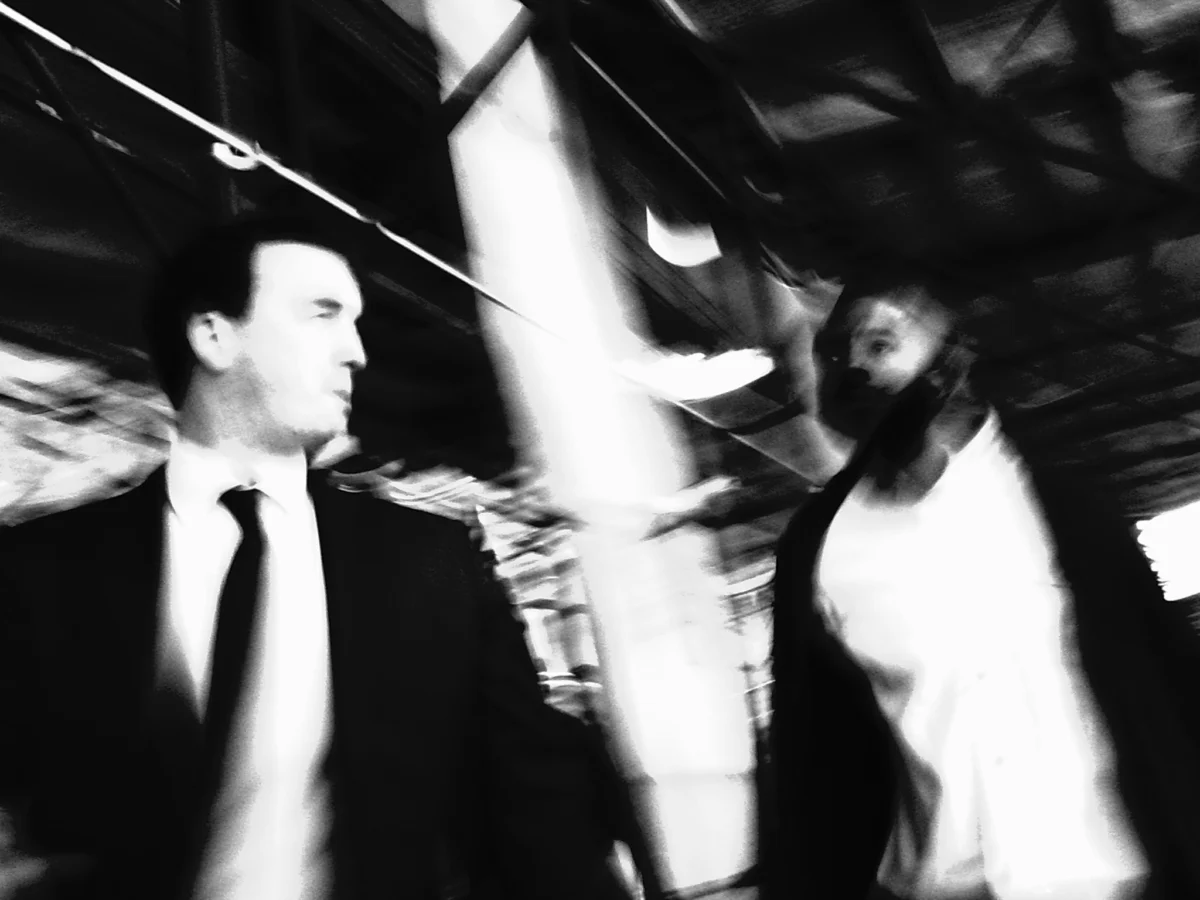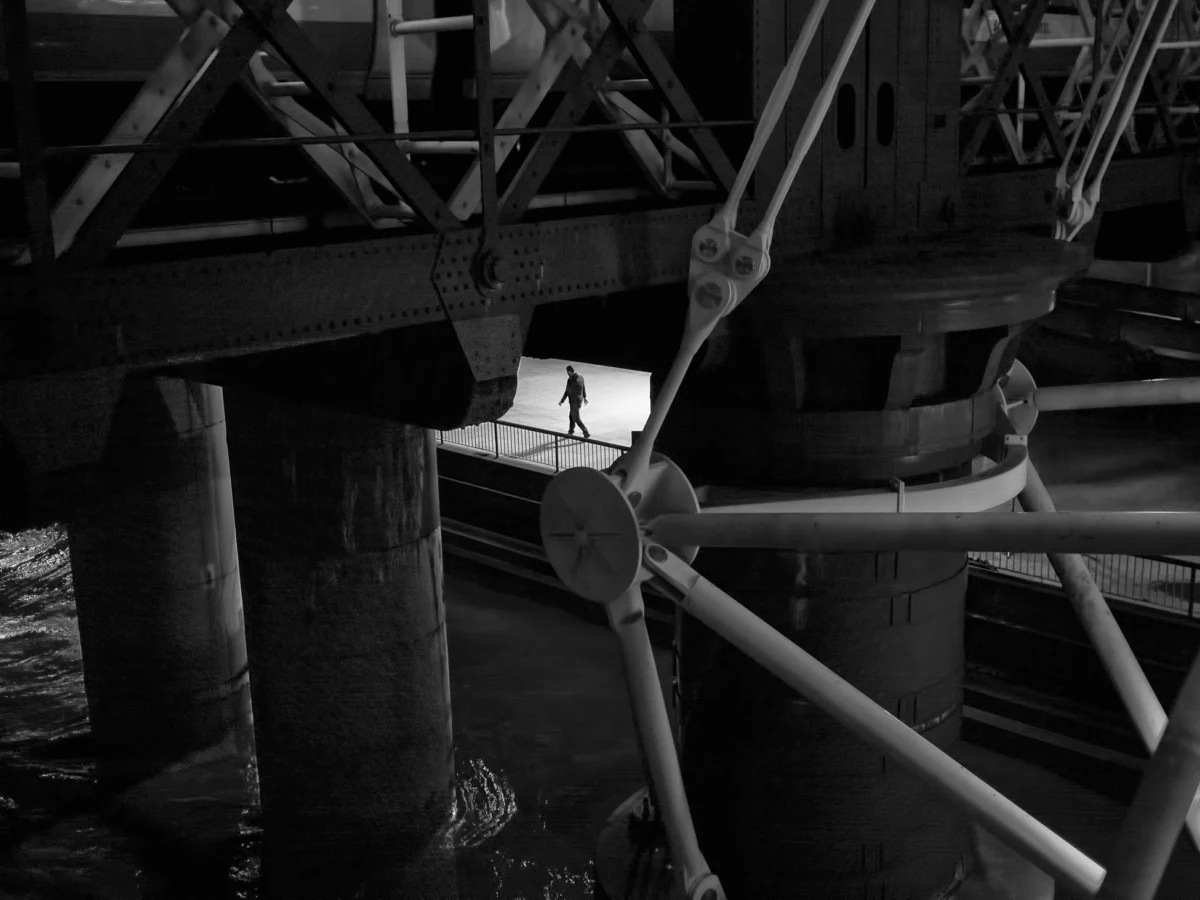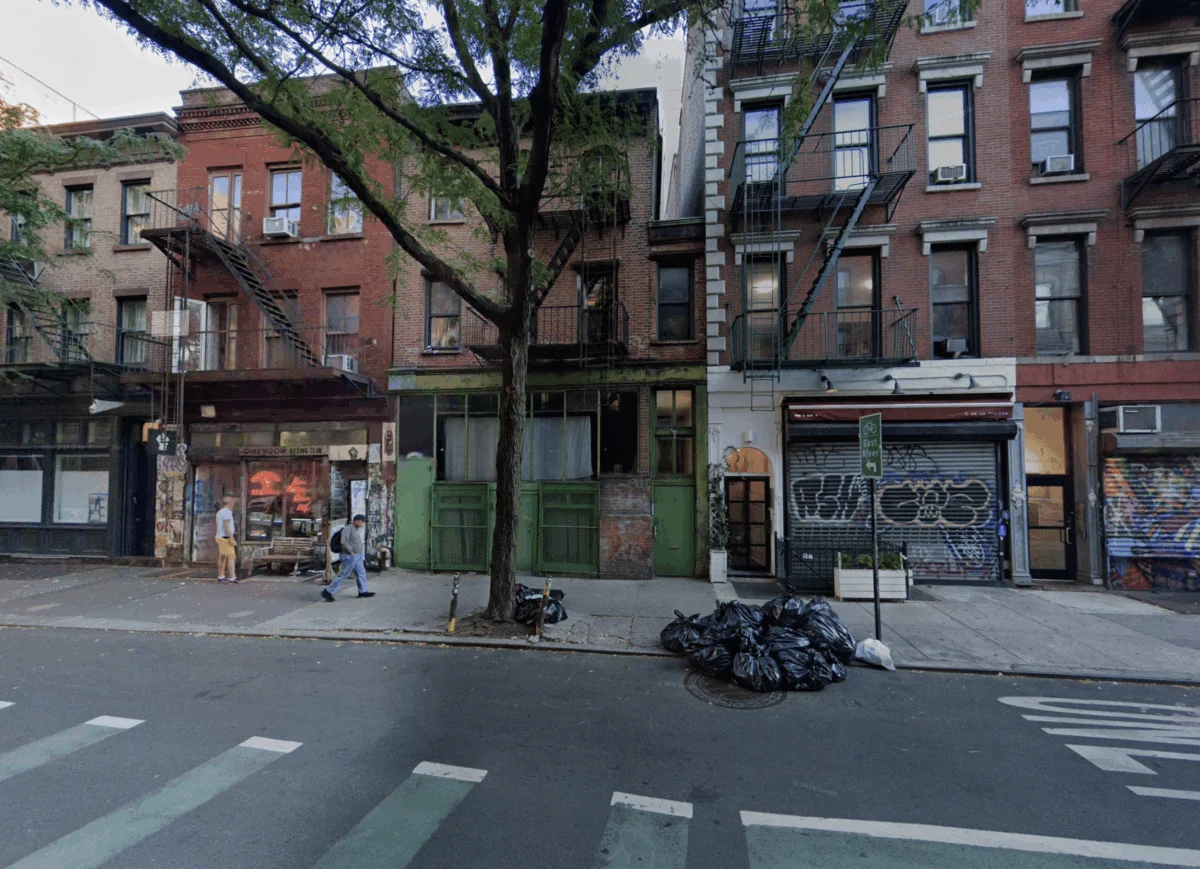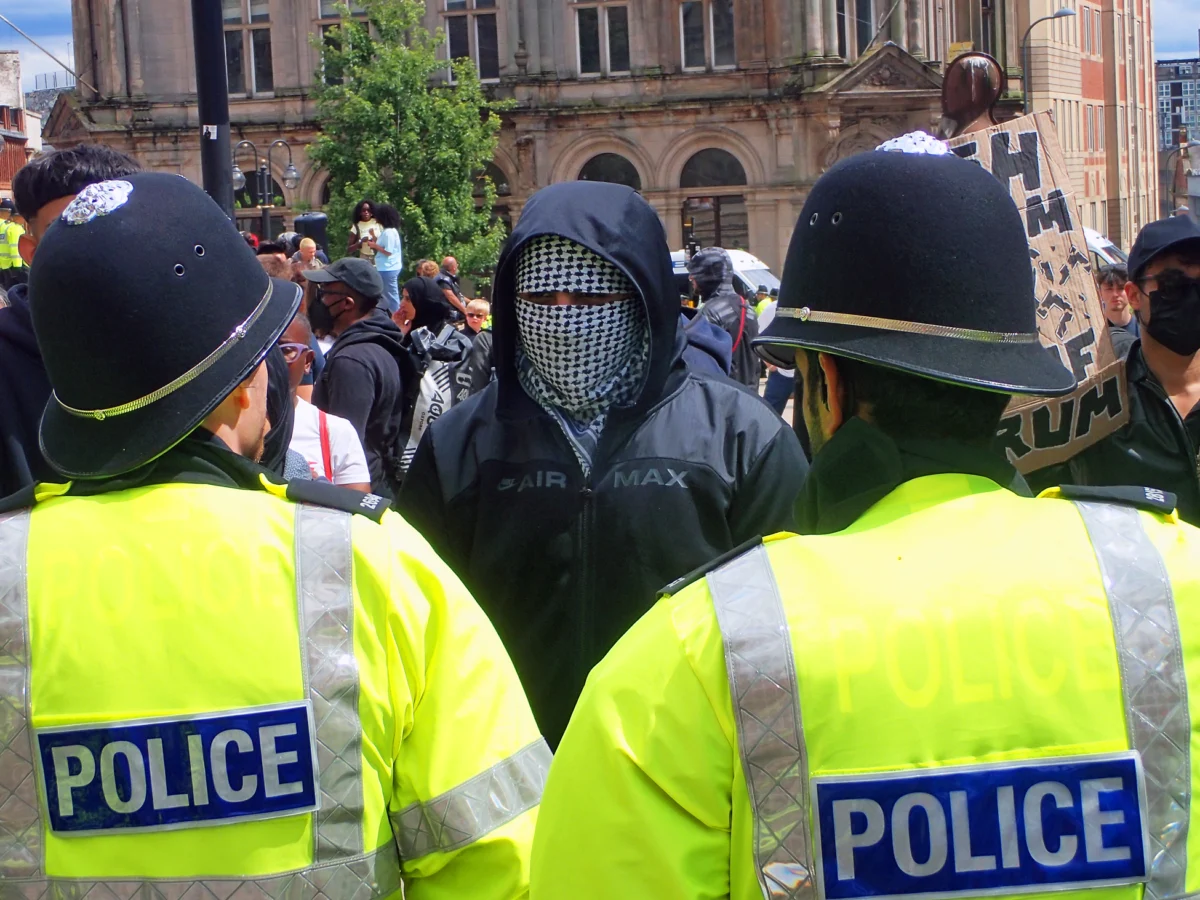
The visual language of the street is a rich tapestry, woven with candid moments, fleeting expressions, and the unfolding narratives of everyday life. Within this realm, two distinct yet often intertwined photographic genres emerge: street photography and photojournalism. While both disciplines rely on observational skills, a keen eye for the decisive moment, and the ability to capture unguarded reality, their fundamental intentions, ethical considerations, and ultimate goals diverge significantly. Understanding these distinctions is crucial for appreciating the unique contributions and inherent responsibilities of practitioners in each field.
Defining the Genres: Intent and Purpose
At its core, photojournalism is driven by the imperative to inform. Its primary duty is factual storytelling, aiming to document news events and social occurrences with accuracy, clarity, and context. Photojournalists often work for media outlets, adhering to strict ethical standards that emphasize objectivity, minimal manipulation, and the pursuit of truth. The goal is to provide audiences with an unambiguous understanding of what happened, where, and why. While many photojournalistic assignments may unfold on the street, the location is incidental to the overarching objective of journalistic reporting. The power of a photojournalistic image lies in its ability to serve as evidence, to evoke empathy, or to provoke thought about a particular event or issue, often within a broader narrative constructed through a series of images and accompanying text.
Street photography, conversely, is primarily concerned with personal vision and aesthetic expression. It focuses on candid, often artistic images of everyday life and urban scenes, valuing mood, composition, humor, juxtaposition, and spontaneous moments. Street photographers are less beholden to the immediate dissemination of factual information and more inclined to explore the nuances of human behavior, the poetry of the mundane, and the inherent ambiguities of life. Their work often invites contemplation, posing questions rather than providing definitive answers. While a street photograph may inadvertently capture a newsworthy event, its primary purpose is not to report the news but to offer a unique perspective, a visual poem, or a social commentary imbued with subjective interpretation.
The Art of Candid Capture: Shared Techniques, Divergent Goals
Both street photography and photojournalism rely heavily on candid shooting, requiring photographers to be present, observant, and quick to react. The ability to anticipate moments, to be in the right place at the right time, and to capture fleeting interactions with precision is paramount in both genres. This shared reliance on observational skill and an eye for the "decisive moment"—a term popularized by Henri Cartier-Bresson, referring to the instant when visual elements align to convey the essence of a scene—highlights a common ground in their technical approach.
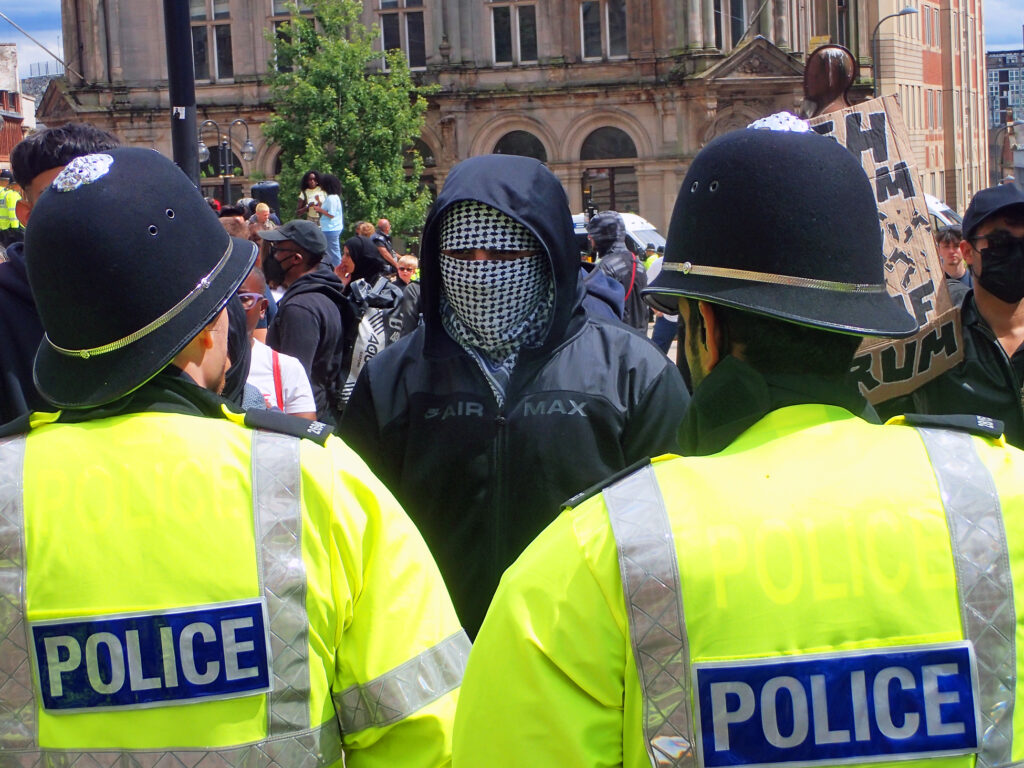
However, the intention behind capturing these moments distinguishes them. A photojournalist’s priority is to inform the audience and to preserve evidence of events as they transpire. Their work is often commissioned or undertaken with a specific purpose related to current affairs. In contrast, a street photographer’s priority is their personal vision, their aesthetic exploration, and their unique commentary on the human condition. They seek to translate their subjective experience of the world into compelling visual narratives, often infused with elements of humor, irony, or poignancy.
Navigating the Ethical Landscape: Responsibility and Regulation
The ethical considerations for street photographers and photojournalists, while both demanding awareness, operate under different frameworks. Photojournalists are bound by the rigorous ethical codes of journalism, which include principles of accuracy, fairness, impartiality, and a commitment to minimizing harm. They must navigate complex issues of consent, privacy, and the potential impact of their images on vulnerable individuals, especially when covering sensitive stories. Editorial guidelines and institutional oversight play a significant role in shaping their practices.
Street photographers, on the other hand, operate in a more self-regulated space. While they are expected to exercise care and respect for their subjects, their primary ethical compass is their own artistic conscience and an understanding of societal norms regarding privacy and public spaces. The legal landscape for street photography can be nuanced, with varying laws concerning photography in public versus private spaces. The balance between artistic freedom and the right to privacy is a constant consideration, demanding a self-directed and thoughtful approach. The phrase "Street photography is self-regulated!" underscores this fundamental difference in accountability and oversight.
The Role of Serendipity and Planning
The very nature of capturing moments on the street introduces a significant element of serendipity. Great street photography often relies on chance encounters and the unpredictable unfolding of events. It requires constant presence in urban environments, quick reflexes to seize fleeting, unplanned moments, and often, a healthy dose of luck to align perfect composition, light, and expression. The photographer must be ready to capture the unexpected, the sublime within the ordinary, the humorous or the poignant interaction that might never occur again. This reliance on serendipity can make street photography a demanding pursuit, requiring patience and a willingness to embrace the unplanned.
Photojournalism, while not entirely devoid of serendipity, often involves a more structured approach. Coverage is frequently staged around known events, predictable beats, and planned assignments. While unexpected moments can and do occur, the photojournalist often has a degree of foreknowledge about the subject matter, allowing for strategic positioning and preparation. The emphasis is on documenting what is happening, or what is scheduled to happen, with accuracy and comprehensiveness.
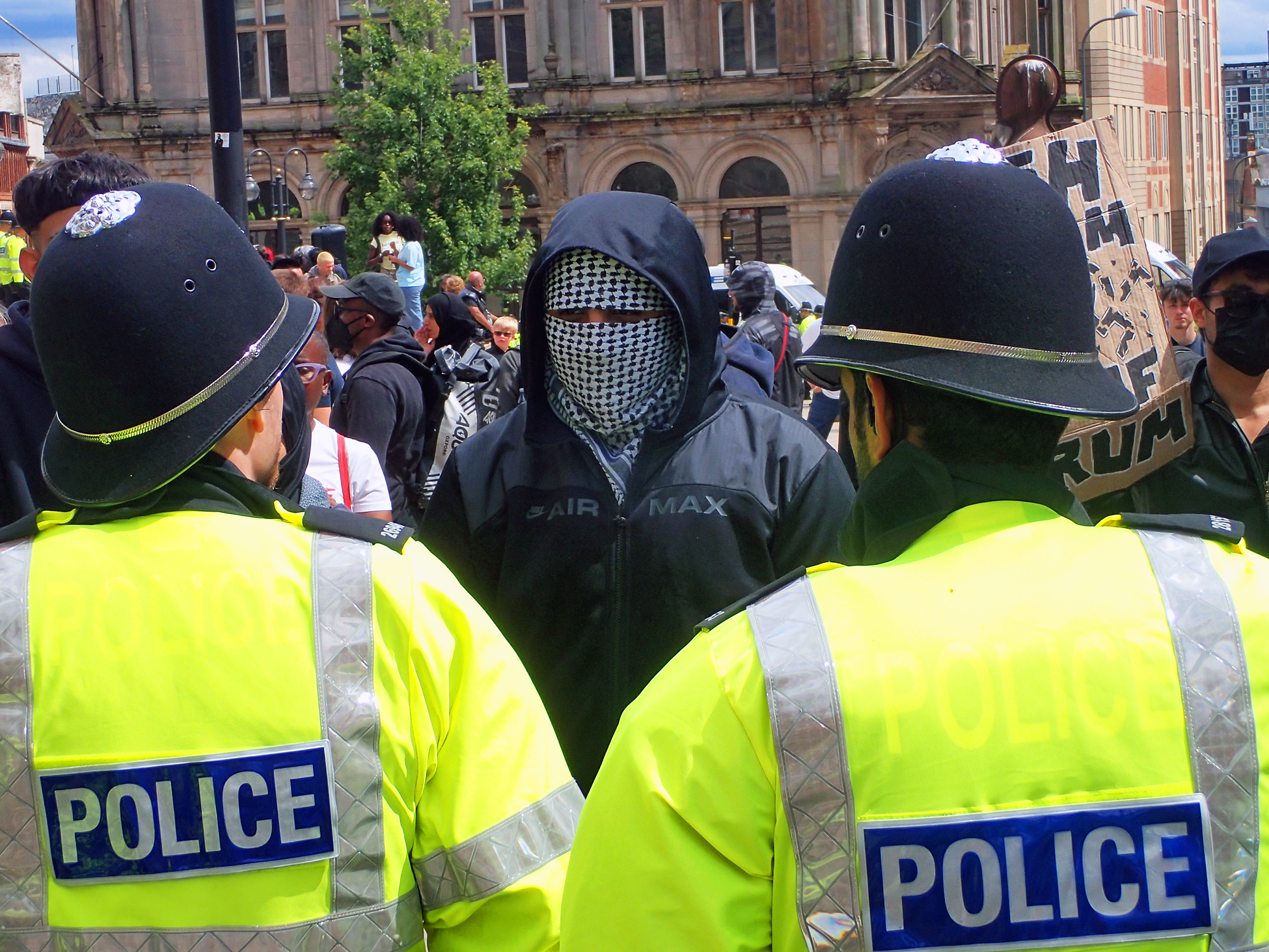
Narrative Construction: Single Frame vs. Sequential Storytelling
A significant divergence lies in how narratives are constructed within each genre. Street photographers are tasked with achieving narrative cohesion, strong visual design, and implied storytelling within a single frame. Their images must often stand alone, conveying a complete idea, emotion, or observation through composition, contrast, mood, and the power of suggestion. This demands a sophisticated understanding of visual language and the ability to imbue a solitary image with layers of meaning.
Photojournalists, conversely, have the capacity to build narratives across sequences of images and accompanying captions. This allows for a more detailed and in-depth exploration of a story, providing context, development, and a broader understanding of the events being documented. While individual journalistic photographs can be powerful, their full impact is often realized when viewed within the larger framework of a photo essay or news report.
Subjectivity vs. Objectivity: Judging "Greatness"
The criteria for judging "greatness" in each genre also differ considerably. Street photography is heavily judged on personal vision, originality, and emotional resonance. Its subjective nature means that what one viewer finds profound, another may overlook. This inherent subjectivity makes it challenging to establish universal consensus on what constitutes "great" street photography, leading to a more fluid and personal standard of excellence.
Photojournalism, on the other hand, is guided by clearer, more objective criteria. Accuracy, relevance, timeliness, and editorial integrity are paramount. While artistic merit is often appreciated, the primary measure of success for a photojournalistic image lies in its factual correctness and its effectiveness in informing the audience. This emphasis on factual and editorial criteria provides a more defined framework for evaluating the success of photographic outcomes in this genre.
The Intersection and Implication
Despite their distinct intentions and methodologies, street photography and photojournalism can and do intersect. A powerful street photograph might capture a moment of significant social or political relevance, thus becoming newsworthy and adopting a photojournalistic quality. Conversely, a photojournalistic image might possess a strong aesthetic appeal, employing compositional techniques or capturing evocative moods characteristic of street photography.
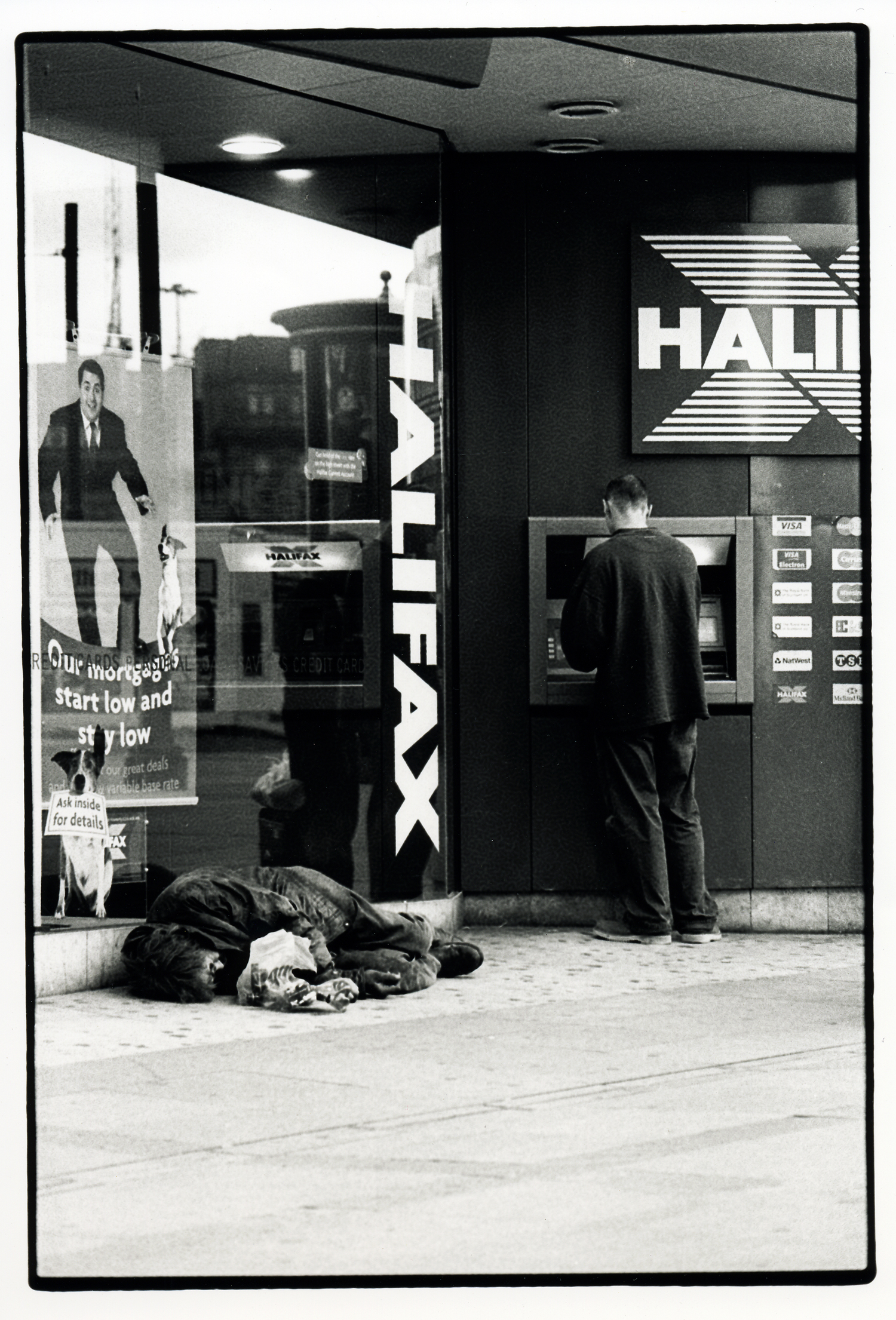
Understanding these nuances is not merely an academic exercise; it clarifies the photographer’s approach, their responsibilities, and the expectations of their audience. The ethical considerations, the narrative strategies, and the very definition of success are shaped by the chosen genre. This awareness informs the practice of both street photographers and photojournalists, guiding their decisions and shaping their impact on the visual landscape.
Broader Impact and Societal Commentary
The impact of both genres extends beyond their immediate purpose. Street photography, with its focus on the human element and the everyday, can foster a deeper understanding and appreciation of diverse communities and the shared experiences of urban life. It can highlight social inequalities, celebrate the resilience of the human spirit, and offer a mirror to society, reflecting its joys, its struggles, and its eccentricities. By capturing candid, unvarnished moments, street photographers contribute to a visual archive of contemporary life, offering insights that might otherwise remain unseen.
Photojournalism, by its very nature, plays a critical role in shaping public discourse and holding power accountable. Through its documentation of events, its exposure of injustices, and its amplification of human stories, it can drive social change, inform policy, and foster a more engaged and informed citizenry. The images that emerge from the world of photojournalism can become indelible records of history, shaping collective memory and influencing future generations.
Conclusion: A Shared Vision, Distinct Paths
In essence, street photography and photojournalism, while sharing a foundation in observational photography, embark on distinct journeys. One seeks to illuminate the factual narrative of our world, adhering to the principles of journalistic integrity. The other endeavors to explore the subjective tapestry of human existence, prioritizing personal vision and aesthetic exploration. Both are vital, offering unique perspectives that enrich our understanding of ourselves and the complex world we inhabit. Their continued evolution, their dialogue, and their occasional convergence underscore the enduring power of photography to capture, interpret, and communicate the human experience.