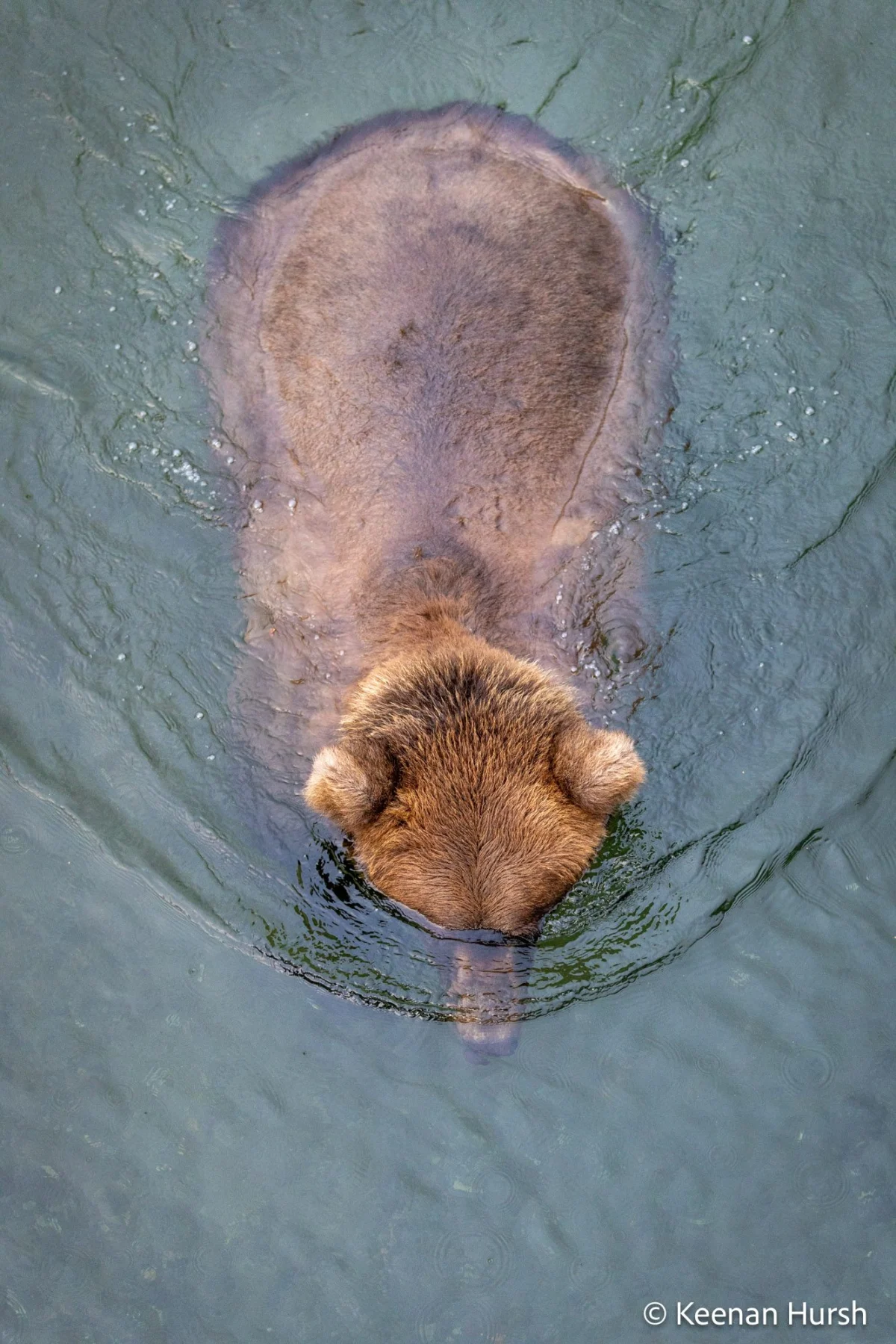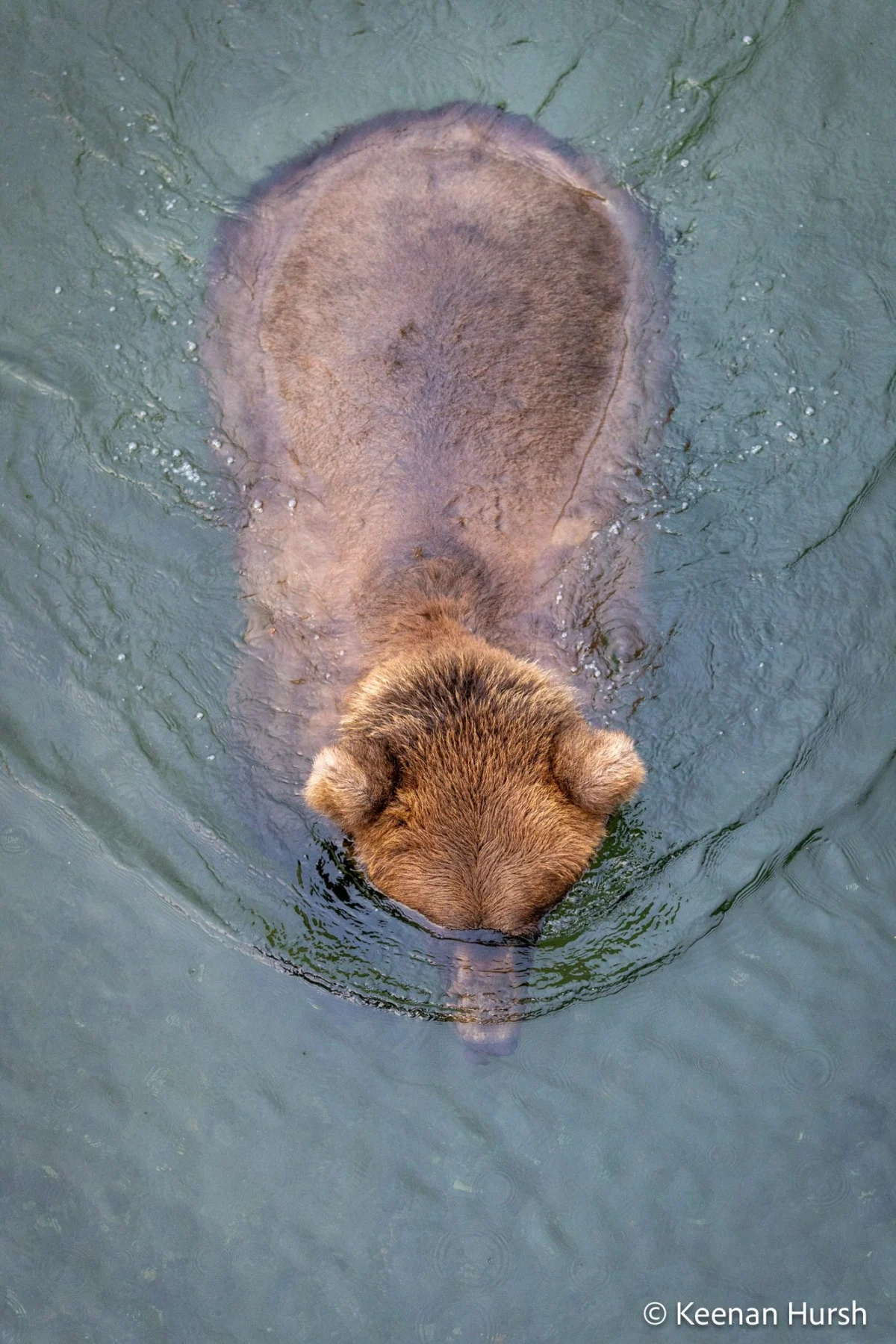
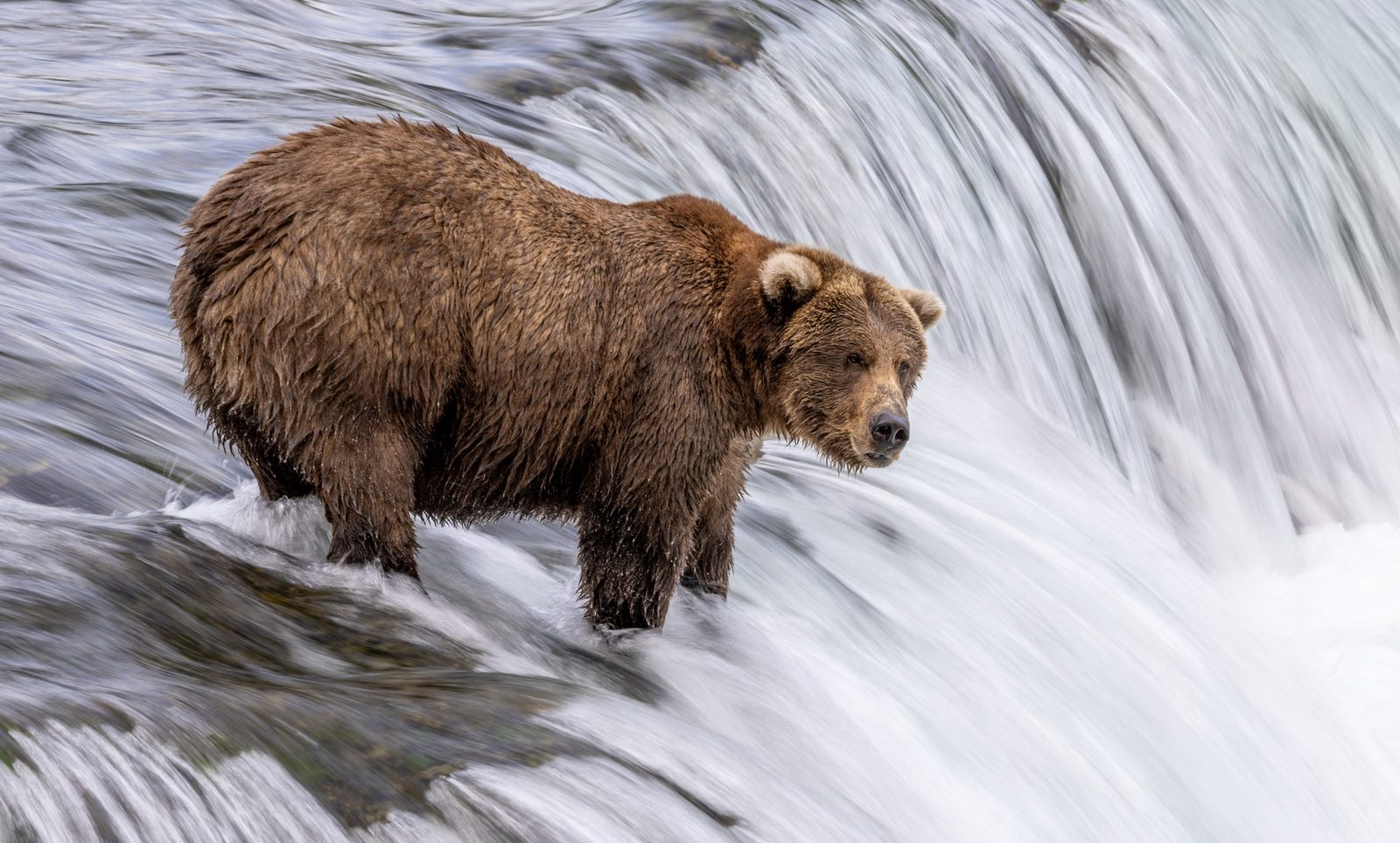
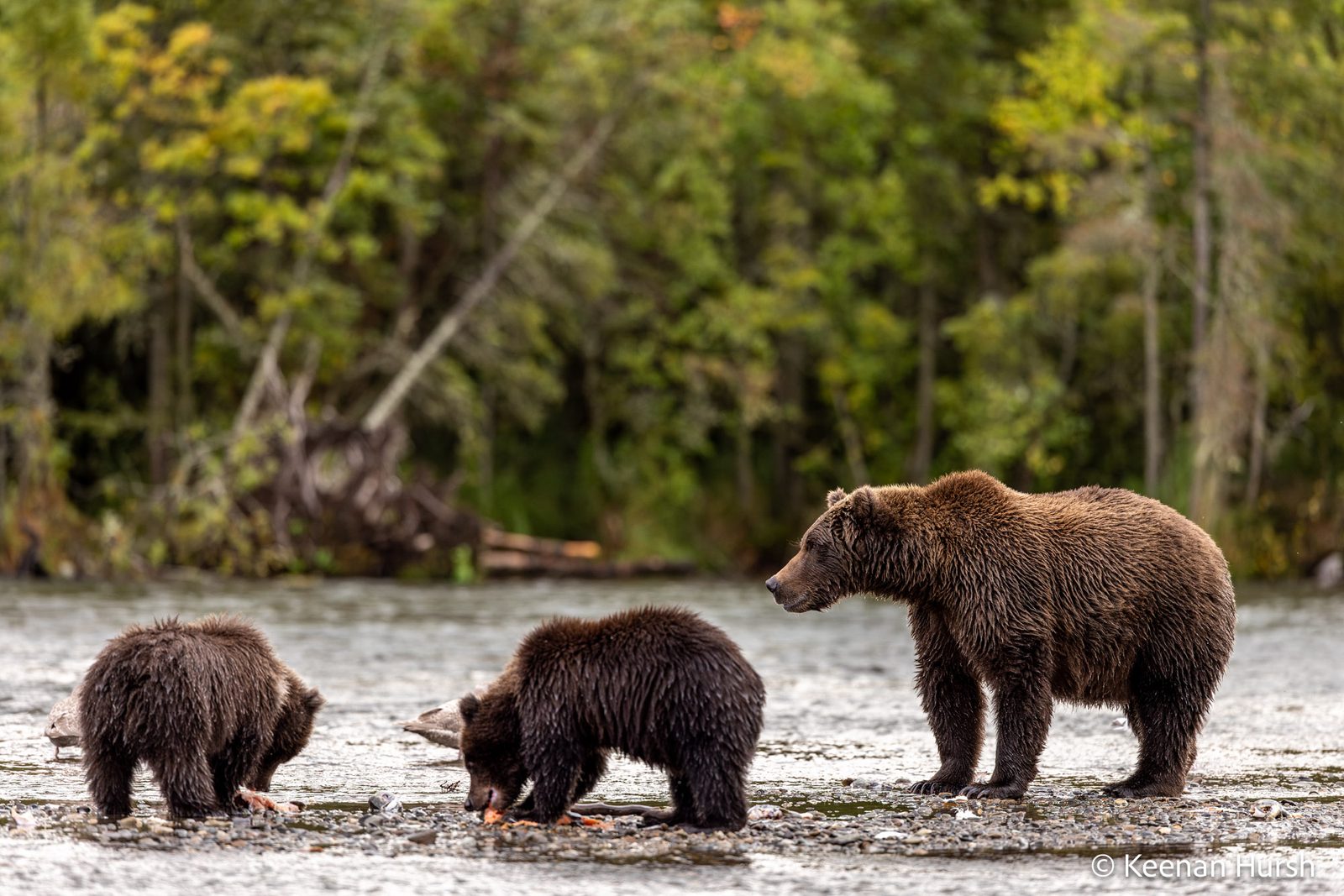
Professional wildlife photographer and Backcountry Journeys trip leader recently deployed the Canon RF 100-300mm f/2.8L IS USM lens during a demanding expedition to Katmai National Park, Alaska, to photograph its renowned brown bear population at Brooks Falls. This strategic gear selection, facilitated by a rental from Lensrentals, underscored the critical role of specialized optics in achieving specific photographic objectives within challenging natural environments. The mission involved leading two consecutive workshops focused on capturing intimate portraits, expansive environmental shots, and dynamic action sequences of bears amidst their natural hunting grounds.
The Strategic Imperative of Gear Selection for Katmai’s Bears
The rigorous demands of professional wildlife photography, particularly in locations as unique and dynamic as Katmai National Park, necessitate meticulous planning and precise equipment choices. Katmai, a vast wilderness area in southern Alaska, is globally celebrated for its dense population of brown bears, especially around Brooks Falls, where they congregate to feed on sockeye salmon during the summer and early autumn. This concentration of wildlife offers unparalleled opportunities for photographers, but also presents unique logistical and technical challenges. Bears at Brooks Falls often approach within close proximity to designated viewing platforms, requiring a versatile telephoto solution that can adapt from wider environmental perspectives to tight, action-filled frames.
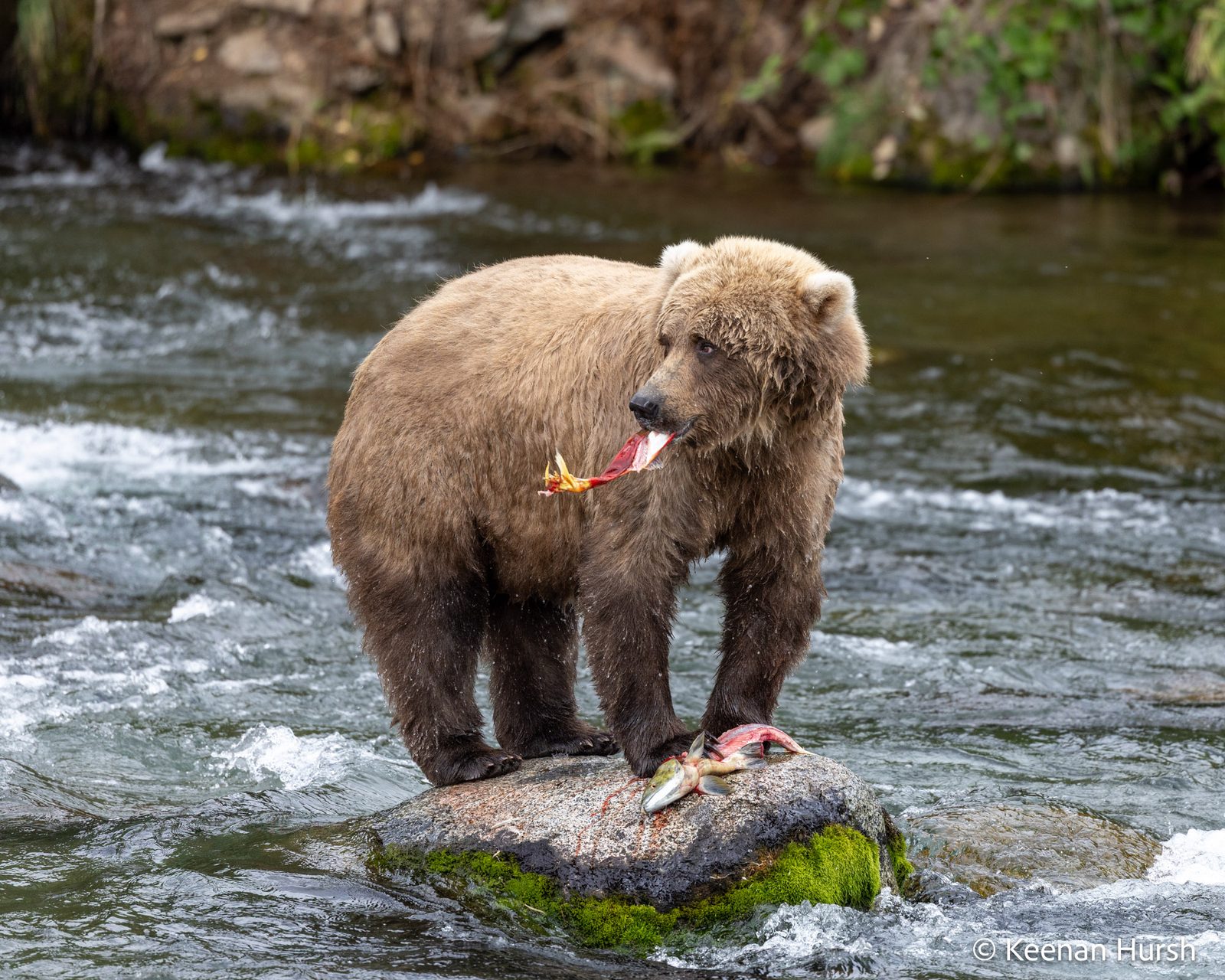
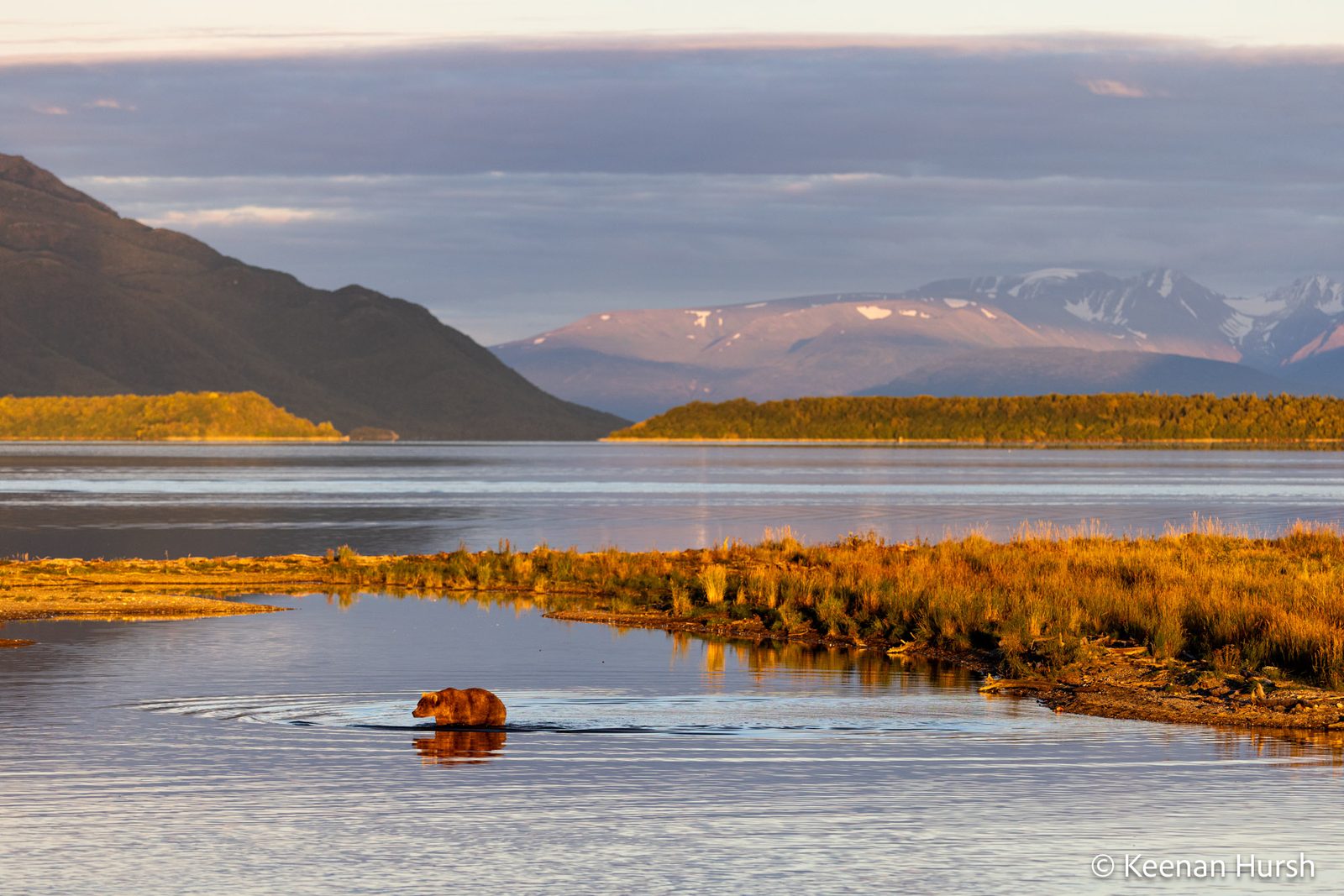
The professional photographer, accustomed to frequent travel and leading workshops in some of the world’s most scenic locales, emphasized the importance of pre-visualization and detailed gear planning. "Ample planning and brainstorming help to ensure I bring just the right gear to capture the images I have in my head," the photographer noted, highlighting that "packing the correct cameras, lenses, and accessories is absolutely essential for any photography adventure." For the Katmai workshops, the creative brief included securing sharp, up-close bear portraits with soft, creamy backgrounds; wider-angle environmental shots that place the bears within their stunning Alaskan habitat; and high-speed action captures of bears actively fishing in the river. Achieving this diverse range of imagery required an expansion of the photographer’s existing arsenal, specifically a lens capable of combining versatility with high optical performance across a crucial focal range.
Canon’s RF 100-300mm f/2.8L IS USM: A New Paradigm in Telephoto Zooms
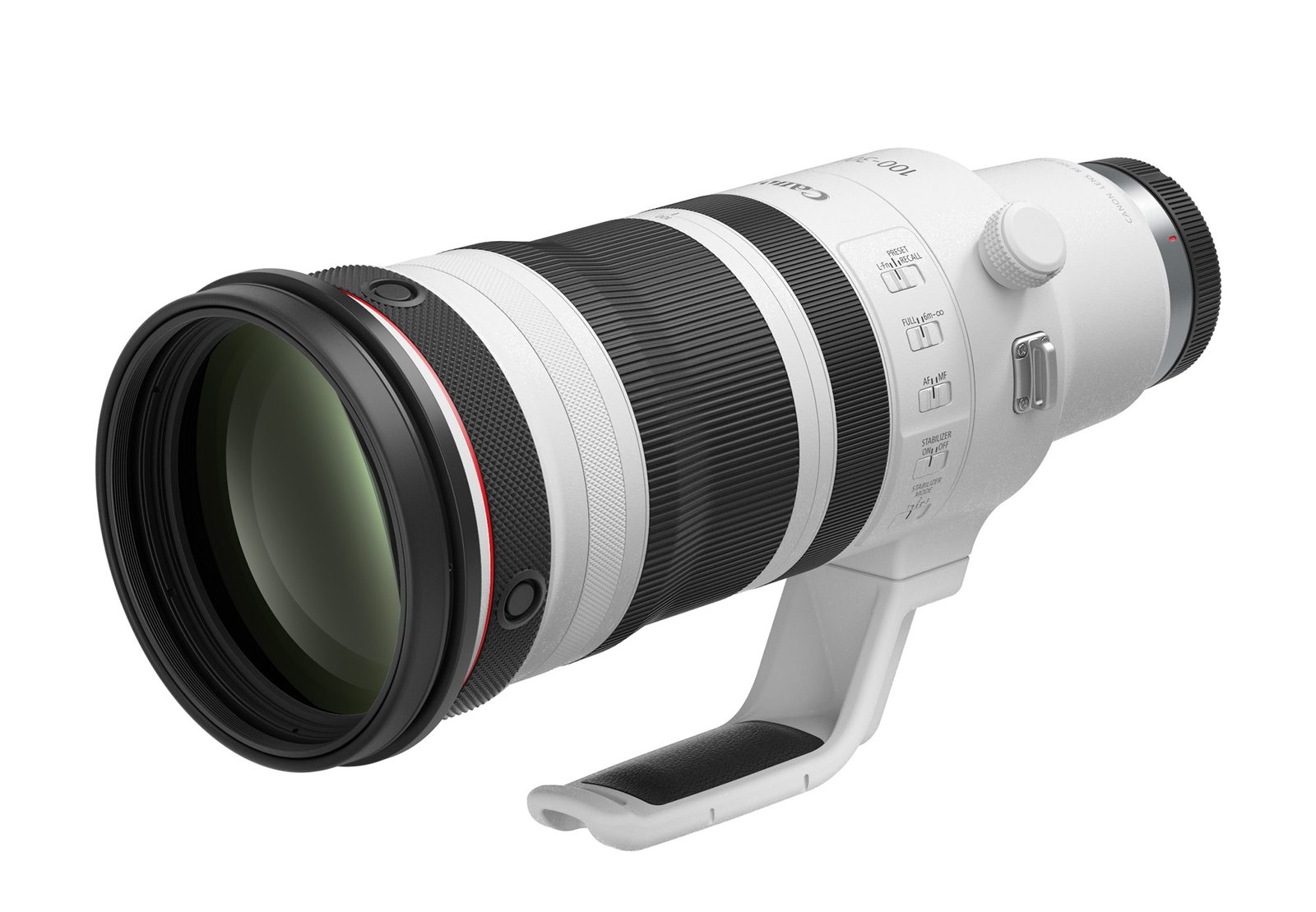
The decision to utilize the Canon RF 100-300mm f/2.8L IS USM was a direct response to these specific photographic requirements and an acknowledgment of Canon’s evolving strategy in its mirrorless RF mount ecosystem. Launched approximately a year prior, this lens marked a significant engineering achievement, combining a constant fast aperture of f/2.8 across a versatile 100-300mm zoom range with the optical quality typically associated with prime lenses. This combination stands out in the professional lens market, offering an unprecedented blend of speed, reach, and flexibility.
The photographer, a long-time Canon user, had keenly followed the development of this particular lens since its announcement. "Having a constant maximum aperture of f/2.8 across a versatile and flexible focal range of 100-300mm with razor-sharp optics is a unique feature that not many other brands offer," they observed. While the photographer’s personal kit includes the Canon EF 600mm f/4L IS III, a staple for distant wildlife, the unique viewing conditions at Brooks Falls—where bears can be remarkably close—necessitated a wider, more adaptable telephoto solution. The RF 100-300mm f/2.8 was identified as the ideal tool to bridge the gap between wide-angle environmental shots and medium telephoto action, without compromising on image quality or low-light performance.
Technical Specifications and Design Philosophy
The Canon RF 100-300mm f/2.8L IS USM is a testament to advanced optical engineering. Weighing approximately 2.59 kg (5.71 lbs) and measuring about 323 mm (12.7 inches) in length, it balances robust construction with manageable portability for a lens of its class. Its optical formula comprises 23 elements in 18 groups, including one fluorite element and four Ultra-Low Dispersion (UD) elements, meticulously designed to suppress chromatic aberration and deliver exceptional sharpness and contrast across the entire zoom range. The constant f/2.8 aperture ensures consistent light gathering capabilities, crucial for maintaining fast shutter speeds in varying light conditions and for achieving excellent subject isolation through shallow depth of field.
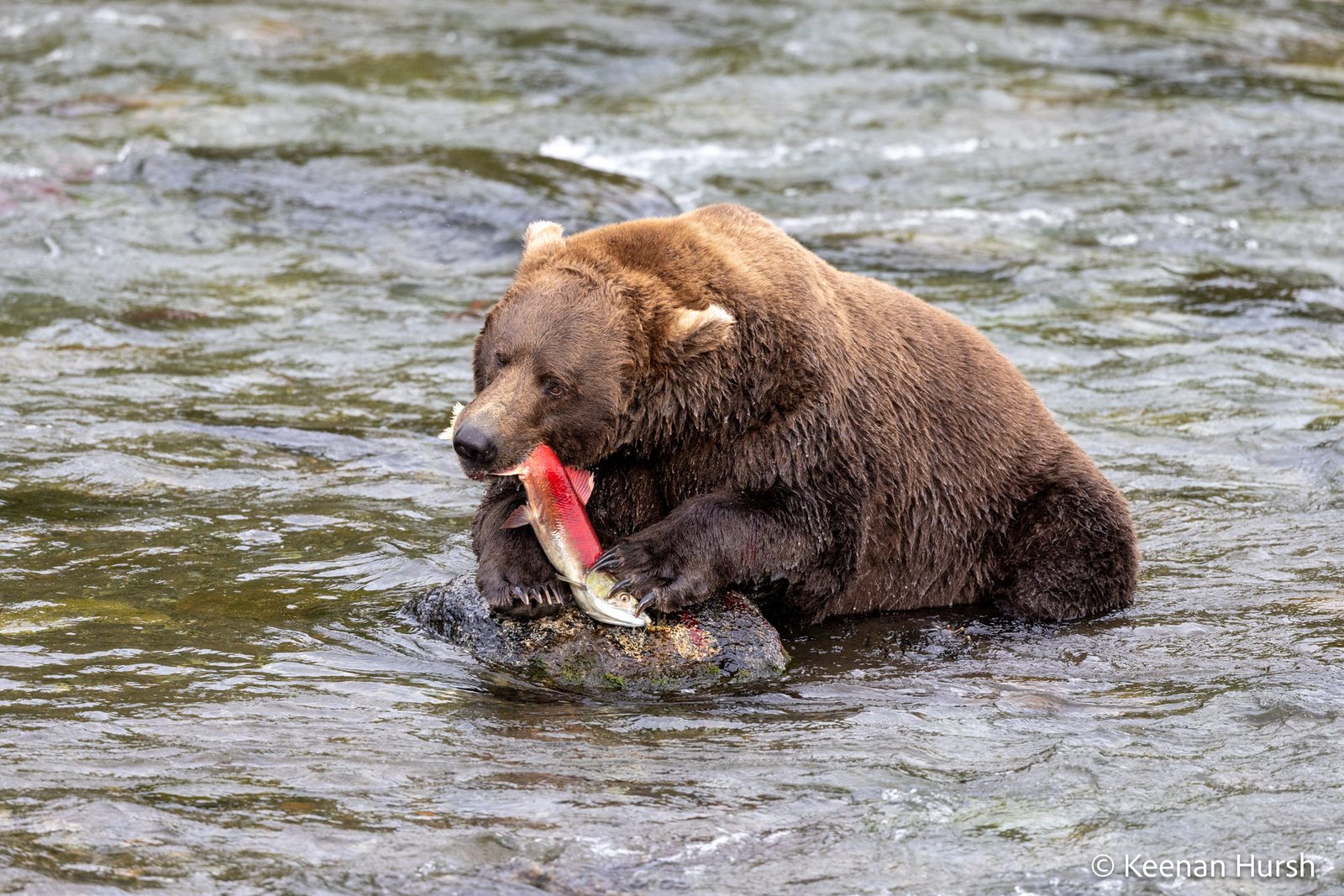
The lens features a sophisticated Optical Image Stabilization (IS) system, rated for up to 5.5 stops of correction on its own, and up to 6 stops when paired with cameras featuring in-body image stabilization (IBIS). This stabilization is vital for handheld shooting in dynamic wildlife scenarios, allowing for sharper images at slower shutter speeds. The autofocus system employs Canon’s high-speed Nano USM motors, providing swift, silent, and precise focusing performance, which is paramount for tracking fast-moving subjects like fishing bears. Additionally, the lens is designed with L-series weather sealing, offering dust and moisture resistance, an essential feature for the often unpredictable and rugged Alaskan environment. The compatibility with Canon’s RF 1.4x and 2x teleconverters further extends its utility, transforming it into a 140-420mm f/4 or a 200-600mm f/5.6 lens, respectively, without significantly compromising image quality.
Field Performance at Brooks Falls: An Expert Assessment
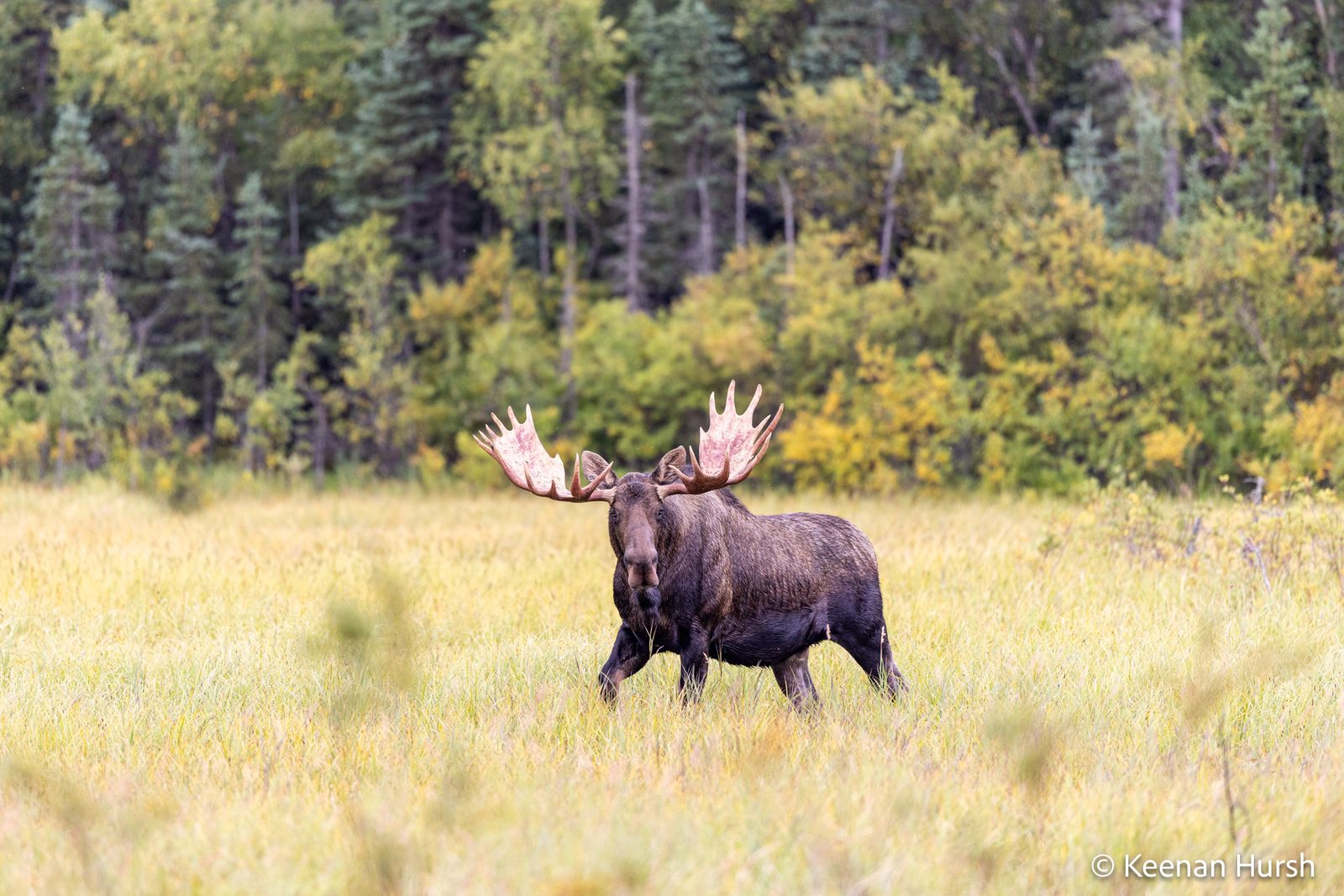
The two back-to-back workshops at Katmai National Park provided an extensive real-world test for the Canon RF 100-300mm f/2.8L IS USM. The photographer’s observations during eight days of intensive shooting at Brooks Falls yielded clear insights into the lens’s capabilities and its suitability for high-stakes wildlife photography.
Observed Strengths:
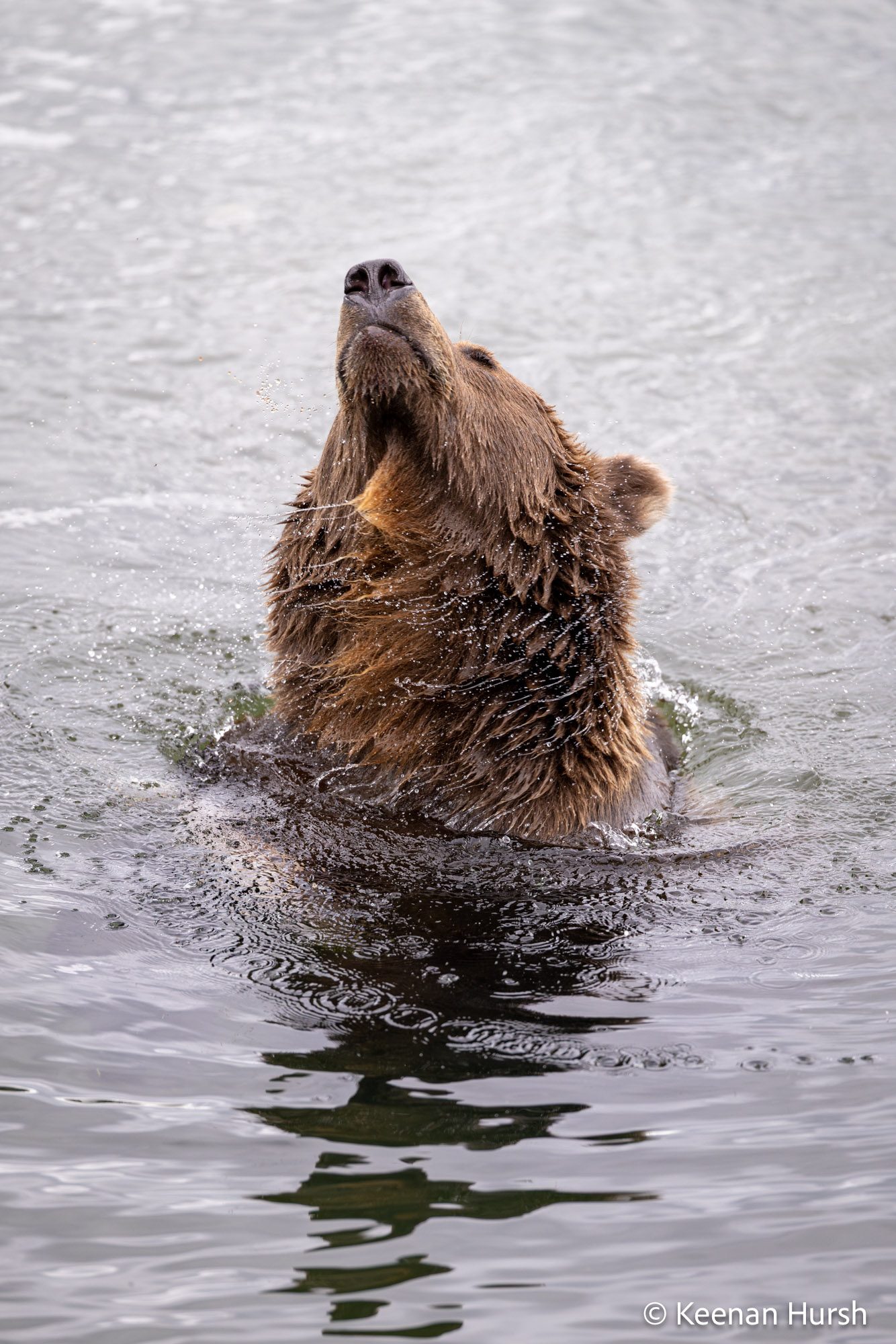
- Exceptional Versatility: The 100-300mm focal range proved highly adaptable for the varying distances encountered with bears at Brooks Falls. It seamlessly transitioned from capturing full-body environmental shots to tighter headshots as bears moved closer to the viewing platforms or through the river. This flexibility minimized the need for frequent lens changes, crucial for not missing fleeting moments.
- Outstanding Optical Quality: Images consistently demonstrated remarkable sharpness, detail, and contrast from edge to edge, even at f/2.8. The sophisticated optical design effectively managed aberrations, resulting in clean, vibrant photographs.
- Fast and Accurate Autofocus: The Nano USM motors delivered rapid and precise autofocus, crucial for tracking fast-moving bears as they charged through the water or leapt to catch fish. The ability to lock onto and maintain focus on dynamic subjects contributed significantly to a high keeper rate of action shots.
- Superb Image Stabilization: The 5.5-stop image stabilization allowed for confident handheld shooting, particularly beneficial in challenging low-light conditions or when needing to react quickly without setting up a tripod. This capability reduced the reliance on excessively high ISO settings, preserving image quality.
- Excellent Subject Isolation and Bokeh: The constant f/2.8 aperture, combined with the telephoto compression, produced beautifully smooth and creamy backgrounds, effectively isolating the bears from their surroundings and adding an artistic dimension to portraits.
- Robust Build Quality and Ergonomics: The lens’s professional-grade construction, including weather sealing, inspired confidence in the harsh Alaskan environment. Its balance and handling, even over extended periods, were noted as comfortable, a testament to thoughtful ergonomic design.
Identified Limitations:
While overwhelmingly positive, the extensive field use also brought to light a few considerations, inherent to the lens’s design and purpose:
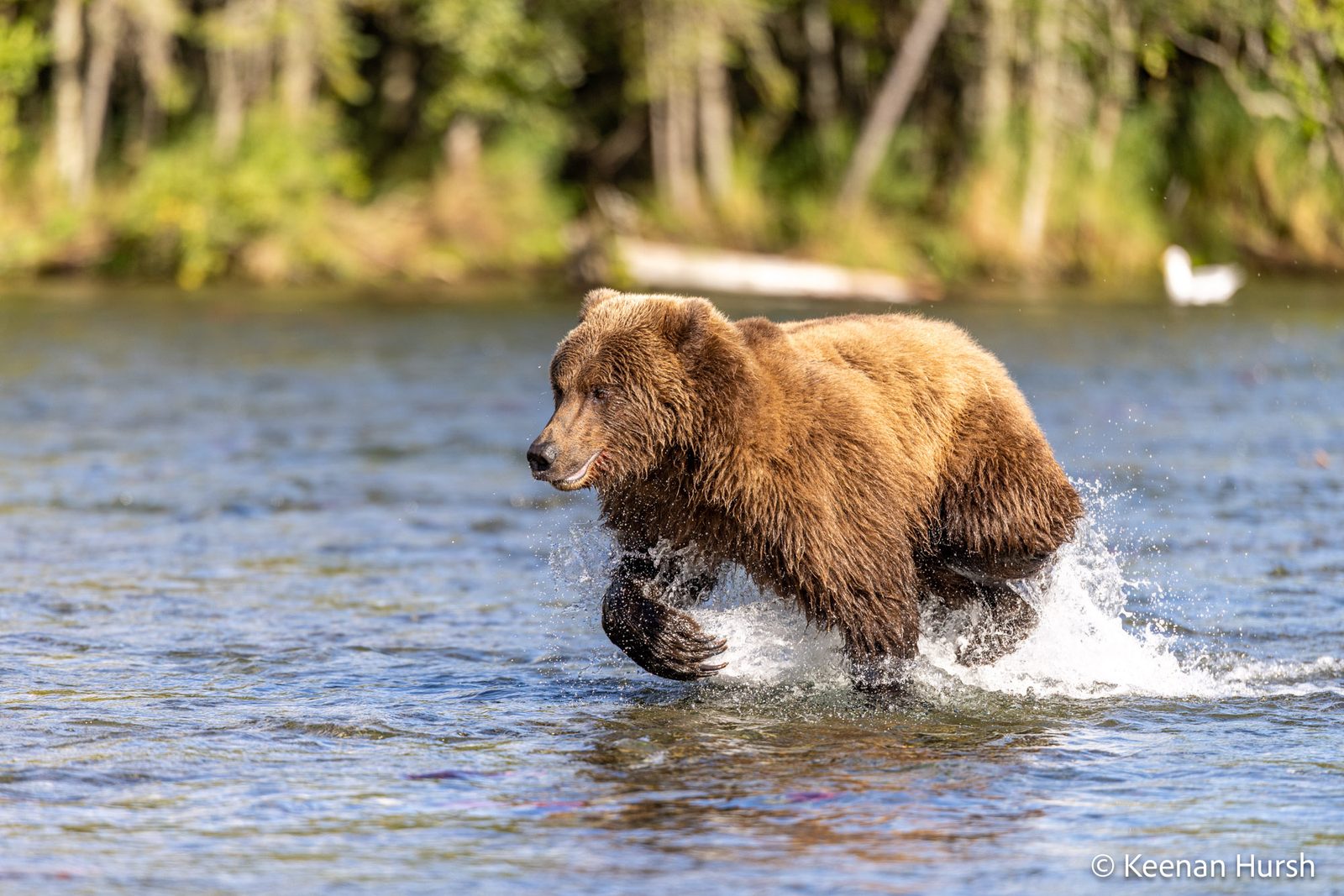
- Weight and Size: Despite its advantages, the lens’s weight (approximately 2.59 kg) and length can be a factor for prolonged handheld use or during extensive hiking. While manageable, it represents a significant piece of kit that demands physical endurance.
- Cost: The Canon RF 100-300mm f/2.8L IS USM is a premium professional lens, reflected in its high purchase price. This makes rental services like Lensrentals an invaluable resource for photographers needing specialized gear for specific projects without the substantial upfront investment.
- Reach at Maximum Zoom: In scenarios where bears remained at greater distances, the 300mm focal length, even with excellent image quality, sometimes proved insufficient for extremely tight headshots, requiring the supplementary use of the 600mm prime lens or teleconverters.
The photographer affirmed that these "negatives" were largely subjective and contextual, and did not detract from the lens’s overall exceptional performance in meeting the specific photographic goals for the Katmai expedition. The ability to capture desired portrait, environmental, and action shots, which would have been "much more difficult, or even impossible" with other lenses, underscored the strategic value of the RF 100-300mm f/2.8.
The Indispensable Role of Equipment Rental Services
The successful deployment of the Canon RF 100-300mm f/2.8L IS USM for the Katmai workshops also highlights the critical role played by professional equipment rental services such as Lensrentals. For specialized assignments, trying out new technology, or temporarily expanding one’s gear capabilities without the immense financial outlay of purchasing, rentals offer a pragmatic and efficient solution. The photographer’s prior positive experiences with Lensrentals reinforced the decision to engage their services for this crucial expedition. This model allows photographers to access cutting-edge equipment, ensuring they are always optimally prepared for any photographic challenge.
Broader Implications for Wildlife Photography and the Industry

The emergence of lenses like the Canon RF 100-300mm f/2.8L IS USM signifies a significant trend in the photographic industry. Canon’s commitment to producing fast, high-performance telephoto zoom lenses with prime-level optics for its mirrorless system is a clear indication of the future direction of professional optics. This lens empowers wildlife photographers with unprecedented flexibility, allowing them to adapt quickly to rapidly changing scenarios without sacrificing image quality or low-light performance. It facilitates a more dynamic approach to capturing wildlife, blending different photographic styles within a single frame or sequence.
This development also underscores the increasing sophistication of mirrorless technology, which enables new optical designs previously unachievable with DSLR systems. The integration of advanced image stabilization, lightning-fast autofocus, and robust weather sealing in such a versatile package sets a new benchmark for professional telephoto zooms. For professional trip leaders, having access to such a versatile tool means they can demonstrate a wider range of techniques and achieve more diverse results during workshops, ultimately enriching the experience for their participants.

In conclusion, the expedition to Katmai National Park served as a compelling real-world validation of the Canon RF 100-300mm f/2.8L IS USM lens. Its exceptional optical performance, rapid autofocus, effective image stabilization, and remarkable versatility proved indispensable for capturing the iconic brown bears of Brooks Falls across a spectrum of photographic styles. The strategic decision to rent this specialized lens, leveraging the reliable services of Lensrentals, exemplifies the meticulous planning and adaptive approach required in contemporary professional wildlife photography. This lens not only met but exceeded expectations, delivering razor-sharp images and enabling creative visions that would have been considerably more challenging to realize otherwise.