The dynamic realm of wildlife photography, an art form celebrated for its blend of patience, skill, and an element of serendipity, has undergone a significant transformation in recent decades, largely driven by relentless advancements in camera technology. The pursuit of the elusive "dream shot" often hinges not just on the photographer’s prowess but also on the cutting-edge capabilities of their equipment. Professional nature and wildlife photographer Keenan Hursh recently embarked on an intensive expedition to India’s premier tiger reserves, an experience that not only yielded breathtaking imagery but also provided a unique real-world proving ground for the latest iteration of Canon’s mirrorless technology: the EOS R5 Mark II, pitted against its acclaimed predecessor, the original EOS R5. This direct comparison, conducted under the demanding conditions of a professional wildlife workshop, underscores the subtle yet impactful evolution shaping the future of high-stakes nature photography.
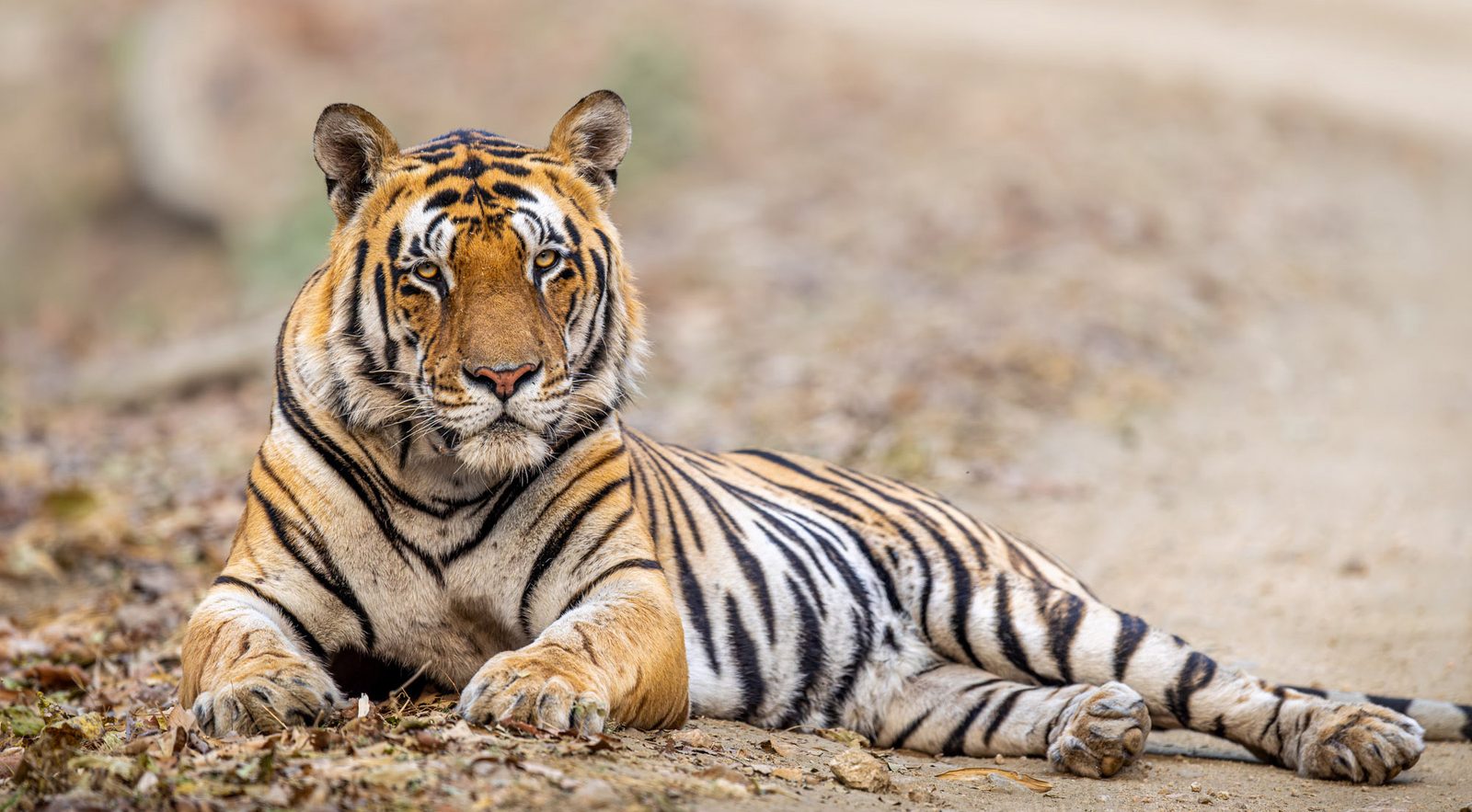
The India Expedition: A Testbed for Cutting-Edge Camera Technology
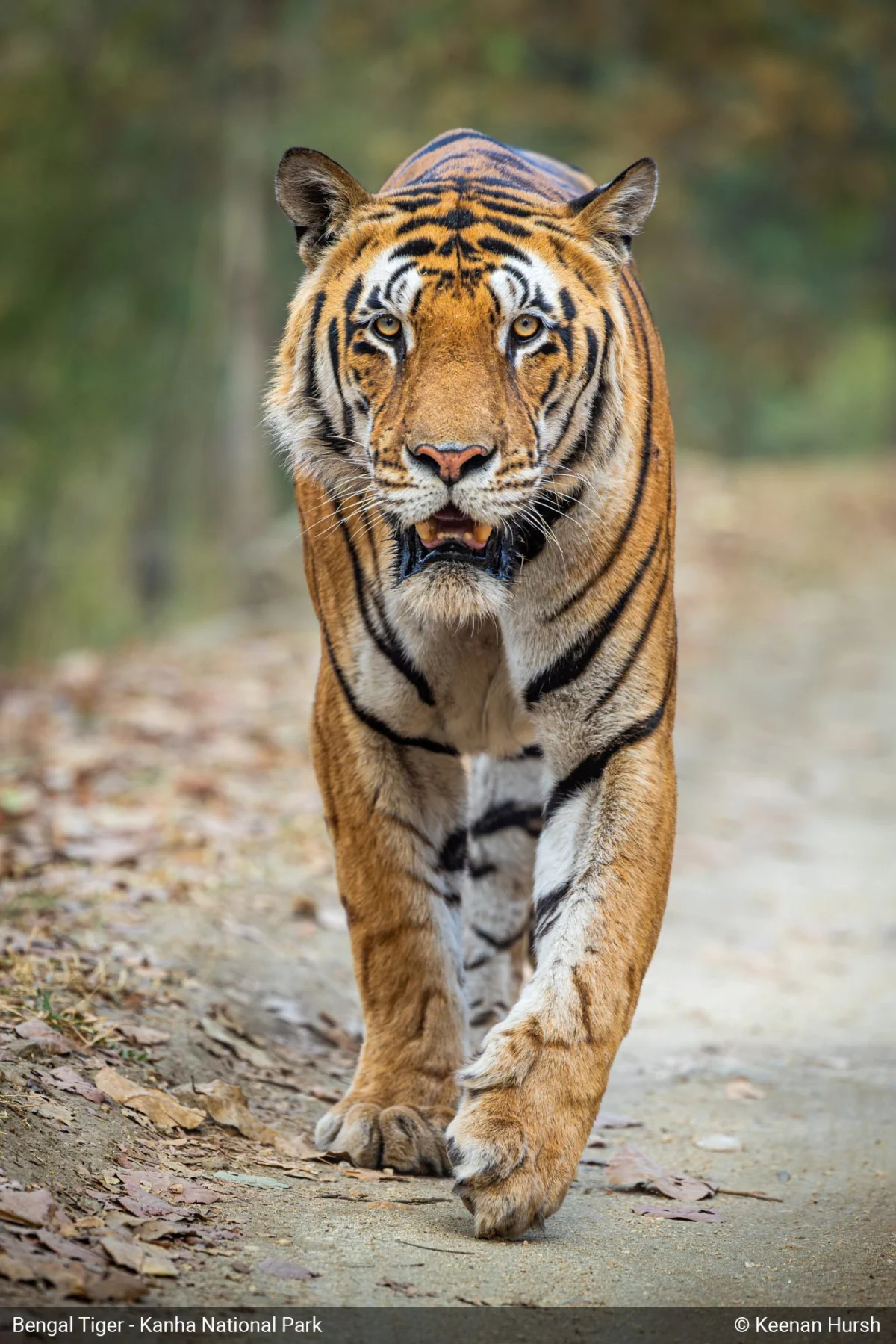
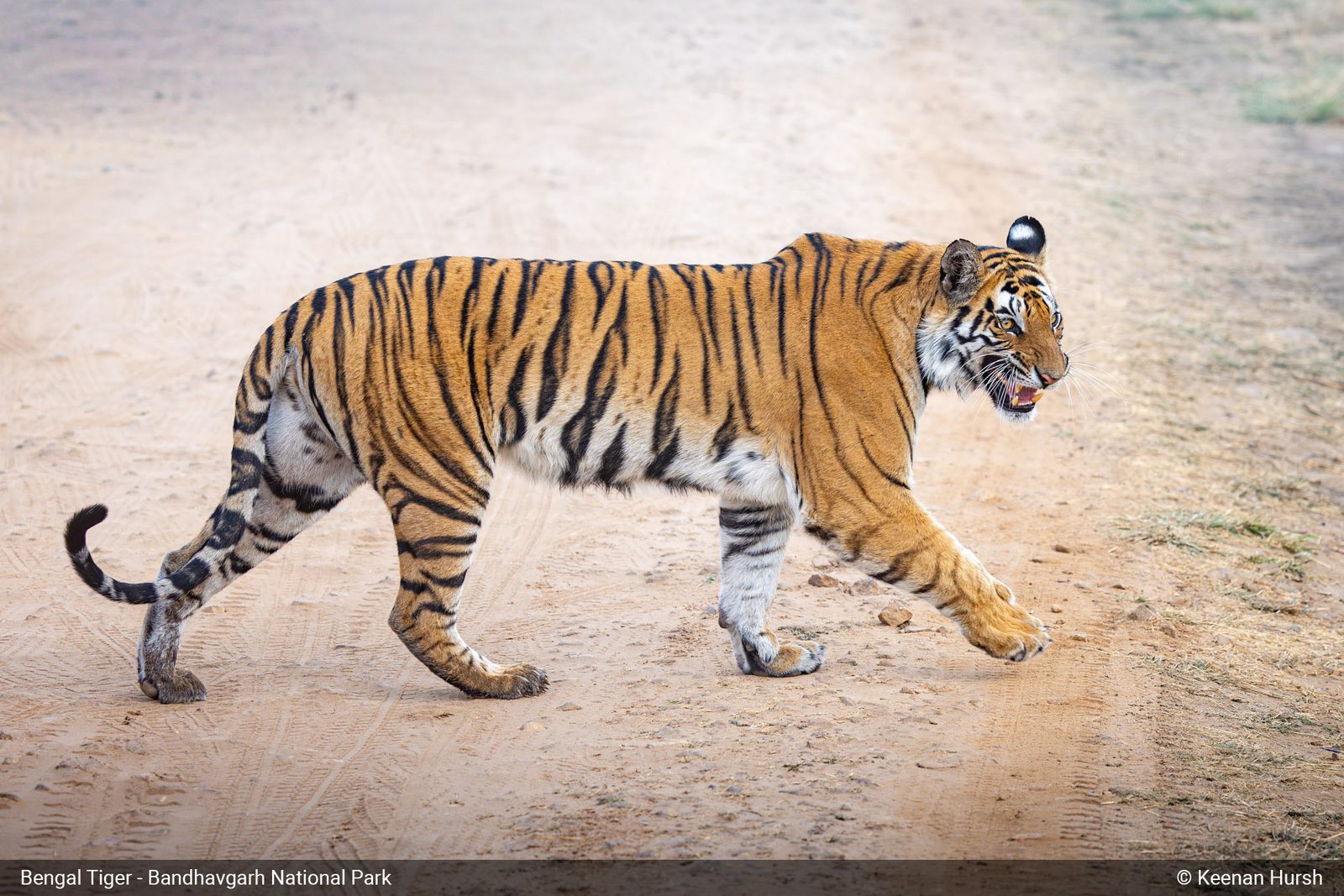
Keenan Hursh, a seasoned professional photographer, guide, and writer affiliated with Backcountry Journeys, orchestrated a 10-day "Tiger Safari" workshop through Bandhavgarh and Kanha National Parks in Madhya Pradesh. These parks are globally renowned as critical habitats for the Bengal tiger, offering unparalleled opportunities for observation and photography. Hursh’s decision to lead this workshop stemmed from a long-held ambition to document India’s iconic wildlife, particularly its tigers, marking a significant milestone in his career. The expedition was meticulously planned, encompassing complex international travel logistics and a strategic selection of photography gear designed to excel in diverse and often challenging environmental conditions.
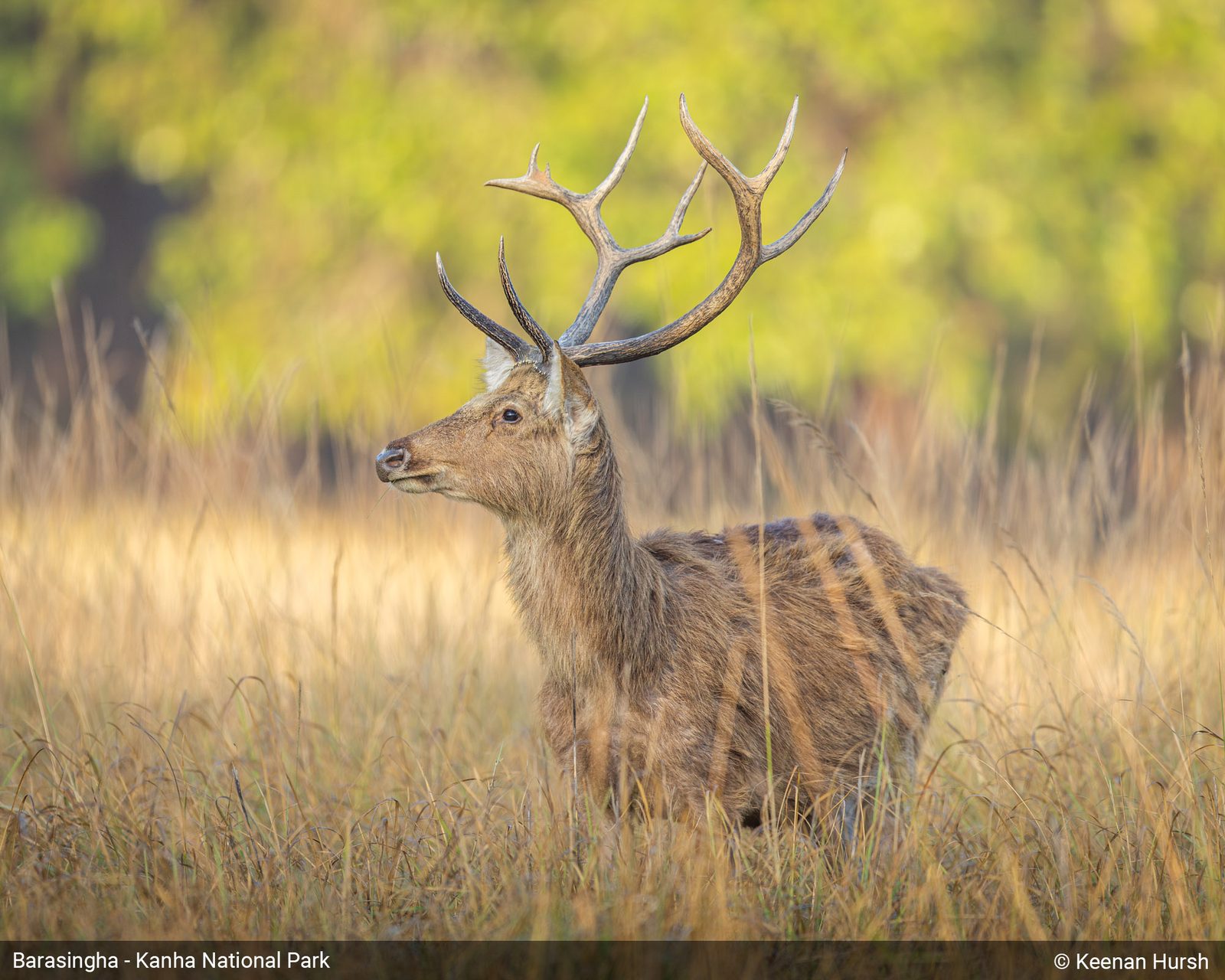
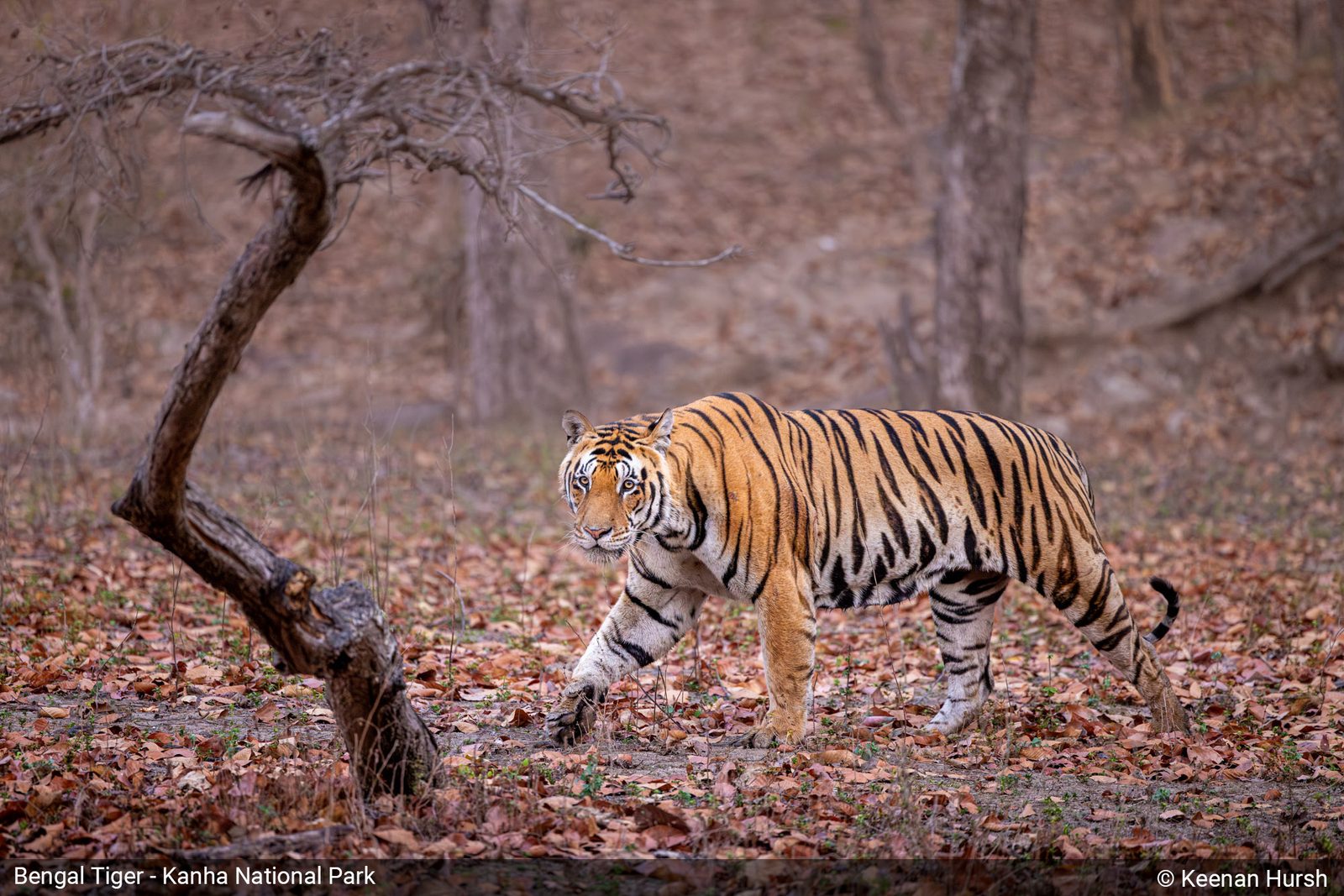
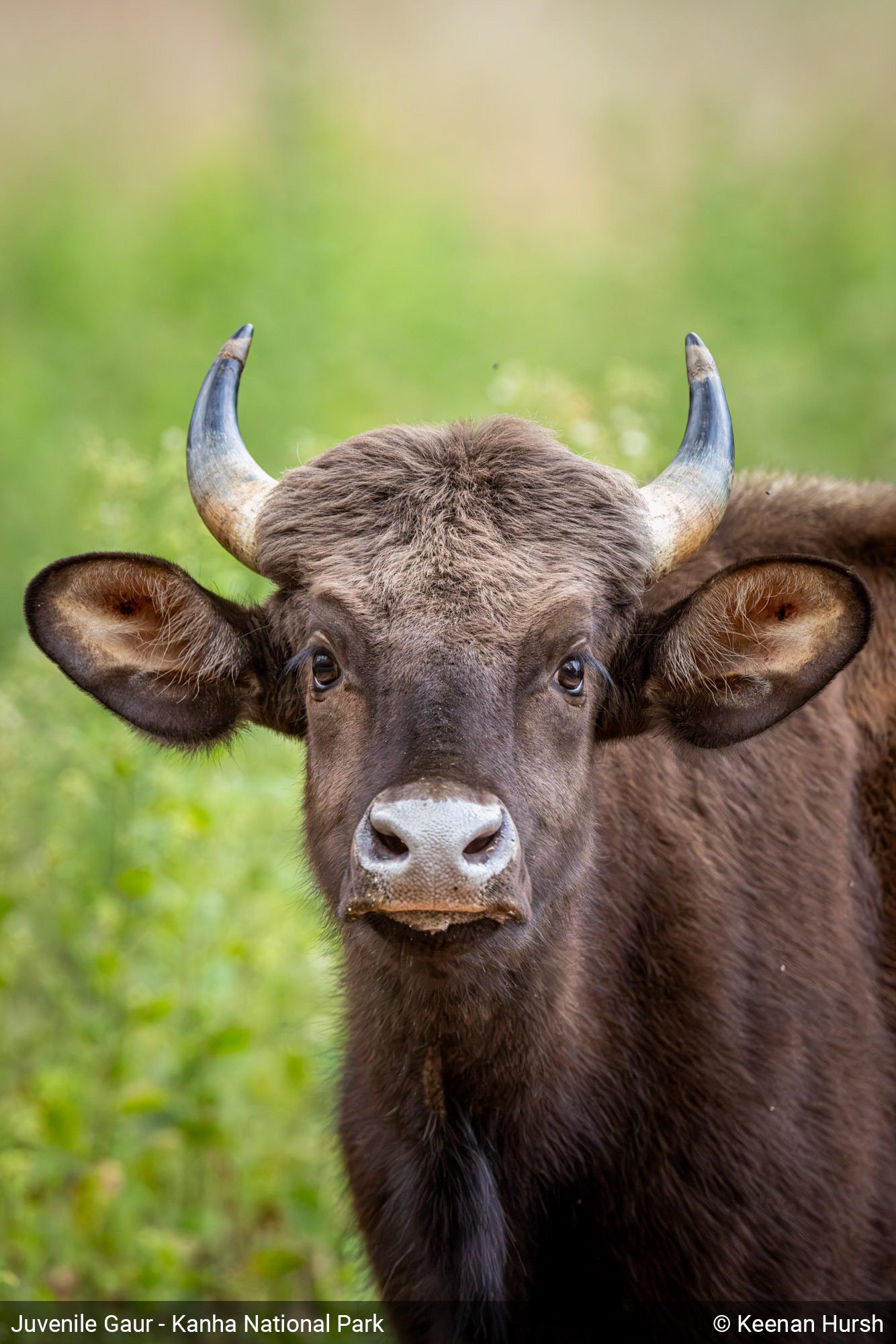
The itinerary saw the group first explore Bandhavgarh, situated northeast of Jabalpur, known for its high tiger density and dramatic landscapes. Following several days, the expedition moved south to Kanha National Park, a vast expanse celebrated for its diverse ecosystems and a different character of photography opportunities. Across both parks, the workshop proved exceptionally fruitful, with participants observing a remarkable total of 15 individual tigers, exceeding initial expectations. Beyond the majestic tigers, the group successfully photographed a rich array of other indigenous mammals and bird species, highlighting the biodiversity of these protected areas. For Hursh, who expresses a profound dedication to exploring wilderness and capturing wildlife in its natural state, the trip was a "heaven on earth" experience, enriching his portfolio with over 25 newly encountered species within the first day alone. Such expeditions not only serve as platforms for professional development but also contribute to raising awareness about critical conservation efforts.
The Role of Advanced Gear in Expeditionary Photography
Successful wildlife photography, especially in challenging environments like dense Indian forests, necessitates a comprehensive gear strategy. Photographers must balance the need for versatile, high-performance equipment with practical considerations such as weight restrictions on local flights. Hursh’s equipment roster for the India trip was strategically chosen to ensure readiness for any photographic scenario, emphasizing capable camera bodies, appropriate focal lengths, and essential accessories.
Central to Hursh’s experimental setup was the integration of the Canon EOS R5 Mark II, acquired specifically for this real-world test, alongside his two long-serving Canon EOS R5 bodies. The original R5, released years prior, had represented a monumental leap forward from DSLR technology for Hursh, becoming his workhorse for countless global expeditions. Its capabilities in autofocus, low-light performance, and image stabilization had set a high bar. However, the announcement of the R5 Mark II prompted an initial hesitation from Hursh, who questioned whether the incremental improvements justified the cost and the inconvenience of needing new battery types. The opportunity to conduct a direct, side-by-side comparison in the field, facilitated by Lensrentals.com, was crucial to resolving this professional dilemma. This head-to-head evaluation aimed to objectively assess whether the Mark II’s advancements translated into tangible benefits for a professional wildlife photographer in demanding conditions.
Canon EOS R5 vs. R5 Mark II: A Field-Tested Analysis
The comparative analysis conducted by Keenan Hursh focused primarily on the cameras’ performance in a wildlife photography context, where speed, precision, and robust features are paramount. His extensive experience with the original R5 provided a strong baseline for evaluating the successor.
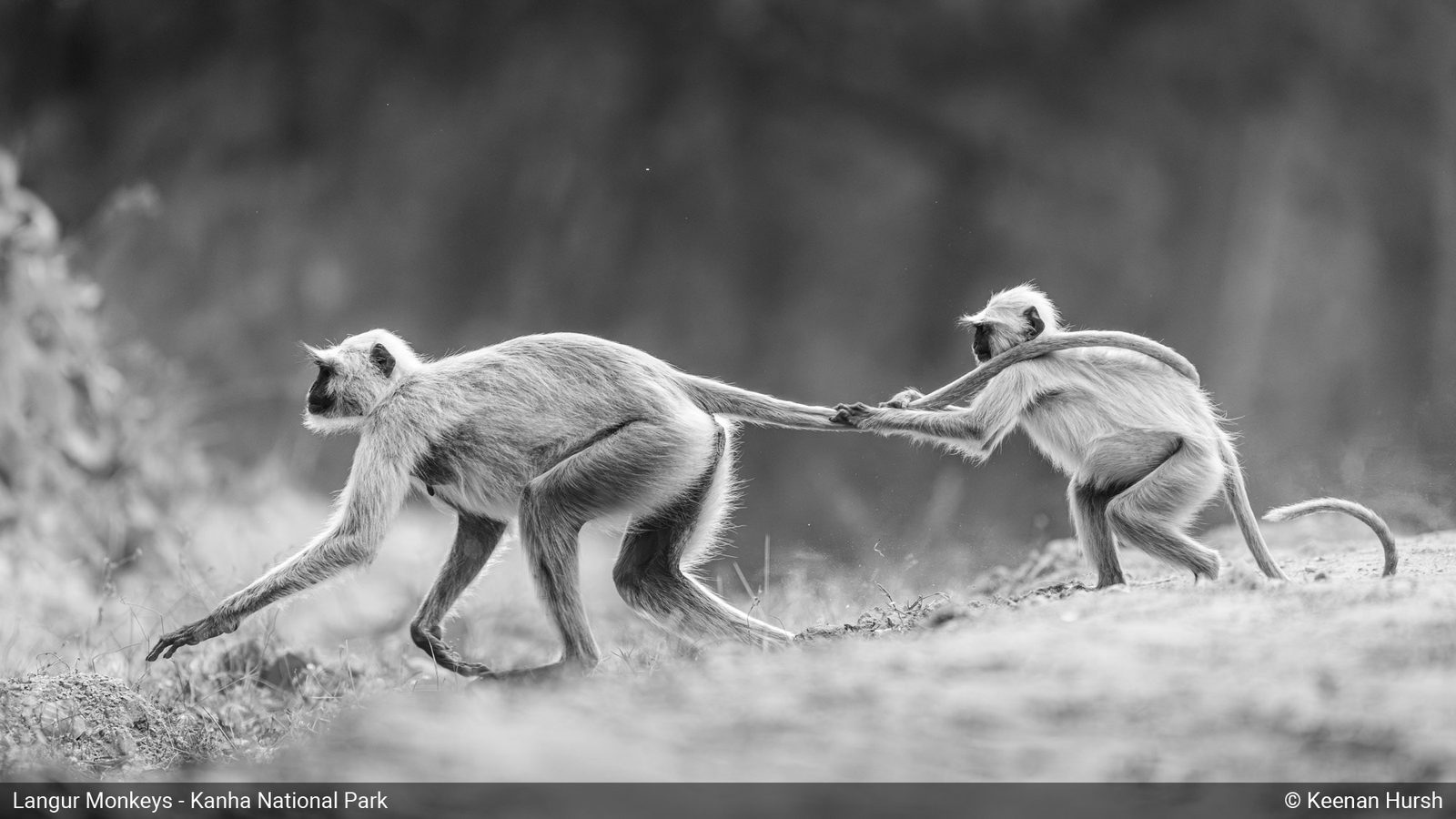
Canon EOS R5: A Legacy of Performance
Launched several years ago, the Canon EOS R5 quickly established itself as a flagship mirrorless camera, particularly favored by wildlife and sports photographers. Hursh’s long-term experience with two R5 bodies across diverse environments – from extreme temperatures to varied shooting conditions – attests to its reliability and exceptional performance. Key features contributing to its success in wildlife photography include:
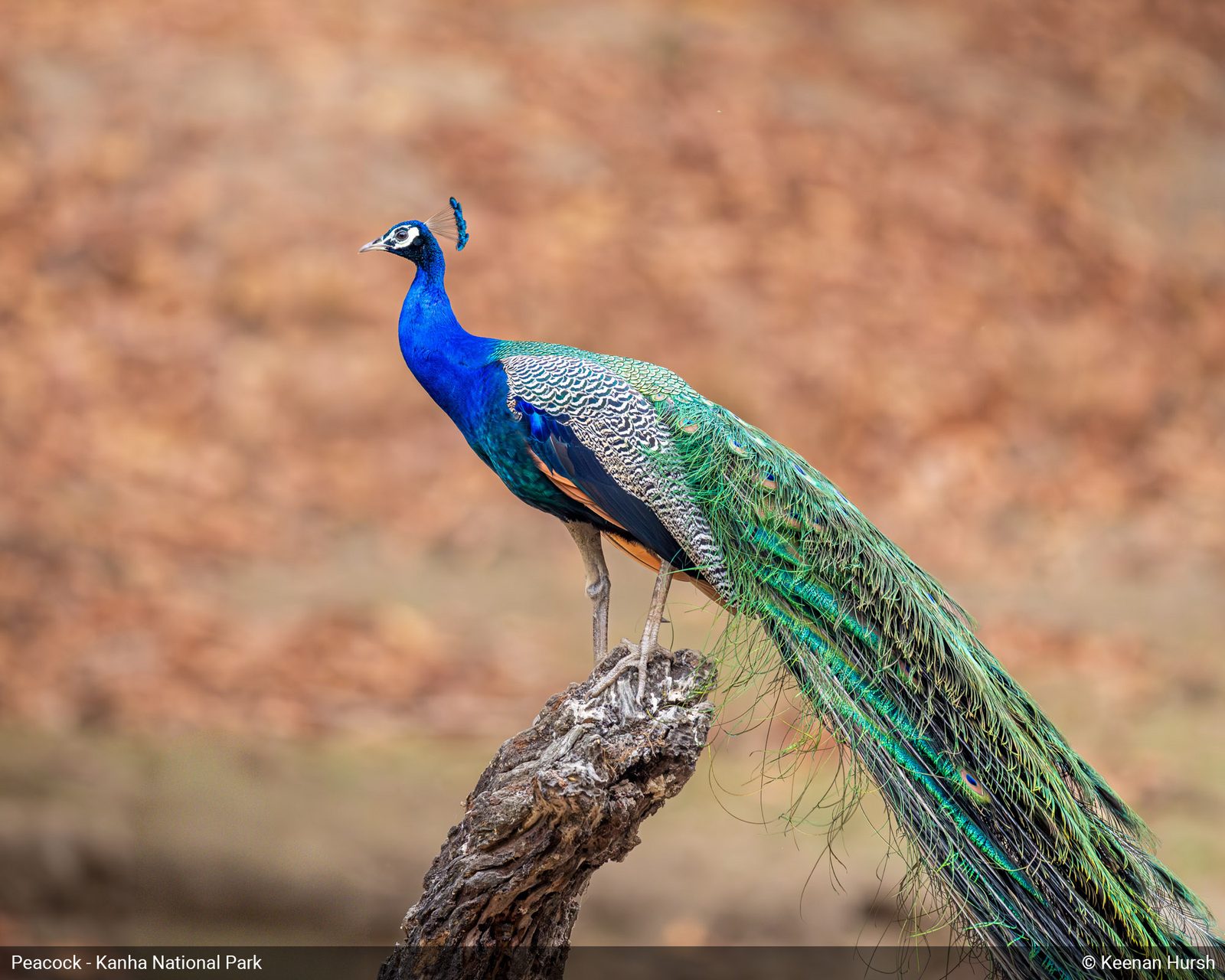
- Autofocus (AF) Capabilities: Solid AI-assisted AF with capable and accurate subject and eye detection, a significant upgrade from previous generations.
- Burst Rate: A relatively fast maximum burst rate of 20 frames per second (fps) using the electronic shutter.
- Sensor: A high-resolution 45-megapixel full-frame sensor, delivering excellent detail.
- Low-Light Performance: Robust low-light capabilities with good handling of high ISO values.
- Image Stabilization: Excellent In-Body Image Stabilization (IBIS), crucial for handheld shooting with long telephoto lenses.
Despite its strong performance, Hursh identified a few operational nuances that, while minor, could impact shooting in fast-paced wildlife scenarios. These included a somewhat cumbersome default method for switching between photo and video modes, the absence of auditory feedback during electronic shutter use, and occasional blackouts in the electronic viewfinder (EVF) during continuous shooting. While the AF was generally good, it could sometimes be "jumpy" or struggle with subject identification, leaving room for improvement.
Canon EOS R5 Mark II: Iterative Innovation
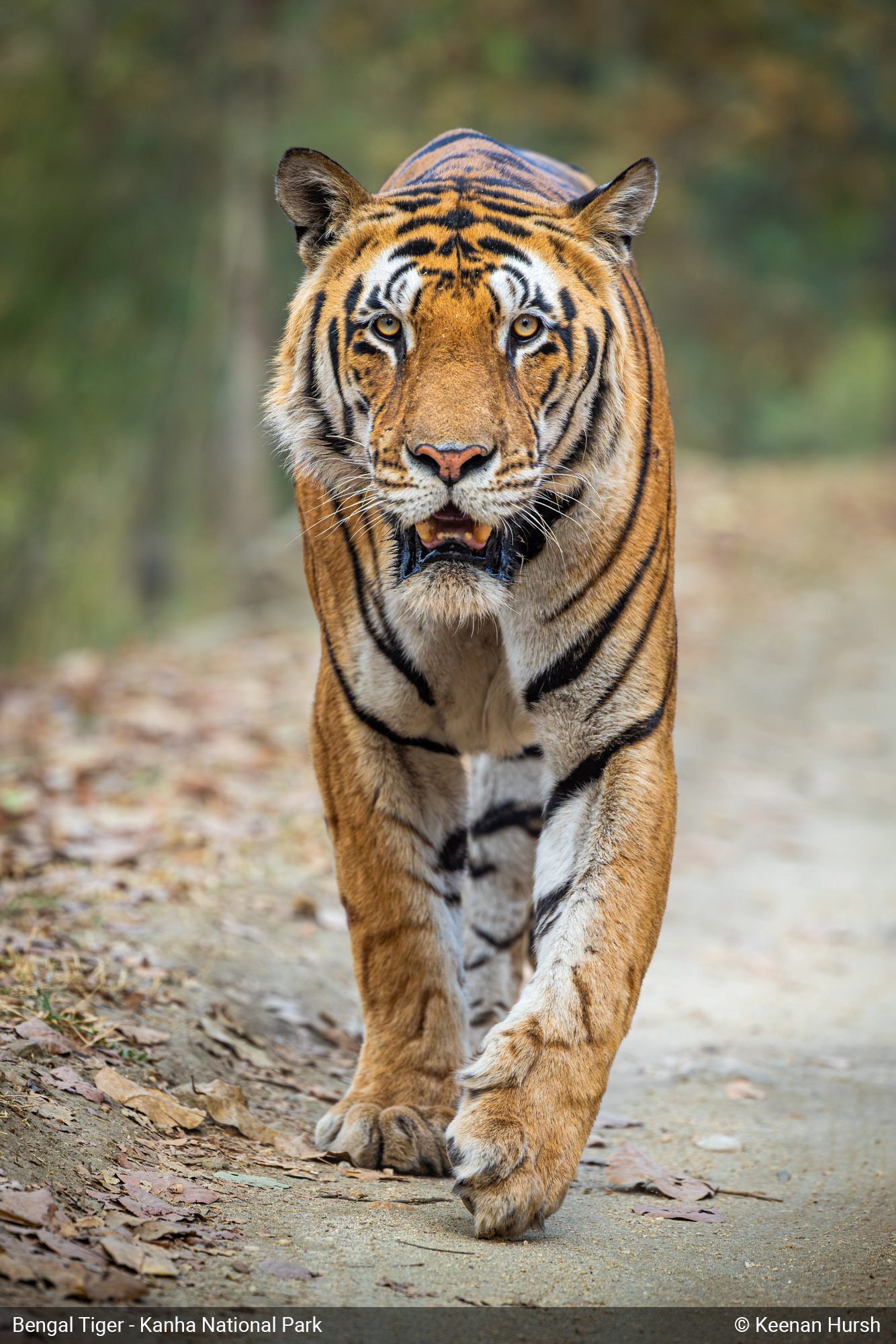
The Canon EOS R5 Mark II, while retaining the core strengths and build quality of its predecessor, introduces several significant enhancements that, in Hursh’s assessment, elevate its performance to an "exceptional" level, particularly for wildlife photography. The Mark II maintains the R5’s 45MP resolution, superb IBIS, high-resolution EVF and LCD, and robust weather-sealed magnesium alloy body. The notable improvements center on key performance metrics critical for capturing fast-moving subjects.
Key Technological Advancements Driving the Comparison:
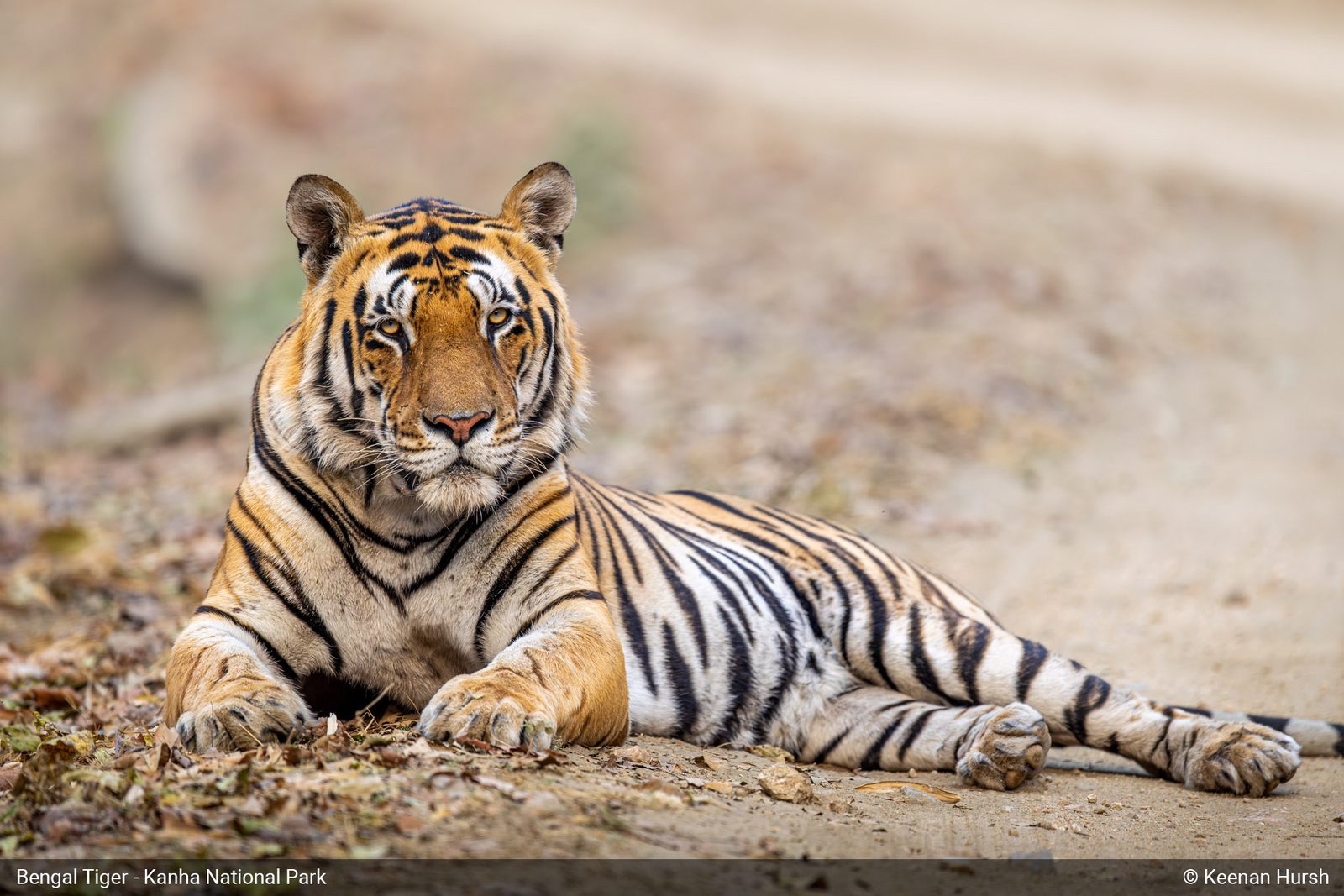
- Autofocus Precision and Speed: This emerged as the most significant and appreciated upgrade. The R5 Mark II’s autofocus system is demonstrably faster, more accurate, and more reliable. Its enhanced subject and eye detection capabilities allow for quicker acquisition and more consistent tracking, even enabling photographers to seamlessly switch between multiple identified subjects. This reduces the "jumpiness" observed in the R5, providing a smoother and more confident shooting experience. This advancement leverages Canon’s latest Deep Learning AF algorithms, enhancing subject recognition across a wider range of wildlife.
- Pre-Capture Functionality: Initially underestimated by Hursh, the pre-capture feature proved to be a "game-changer" for specific wildlife scenarios. This technology allows the camera to buffer images before the shutter button is fully pressed, capturing moments that would otherwise be impossible to anticipate, such as a bird taking flight. This capability significantly increases the hit rate for critical action shots.
- Dedicated Photo/Video Switch: Addressing one of the R5’s minor ergonomic complaints, the Mark II features a dedicated physical switch for transitioning between photo and video modes. This seemingly small design improvement drastically enhances operational efficiency, especially for hybrid shooters or in situations requiring rapid mode changes.
- Stacked Sensor Technology: The introduction of a brand-new stacked sensor is a foundational upgrade, delivering multiple performance benefits.
- Increased Burst Speed: The R5 Mark II can achieve an impressive 30 fps with the electronic shutter, a substantial increase from the R5’s 20 fps. This higher frame rate is crucial for capturing fleeting moments in wildlife action.
- Uncompressed RAW Files: Unlike the R5, which compressed RAW files to 12-bit when using the electronic shutter, the Mark II maintains 14-bit RAW capture, preserving greater dynamic range and color depth.
- Blackout-Free EVF: The stacked sensor eliminates blackouts in the EVF during continuous shooting, providing a continuous, real-time view of the scene. This creates a more natural and immersive shooting experience, allowing photographers to track subjects without interruption.
- Reduced Rolling Shutter: The stacked sensor architecture also significantly minimizes the rolling shutter effect, which can distort fast-moving subjects when using an electronic shutter.
- Auditory Feedback for Electronic Shutter: The Mark II offers the option to enable an audible "shutter sound" even when using the electronic shutter. This provides reassuring feedback to the photographer, addressing a minor but noticeable annoyance for Hursh with the silent R5.
Performance Metrics and User Experience
While the R5 Mark II represents a clear step forward, Hursh’s assessment also highlighted certain considerations. The primary concern for existing R5 users contemplating an upgrade is the requirement for new battery types to access the Mark II’s full capabilities. This implies an additional investment beyond the camera body itself, which can be a deterrent for professionals with an existing ecosystem of batteries. Furthermore, Hursh observed a marginally discernible increase in noise at higher ISO values with the Mark II compared to the original R5. This slight compromise in low-light performance is a common trade-off for the speed and blackout-free performance offered by stacked sensors. However, he deemed this a "small price" for the overall enhancements. Another point of contention, though ultimately overcome by field performance, was the initial perception that the Mark II might not offer a sufficiently substantial upgrade to warrant the price difference for all users.
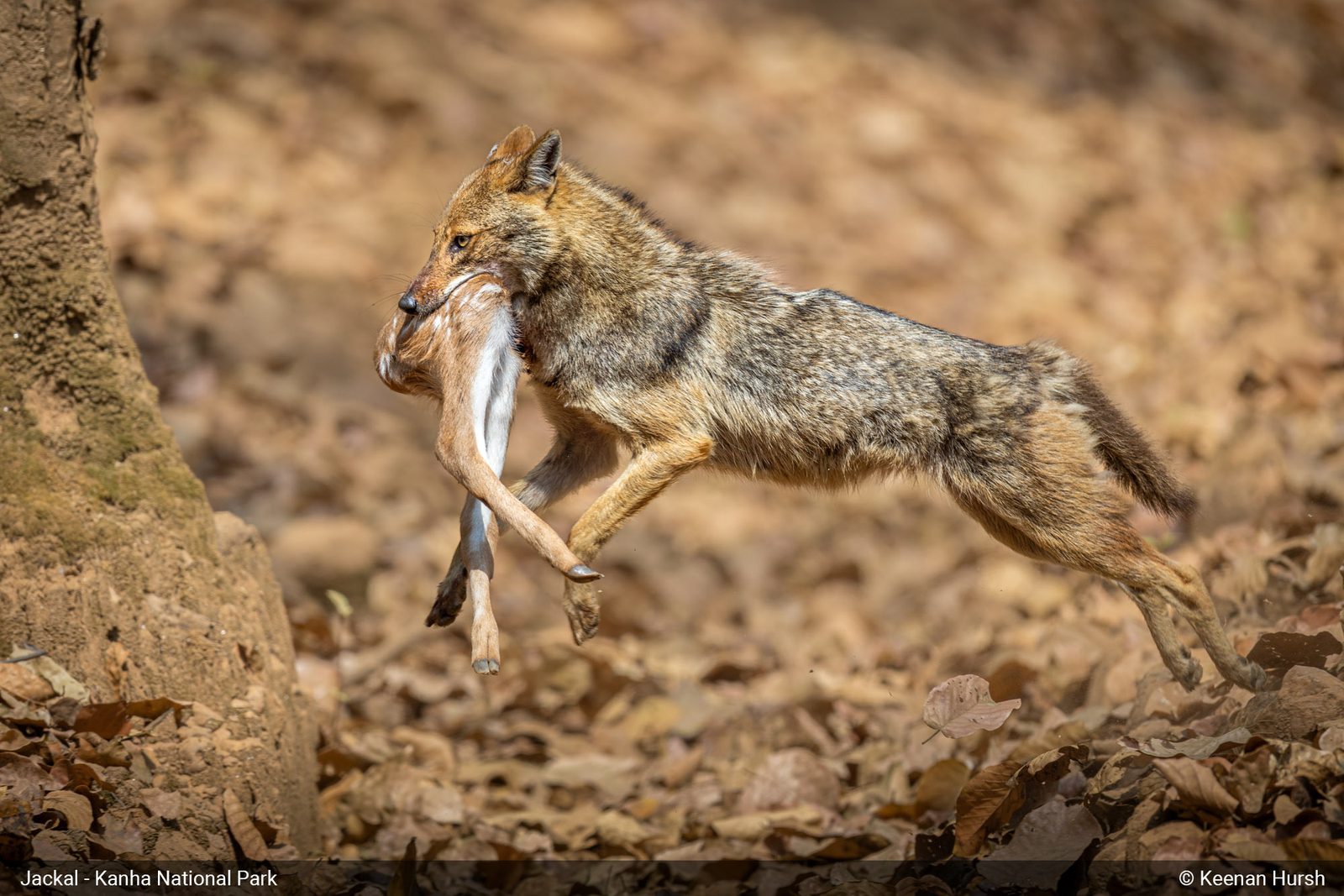
Market Context and Photographer’s Dilemma
The release of the Canon EOS R5 Mark II into a highly competitive mirrorless camera market underscores a broader trend of iterative yet impactful technological evolution. For professional photographers, particularly those specializing in fast-action disciplines like wildlife and sports, these incremental gains can translate into a significant competitive advantage and a higher success rate for capturing critical moments.
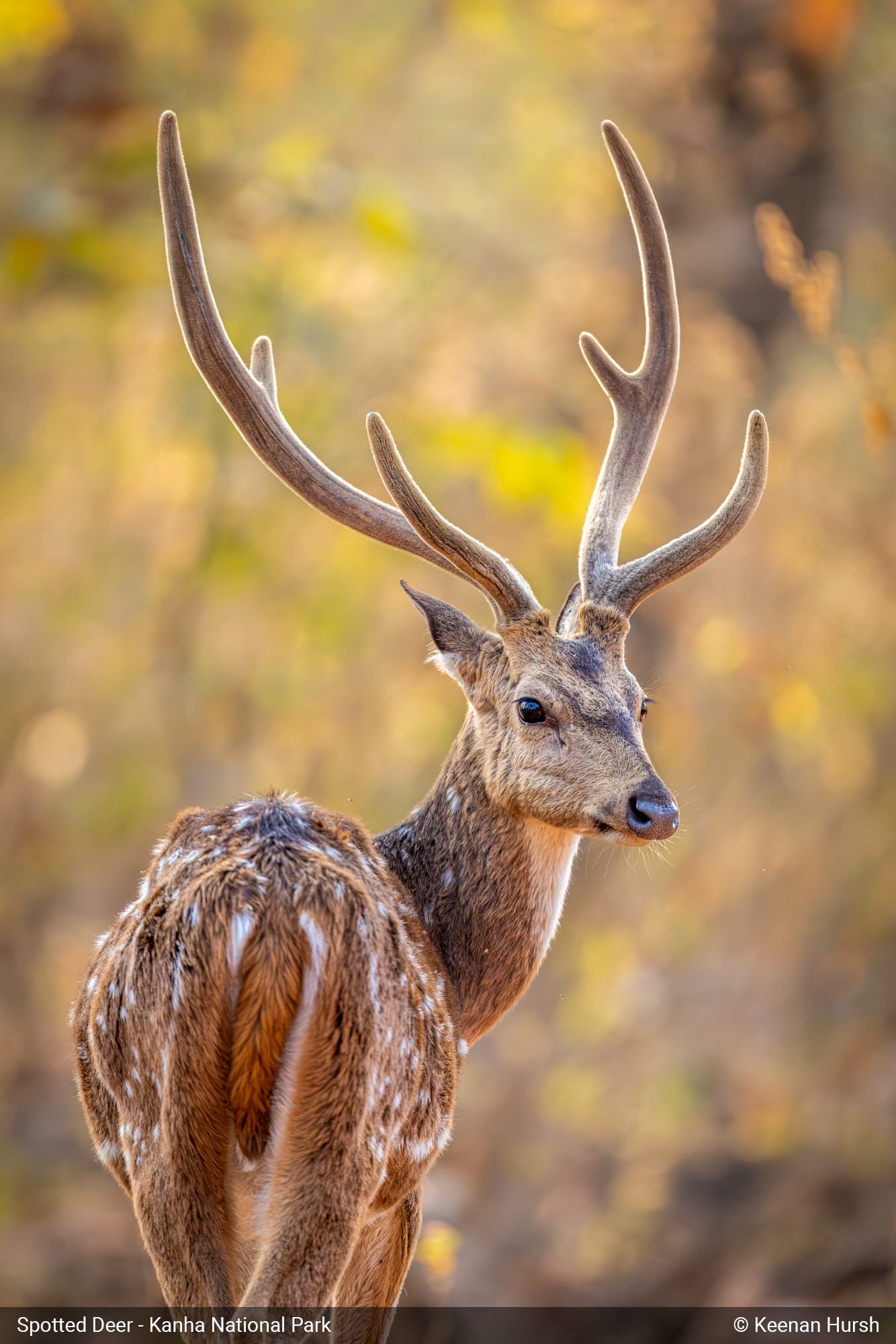
Hursh’s ultimate conclusion is that the R5 Mark II is unequivocally a superior camera. While the margin of superiority might not be "exponential," the specific improvements address key pain points for wildlife photographers. The enhanced AF capabilities alone, providing faster acquisition, more reliable tracking, and smoother operation, are deemed worth the approximately $1,000 price difference (at the time of writing) for a professional like Hursh, who relies on precision and speed in dynamic environments. The benefits of the new stacked sensor—faster burst rates, 14-bit RAW capture with electronic shutter, blackout-free EVF, and reduced rolling shutter—further solidify its value proposition for action-oriented photographers.
For photographers whose primary focus lies outside of fast-moving subjects, such as landscape photographers, or those operating within stricter budget constraints, the original Canon EOS R5 remains an exceptionally capable and compelling option. Its established performance, coupled with a lower price point, continues to make it a strong contender in the market. This nuanced perspective highlights the importance of individual photographic needs and financial considerations in making upgrade decisions.
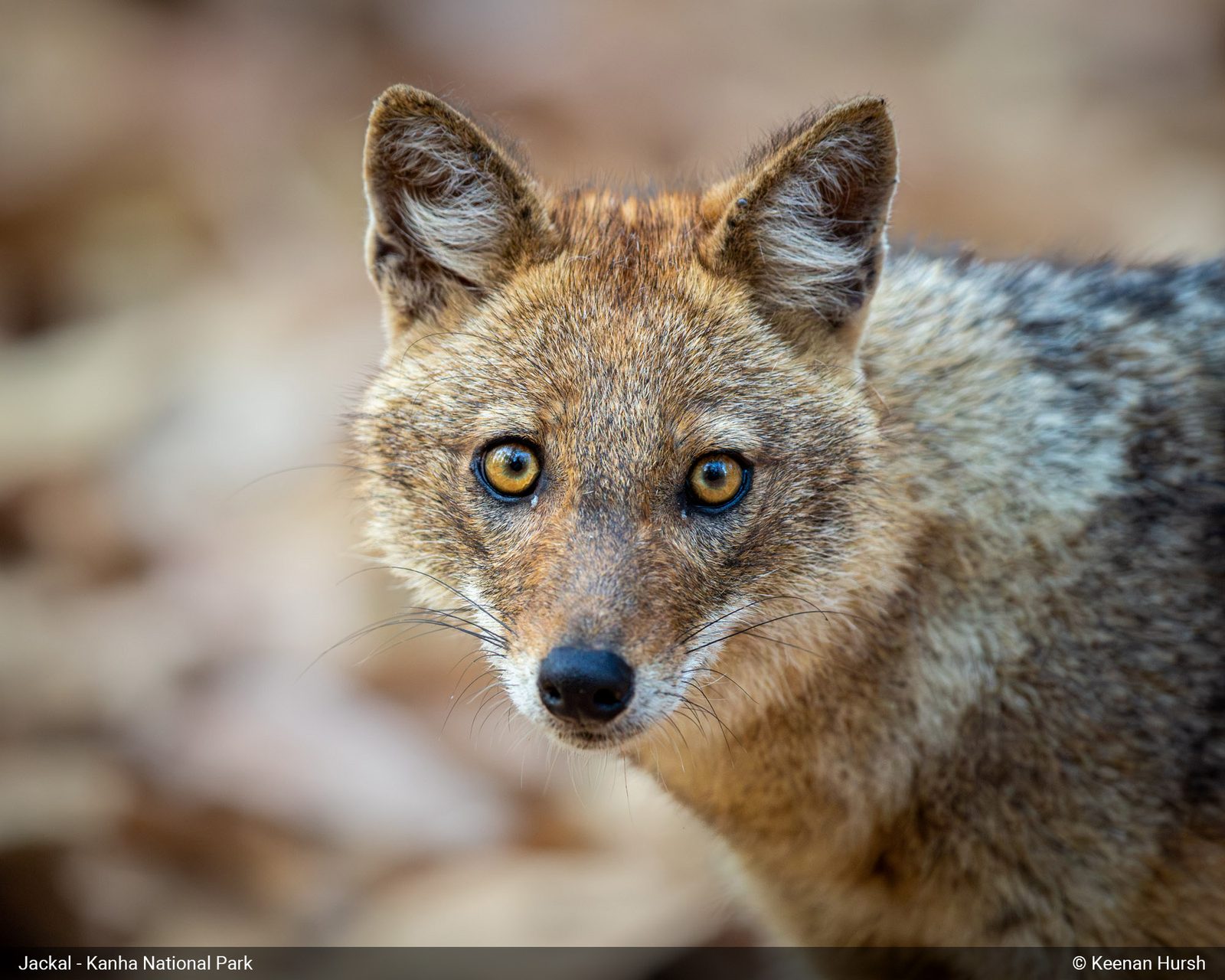
Conclusion and Future Outlook
Keenan Hursh’s immersive wildlife photography expedition to India’s Bandhavgarh and Kanha National Parks was not only a personal and professional triumph, yielding a trove of cherished memories and powerful images, but also a critical opportunity to rigorously evaluate the latest in camera technology. The head-to-head comparison between the Canon EOS R5 and its successor, the R5 Mark II, provided invaluable real-world insights into the practical implications of incremental technological advancements.
The R5 Mark II, with its significantly improved autofocus, groundbreaking pre-capture functionality, enhanced stacked sensor performance, and thoughtful ergonomic refinements, clearly emerges as the superior tool for professional wildlife photographers demanding the utmost in speed and precision. While the requirement for new batteries and a marginal increase in high-ISO noise are minor considerations, they are largely overshadowed by the substantial operational benefits.
Ultimately, the choice between these two highly capable cameras depends on a photographer’s specific genre, budget, and priorities. For those pushing the boundaries of wildlife and sports photography, the Canon EOS R5 Mark II represents a justifiable and impactful upgrade. For others, the original R5 continues to offer exceptional value and performance. The experience underscores the dynamic interplay between human skill and technological innovation in the ever-evolving world of professional photography, where tools like the R5 Mark II empower artists to capture previously unattainable moments in the wild. As camera technology continues its rapid progression, real-world field tests like Hursh’s remain crucial for informing the professional community and guiding future innovations.