Historical Context and Technical Specifications
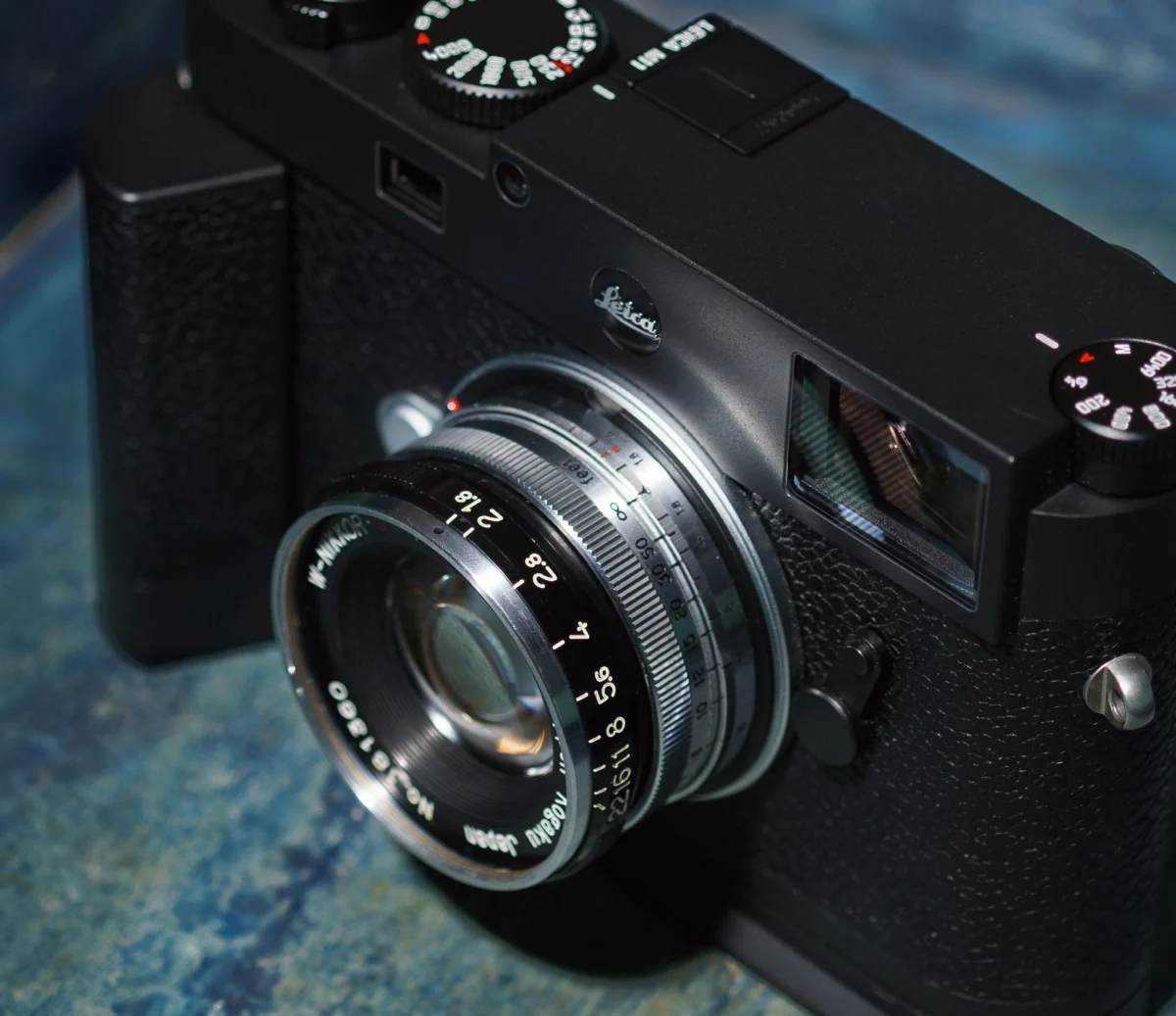
The W-Nikkor 3.5cm f/1.8 was a landmark achievement for Nippon Kogaku (now Nikon) during the 1950s. At the time of its release, the lens was lauded for its speed and resolution, outperforming many of its European counterparts. Central to its optical performance is the inclusion of Lanthanum glass elements. Lanthanum, a rare-earth element, was utilized in the post-war period to achieve a high refractive index with low dispersion, allowing for faster apertures without a proportional increase in optical aberrations.

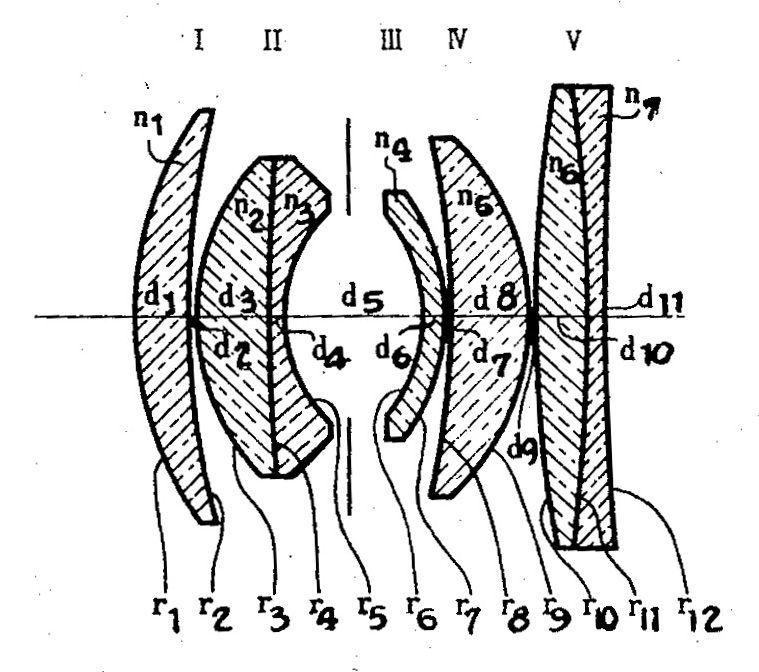
The lens was produced in two primary mounts: the Nikon S-mount (for Nikon rangefinders) and the much rarer Leica Thread Mount (LTM). Records indicate that fewer than 1,600 units were produced in LTM, making them highly sought after by collectors and users of Leica M-mount systems. The optical formula consists of seven elements in four groups, a design that produces a rendering often compared to the Zeiss Sonnar—characterized by organic transitions between focus and blur, high center resolution, and a distinct "three-dimensional" pop.
Acquisition and Initial Technical Challenges
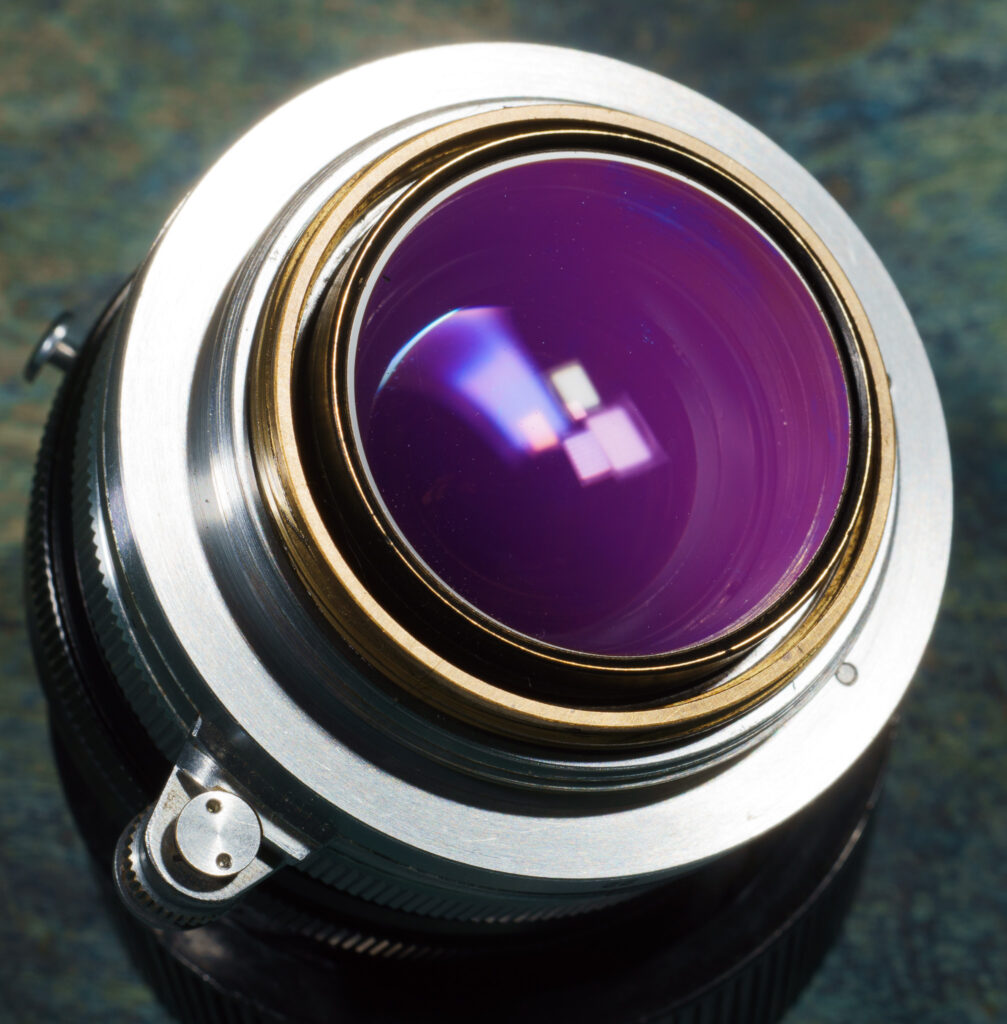
In early 2025, a technical evaluation of an LTM-mount specimen was initiated to determine its viability for modern photojournalistic reportage. The specimen, sourced from specialized vendors in the United States, exhibited the typical patina of a "user-condition" lens, including minor coating loss on the front element and mechanical looseness in the barrel.
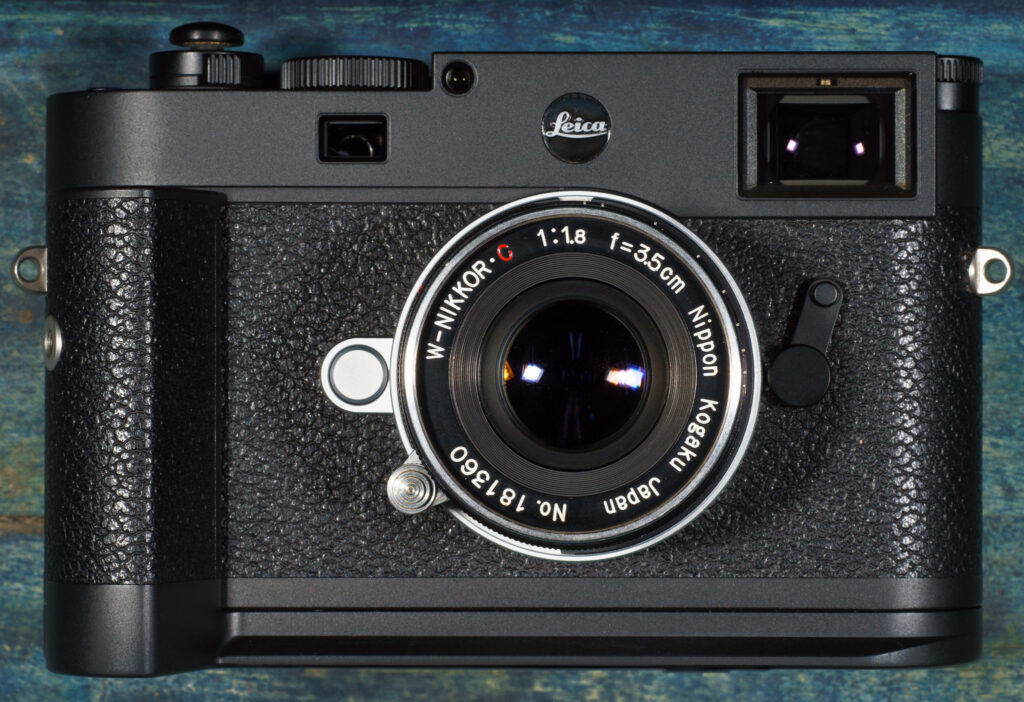
Initial testing on a Leica M11 revealed immediate mechanical and electronic compatibility issues. First, the lens exhibited a "heavy" focus action, a common symptom of Leica-era lubricants seizing over seven decades. Second, the use of a standard Leitz LTM-to-M adapter triggered an error with the Leica M11’s 6-bit sensor reader. The digital sensor, designed to identify lenses via optical coding, was obstructed by the adapter’s flange, causing the camera to fail in its Auto-ISO calculations. This necessitated the procurement of a specialized Rayqual adapter, which features a cut-out specifically designed to clear the 6-bit sensor while providing the correct 35mm frame line activation.
Mechanical Overhaul and Calibration
To meet the demands of professional reportage, the lens underwent a comprehensive overhaul by DAG Camera Repair. The service included a complete disassembly, cleaning, and lubrication (CLA). Key technical adjustments were made to the helicoid to ensure smooth focus throw and to the aperture ring to align the markings with the indexing dot.
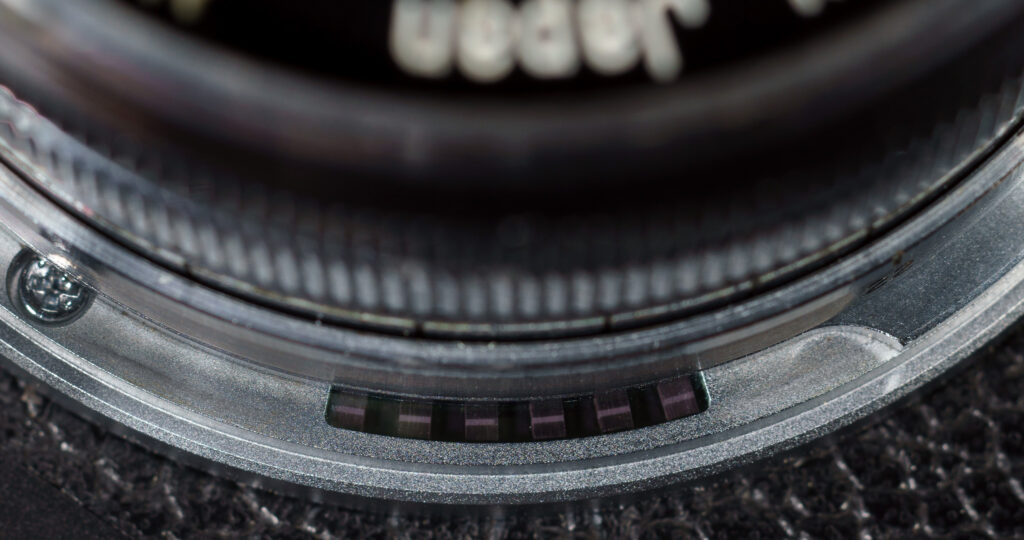
The mechanical design of the original LTM version features a 180-degree focus throw, which is significantly longer than modern lenses. While this allows for extreme precision, it presents challenges in fast-moving news environments. Furthermore, the lens is limited by a minimum focus distance of 0.9 meters (approximately 35 inches), a standard constraint of 1950s rangefinder optics that often requires photographers to rely on significant cropping when capturing close-up details.

Optical Performance Analysis: The "Two Brushes" Phenomenon
Field testing across various environments—including community events, graduations, and agricultural fairs—revealed that the W-Nikkor 3.5cm f/1.8 operates with two distinct optical signatures, depending on the aperture setting.

Wide-Aperture Rendering (f/1.8 to f/2.0)
At its maximum aperture, the lens exhibits pronounced spherical aberrations, commonly referred to as "glow." This effect softens high-contrast edges and creates a luminous quality in the highlights. However, unlike many vintage lenses where this glow obscures detail, the W-Nikkor maintains a high level of underlying resolution. Analysis of RAW files shows that while the contrast is low, the "bite" of the lens remains sufficient for high-resolution printing.

Stopped-Down Performance (f/2.8 to f/8.0)
A significant technical shift occurs at f/2.8. The spherical aberrations largely vanish, replaced by what optics experts call "rounded sharpness." In this range, the lens produces images with high micro-contrast and a remarkable graduation of tones. During testing at a county fair, the lens demonstrated an ability to render complex textures—such as water droplets and metallic surfaces—with a dimensionality that modern, clinically corrected lenses often flatten. The lower native contrast of the lens provides a wider dynamic range in digital files, allowing for more flexibility in post-processing when "burning and dodging" highlights and shadows.

Operational Limitations in Professional Reportage
While the optical output was found to be superior, the 70-year-old ergonomics posed significant hurdles for news photography:

- Focus Throw: The 180-degree rotation required to move from infinity to 0.9m proved too slow for capturing fleeting moments in candid environments.
- Minimum Focus Wall: The 0.9m limit frequently prevented the photographer from filling the frame with subjects, necessitating heavy digital crops that, while handled well by the M11’s 60MP sensor, are not ideal for optimal image quality.
- Ergonomic Interference: The infinity lock/focus tab, a staple of 1950s design, was found to interfere with the camera body when shooting in vertical (portrait) orientation.
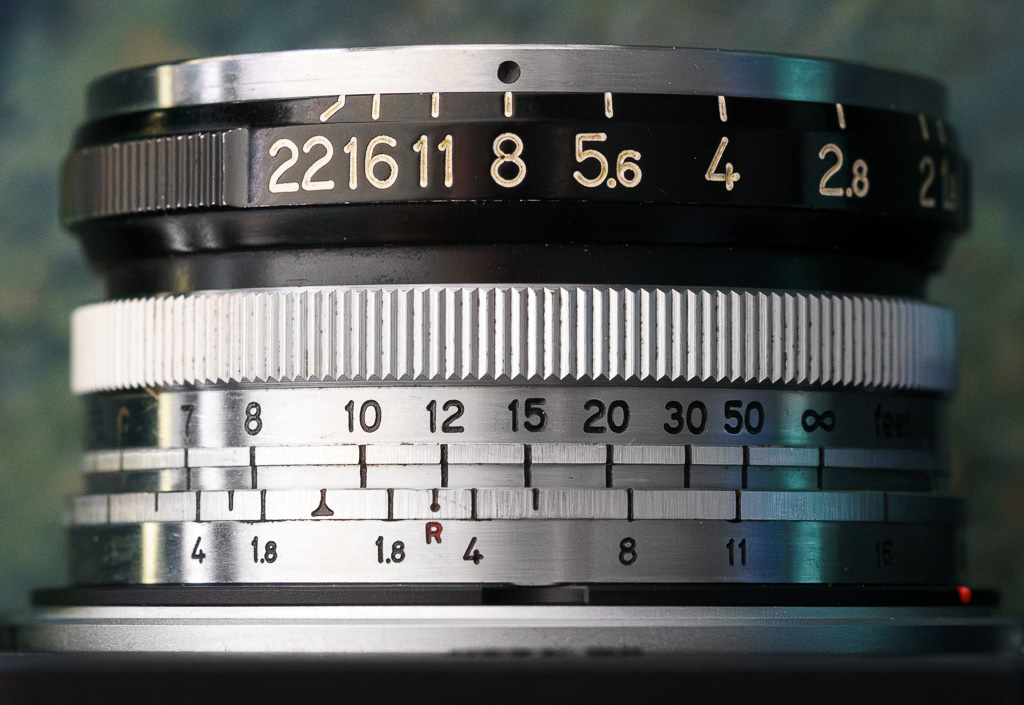
- Legibility: The small, silver-on-silver depth-of-field scale proved difficult to read in low-light or high-pressure situations, hindering the use of zone-focusing techniques.
The Engineering Solution: Omnar NK35-18 MkII
The limitations of the original LTM housing have led to a specialized market for "rehousing" these vintage optics. Omnar Lenses, a collaboration between Skyllaney Opto-Mechanics and 35mmc, offers a solution that involves extracting the optical block from the more common Nikon S-mount versions and placing them into a modern, high-precision M-mount helicoid.

The Omnar NK35-18 MkII rehousing addresses the primary operational complaints of the original design:

- Focus Throw: Reduced from 180 degrees to a modern 90-degree throw.
- Minimum Focus: The rangefinder-coupled focus is improved to 0.65m, with an uncoupled close-focus capability down to 0.35m.
- Coding: The housing comes ready for 6-bit manual coding, ensuring seamless integration with digital Leica bodies.
This transition represents a growing trend in the photographic industry where "character" optics are prioritized, provided they can be integrated into a modern workflow.
Broader Implications and Market Impact
The resurgence of interest in the Nippon Kogaku W-Nikkor 3.5cm f/1.8 reflects a broader shift in the photographic community. As modern lens manufacturing reaches a plateau of "perfection"—where lenses are corrected for every possible aberration—many professionals are looking backward to find a "signature" look.

The W-Nikkor’s use of Lanthanum glass is a key part of this allure. Due to modern environmental regulations and changes in glass manufacturing, the specific optical properties of these rare-earth elements are difficult to replicate in contemporary mass production. Consequently, these vintage optics are increasingly viewed not just as tools, but as "optical brushes" that offer a rendering style—low contrast, high resolution, and organic flare—that software emulations cannot fully replicate.

Conclusion
The Nippon Kogaku W-Nikkor 3.5cm f/1.8 remains a pinnacle of mid-century optical engineering. While its original mechanical housing may struggle to keep pace with the rapid requirements of modern photojournalism, its optical performance remains competitive even when paired with the highest-resolution sensors available today. For the working photographer, the lens offers a unique aesthetic that balances the "honest" look of the 1950s with the technical requirements of digital publishing. The move toward rehoused versions like the Omnar NK35-18 suggests that the legacy of Hideo Azuma’s design will continue to influence the visual language of reportage for decades to come.