In a field often dictated by the fleeting golden hours of sunrise and sunset, OM SYSTEM Ambassador Matt Suess champions a radically different approach to landscape photography: the "dawn-to-dusk" challenge. This methodology encourages photographers to remain in a single location from the pre-dawn blue hour through the darkest stretches of night, embracing every nuance of light and shadow the day offers. His philosophy not only pushes creative boundaries but also underscores the importance of preparedness, adaptability, and a profound connection to nature. This comprehensive strategy, supported by robust equipment like the OM-5 Mark II, allows photographers to transcend conventional limitations and unlock a fuller, richer narrative of the natural world.
Beyond Conventional Wisdom: The "Full-Day" Philosophy
Traditional landscape photography largely revolves around the "golden hours"—the periods shortly after sunrise and before sunset when natural light is soft, warm, and highly cinematic. This focus often leads to photographers departing a location once the sun has dipped below the horizon or ascended too high in the sky. Suess, however, posits that these overlooked hours, including the stark midday and the enigmatic blue and astronomical night hours, present unique photographic opportunities. "Most landscape photographers plan their days around sunrise and sunset," Suess explains. "The rest of the day is drive time, scouting, or sleep. Blue hour gets ignored a lot. At sunset, they’ll shoot until the sun drops below the horizon, then they’re gone." His background as a newspaper photojournalist, where assignments demanded capturing compelling images regardless of lighting conditions, instilled in him an invaluable adaptability—a skill he now imparts in his landscape and night-sky workshops held in locations like Grand Teton and Badlands National Parks.
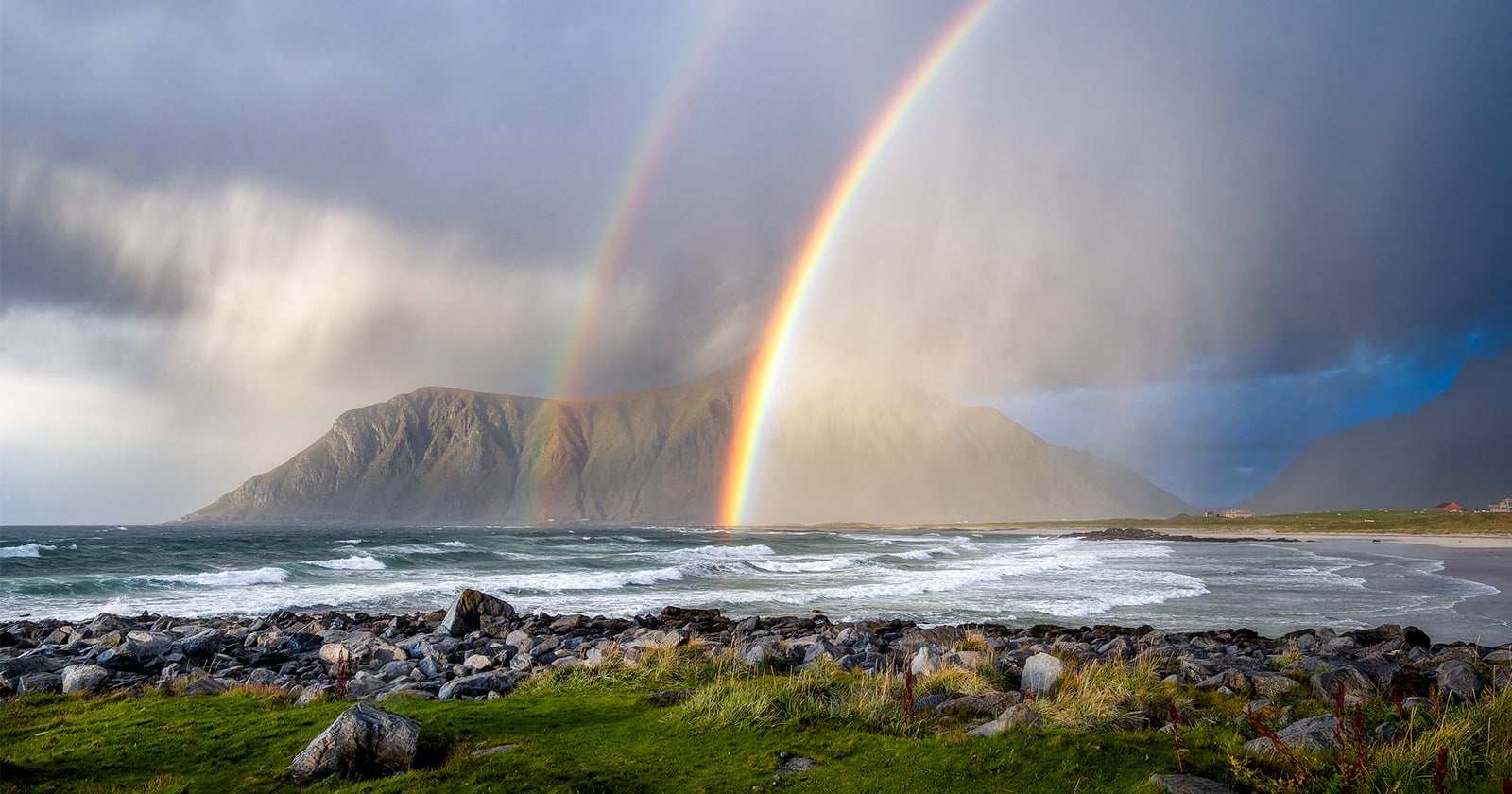
Suess challenges his workshop participants to dedicate an entire day to one specific location, from before dawn until after dark. This immersive experience forces photographers to confront and creatively work with a wider spectrum of lighting conditions than they might typically encounter. "If you have a full day, pick one place and stay there from before sunrise until after dark," he advises. "It puts you in light conditions you may not have worked with before, and that’s the point." He likens this constraint to using a single prime lens, which compels the photographer to move and seek out different perspectives rather than relying on the convenience of zoom. The core principle is simple: invest the hours others skip, and discover what unfolds.
Strategic Preparation: Safety, Gear, and Environmental Awareness
Embarking on a full-day photographic endeavor, especially in remote natural settings, necessitates meticulous preparation. Suess prioritizes safety above all else. Before heading out, he communicates his itinerary and expected return time to someone at home. His essential safety kit includes a phone battery bank, a satellite communicator, and location-specific items like bear spray in relevant territories, bug spray, sunscreen, ample water, and high-protein snacks. Given the unpredictable nature of weather, especially during extended periods outdoors, he emphasizes personal protection against the elements: a waterproof jacket, sturdy boots, and sufficient layers to accommodate significant temperature fluctuations between day and night.
For his equipment, Suess relies on the robust, weather-sealed OM-5 Mark II system. The camera’s impressive weather sealing allows him to focus on personal comfort and safety rather than worrying about the gear. "I trust the weather sealing on my OM-5 Mark II kit, so I focus on keeping myself dry instead," he states. For versatility, he typically opts for a single lens: the M.Zuiko Digital ED 12-100mm F4.0 IS PRO. This lens provides a broad focal range, from wide-angle perspectives to moderate telephoto capabilities, making it suitable for a vast array of subjects throughout the day. "If I had to pick just one lens and I was stuck with it, I would take the 12-100mm," he confirms. "That gives me a wide angle, a little bit of telephoto, and it’s good for some decent close-ups too. That would cover me quite well in most shooting situations throughout the day." This minimalist gear approach, facilitated by OM System’s compact and capable bodies and lenses, allows for a lighter pack, freeing up crucial space for safety essentials.
The Art of Anticipation: Choosing the Right Day and Location
Suess’s challenge begins even before stepping into the field, with careful consideration of weather patterns and location selection. He consciously avoids forecasts predicting clear, cloudless skies, preferring conditions with more atmospheric dynamism. "If I’m staying in one place from morning to night, I’ll skip clear skies and choose conditions with more variety," he explains. "I want at least some clouds in the sky from sunrise through sunset. Midday is the hardest stretch because the light comes straight down. Clouds keep changing the light, so I have more to work with at midday than I would during clear skies." He particularly cherishes stormy days, where sunlight breaking through dramatic cloud formations can create captivating pockets of light and shadow across the landscape, offering "ample material to photograph all throughout the day."
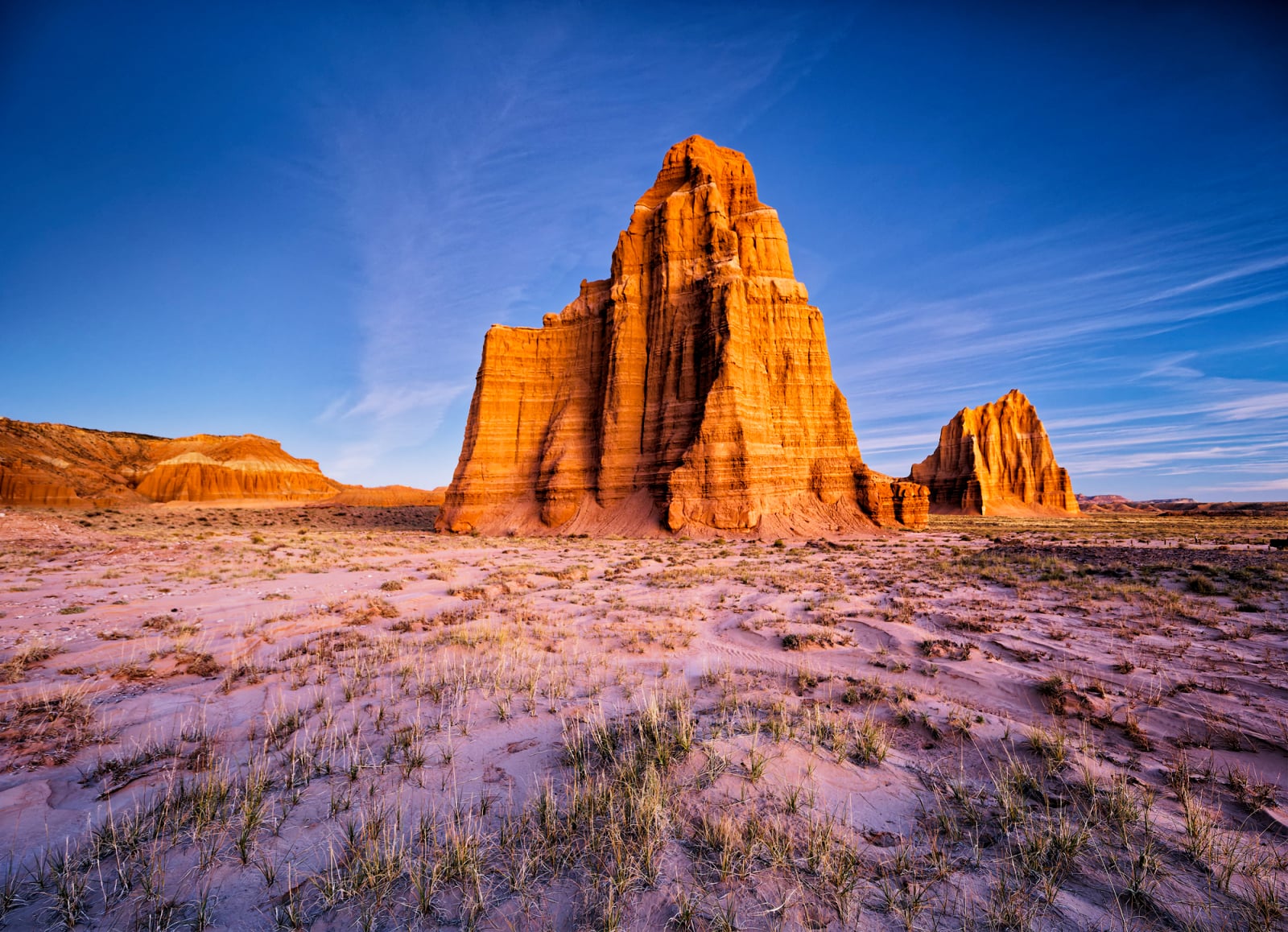
Beyond weather, the chosen location must possess sufficient visual variety to sustain photographic interest for an entire day. While national parks offer abundant subjects, Suess encourages participants to explore less obvious locales, such as local parks or forest service lands, to further hone their observational skills. To inform his decisions, he employs a suite of advanced tools: PhotoPills for precise calculations of blue hour, sunrise, golden hour, and sunset timings, and WeatherMate, Windy, and RadarScope for real-time weather, cloud cover, wind, and precipitation data. This meticulous planning ensures that even in seemingly ordinary settings, the potential for unique imagery remains high.
A Day in Light: Chronology of the Challenge
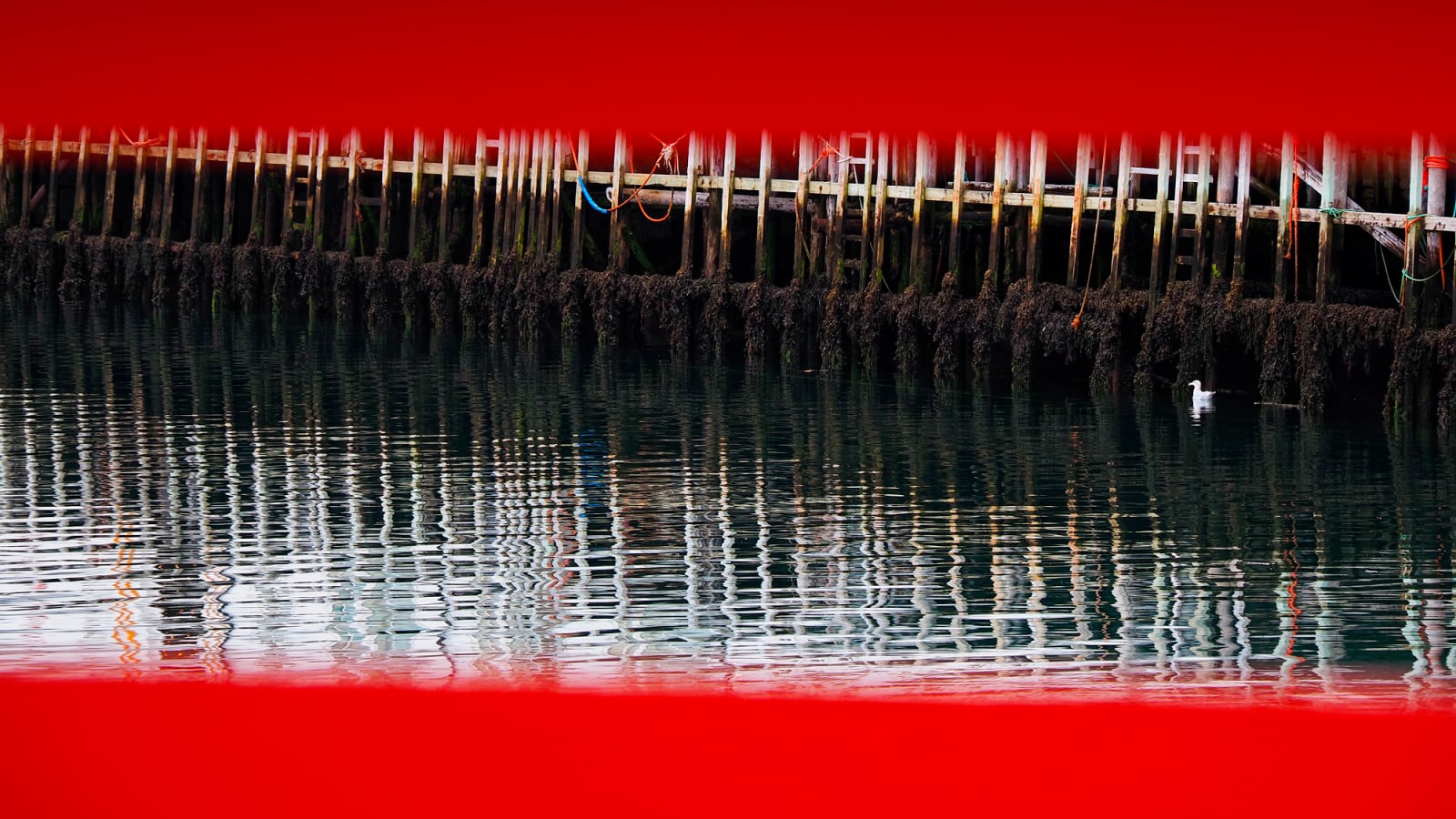
The full-day challenge unfolds as a chronological exploration of light, each period presenting distinct creative opportunities and technical demands.
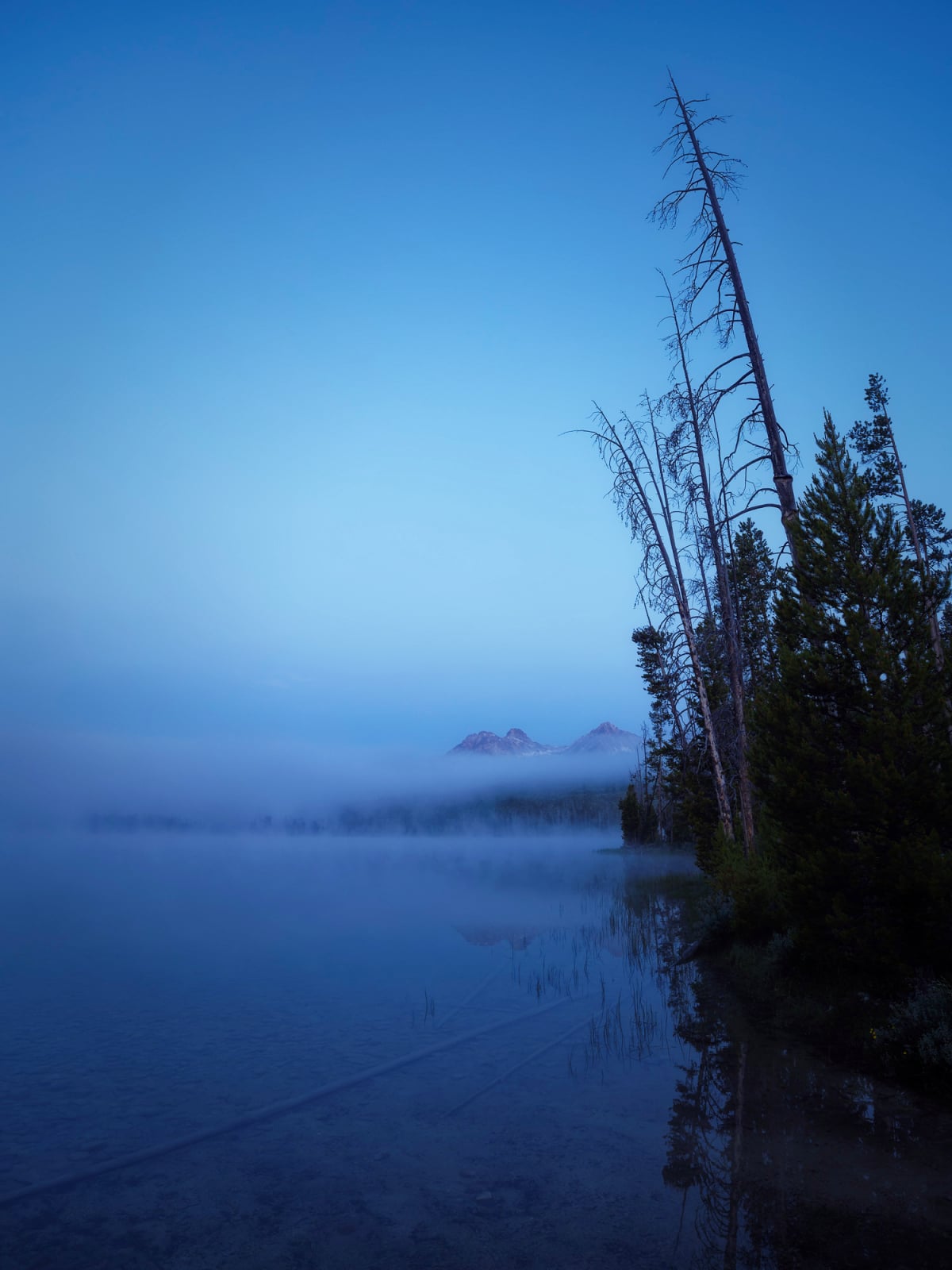
Pre-Sunrise: The Mystique of Blue Hour
The day commences during the pre-dawn blue hour, a period characterized by soft, low-contrast light and a predominantly monochromatic palette of blues. This absence of strong color or dramatic highlights forces Suess to prioritize composition, relying on differences in tone, texture, and detail to guide the viewer’s eye. Before even raising his camera, he takes a moment to observe the scene with his eyes, allowing his creative instincts to respond to what truly captures his attention. "If I go straight to the viewfinder, I’m letting the camera define the scene before my creative instincts have time to respond," he notes. This deliberate pause helps him articulate his initial visual response, informing his choice of focal length, camera position, and angle. Once the composition is established, he determines his non-negotiable photographic priority, whether it’s freezing movement (for wildlife) or achieving expansive depth of field (for landscapes). The OM-5 Mark II’s impressive 6.5 stops of in-body image stabilization allows for remarkably slow handheld shutter speeds, but Suess often opts for a tripod when conditions permit, enabling minute compositional refinements.
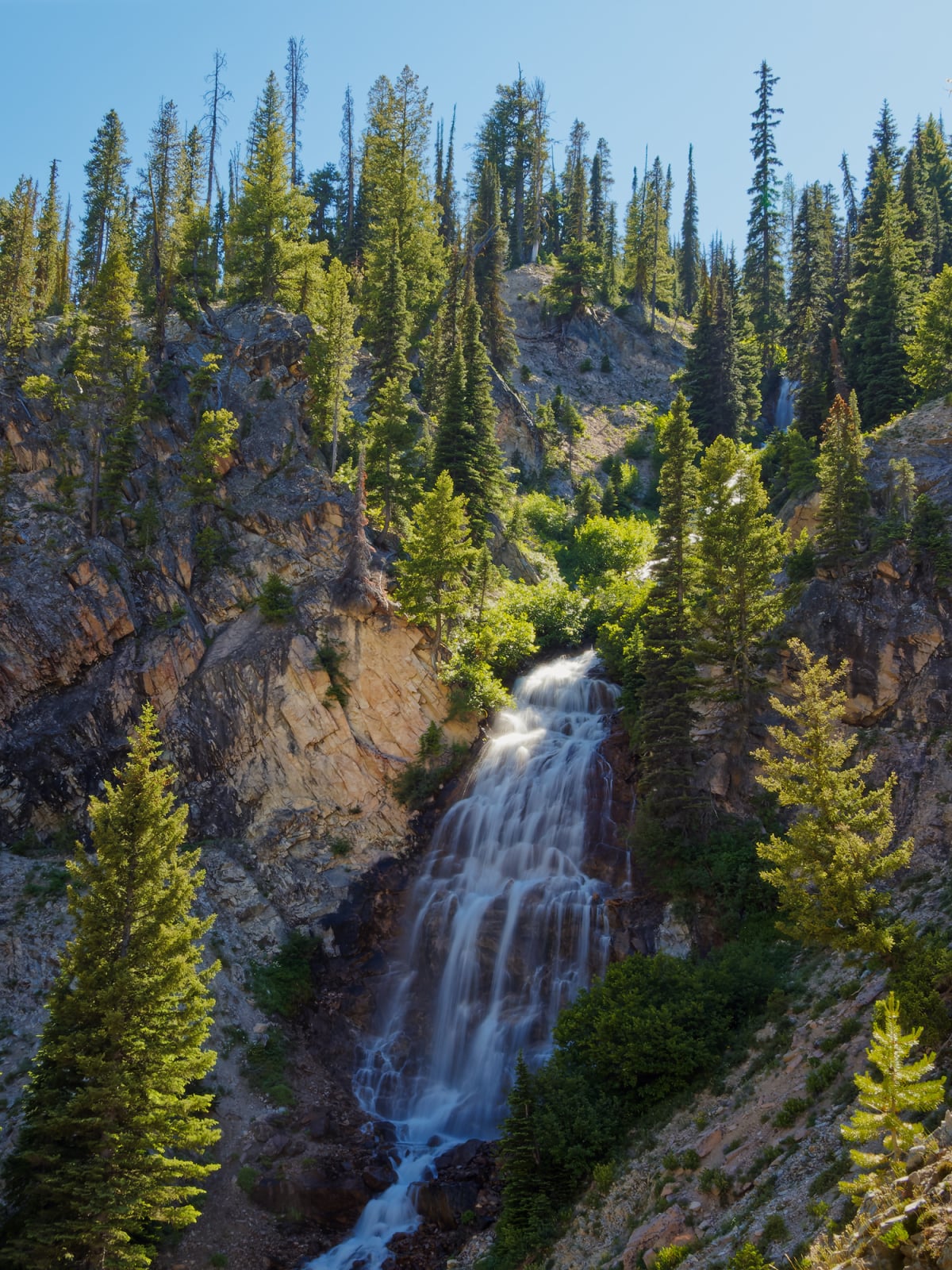
Sunrise: The Three-Shot Story
As the sun crests the horizon, the landscape bursts into color, demanding rapid execution. Suess, drawing on his photojournalism background, employs a "three-shot story" approach: a wide environmental shot, followed by a medium view, and finally a tight detail. This sequence, moving from wide to medium to tight, ensures a comprehensive narrative of the evolving scene. "Sunrise gives me a complete story in a very short time," he says. "If I concentrate only on the photograph I planned, I can miss everything happening around it." He might balance warm light on a mountain against cooler tones in a lake, often keeping the foreground slightly darker to draw the eye towards the main subject. For static scenes bathed in exceptional light, the OM-5 Mark II’s High Res Shot mode, which combines multiple exposures for a higher-resolution file, proves invaluable for large prints or later cropping.
Midday: Unearthing Beauty in Harsh Light
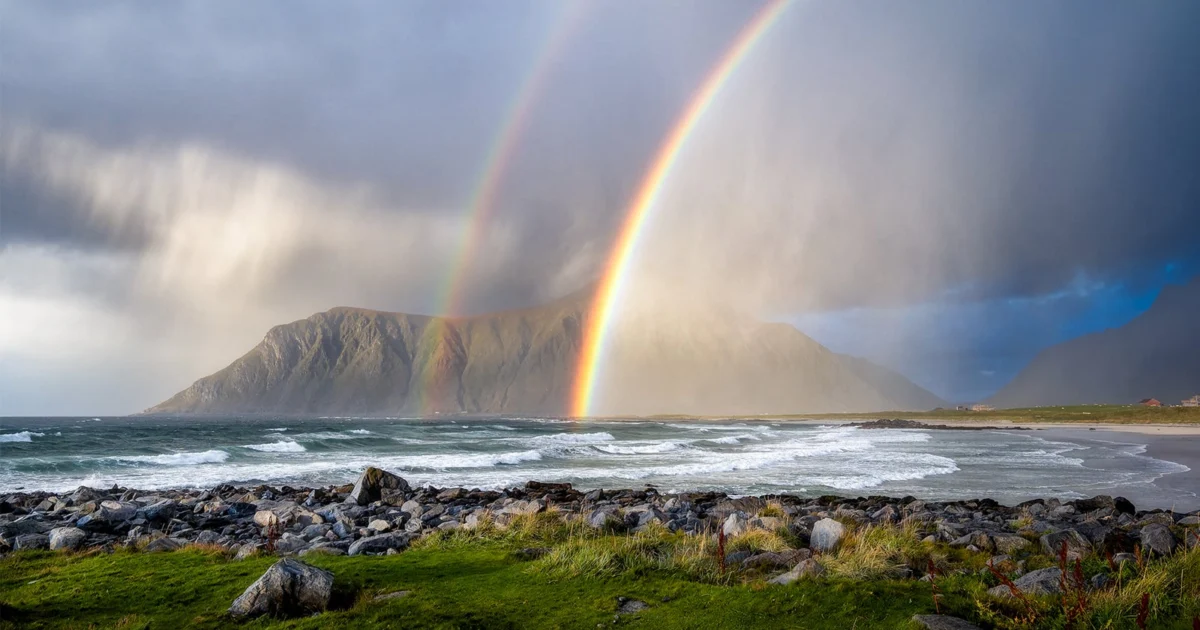
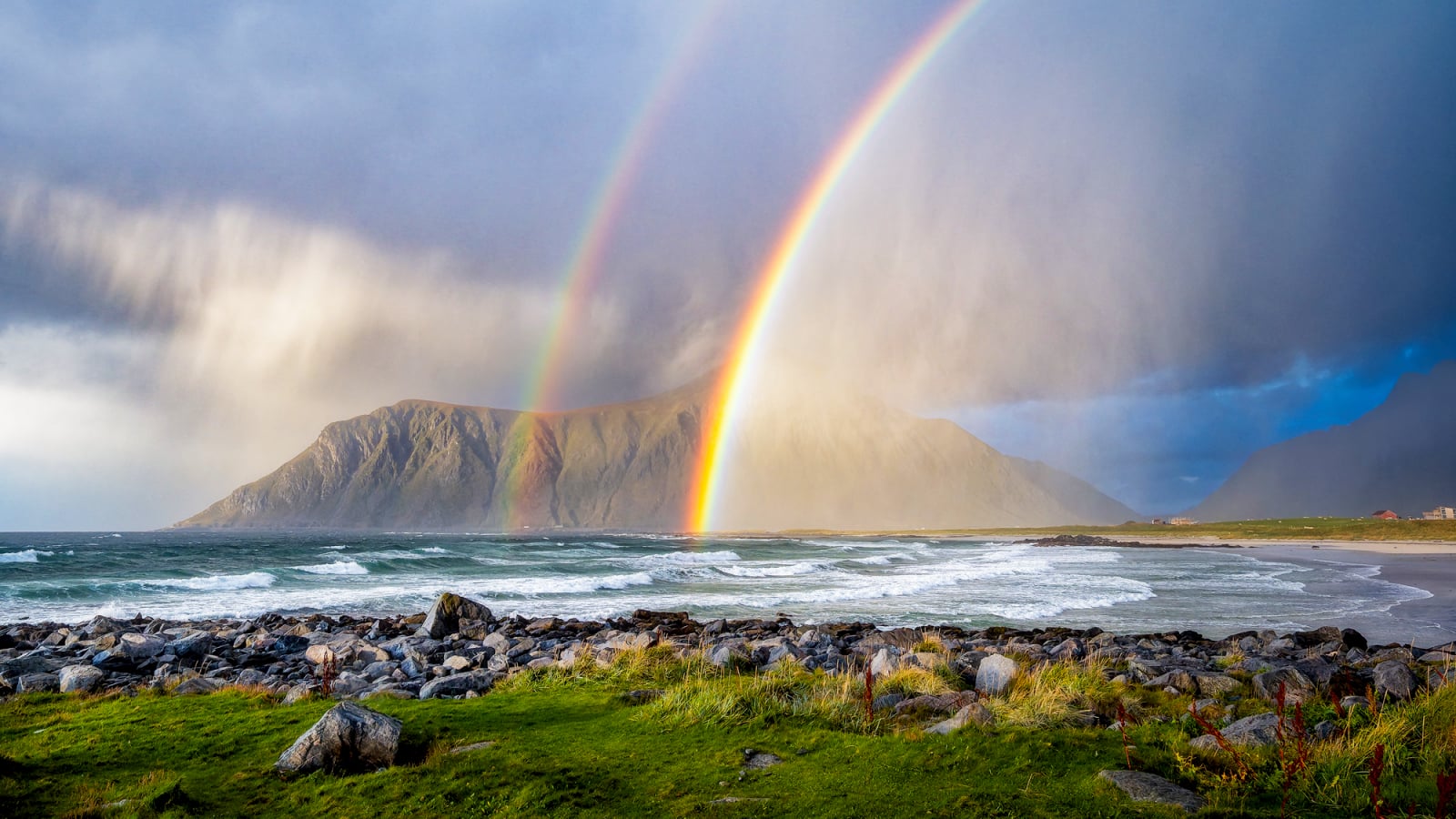
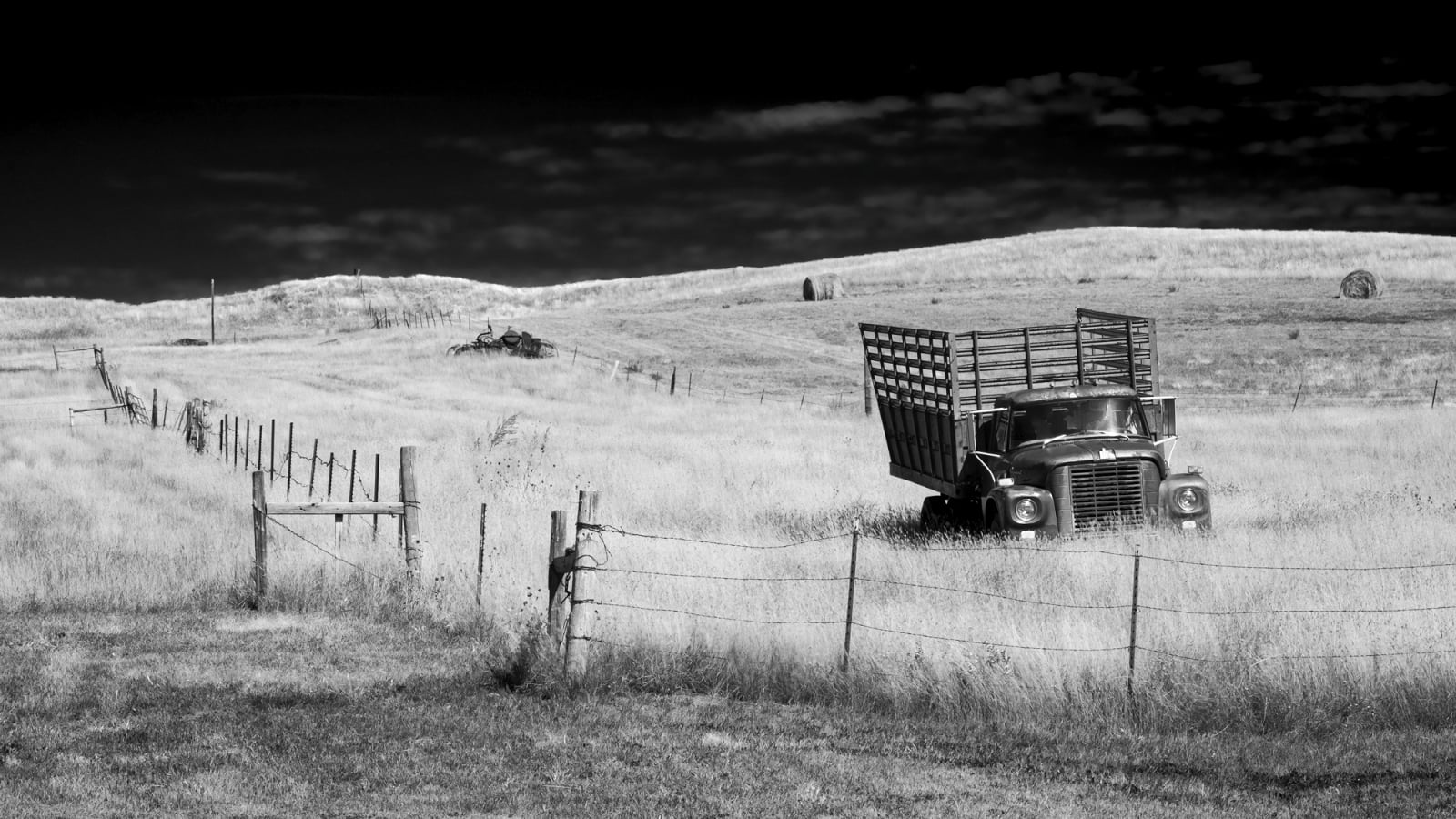
When the sun reaches its zenith, shadows shorten and light becomes harsh, prompting most photographers to retreat. Suess, however, uses this challenging period to search for subjects that thrive in these conditions. He actively seeks out pockets of shade, such as beneath a forest canopy, where sunlight is diffused and softened. When shade is unavailable, he turns his attention to subjects that can add color to a midday composition, like old cars or barns. Midday is also an opportune time for close-up photography, especially of wildflowers, where the canopy’s softening effect creates even, flattering light. When storm clouds gather, rather than seeking shelter, he keeps working, recognizing that these dynamic conditions offer continuously changing light and unique opportunities. For creative expression during midday struggles, Suess experiments with the OM-5 Mark II’s built-in ART filters (e.g., Black & White, Pin Hole, Bleach Bypass, Pop Art), shooting in RAW+JPEG to retain the original color information while exploring stylized interpretations.
Post-Midday: The Reverse Day’s Uniqueness
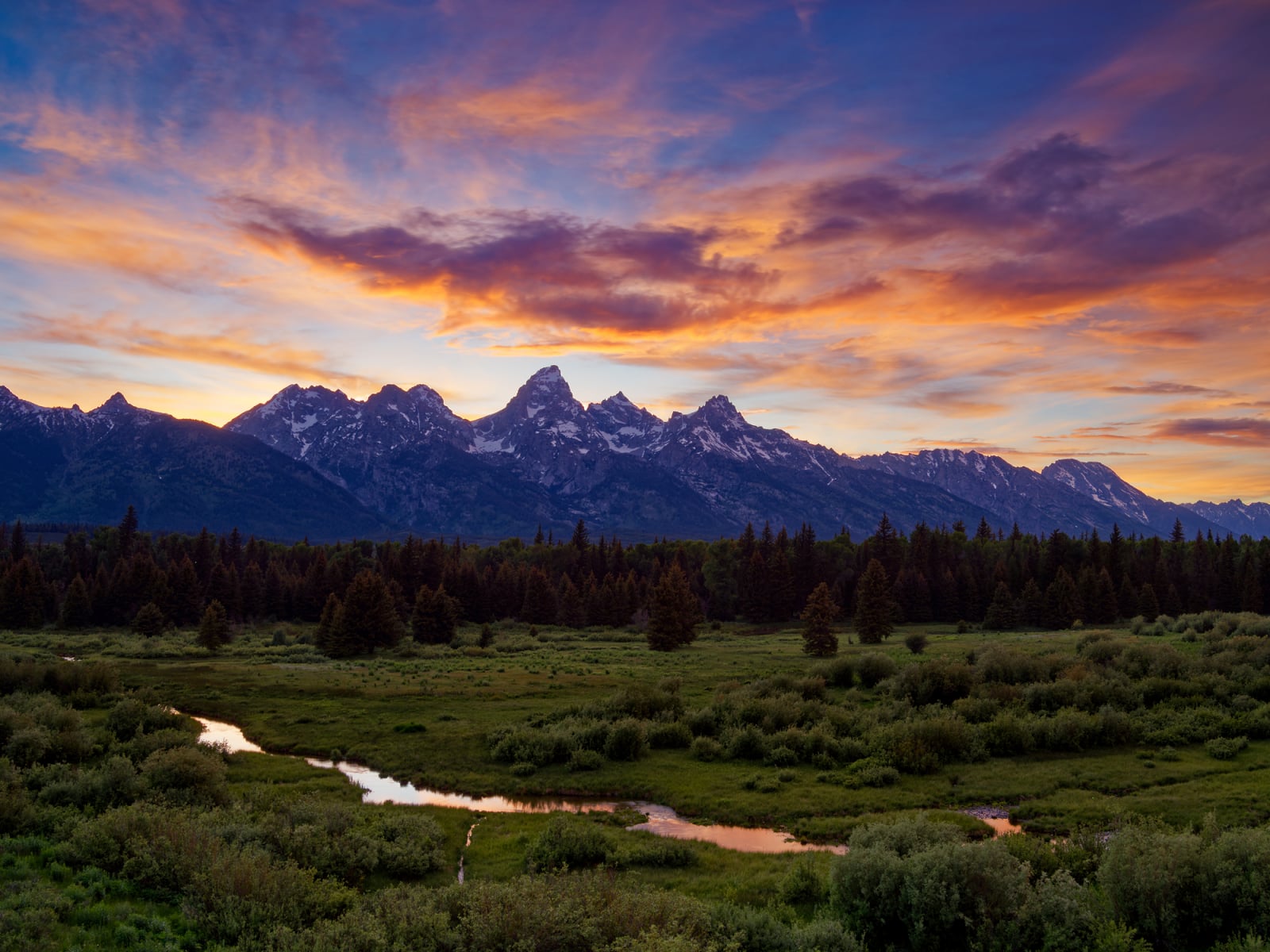
As the day progresses, the light cycles in reverse, moving from golden hour to sunset and then into the evening blue hour. While mirroring the morning’s progression, Suess notes distinct differences. "Morning blue hour is cooler, so mist, fog, and damp ground can give the landscape a softer, earthier mood," he observes. "By evening, the ground has been warming all day, so that moisture is often gone. The morning can feel moodier, while the evening often looks cleaner and clearer." He also frequently observes more intense colors after sunset than at sunrise, a phenomenon he attributes to warmed ground, atmospheric conditions, or airborne dust. This potential for intensified color, sometimes lasting for half anour after the sun’s disappearance, rewards the patient photographer who resists the urge to pack up early.
Night: Beyond the Stars, Creating Light
The final stretch of the challenge extends into full darkness, a period Suess particularly cherishes for astrophotography. However, when conditions (bright moon, clouds, light pollution) preclude clear views of the Milky Way, he adapts, treating these limitations as new creative assignments. Moonlight, for instance, can create highlights and shadows reminiscent of daylight but with reduced intensity and a distinct color cast, lending an ethereal, unfamiliar quality to nighttime landscapes. For optimal astrophotography, Suess makes an exception to his one-lens rule, adding the M.Zuiko Digital ED 7-14mm F2.8 PRO for its wider aperture and expansive field of view, essential for capturing faint starlight.
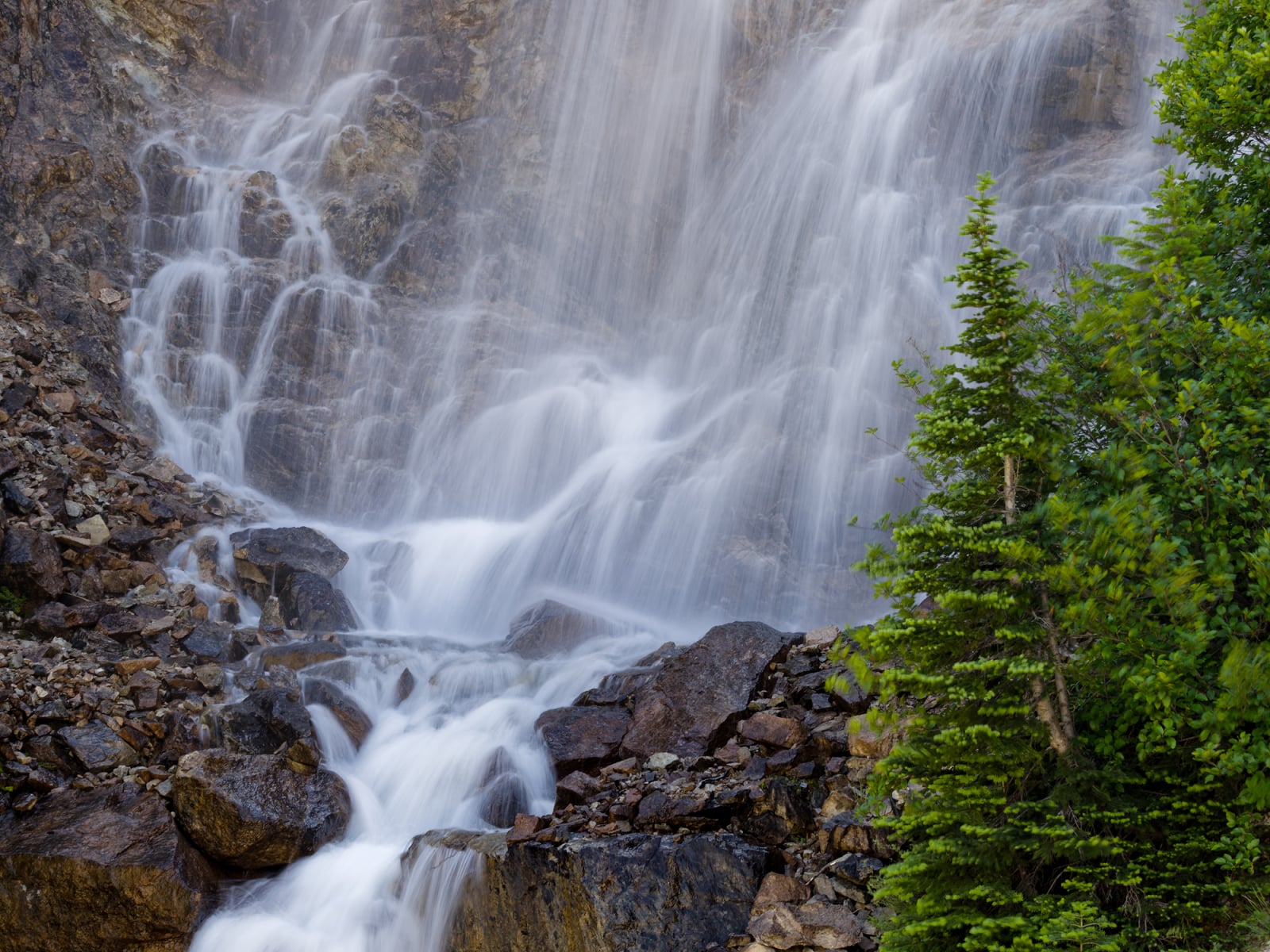
In the absence of natural light, Suess turns to artificial illumination. He has captured striking long exposures of car lights winding through canyons and dynamic cityscapes during blue hour. For many nighttime scenes, he leverages the OM-5 Mark II’s Live Composite mode, a computational feature that records a base exposure and then selectively adds only new light that appears afterward, such as star trails, vehicle headlights, or lightning, preventing overexposure of static elements. He also employs light painting with colored lights and gels to selectively illuminate subjects like old barns, using the camera’s rear screen to monitor the exposure build-up in real-time. This ability to "create" light allows for extraordinary control and unique artistic expression in otherwise dark environments.
Implications and Lasting Impact
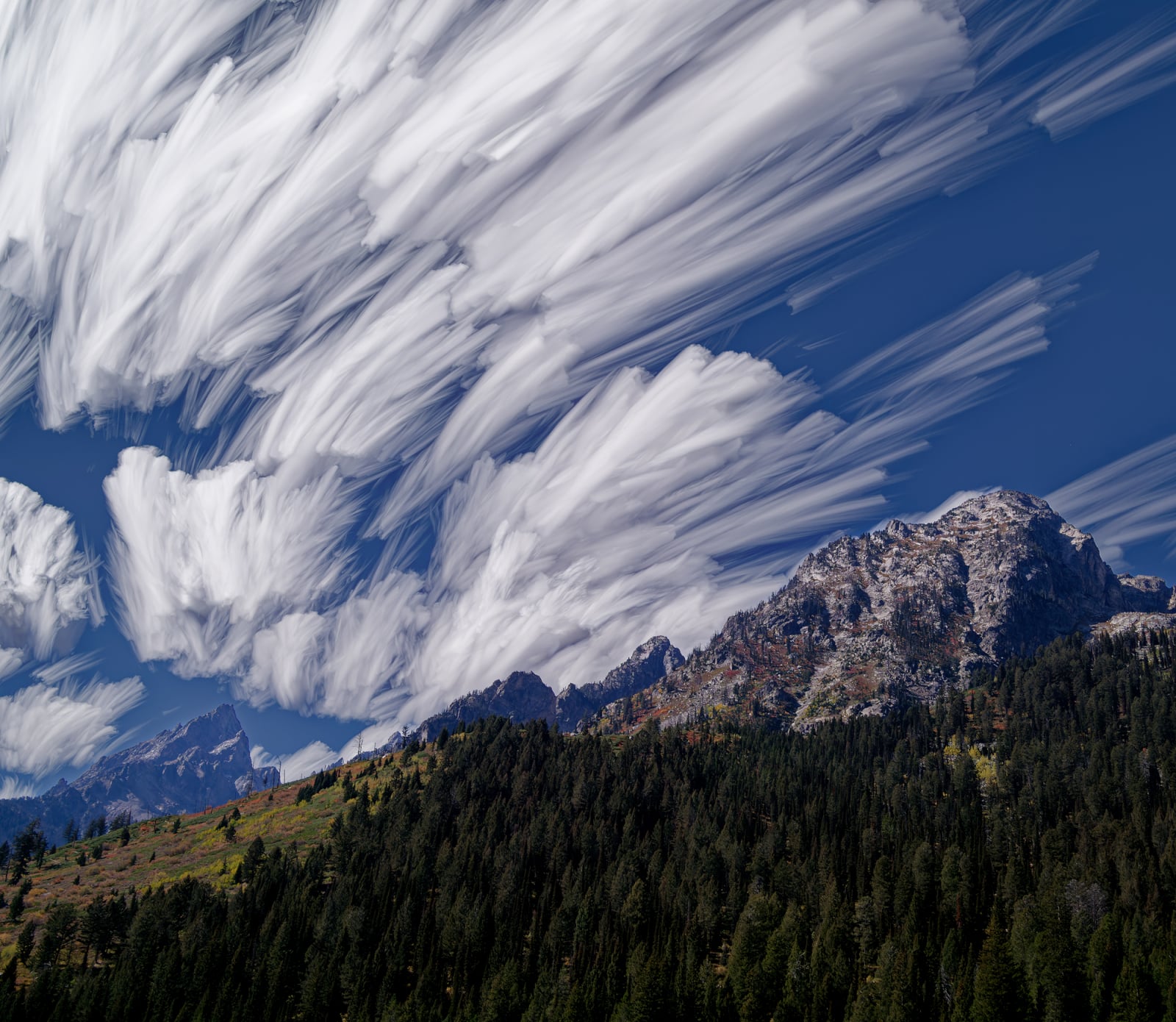
Matt Suess’s "dawn-to-dusk" challenge represents a significant departure from conventional landscape photography practices, advocating for a holistic engagement with the environment throughout all lighting conditions. The implications of this approach are far-reaching for photographers of all skill levels.
Shifting Paradigms: By demonstrating the photographic potential of overlooked hours, Suess actively challenges the prevailing notion that only golden hour light yields compelling results. This paradigm shift encourages photographers to expand their creative toolkit and develop a deeper appreciation for the full spectrum of natural light.
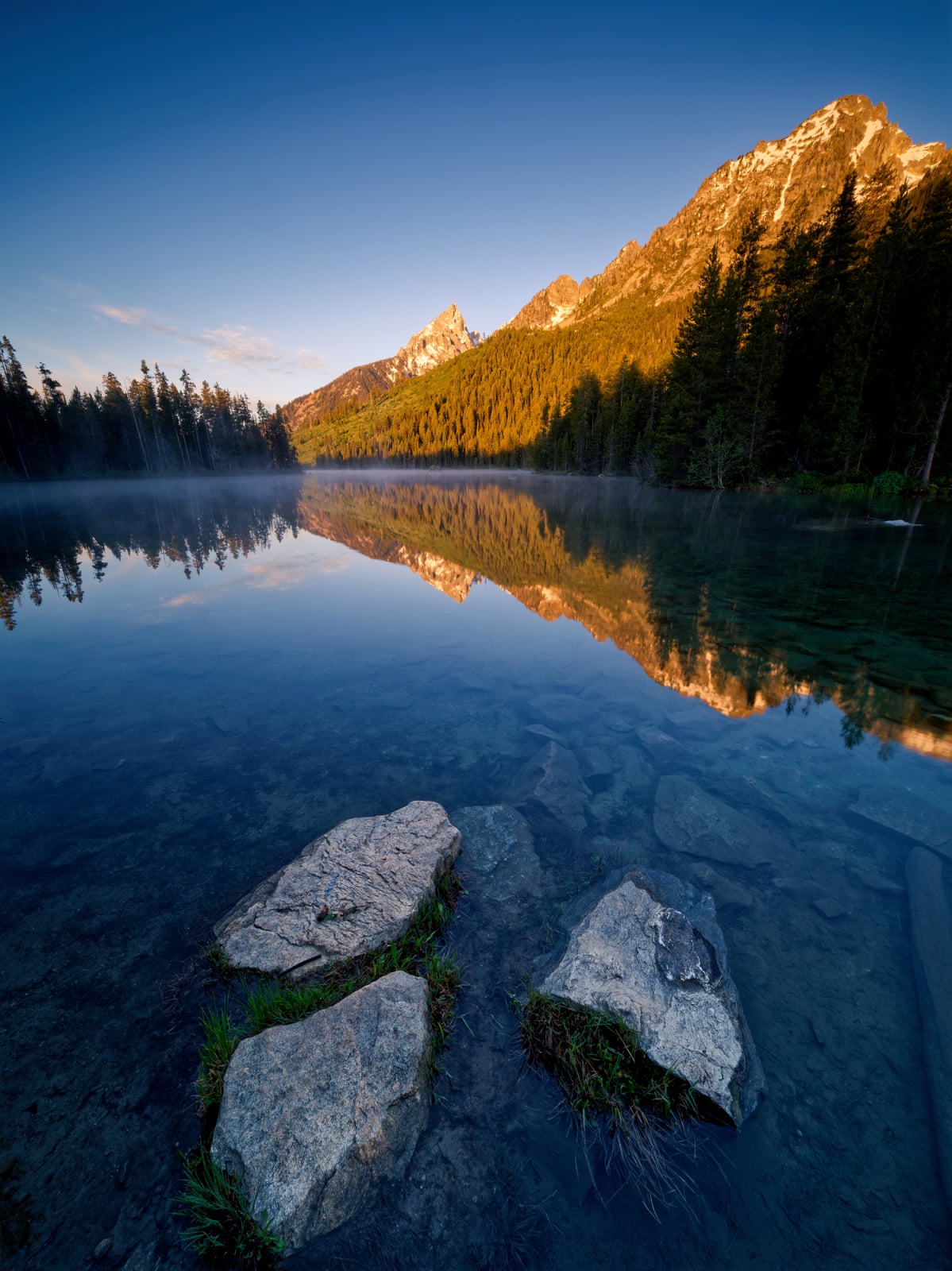
Enhanced Skill Development: The continuous demand for adaptability across diverse lighting scenarios sharpens a photographer’s observational skills, compositional instincts, and technical prowess. Working with low light, harsh midday sun, and artificial illumination fosters a more versatile and resilient photographer.
Unique Portfolio Opportunities: The images captured during these "ignored" hours often possess a distinct character, setting a photographer’s work apart from the multitude of golden hour shots. Moonlight landscapes, dramatic midday storm scenes, and meticulously light-painted structures offer fresh perspectives.
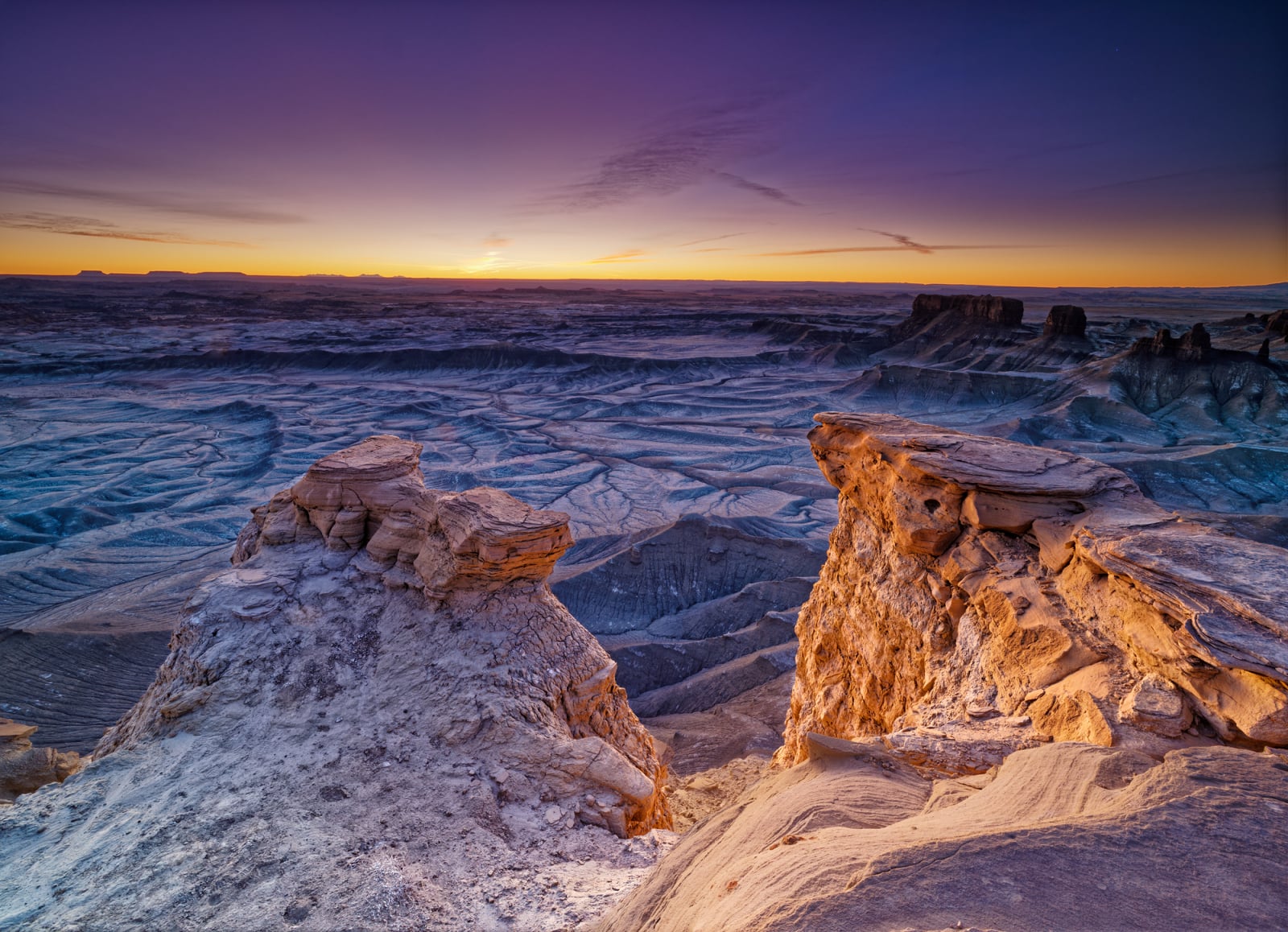
The Enabling Role of Technology: The OM-5 Mark II and its M.Zuiko PRO lenses are pivotal to Suess’s methodology. The system’s renowned weather sealing (meeting IP53 standards for dust and splash-proofing, allowing operation in challenging conditions), advanced in-body image stabilization (up to 6.5 stops), and innovative computational photography features (Live Composite, High Res Shot, Live ND) empower photographers to confidently pursue the full-day challenge without being hindered by equipment limitations. The compact and lightweight nature of the Micro Four Thirds system further reduces physical burden, allowing photographers to carry essential safety gear.
Deepening the Connection to Nature: Beyond the technical and artistic gains, Suess emphasizes the profound personal reward. "My love of Mother Nature and the outdoors keeps me out there," he reflects. The extended immersion in a single natural setting fosters a deeper connection and understanding of its rhythms and subtle changes, promoting a slower, more mindful appreciation that transcends the mere act of taking photographs. The experience, whether yielding a portfolio-worthy image or not, invariably provides valuable learning. "If I understand the light a little better when I leave, I don’t feel like the day was wasted," he concludes.
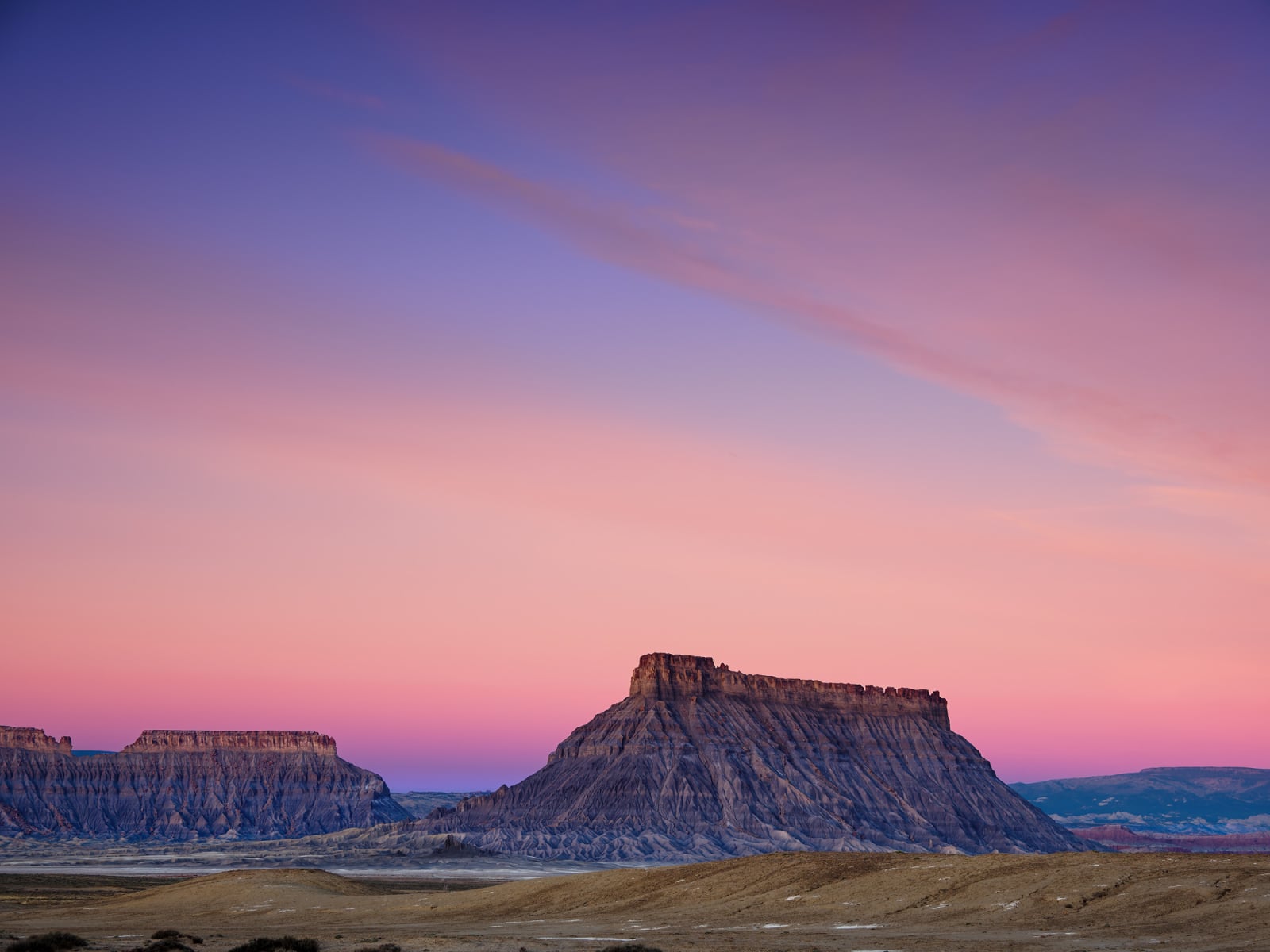
In essence, Matt Suess’s full-day photographic challenge is more than just a technique; it is a philosophy that cultivates patience, resilience, and a comprehensive vision. By urging photographers to stay longer and look deeper, he not only expands their creative horizons but also enriches their overall experience of the natural world, proving that true photographic magic often lies in the hours everyone else chooses to overlook.