Perched atop Mount Fuji, Japan’s revered and highest peak, a solitary figure dedicates two months each year to an extraordinary dual existence: capturing breathtaking photographic vistas and meticulously documenting the mountain’s notoriously fickle weather. This is the life of Megumi Ueda, a photographer whose annual pilgrimage to a Shinto shrine at the summit places her in one of the world’s most unique and challenging environments, offering an unparalleled perspective on Japan’s iconic natural wonder. Her Spartan lodgings become a privileged observatory, yielding both stunning visual artistry and vital meteorological data that contributes significantly to climber safety.
Mount Fuji: A Beacon of Japan’s Spirit and a Global Icon
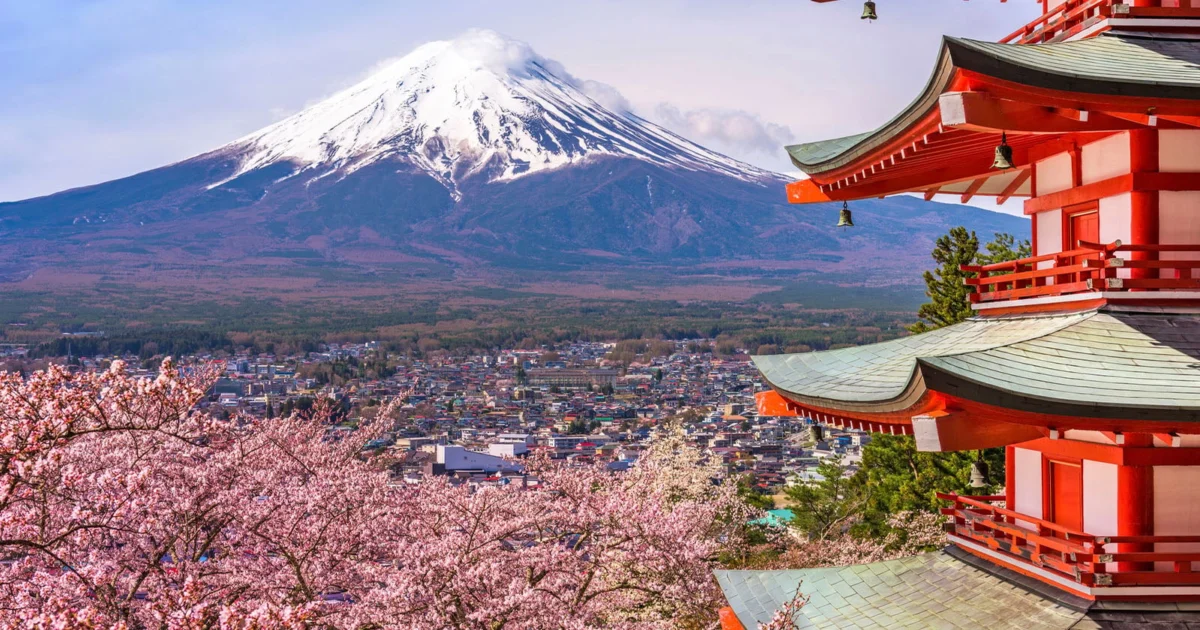
Mount Fuji, or Fuji-san, is far more than just Japan’s highest mountain, soaring to 3,776 meters (12,389 feet). It is an active stratovolcano, a UNESCO World Heritage site, and an enduring symbol deeply interwoven into the fabric of Japanese culture, spirituality, and national identity. Its perfectly symmetrical cone, often capped with snow, has inspired countless artists, poets, and pilgrims for centuries, appearing prominently in ukiyo-e woodblock prints, modern art, and literature. For many, it represents purity, resilience, and the sublime beauty of nature.
Spiritually, Mount Fuji holds profound significance in Shintoism, Japan’s indigenous religion. It is considered a sacred dwelling place for kami (deities), particularly Konohanasakuya-hime, the goddess of Mount Fuji, flowers, and volcanoes. Pilgrimages to the summit have been a tradition for over a millennium, with various shrines dotting its slopes and summit to honor these deities and offer prayers for safe passage. The climbing season, typically from early July to mid-September, sees hundreds of thousands of domestic and international visitors undertaking the arduous ascent, driven by spiritual devotion, personal challenge, or the desire to witness the iconic sunrise from the "roof of Japan." This period is also when Megumi Ueda establishes her seasonal residence.
Megumi Ueda: A Convergence of Art and Atmospheric Science
Ueda’s role at the summit is a compelling fusion of artistic endeavor and practical scientific contribution. From her elevated vantage point, she captures scenes that few others ever witness, let alone photograph with such intimacy and consistency. Her Instagram feed, regularly updated from the summit, showcases a mesmerizing array of images: fiery sunsets painting the clouds below in hues of orange and purple, the ethereal glow of hazy mountain peaks emerging from a sea of mist, and the dizzying, intricate dance of swirling star trails across the obsidian night sky. These photographs are not merely beautiful; they are a testament to her dedication, her keen eye, and the unique access her residency affords her. She articulated her profound connection to the mountain to the Associated Press (AP), stating, "I wanted to see all the possible views from Mount Fuji… To an extent that I didn’t want to even blink. Once I started feeling that way, I became completely hooked." This passion fuels her extraordinary annual commitment.
Beyond her artistic pursuits, Ueda performs a critical service by meticulously gathering weather information. The summit of Mount Fuji is a microclimate, notoriously unpredictable and vastly different from conditions at its base. "The weather in the mountains is so complicated," Ueda explained to the AP. "That I think even meteorologists probably have a hard time predicting it." Her observations focus particularly on conditions above the clouds, where extreme winds are commonplace and temperatures can plummet dramatically without warning. This on-the-ground, or rather, on-the-summit, data is invaluable. While sophisticated satellite imagery and ground-based radar systems provide broad meteorological forecasts, direct human observation from such a high altitude offers granular detail that can be crucial for understanding localized phenomena and for real-time safety assessments for climbers. She observes wind patterns, cloud formations, temperature fluctuations, and precipitation changes, contributing to a more comprehensive understanding of the mountain’s atmospheric dynamics.
Life in the Clouds: Spartan Existence at the Summit Shrine
Ueda’s living arrangements are a stark reminder of the extreme environment in which she operates. Her "spartan lodgings" within the Shinto shrine at the summit are far removed from modern comforts. She humorously refers to her minimalist space, equipped with little more than a hardwood bed and a sleeping bag, as her "suite room" and "the best bedroom on Mount Fuji." This reflects a deep appreciation for her surroundings, despite the inherent hardships. Life at 3,776 meters presents significant challenges: oxygen levels are significantly lower, making even simple tasks strenuous; temperatures can hover near freezing even in summer, often feeling like "midwinter in February" as she notes, contrasting sharply with the warmth at sea level; and the relentless high winds are a constant presence.
The presence of a Shinto shrine at the summit of Mount Fuji is historically significant. These mountain shrines, known as Okumiya (inner shrines) or Chōjō Okumiya (summit inner shrines), have long served as places of worship and shelter for pilgrims. Ueda’s residency within such a sacred space aligns with a tradition of guardians and observers who have long ministered to the spiritual and physical needs of those who ascend the mountain. While her specific affiliation is not detailed, her presence likely contributes to the ongoing maintenance and spiritual continuity of the shrine during the climbing season, possibly assisting shrine personnel or simply benefiting from the established infrastructure. This unique living situation not only grants her unparalleled photographic opportunities but also embeds her deeply within the historical and spiritual context of the mountain.
The Perilous Beauty: Mount Fuji’s Unforgiving Weather
The profound variability of Mount Fuji’s weather is not merely a subject for Ueda’s observations; it is a critical safety concern. Mountain weather systems are notoriously complex due to several factors:
- Altitude: Temperatures decrease significantly with elevation (approximately 6.5°C per 1,000 meters), and atmospheric pressure drops, reducing oxygen.
- Orographic Lift: As air masses encounter the mountain, they are forced upwards, cooling and often leading to cloud formation, precipitation, and strong winds on the windward side.
- Jet Stream Interaction: At its height, Mount Fuji can interact with upper atmospheric winds, including the jet stream, leading to extreme wind speeds.
- Rapid Changes: Weather conditions can shift from clear skies to blizzard-like whiteouts in a matter of hours, or even minutes, making extended forecasts difficult and real-time awareness paramount.
These conditions pose substantial risks to climbers. Hypothermia is a constant threat, even in summer, due to low temperatures, wind chill, and potential exposure to rain or snow. Altitude sickness (Acute Mountain Sickness, AMS), including more severe forms like High-Altitude Cerebral Edema (HACE) and High-Altitude Pulmonary Edema (HAPE), can affect anyone regardless of fitness level. Poor visibility from fog or snow can lead to disorientation, while sudden thunderstorms bring lightning dangers. The high winds, frequently exceeding 50-60 km/h (30-40 mph) and gusting much higher, can make walking treacherous, increase the risk of falls, and exacerbate the effects of cold.
Recognizing these dangers, Ueda is a vocal advocate for climber safety. On a dedicated website for Mount Fuji weather reports (imafuji.earth/en/professional/megumi-uede/), she implores climbers to not only consult weather information before their ascent but also to continuously monitor conditions during the climb. Her urgent advice, "Please choose to descend rather than pushing yourself to the summit," underscores a fundamental principle of mountaineering: discretion is often the better part of valor. This proactive messaging, informed by her intimate understanding of the summit’s temperament, is a vital contribution to public safety campaigns orchestrated by local authorities and mountain rescue organizations. Her warnings are echoed by groups like the Yamanashi Prefecture Tourism Promotion Organization and the Shizuoka Prefecture Fuji-san World Heritage Centre, who consistently advise preparedness and caution.
Chronology and Motivation: A Deepening Bond
While specific details about when Megumi Ueda first embarked on this annual commitment are not widely publicized, her statements suggest a gradual but profound immersion into the mountain’s allure. It is plausible that her journey began as a climber or an avid nature photographer who was repeatedly drawn to Fuji’s majesty. The transition to living at the summit likely evolved from a desire for deeper artistic immersion and a recognition of the value of continuous, on-site observation. Her "hooked" feeling implies a personal transformation, moving beyond casual admiration to a dedicated guardianship.
Her typical season would begin shortly before the official opening of the climbing trails in early July, involving the ascent with essential gear, including camera equipment, meteorological instruments, and personal supplies. For two months, her days would revolve around the rhythms of the mountain: waking before dawn to capture the sunrise, observing cloud patterns throughout the day, documenting temperature and wind changes, and then staying awake late into the night for astrophotography. This routine is punctuated by interactions with shrine staff, passing climbers, and potentially other researchers or mountain personnel. The discipline required for such a life, especially amidst the physical rigors of high altitude and isolation, speaks volumes about her dedication.
Broader Impact and Implications: Guardianship in the Modern Age
Megumi Ueda’s unique role has far-reaching implications that extend beyond her stunning photography and localized weather reports.
- Enhanced Climber Safety: Her continuous, real-time observations directly contribute to better informed safety warnings. In an era where visitor numbers to Mount Fuji are consistently high (often exceeding 200,000 climbers per season on the four main trails), accurate and timely weather information is paramount to preventing accidents, injuries, and fatalities. Her data, combined with official forecasts from the Japan Meteorological Agency (JMA), creates a more robust safety net for climbers.
- Environmental Awareness and Conservation: Through her evocative imagery, Ueda brings the fragile beauty and stark realities of Mount Fuji’s high-altitude environment to a global audience. Her photographs serve as powerful tools for raising awareness about mountain conservation, the impacts of climate change on alpine ecosystems, and the importance of responsible tourism. They inspire respect for the natural world and underscore the need to protect such iconic landscapes.
- Inspiration for Artistic and Scientific Exploration: Ueda’s story is a testament to the power of passion and dedication. She demonstrates how art and science can intersect in meaningful ways, inspiring others to pursue unconventional paths in their own fields. Her commitment to living and working in such an extreme environment encourages a deeper engagement with nature and highlights the value of direct observation in both creative and scientific endeavors.
- Cultural Preservation: By residing at the summit shrine, Ueda implicitly connects with and supports the ancient spiritual traditions associated with Mount Fuji. Her presence during the climbing season helps maintain a human presence at a site of profound cultural significance, bridging historical practices with modern concerns like safety and environmental stewardship.
In a world increasingly reliant on remote sensing and digital data, Ueda’s direct, lived experience on Mount Fuji offers a powerful reminder of the irreplaceable value of human observation. Her "suite room" at the summit is not just a place of rest; it is a sentinel’s post, a nexus where the timeless majesty of Mount Fuji meets the urgent need for contemporary vigilance. As she continues her annual vigil, Megumi Ueda remains a guardian of the summit, her lens capturing its ephemeral beauty, and her observations safeguarding those who dare to ascend its sacred slopes.