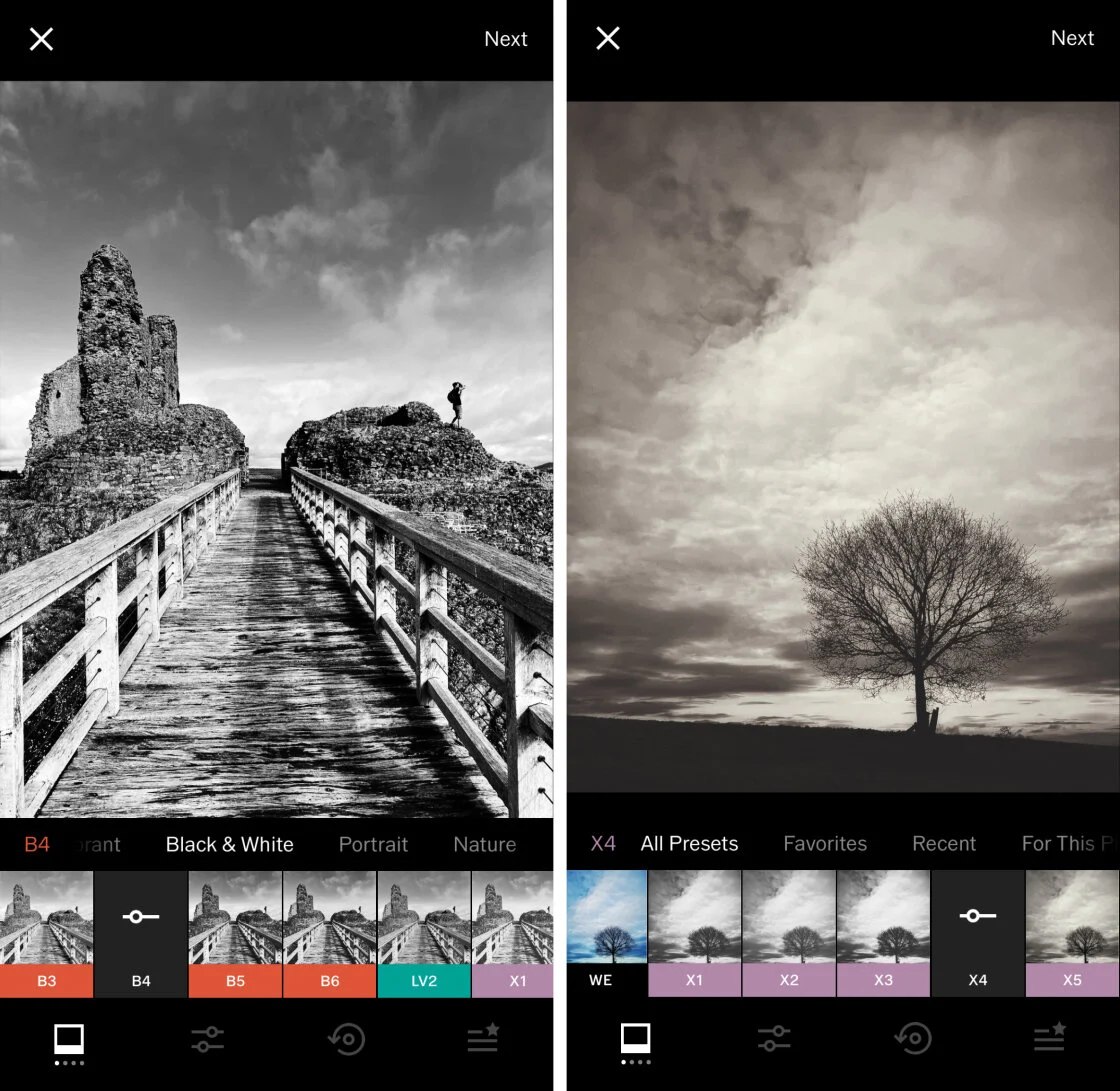
The landscape of contemporary photography has undergone a seismic shift as high-performance mobile devices have largely supplanted traditional bulky camera systems for casual and professional street documentation. The iPhone, in particular, has emerged as a premier tool for street photographers due to its ubiquity, portability, and increasingly sophisticated computational photography capabilities. As the genre of street photography continues to evolve, the application of monochrome aesthetics remains a cornerstone of the medium, allowing practitioners to strip away the distractions of color to focus on the fundamental elements of light, shadow, and geometry. Industry data indicates that mobile photography now accounts for over 90% of all digital images captured globally, with a significant resurgence in the popularity of black and white filters among social media enthusiasts and professional photojournalists alike.
The Technical Foundation: Shooting in Native Monochrome
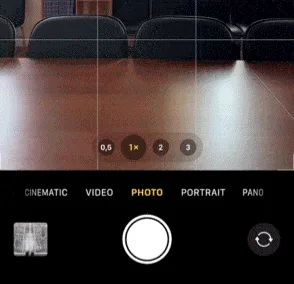
While many amateur photographers capture images in full color with the intention of converting them to black and white during the editing phase, experts suggest that shooting directly in a monochrome mode is superior for developing a "photographic eye." By utilizing the iPhone’s built-in "Noir" or "Mono" filters within the Camera app, the photographer can see the world in grayscale in real-time. This immediate feedback loop is critical for identifying how different textures and light intensities interact without the bias of hue.
Technically, the iPhone’s camera filters are non-destructive. This means the RAW data or the original HEIC/JPEG file retains the full color information, allowing for a reversal in the Photos app if necessary. However, the psychological benefit of seeing the high-contrast "Noir" preview allows the photographer to prioritize shapes, lines, and patterns. To access these tools, a user must swipe up in the Camera app, select the Filters icon—represented by three overlapping circles—and choose the "Noir" setting. This creates a high-contrast look that mimics the classic aesthetic of silver halide film, such as Kodak Tri-X or Ilford HP5.
Compositional Minimalism and the Utility of Negative Space
The effectiveness of black and white street photography often hinges on simplicity. Without color to differentiate subjects from their backgrounds, a cluttered frame can become illegible. Leading practitioners advocate for a minimalist approach, emphasizing the use of negative space—empty areas around the subject—to direct the viewer’s gaze.
In an urban environment, finding negative space requires a deliberate search for open areas such as public squares, parks, or modern architectural plazas. Data from urban planning studies suggests that modern "minimalist" architecture provides the ideal backdrop for this style. By positioning a single human subject against a vast, neutral background, the photographer creates a powerful focal point. The use of Google Maps and Street View has become a standard preparatory step for professional street photographers, allowing them to scout locations with significant open space and favorable light-to-shadow ratios before even arriving on-site.
The Chronology of iPhone Camera Evolution
The ability to capture professional-grade street photography on a mobile device is a relatively recent development in the timeline of digital imaging.
- 2007–2010: The early iPhone models featured basic sensors with limited dynamic range, making high-contrast black and white photography difficult due to "blown-out" highlights.
- 2011 (iPhone 4S): The introduction of an 8MP sensor and improved optics began to bridge the gap between mobile and point-and-shoot cameras.
- 2016 (iPhone 7 Plus): The arrival of dual-lens systems allowed for "Portrait Mode," simulating the shallow depth of field found in professional street photography.
- 2019–Present (iPhone 11 to iPhone 15 Pro): The integration of Deep Fusion, Night Mode, and Apple ProRAW has revolutionized the genre. The 48MP sensors in recent Pro models allow for significant cropping—a vital tool in street photography—without a substantial loss in image quality.
Structural Geometry: Leading Lines and Urban Patterns
Cities are inherently geometric, and black and white photography is the ideal medium for highlighting this structure. Leading lines—linear elements like roads, bridges, railings, and shadows—function as visual guides that pull the viewer’s eye toward the subject. In monochrome, these lines become more pronounced as the contrast between light and dark surfaces is sharpened.
Patterns offer another layer of visual interest. Modern architectural facades, characterized by repetitive windows or pillars, create a rhythmic background that contrasts with the organic, unpredictable movement of human subjects. Photographers often employ a "wait-and-see" tactic: identifying a compelling pattern or set of leading lines and waiting for the "decisive moment"—a term coined by photography legend Henri Cartier-Bresson—when a person enters the frame to complete the composition.
Lighting Mechanics: Silhouettes and High-Contrast Frames
Advanced street photography on the iPhone often involves the manipulation of exposure to create silhouettes. This technique is particularly effective during the "Golden Hour"—the period shortly after sunrise or before sunset when the sun is low on the horizon. By shooting toward the light source and reducing the exposure value (EV), the photographer can render the subject as a pitch-black shape against a bright background.
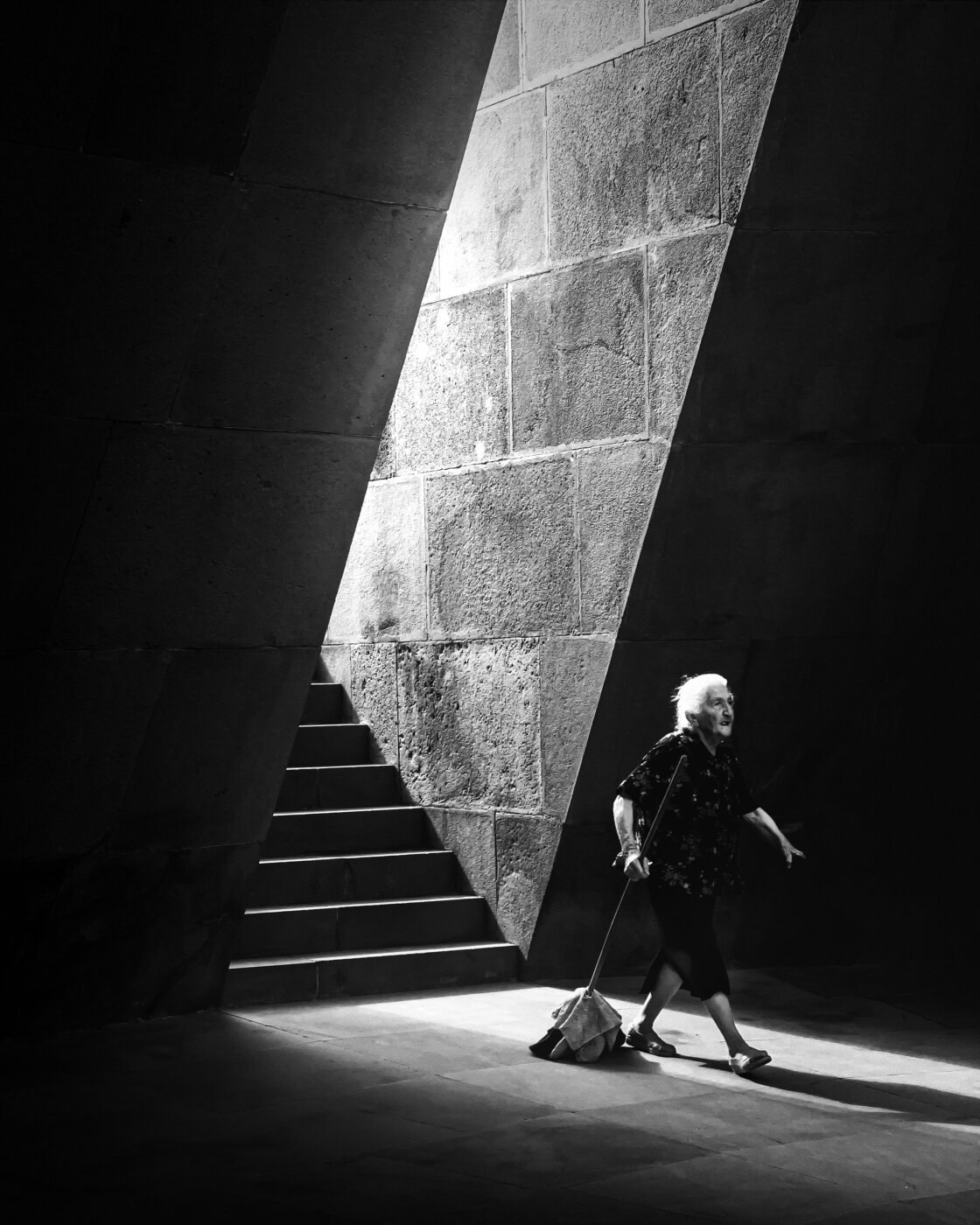
On current iPhone models, exposure can be adjusted with precision. By tapping the screen to set the focus and then using the sun icon slider, or by using the dedicated +/- exposure compensation tool in the settings menu, photographers can drop the exposure by -1 or -2 stops. This intentional underexposure crushes shadow detail, resulting in a dramatic, mysterious image that emphasizes form over identity.
The Interaction of Light and Shadow
Shadows are not merely the absence of light; in street photography, they are active compositional elements. Long shadows cast by pedestrians can act as leading lines or even become the primary subject of the photo. This approach requires direct sunlight, as overcast conditions produce soft, diffused light that lacks the necessary contrast for dramatic shadow work.
A brief analysis of current trends in mobile photography competitions, such as the IPPAWARDS (iPhone Photography Awards), shows a high prevalence of winning entries that utilize harsh midday sun to create stark, abstract shadows. This defies traditional photography advice to avoid "harsh" light, proving that in the realm of monochrome street art, high contrast is a significant asset.
The Digital Darkroom: Post-Processing and AI Integration
The capture of the image is only the first half of the process. The "digital darkroom" plays a vital role in refining the final output. While the iPhone’s native Photos app provides robust tools for adjusting contrast, highlights, and shadows, professional-grade apps like Adobe Lightroom Mobile and Snapseed offer more granular control.
One of the most significant advancements in mobile editing is the integration of AI-driven "healing" and "retouching" tools. In street photography, distracting elements—such as trash cans, street signs, or photobombing pedestrians—can ruin a minimalist composition. Apps like TouchRetouch or the Healing Brush in Lightroom allow photographers to remove these distractions with a single swipe, seamlessly filling in the background using content-aware fill algorithms.
Analysis of Broader Implications and Market Trends
The rise of high-quality iPhone street photography has democratized the art form, but it has also raised questions regarding the saturation of the medium. With millions of high-quality images uploaded daily to platforms like Instagram and Vero, the "value" of a single photograph has shifted from its technical perfection to its narrative and emotional resonance.
Industry experts note that black and white photography remains a "prestige" choice that signals a serious artistic intent. Market data from stock photography agencies indicates that monochrome images are frequently sought after for editorial and high-end advertising because they convey a sense of timelessness and "truth" that color photography sometimes lacks. Furthermore, the portability of the iPhone allows photographers to work inconspicuously, capturing candid moments that would be impossible to obtain with a large, intimidating professional camera.
Conclusion and Expert Perspective
Maksim Kyshtymov, a professional designer and mobile photography advocate, emphasizes that the true value of iPhone photography lies in the freedom it affords. The transition from DSLR and mirrorless systems to a smartphone allows for a more immersive experience in the urban environment. This sentiment is echoed by the growing community of mobile street photographers who prioritize the "experience of the walk" over the weight of the gear.
As mobile sensor technology continues to advance, the gap between the iPhone and professional cinema cameras continues to narrow. However, the fundamental principles of black and white street photography—mastering light, identifying geometry, and maintaining compositional simplicity—remain unchanged. For the modern photographer, the iPhone is not just a phone; it is a sophisticated, always-present gateway to documenting the human condition in its most stripped-down, monochromatic form.