The modern commercial landscape has transformed the standard utility vehicle from a simple logistical tool into a high-impact marketing asset that operates around the clock. For businesses managing fleets—ranging from local plumbing services with three vans to national logistics firms with thousands of heavy-duty trucks—the transition toward high-quality vehicle wraps represents a strategic shift in how brand identity is cultivated and maintained. Every mile traveled on public roads offers a unique opportunity to project professionalism, establish market presence, and, most importantly, build a foundation of consumer trust. In an era where digital advertisements are often bypassed or ignored, the physical presence of a well-branded vehicle provides a tangible point of contact that resonates with local communities and potential clients alike.
The Strategic Value of Mobile Billboards
Market data from the Outdoor Advertising Association of America (OAAA) indicates that a single vehicle wrap can generate between 30,000 and 70,000 impressions daily, depending on the region and distance traveled. Unlike stationary billboards, which are limited by their fixed location, a wrapped fleet penetrates various demographics and geographic areas, bringing the brand message directly to the consumer’s doorstep. This high-frequency exposure is a critical component of "top-of-mind" awareness. When a homeowner requires an emergency repair or a business needs a specialized service, the brand they have consistently seen in their neighborhood is the one they are most likely to contact.
The shift toward professional fleet branding is driven by the realization that an unmarked or poorly maintained vehicle is a missed opportunity at best and a reputational liability at worst. Industry analysts note that consumers subconsciously associate the quality of a vehicle’s exterior with the quality of the service provided. A clean, cohesive, and professionally designed wrap signals that a company is established, detail-oriented, and invested in its public image.
SignSilo and the Technical Foundation of Fleet Branding
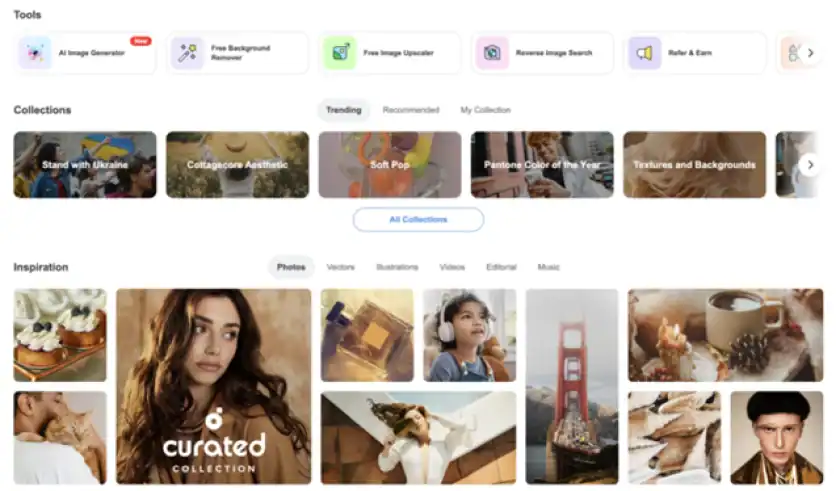
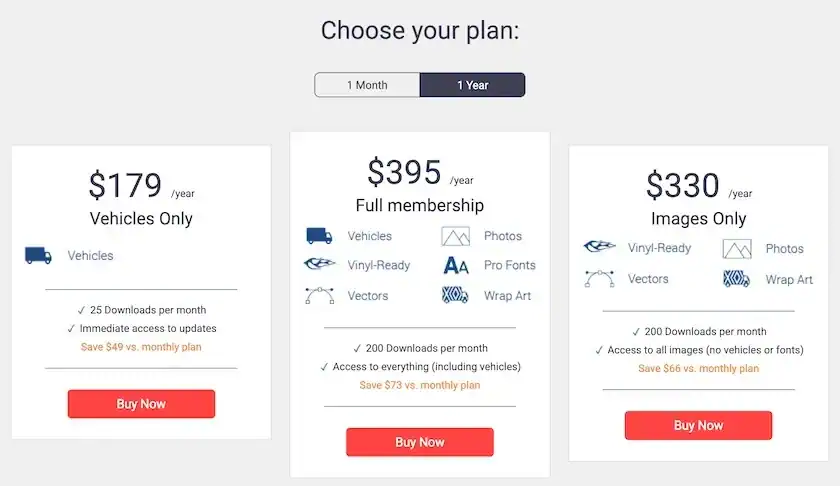
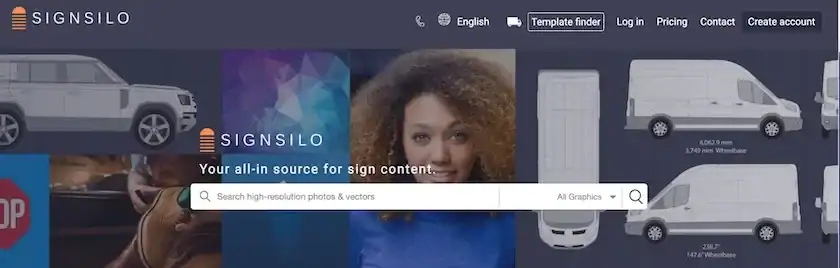
The execution of a successful fleet branding strategy requires more than just a creative vision; it demands technical precision and high-quality assets. This is the niche occupied by SignSilo, a comprehensive visual resource hub that has become an essential partner for wrap shops and sign-making businesses. To achieve a professional finish that aligns perfectly with a vehicle’s contours, designers must utilize accurate blueprints. SignSilo addresses this need with a library of over 20,000 vehicle templates, covering everything from the latest electric vans to classic heavy-duty trailers.
These templates allow designers to create "production-ready" files that account for door handles, windows, and curves, ensuring that the brand’s logo and contact information are never obscured or distorted. Beyond templates, the platform provides a robust collection of high-resolution stock photos, wrap designs, and vector graphics. By centralizing these resources, SignSilo enables small to medium-sized wrap shops to compete with larger agencies, offering top-tier design quality at a fraction of the traditional production cost.
A Chronology of Vehicle Branding Evolution
The history of vehicle branding reflects broader shifts in technology and marketing theory. Understanding this timeline highlights why high-quality wraps have become the current industry standard:
- Pre-1900s: Local businesses utilized hand-painted wooden panels on horse-drawn carriages. Branding was localized and limited by the skill of the sign-painter.
- 1920s–1950s: The rise of the automotive industry led to the use of stencils and oil-based paints directly on metal. This era saw the birth of iconic fleet looks, such as the classic Coca-Cola delivery trucks.
- 1960s–1980s: The introduction of adhesive vinyl lettering allowed for faster application. However, graphics were largely restricted to simple text and basic shapes.
- 1990s: The "Wrap Revolution" began with the development of large-format digital printing and "cast" vinyl, which could conform to complex 3D shapes. The first full-vehicle wrap is often attributed to a 1993 Pepsi campaign.
- 2010s–Present: The integration of high-definition digital assets and precision software, such as the resources provided by SignSilo, has moved the industry toward total fleet synchronization. Today, branding is not just about a logo on a door; it is about a 360-degree visual experience.
The Psychology of Consumer Trust and Safety
One of the most significant implications of professional vehicle wraps is their impact on consumer psychology, particularly in the residential service sector. When a service technician arrives at a private residence, the vehicle serves as a form of "visual ID." A branded vehicle provides immediate verification that the individual is a legitimate representative of a registered business.

Research into consumer behavior suggests that "authority bias" plays a role here; individuals are more likely to trust a person associated with a recognizable and professional organization. Conversely, an unmarked white van can trigger safety concerns and skepticism. By investing in a unified fleet image, businesses are essentially purchasing "pre-emptive trust," making the initial interaction between the employee and the customer significantly smoother.
Economic Analysis: ROI and Cost-Per-Impression
From a budgetary perspective, vehicle wraps offer one of the lowest costs-per-impression (CPM) in the advertising industry. While a full wrap on a large van may require an upfront investment ranging from $2,500 to $5,000, the longevity of high-quality vinyl (often five to seven years) means the daily cost is negligible.
When compared to other mediums:
- Television/Radio: High production costs and recurring airtime fees.
- Direct Mail: High cost per household with a very low retention rate.
- Digital Ads (PPC): Increasing costs due to competition and "ad-blindness."
- Vehicle Wraps: A one-time expense that provides 24/7 visibility for years.
For a fleet of ten vehicles, the cumulative impressions can reach into the millions annually, creating a localized "omnipresence" that suggests the company is much larger and more established than it may actually be. This "force multiplier" effect is particularly beneficial for growing businesses looking to capture market share from entrenched competitors.
Challenges in Maintaining Fleet Consistency
As a business grows, maintaining a unified image becomes increasingly complex. A common pitfall is "brand drift," where newer vehicles in the fleet feature updated logos or different color shades than the older models. This inconsistency can confuse customers and project an image of disorganization.
To combat this, industry experts recommend the use of standardized design kits. By utilizing a central repository of assets like those found on SignSilo, companies can ensure that every wrap shop they contract—regardless of location—is using the exact same templates, vector logos, and color codes. This level of synchronization is vital for national franchises that need to maintain brand integrity across different states and regions.
Technical Precision and Production Efficiency
The role of "testers" and mockups cannot be overstated in the production process. SignSilo’s offering of free tester downloads allows wrap professionals to verify the quality of a template or a high-resolution image before committing to a full-scale print. In the world of large-format printing, mistakes are expensive. A misalignment of just two inches on a van’s sliding door can ruin an entire panel of vinyl, leading to wasted material and labor.
The use of 3D mockups has also revolutionized the sales process for wrap shops. By showing a client a realistic 3D rendering of their vehicle with the proposed design, shops can secure approval faster and reduce the likelihood of post-installation dissatisfaction. This professional workflow, supported by high-quality digital assets, ensures that the final product on the road matches the initial brand vision perfectly.

Future Trends: Sustainability and Digital Integration
The vehicle wrap industry is currently pivoting toward more sustainable practices. Manufacturers are developing "PVC-free" films and eco-solvent inks to reduce the environmental footprint of fleet branding. Furthermore, the integration of QR codes and Augmented Reality (AR) into wrap designs is becoming more prevalent. A passerby can scan a discreetly placed QR code on a parked service vehicle to instantly book an appointment or view a promotional video, bridging the gap between physical outdoor advertising and digital conversion.
Conclusion: The Brand That Moves
In conclusion, the transformation of a fleet into a source of consumer trust is a multi-faceted process involving psychological insights, economic strategy, and technical excellence. As the marketplace becomes increasingly crowded, the ability to stand out through a polished, professional, and consistent mobile identity is a significant competitive advantage.
By leveraging professional resources like SignSilo, businesses can ensure that their creative vision is backed by the technical accuracy required for a flawless execution. The goal of modern fleet management has evolved: it is no longer enough to simply move goods or personnel from point A to point B. Every trip must also serve the purpose of reinforcing the brand’s values and reliability. In the final analysis, a vehicle wrap is not just a cosmetic upgrade; it is a strategic investment in the longevity and credibility of the business. As the industry moves forward, the "brand that moves" will be the one that stays ahead in the minds of the consumers.