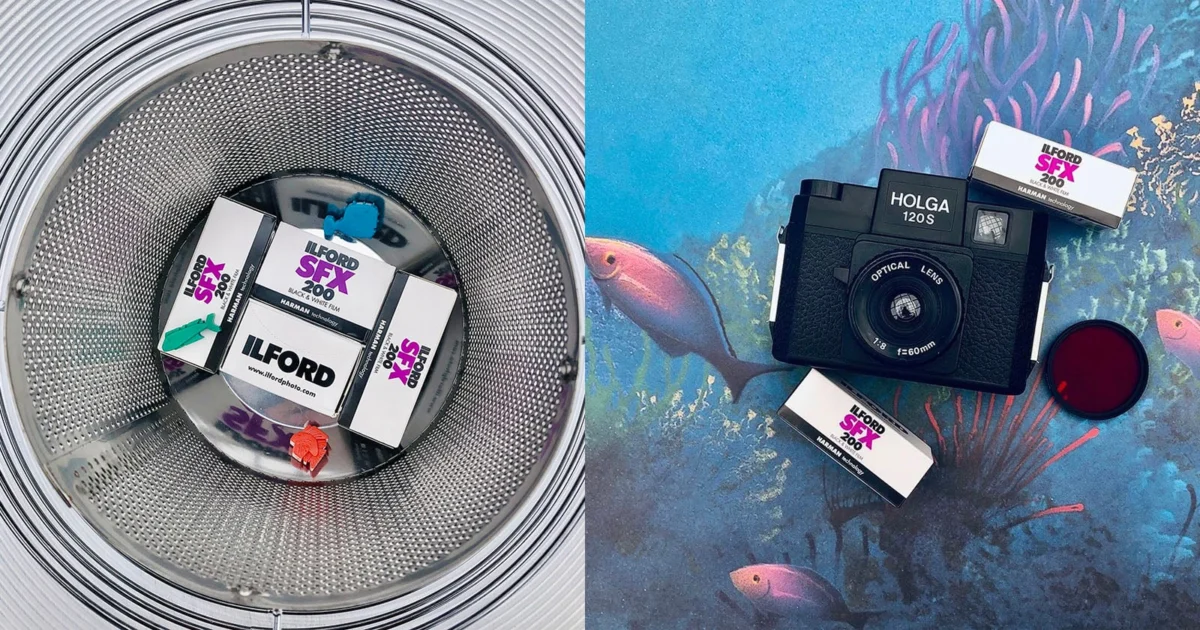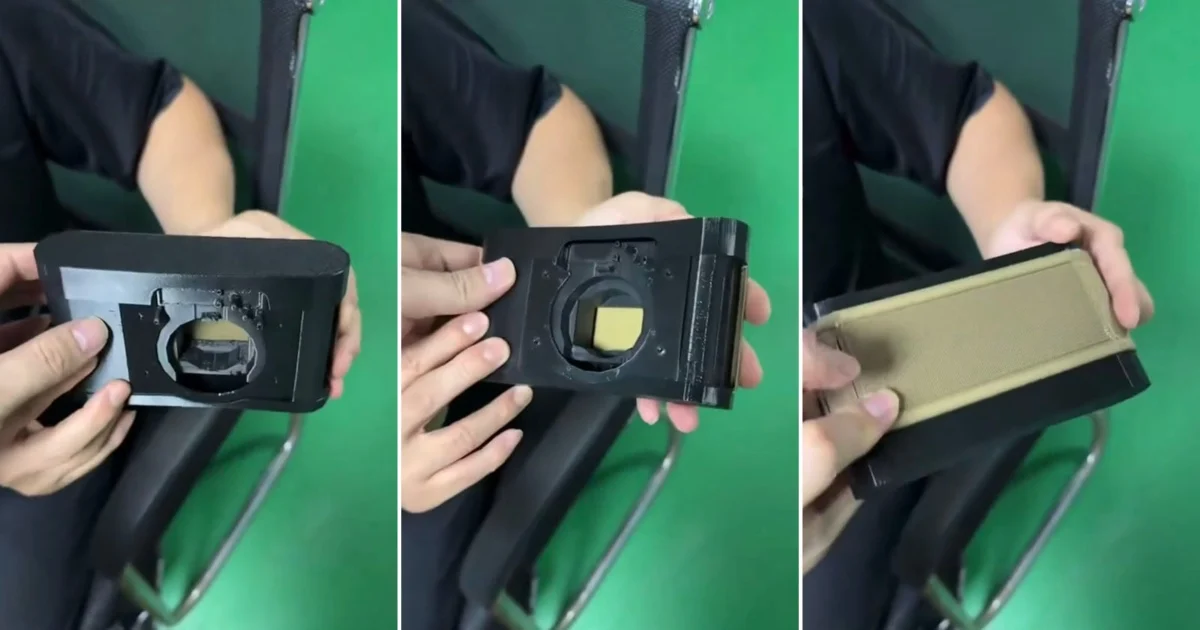
Light Lens Lab (LLL), a company already highly regarded for its meticulously crafted photographic lenses and burgeoning ventures into film production, has recently unveiled its latest ambitious endeavor: the development of an entirely new analog film camera. This revelation positions LLL not merely as a manufacturer of optical components or photographic consumables, but as a holistic provider aiming to construct a comprehensive, end-to-end ecosystem for analog photography enthusiasts. The announcement, made through informal channels, indicates that the project is in its nascent "extremely early development" stages, with a formal unveiling not expected "anytime soon." Despite the preliminary nature of the disclosure, the prospect of a new, originally designed film camera from a company with LLL’s reputation has ignited considerable interest within the global photography community.
The Resurgence of Analog Photography: A Market Context
The announcement from Light Lens Lab arrives amidst a sustained and remarkable resurgence in analog photography. For decades following the digital revolution, film photography was widely, though mistakenly, believed to be a dying art form. However, beginning in the late 2000s and accelerating through the 2010s and into the current decade, there has been a significant and quantifiable revival of interest in film. This renaissance is driven by a diverse demographic, including seasoned professionals seeking unique aesthetics, artists drawn to the tactile and deliberate process, and a new generation of photographers discovering the charm and challenge of film for the first time.
Market data, while often fragmented due to the niche nature of the sector, consistently points to increasing demand for film stocks, analog cameras, and related darkroom supplies. Major film manufacturers like Kodak, Ilford, and Fujifilm have reported growth in specific film lines, and numerous smaller, independent companies have emerged to cater to specialized demands, offering new emulsions, remanufactured cameras, or innovative accessories. The appeal extends beyond nostalgia; it encompasses the distinct visual characteristics of film, the slower and more mindful shooting process it encourages, and the tangible, archival quality of physical negatives and prints. This burgeoning market provides a fertile ground for companies like Light Lens Lab to innovate and expand, transforming what was once a legacy niche into a vibrant, evolving segment of the imaging industry. The global analog photography market, though still a fraction of its digital counterpart, has shown consistent year-on-year growth, defying earlier predictions of its demise and demonstrating a robust, passionate consumer base willing to invest in the medium.
Light Lens Lab’s Strategic Expansion: From Optics to Ecosystem
Light Lens Lab’s journey began with a focus on high-quality, meticulously engineered lenses, many of which are celebrated for their faithful recreation of classic designs, particularly those for the Leica M-Mount system. These lenses have earned LLL a loyal following due to their exceptional optical performance, robust build quality, and affordability compared to the often prohibitively expensive vintage originals they emulate. This commitment to precision engineering and delivering value has established LLL as a serious player in the high-end lens market. Their ability to reverse-engineer and then enhance classic optical formulas demonstrates a profound understanding of lens design and manufacturing.
The company’s ambitions, however, have clearly extended beyond optics. In a move that surprised many but delighted analog purists, LLL embarked on the monumental task of developing an all-new black-and-white film emulsion. This undertaking is far from trivial, involving complex chemical research, sourcing specialized raw materials, precision coating techniques, and rigorous quality control. Developing a new film stock from scratch is an immense investment in time, capital, and scientific expertise, a challenge typically met only by established giants in the photographic industry. The very act of pursuing this indicates LLL’s deep commitment to the analog medium and its long-term viability.
Further diversifying its film offerings, Light Lens Lab also announced plans for new peel-apart film. This particular segment of the instant photography market has a devoted, albeit smaller, following, especially since the discontinuation of original Polaroid peel-apart films. By stepping into this void, LLL is not only addressing a specific market need but also demonstrating its capacity to tackle complex chemical and mechanical challenges associated with instant film production.
The development of an entirely new film camera, therefore, represents the logical culmination of these diverse but interconnected initiatives. By simultaneously producing lenses, multiple film types, and now a camera body, Light Lens Lab is strategically positioning itself to offer an unparalleled "end-to-end analog photography system." This vertical integration provides significant advantages: it allows for seamless compatibility between components, offers greater control over the user experience, and reinforces brand identity across the entire photographic workflow. This strategic vision transcends mere product development; it’s about building a cohesive platform that supports and elevates the entire analog photography experience, mirroring the comprehensive ecosystems once offered by titans like Leica, Nikon, or Canon in their prime. The ability to control the entire imaging chain, from light capture (lens), to image recording (film), to the device enabling it (camera), offers a unique proposition in the contemporary analog market.
First Glimpse of the Future: The Prototype Camera
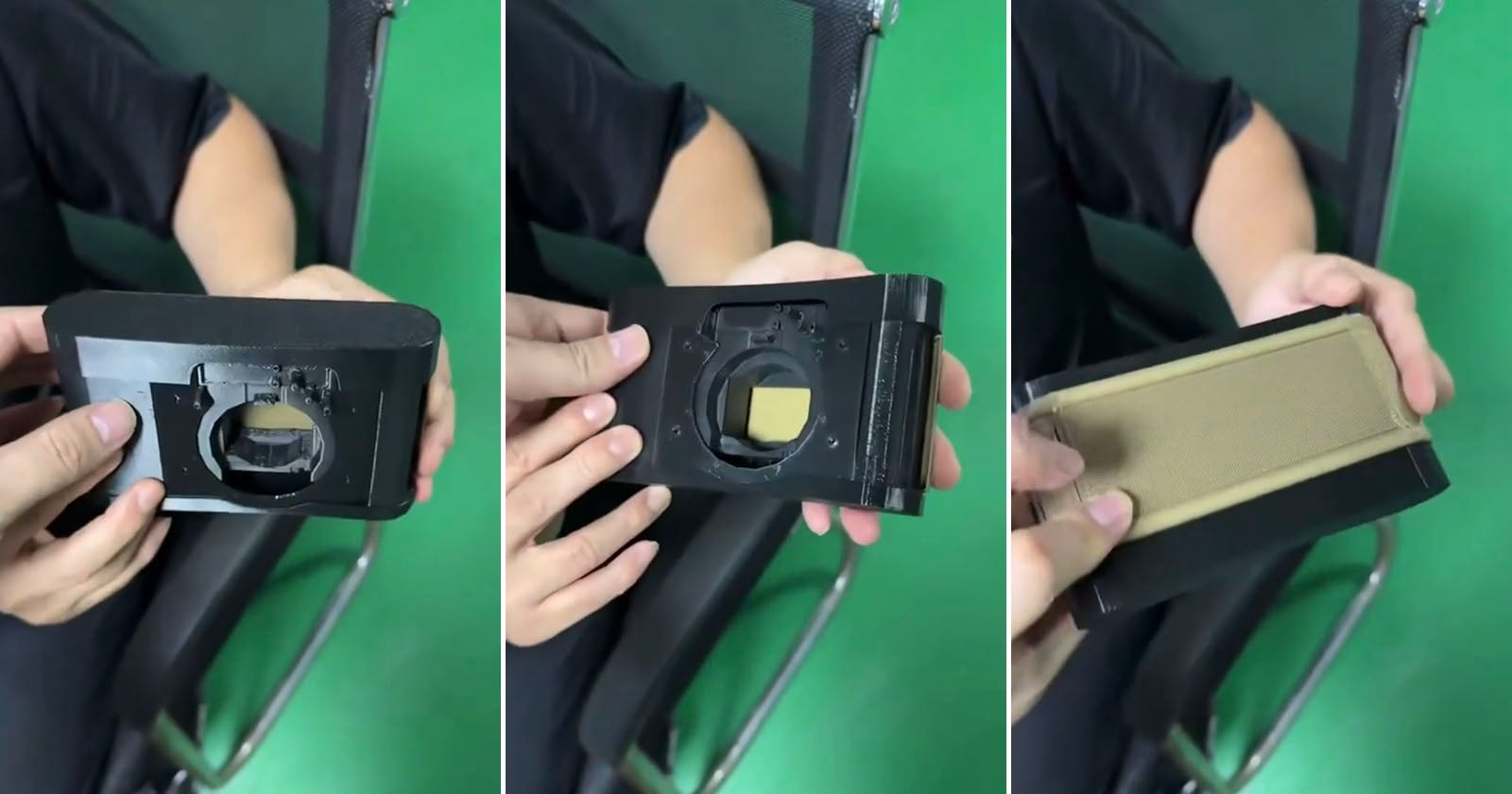
The initial teaser for Light Lens Lab’s new camera, shared via social media, offered a fleeting glimpse of a 3D-printed prototype. This early-stage model showcased a form factor distinctly reminiscent of classic Leica rangefinder cameras – a design choice that is both strategically resonant and aesthetically appealing to LLL’s target demographic. The Leica rangefinder aesthetic, characterized by its compact, robust build, minimalist lines, and ergonomic handling, has long been revered for its functional elegance and timeless appeal. By channeling these vintage vibes, LLL is not just making a design statement but also hinting at the camera’s potential user experience and its likely compatibility with their existing M-mount lens ecosystem. The M-mount standard, a hallmark of Leica’s rangefinder cameras, offers a vast selection of high-quality lenses, both vintage and modern, and LLL’s own M-mount lens lineup would find a natural home on such a body.
The use of 3D printing for the prototype underscores the "extremely early development" phase. 3D printing allows for rapid iteration of designs, quick testing of ergonomic factors, and cost-effective experimentation with internal layouts without committing to expensive tooling. This agile approach to prototyping is crucial for refining the camera’s physical characteristics and internal mechanics before moving to more advanced manufacturing stages.
Crucially, Light Lens Lab has indicated that this camera will incorporate "automatic features" and "new patent-pending technologies." While specific details regarding these innovations remain undisclosed due to their proprietary nature, the inclusion of "automatic features" suggests a departure from purely mechanical, manual-only analog cameras. These could encompass advanced light metering systems, potentially with multiple modes (spot, center-weighted, evaluative), sophisticated electronic shutter controls for greater exposure accuracy, or even assisted film loading and advance mechanisms. The integration of such features would aim to broaden the camera’s appeal beyond purists, making it more accessible and user-friendly for a wider audience, while still preserving the core analog experience.
The "patent-pending technologies" are arguably the most intriguing aspect. In the context of an analog camera, these could range from novel rangefinder mechanisms that improve accuracy or brightness, unique film transport systems that minimize wear or static, innovative shutter designs that enhance reliability or offer new capabilities, or even advanced materials science applications for durability and weight reduction. LLL’s statement that the camera is "not related to any previous project that we worked on, like lenses and are creating something of our own" is significant. It clarifies that this is not merely a rehousing of existing components or a direct recreation of a historical camera, but an original design with fresh engineering solutions, aligning with their "Engineering Tomorrow" philosophy. This commitment to genuine innovation, rather than mere replication, positions LLL as a forward-thinking entity within the analog space.
Navigating the Path to Production: A Multi-Year Endeavor
The timeline provided by Light Lens Lab – a target release window between 2027 and 2030 – vividly illustrates the immense complexity and protracted nature of developing and manufacturing a new film camera from the ground up. This extended timeframe is not unusual for such an ambitious project, particularly for a company embarking on its first camera body. The journey from a 3D-printed prototype to a market-ready product involves a multitude of demanding stages, each fraught with challenges unique to precision engineering and manufacturing.
The initial research and development phase, already underway, involves not just design aesthetics and ergonomics but also fundamental engineering decisions regarding the camera’s mechanical and electronic systems. This includes selecting materials, designing intricate moving parts like the shutter and film transport mechanisms, and integrating the aforementioned automatic features and patent-pending technologies. Each component must be designed for durability, precision, and reliability – qualities that are paramount in a camera intended for long-term use.
Following R&D, extensive prototyping is required. Beyond the initial 3D-printed models, functional prototypes must be built and rigorously tested under various conditions to identify and rectify any design flaws or performance issues. This iterative process of testing, refining, and retesting is critical to ensuring the camera meets LLL’s high standards.
Perhaps the most significant hurdle is the manufacturing phase. Producing a new camera body requires substantial investment in tooling, machinery, and establishing a robust supply chain for specialized components. Many of the manufacturing techniques for precision mechanical cameras are specialized and, in some cases, represent a dwindling pool of expertise. Sourcing high-quality parts, establishing assembly lines, and implementing stringent quality control measures are capital-intensive and time-consuming. Unlike lens production, which focuses on optical elements and mechanical barrels, camera bodies involve a wider array of intricate systems working in concert.
Furthermore, compliance with international manufacturing standards, certifications, and quality assurance protocols adds another layer of complexity. Given LLL’s commitment to quality evident in their lenses, it is expected that they will invest heavily in ensuring their camera meets or exceeds industry benchmarks for reliability and performance. The 2027-2030 timeframe is therefore a realistic projection for a company taking on such a monumental task, reflecting the deep commitment required to bring an original, high-quality analog camera to market in the 21st century. It allows for the meticulous attention to detail and rigorous testing necessary to produce a product worthy of LLL’s growing reputation.
Industry Implications and Market Position
Light Lens Lab’s foray into camera manufacturing carries significant implications for both the company itself and the broader analog photography market. For LLL, it represents a profound transformation, elevating its status from a specialized lens and film developer to a comprehensive provider of analog imaging solutions. This strategic expansion is likely to solidify its brand loyalty, diversify its revenue streams, and reinforce its position as a leading innovator in the analog space. The ability to offer a complete ecosystem, from lens to camera to film, presents a compelling proposition to consumers seeking a unified and high-quality analog experience.
For the analog market, the introduction of a new, original film camera from a respected manufacturer like LLL is a welcome development. The market for new analog cameras has historically been limited, often relying on legacy designs from smaller boutique brands or refurbished vintage models. LLL’s commitment to "new patent-pending technologies" suggests a potential for genuine innovation that could stimulate further development within the sector. This could challenge other manufacturers to push boundaries, leading to a more dynamic and competitive landscape, ultimately benefiting consumers with more choices and potentially more advanced features in analog equipment.
The camera’s aesthetic, reminiscent of a classic Leica rangefinder, combined with LLL’s reputation for high-quality, value-driven M-mount lenses, suggests a positioning that aims to offer a premium experience without the often exorbitant price tag of its historical counterparts. This approach could tap into a segment of the market that desires the classic rangefinder experience but finds current options (new or vintage Leica, or other high-end alternatives) financially out of reach.
The company’s teaser headline, "Recreating Legacy, Engineering Tomorrow," encapsulates its dual strategy perfectly. While their lens business effectively "recreates legacy" by offering modern interpretations of classic optics, their ventures into new film emulsions and an original camera body are definitively "engineering tomorrow." This philosophy positions Light Lens Lab as a bridge between the revered traditions of analog photography and the potential for future innovation within the medium. It’s a testament to their belief in the enduring power and relevance of film in an increasingly digital world. The market reception, though years away, will undoubtedly be watched closely by enthusiasts and industry observers alike, as LLL attempts to carve out a unique and influential niche in the evolving landscape of analog photography. The success of this camera could inspire further investment and innovation, further cementing the analog resurgence as a long-term trend rather than a passing fad.
In conclusion, Light Lens Lab’s announcement of an all-new analog film camera is a bold statement of intent. It underscores the company’s profound commitment to the analog medium and its strategic vision to create a fully integrated photography ecosystem. While the journey to a market release is long and challenging, the prospect of a new, innovative film camera from a company with LLL’s track record of quality and ambition is undeniably exciting for the global photography community. The project signals a vibrant future for analog photography, demonstrating that innovation and dedication continue to breathe new life into a timeless art form.