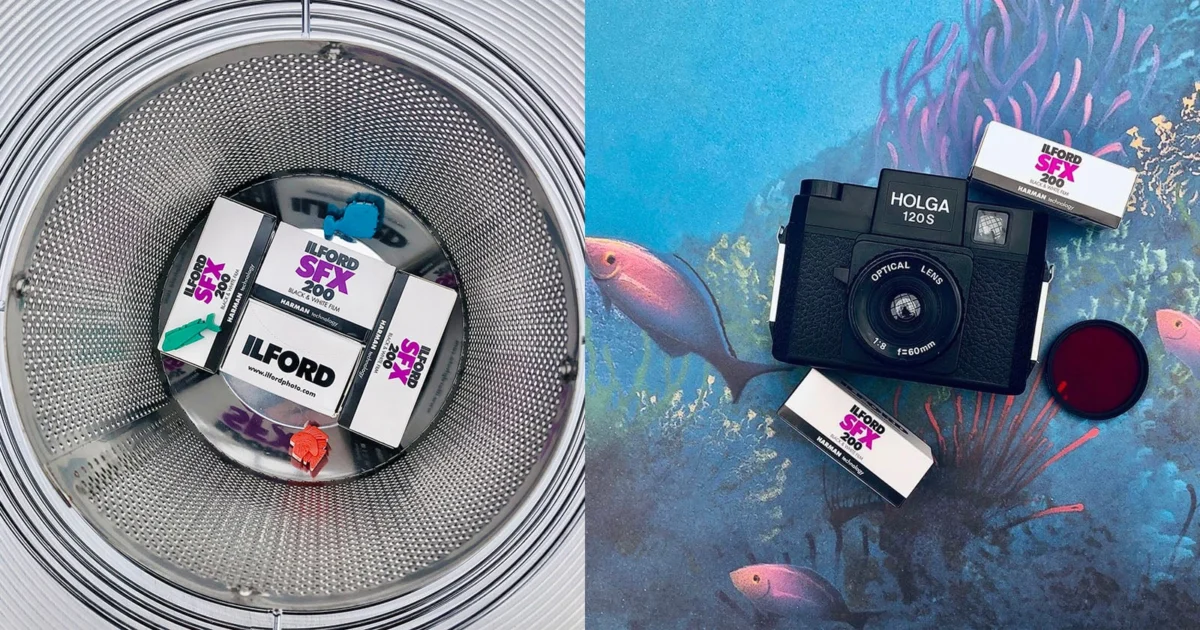
Ilford SFX 200 stands as a testament to the enduring innovation within analog photography, offering a distinctive black-and-white film experience that extends beyond the conventional visible spectrum. This ISO 200 film is not merely panchromatic; it boasts superpanchromatic sensitivity, allowing it to capture light into the near-infrared range. This unique characteristic, particularly when paired with specific red and infrared filters, transforms ordinary scenes into dramatically altered realities, rendering skies ominously dark, foliage luminously ethereal, and portraits strikingly otherworldly.
The Science of Seeing Beyond: Understanding Superpanchromatic Sensitivity
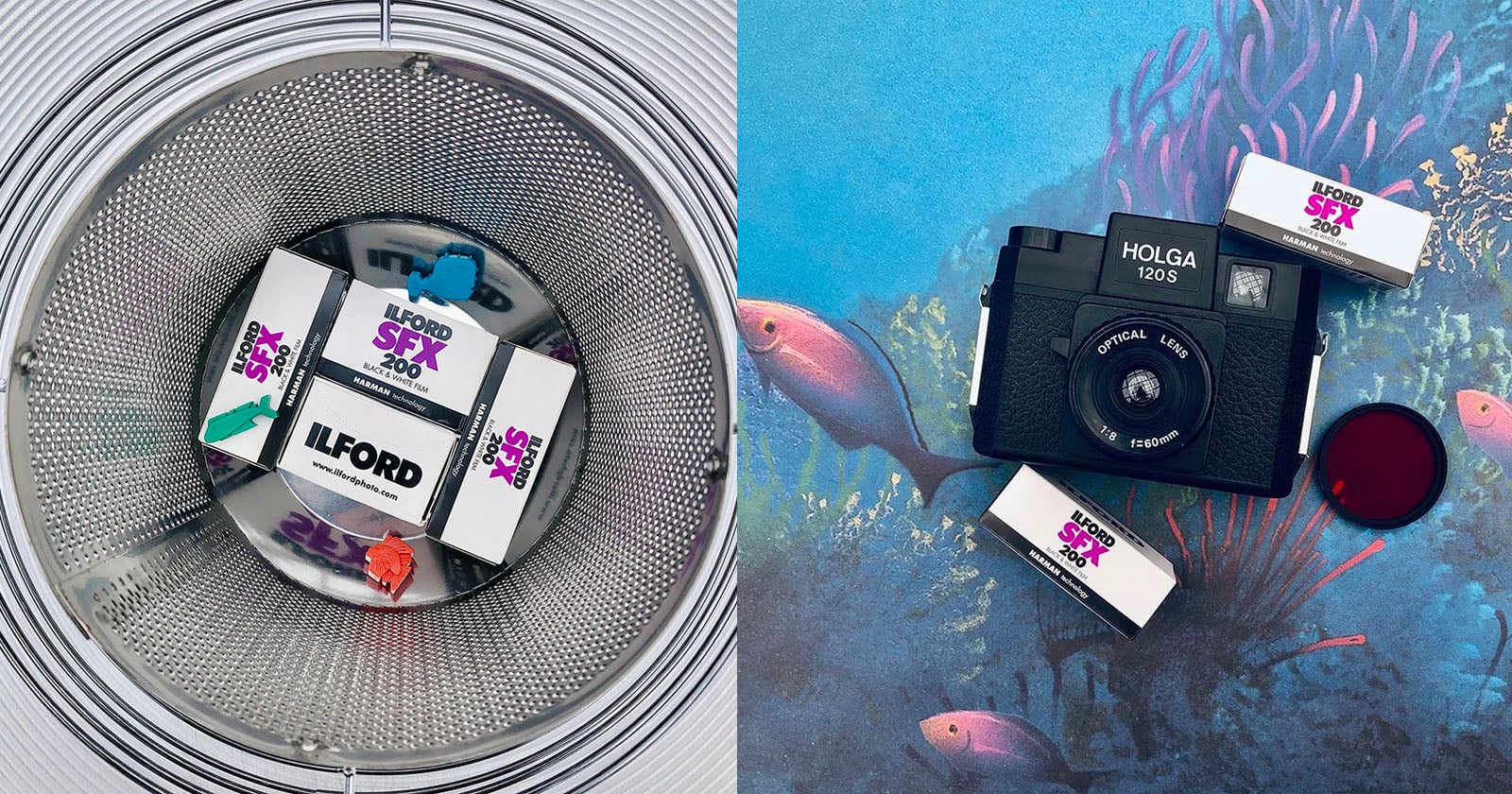
At its core, Ilford SFX 200 is a black-and-white film designed to perceive more than the human eye. Standard panchromatic films are sensitive across the entire visible light spectrum, typically from blue (around 400 nanometers) through green and red (up to approximately 700 nanometers). SFX 200, however, pushes this boundary further, extending its sensitivity into the near-infrared (NIR) portion of the electromagnetic spectrum, reaching wavelengths of approximately 750 nanometers. This makes it a "superpanchromatic" film.
The significance of this extended sensitivity lies in how different elements reflect or absorb infrared light. Chlorophyll in healthy green vegetation, for instance, is a strong reflector of infrared radiation. Water, conversely, tends to absorb it. This differential reflection and absorption are what create the signature effects associated with infrared photography, such as the "Wood Effect" – where green leaves appear bright white, almost glowing. By capturing light that is invisible to the naked eye, SFX 200 provides photographers with a powerful tool to reinterpret landscapes, portraits, and urban scenes with an entirely new visual language.
Historical Context: Ilford’s Legacy and SFX’s Resurrection
Ilford Photo, a British manufacturer with a rich history dating back to 1879, has been a cornerstone of photographic materials for over a century. Known for its extensive range of black-and-white films, papers, and chemicals, Ilford has consistently adapted to the evolving photographic landscape while maintaining a strong commitment to analog processes. The introduction of SFX film (exact initial launch date varies in historical accounts but places it firmly in the late 20th century) was part of Ilford’s broader offering of specialized films designed for creative exploration.
However, the early 2000s presented significant financial challenges for many photographic companies, including Ilford. During a period of corporate restructuring and financial uncertainty, Ilford SFX was, for a short time, discontinued. This momentary absence from the market underscored its niche but dedicated following. Its subsequent return, post-restructuring, earned it the affectionate moniker "zombie film" among enthusiasts, symbolizing its resilience and the company’s commitment to its diverse product line. This revival was a clear signal of Ilford’s belief in the enduring value of specialized films for the artistic community, even as digital photography gained dominance. Today, SFX 200 is readily available in both 35mm and 120 formats, catering to a wide range of film cameras and photographic styles.
Unlocking Dramatic Effects: The Power of Filtration
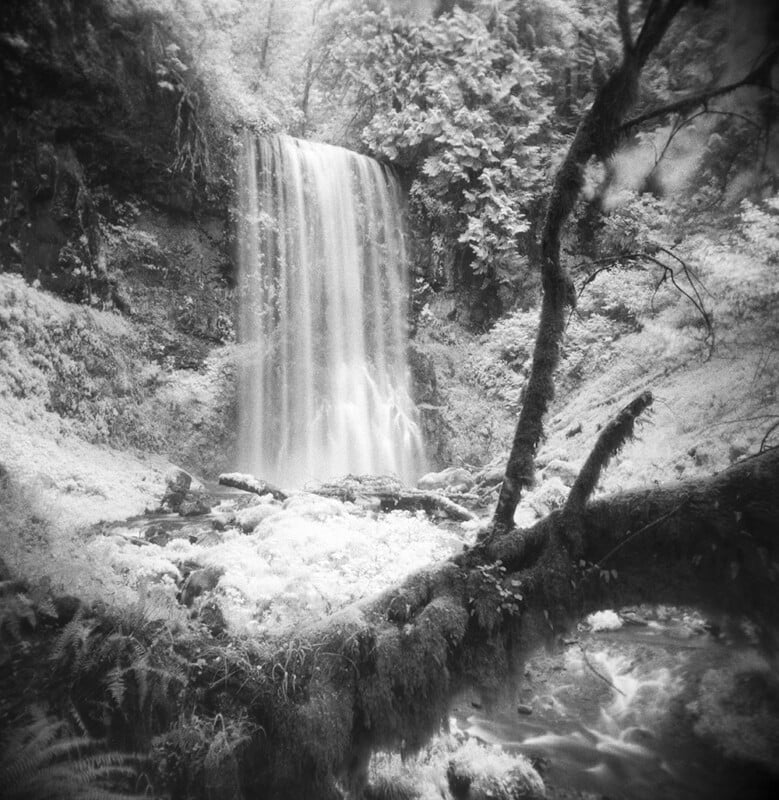
While SFX 200 can be shot like any other black-and-white film, yielding expected tonal ranges, its true creative potential is unleashed through the strategic use of optical filters. These filters manipulate the light reaching the film, emphasizing its unique near-infrared sensitivity.
-
The Accessible Red 25 Filter:
The Red 25 filter is often the gateway for photographers exploring SFX 200’s infrared capabilities. This filter effectively blocks blue and green light, allowing primarily red and near-infrared wavelengths to pass through to the film. The visual impact is immediate and striking: blue skies deepen dramatically, often appearing nearly black, while clouds stand out with enhanced contrast. Green foliage begins to exhibit the initial signs of the "Wood Effect," appearing brighter than normal, though not yet fully luminous.From a practical standpoint, the Red 25 filter is highly user-friendly. It is widely available and generally more affordable than specialized infrared filters. Crucially, it only requires an exposure compensation of approximately 2.5 stops, making metering and exposure calculations relatively straightforward. Furthermore, the filter retains enough visible light transmission for photographers to comfortably compose, focus, and meter through the viewfinder of most cameras, simplifying the shooting process considerably. Its versatility also extends to standard panchromatic black-and-white films, where it can be used to increase contrast and tonal separation, making it a valuable addition to any film photographer’s kit.
-
Exploring Deeper Reds: The Red 29 Filter:
For those seeking a slightly more intense red filtration, the Red 29 filter offers a subtle yet noticeable progression from the Red 25. This filter blocks an even greater portion of the visible red spectrum, allowing a purer band of near-infrared and deeper red light to reach the film. The resulting images exhibit slightly more pronounced infrared characteristics – skies may appear darker, and the Wood Effect on foliage becomes more apparent.Technically, the Red 29 typically requires about an extra half-stop of exposure compensation compared to the Red 25. While the differences in outcome are not as dramatic as the leap to a true infrared filter, it provides a nuanced option for photographers looking to fine-tune their aesthetic. However, its availability might be less common than the ubiquitous Red 25, making it a less critical acquisition for initial experimentation.
-
Stepping into the Invisible: The R72 Infrared Filter:
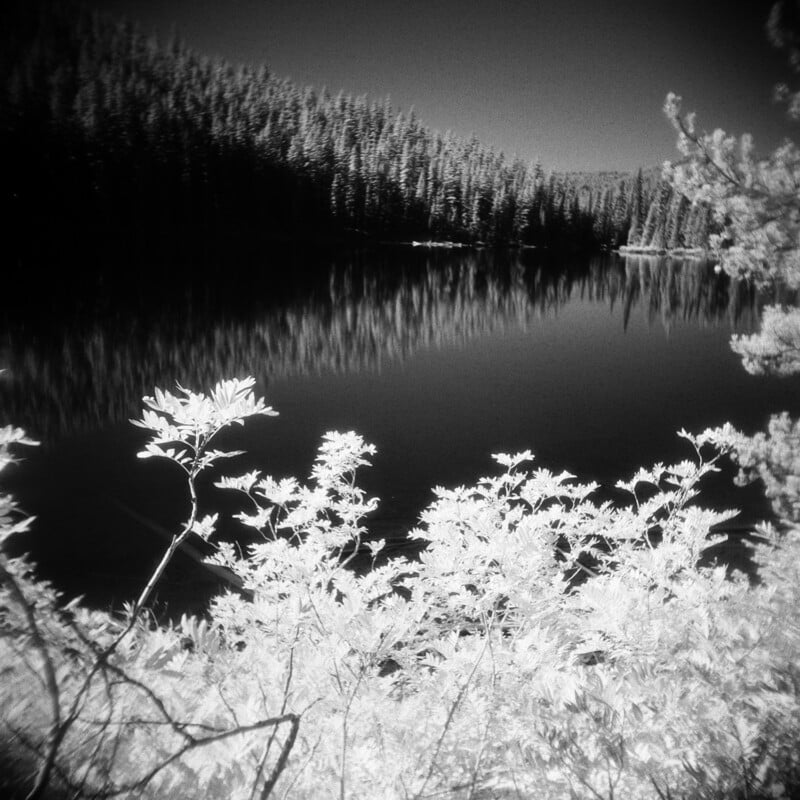
For the most profound infrared effects, the R72 filter is the definitive choice for Ilford SFX 200. This specialized filter is designed to block nearly all visible light, allowing only wavelengths above approximately 720 nanometers to pass through. This effectively isolates the near-infrared spectrum, forcing the film to capture a world largely unseen by the human eye.
The aesthetic impact of the R72 filter is transformative. Landscapes become surreal: lush green trees and grasses glow with an intense, almost snow-like white, a striking manifestation of the "Wood Effect." Skies become intensely dark, often appearing black, creating a dramatic backdrop for bright clouds. Water bodies, absorbing infrared, render as dark, glassy surfaces. In portraiture, skin tones take on an ethereal, alabaster quality, while eyes appear deep and dark, yielding hauntingly beautiful results.
However, achieving these effects with an R72 filter introduces several technical challenges:
- Exposure: The R72 filter effectively blinds most in-camera TTL (Through-The-Lens) meters, as they are calibrated for visible light. Photographers must resort to external metering or meter without the filter attached, then apply significant exposure compensation. A common starting point involves bracketing exposures at +6 to +8 stops over the metered value, recognizing that infrared light intensity can vary greatly depending on ambient conditions and subject matter. The +6 stop exposure often yields excellent results, but the wider bracket provides a crucial insurance policy.
- Focusing: Infrared light focuses at a slightly different plane than visible light. This phenomenon, known as "IR focus shift," means that if you focus normally, your infrared image might be slightly out of focus. Many older lenses feature small red infrared marks on their focusing barrels, indicating where to adjust focus for IR photography. For lenses without these marks, stopping down to smaller apertures (e.g., f/8 or f/11) can help compensate by increasing the depth of field.
- Composition: Due to the R72 filter’s extreme opacity, it is virtually impossible to see through it once attached to the lens. This necessitates composing and framing the shot before mounting the filter, often requiring the use of a tripod for stability and precision.
While SFX 200 is classified as "near-infrared" film, the R72 filter effectively pushes it to perform as close to a "true" infrared film as any commercially available product today, debunking any misconception that "near-infrared" implies a lesser or incomplete infrared effect.

Beyond Infrared: SFX’s Inherent Character
Beyond its infrared capabilities, Ilford SFX 200 possesses inherent characteristics that contribute to its unique photographic signature, even when used without specialized filtration.
- Grain Profile: SFX 200 is notably grainy for an ISO 200 film. Its grain structure is more pronounced than many ISO 400 films, often described as having a gritty texture. This characteristic is a double-edged sword, appreciated by those who embrace the raw, tactile aesthetic of film grain, and potentially a deterrent for photographers who prioritize smooth, fine-grained images. For lovers of grit and texture, this grain adds another layer of character to SFX’s output, contributing to its dramatic appeal.
- Inherent Contrast: Even without filters, SFX 200 delivers strong contrast. This inherent "punch" means images have deep blacks and bright whites, providing a solid foundation for impactful black-and-white photography. When combined with red or infrared filters, this native contrast is amplified further, contributing to the intensely dramatic results for which the film is celebrated.
Creative Applications and Artistic Vision
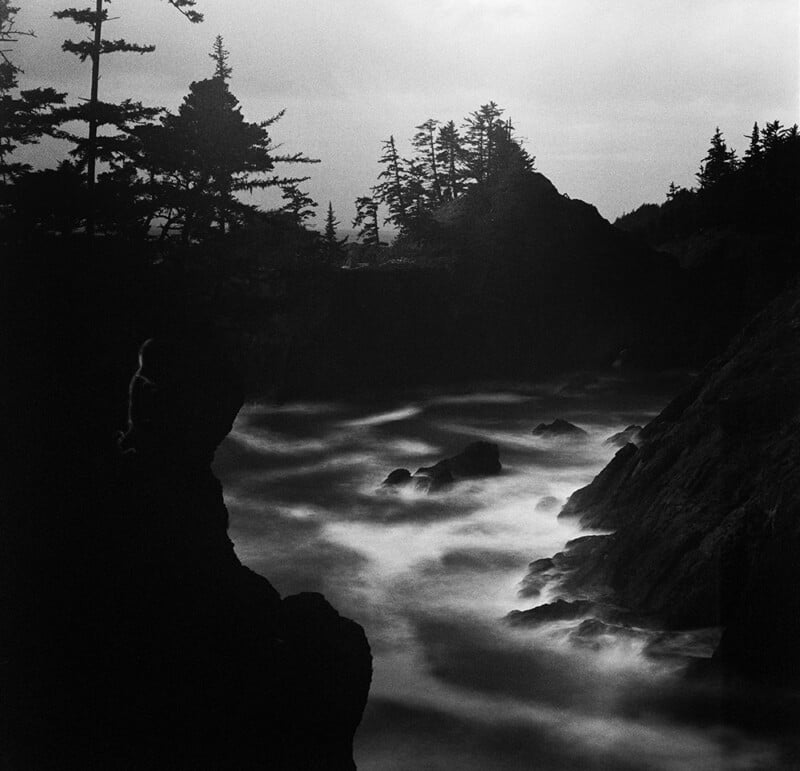
Ilford SFX 200 is a favorite among experimental and fine-art photographers precisely because it offers a distinct departure from conventional realism. It encourages photographers to see the world through a new lens, quite literally.
In landscapes, SFX can transform a sunny day into a brooding, atmospheric scene. The juxtaposition of intensely dark skies against glowing white foliage creates an almost otherworldly, fantastical quality. For architectural photography, it can emphasize textures and forms by altering the way light interacts with surfaces. In portraiture, the ethereal skin tones and piercingly dark eyes evoke a sense of mystery and introspection, making subjects appear almost sculpted from light. The film’s ability to render familiar elements in an unfamiliar way makes it an exceptional tool for artistic expression, allowing for interpretations that are both evocative and thought-provoking.
Implications for Contemporary Film Photography
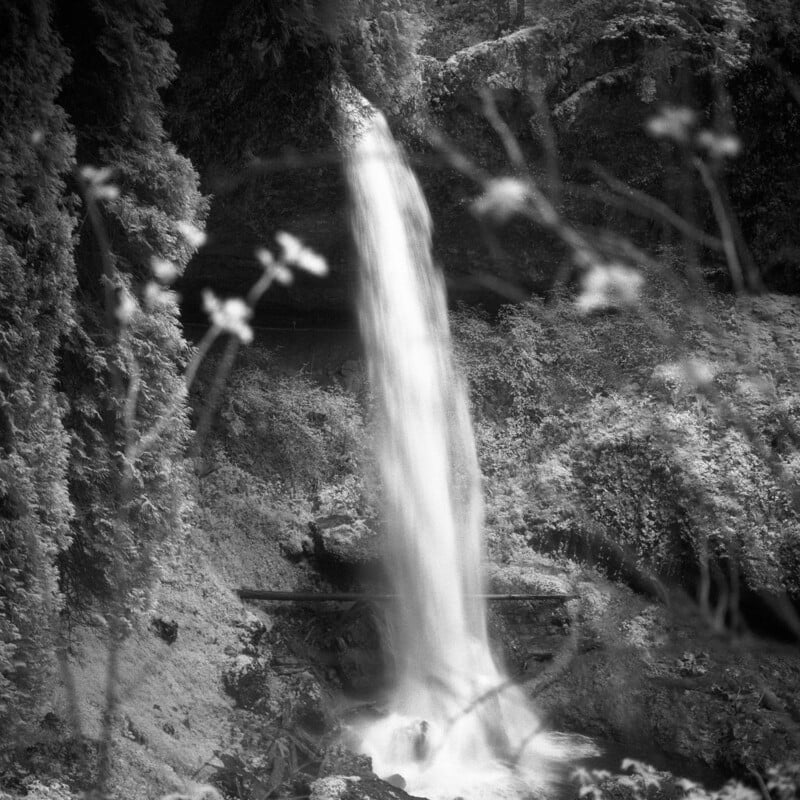
In an era dominated by digital imaging, the continued production and popularity of films like Ilford SFX 200 highlight a vibrant and resilient analog community. SFX 200 caters to a growing segment of photographers who seek tactile experiences, unique aesthetics, and the deliberate process that film photography demands. Its specialized nature makes it a valuable asset for those pushing the boundaries of traditional photography, confirming Ilford’s role not just as a manufacturer, but as a preserver and enabler of diverse photographic artistry.
For photographers looking to inject a distinctive, often surreal, quality into their black-and-white work, Ilford SFX 200 offers an unparalleled opportunity. Its blend of superpanchromatic sensitivity, dramatic filtration potential, and inherent character makes it a captivating film to explore. The initial experimentation, particularly with infrared filters, may require some trial and error in exposure and focus, but the rewards—a unique vision of the world rendered in striking monochrome—are well worth the effort.
Ilford SFX 200 is more than just a film; it’s an invitation to perceive light and shadow in a way few other mediums allow, consistently demonstrating that analog photography continues to offer avenues for profound creative expression.
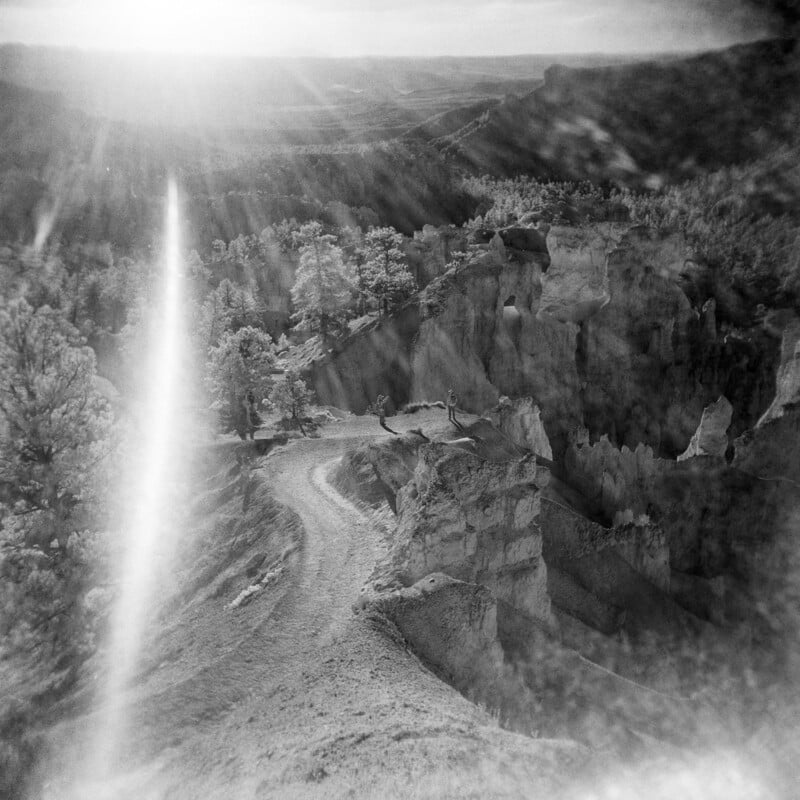
Image credits: All photos are individually credited and provided courtesy of Blue Moon Camera and Machine.
Affiliate Disclosure: PetaPixel articles may include affiliate links; we may earn a commission if you buy through one.