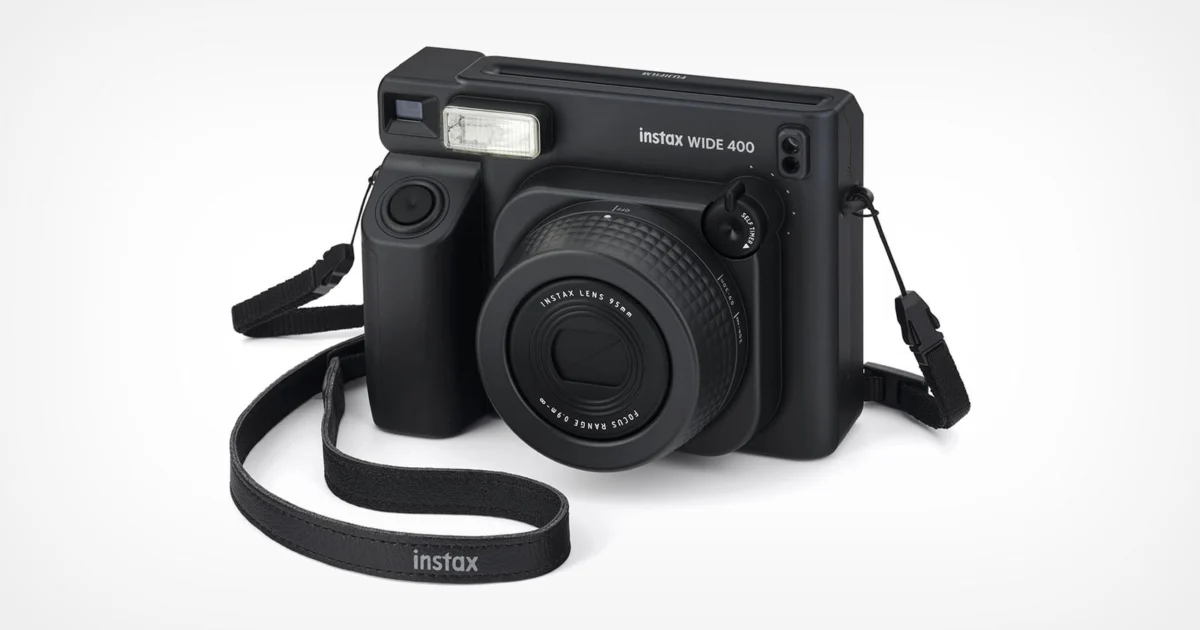
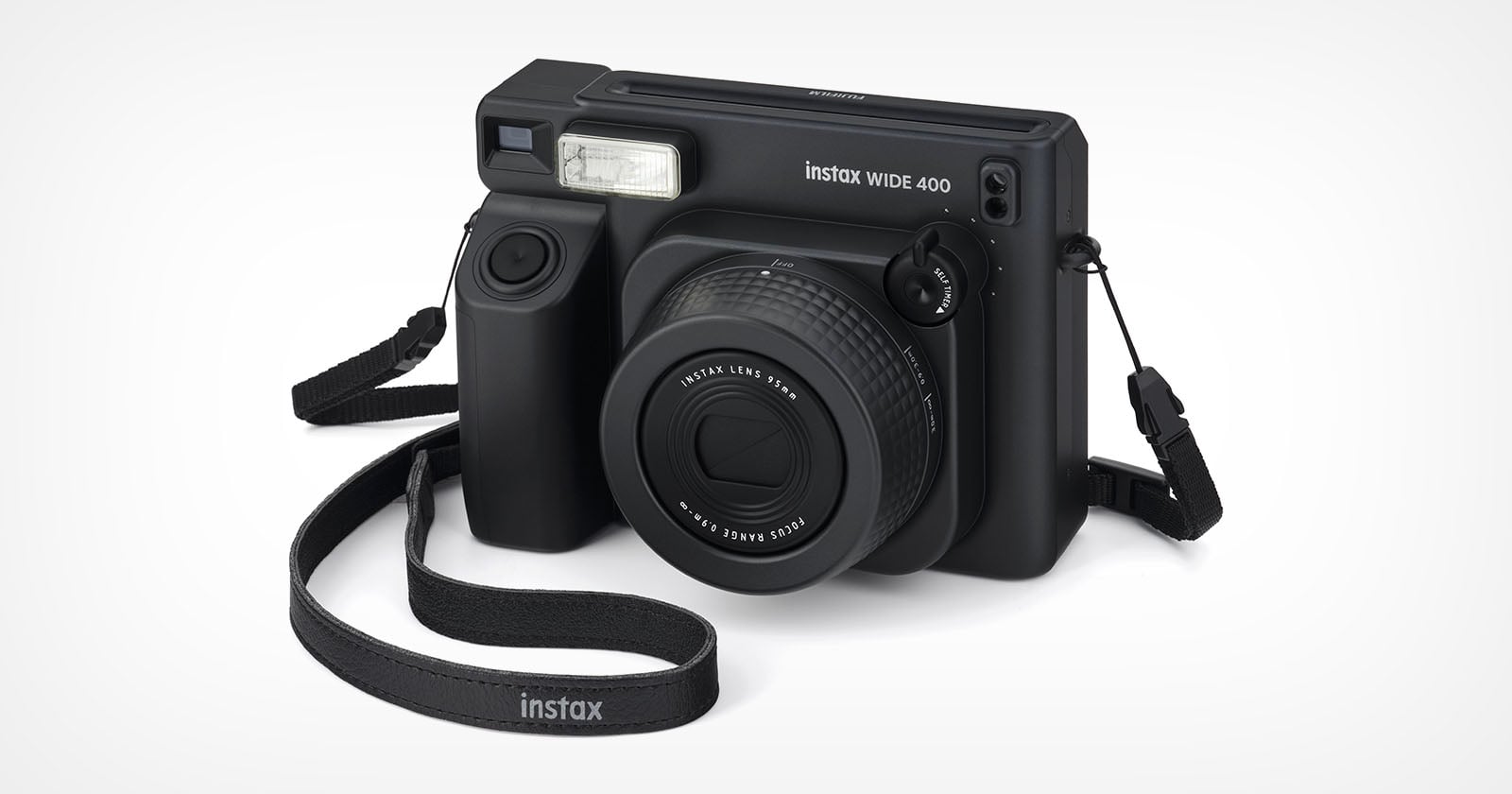
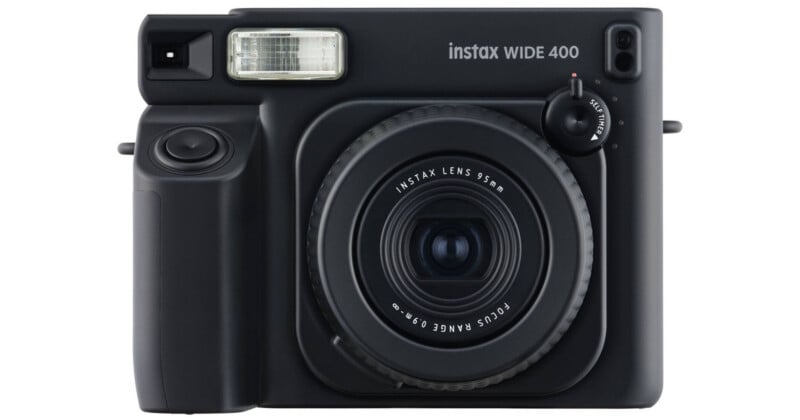
Fujifilm has announced the imminent release of its Instax Wide 400 instant camera in a new "jet black" colorway, offering consumers a more refined and versatile aesthetic option compared to the original sage green model. This latest addition to the popular Instax family is scheduled to become available for pre-order immediately, with shipments commencing on March 31, 2026, priced at $174.95, mirroring the cost of its existing counterpart. The introduction of this sleek, dark variant comes nearly two years after the initial launch of the Instax Wide 400 in June 2024, signaling Fujifilm’s continued investment and strategic expansion within its highly successful instant photography division.
Chronology of Instax Wide 400 and Recent Instax Innovations
The Instax Wide 400 initially debuted in June 2024, presenting itself as an accessible entry point into Fujifilm’s larger format instant film system. Designed for simplicity and ease of use, it aimed to broaden the appeal of wide-format instant prints to a wider audience, including casual photographers and those seeking a straightforward, tangible output. The choice of sage green for its inaugural color imparted a playful, somewhat retro charm, catering to a specific segment of the market.
Fujifilm’s commitment to the instant photography segment, often referred to as a "cash cow" due to its consistent profitability, has been evident through a series of product launches and updates. The unveiling of the jet black Instax Wide 400 follows closely on the heels of another significant announcement: the refreshed Instax Mini 13 camera in March 2026. This rapid succession of product introductions underscores Fujifilm’s aggressive strategy to maintain its market leadership and capitalize on the enduring global demand for instant cameras and film. The company’s financial reports consistently highlight the robust performance of its Imaging Solutions segment, largely driven by the Instax brand, which continues to post record revenues and profits. This robust financial health provides the impetus for ongoing product development and diversification, such as the introduction of new colorways and updated models.
Technical Specifications and User Experience
Functionally, the jet black Instax Wide 400 is identical to its sage green predecessor. It operates exclusively with Fujifilm’s Instax Wide format film, which produces prints measuring 3.4 by 4.25 inches. This larger print size distinguishes it from the more common Instax Mini (2.1 x 3.4 inches) and Instax Square (2.4 x 2.4 inches) formats, making it particularly suitable for capturing expansive landscapes, large group portraits, or detailed scenes where a broader field of view is desired.
At the core of the camera’s optical system is a built-in, retractable 95mm f/14 lens. This fixed focal length lens provides a field of view roughly equivalent to a 35mm lens on a full-frame camera, offering a versatile perspective suitable for a wide array of photographic subjects, from environmental portraits to street scenes. The f/14 aperture, while relatively narrow, is characteristic of instant cameras, designed to ensure sufficient depth of field for general-purpose photography without requiring complex manual focus adjustments. The camera employs an automatic exposure control system, simplifying the shooting process by dynamically adjusting shutter speed and flash output to achieve optimal exposure in various lighting conditions. A built-in flash further enhances its usability in low-light environments, ensuring consistent illumination. The design philosophy behind the Instax Wide 400 emphasizes an intuitive and straightforward user experience, making it highly appealing to beginners and those who prioritize spontaneous capture over intricate manual control.
The Strategic Importance of the ‘Jet Black’ Colorway
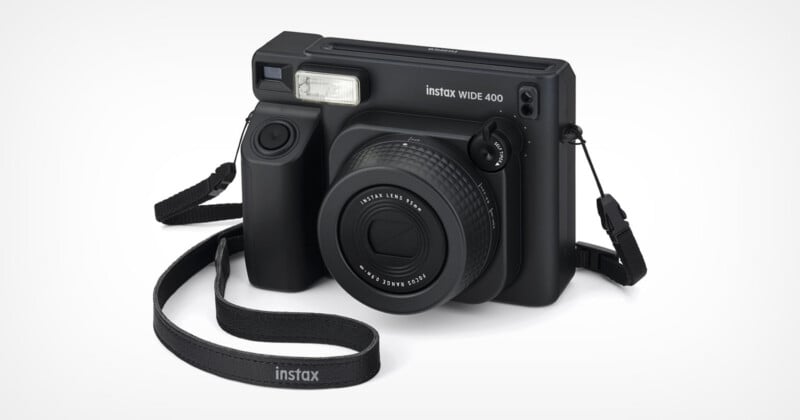
The introduction of the "jet black" colorway for the Instax Wide 400 represents a deliberate strategic move by Fujifilm to broaden the camera’s appeal and enhance its perceived sophistication. Fujifilm’s official statement elaborates on this design choice: "Featuring a matte finish with a deep, rich black tone, ‘Jet Black’ conveys a calm and refined impression. This sophisticated matte black color suits a wide range of situations, from casual scenes such as outdoor activities to urban snapshot photography and formal occasions including weddings and parties."
This statement highlights the company’s understanding of consumer psychology and market segmentation. While the initial sage green offered a vibrant, playful, and somewhat nostalgic aesthetic, the jet black variant caters to a demographic seeking a more understated, elegant, and "grown-up" option. In a market often saturated with bright, youthful color palettes for instant cameras, a classic black finish can resonate with users who prefer a timeless design that integrates seamlessly into various personal styles and environments. This allows the Instax Wide 400 to transcend its perception as merely a recreational gadget, positioning it as a stylish accessory suitable for more formal events or as a discreet tool for street photography. This diversification in aesthetic options is crucial for attracting a broader customer base, from fashion-conscious millennials to event photographers, thereby extending the product’s lifecycle and market reach.
Insights from Product Reviews and User Feedback
When PetaPixel reviewed the Instax Wide 400 in August 2024, prominent photography critic Chris Niccolls provided valuable insights into the camera’s performance and design. Niccolls lauded the camera’s "fit and finish," noting that despite its "chunky" form factor, it felt robust and well-constructed, exuding a sense of quality craftsmanship. This assessment reinforces Fujifilm’s reputation for producing durable and aesthetically pleasing devices, even in its more entry-level offerings. The tactile experience and perceived build quality are significant factors for consumers, contributing to the overall satisfaction with a product.
However, the review also pointed out certain aspects that, while inherent to the camera’s design philosophy, could be considered limitations depending on user expectations. Niccolls specifically "dinged" the camera for its "lackluster optical viewfinder." Optical viewfinders on instant cameras, particularly those designed for simplicity, often offer a less-than-precise framing experience due to parallax error and a generally small, dark view. For casual users, this might be a minor inconvenience, but for those accustomed to more advanced camera systems, it can impact compositional accuracy.
Furthermore, the review highlighted the "relative lack of manual control," acknowledging that this could be perceived as either a positive or a negative. For beginners, the automatic nature of the Instax Wide 400 is a major advantage, removing the complexities of exposure settings and allowing for spontaneous point-and-shoot photography. This aligns perfectly with the camera’s design as an accessible, beginner-friendly device. Conversely, experienced photographers seeking creative control over aperture, shutter speed, or focus will find these limitations restrictive. This design choice is a clear indication of Fujifilm’s target audience for the Wide 400: those who prioritize immediate gratification and simplicity over intricate photographic adjustments. The new jet black color, however, might attract a subset of more experienced users who appreciate the wide format but desire a more serious-looking camera.
The Enduring Appeal of Instant Photography in the Digital Age
The sustained success of the Instax line, and instant photography in general, presents a fascinating paradox in an era dominated by digital imaging and smartphone cameras. While digital platforms offer unparalleled convenience, storage capacity, and editing capabilities, instant photography taps into a distinct desire for tangible, physical artifacts. The immediate gratification of watching a print develop, the unique chemical aesthetic of instant film, and the physical act of sharing a print create a nostalgic and emotionally resonant experience that digital images often cannot replicate.
Fujifilm shrewdly entered the instant photography market in the late 1990s, capitalizing on the decline of Polaroid and innovating with its own proprietary Instax film format. The company has since built a formidable ecosystem of cameras, films, and accessories, carefully segmenting its market with Mini, Square, and Wide formats to cater to diverse consumer preferences. The "cash cow" status of Instax for Fujifilm is a testament to the brand’s ability to carve out a significant niche and maintain consistent growth, even as other segments of the traditional photography market have faced challenges. Instax’s global market share in the instant camera segment is substantial, driven by strong sales in Asia, Europe, and North America.
Competitors such as the revived Polaroid brand and Lomography also contribute to the instant photography landscape, each offering unique aesthetics and functionalities. However, Fujifilm’s Instax series, particularly its Mini and Wide formats, have consistently outperformed rivals in terms of sales volume and accessibility, largely due to a combination of effective marketing, diverse product offerings, and a robust distribution network.
Pricing, Availability, and Complementary Accessories
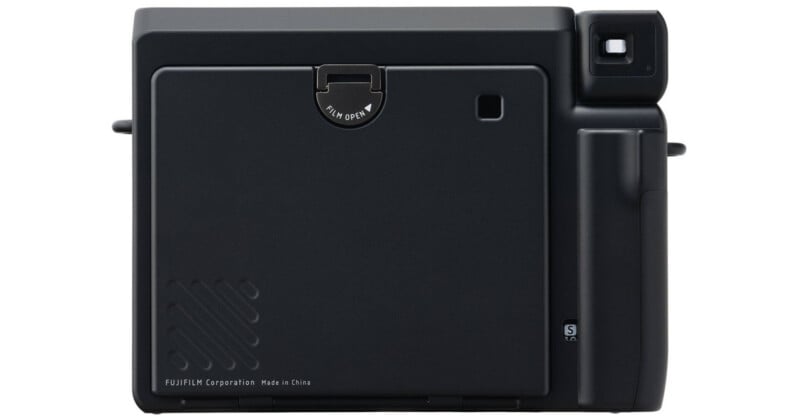
The Fujifilm Instax Wide 400 Jet Black is now available for preorder at a price point of $174.95, consistent with the sage green model. This pricing strategy ensures that the new colorway does not introduce a premium, making the aesthetic choice purely a matter of preference for the consumer. Fujifilm is also launching a new matching black case, available for $22.50. This accessory not only provides protection for the camera but also enhances its portability and stylistic coherence, reinforcing the sophisticated image of the jet black model. Both the camera and the matching case are scheduled to begin shipping on March 31, 2026. This coordinated release allows consumers to immediately pair their new camera with a suitable accessory, further enhancing the overall user experience.
Broader Implications and Future Outlook
The introduction of the jet black Instax Wide 400 is more than just a cosmetic update; it reflects Fujifilm’s nuanced understanding of its market and its strategic approach to maintaining growth. By offering a colorway that exudes elegance and versatility, Fujifilm aims to expand the demographic appeal of the Wide 400, potentially attracting consumers who previously overlooked the sage green version due to its more casual aesthetic. This move could see the camera adopted in more professional or semi-professional contexts, such as event photography, where a sleek, unobtrusive design is often preferred.
Looking ahead, Fujifilm’s continued innovation in the Instax line suggests a robust future for instant photography. While the core technology of instant film remains largely consistent, the company consistently explores new camera designs, features, and connectivity options (such as hybrid instant cameras that incorporate digital elements). The success of the Instax Wide 400, bolstered by this new color option, solidifies Fujifilm’s position as a dominant force in this unique segment of the imaging industry. As consumers increasingly seek tangible connections in a digital world, the immediate, shareable, and aesthetically distinct prints produced by Instax cameras like the Wide 400 are poised to retain their allure, ensuring that instant photography remains a vibrant and profitable cornerstone of Fujifilm’s portfolio for years to come.