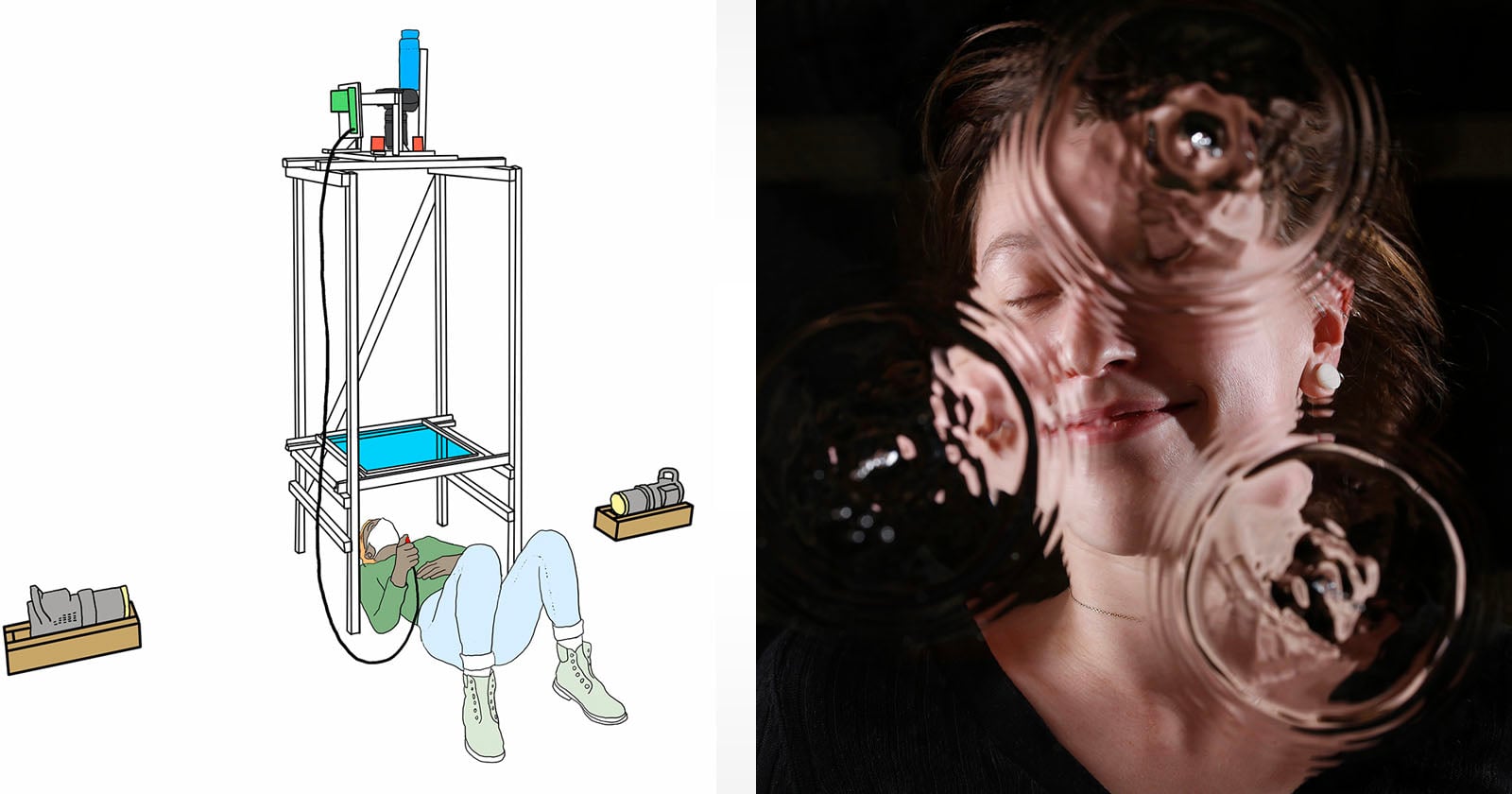
A groundbreaking photographic project, stemming from years of dedicated experimentation in water-drop imaging, has unveiled a unique method for capturing portraits through the mesmerizing distortions of water ripples. This innovative approach, developed within an academic setting, offers photographers a sophisticated yet accessible pathway to create striking and unusual images, merging the technical precision of high-speed photography with the spontaneous artistry of fluid dynamics. The technique, which places the photographic subject beneath a shallow, transparent water tank, utilizes controlled water drips or manual ripple generation to refract and distort facial features, resulting in surreal and captivating visual narratives.
The Genesis of a Vision: From Droplets to Dynamic Portraits
The conceptualization of this distinctive portraiture style emerged from extensive prior work in water-drop photography. Researchers and students, accustomed to meticulously documenting the fleeting dance of water droplets, began to explore the potential for integrating these transient liquid phenomena with human subjects. The fundamental question driving the project was whether combining the intricate patterns formed by water drops with traditional portraiture could yield truly novel and compelling photographic outcomes. This inquiry marked a pivotal shift from purely scientific observation to artistic application, pushing the boundaries of conventional portrait photography.
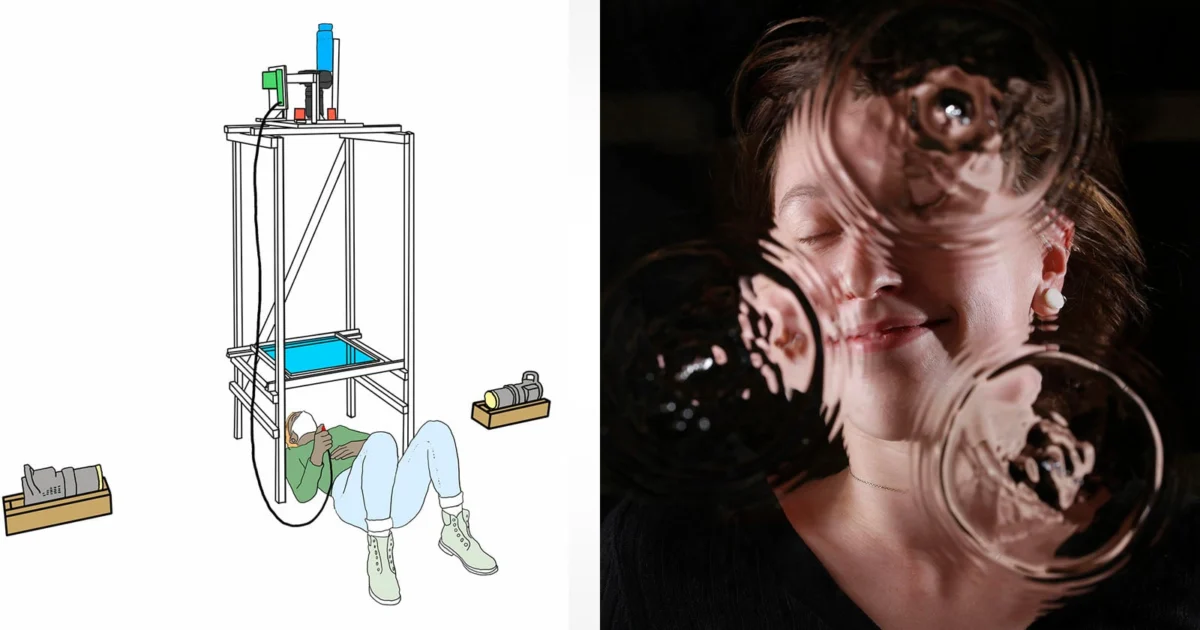
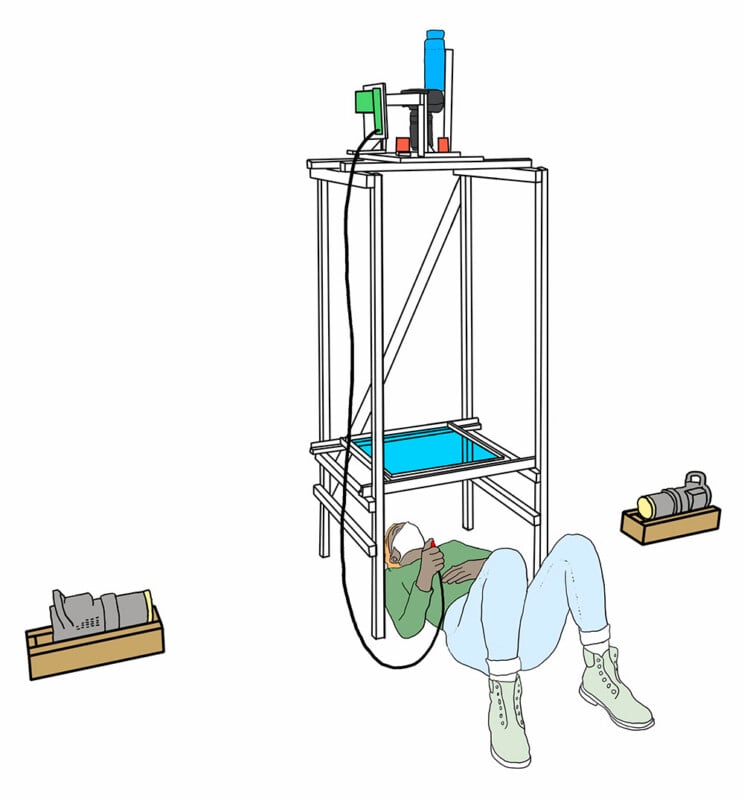
Initial experimentation focused on devising a safe and stable environment for the photographic setup. A primary concern was the secure placement of a water-filled tank directly above a human model. The solution involved constructing a shallow, transparent water tank using readily available materials. An aluminum picture frame, typically used for displaying artwork, was repurposed by replacing its backing with a sheet of clear glass. A robust bead of RTV aquarium adhesive was then applied around the edges of the glass, creating a watertight seal capable of containing approximately one centimeter of water. This shallow depth was crucial; it minimized the structural stress on the adhesive while providing sufficient liquid volume for ripple generation. The completed frame was then meticulously placed on a sturdy wooden support structure, engineered to eliminate any possibility of the tank compromising the model’s safety, a paramount consideration throughout the experimental phase.
Engineering the Vision: Technical Specifications and Setup
The core of this advanced water ripple portraiture system lies in its meticulous engineering and synchronization. The setup is divided into several key components, each playing a critical role in orchestrating the precise moment of capture.
The Water Tank and Subject Positioning:
As detailed, the custom-built water tank is a cornerstone of the project. Its design emphasizes both functionality and safety. The model lies on the floor, directly beneath this transparent container. This inverted positioning allows the camera, typically mounted above the tank, to capture the model’s face through the water and its dynamic surface. The clear glass base of the tank ensures unobstructed optical clarity, while the shallow water depth facilitates rapid ripple dissipation and minimal water volume, simplifying setup and cleanup.
The Controlled Drip System:
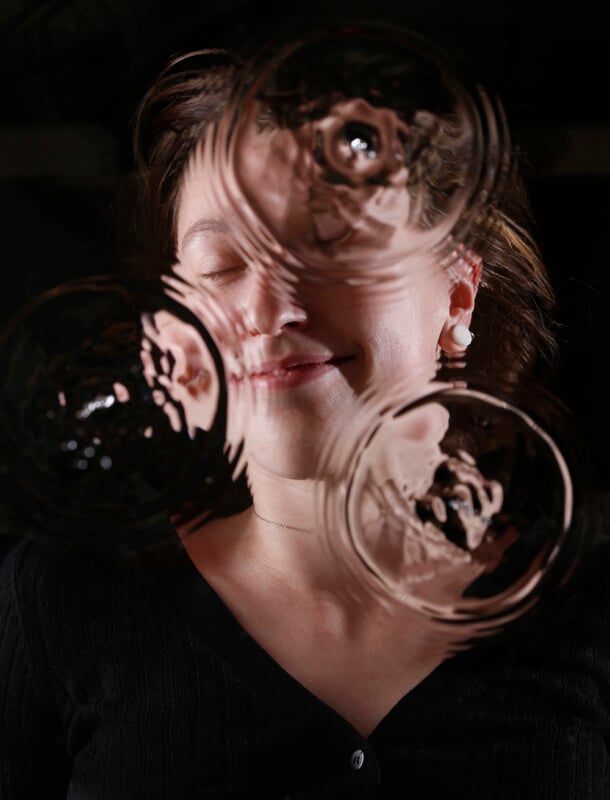
For the most precise and repeatable effects, the project utilizes a sophisticated water-drop system. This system is distinguished by its integration of multiple drip valves, typically three, each independently controllable. This independent control offers immense creative flexibility, allowing the photographer to activate specific drippers, sequence their drops, or even achieve multi-drip impacts. The ability to move the drippers spatially further enhances the range of distortion patterns achievable, from tightly focused concentric circles to broader, overlapping wave formations. This level of granular control over the water dynamics is a hallmark of the technique’s sophistication.
Synchronization and Timing Precision:
Capturing the ephemeral beauty of water ripples requires exacting synchronization between the water drop’s impact and the camera’s flash. Once the water-drop system is triggered, a programmable delay unit comes into play. This crucial component allows for microsecond adjustments, dictating the precise moment the flash fires relative to the water drop’s strike. By manipulating this delay, photographers can freeze various stages of the water’s interaction: from the initial, barely perceptible impact point, through the dramatic eruption of a fully developed splash, to the graceful expansion of ripples across the surface. This mastery over timing is fundamental to achieving the desired aesthetic effect, allowing for a diverse portfolio of images from a single setup. Previous detailed articles by the project creator have extensively documented the construction and timing mechanisms of such high-speed water-drop flash systems, underscoring the technical depth underpinning this creative endeavor.
Lighting and Exposure Considerations:
Illumination for this project typically involves two Profoto flash units, strategically placed on the floor beneath the water tank and aimed upward toward the model. This bottom-up lighting scheme enhances the dimensionality of the ripples and highlights the contours of the distorted face. Due to the relatively slow motion of water compared to other high-speed phenomena (like bullet impacts), most electronic flash units are capable of freezing the motion effectively. Furthermore, even faster shutter speeds available on modern cameras can often achieve sufficient motion freezing without sole reliance on flash duration, offering additional flexibility in exposure control. The choice of Profoto units, known for their consistent output and rapid recycle times, supports continuous shooting and experimentation within a session.
The Human Element: Subject-Controlled Artistry and Pedagogical Value
One of the most innovative aspects of this portraiture method is the empowerment of the subject. In many instances, the model is given direct control over triggering the water-drop system, effectively becoming an active participant in the creation of their own portrait. This dynamic shifts the traditional power balance in portrait photography, transforming the model from a passive subject into an engaged collaborator. This co-creative process fosters a unique connection between the subject and the resulting image, imbuing the portraits with a deeper sense of personal expression and ownership.
The project’s academic origins underscore its significant pedagogical value. Students engaging with this setup consistently demonstrate profound fascination, often capturing hundreds of images—over 500 in a single session—as they explore the myriad possibilities of water-induced distortion. This hands-on experience serves as an exceptional practical exercise for developing critical photographic skills. It demands not only precise control over a complex physical event (the water drops and ripples) but also the subsequent mastery of camera and flash settings to capture that fleeting moment. Students learn about light, timing, composition, and the unpredictable beauty of natural phenomena, all within a controlled experimental framework. It cultivates an understanding of the interplay between scientific principles and artistic output, making abstract concepts tangible and exciting. The high volume of images produced also facilitates rapid learning through iterative feedback, allowing students to immediately see the impact of their adjustments in delay, drip pattern, or lighting.
Simplicity Meets Serendipity: The Manual Ripple Method
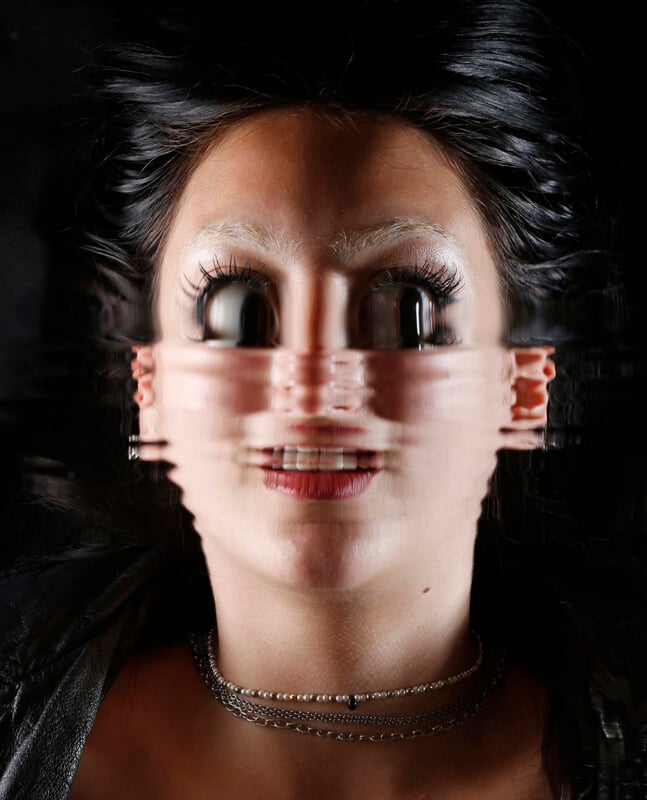
Beyond the technologically intricate water-drop system, the project also yielded a remarkably simpler yet equally compelling method for generating water ripples and distortions. After extensive experimentation with the complex electronic setup, the creator explored a more intuitive approach: gently lifting one side of the water tray and allowing natural ripples to travel across the surface. This discovery proved to be a significant breakthrough in terms of accessibility and creative flow.
The manual ripple method eliminates the need for specialized water-drop electronics, programmable delays, and precise synchronization. Instead, the photographer observes the evolving ripple patterns and simply releases the camera shutter when a visually interesting distortion appears. This approach injects an element of serendipity and spontaneity into the creative process. While it may offer less granular control over the exact moment of ripple formation compared to the electronic system, it compensates with an organic, less constrained photographic experience. The beauty of the distortions achieved through this method is often described as equally striking, offering a different aesthetic quality—perhaps more fluid and less angular—than those produced by distinct water-drop impacts. This dual approach provides both a technically challenging path for advanced students and a more immediate, experimental entry point for those new to such photographic exploration, broadening the project’s appeal and utility.
Artistic Outcomes and Broader Implications
The water ripple portraiture project produces images that are undeniably striking and unusual, pushing the boundaries of traditional portrait photography. The primary artistic outcome is the creation of portraits where facial features are beautifully distorted by the water’s surface tension and refraction. These distortions can range from subtle waves that gently undulate across a cheek to dramatic refractions that fragment and multiply eyes or mouths, creating surreal and dreamlike visages. The interplay of light, water, and human form results in images that are not merely photographs but visual experiments, inviting viewers to ponder perception and reality.
Creative Experimentation and Artistic Expression:
This project stands as a testament to the power of creative experimentation in photography. It encourages practitioners to move beyond conventional techniques and embrace unconventional tools and processes to achieve novel artistic expressions. The inherent unpredictability of water dynamics, even when controlled, ensures that each captured moment is unique, fostering a sense of discovery with every shot. This iterative process of experimentation and refinement is invaluable for developing a unique artistic voice.
Accessibility and Democratization of Advanced Techniques:
While the initial water-drop setup can involve specialized equipment, the discovery of the manual ripple method significantly lowers the barrier to entry. This simpler approach requires very little specialized equipment beyond a camera, a transparent container, and a light source, making it highly accessible to photography enthusiasts, educators, and students with limited budgets. This democratization of an advanced artistic technique empowers a wider audience to engage in sophisticated photographic experimentation, potentially fostering a new generation of innovative visual artists.
Educational Impact and Skill Development:
Beyond its artistic merits, the project serves as an exceptional educational tool. It provides a tangible platform for students to:
- Master technical control: Understanding flash synchronization, shutter speeds, and aperture in challenging conditions.
- Develop problem-solving skills: From tank construction to lighting adjustments.
- Cultivate creative vision: Learning to see and compose through distortion, embracing unpredictability.
- Understand physical principles: Observing light refraction, fluid dynamics, and surface tension in action.
Future Directions and Contemporary Relevance:
The principles demonstrated in this project open avenues for further artistic and technical exploration. Future iterations could involve experimenting with different liquids (e.g., colored water, viscous fluids), integrating multiple light sources with varying colors, introducing objects or textures into the water, or even exploring synchronized multi-subject compositions. In an era where digital manipulation is ubiquitous, this technique offers an authentic, in-camera approach to creating surreal and abstract imagery, celebrating the optical wonders of the physical world. It firmly places itself within the contemporary trend of hybrid art forms, blending scientific rigor with profound artistic sensitivity.
In conclusion, this water ripple portraiture project represents a significant contribution to the field of experimental photography. By skillfully marrying the precise control of high-speed imaging with the fluid artistry of water dynamics, it offers a powerful framework for creating visually arresting and intellectually stimulating portraits. Whether through the meticulous orchestration of controlled drips or the spontaneous beauty of manually generated ripples, the technique challenges conventional perceptions of portraiture and reaffirms the endless possibilities inherent in photographic innovation. It is a compelling invitation for photographers, educators, and students alike to immerse themselves in the rich potential of creative photographic experimentation.