Christian Sprenger, the visionary cinematographer and co-producer behind Apple TV’s breakout horror-comedy series Widow’s Bay, has meticulously detailed the creative and technical strategies employed to forge the show’s distinctive and critically lauded cinematic aesthetic. The series, which captivated audiences in 2026, garnered an impressive 19 Emmy nominations, solidifying its status as a cultural phenomenon and a testament to its intricate storytelling and unparalleled visual artistry.
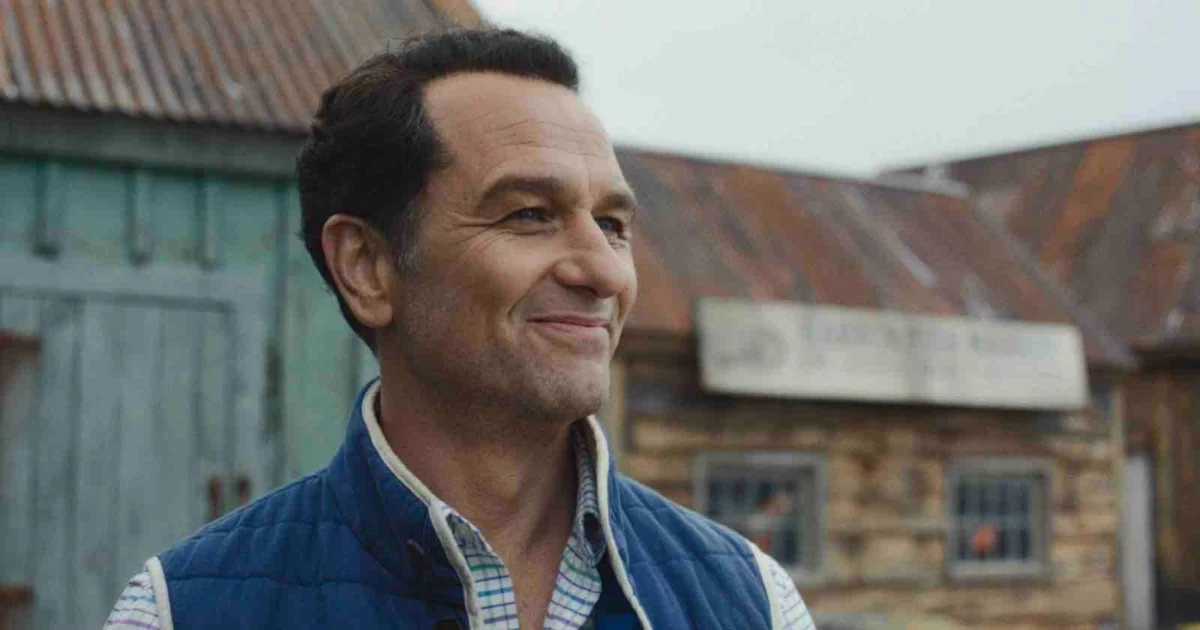
Widow’s Bay, helmed by director Hiro Murai, emerged as one of the year’s most talked-about productions. It weaves a compelling narrative starring Matthew Rhys as Tom Loftis, the earnest mayor of a fictional New England island town. Loftis’s ambitious plans to transform the remote locale into a thriving tourist destination are continuously thwarted by the island’s dark past – a centuries-old curse and persistent hauntings, which the deeply superstitious local populace takes great pains to warn him about. The series masterfully blends elements of psychological horror, dry wit, and character-driven drama, all underscored by its unique visual language.
A Collaborative Vision: Murai and Sprenger’s Enduring Partnership
The project saw a significant reunion between director Hiro Murai and cinematographer Christian Sprenger, whose creative synergy has been a cornerstone of their respective careers for years. Their professional collaboration, a partnership now spanning over 50 episodes of television, originated from a seemingly modest Nokia commercial. This early work laid the groundwork for a highly successful trajectory that notably includes the critically acclaimed FX series Atlanta. On Atlanta, Sprenger’s innovative cinematography played a crucial role in defining the show’s surreal, often dreamlike visual style, earning him an Emmy Award for Outstanding Cinematography for a Single-Camera Series (Half-Hour) in 2017. This shared history and mutual understanding proved invaluable in crafting the nuanced look of Widow’s Bay.
Sprenger’s involvement in Widow’s Bay extended beyond the traditional role of a cinematographer. Alongside Director of Photography (DP) Cody Jacobs, Sprenger also held a producer credit on the show, a rare distinction for a DP. This dual responsibility underscores his profound influence on the series, not just in its visual execution but also in its overarching creative direction and logistical development. As a producer, Sprenger would have been involved in broader strategic decisions, budgeting, scheduling, and creative problem-solving, allowing him to integrate his cinematographic vision more deeply into the show’s fabric from its inception. This holistic approach ensured a cohesive and singular vision for Widow’s Bay, from script to screen.
Crafting a Timeless Aesthetic: The Main Series’ Visual Philosophy
In an insightful interview with the Motion Picture Association’s The Credits, Sprenger elucidated the foundational principles guiding the visual design of Widow’s Bay. Given the island’s isolated nature and the story’s detached, almost anachronistic feel, the collaborators aimed for an "old-fashioned, nostalgic movie look," drawing particular inspiration from films of the 1970s. This era, known for its gritty realism, character-driven narratives, and often slower, more contemplative pacing, provided a rich stylistic blueprint.
"Hiro kept going back to this idea that he wanted it to feel more like classical cinema, even down to how it was lit and color-corrected," Sprenger explained. "We wanted a lot of very intentional static coverage and very slow methodical pacing as ground rules." This commitment to classical cinematic techniques – deliberate static shots that allow scenes to unfold naturally, and a measured pacing that builds tension gradually rather than through rapid cuts – served to immerse viewers in the island’s unsettling atmosphere. It evokes a sense of timeless dread, allowing the supernatural elements to seep into the mundane reality of the characters without feeling overtly sensationalized. This measured approach stands in stark contrast to the often frenetic editing and handheld camera work prevalent in much of contemporary television, making Widow’s Bay feel distinctively mature and self-assured in its visual storytelling.
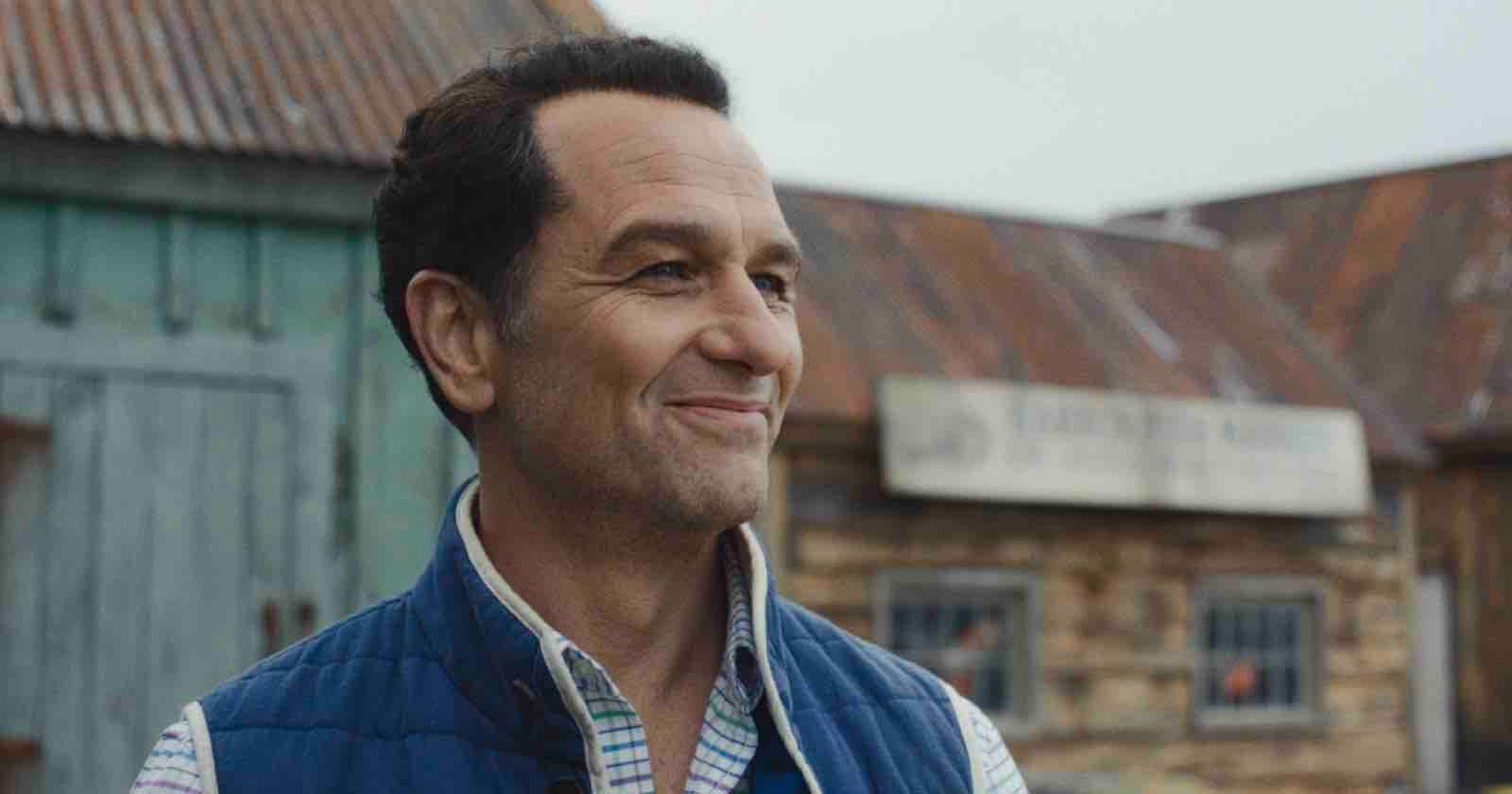
The emphasis on "traditional lighting and color grading" further contributed to this vintage sensibility. Instead of employing overly stylized or hyper-realistic digital grading, Sprenger and Murai opted for a more naturalistic approach, prioritizing authentic light sources and a color palette that felt grounded in reality. This eschewed the overly crisp, often sterile look of many modern productions, imbuing the footage with a warmth and depth that felt organic and lived-in. The aim was to create a visual texture that felt as if it could have been captured two decades prior, thereby fostering a sense of timelessness and realism that anchored the fantastical elements of the narrative.
The Arsenal of Atmosphere: Camera and Lens Choices for the Main Series
To achieve this specific visual texture, Sprenger, as detailed in a Variety interview, primarily utilized the Arri Alexa 35 cinema camera. The Arri Alexa series has long been a benchmark in high-end film and television production, celebrated for its exceptional dynamic range, natural skin tones, and robust image quality. The Alexa 35, a relatively newer iteration, offers enhanced sensitivity and improved color science, providing cinematographers with unparalleled flexibility in capturing nuanced images, particularly in low-light conditions – a crucial consideration for a series steeped in mystery and supernatural undertones.
However, the choice of lenses was equally pivotal in shaping the desired "timeless" aesthetic. Sprenger paired the state-of-the-art Alexa 35 with vintage glass: Olympus Zuiko OM and Ancient Optics’ Tamashii lenses. This deliberate fusion of modern digital capture with character-rich vintage optics was instrumental in avoiding an "overly crisp, polished, contemporary look." Olympus Zuiko OM lenses, originally designed for still photography, are known for their beautiful rendering, subtle flares, and a certain warmth that imparts a unique character to the image. Ancient Optics, specializing in rehousing and modifying vintage lenses, crafts the Tamashii series to deliver distinctive optical imperfections and a less clinical sharpness, which can evoke a sense of nostalgia and cinematic charm.
These lens choices introduced subtle optical characteristics – a gentle fall-off in sharpness towards the edges, unique bokeh, and perhaps a warmer color rendition – that consciously moved away from the pristine, almost hyper-real clarity often associated with modern, technically perfect lenses. The objective was to keep the visuals "grounded and realistic," ensuring that the island’s eerie beauty and the characters’ emotional journeys felt tangible and authentic, rather than overtly stylized or artificial. This careful calibration of cutting-edge digital technology with the artistic imperfections of vintage glass allowed Widow’s Bay to achieve its distinctive, classic cinematic feel, resonating with a generation of viewers accustomed to both pristine digital imagery and a growing appreciation for analog aesthetics.
A Temporal Shift: Bringing the 1700s to Life in "Our History"
The series undertook a bold visual departure for its sixth episode, "Our History." This standalone episode delves into the chilling origins of the island’s curse, transporting viewers back to 1702. It centers on Sarah Warren (played by Betty Gilpin), who arrives on the desolate island for an arranged marriage to Richard Warren (Hamish Linklater), only to uncover deeply disturbing secrets about her new husband and the land itself. This episode serves as a crucial flashback, providing context for the supernatural afflictions plaguing the island in the present day narrative.
To underscore this significant temporal and narrative shift, Sprenger and episode director Ti West implemented a series of radical cinematographic changes. As Sprenger recounted to The Credits, they opted for the Arri Alexa 265, a medium-format camera, and a distinct 1.43:1 aspect ratio, reminiscent of IMAX presentations. The Alexa 265, with its significantly larger sensor compared to the Alexa 35, offers a broader field of view, shallower depth of field capabilities, and an overall grander, more immersive image. This choice imparted "gravitas" to the episode, visually signaling its historical significance and its function as a foundational narrative element. The 1.43:1 aspect ratio, a taller, more square format than the standard widescreen prevalent in modern television, created a "distinctive and enclosed visual style." This more confined frame could subtly evoke the restrictive social norms and the physical isolation experienced by Sarah Warren in the early 18th century, trapping the audience within her unsettling reality.
Further enhancing the historical authenticity and visual uniqueness of "Our History," Sprenger made a groundbreaking choice regarding lenses. He switched to ASC Todd-AO lenses, originally manufactured in the 1950s. These legendary large-format lenses, renowned for their optical quality and use in iconic Hollywood productions, had recently undergone a meticulous restoration in collaboration with the American Society of Cinematographers (ASC) and Zero Optik. The use of these particular lenses marked a historic moment for the production, as Widow’s Bay became the first production in four decades to utilize them. This decision was not merely an aesthetic flourish; these lenses would have contributed a unique visual signature – potentially a distinctive flare, a particular quality of bokeh, or a specific color rendition – that immediately differentiated "Our History" from the rest of the series, imbuing it with an almost mythical, historical film quality.
Illuminating the Past: Period-Accurate Lighting and Intimate Camera Work
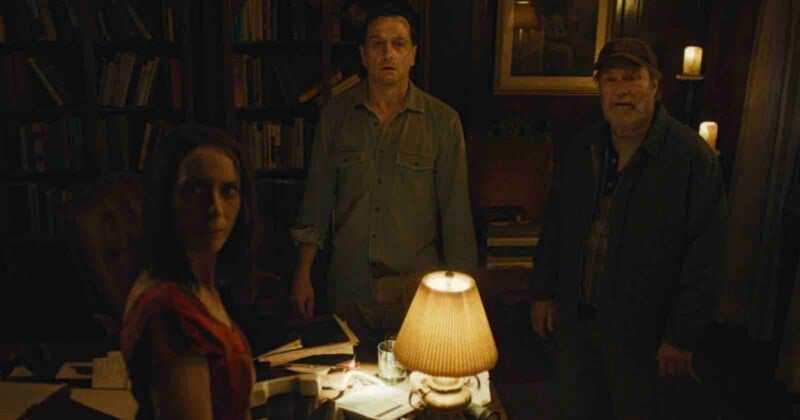
The commitment to historical authenticity extended to the lighting design for "Our History." Sprenger consciously departed from modern artificial lighting techniques, striving to reflect the limited light sources available in the 1700s. "We tried to use firelight, naturalism and candles as much as we could, and not artificial lighting," Sprenger told Variety. This approach meant relying heavily on practical light sources such as flickering candlelight, roaring hearths, and the soft, ambient glow of natural light filtering through windows. This not only created a period-accurate visual environment but also contributed significantly to the episode’s eerie and intimate atmosphere. The interplay of deep shadows and dancing light created a sense of foreboding, vulnerability, and claustrophobia, perfectly mirroring Sarah Warren’s terrifying predicament. The theory, Sprenger noted, was that these "technical aspects… would shift the audience’s perception a little bit, and you would subconsciously feel that there were things different about this." This subtle yet powerful manipulation of visual cues proved highly effective in transporting viewers into a bygone era of primitive technology and pervasive superstition.
Adding another layer of intimacy and psychological immersion, episode director Ti West specifically requested that the camera remain physically close to Betty Gilpin throughout "Our History." This proximity, combined with the decision to shoot the entire episode handheld, created an immediate and visceral connection between the audience and Sarah Warren’s harrowing experience. "The camera is physically a lot closer to Betty [Gilpin], and we’re on wider lenses, experiencing her perception of the world," Sprenger elaborated. The use of wider lenses when close to a subject can introduce a subtle distortion, which, rather than being distracting, can enhance a sense of unease or a heightened emotional state, mirroring the character’s internal turmoil. "When we’re seeing Richard Warren, we’re seeing him from over her shoulder or from what feels like her angle of perception, and the same thing with lighting." This subjective camera work made the audience privy to Sarah’s fear, her dawning realization of her husband’s depravity, and her desperate struggle for survival, turning the viewing experience into a deeply empathetic and unsettling journey.
Broader Implications: The Evolution of Television Cinematography
The meticulous and innovative cinematographic approach demonstrated in Widow’s Bay by Christian Sprenger and Hiro Murai highlights a significant trend in contemporary television: the blurring lines between film and episodic storytelling. The era of television being considered a lesser medium visually has long passed. Productions like Widow’s Bay showcase the commitment to cinematic excellence, where every frame is thoughtfully composed, every lighting choice serves the narrative, and technical decisions are deeply intertwined with thematic goals.
The series’ critical acclaim and numerous Emmy nominations, particularly in technical categories, underscore the growing recognition for the artistry of cinematography in television. Sprenger’s dual role as cinematographer and producer further exemplifies the expanding influence of DPs, who are increasingly involved in the holistic creative process, ensuring a cohesive vision from concept to final cut. This integrated approach allows for bolder experimentation, such as the radical visual shift in "Our History," which might be more challenging to implement in a more segmented production hierarchy.
The deliberate choice to pair cutting-edge digital cameras with vintage lenses, and to meticulously recreate period lighting, reflects a broader artistic movement in filmmaking that seeks to combine the reliability and flexibility of modern technology with the unique character and emotional resonance of older, less ‘perfect’ optics. This blend creates a rich tapestry of visual textures that can evoke specific eras, moods, and emotional states, pushing the boundaries of visual storytelling in episodic content. Widow’s Bay stands as a compelling example of how thoughtful, intentional cinematography can elevate a series, transforming it into a truly immersive and unforgettable viewing experience that resonates long after the credits roll.