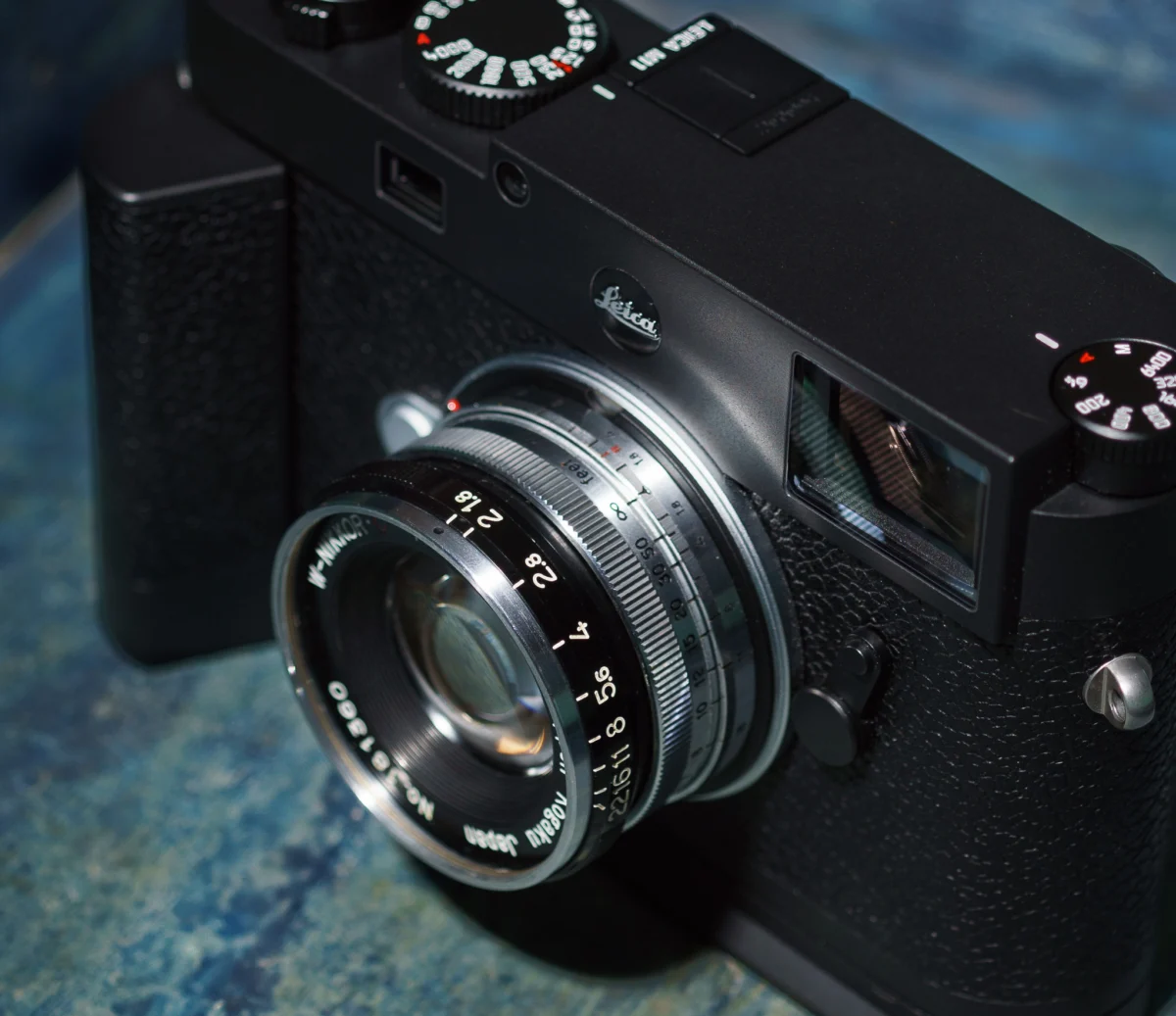
The Nippon Kogaku W-Nikkor 3.5cm f/1.8 remains one of the most significant achievements in mid-century optical engineering, representing a pivotal moment when Japanese lens design began to challenge and, in some respects, surpass the established European hegemony. Designed by Hideo Azuma and released in the mid-1950s, this lens was a feat of miniaturization and high-speed optics. While primarily associated with the Nikon S-mount rangefinder system, a highly coveted and rare variant was produced in Leica Thread Mount (LTM). With fewer than 1,600 units ever manufactured in LTM, the lens has transitioned from a professional tool of the reportage era to a legendary "user-collectible" for modern digital rangefinder enthusiasts. The integration of this 70-year-old optical formula with high-resolution digital sensors, such as the 60-megapixel CMOS sensor found in the Leica M11, reveals a unique intersection of vintage character and modern resolving power.

Historical Context and Optical Innovation
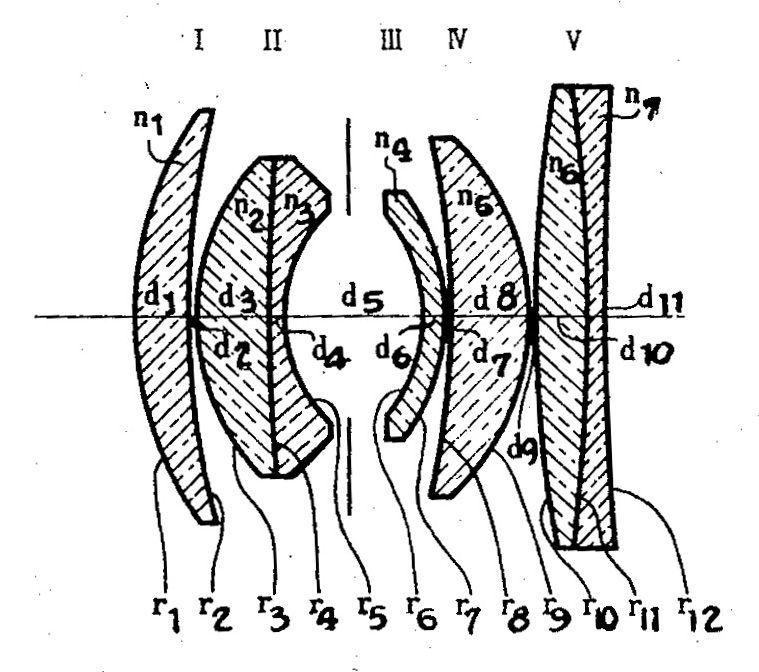
The development of the W-Nikkor 3.5cm f/1.8 occurred during a period of intense competition between Nippon Kogaku (now Nikon) and Ernst Leitz. In the 1950s, wide-angle lenses with an aperture of f/1.8 were considered "ultra-fast." To achieve this speed while maintaining a compact form factor, Hideo Azuma utilized an innovative optical formula that incorporated Lanthanum glass. Lanthanum, a rare-earth element, allows for a high refractive index with low dispersion, enabling designers to correct aberrations more effectively without adding excessive weight or lens elements.
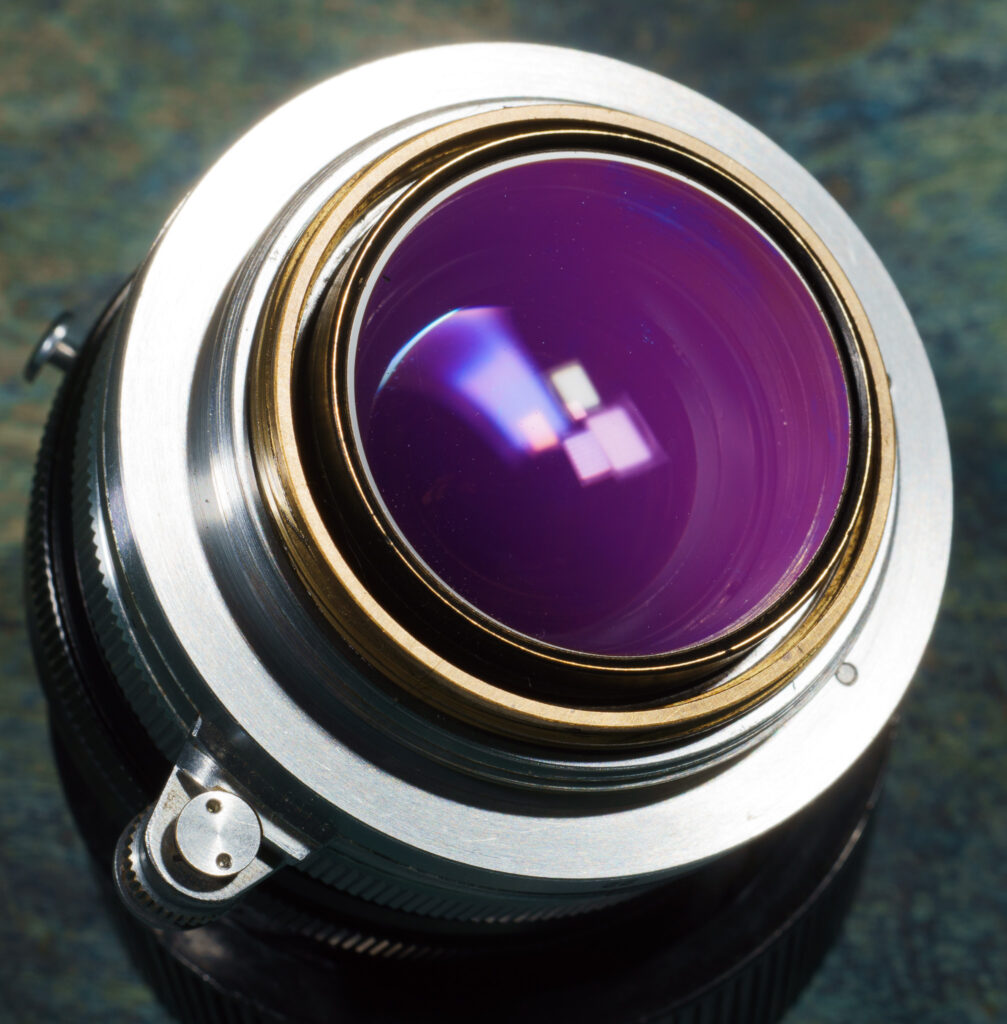
The rear element of the W-Nikkor is particularly notable for its size and proximity to the film plane (or sensor). This design choice was intended to maximize light transmission and resolution across the frame. Historically, this lens was marketed as having superior resolution over its contemporaries, a claim supported by modern testing on digital platforms. Unlike the "clinical" sharpness of modern aspherical lenses, the W-Nikkor’s rendering is often compared to the Zeiss Sonnar formula—characterized by a smooth, organic transition between the focal plane and the out-of-focus areas, a quality often described by photographers as "3D pop."
Chronology of Modern Acquisition and Mechanical Restoration
The lifecycle of a vintage W-Nikkor in the 21st century often involves a rigorous process of acquisition and refurbishment to meet the demands of digital photography. In early 2025, a specimen of the LTM variant was acquired from a specialized exchange, Igor’s Camera Exchange, located in the United States. Despite being nearly seven decades old, the lens’s internal Lanthanum elements remained in pristine condition, though the mechanical components exhibited the expected wear of a "user-condition" tool.
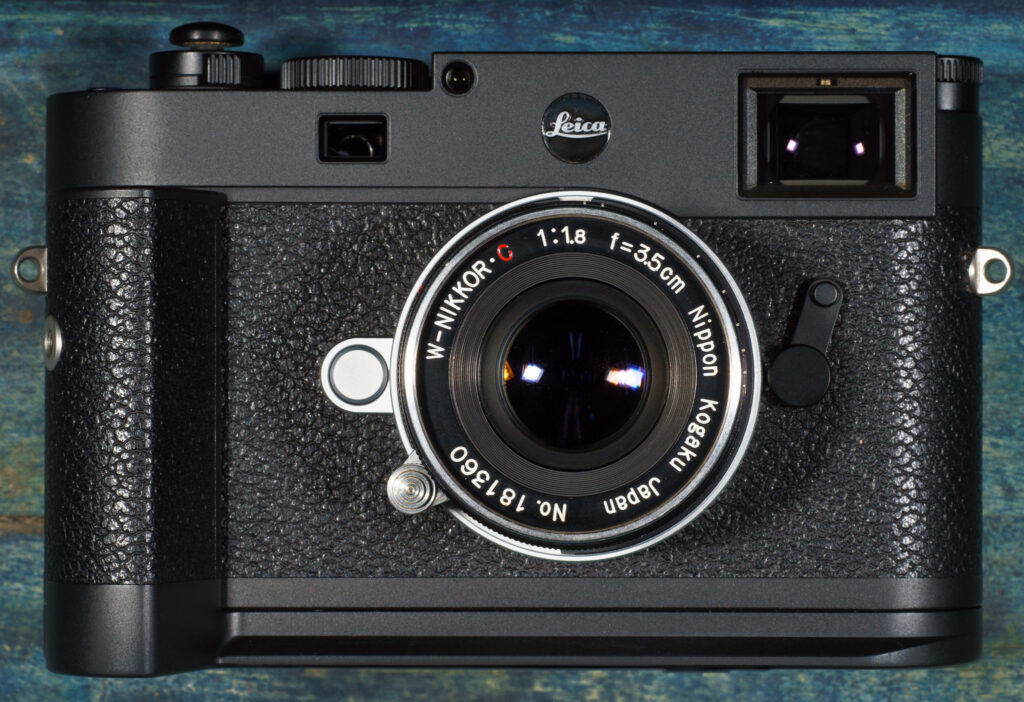
Upon initial testing on a Leica M11, several mechanical and technical hurdles were identified:
- Mechanical Resistance: The focus helicoid had become "heavy," a common symptom of polymerized vintage grease.
- Tolerance Issues: A slight looseness in the lens barrel and a misalignment of the aperture index dot required professional intervention.
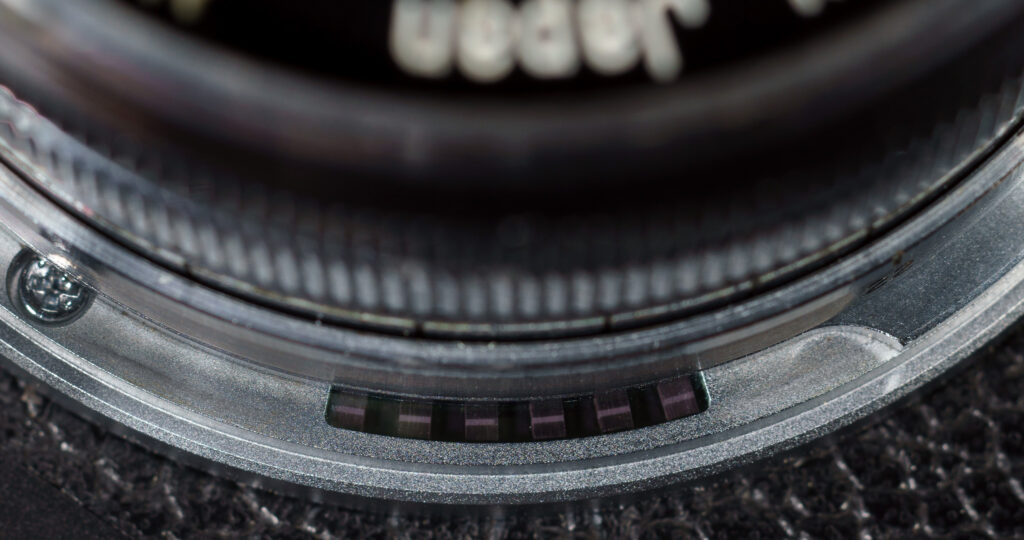
- Sensor Compatibility: The 6-bit optical sensor on the Leica M-mount was obstructed by the initial LTM-to-M adapter, causing the camera’s Auto-ISO and metadata systems to malfunction.
In February 2025, the lens was commissioned to DAG Camera Repair for a comprehensive overhaul. The restoration process involved a complete disassembly, cleaning, and lubrication (CLA) of the helicoids, alongside the recalibration of the aperture ring. This restoration is a critical step for vintage optics, as modern high-resolution sensors amplify mechanical flaws that would have been negligible on 1950s-era film stock.

Technical Performance on High-Resolution Digital Sensors
Following its mechanical restoration, the W-Nikkor 3.5cm f/1.8 was subjected to field testing across various lighting conditions and apertures. The results provide a technical roadmap of the lens’s "dual-character" nature.

Spherical Aberration and the "Glow"
At its maximum aperture of f/1.8, the lens exhibits a distinct spherical aberration, often referred to in photographic circles as "glow." This is not a lack of resolution but rather a low-contrast overlay that softens highlights while maintaining underlying detail. This characteristic is highly prized in portraiture and atmospheric reportage but requires careful exposure management to avoid "washed-out" highlights.

Aperture Scaling and Character Shifts
Testing revealed significant shifts in rendering at specific intervals:

- f/1.8 to f/2.0: Minimal change; the lens retains its soft, vintage aesthetic.
- f/2.0 to f/2.8: A "brush shift" occurs. The spherical aberration diminishes significantly, and the lens enters a state of "rounded sharpness."
- f/4.0 to f/8.0: The lens performs as a high-resolution modern optic. Contrast increases, and the "3D pop" becomes most apparent, particularly in the graduation of mid-tones.
Tonal Graduation and Post-Processing
The W-Nikkor’s lower native contrast compared to modern ASPH (aspherical) lenses provides a broader dynamic range for digital post-processing. In software environments like Adobe Lightroom, the RAW files from this lens respond organically to dodging and burning, mimicking the behavior of traditional silver-halide prints. This "honest rendering" allows for selective highlight recovery and shadow detail retention that is often more difficult to achieve with high-contrast modern glass.

Ergonomic Limitations of 1950s Design
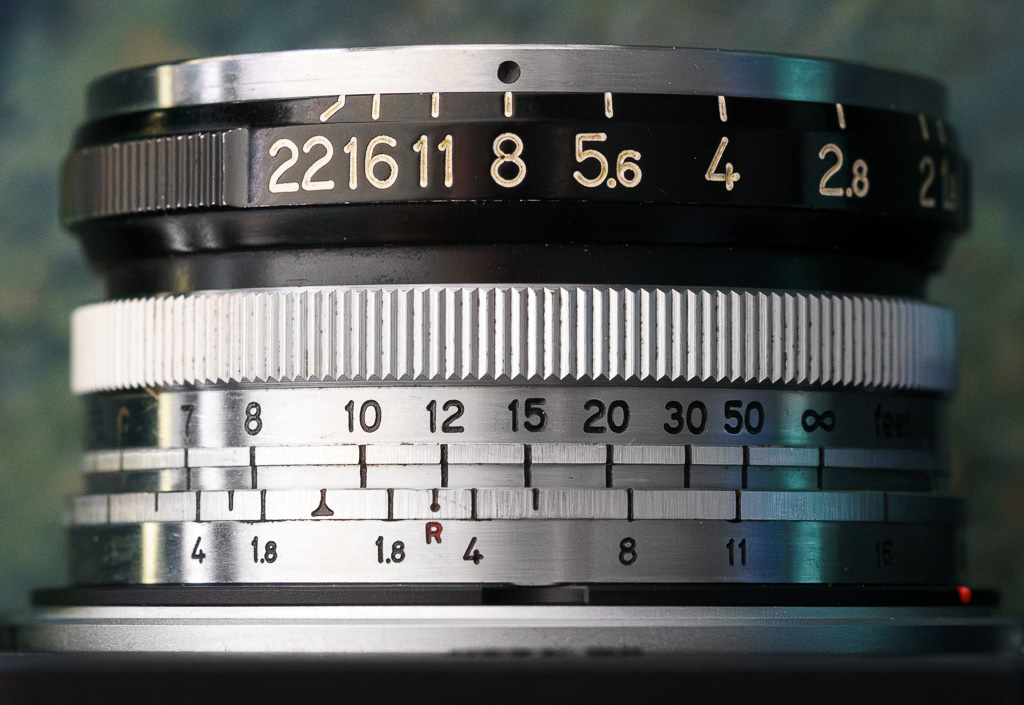
While the optical performance remains competitive, the 70-year-old ergonomics present challenges in a fast-paced news or reportage environment. The LTM version of the W-Nikkor features a 180-degree focus throw, which is significantly longer than the 90-degree standard found on modern M-mount lenses. This long throw, while allowing for precise focusing, slows down the photographer’s ability to react to spontaneous moments.

Furthermore, the lens’s minimum focus distance is limited to 0.9 meters (approximately 35 inches). In modern street and documentary photography, this limitation often prevents close-up environmental portraits, forcing the photographer to rely on significant cropping. The physical layout—including an off-center Depth of Field (DOF) scale and a silver-on-silver engraving scheme—also complicates "zone focusing" in low-light or high-pressure situations.

The Omnar NK35-18 Rehousing: A Modern Solution
The limitations of the original housing have led to the emergence of high-end rehousing projects, most notably the Omnar NK35-18 developed by Skyllaney Opto-Mechanics in Scotland. This project takes the optical blocks from the more common S-mount Nikkors and transplants them into a modern, M-mount coupled chassis.
The technical implications of this rehousing are substantial:

- Focus Throw: Reduced from 180 degrees to a more agile 90 degrees.
- Close Focus: The rangefinder coupling is extended down to 0.65 meters, with uncoupled focusing possible down to 0.35 meters.
- Mechanical Integrity: The use of modern helicoid materials ensures a smoothness and consistency that surpasses even a freshly serviced vintage unit.
- Digital Integration: The housings are designed with 6-bit coding pits, allowing for seamless communication with modern Leica bodies.
In August 2025, following the evaluation of the LTM variant, the decision was made by the primary tester to transition to the Omnar NK35-18 MkII. This move reflects a broader trend in the photographic industry where the "soul" of vintage glass is preserved while the "body" is modernized to meet contemporary workflow standards.

Broader Impact and Implications for the Industry
The enduring relevance of the Nippon Kogaku W-Nikkor 3.5cm f/1.8 highlights a growing fatigue among professional photographers regarding "perfect" modern optics. As manufacturers like Leica, Sony, and Canon push toward zero-aberration lenses, the resulting images can sometimes feel sterile or "dimensionally flat." The W-Nikkor represents an era where lens design was as much an art as a science, resulting in a signature look that modern algorithms struggle to replicate.

The market for such lenses has seen a significant uptick in value. Rare LTM versions now command premium prices, often exceeding the cost of modern equivalents. This suggests that for a specific segment of the market—primarily those involved in reportage, documentary, and fine-art photography—the "imperfect perfection" of 1950s Japanese optics is a vital tool for creative differentiation.

In conclusion, the W-Nikkor 3.5cm f/1.8 is not merely a relic of the past but a functional masterpiece that continues to deliver professional-grade results on the most advanced digital sensors available today. Whether in its original LTM form or through a modern Omnar rehousing, Hideo Azuma’s Lanthanum-infused design remains a benchmark for what is possible when high resolution is paired with a distinct, organic character. As the photographic community continues to navigate the digital age, the legacy of Nippon Kogaku serves as a reminder that the most compelling images often come from the most storied glass.