The Voigtlander Vitomatic IIa represents a pinnacle of West German camera engineering from the early 1960s, a period when the Braunschweig-based manufacturer was renowned for producing instruments of exceptional mechanical density and optical clarity. Introduced as a more advanced successor to the original Vitomatic and the simpler Vito series, the IIa model integrated a coupled rangefinder and a sophisticated selenium cell light meter into a chassis that remains a testament to the "Golden Age" of analog photography. This technical evaluation examines the camera’s unique design philosophy, its mechanical idiosyncrasies, and its performance in contemporary photographic workflows.
Historical Context and Design Philosophy
In the post-WWII era, Voigtlander positioned itself as a premium alternative to the increasingly popular Japanese rangefinders and the high-end Leica systems. The Vitomatic IIa, produced between 1960 and 1963, was designed for the discerning amateur who demanded professional-grade optics in a compact, travel-friendly form factor. The camera is characterized by its high mass-to-volume ratio; despite its diminutive size, it is notably heavy, a result of the extensive use of brass and high-grade steel in its internal gearing and external housing.
The design philosophy focused on tactile feedback and streamlined operation. Unlike many contemporary cameras that utilized modular components, the Vitomatic IIa was built with a highly integrated control system. The objective was to allow the photographer to adjust exposure and focus without removing their eye from the viewfinder—a feat made possible by the camera’s unique "match-needle" reflection system.
Technical Specifications and Optical Components
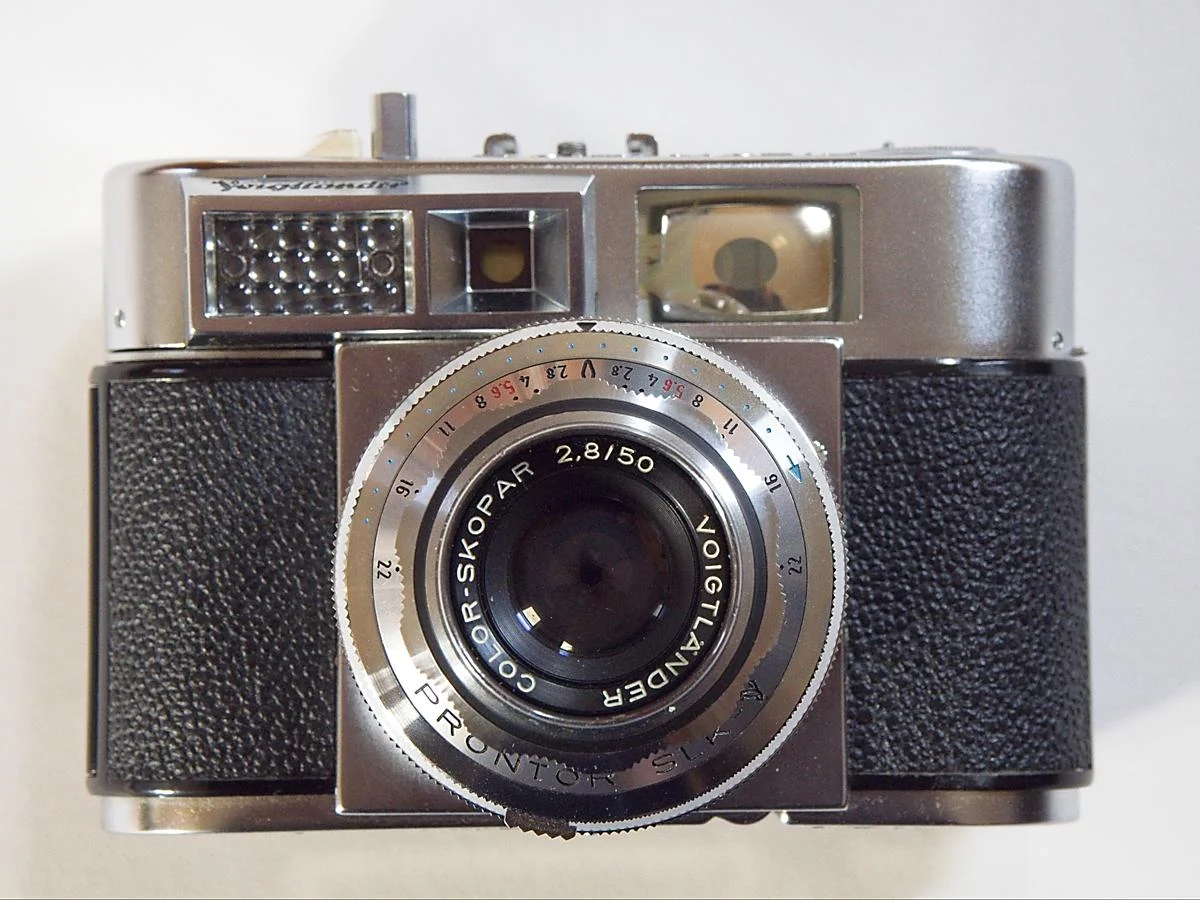
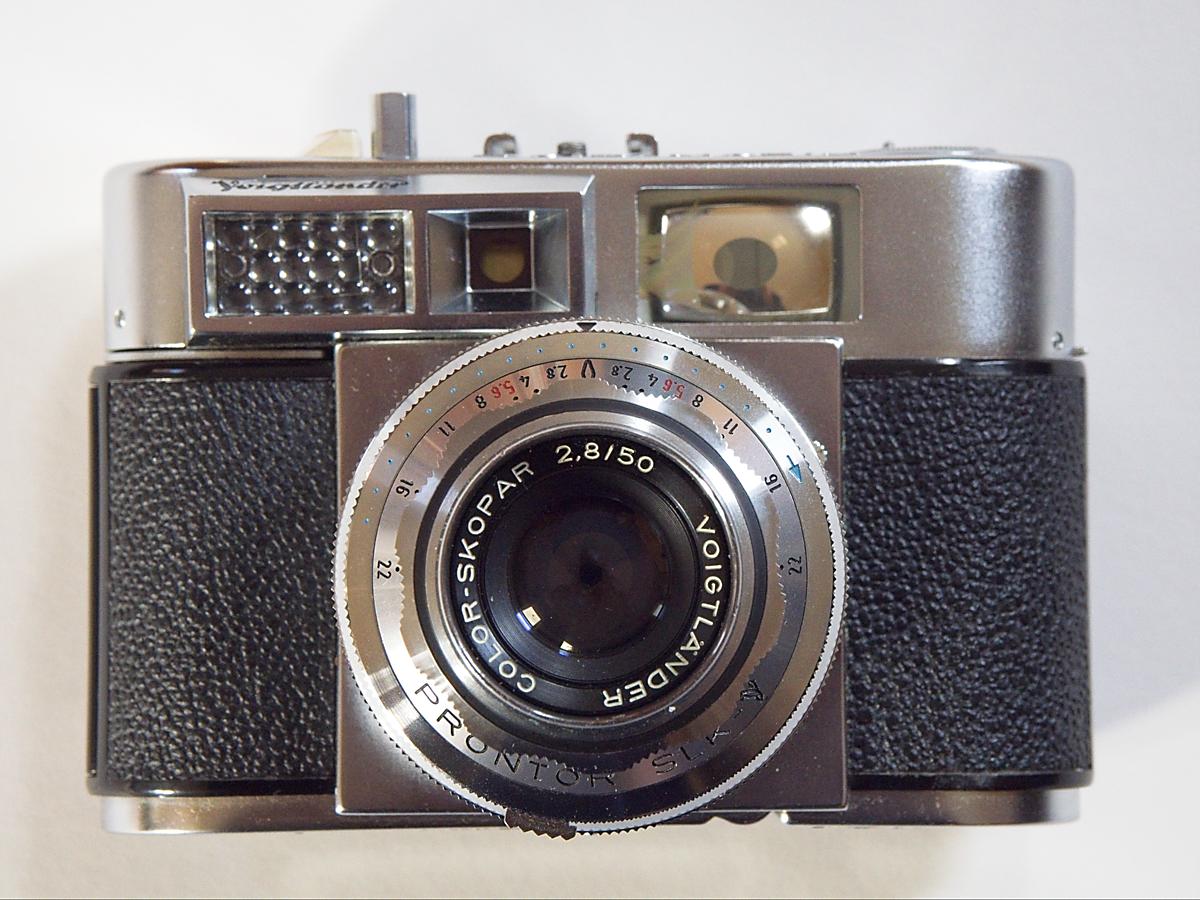
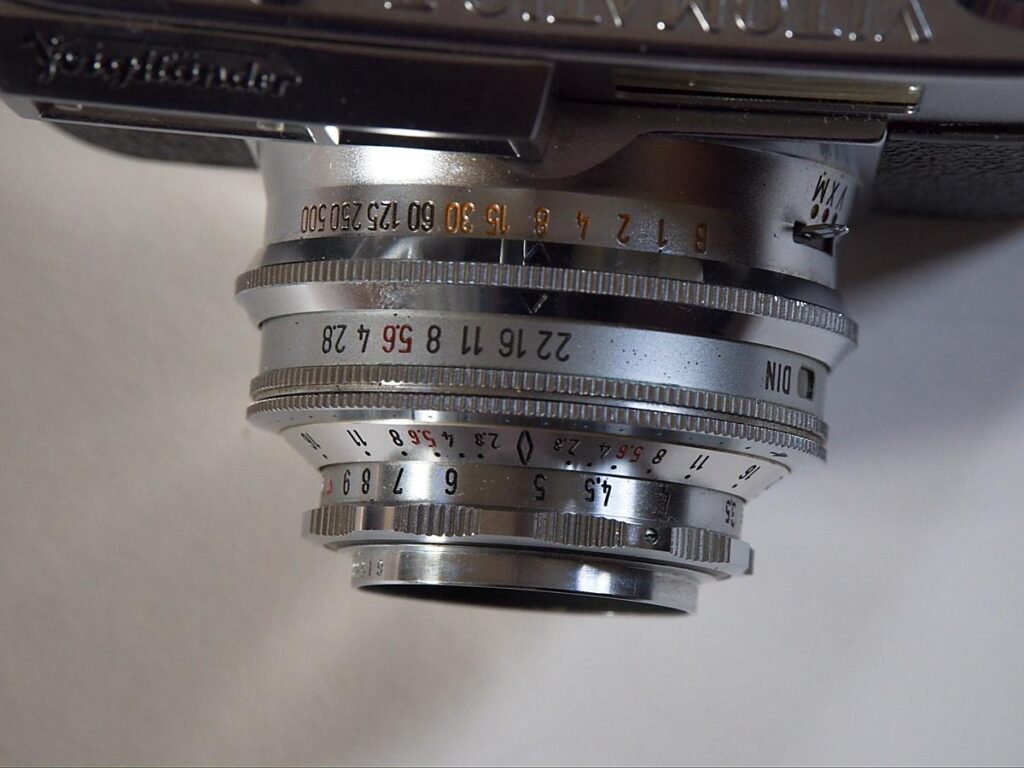
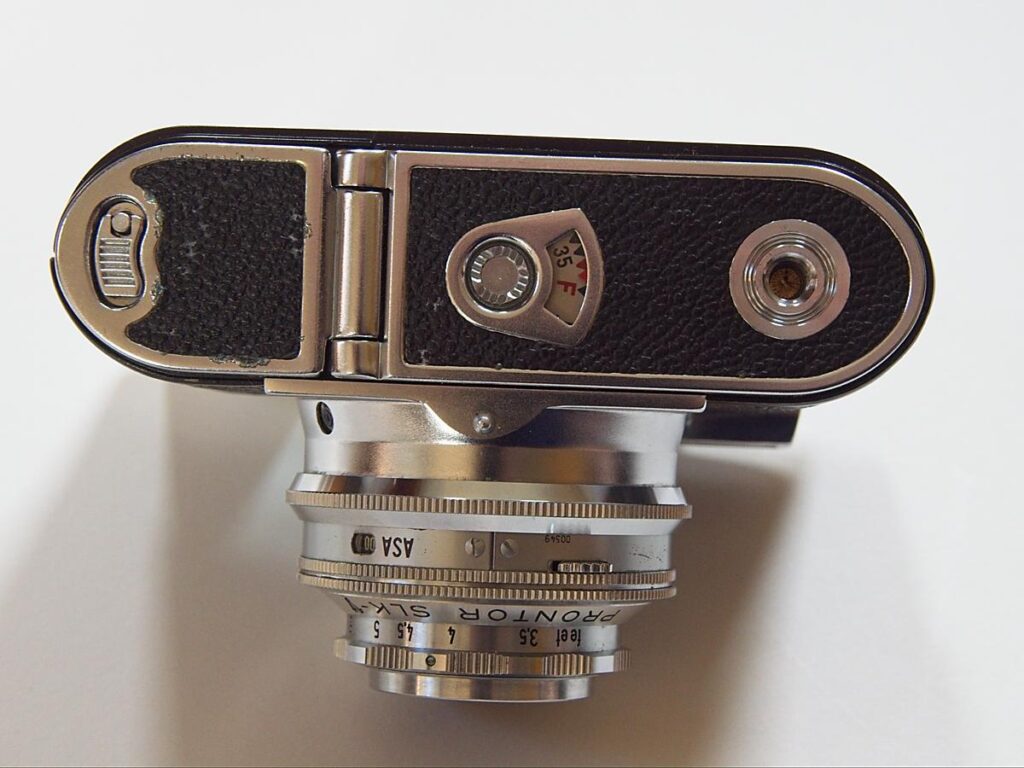
The Vitomatic IIa typically features the 50mm f/2.8 Color-Skopar lens, a four-element, three-group design based on the classic Tessar formula. Renowned for its edge-to-edge sharpness and high contrast, the Color-Skopar was specifically optimized for the color emulsions that were becoming standard in the 1960s. The shutter is a Prontor SLK-V, offering speeds from 1 second to 1/500th of a second, plus a Bulb setting for long exposures.
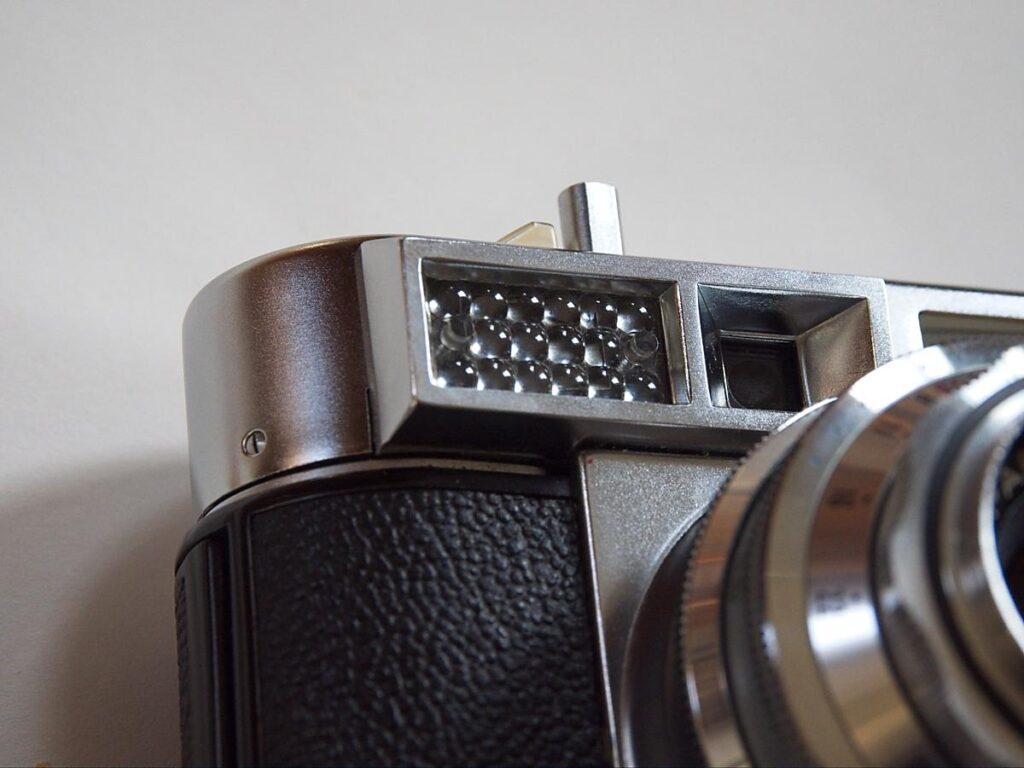
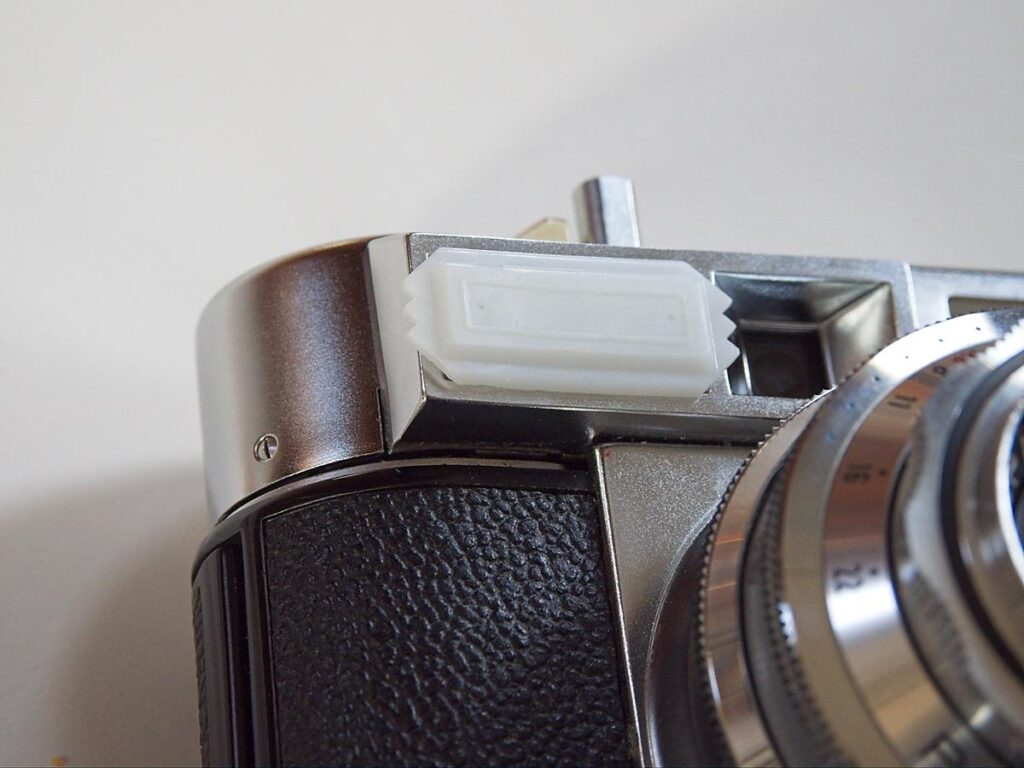
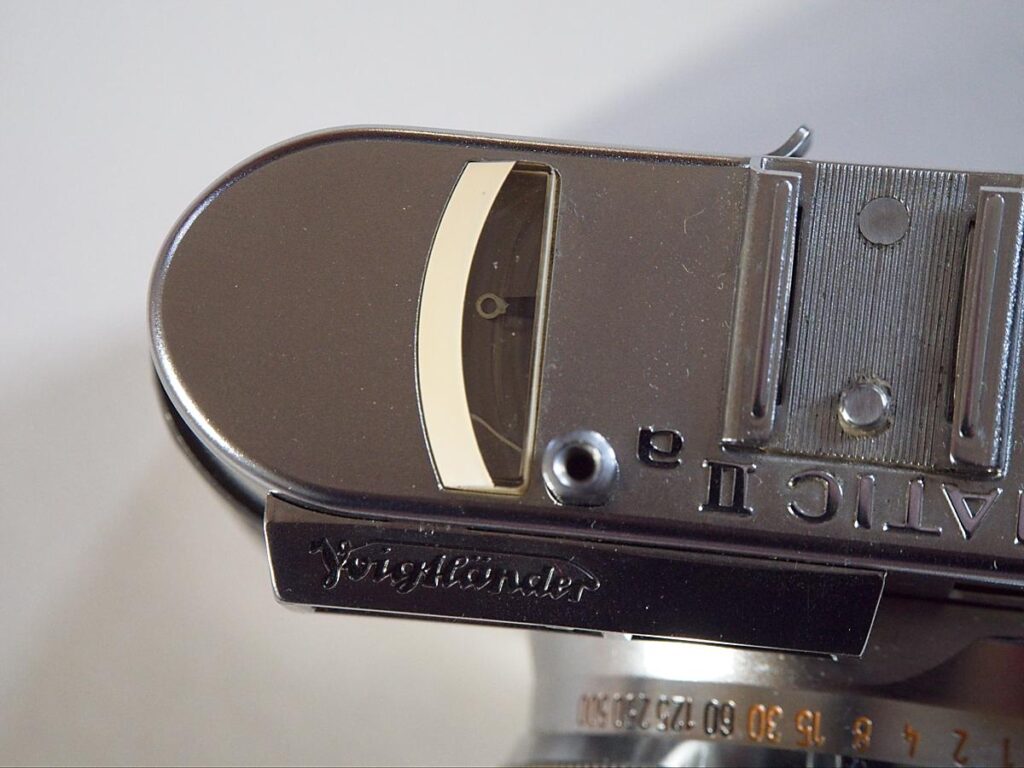
A defining characteristic of the Vitomatic IIa is its selenium light meter. Unlike modern silicon photodiodes, selenium cells generate their own electrical current when exposed to light, requiring no external battery. While many selenium meters from this era have degraded due to moisture or light fatigue, surviving units continue to provide accurate readings. A rare and notable accessory for this model is the incident light adapter—a small, translucent plastic diffuser that snaps over the meter window. This allows the photographer to measure the light falling on the subject rather than the light reflected by it, a technique often reserved for dedicated handheld meters.
Mechanical Innovations and User Interface
The Vitomatic IIa utilizes a sophisticated linkage between the aperture and shutter rings. Once the initial exposure is set via the match-needle system, the photographer can rotate a knurled rear ring to cycle through various shutter speed and aperture combinations that maintain the same Exposure Value (EV). This "programmed" approach was revolutionary at the time, facilitating rapid adjustments in changing light conditions.
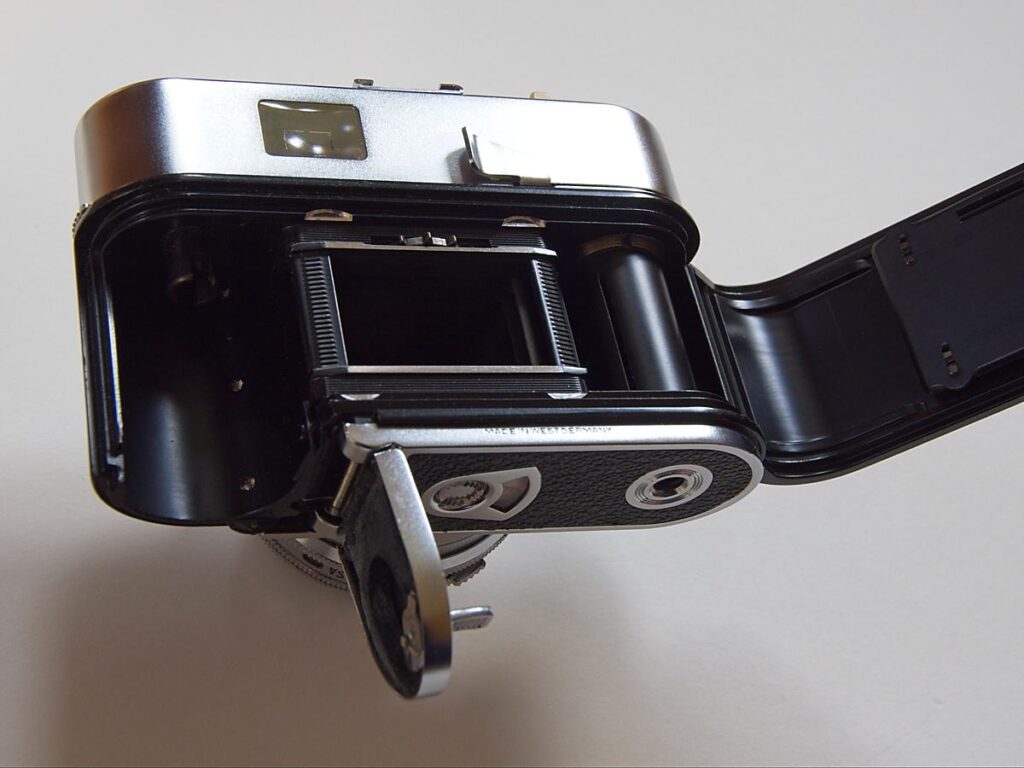
The film transport system also deviates from standard practice. The camera features a "double door" baseplate design, which simplifies the insertion of the 35mm cassette. The frame counter is designed to count backward, requiring the user to set the dial to "F" (for a 36-exposure roll) and wind forward until the number 36 appears. This ensures the photographer knows exactly how many frames remain.
However, the camera includes several mechanical interlocks that can confuse those unfamiliar with the system. Most notably, the shutter cannot be cocked or fired unless film is properly loaded and moving across the sprocket wheels. This feature was intended to prevent "blank" shots, but it complicates the testing of the camera’s mechanical health at the point of purchase. Furthermore, the rewind crank must be fully depressed for the shutter to cock; if the crank is left in the extended position—often done by users to verify film tension—the camera will fail to fire.
Operational Evaluation and Field Performance
Recent field testing of the Vitomatic IIa in varied environments, including coastal South Wales and bustling local markets, highlights the camera’s strengths and limitations. The viewfinder is exceptionally bright for a camera of its age, featuring a large, clear 1:1 magnification ratio that allows for comfortable shooting with both eyes open. The rangefinder patch, while accurate, is relatively small, which may pose challenges for users in low-contrast lighting.
During testing with Kentmere 100, a traditional grain-structure black-and-white film, the Vitomatic IIa demonstrated consistent exposure across a range of shutter speeds. The Color-Skopar lens maintained its reputation for rendering fine detail, particularly in architectural and landscape shots. However, the ergonomics of the camera require a period of adjustment. The proximity of the control rings means that "muscle memory" is essential to avoid accidental adjustments of the focus ring when intending to change the exposure.
Analytical Implications of Film Processing and Digitization
The results of analog photography are heavily influenced by the chemical development process. In the case of the Vitomatic IIa test rolls, the use of Ilford ID-11 developer at a 1+3 dilution provided a balanced tonal range, though environmental factors introduced variables. High ambient temperatures during development can lead to increased grain density, a phenomenon observed in the Kentmere 100 samples. When the developer temperature fluctuates above the standard 20 degrees Celsius, the chemical activity accelerates, potentially over-developing the highlights and emphasizing the silver halide structure.
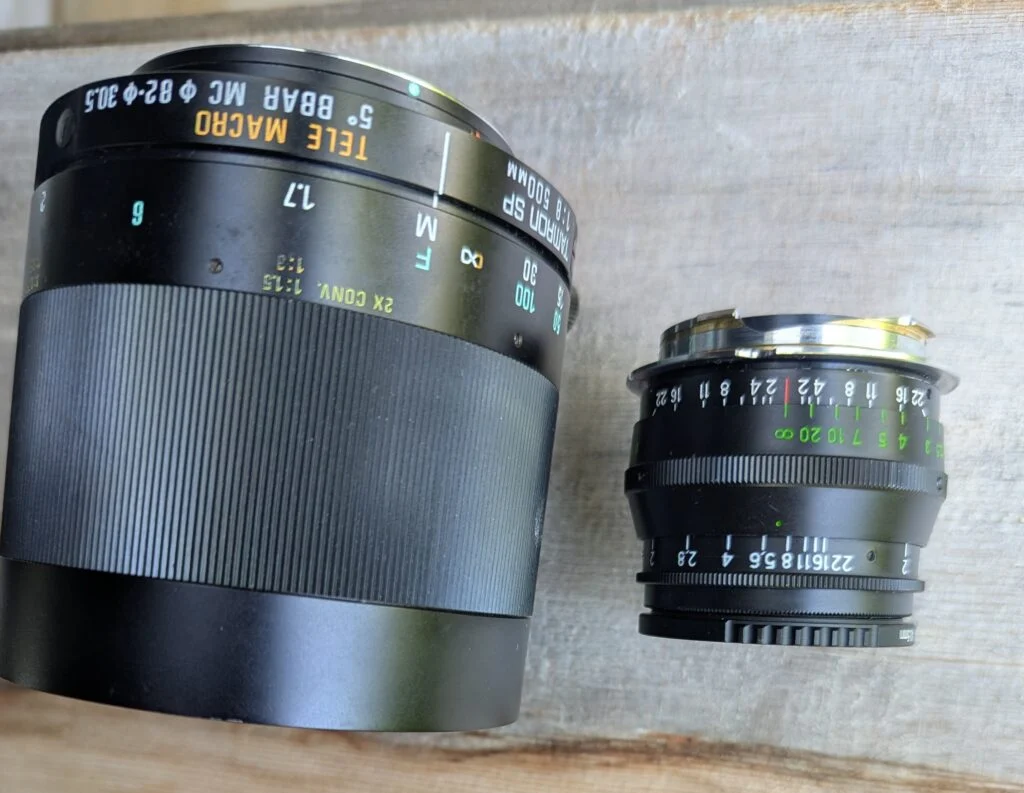
In a modern context, the "hybrid" workflow—shooting film and scanning digitally—allows for further refinement of the image. Using a high-resolution digital sensor, such as the Sony A7R3 equipped with a macro lens, provides a non-destructive method for digitizing negatives. This process allows for the correction of minor exposure deviations through post-processing software like ON1 or Adobe Lightroom. Advanced noise reduction algorithms can also mitigate the obtrusive grain caused by thermal variance during development, preserving the optical sharpness of the Color-Skopar lens while delivering a cleaner final image.
Market Legacy and Collectability
The Voigtlander Vitomatic IIa occupies a unique niche in the vintage camera market. It is often overshadowed by the Leica M-series or the Zeiss Ikon Contaflex, yet it offers a level of mechanical sophistication that many collectors find superior to contemporary mass-produced models. Its "built-like-a-tank" reputation makes it a favorite for "street photography" enthusiasts who value a discreet, reliable, and fully mechanical tool.
From an investment perspective, the Vitomatic IIa remains relatively affordable, though units with working selenium meters and the elusive incident light adapter command a premium. The camera’s inability to fire without film remains its most significant hurdle for casual buyers, often leading to its misidentification as "broken" in estate sales or flea markets.
Conclusion
The Voigtlander Vitomatic IIa is more than a relic of a bygone era; it is a highly functional photographic instrument that challenges the user to engage deeply with the mechanics of light and exposure. Its bright viewfinder and coupled metering system make it significantly more usable than its predecessors, such as the Vito B. While it demands a disciplined approach to film loading and control manipulation, the rewards are found in its superb optical performance and the tactile satisfaction of operating a masterwork of German precision engineering. For the modern film photographer, the Vitomatic IIa serves as a reminder that the fundamentals of optics and mechanics, when executed with excellence, are timeless. As digital sensors continue to evolve, the unique "soul" of the Vitomatic’s glass and gears ensures its continued relevance in the art of capturing light.