The resurgence of interest in traditional film photography has found a symbiotic partner in the world of historical reenactment, as demonstrated during a recent Medieval festival where practitioners of both crafts converged to celebrate heritage and craftsmanship. Photographer Phil Harrison documented the two-day event using a classic Leica M3 rangefinder, highlighting a growing trend where the medium of capture is chosen to reflect the temporal nature of the subject matter. This intersection of 20th-century mechanical precision and 15th-century historical simulation provides a unique lens through which to view the preservation of culture, both in terms of the events being staged and the technology used to record them.
The Cultural Context of Medieval Reenactment
Medieval weekends have become a staple of local tourism across Europe and the United Kingdom, serving as "living history" museums that allow the public to interact with the past in a tactile way. These events typically involve specialized groups such as the Sealed Knot or various "living history" societies that dedicate thousands of hours to researching and recreating the clothing, weaponry, and social hierarchies of the Middle Ages. The recent event observed by Harrison featured a variety of enactments, ranging from judicial court simulations to domestic demonstrations like sewing and cooking.
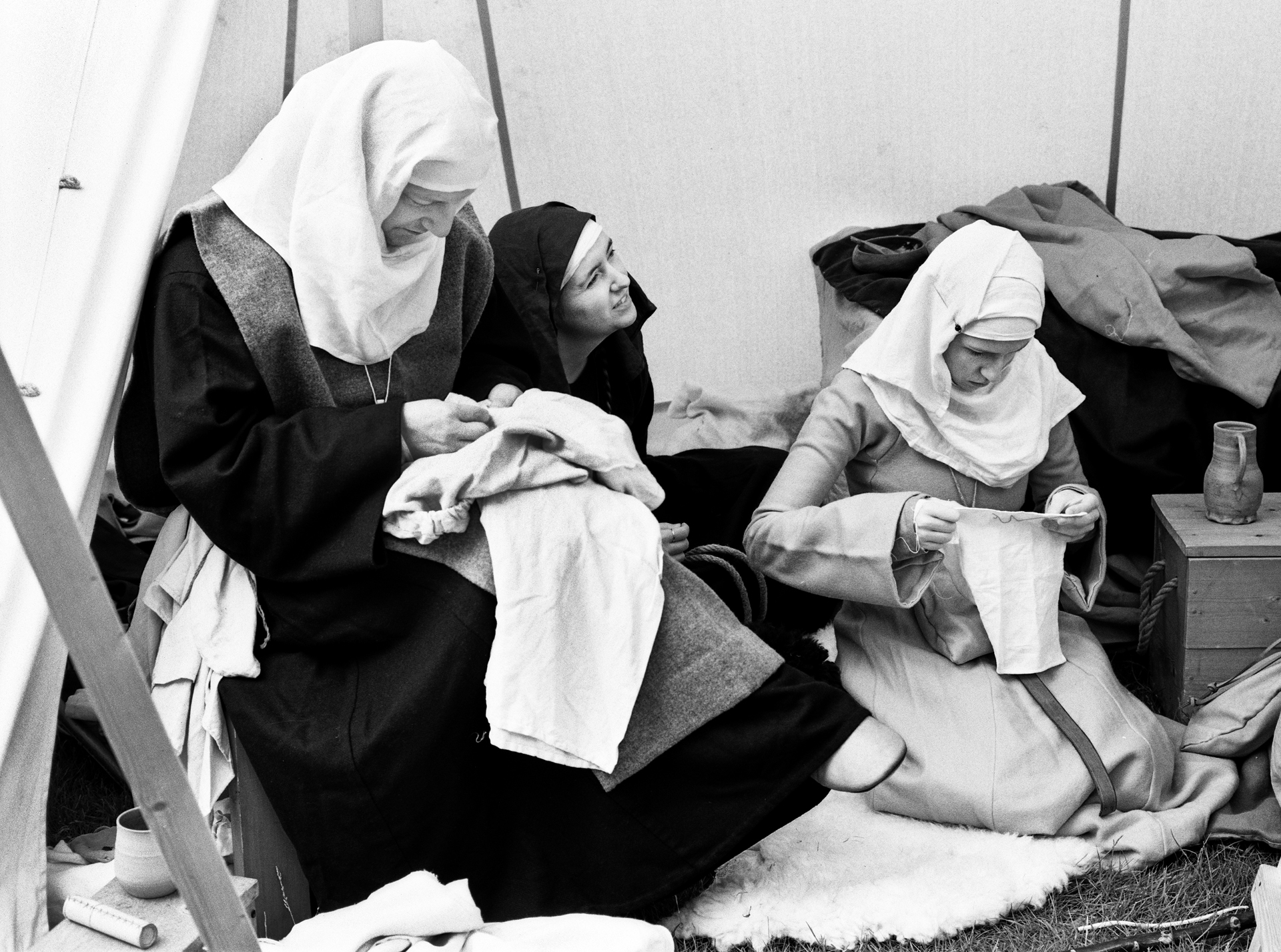
For the participants, these weekends are an exercise in authenticity. For the photographer, they present a complex challenge: how to capture a simulated past without the intrusion of modern elements. The choice of black-and-white film is often a deliberate aesthetic decision to bypass the "visual noise" of modern colors and focus on the textures of wool, steel, and wood. By stripping away color, the photographer aligns the visual output with the historical gravity of the subject, creating images that feel untethered from a specific modern date.
Technical Specifications: The Leica M3 and 50mm Summicron-M
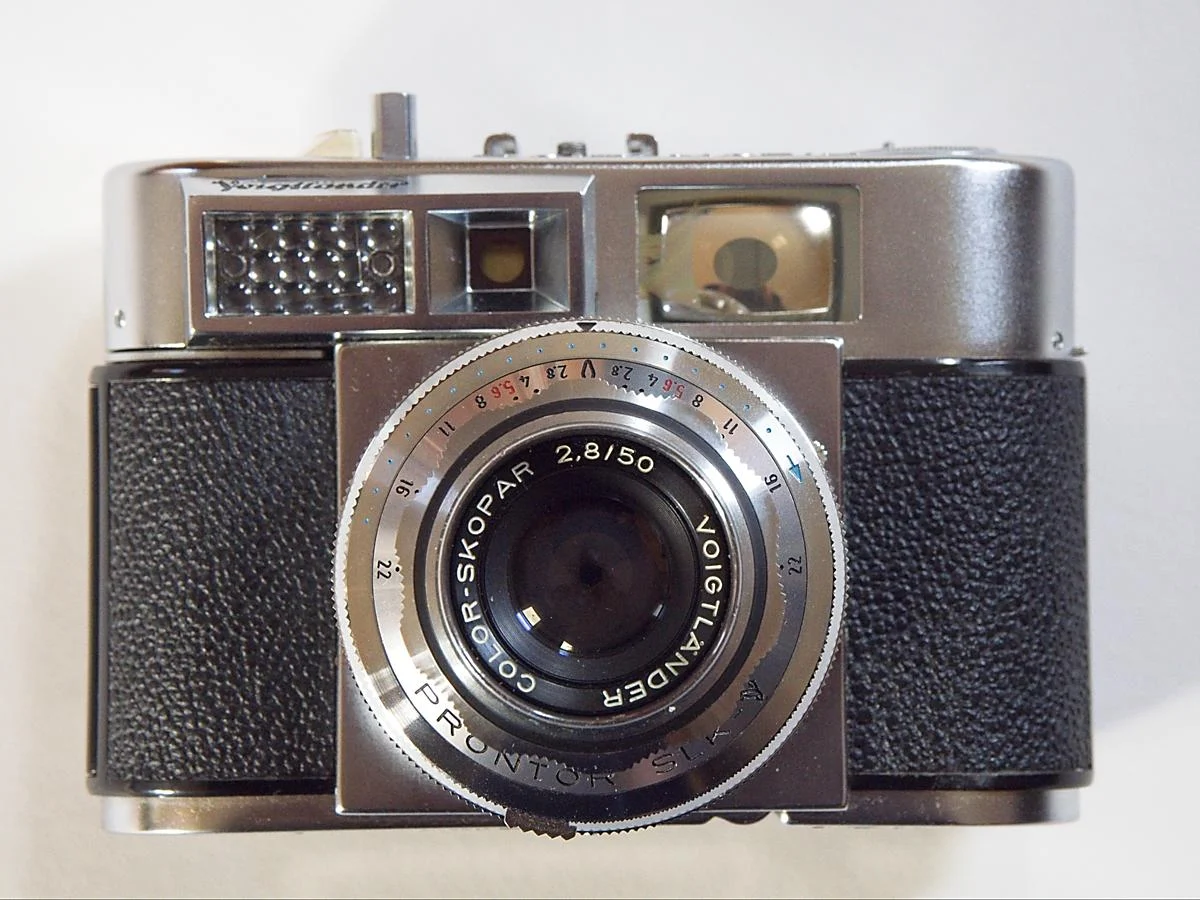
The equipment used during the festival—a Leica M3 equipped with a 50mm Summicron-M lens—represents what many consider to be the pinnacle of analog engineering. Produced between 1954 and 1966, the Leica M3 is renowned for its high-magnification viewfinder (0.91x), which allows photographers to keep both eyes open while composing, a feature particularly useful in the unpredictable environment of a crowded festival.
The 50mm Summicron-M lens is equally legendary in the photographic community. Known for its "Leica Glow" and exceptional sharpness even when wide open, it provides a field of view that closely mimics human vision. This "normal" focal length is preferred by documentary photographers for its lack of distortion, ensuring that the proportions of historical costumes and architectural backgrounds remain true to life. In the context of a Medieval fair, this setup allows the photographer to remain unobtrusive, moving through crowds without the intimidating presence of modern, large-aperture telephoto lenses.
Chronology of the Documentation Process
The documentation of the Medieval weekend took place over a 48-hour period, allowing for the capture of diverse activities under varying light conditions.
Day One: Establishing the Scene
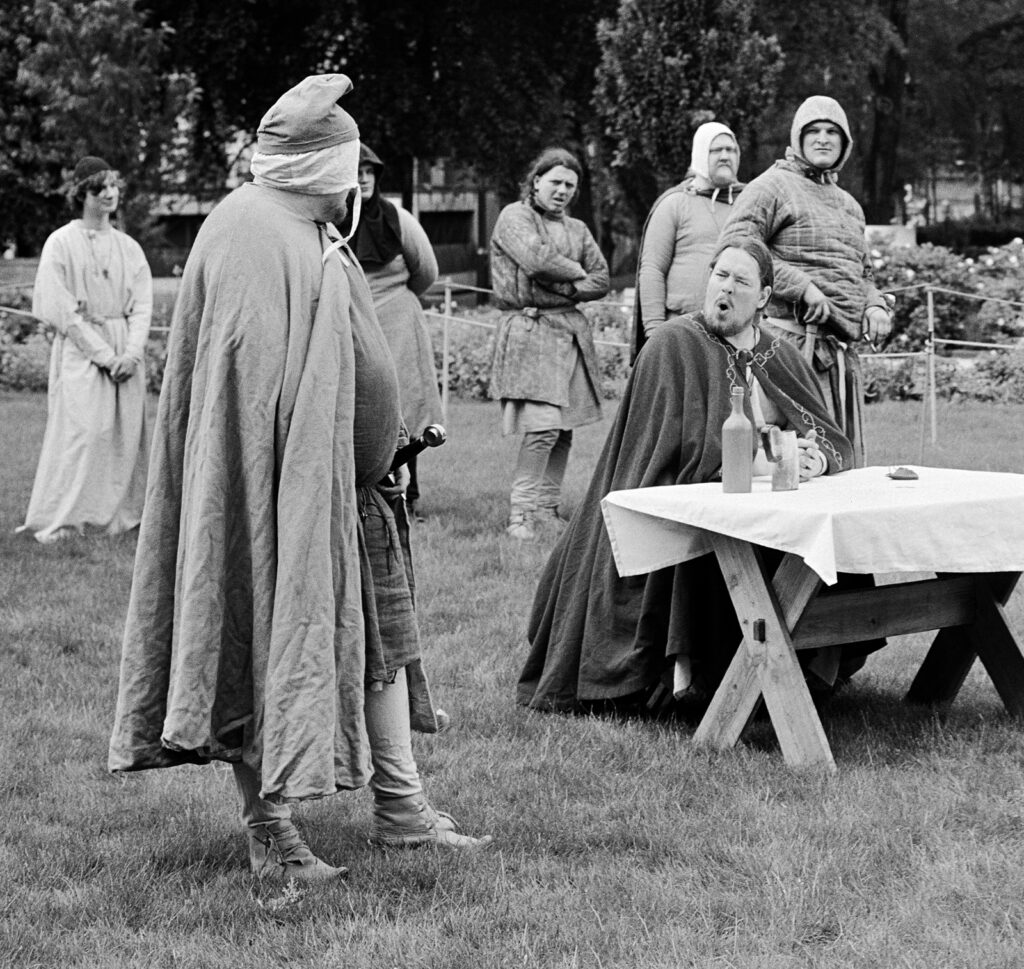
On the first day, the focus remained on the broader social structures of the reenactment. Scenes captured included the "Medieval Court," where the hierarchy of the era was displayed through costume and positioning. The use of Ilford XP2 Super film, rated at ISO 300, allowed for a flexible response to the changing afternoon light. XP2 is a chromogenic film, meaning it is processed in C-41 chemistry (the standard for color film), which results in a fine grain structure and a wide dynamic range—ideal for capturing the highlights of polished armor and the deep shadows of canvas tents.
Day Two: Domesticity and Detail
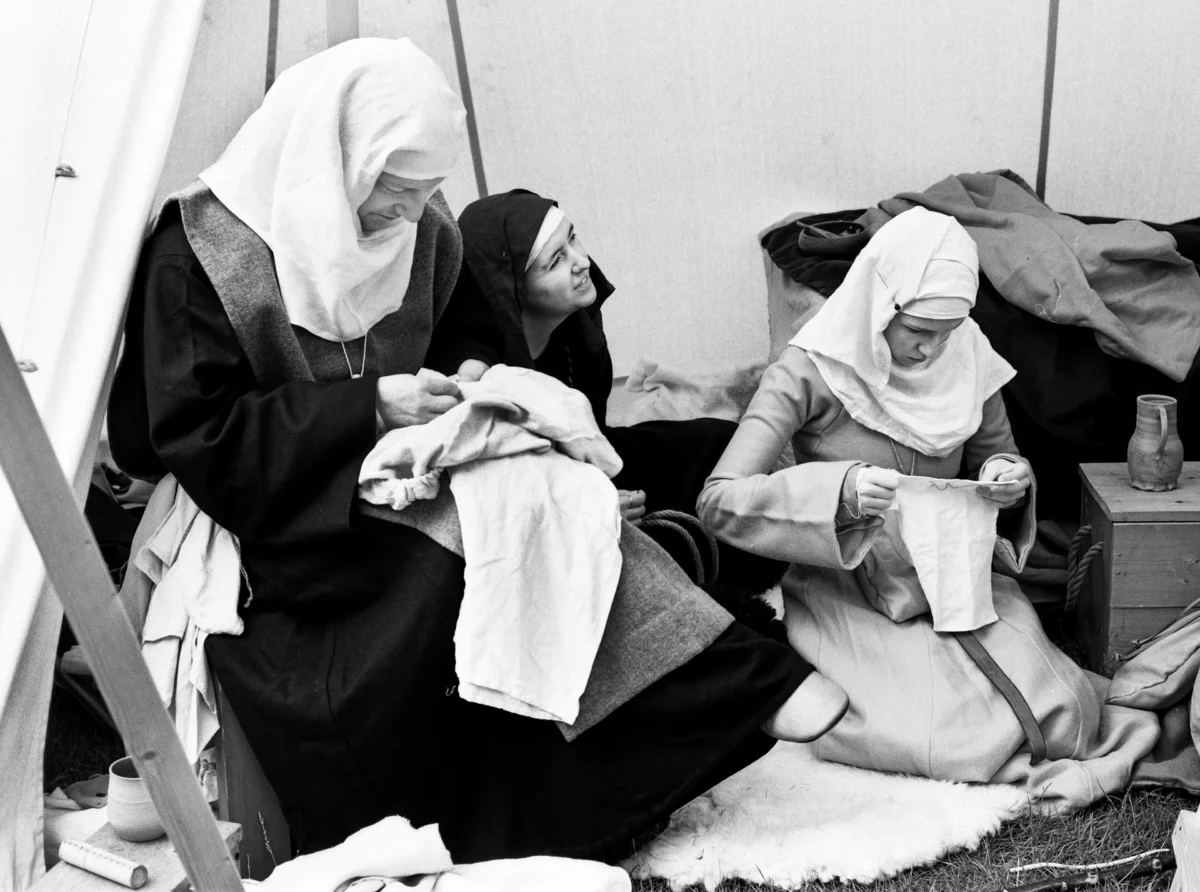
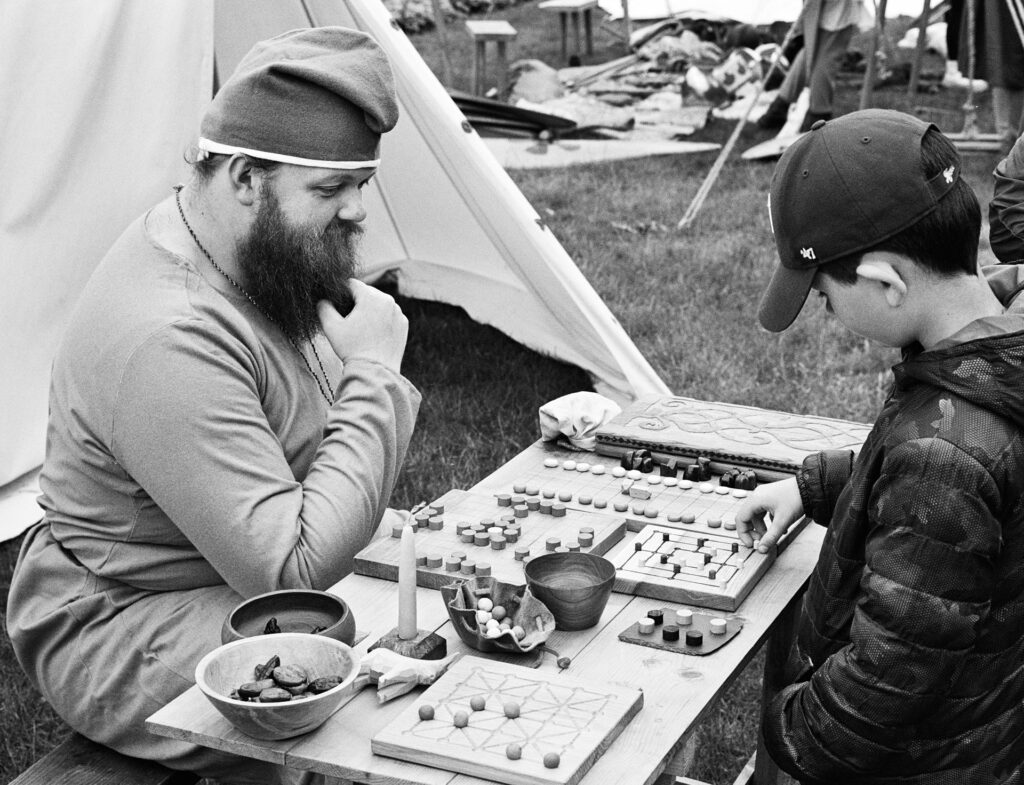
The second day shifted toward the "living" aspects of history. The photographer focused on the "Cookhouse," "Medieval Sewing," and "Medieval Games." These subjects required a different approach, utilizing Leica Monopan 50 film. As a slower, ISO 50 film, Monopan 50 offers exceptionally fine grain and high contrast, which was used to accentuate the intricate details of the thread in the sewing scenes and the rustic textures of the cookhouse. The exposure for these shots was meticulously calculated using a Sekonic Twinmate light meter, an external device that ensures accuracy in tricky lighting situations where internal camera meters might be fooled by highlights.
The Social Dynamics of the Photographic Community
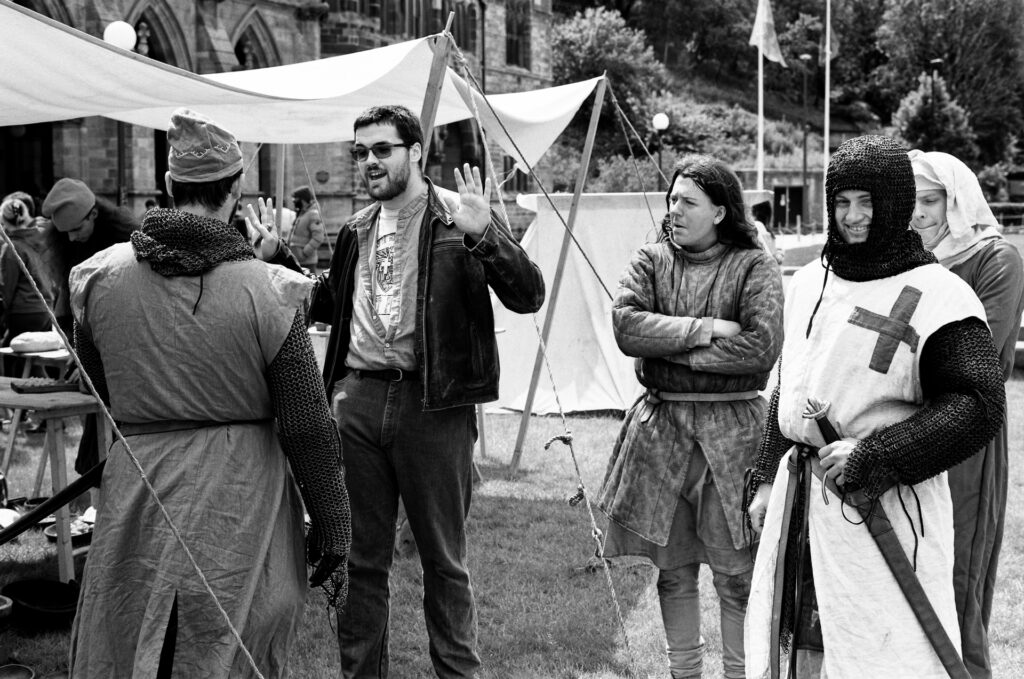
A significant byproduct of using vintage equipment at public events is the social interaction it fosters. During the weekend, the presence of the Leica M3 and a classic Billingham camera bag served as a catalyst for discussion among attendees and other photographers. Billingham, a British company that began making fishing bags in 1973 before transitioning to photography, has a cult following similar to Leica. The bags are seen as a symbol of "slow photography," prioritizing durability and classic aesthetics over the high-tech, synthetic materials of modern camera backpacks.
Observations made during the event noted a stark contrast between the analog approach and the "digital workflow" prevalent today. Many digital photographers were observed carrying dual-camera setups with large, heavy zoom lenses—a configuration often referred to as "the dual-wield." While efficient for professional sports or news gathering, this heavy equipment can be a physical burden. The photographer noted that while they previously utilized heavy Hasselblad medium-format systems for professional work, the transition to a single Leica rangefinder represents a shift toward "enjoyment and minimalism."
Conversations held on-site between film enthusiasts and digital users highlighted a mutual respect for the different philosophies. One digital user, sporting a more modest and compact mirrorless setup, engaged in a discussion about the "tactile satisfaction" of manual focusing and the deliberate pace required by film. This reflects a broader industry trend where even digital manufacturers are designing cameras with "retro" dials and aesthetics to capture the feeling of the analog era.
Data and Trends in the Analog Revival
The choice to use film at a 2026 event is backed by significant market data indicating that analog photography is no longer a niche hobby but a sustained industry segment. According to industry reports from 2023 to 2025, the global sales of silver halide film have seen a year-on-year increase of approximately 5% to 7%. Companies like Kodak Alaris and Ilford Photo have reported running production lines at near-full capacity to meet the demand from a younger demographic (Gen Z and Millennials) who are discovering film for the first time.
Furthermore, the secondary market for Leica equipment has seen unprecedented growth. A Leica M3 in good working condition, which might have sold for $1,200 a decade ago, now frequently commands prices upwards of $2,500 to $3,500. This appreciation in value is driven by the realization that these mechanical instruments, if properly maintained, are "lifetime tools" that do not suffer from the planned obsolescence of digital sensors.
Analysis of Film Stocks: Monopan 50 vs. XP2 Super
The two films used in this project offer a study in contrast. Leica Monopan 50 is often favored by purists for its "classical" look. It requires careful exposure because its latitude is narrower than higher-speed films. However, when hit correctly, the results provide a level of micro-contrast that makes subjects like "Medieval Confrontation" pop with a three-dimensional quality.
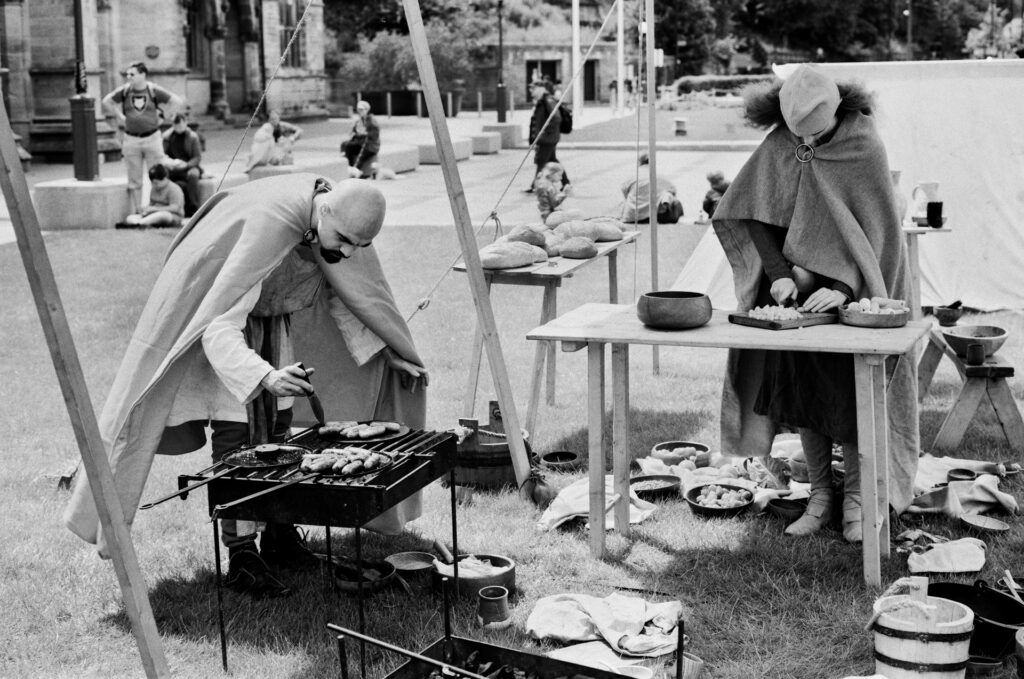
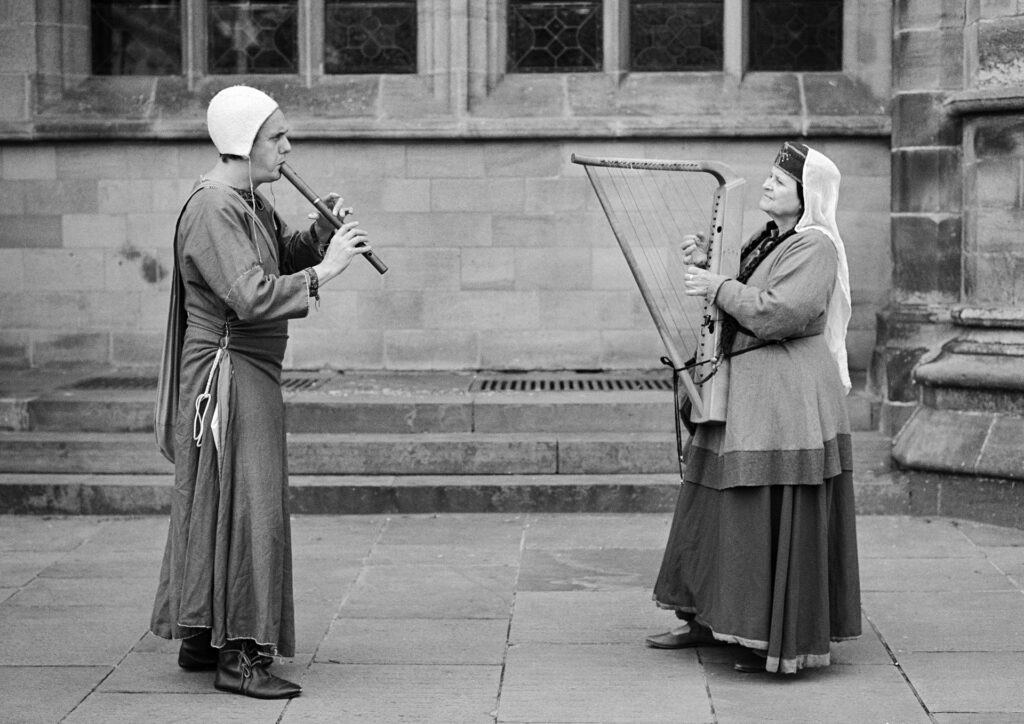
Ilford XP2 Super, on the other hand, is the "utility player" of the film world. Because it is a C-41 process film, it lacks the traditional silver grain of black-and-white film, instead using dye clouds to form the image. This makes it incredibly easy to scan at high resolutions without the grain becoming distracting. For the "Medieval Music" and "Medieval Games" shots, the XP2 provided a smoothness that captured the movement and atmosphere without the harshness sometimes found in traditional high-speed silver halide films.
Broader Implications and the Future of Heritage Photography
The documentation of the Medieval weekend serves as a reminder of the importance of the "slow movement" in photography. In an era where thousands of digital images can be captured in a single afternoon, the act of limiting oneself to 36 exposures per roll forces a level of intentionality. Every shutter release is a financial and temporal commitment.
This intentionality mirrors the efforts of the reenactors themselves. Just as a blacksmith at the fair might spend hours forging a single arrowhead using period-accurate tools, the film photographer spends days developing and scanning images to achieve a specific "look" that digital filters cannot perfectly replicate.
The resulting images are more than just records of an event; they are a bridge between eras. The grain of the film, the precision of the Leica lens, and the dedication of the historical reenactors all converge to create a narrative of preservation. As heritage events continue to grow in popularity, the role of analog photography in capturing these moments is likely to expand, providing a tangible, physical archive in an increasingly ephemeral digital world.
In conclusion, the Medieval weekend was not merely a display of historical costumes, but a testament to the enduring appeal of mechanical excellence—both in the artifacts of the Middle Ages and the mid-century cameras used to immortalize them. The success of the project, measured by the photographer’s personal enjoyment and the engagement of the public, underscores the fact that in photography, as in history, the methods of the past still hold profound relevance in the present.