BYD, the world’s leading manufacturer of new energy vehicles (NEVs), has officially unveiled a pioneering smart drone system developed in close collaboration with DJI, the global leader in civilian drones and creative camera technology. This integration represents a landmark moment in the convergence of automotive engineering and unmanned aerial systems (UAS), signaling a shift from vehicles being mere modes of transport to becoming comprehensive mobile technology hubs. The system, which features a vehicle-integrated drone bay, is designed to offer high-level automation, real-time aerial surveillance, and advanced cinematography, effectively launching a new era of "intelligent driving" that extends beyond the asphalt.
The partnership between BYD and DJI addresses a growing demand for integrated lifestyle technology among high-end electric vehicle (EV) consumers. By embedding a specialized drone hangar into the roof structure of the vehicle, BYD has eliminated the traditional barriers to drone usage, such as manual setup, battery management, and calibration. This innovation is not merely an accessory but a core component of BYD’s "Xuanji" architecture, a smart vehicle system that harmonizes artificial intelligence (AI) with mechanical hardware.
Technical Specifications and Seamless Integration
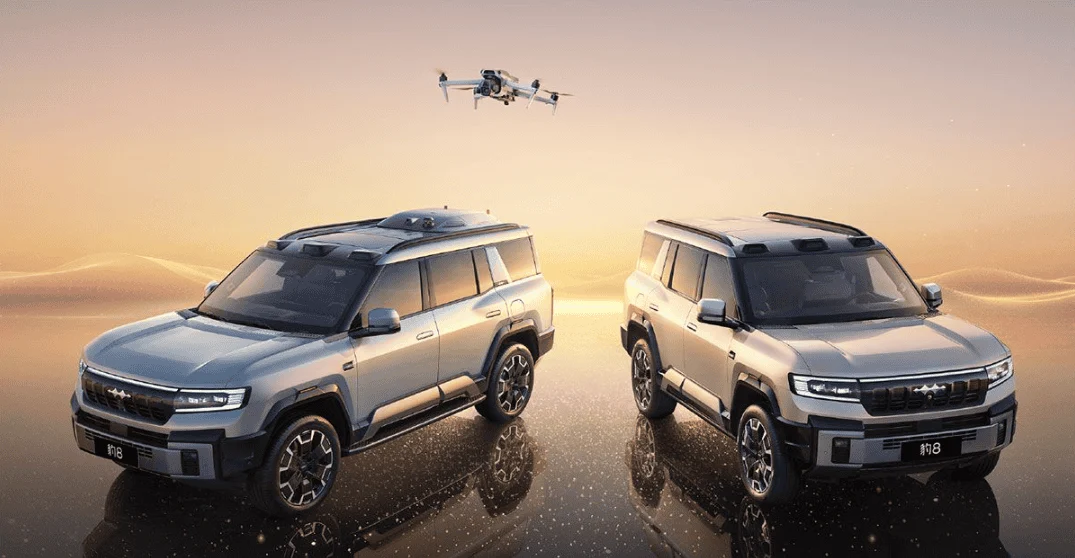
The centerpiece of this collaboration is the world’s first vehicle-mounted UAS (Unmanned Aircraft System) specifically designed for the automotive sector. The system is currently featured in the Yangwang U8, BYD’s ultra-luxury off-road SUV, under the "Yangwang Edition" drone package. The drone itself is a customized version of DJI’s high-performance hardware, optimized for high-speed deployment and retrieval from a moving platform.
The integrated drone bay, located on the roof of the vehicle, features an automated retraction and extension mechanism. When the driver initiates the drone command via the vehicle’s internal infotainment screen, the bay opens, and the drone takes flight automatically. One of the most significant technical achievements of this system is the automated battery swapping and charging capability. Inside the housing, a robotic arm manages battery replacements, ensuring that the drone is always ready for flight without requiring the user to handle hardware.
Equipped with a high-resolution 4K camera and DJI’s industry-leading three-axis gimbal stabilization, the drone provides professional-grade aerial footage. The software integration allows the drone to follow the vehicle autonomously at high speeds, utilizing advanced obstacle avoidance sensors to navigate complex terrains such as forests or mountainous regions. This "Follow-Me" mode is synchronized with the car’s GPS and AI sensors, ensuring the drone maintains a consistent distance and angle even as the vehicle changes speed or direction.
A Chronology of Innovation: From Concept to Consumer
The journey toward the BYD-DJI smart drone began in early 2024 during BYD’s "Dream Day" event at its headquarters in Shenzhen. During this exhibition, BYD Chairman and President Wang Chuanfu outlined the company’s vision for a "Whole-Vehicle Intelligence" strategy. He argued that the future of the automotive industry lies not just in electrification, but in the intelligent integration of various technological domains.
Following the initial announcement in January 2024, the two companies entered a rigorous phase of research and development. Engineers had to overcome significant aerodynamic challenges, specifically the turbulence created by a moving vehicle which can make drone takeoff and landing hazardous. By mid-2024, flight tests conducted in diverse environments—ranging from the high-temperature deserts of Xinjiang to the humid coastal regions of Guangdong—validated the reliability of the landing system, which uses infrared beacons and precision GPS to guide the drone back to its 10-centimeter-wide docking station.
In early 2025, the system was officially moved into the production phase. The launch coincides with the broader expansion of the "low-altitude economy" in China, a government-backed initiative aimed at promoting the use of drones in logistics, tourism, and personal transportation. BYD’s move is seen as the first major commercial success in bringing this low-altitude technology to the consumer automotive market.
Strategic Implications for the Global EV Market
The introduction of an integrated drone system serves several strategic purposes for BYD. First, it provides a unique selling proposition (USP) that differentiates the brand from competitors like Tesla, Rivian, and Xiaomi. While many manufacturers are focusing on autonomous driving and in-car entertainment, BYD is expanding the vehicle’s utility into the surrounding environment.

Industry analysts suggest that this move is aimed squarely at the "adventure and luxury" segment. For off-road enthusiasts, the drone provides a "scout" function, allowing drivers to survey the road ahead for obstacles, floods, or traffic jams that are not visible from the driver’s seat. In a safety context, the drone can be deployed in emergency situations to locate help or transmit the vehicle’s location in areas with poor cellular reception.
Furthermore, the data generated by the drone—high-definition maps and real-time environmental footage—could eventually be fed back into the vehicle’s autonomous driving system. By providing a "bird’s eye view," the drone offers a perspective that ground-based LIDAR and cameras cannot achieve, potentially improving the safety and accuracy of self-driving algorithms in complex environments.
Industry Reactions and Expert Analysis
The collaboration has drawn significant attention from both automotive and technology experts. Zhang Xiang, a fellow at the Northern China University of Technology’s Research Center for Automobile Industry Innovation, noted that the partnership leverages the absolute strengths of two market leaders. "DJI has no real rival in the consumer drone space, and BYD is now the largest EV producer globally. This is a synergy of hardware and software that creates a closed-loop ecosystem for the user," Zhang stated.
However, some experts have raised questions regarding regulatory compliance. In many international markets, including the United States and parts of Europe, flying a drone from a moving vehicle is subject to strict FAA or EASA regulations. "BYD will need to navigate a complex web of ‘Line of Sight’ laws and no-fly zone restrictions as they export this technology," says Marcus Thorne, an aviation safety consultant. "The automation makes it safer, but the legal framework for ‘vehicle-launched UAS’ is still in its infancy in many jurisdictions."
In response to these concerns, BYD has stated that the drone system includes built-in geofencing. This software prevents the drone from taking off in restricted areas, such as near airports or government buildings, and ensures that the drone remains within a safe distance of the vehicle at all times.
The Future of the Low-Altitude Economy and Automotive Synergy
BYD’s foray into drone technology is part of a larger trend known as the "Low-Altitude Economy." The Chinese government has identified this sector as a strategic emerging industry, expected to contribute trillions of yuan to the national economy by 2030. By integrating drones into cars, BYD is positioning itself at the forefront of this movement.
Future iterations of this technology are expected to include even more advanced features. Sources close to BYD’s R&D department suggest that future models may include:
- Multi-Drone Coordination: The ability for a single vehicle to manage a fleet of small drones for comprehensive 360-degree environmental mapping.
- Drone-to-Vehicle Delivery: Small delivery drones that can land on a moving vehicle to drop off packages or medical supplies.
- Enhanced V2X Communication: Using the drone as a signal relay to improve the vehicle’s connectivity in remote areas.
As the technology matures, it is likely that these features will trickle down from the luxury Yangwang brand to BYD’s more affordable series, such as the Dynasty and Ocean lineups. This democratization of aerial technology could fundamentally change how people document their lives and interact with their surroundings.
Conclusion: A New Standard for Intelligent Mobility
BYD’s launch of the smart drone system, in partnership with DJI, is a bold statement of intent. It proves that the company is no longer just a "car manufacturer" but a comprehensive technology provider. By successfully integrating complex aerial hardware into a consumer vehicle, BYD has addressed the practical difficulties of drone ownership while enhancing the functionality of the electric vehicle.
The system offers tangible benefits in documentation, safety, and navigation, making it more than just a high-tech gimmick. As the automotive industry continues to evolve toward "Software-Defined Vehicles," the integration of external hardware like drones will likely become a new battleground for innovation. For now, BYD and DJI have set a high bar, challenging other manufacturers to think beyond the four wheels and look toward the sky. The success of this venture will likely be measured by how quickly competitors respond and how rapidly global regulations adapt to this new reality of integrated aerial and ground transportation.