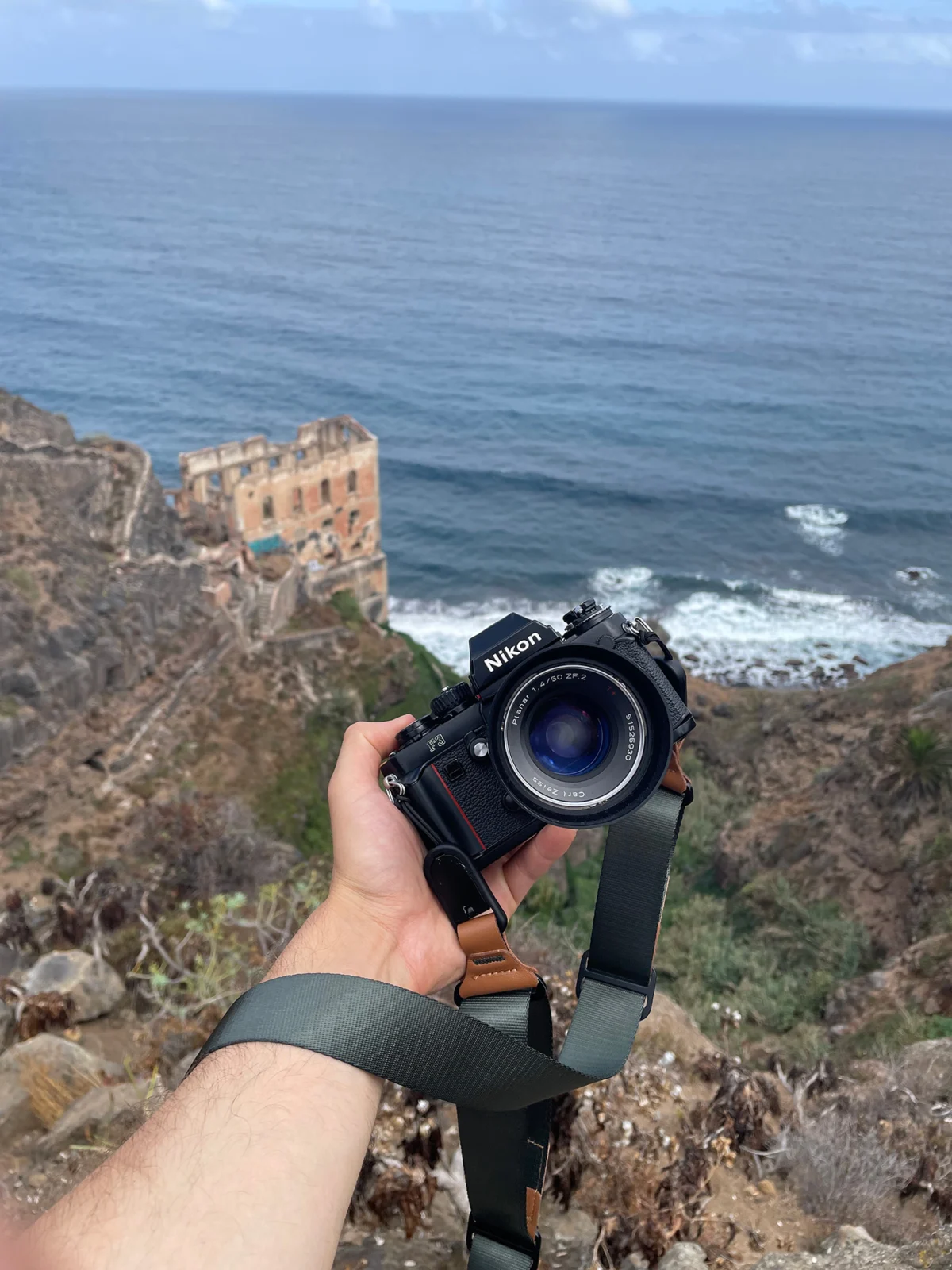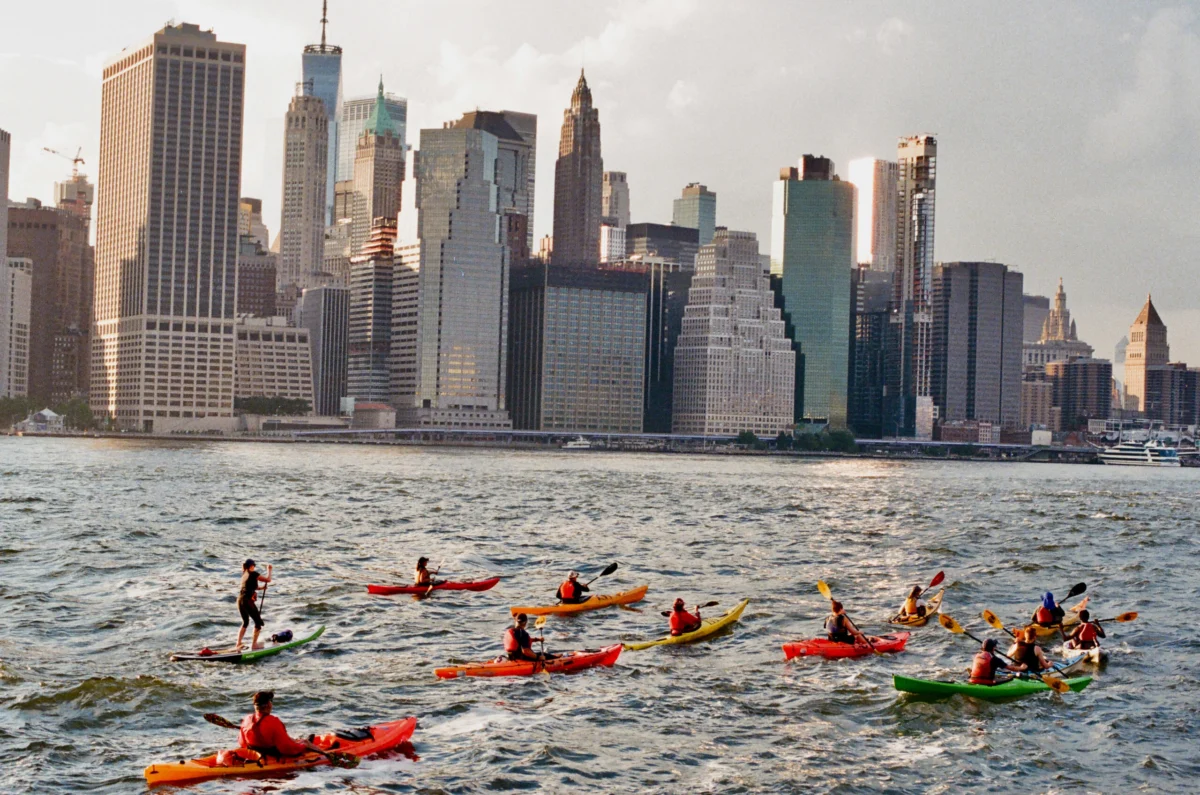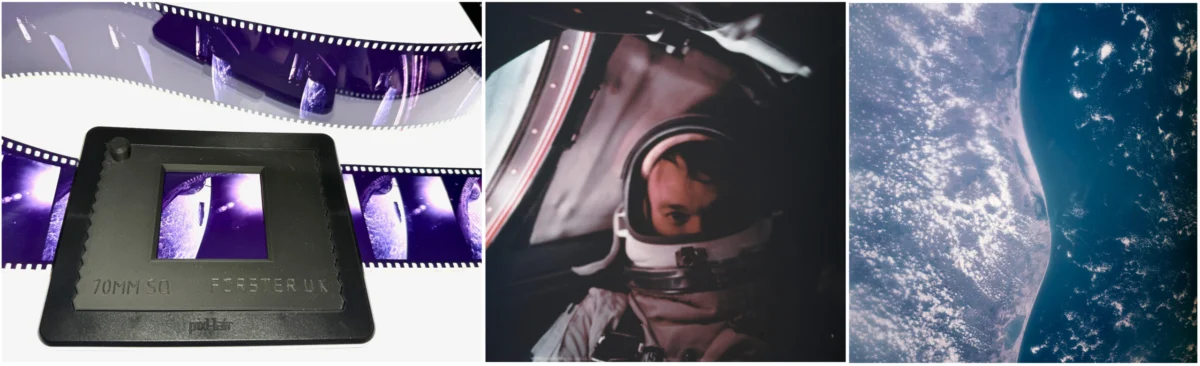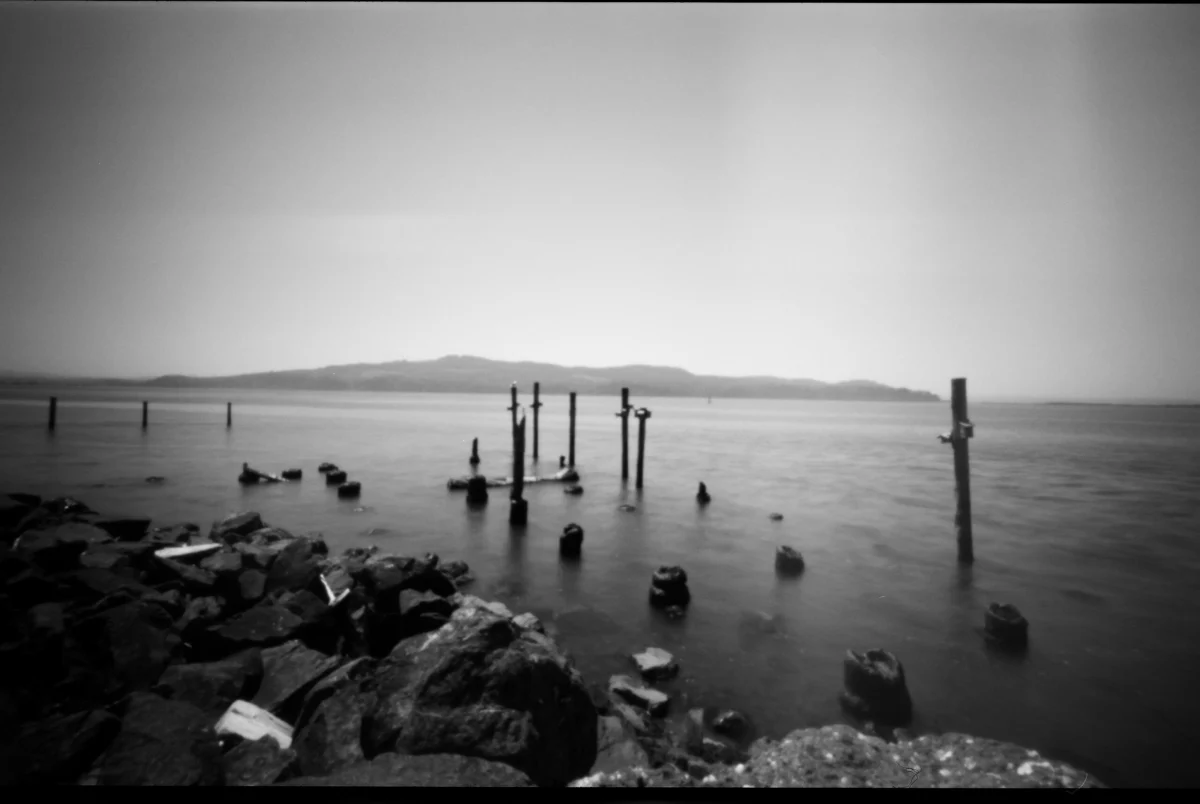
The contemporary photography landscape, long dominated by high-resolution digital sensors and instantaneous smartphone processing, is currently witnessing a significant pivot toward traditional analog mediums. This movement, often characterized by a return to "slow photography," was exemplified in a recent creative expedition to the Pacific Northwest, where the use of a Holga WPC 120 pinhole camera served as a case study for the technical and psychological shifts occurring within the artistic community. The project, initiated in the summer of 2021, highlights a broader trend where practitioners are eschewing digital convenience for the tactile, unpredictable, and disciplined nature of film.
The Context of the Analog Renaissance
The shift back to film is not merely a nostalgic retreat but a documented market trend. According to industry reports from Kodak Alaris and Fujifilm, demand for professional-grade film stocks has seen a steady increase since 2015. For many photographers, the transition back to film represents a rejection of the "infinite choice" offered by digital photography, where thousands of frames can be captured with little cost. In contrast, the use of medium-format film, such as the 120-roll film used in the Oregon expedition, limits the photographer to a specific number of exposures—typically 6 to 12 depending on the camera’s frame size—thereby necessitating a more calculated and intentional approach to composition.
In the summer of 2021, environmental factors played a pivotal role in the timing of this creative shift. Residents of the Southern United States, particularly Texas, faced extreme thermal conditions with temperatures frequently exceeding 100 degrees Fahrenheit from late July through September. These climatic conditions often drive a seasonal migration toward the cooler latitudes of the Pacific Northwest. Portland, Oregon, and its surrounding coastal regions, which maintained temperatures in the mid-60s to mid-70s during this period, provided the optimal atmospheric conditions for extended outdoor long-exposure photography, a requirement for pinhole technology.
Chronology of the Oregon Pinhole Expedition
The project began with the acquisition of a Holga WPC 120, a wide-angle pinhole camera. Unlike traditional cameras that utilize glass lenses to focus light, a pinhole camera relies on a tiny aperture—literally a pin-sized hole—to project an image onto the film plane. This method, based on the principles of the camera obscura, results in an infinite depth of field but requires significantly longer exposure times.
The preparation phase involved a steep learning curve, as the practitioner had not engaged with film since the early 2000s, specifically 2003, which coincided with the global mass adoption of digital point-and-shoot cameras like the Fujifilm FinePix series. The technical protocol established for the trip included:
- Film Selection: The use of Kodak T-Max 100, a continuous-tone panchromatic black-and-white negative film known for its extremely high sharpness and fine grain.
- Exposure Calibration: Adhering to a simplified exposure guide—one second for direct sunlight and three seconds for overcast or shaded environments.
- Stability Measures: The integration of a shutter release cable and a tripod to mitigate camera shake during the lengthy exposure durations.
- Light Sealing: The application of opaque tape to the camera’s seams to prevent "light leaks," a common manufacturing artifact in plastic-bodied Holga cameras.
The expedition moved from the urban center of Portland to the rugged geography of the Oregon Coast. Key locations included Tillamook, known for its agricultural and coastal vistas, and Cannon Beach, home to the iconic Haystack Rock. The itinerary concluded with a survey of the Columbia River Gorge, providing a diverse range of lighting conditions and topographical challenges for the pinhole medium.
Technical Challenges and Data Analysis of Film Exposure
The transition from digital to analog pinhole photography is fraught with technical variables that digital automation typically resolves. During the 2021 trip, four rolls of 120 film were exposed. Given the Holga WPC 120’s panoramic format, this yielded approximately 24 to 32 total frames. Statistical analysis of the results revealed a high failure rate, which is common in experimental analog photography. Out of the total exposures, only five frames were deemed technically successful or artistically viable.
Several failure modes were identified during the post-trip review:
- Mechanical Instability: The choice of a lightweight tabletop tripod proved insufficient for the coastal winds of Oregon. The equipment collapsed during several mid-exposure sequences, particularly at Cannon Beach, where the incoming surf compromised the tripod’s footing.
- Operator Error: The "Schwartzchild effect" or reciprocity failure—where film loses sensitivity during long exposures—requires precise timing. Forgetfulness regarding the locking mechanism on the shutter release cable led to extreme overexposure.
- Double Exposure: Unlike modern digital cameras, the Holga WPC 120 does not have an interlock to prevent multiple exposures on a single frame. The manual requirement to advance the film after every shot resulted in several overlapped images.
Despite these setbacks, the "Tillamook exposure" emerged as the primary success of the expedition. While the image exhibited characteristic pinhole "soft focus" and minor light artifacts, it successfully captured the atmospheric essence of the region, validating the practitioner’s return to the medium.
Public Perception and the "Film is Not Dead" Movement
One of the most revealing aspects of the 2021 expedition was the social interaction it facilitated. While shooting at a coastal overlook, the practitioner was approached by members of the public who expressed surprise that film was still in production. This encounter highlights a significant gap between the specialized photography market and general public perception.
When asked, "Do they still make film?" the practitioner’s response—"They never stopped"—echoes the sentiment of the "Film is Not Dead" movement. This subculture has been instrumental in keeping analog labs operational. In fact, companies like Ilford Photo and Kodak have reported that their most significant demographic growth is among users under the age of 35, who never used film as their primary medium and are now discovering it as a form of "vintage" or "authentic" expression.
Broader Implications for the Photography Industry
The psychological impact of the film process—waiting for development to see the results—contrasts sharply with the "instant gratification" model of digital platforms like Instagram. This "delayed gratification" is increasingly cited by mental health professionals and art theorists as a valuable counter-measure to the rapid-fire consumption of digital media. The tactile experience of loading film, winding the crank, and the chemical process of home development provides a sensory engagement that digital pixels cannot replicate.
From an industrial standpoint, the revival of film has led to a secondary market boom for vintage cameras. Prices for medium format cameras (Hasselblad, Mamiya, Pentax) have tripled in some cases over the last five years. While the Holga remains an affordable entry point, its popularity signals a desire for "lo-fi" aesthetics that are difficult to simulate perfectly with digital filters.
Conclusion: The Lasting Value of the Analog Image
The 2021 Oregon pinhole project serves as a microcosm of the larger analog resurgence. It demonstrates that the value of a photograph is not solely found in its technical perfection—sharpness, color accuracy, or dynamic range—but in the process of its creation and the emotional resonance it holds for the creator.
The successful image captured outside of Tillamook stands as a testament to the rewards of persistence in the face of technical difficulty. As the photographer transitioned from a "fumbling" amateur to a practitioner who now develops film at home, the project evolved from a simple summer trip into a long-term commitment to the craft. The story of the Holga WPC 120 in the Pacific Northwest confirms that as long as there is a desire for a tangible, physical connection to the act of seeing, film will continue to hold a vital place in the world of visual arts. Through the lens of a pinhole, the world moves slower, and in that slowness, a different kind of truth is captured.