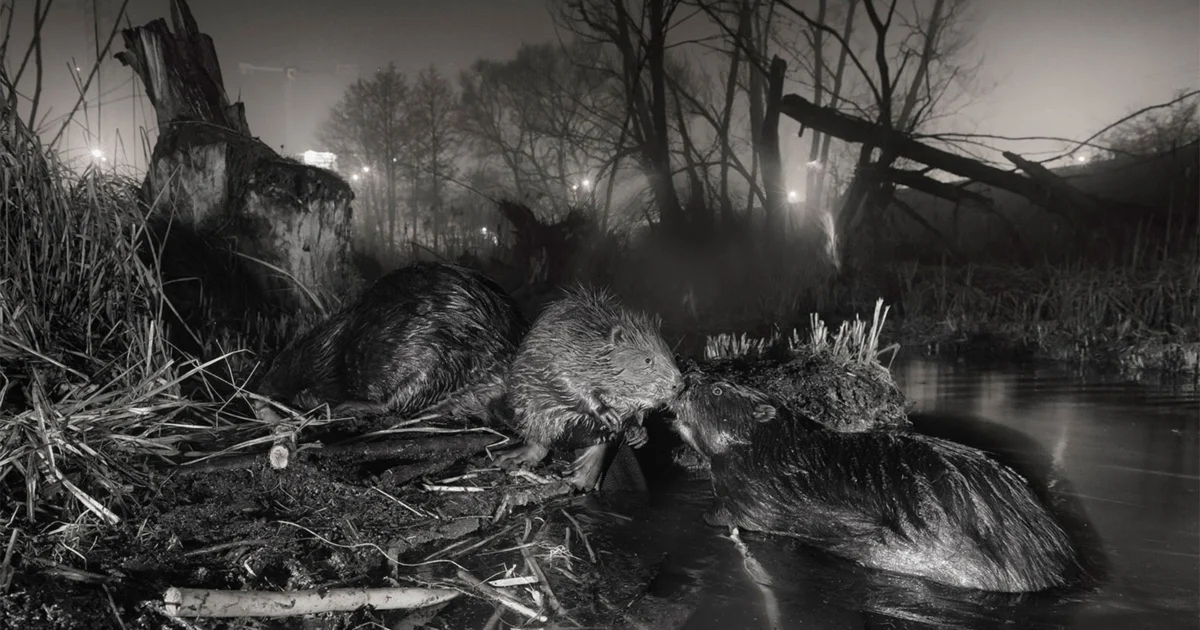
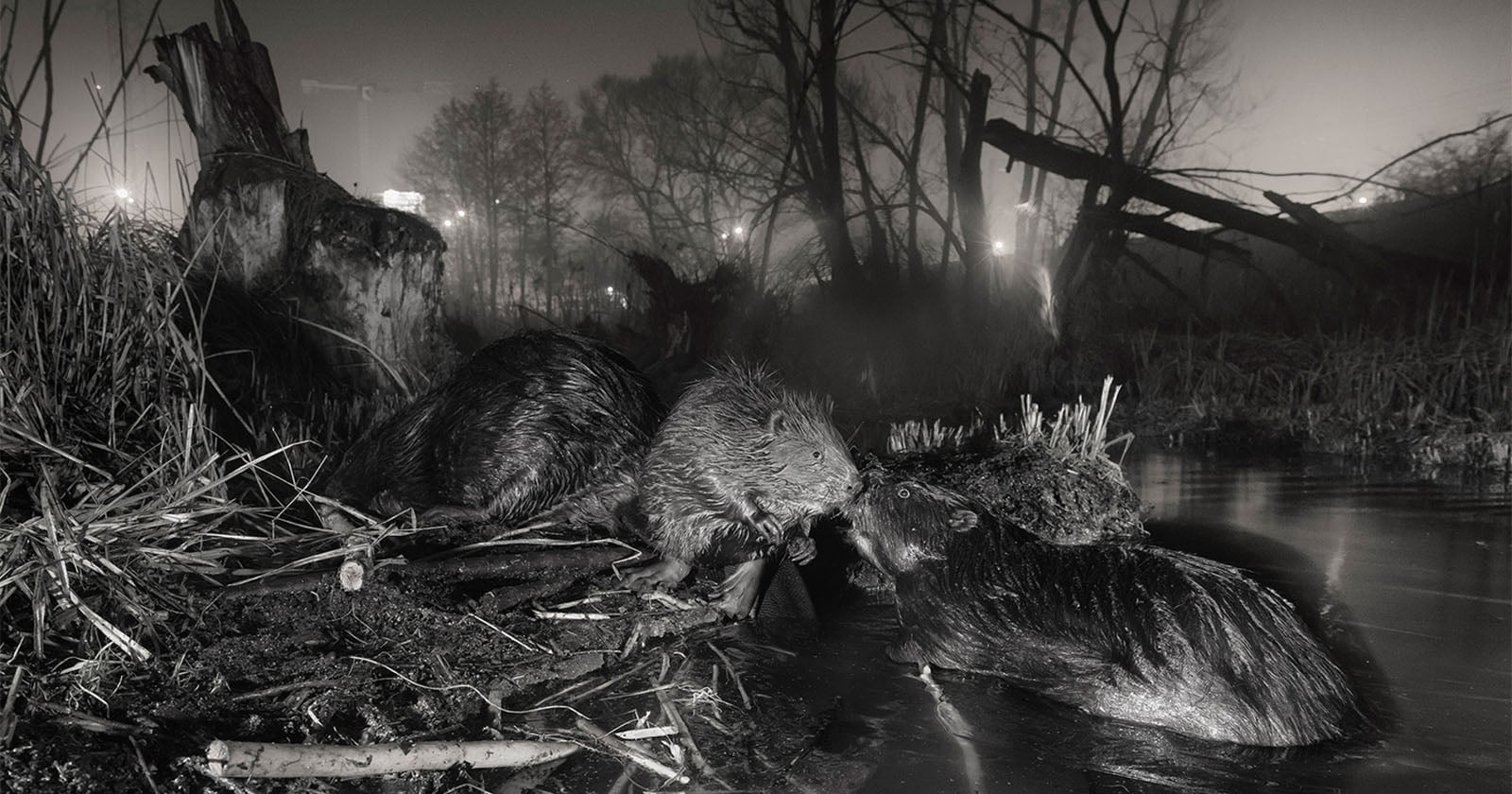
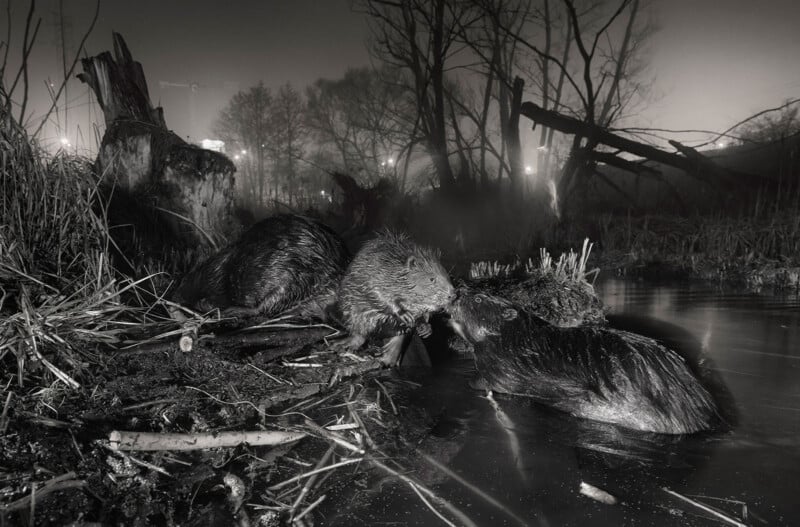
The prestigious 2026 Rewilding Europe Award has been bestowed upon Polish photographer Jan Wieczorek for his profoundly moving black-and-white wildlife photograph, "Urban Beavers." This striking image, depicting a trio of beavers interacting on the misty edge of a city pond, serves as a powerful testament to the burgeoning concept of rewilding and the unexpected harmony that can emerge between human development and thriving wildlife. The annual photography contest, a collaborative initiative by Rewilding Europe, the German Society for Nature Photography (GDT), and the European Wildlife Photographer of the Year competition, is dedicated to showcasing images from across the continent that encapsulate "rewilding in motion."
Understanding Rewilding: A Progressive Conservation Philosophy
Rewilding represents a transformative and forward-thinking philosophy in conservation, moving beyond traditional protection models to actively facilitate the resurgence of natural processes and ecological resilience. At its core, rewilding aims to restore and repair ecosystems that have been degraded or damaged by human activities, allowing nature to reclaim its inherent capacity for survival and self-governance. As articulated by Rewilding Europe, the underlying principle is that "Nature knows best when it comes to survival and self-governance." This approach often involves the reintroduction of keystone species, the restoration of natural hydrological regimes, and the creation of larger, more connected wild spaces, ultimately fostering biodiverse and self-sustaining landscapes.
The spectrum of rewilding is broad and dynamic, reflecting Europe’s diverse ecological and socio-economic landscapes. As contest judge Jon A. Juarez aptly notes, "Rewilding in Europe doesn’t have one single face. It can mean bringing back a species that disappeared, restoring natural processes, or simply giving nature enough space and time to recover on its own. But increasingly, it is also about learning how to share landscapes with wildlife." This versatility highlights the nuanced application of rewilding, from passive regeneration in remote wilderness areas to intricate interventions within human-dominated environments, all united by the goal of enhancing ecological functionality and biodiversity.
The Rewilding Europe Award: A Platform for Visual Storytelling
Established to highlight and celebrate the tangible progress of rewilding efforts across Europe, the Rewilding Europe photography contest has become a vital platform for visual storytelling in conservation. The award not only recognizes photographic excellence but, more importantly, elevates narratives that demonstrate nature’s capacity for recovery and the critical role of human engagement. By partnering with esteemed organizations like the GDT and the European Wildlife Photographer of the Year, the contest leverages a broad reach within the photographic community, attracting submissions that are both artistically compelling and ecologically significant. The competition encourages photographers to document the various facets of rewilding, from species reintroductions to habitat restoration, and crucially, the evolving relationship between humans and wildlife in a rewilding continent. Each year, the winning and commended images provide a compelling visual archive of Europe’s journey towards a wilder future, inspiring both conservationists and the general public.
"Urban Beavers": A Beacon of Coexistence in Olsztyn, Poland
Jan Wieczorek’s winning photograph, "Urban Beavers," is a poignant illustration of rewilding’s capacity to transform perceptions and realities. Captured in the Polish city of Olsztyn, the image features three European beavers (Castor fiber) against a backdrop subtly hinting at urban development—construction cranes and distant city lights barely piercing the nocturnal mist. Wieczorek’s masterful use of black-and-white photography enhances the timeless quality of the scene, drawing the viewer’s attention to the beavers’ industrious presence rather than the distractions of colour. The image is a powerful narrative of successful human-wildlife coexistence, challenging the conventional notion that wilderness must be remote and untouched by human presence.
For nearly 15 years, Wieczorek has meticulously observed this beaver family, witnessing their resilience and adaptability within an urban matrix. His long-term commitment allowed him to capture not just a moment, but the ongoing saga of these animals thriving amidst power lines, railways, and ongoing residential construction. This success is not accidental; it is underpinned by the protective measures enacted by local authorities and the growing acceptance and appreciation from the Olsztyn community. Beavers, often considered ecosystem engineers, play a crucial role in creating and maintaining wetlands, which in turn enhance biodiversity, improve water quality, and mitigate flood risks – benefits that are particularly valuable in urban environments.
Wieczorek articulates the profound message embedded in his work: "The story behind the photograph shows that nature doesn’t always exist somewhere far away. It can thrive right next to our homes, beneath our bridges, and in the centers of our cities. By framing the housing development alongside the wetland created by the beavers, I wanted to show that it is possible for humans and wildlife to share space." His photograph serves as a visual manifesto for urban rewilding, demonstrating that with thoughtful management and community engagement, even bustling cities can become havens for once-absent species. Judge Viktoria Pezzei echoes this sentiment, adding, "The winning and commended images capture the essence of how humans and wildlife can live side by side. Photography like this translates the complex relationships between humans and wildlife, ultimately helping us understand them better."
Diverse Approaches to Rewilding: Runner-Up and Commended Entries
The awards also celebrated other compelling narratives, highlighting the diverse strategies employed in rewilding across Europe.
"Managed Revival": The Plight of the European Hamster
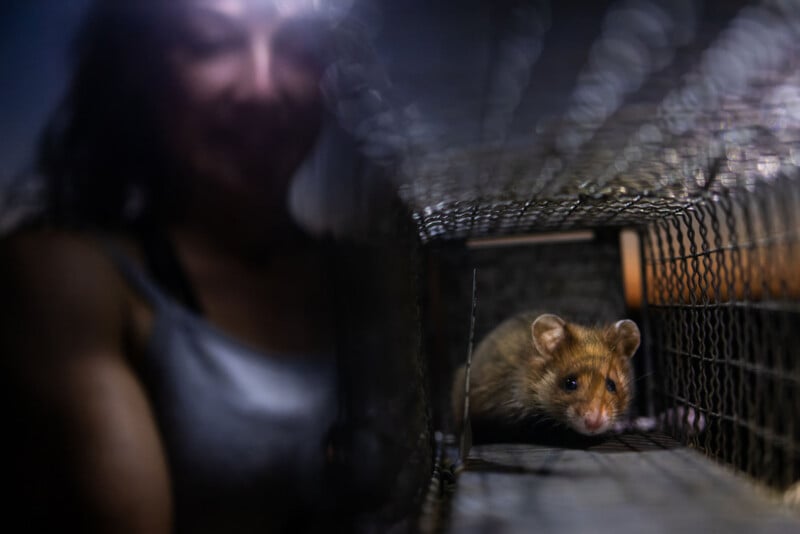
Christoph Kaula’s runner-up photograph, "Managed Revival," presents a stark contrast to the passive coexistence seen in Wieczorek’s work, underscoring the necessity of direct human intervention for critically endangered species. The image depicts a small European hamster (Cricetus cricetus) inside a wire cage trap, a snapshot from a dedicated research project aimed at saving this threatened rodent. Once widespread across European farmlands, the European hamster has suffered catastrophic population declines, primarily due to the intensification of agriculture. Modern farming practices, characterized by monocultures, deep ploughing, early harvests, and widespread pesticide use, have drastically reduced their food sources, destroyed their burrows, and left them vulnerable.
In response to this severe threat, conservationists have adopted a multi-pronged, hands-on approach. Kaula’s image encapsulates the urgency of these efforts, which include captive breeding programs to boost genetic diversity and population numbers, detailed genetic analysis to understand population structures and guide breeding strategies, and extensive habitat management to restore suitable environments. These initiatives often involve reintroducing hamsters into carefully prepared areas, monitoring their progress, and working with farmers to implement more wildlife-friendly agricultural practices. Kaula emphasizes the collaborative spirit essential for such endeavors: "Bringing a species back is never the work of a single organization or individual – it’s a collective effort. And that also means raising awareness and communicating the importance of conservation to a much wider audience." His photograph is a vital reminder that for some species, merely "leaving them alone" is no longer an option; active stewardship is paramount to their survival.
Commended Photos: Expanding the Rewilding Narrative
Three additional photographs received special commendations, further illustrating the breadth and impact of rewilding efforts:
-
"Peaceful European Bison" by Fabian Thorand: This serene image captures two European bison (Bison bonasus) resting peacefully in a Polish meadow, with a rustic barn and a foggy forest in the background. The story of the European bison is one of conservation triumph. Having been hunted to extinction in the wild in the early 20th century, a concerted international effort, primarily through captive breeding programs and subsequent reintroductions, has brought them back from the brink. Today, their population numbers exceed 10,000 individuals across various European countries, with significant herds in Poland, Belarus, and other nations. These magnificent animals are crucial ecosystem engineers, whose grazing patterns help maintain diverse habitats, creating clearings and stimulating plant growth. Thorand’s photograph beautifully conveys the harmony achieved through successful reintroduction, while he hopes it "shows how beautiful and peaceful coexistence with animals can be, even with such large ones. I believe it’s important to see nature not only as our environment, but as a natural habitat for wild animals that are worth protecting. Bison play a really important ecological role, but people have to learn how to live alongside them." This photo serves as a powerful symbol of successful large mammal rewilding and the ongoing work to integrate these species back into human-influenced landscapes.
-
"The Call of the Eagles" by Silke Hüttche: Hüttche’s photograph features two majestic white-tailed eagles (Haliaeetus albicilla) perched atop a tall, leafless tree amidst a misty, ethereal forest in Anklamer Stadtbruch, northeastern Germany. This image tells a story of passive rewilding and nature’s incredible capacity for self-healing. Anklamer Stadtbruch, a 2,000-hectare area, underwent a dramatic transformation following a massive storm surge in the 1990s. The inundation led to the formation of extensive peatlands, creating a unique and highly biodiverse wilderness. Peatlands are critical ecosystems, acting as significant carbon sinks and supporting a vast array of specialized flora and fauna. The white-tailed eagle, once severely endangered across much of Europe due to persecution and environmental pollutants like DDT, has seen a remarkable recovery in recent decades. Anklamer Stadtbruch now boasts one of Germany’s highest concentrations of these magnificent raptors, a testament to the area’s natural regeneration. Hüttche reflects on this transformation: "I have seen how the natural processes at work in Anklamer Stadtbruch have boosted the abundance and diversity of species found there. Today I know how incredibly important such new wilderness is." Her photograph captures the grandeur of nature reclaiming its space and the return of iconic species when given the opportunity.
-
"A New Generation" by Lewis Jefferies: This compelling image depicts a staff member from the National Lobster Hatchery releasing young European lobsters (Homarus gammarus) into a tidal pool in Cornwall, England. Jefferies’ photograph highlights the crucial role of active conservation in marine environments. The European lobster holds significant ecological and economic value, supporting vibrant coastal communities and playing a vital role in marine food webs. However, populations face threats from overfishing, habitat degradation, and the impacts of climate change. The National Lobster Hatchery in Padstow, Cornwall, exemplifies a proactive, community-driven approach to marine conservation. Working in collaboration with scientists, local fishermen, and even restaurants, the hatchery raises young lobsters in a protected environment, significantly increasing their chances of survival past their vulnerable larval stages, before releasing them back into the sea. This effort not only aims to bolster wild populations but also promotes sustainable fishing practices and enhances local marine biodiversity. Jefferies hopes his image "will help spark interest in marine wildlife and conservation and raise awareness of the incredible conservation work being done in Cornwall to save species and habitats." His photograph underscores that rewilding extends beyond terrestrial landscapes to the vital, yet often unseen, marine ecosystems that are critical for global ecological health and human livelihoods.
The Broader Impact: Inspiring a Wilder Europe
The annual Rewilding Europe Award photo contest powerfully demonstrates that the recovery of nature is not merely a distant ideal but a tangible reality, achievable through a combination of deliberate human action and the resilience of natural systems. Whether it’s the "passive" rewilding of urban beavers allowed to flourish, the "hands-on" efforts to save the European hamster, the successful reintroduction of bison, the natural regeneration of storm-created wetlands supporting eagles, or the active cultivation and release of lobsters, the common thread is the profound positive difference that people can make.
These photographs serve as more than just aesthetically pleasing images; they are vital tools for advocacy and education. They bridge the gap between complex scientific conservation concepts and public understanding, making the abstract goals of rewilding tangible and relatable. By showcasing diverse examples from across Europe, the contest cultivates a deeper appreciation for biodiversity and inspires greater public support for conservation initiatives. Such public engagement is crucial for influencing policy decisions, securing funding for rewilding projects, and fostering a cultural shift towards living in harmony with the natural world.
While significant challenges remain—including habitat fragmentation, human-wildlife conflict, climate change, and the need for sustained funding—the stories celebrated by the Rewilding Europe Award offer a compelling vision of hope. They remind us that rewilding is not a monolithic solution but a dynamic, multifaceted approach that embraces the complexities of ecological restoration and human interaction. Ultimately, the contest champions the optimistic message that, given space, time, and thoughtful intervention, nature possesses an extraordinary capacity to recover, enrich our lives, and create a wilder, more resilient Europe for generations to come.
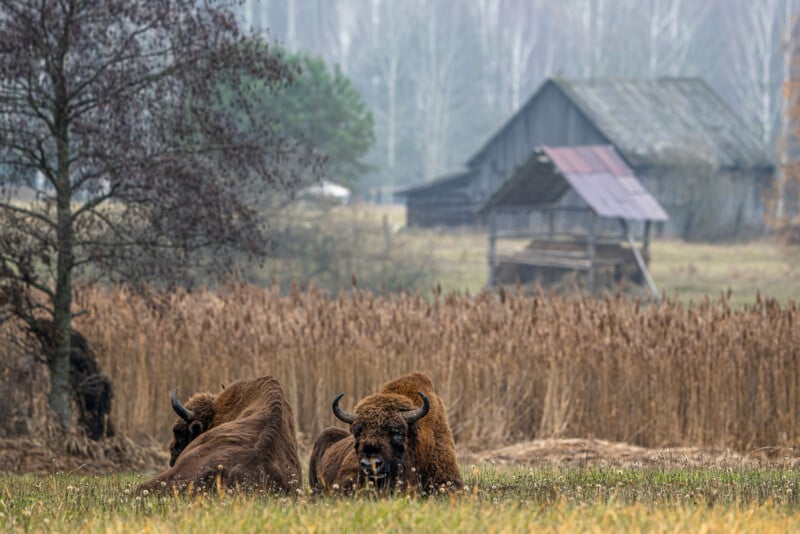
Image credits: Rewilding Europe Award, European Wildlife Photographer of the Year