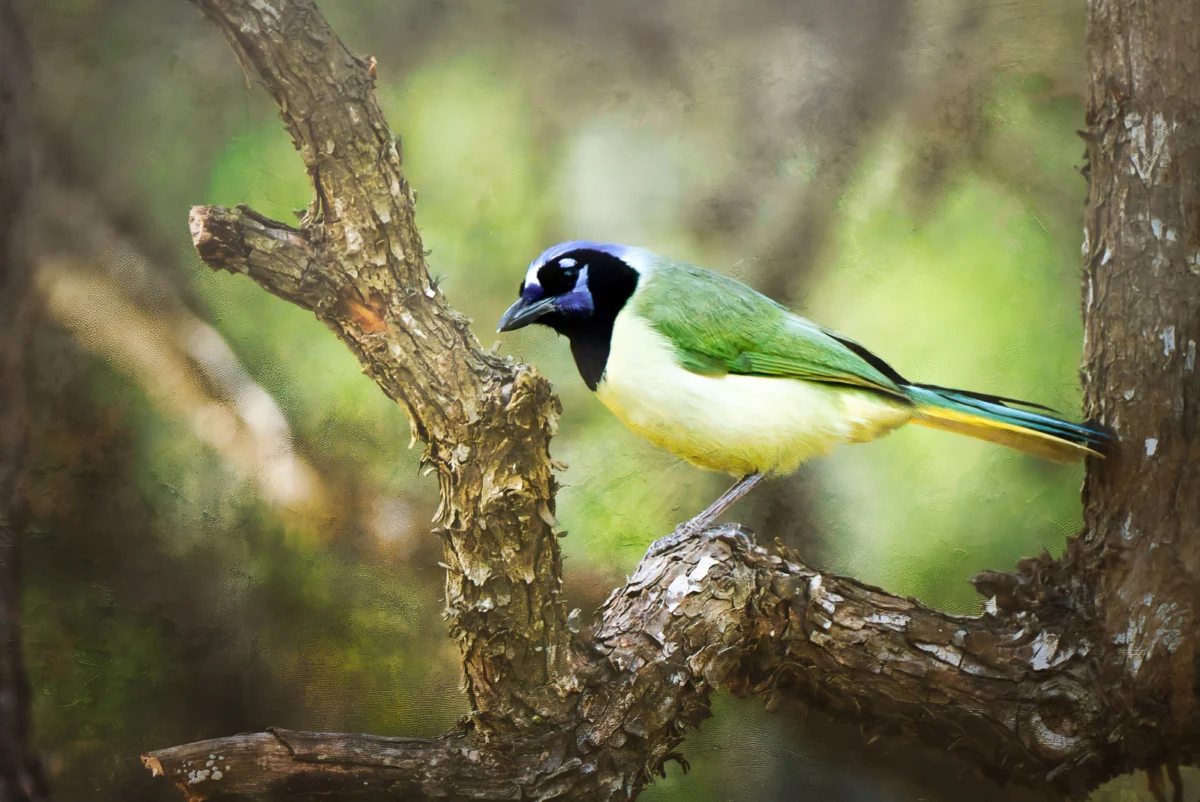
Passerine birds, often referred to as perching birds, constitute the immense order Passeriformes, representing an extraordinary feat of avian evolution. This group is not merely large; it is the dominant avian order, encompassing over 6,500 species, which accounts for more than half of all bird species globally. Their remarkable success is largely attributed to a distinctive toe arrangement—three digits pointing forward and one facing backward—providing an unparalleled grip for perching on branches, reeds, and wires. These agile and ubiquitous creatures thrive in virtually every terrestrial habitat across the globe, from the manicured confines of urban gardens and expansive agricultural fields to the dense canopies of ancient forests and the rugged expanse of open fields. Their accessibility and diverse characteristics make them a perpetually engaging, albeit challenging, subject for wildlife photographers worldwide.
The Global Significance of Passeriformes

The ecological and evolutionary triumph of passerine birds is a testament to their adaptability and specialized traits. From the diminutive, insectivorous warblers to the robust, seed-eating finches, and the melodious thrushes, their variety is astonishing. This order includes iconic species such as the vibrant European goldfinch (Carduelis carduelis) and the universally recognized European robin (Erithacus rubecula), alongside countless other species exhibiting an incredible array of plumages, vocalizations, and behaviors.
Passerines are vital components of nearly every ecosystem. They play critical roles in seed dispersal, pollination, and insect control, contributing significantly to biodiversity and ecosystem health. Their presence, or absence, often serves as an indicator of environmental well-being. The broad distribution of passerines, which can be found across all continents except Antarctica, underscores their ability to colonize and thrive in diverse environmental niches. While many species are common and widespread, a considerable number face conservation challenges, including habitat loss, climate change, pesticide use, and light pollution, underscoring the importance of understanding and appreciating these species.
Mastering the Art of Passerine Observation and Identification

Successful passerine photography begins long before the camera is raised. A profound understanding of these birds’ behavior and a keen eye for identification are paramount. Common examples of passerines include the ubiquitous sparrows, the acrobatic tits, the colorful finches, the elusive warblers, and the graceful swallows. Beyond visual cues, avian vocalizations offer an invaluable tool for identification. Learning to distinguish the varied songs and calls of different species is a fundamental skill, enabling photographers to locate and anticipate subjects even when they remain hidden within dense foliage. Ornithologists often emphasize that the acoustic landscape of a habitat provides a rich tapestry of information about its resident bird populations.
As with any form of wildlife photography, in-depth knowledge of the subject’s behavior is crucial. Photographers are encouraged to consult field guides, online databases, and local ornithological society resources to research their target species. Spending extended periods observing birds without the immediate intent to photograph can yield invaluable insights into their daily routines, feeding patterns, and social interactions. This patient observation allows photographers to predict movements and behaviors, significantly increasing the likelihood of capturing compelling and naturalistic images. Ethical considerations dictate that all observation and photography must prioritize the birds’ welfare, ensuring minimal disturbance, especially during sensitive periods like nesting and breeding.
Cultivating a Photographic Haven: The Home Feeding Station

One of the most effective strategies for attracting and photographing passerine birds is the establishment of a well-maintained feeding station. This approach provides a controlled environment, making these fast-moving subjects more accessible, particularly during the colder winter months when natural food sources are scarce. Periods of severe weather, such as heavy snow or prolonged freezes, often lead to increased bird activity at feeders, presenting exceptional opportunities to document inter-species interactions or even capture dynamic moments of competition for resources.
For optimal attraction, a diverse selection of food items should be offered. Sunflower hearts, black oil sunflower seeds, nyjer seeds, and live mealworms are highly favored by a wide range of passerine species. Suet blocks and various fruits can also entice different visitors, broadening the photographic opportunities.
Strategic placement of feeders is essential. Locations receiving ample natural light, ideally soft morning or late afternoon light, are preferable. Crucially, feeders should not be placed in overly exposed areas. Passerines are inherently cautious and require the security of nearby cover, such as dense shrubs or trees, where they can quickly retreat if threatened.

Hygiene at feeding stations is not merely good practice; it is a critical measure for preventing the spread of diseases among bird populations. Regular cleaning of feeders with a mild bleach solution (e.g., 1 part bleach to 9 parts water) followed by thorough rinsing and drying before refilling is imperative.
The inclusion of a fresh water source can significantly enhance a feeding station’s appeal, attracting additional species and providing unique photographic opportunities. A shallow bird bath or a carefully constructed reflection pool, such as a large, rectangular planting tray with a strategically placed rock or log, can yield stunning images of birds bathing or drinking, complete with artistic reflections. When positioning a reflection pool, photographers should experiment to capture reflections of surrounding foliage or trees, as direct sky reflections can often be overly bright and visually distracting.
Crafting the Visual Narrative: Perches, Backgrounds, and Light

The environment surrounding the subject plays a pivotal role in transforming a simple bird photograph into a compelling visual narrative. Thoughtfully selected and positioned perches can dramatically enhance an image’s aesthetic appeal and contextual relevance.
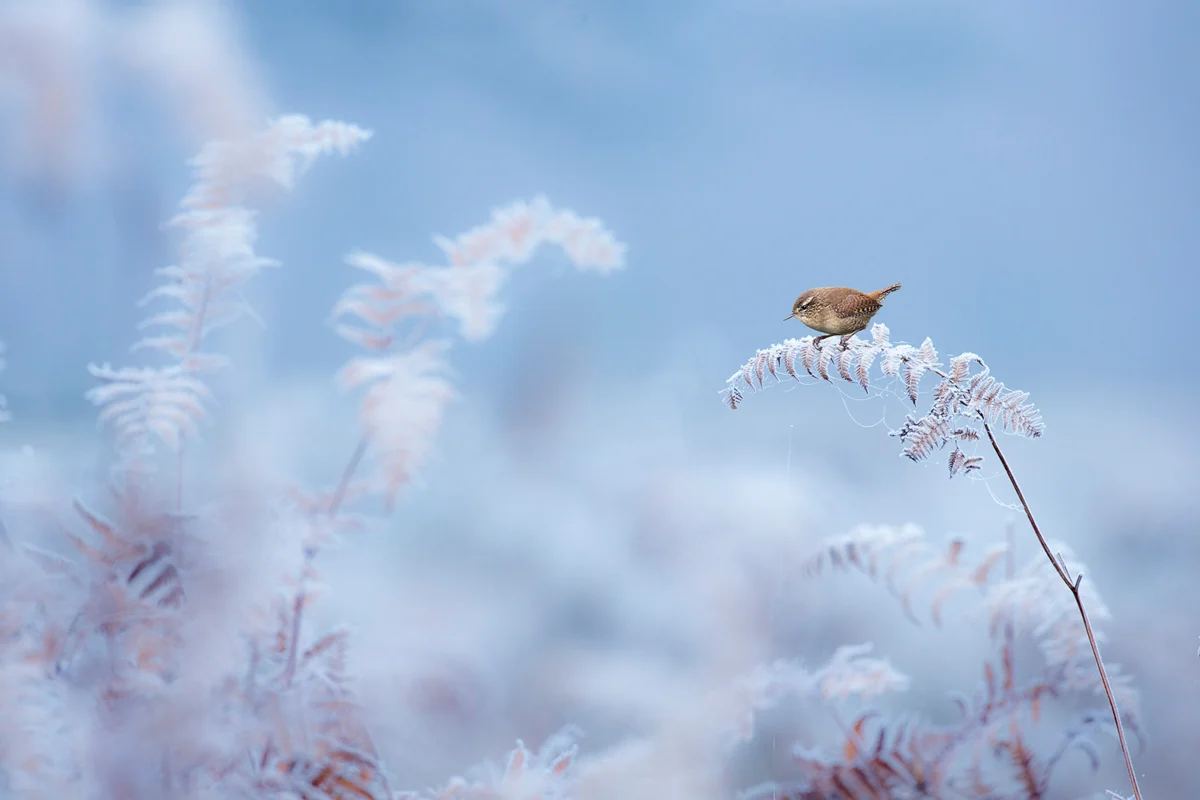
Photographers are advised to scout for natural perches during their outings, seeking out branches, twigs, or flowers that harmonize with the bird’s plumage and hint at its natural habitat. Moss or lichen-covered branches, a sprig of spring blossom, or a frosted twig in winter can provide a captivating setting. The key is to ensure the perch appears natural and integrated, avoiding any contrived or artificial elements.
Perch positioning must also consider lighting. A perch that is front-lit in the morning might offer stunning backlighting opportunities in the evening, particularly during the "golden hour" when the light is warm and rich, ideal for creating evocative rim lighting effects. Overcast days, far from being a disadvantage, act as a giant natural diffuser, softening the light and eliminating harsh shadows. This diffuse light is perfect for rendering intricate feather details and subtle color variations.

To eliminate unwanted distractions and achieve a professional aesthetic, backgrounds should be sufficiently distant from the subject to be rendered completely out of focus, creating a pleasing bokeh effect. The degree of background blur will depend on the lens’s focal length and the chosen aperture. A wide aperture (e.g., f/2.8 to f/5.6) combined with a long focal length will maximize this effect. Photographers should also consider background colors, aiming for complementary tones that enhance the subject rather than clashing with it. Areas of deep shadow can be strategically utilized to create dark, dramatic backgrounds that make the subject truly stand out.
Technical Precision: Camera Settings for Agile Subjects
Photographing small, fast-moving passerines demands a high degree of technical precision and rapid response.

- Camera Body: A modern DSLR or mirrorless camera with advanced autofocus capabilities is ideal. Models offering high continuous frame rates (10 frames per second or more) are invaluable for capturing fleeting moments of action. Advanced features like eye-detection autofocus can significantly improve sharpness, though mastering other focus modes remains essential.
- Lenses: A telephoto lens of at least 300mm is generally considered the minimum for effective bird photography, allowing photographers to maintain a respectful distance. Lenses in the 500mm to 600mm range are often preferred for their ability to isolate subjects and create diffuse backgrounds more easily. Both prime and tele-zoom lenses offer distinct advantages, with zooms providing flexibility in composition.
- Shutter Speed: To freeze the rapid movements of passerine birds, a minimum shutter speed of 1/1000th of a second is recommended for static or slow-moving subjects. For birds in flight or rapid action, increasing the shutter speed to 1/2500th of a second or higher is often necessary.
- Aperture: A wide aperture, typically ranging from f/2.8 to f/5.6, is used to create a shallow depth of field, effectively separating the bird from its surroundings. When composing frame-filling portraits, or including multiple birds, a slightly smaller aperture may be required to ensure critical sharpness across the entire subject, particularly the eyes and chest feathers.
- ISO: Photographers should not hesitate to increase ISO settings in low-light conditions to achieve the necessary shutter speed. Modern cameras handle higher ISOs remarkably well, and a sharp image with some digital noise is almost always preferable to a clean but blurry one.
- Focus Mode: Continuous autofocus (AI Servo on Canon, AF-C on Nikon/Sony) is crucial for tracking moving birds. While eye-detection focus is powerful, photographers should be prepared to switch to single-point or group focus, keeping the chosen point on the bird’s eye for maximum accuracy, especially if the eye-detection system struggles.
- Burst Mode: Utilizing the camera’s continuous shooting (burst) mode significantly increases the chances of capturing the decisive moment, especially when birds are active.
- Manual Focus Techniques: For highly dynamic action, such as birds taking off or landing, pre-focusing on a specific spot can be highly effective. For example, placing a perch near a feeder, pre-focusing on a point between the perch and feeder, and then firing a burst as the bird passes through that plane of focus.
Compositional Excellence: Elevating Passerine Portraits
Strong composition is the backbone of visually striking photography. Photographers should strive to pre-visualize their images, considering the placement of every element within the frame. While compositional guidelines offer a valuable framework, they should not stifle creative expression.
- Rule of Thirds: A foundational principle, dividing the frame into nine equal segments with two horizontal and two vertical lines. Positioning the subject along these lines or at their intersections (power points) often creates a more dynamic and aesthetically pleasing composition than placing the subject dead center.
- Incorporating the Environment: Integrating elements of the bird’s natural habitat, such as leaves, blossoms, or even a hint of the landscape, adds context and narrative depth to the image, telling a story beyond just a portrait.
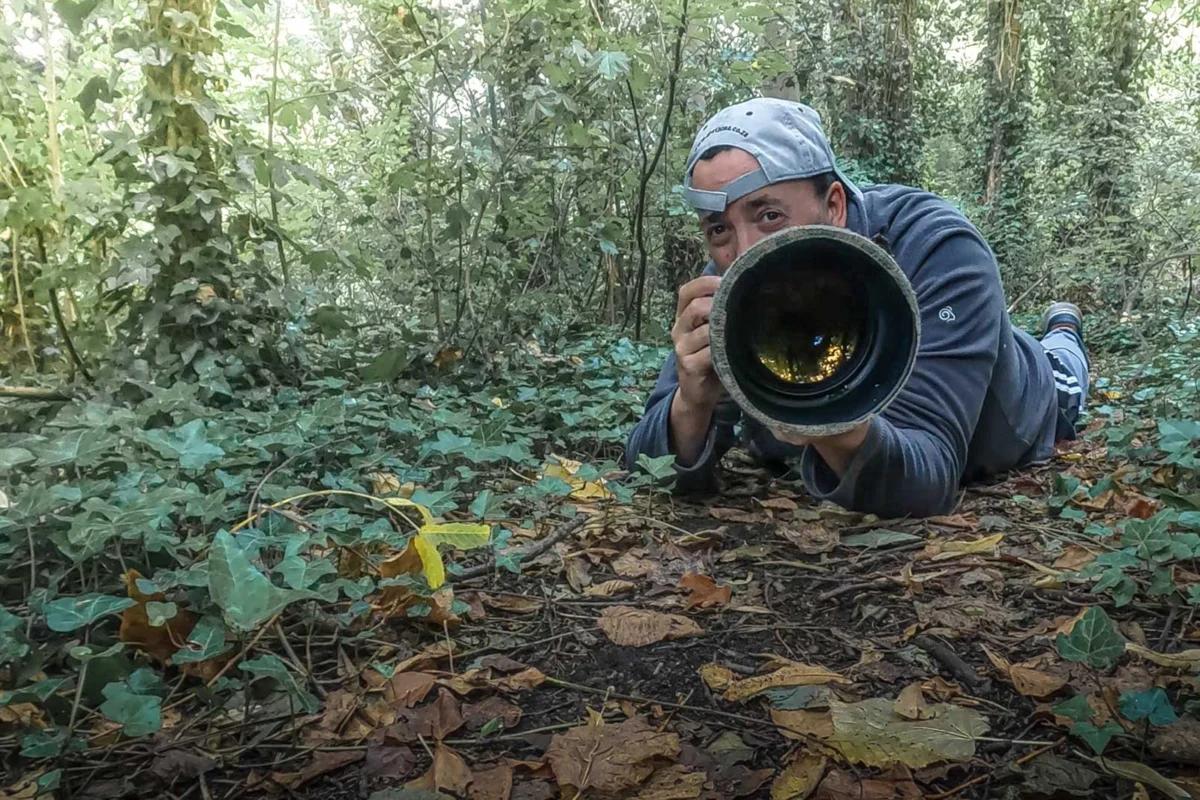
- Eye Level: Photographing birds at their eye level creates a sense of intimacy and a stronger connection with the viewer, drawing them into the bird’s world.
- Negative Space: Deliberately leaving empty space around the subject can emphasize its isolation, highlight its natural surroundings, and create a sense of balance, particularly effective in minimalist compositions or against expansive backdrops like snow. Positioning the bird to look or move into this space can further enhance the composition.
- Leading Lines: Utilizing natural lines within the scene, such as branches, fences, or stone walls, can effectively guide the viewer’s eye towards the primary subject, adding depth and visual interest. Renowned wildlife photographers often emphasize that strong composition transforms a mere record shot into an evocative piece of art.
Documenting Avian Life: Behavior and Interactions

Passerines are social and often engage in a fascinating array of behaviors. Documenting these interactions adds immense value and uniqueness to photographs. Patience and sustained observation are key to anticipating and capturing these moments.
- Feeding Habits: Capturing birds actively feeding or drinking from a water source provides engaging and authentic images.
- Singing: During the breeding season, many passerine species, including robins, wrens, blackbirds, and song thrushes, sing vociferously to defend territories and attract mates. Photographing a bird mid-song, with its beak open, can convey a strong sense of its vitality.
- Flocks and Fights: Passerines often gather in flocks, especially outside the breeding season. These gatherings, or occasional territorial disputes over food, can create dynamic action shots, offering opportunities to capture multiple birds in a single frame. When including two or more birds, adjusting the aperture slightly to increase depth of field may be necessary, while still prioritizing a fast shutter speed (1/2500th second or faster) to freeze the action.
- Parenting: Witnessing and ethically photographing parental care—such as parents feeding chicks or teaching fledglings to fly—offers incredibly touching and rare moments. Such opportunities require extreme caution to avoid any disturbance to the birds. Often, young birds will visit garden feeders with their parents shortly after fledging, providing more accessible and less intrusive photographic chances.
- Bathing and Preening: Birds meticulously clean and arrange their feathers. Capturing these moments of self-care, whether splashing in water or delicately preening, can yield both action-oriented and highly detailed close-up shots. Studies show that images depicting natural behaviors and interactions often resonate more deeply with audiences, fostering a greater appreciation for wildlife.
Essential Gear for the Dedicated Passerine Photographer
While passion and patience are paramount, having appropriate equipment can significantly ease the technical challenges of passerine photography.

- Camera: A high-performance DSLR or mirrorless camera with a fast and accurate autofocus system and a high continuous shooting rate (10 fps or more) is highly beneficial. Eye-detection autofocus, while not essential, can be a significant advantage.
- Lenses: A telephoto lens is indispensable. A 300mm lens is a good starting point, but lenses of 500mm or 600mm focal length are generally preferred for their ability to fill the frame and create beautiful background separation. Tele-zoom lenses offer versatility, allowing for compositional adjustments without changing lenses.
- Tripod: A sturdy tripod is crucial for stability, especially when using heavy telephoto lenses or during extended shooting sessions from a hide. A gimbal head, designed for heavy telephoto lenses, allows for smooth, fluid tracking of moving subjects.
- Hide: Portable hides, camouflage netting, or purpose-built bird photography hides are invaluable for getting closer to shy birds without causing disturbance. Hides that can be left in situ over time allow birds to habituate to their presence.
- Remote Shutter Release: A remote release minimizes camera shake, particularly useful when the camera is pre-focused on a specific spot and the photographer is waiting for a bird to enter the frame.
- Memory Cards: Ample high-speed memory cards are essential, especially when shooting in burst mode. Opting for cards with high write speeds ensures the camera can keep up with continuous shooting.
The Broader Impact: Photography as a Conservation Tool
Beyond the personal satisfaction of capturing beautiful images, passerine photography holds a broader significance. By showcasing the intricate beauty and dynamic behaviors of these birds, photographers can raise public awareness and foster a deeper appreciation for the natural world. These images can contribute to citizen science initiatives, documenting species presence and distribution, and highlighting environmental changes. For the photographer, the pursuit of passerine photography offers a unique connection to nature, promoting mindfulness and well-being. This endeavor carries an ethical imperative: responsible practices, minimizing disturbance, and always prioritizing the welfare of the birds.
Conclusion: A Rewarding Pursuit

Whether undertaken in a suburban garden, a local park, or a remote wilderness, the photography of passerine birds offers endless opportunities for creative wildlife imaging. Their small size and rapid movements present considerable technical and artistic challenges. However, by combining an understanding of their behavior, meticulous environmental setup, and mastery of photographic techniques, photographers can consistently create stunning images that not only showcase the ephemeral beauty and charm of these ubiquitous birds but also contribute to a greater appreciation for their place in our ecosystems. So, with camera in hand and a spirit of patient observation, photographers are invited to immerse themselves in the enchanting and rewarding world of passerine photography.