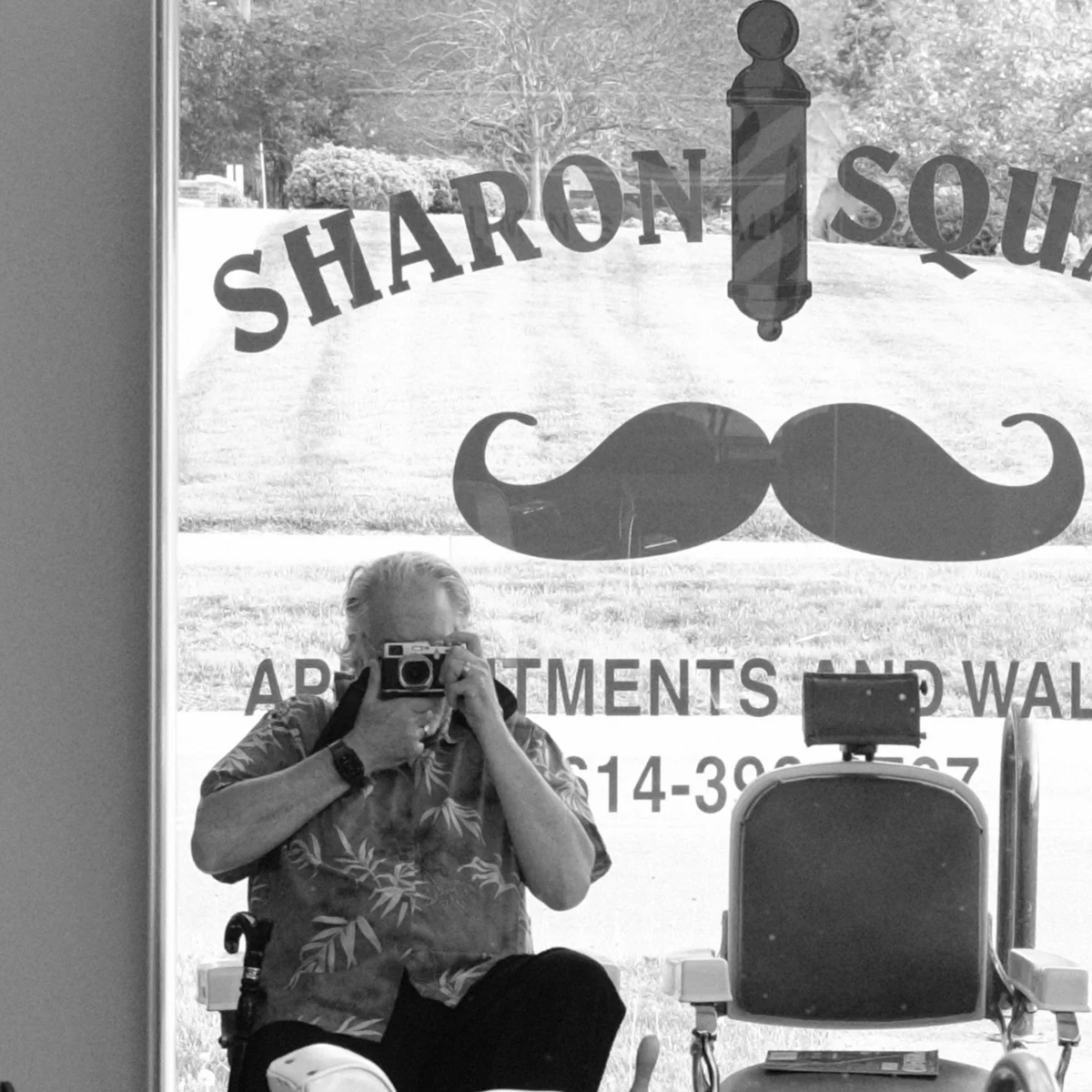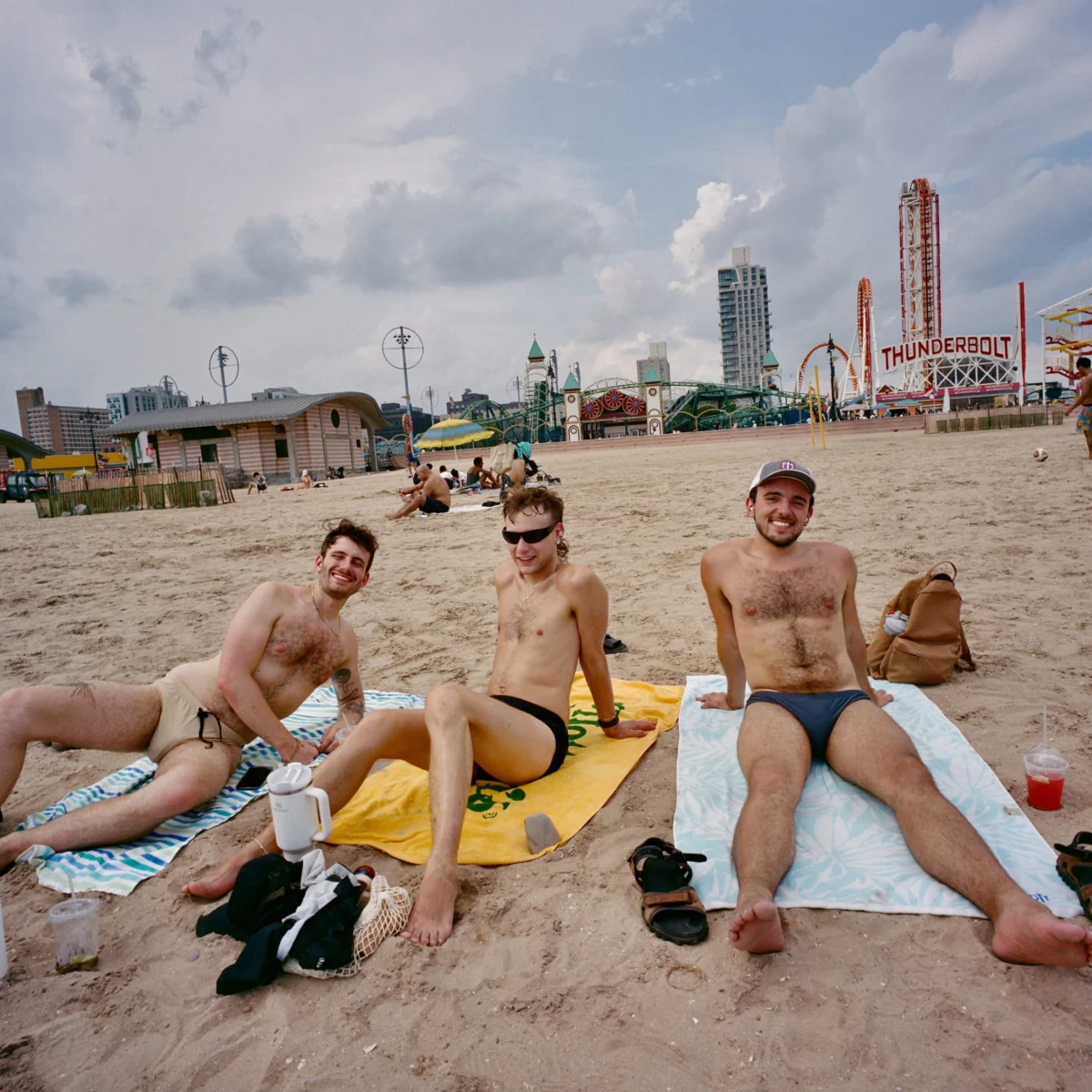
The documentation of New York City’s coastal identity reached a new milestone this August as photographer David Pauley completed his annual visual study of Coney Island, utilizing mid-century medium format equipment to capture the visceral realities of Brooklyn’s summer season. The project, which has evolved into a recurring tradition for the artist, focuses on the aesthetic and sociological intersections of the historic Boardwalk and the diverse crowds that populate the shoreline during the year’s most intense thermal peaks. By eschewing the traditionally "photogenic" golden hours of dawn and dusk, Pauley’s work confronts the harsh, high-contrast environment of the midday sun, providing a stark, unsentimental look at the contemporary American seaside experience.
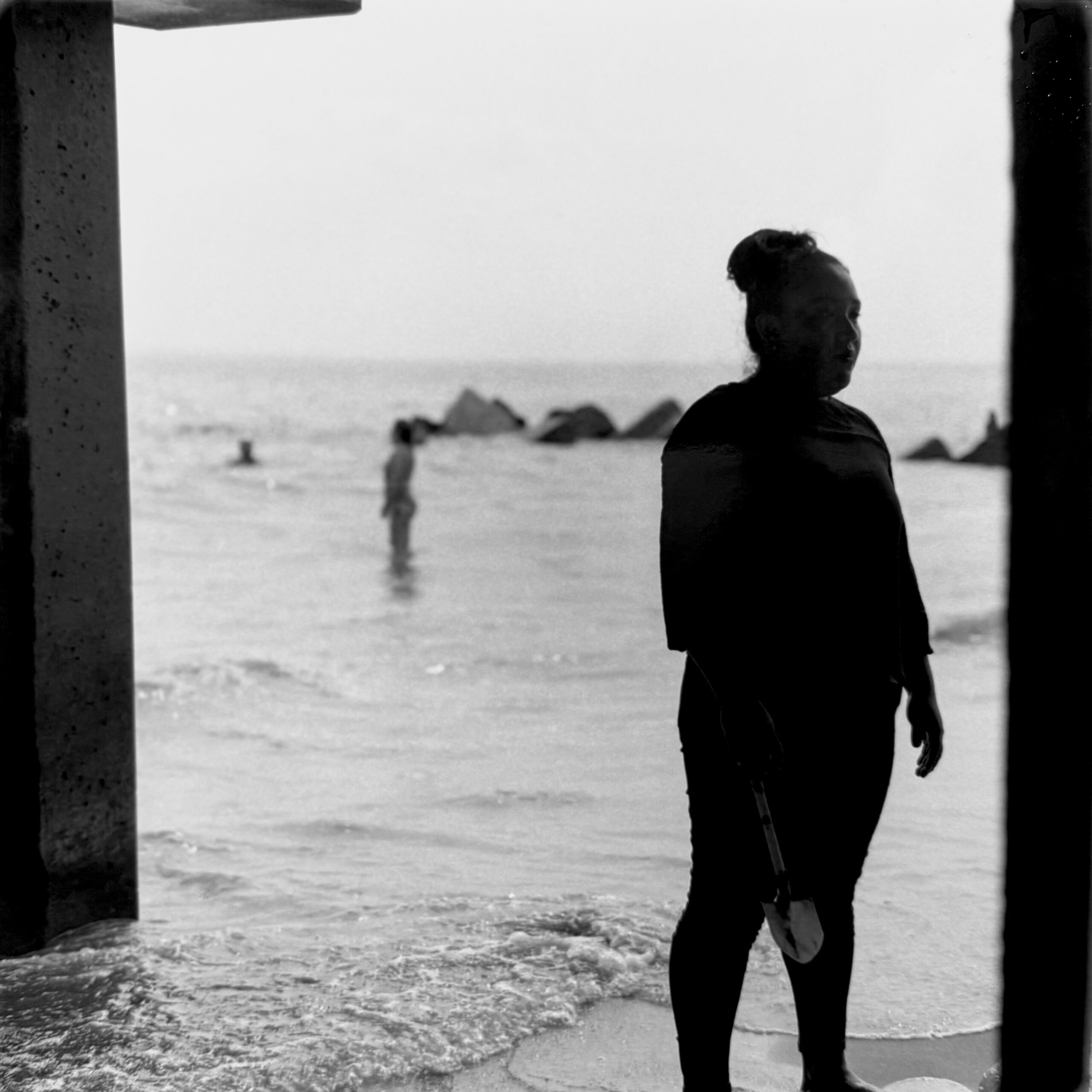
The Annual Chronology of the Coney Island Study
The 2026 expedition marks several years of consistent observation at the site often referred to as "Brooklyn’s answer to the Côte d’Azur." While previous iterations of the study established a baseline for the area’s visual language, the August 2026 session was characterized by a specific focus on the human element over the architectural. The timeline of the project began in the early afternoon, deliberately coinciding with the period of "murderous contrast" where the sun reaches its zenith.
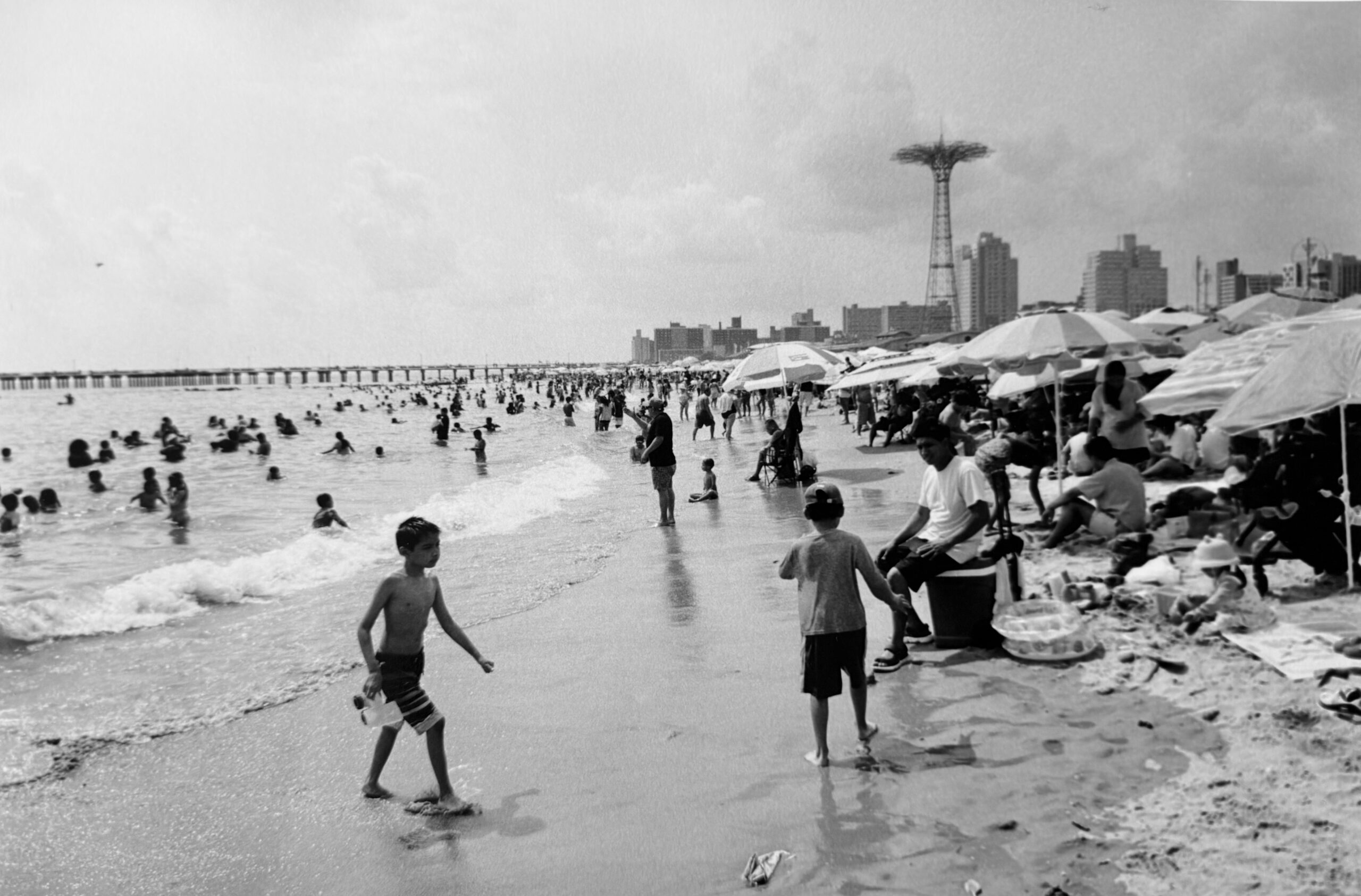
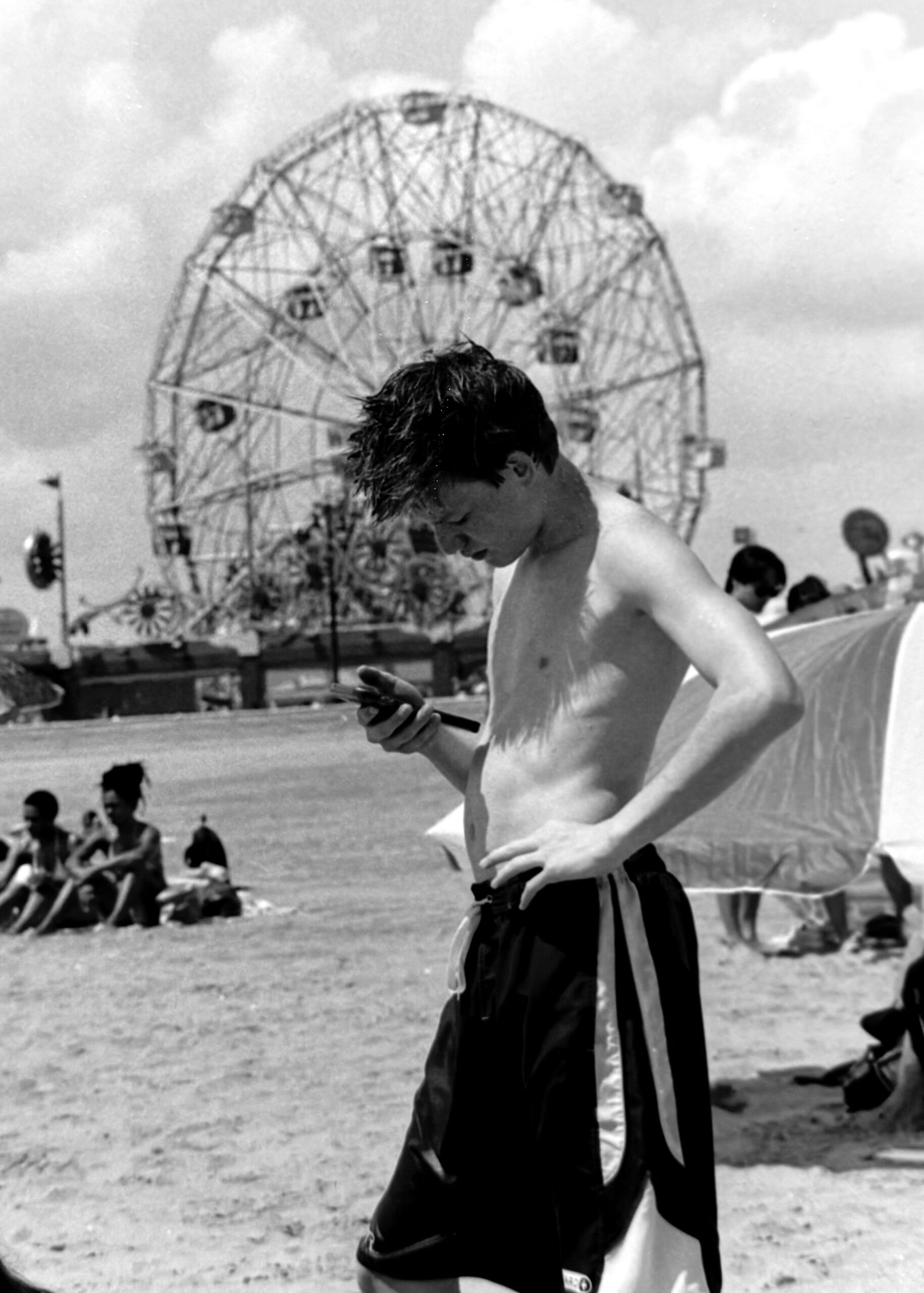
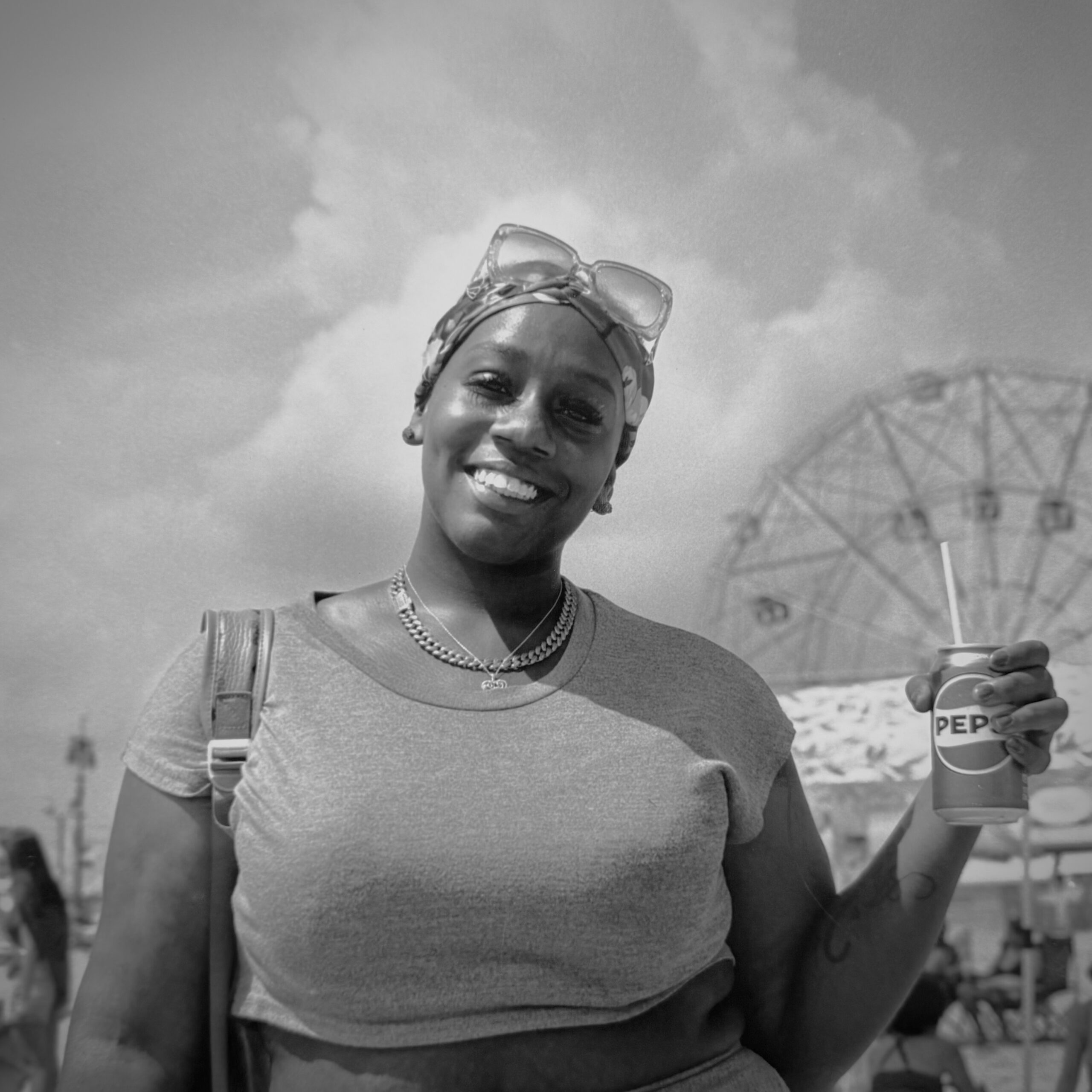
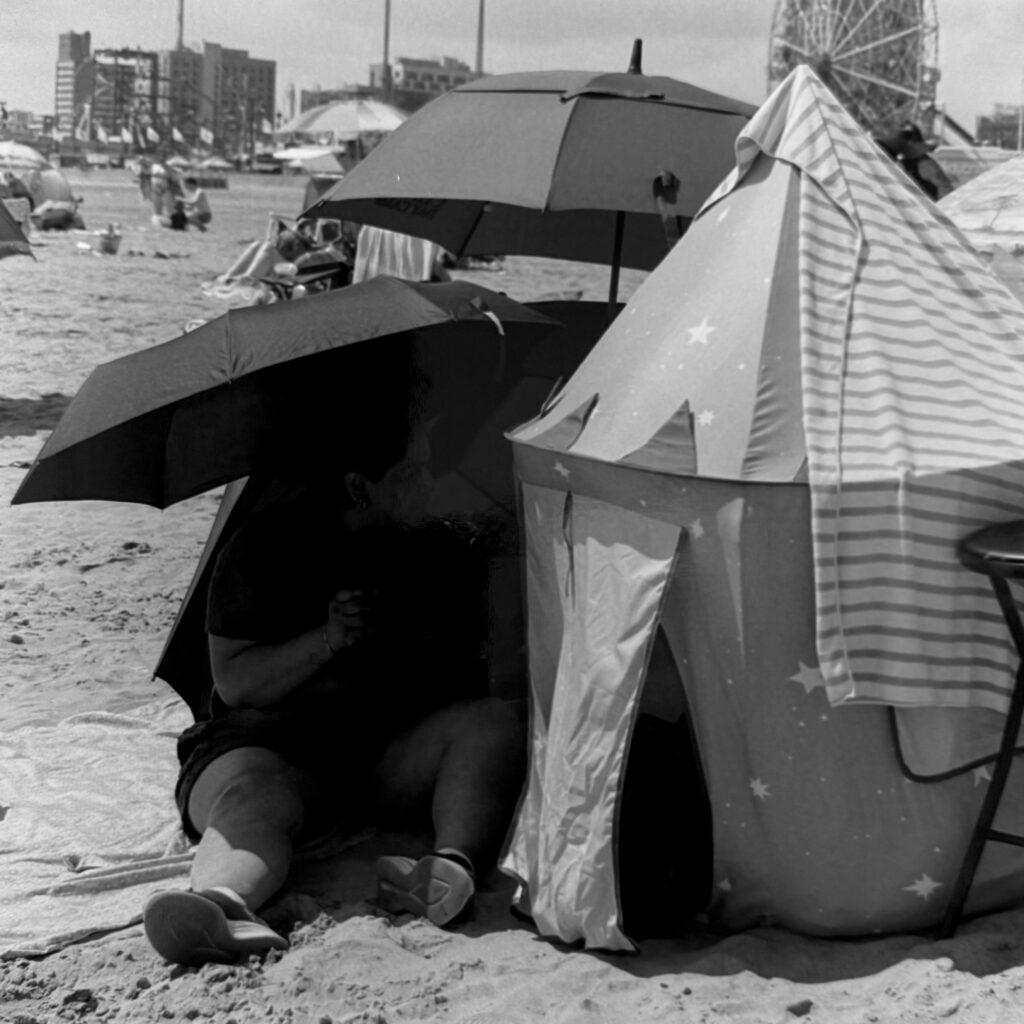
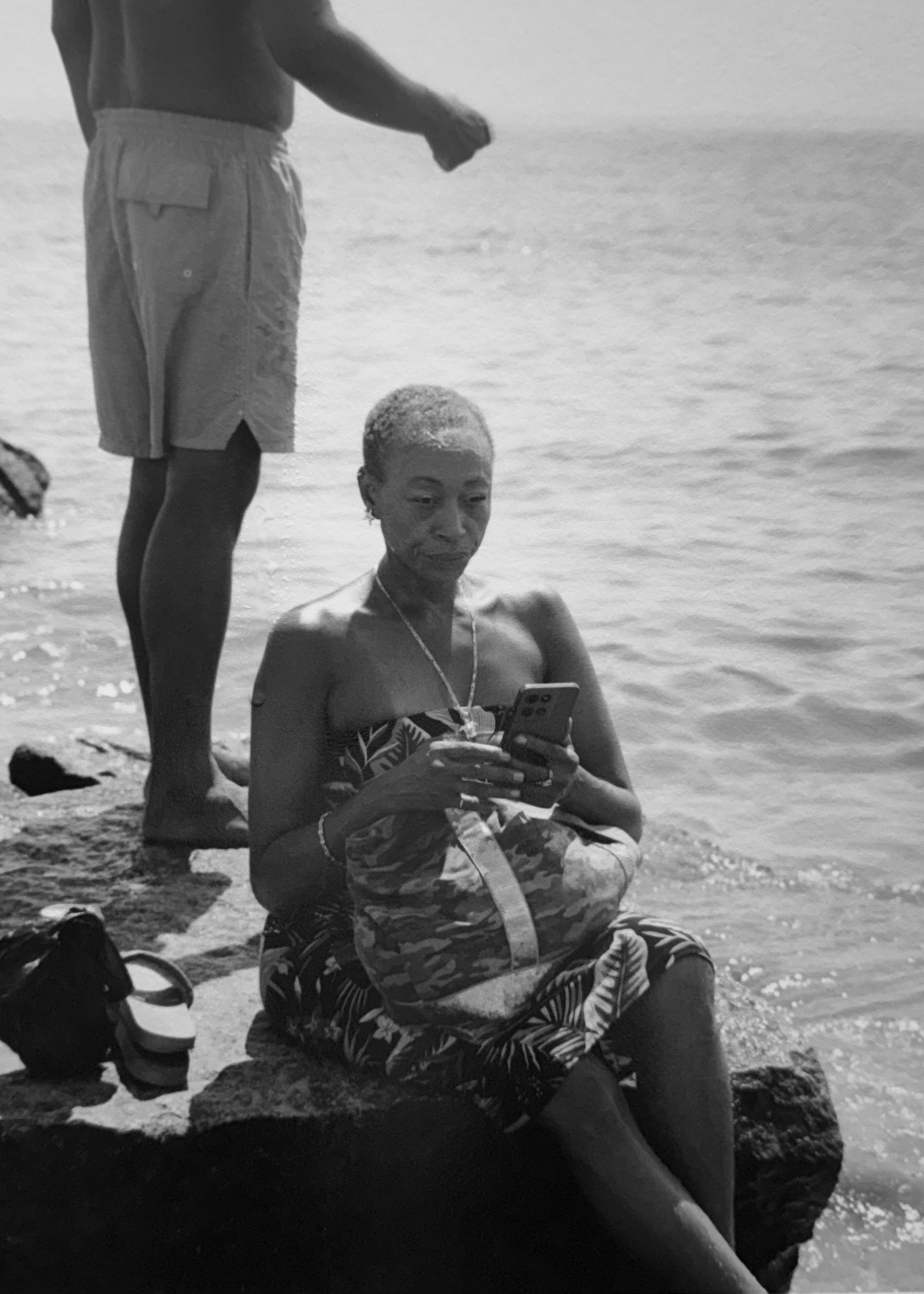
Throughout the afternoon, the workflow shifted from the structural elements of the Luna Park amusement district to the dense, communal atmosphere of the beach itself. This transition reflects a broader shift in Pauley’s methodology, moving away from the static documentation of rides and boardwalk infrastructure toward a more intimate, portrait-oriented approach. By mid-afternoon, the study focused on the "cheek-by-jowl" proximity of the beach-goers, documenting a variety of social behaviors ranging from traditional sandcastle construction to the modern ubiquity of smartphone interaction.
Technical Specifications and Optical Methodology
Central to the project’s distinct visual output is the use of vintage medium format optics, which offer a rendering quality distinct from modern digital sensors. The primary tool for the 2026 session was a 1959 Tele-Rolleiflex, equipped with a 135mm f/4 Sonnar lens. This specific camera is noted in the photographic community for its ability to compress space and provide a shallow depth of field even in bright conditions, making it an ideal instrument for isolated portraiture amidst a crowded environment.
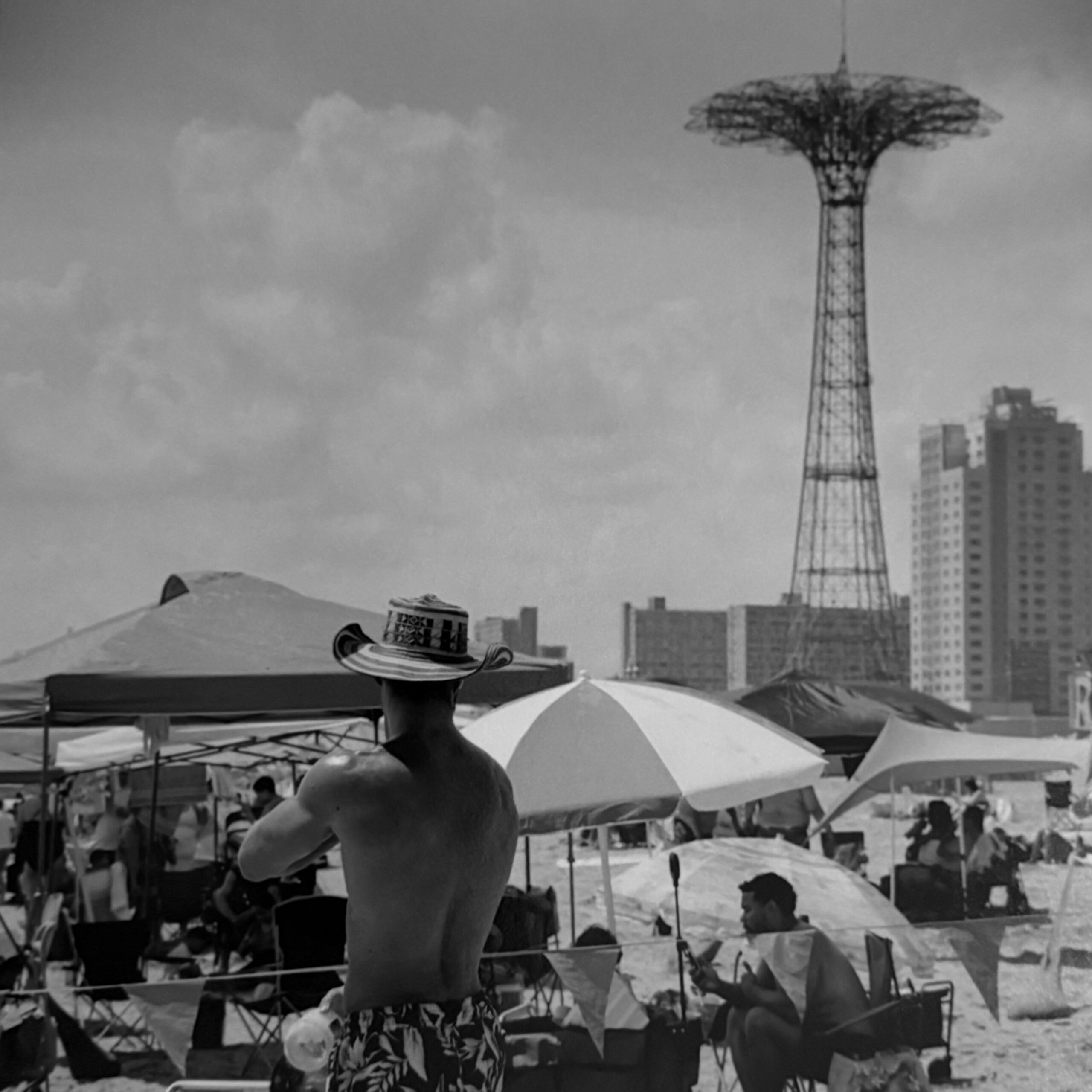
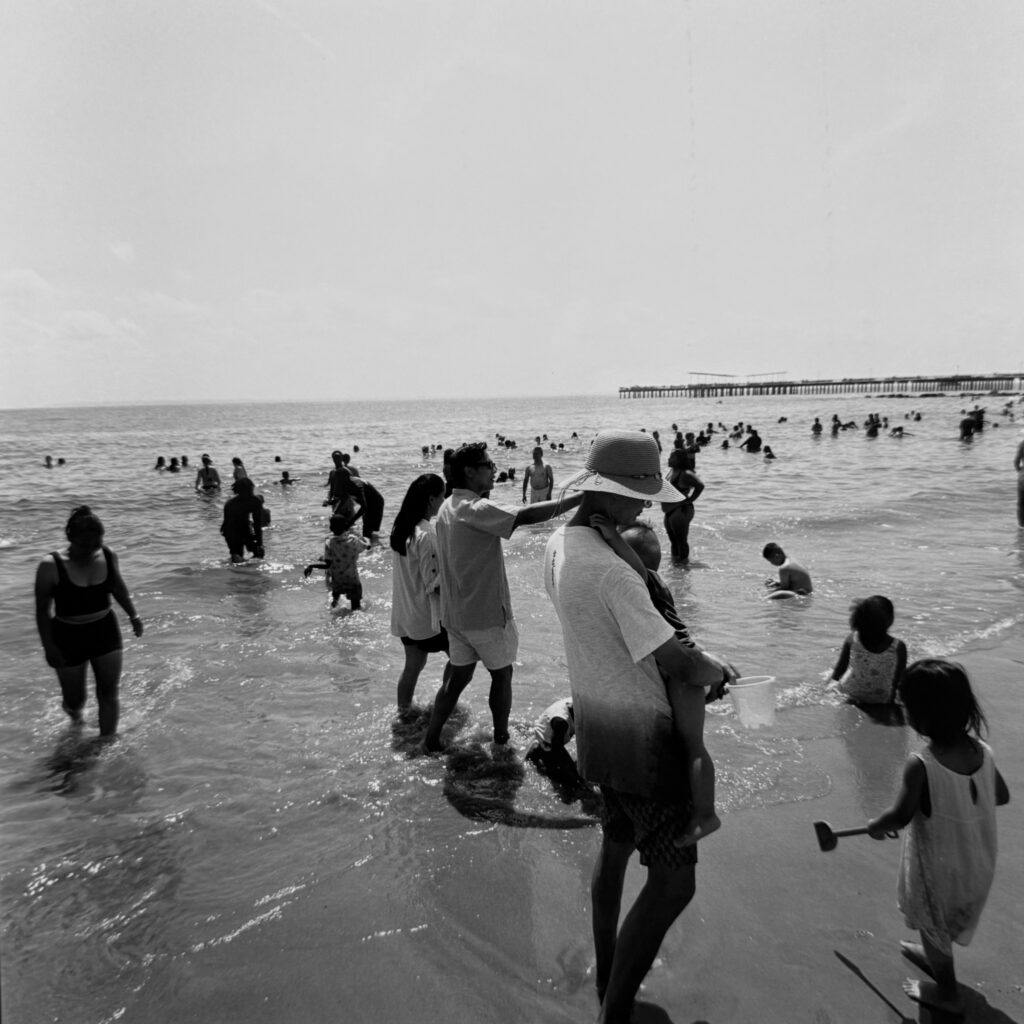
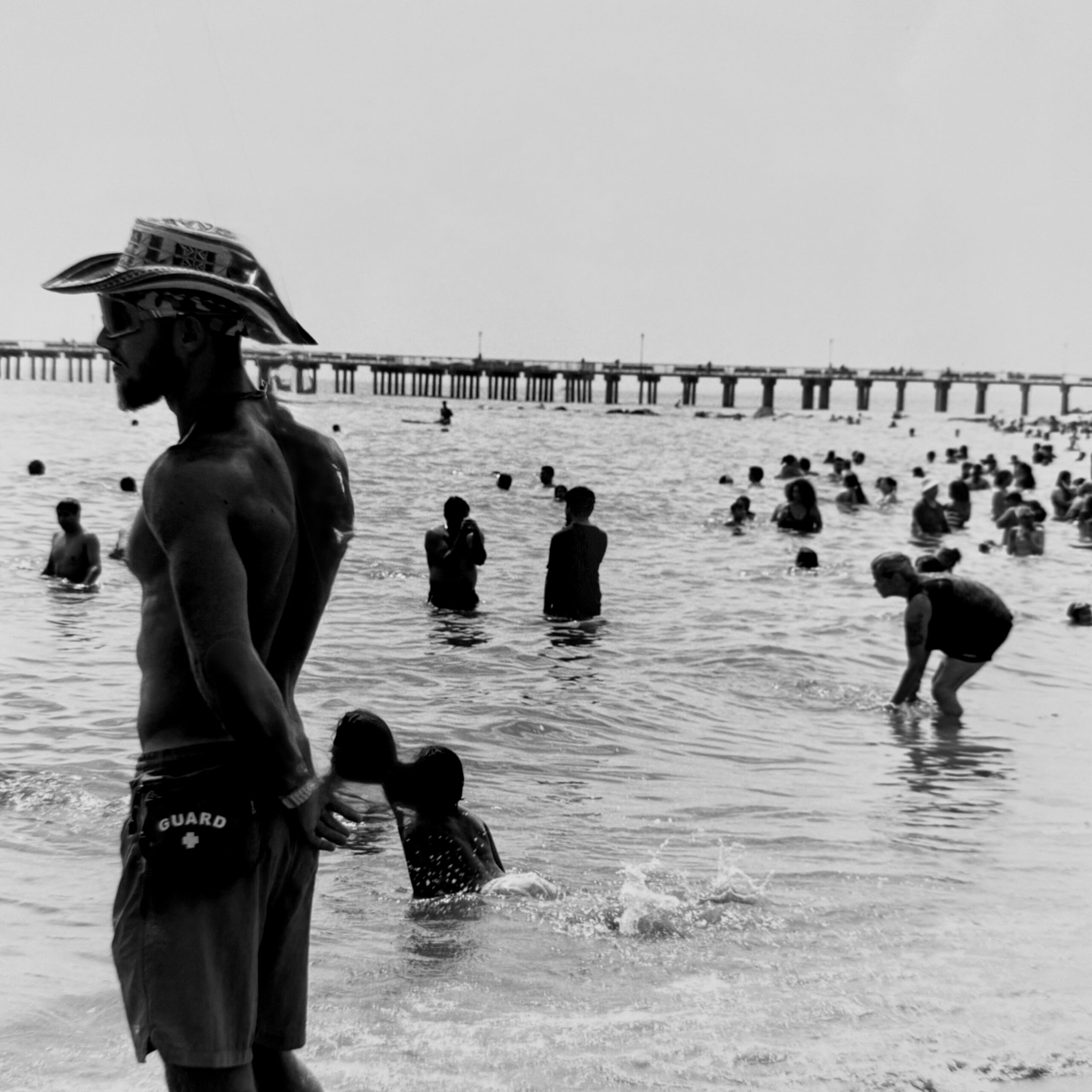
Supplementing the long-focus Rolleiflex was a 1986 Hasselblad SWC/M. This camera is built around the legendary 38mm f/4.5 Biogon lens, a design famed for its near-total lack of curvilinear distortion. The inclusion of the SWC/M allowed for expansive "beachscapes" that captured the scale of the crowds while maintaining a clinical level of detail across the frame.

The technical processing of the images followed a rigorous analog workflow:
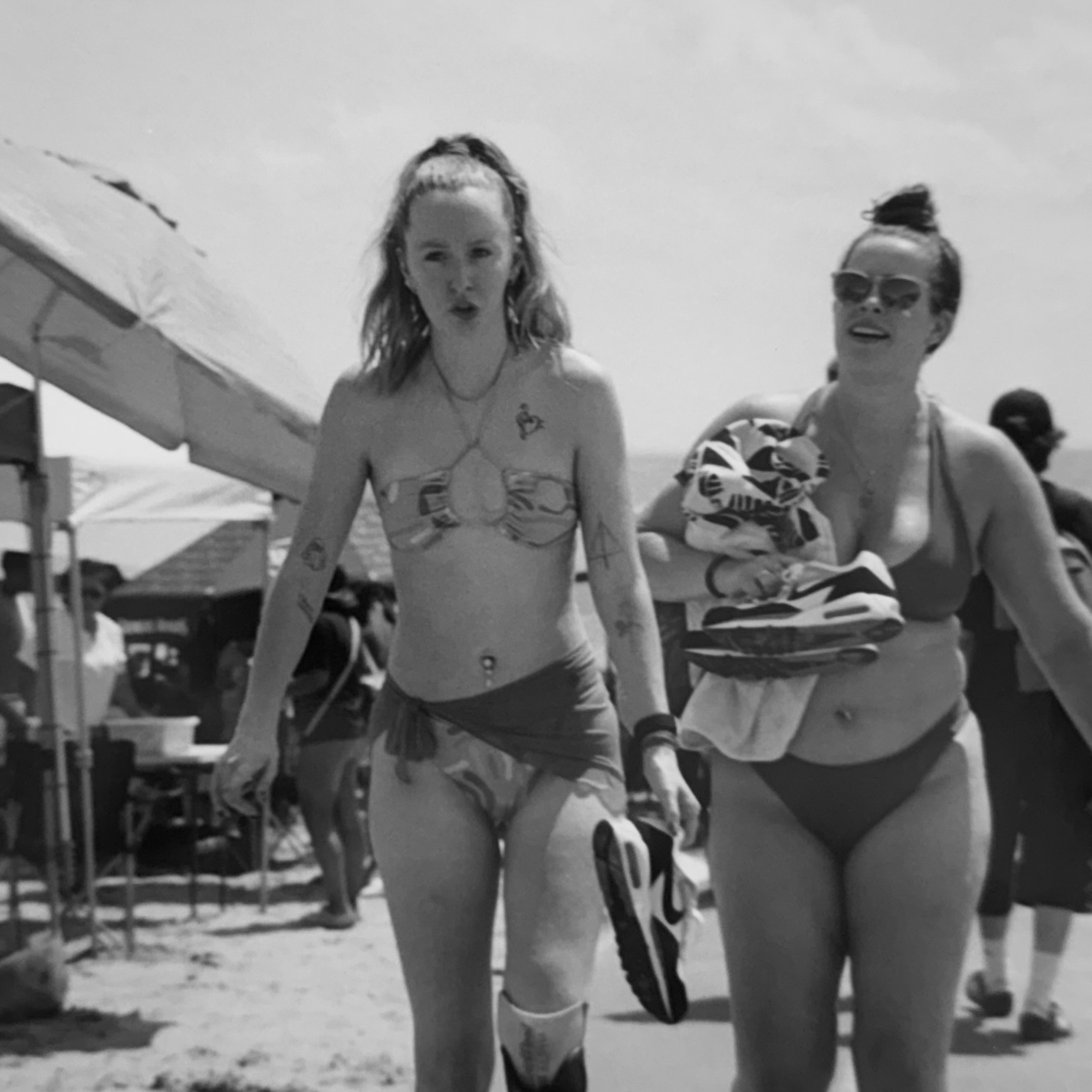
- Film Stock: Kodak Tri-X 400, a silver-halide emulsion known for its robust grain structure and wide latitude.
- Exposure Index: The film was metered at ISO 320 to ensure sufficient shadow detail amidst the plunging midday shadows.
- Chemistry: Rotary processing in HC-110 Dilution H, a developer chosen for its ability to control contrast while maintaining edge sharpness.
- Final Output: Individual 10×10 inch darkroom prints were produced on Ilford MG Classic RC and Ilford MGFB (Multi-grade Fiber Base) papers before being digitized for archival purposes.
The Sociological Landscape of the Brooklyn Shoreline
The findings of the 2026 study highlight the enduring role of Coney Island as a democratic space within New York City. Unlike more exclusive coastal enclaves, Coney Island remains a microcosm of the city’s demographic complexity. Pauley’s observations note that despite the intense heat and the lack of physical space, the atmosphere remains one of shared communal experience.
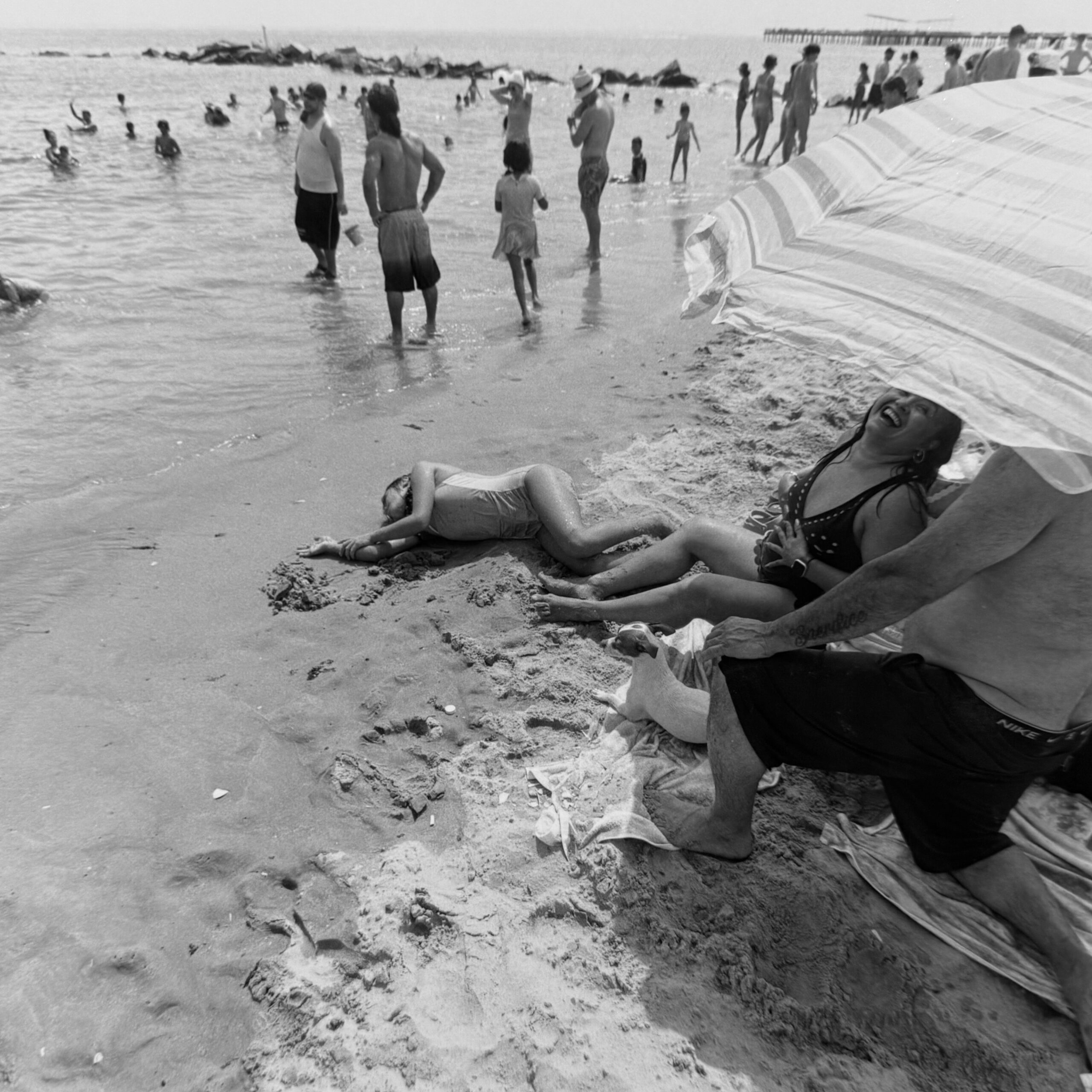
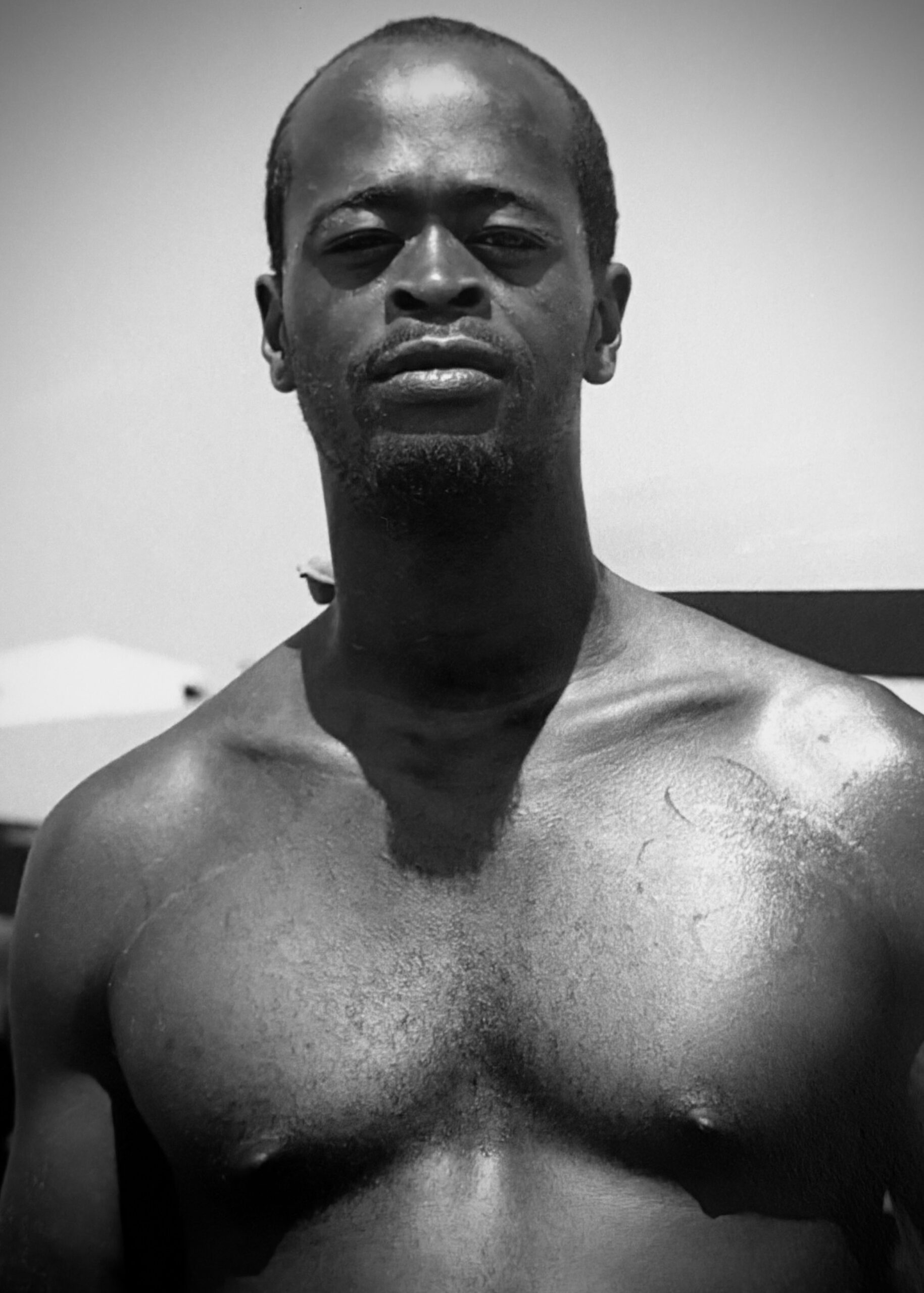
The subjects captured in the "sweaty glory" of August represent a cross-section of the urban population. The project documented individuals unburdened by the usual layers of city attire, adhering to local ordinances while embracing the vulnerability of the beach environment. This lack of "clothing armor" often leads to a more candid interaction between the subject and the photographer. Notably, Pauley reported an increase in public engagement, with numerous visitors approaching the photographer to request formal portraits, suggesting a continued public fascination with the presence of vintage film equipment in a digital age.
Historical Context and Artistic Precedents
The documentation of Coney Island is a well-established genre within American street photography. Pauley’s work follows in the footsteps of luminaries such as Weegee (Arthur Fellig), who famously captured the massive crowds of the 1940s, and Bruce Gilden, whose flash-heavy portraits defined the area’s gritty character in the late 20th century.
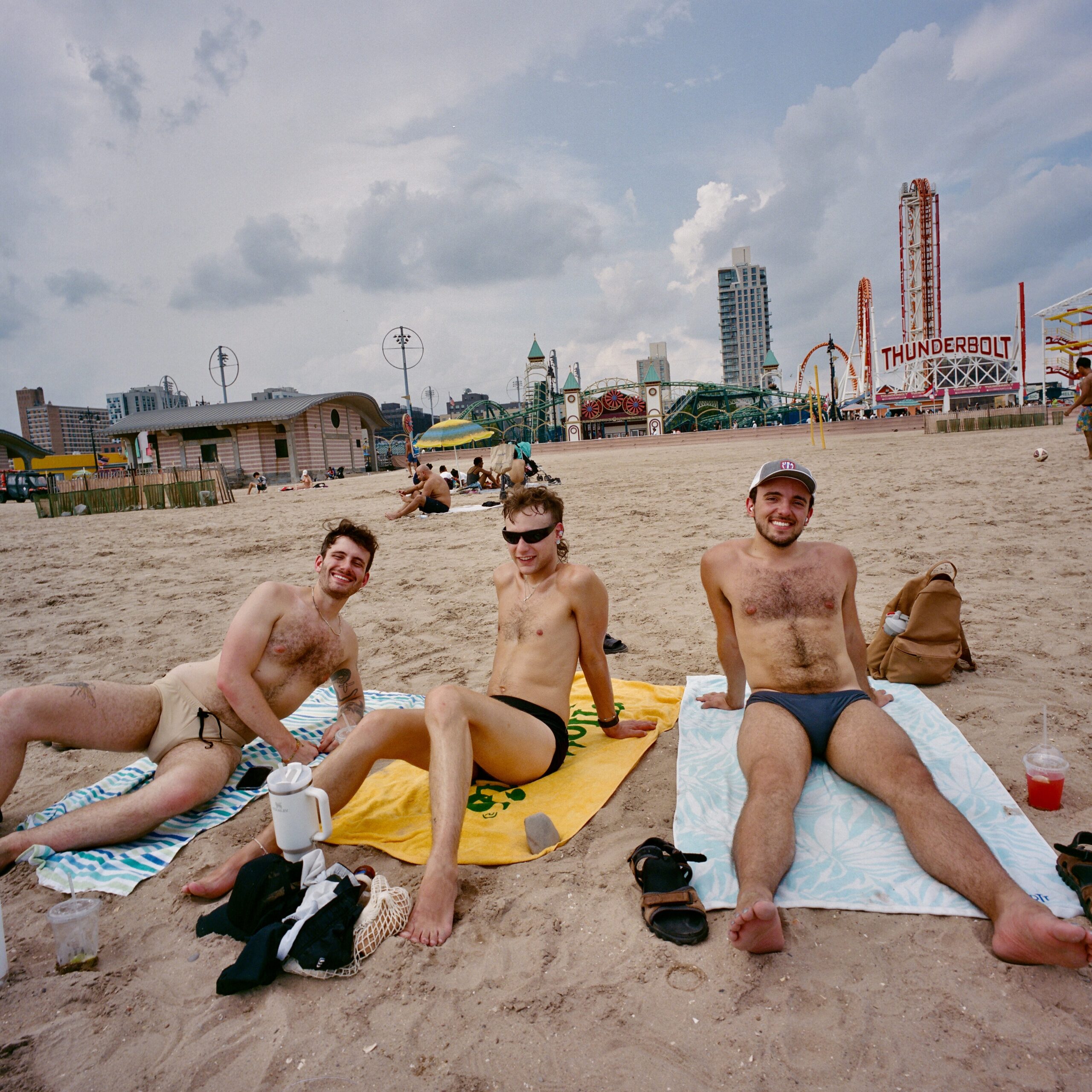
However, Pauley’s 2026 study departs from these precedents by utilizing the natural light of the "noontime visit" to create a different kind of intensity. While Weegee focused on the sheer volume of humanity and Gilden on the eccentricities of the individual, Pauley’s work seeks a balance between the two, using the high-resolution capabilities of medium format film to render the "essential Coney" with a clarity that highlights both the individual’s features and their place within the larger crowd.
The Resurgence of Analog Documentation in the 2020s
The project arrives at a time when analog photography is experiencing a significant professional and cultural resurgence. Market data from the mid-2020s indicates a steady increase in the production of silver-halide films and a robust secondary market for mechanical cameras like the Rolleiflex and Hasselblad.
Industry analysts suggest that the preference for film in projects like the Coney Island study is driven by a desire for "tactile permanence" and a visual aesthetic that digital filters struggle to replicate authentically. The decision to produce physical darkroom prints—as Pauley did on Ilford paper—further emphasizes the archival nature of the project. In an era of ephemeral digital content, these physical artifacts serve as a durable record of New York’s social history.
Environmental and Implications of Midday Photography
The choice of the midday sun as a primary light source serves as a technical challenge and a thematic statement. In photographic theory, the "noon sun" is often avoided due to the vertical shadows it casts under the eyes and nose of subjects. However, in the context of a New York summer, this light is the most "honest" representation of the environment.
The 2026 study demonstrates that high-contrast conditions can be mitigated through careful exposure and chemical development. By pulling the film (rating it at ISO 320) and using a dilute developer, the photographer was able to compress the highlights and open up the shadows, creating a tonal range that captures the "rising mists" and the "bright glare" simultaneously. This approach provides a visual metaphor for the Coney Island experience: a mixture of harsh reality and nostalgic escape.
Broader Impact and Archival Value
The ongoing nature of David Pauley’s Coney Island project ensures that it will serve as a significant longitudinal study of the area. As urban environments face increasing pressure from climate change and economic shifts, the visual record of how citizens interact with public spaces becomes increasingly vital.
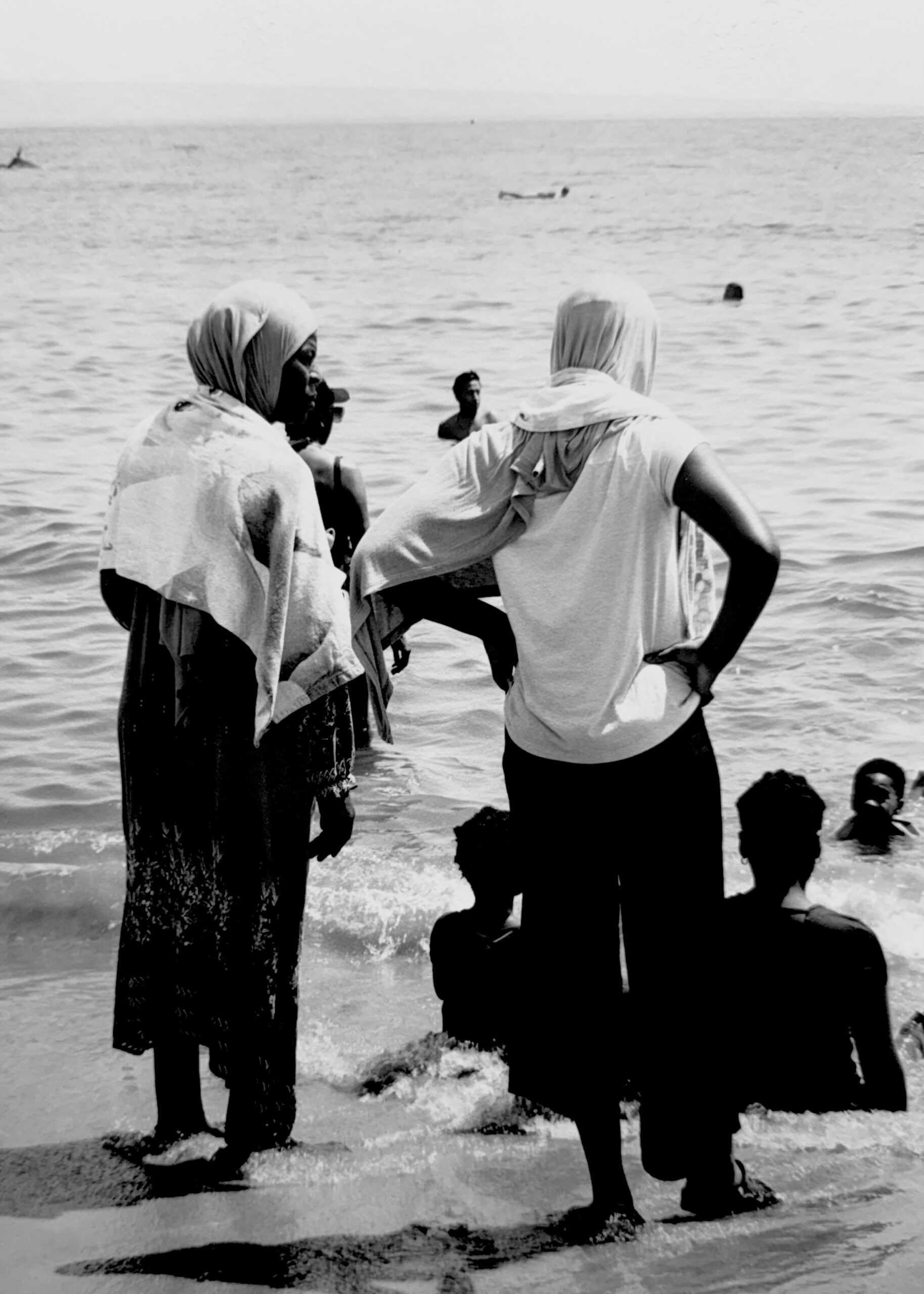
The August 2026 session, with its focus on the "sweaty glory" of the people, captures a specific moment in the city’s post-pandemic evolution. The images provide a factual, objective look at how New Yorkers seek relief and connection in one of the world’s most famous public parks. By utilizing the same equipment and locations over several years, Pauley is creating a consistent dataset that allows future historians to track changes in fashion, technology, and social behavior on the Brooklyn coast.
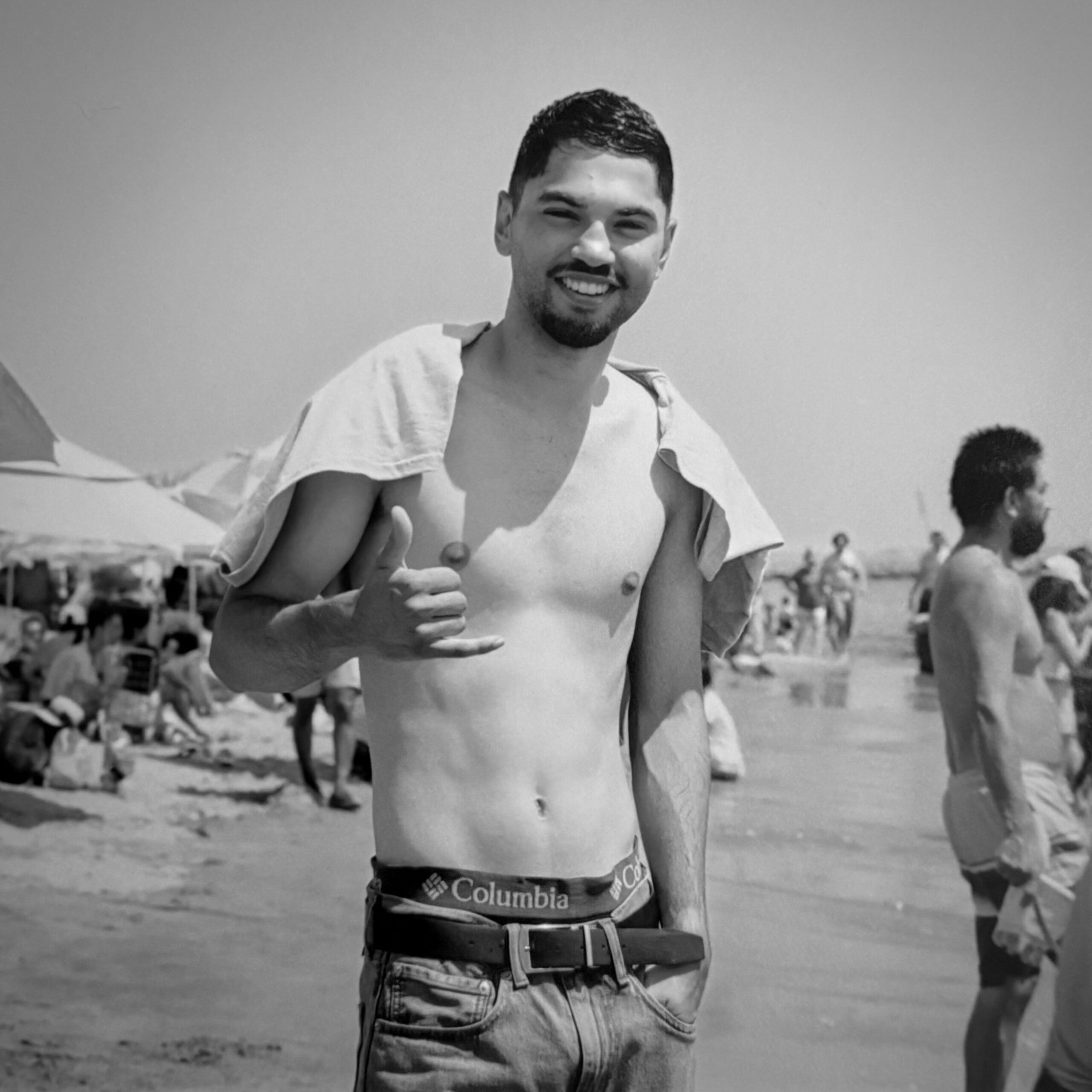
As the project looks toward future iterations—including a proposed evening study to document the "nocturnal Boardwalk happenings"—the current body of work stands as a testament to the power of traditional photographic methods to capture the timeless essence of the American urban experience. The 2026 study confirms that even in the age of instant digital sharing, the deliberate, chemical process of film photography remains a peerless medium for documenting the human condition.