The transition from purely aesthetic modifications to functional, high-performance fleet branding has reached a critical inflection point in 2026. In the highly competitive world of mobile advertising, where fleet vehicles serve as moving billboards, the visual landscape is no longer dominated by a singular choice between high-shine gloss or muted matte finishes. Instead, a sophisticated "hybrid surface" approach has emerged as the industry standard, fundamentally altering how brands communicate with consumers on the road. This shift represents a marriage of materials science and graphic design, prioritizing legibility and brand recall under the challenging lighting conditions of outdoor environments.
Historically, vehicle wraps were limited by the available technology of vinyl laminates. For decades, a high-gloss finish was the default, prized for its ability to mimic fresh automotive paint. However, as the density of road traffic increased and digital distractions multiplied, the limitations of gloss—specifically its tendency to produce blinding glare under direct sunlight—became a significant hurdle for effective branding. The subsequent rise of matte finishes offered a solution to glare but often lacked the vibrant color saturation necessary to catch a pedestrian’s eye from a distance. The 2026 trend of hybrid texturing solves this dichotomy by strategically applying both finishes to a single vehicle, creating a high-contrast environment that guides the viewer’s eye toward the most critical information.
The Physics of Visibility: Solving the Glare Problem
To understand the dominance of hybrid surfaces in 2026, one must examine the practical science of light reflectance. When a fleet vehicle is wrapped entirely in a high-gloss film, it acts as a specular reflector. In midday sun, the "hot spots" of reflected light can reach intensities that obscure printed text, rendering company names and contact information illegible. This phenomenon, known as "veiling glare," is more than an aesthetic nuisance; it is a direct inhibitor of marketing ROI.
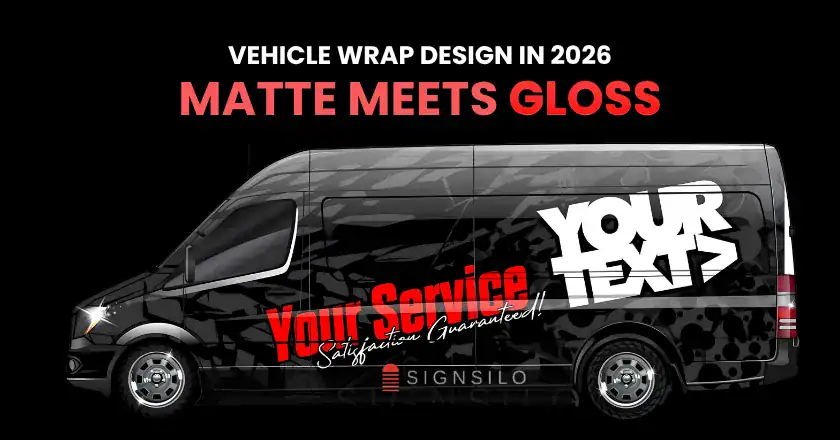
In contrast, matte surfaces provide a Lambertian reflection, scattering light in many directions. While this eliminates glare, it can also "flatten" a design, making complex logos appear dull. The hybrid approach utilized by modern wrap designers involves using a matte or satin base for the background—essentially absorbing excess light—while applying high-gloss laminates to the typography and logos. This creates a "3D effect" without the need for specialized optics. The glossy elements "pop" against the non-reflective background, ensuring that even in harsh lighting, the brand’s identity remains the focal point of the vehicle.
A Chronology of Vehicle Finish Evolution
The path to the hybrid standards of 2026 was paved by a decade of incremental innovations in adhesive vinyl and digital printing:

- 2015–2018: The Gloss Dominance. Most commercial fleets utilized standard gloss laminates. Matte was reserved for luxury "color change" wraps in the enthusiast market, often referred to as the "stealth" look.
- 2019–2021: The Rise of Satin. Manufacturers introduced satin finishes, a middle ground that offered some glare reduction while maintaining color depth. This period saw the first experiments in mixing finishes, though the process was labor-intensive and expensive.
- 2022–2024: Selective Laminate Technology. New printing hardware allowed for the "spot UV" equivalent in the wrap world. Designers began to realize that readability improved by up to 40% when text was treated with a different finish than the body of the vehicle.
- 2025: The Data-Driven Shift. Marketing analytics firms began providing data showing that hybrid-wrapped vehicles had a 25% higher "gaze duration" from commuters compared to single-finish wraps.
- 2026: The Hybrid Standard. The industry reaches a consensus. Fleet managers now demand hybrid surfaces not just for style, but as a functional requirement for outdoor legibility and safety.
Technical Implementation and Design Precision
Executing a hybrid wrap requires a higher degree of technical precision than traditional single-finish applications. It involves complex layering or the use of specialized dual-finish films. For wrap shops, this has necessitated a move toward more robust design resources. High-fidelity vector preparation is essential; because the eye is naturally drawn to the transition between matte and gloss, any misalignment in the print or the cut becomes immediately apparent.
This is where professional design repositories have become the backbone of the industry. The 2026 workflow relies heavily on assets that can handle these complex requirements. For instance, designers are increasingly turning to specialized platforms to source the foundational elements of these wraps.
The Role of SignSilo in Modern Wrap Design
As the demand for hybrid surfaces grows, the need for high-quality, production-ready assets has never been higher. SignSilo has positioned itself as a critical infrastructure provider for this new era of vehicle graphics. By providing a comprehensive library of creative resources, it allows designers to focus on the strategic application of hybrid finishes rather than the tedious task of creating vehicle templates from scratch.
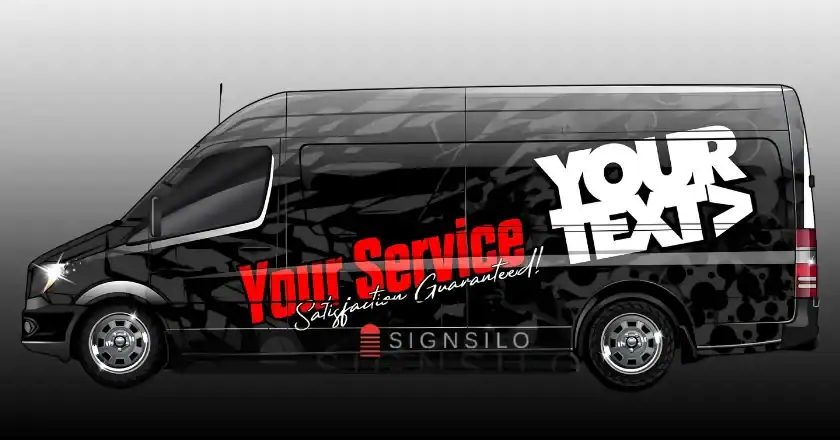
The SignSilo library currently includes:
- 30,000+ Vehicle Templates: Precise blueprints for cars, trucks, and vans, essential for mapping out where matte and gloss transitions should occur on a specific body type.
- 25,000+ Professional Wraps: Pre-designed layouts that can be adapted for hybrid applications.
- High-Resolution Photography and Vectors: Over 5 million photos and 450,000 vector illustrations, providing the raw materials for complex branding.
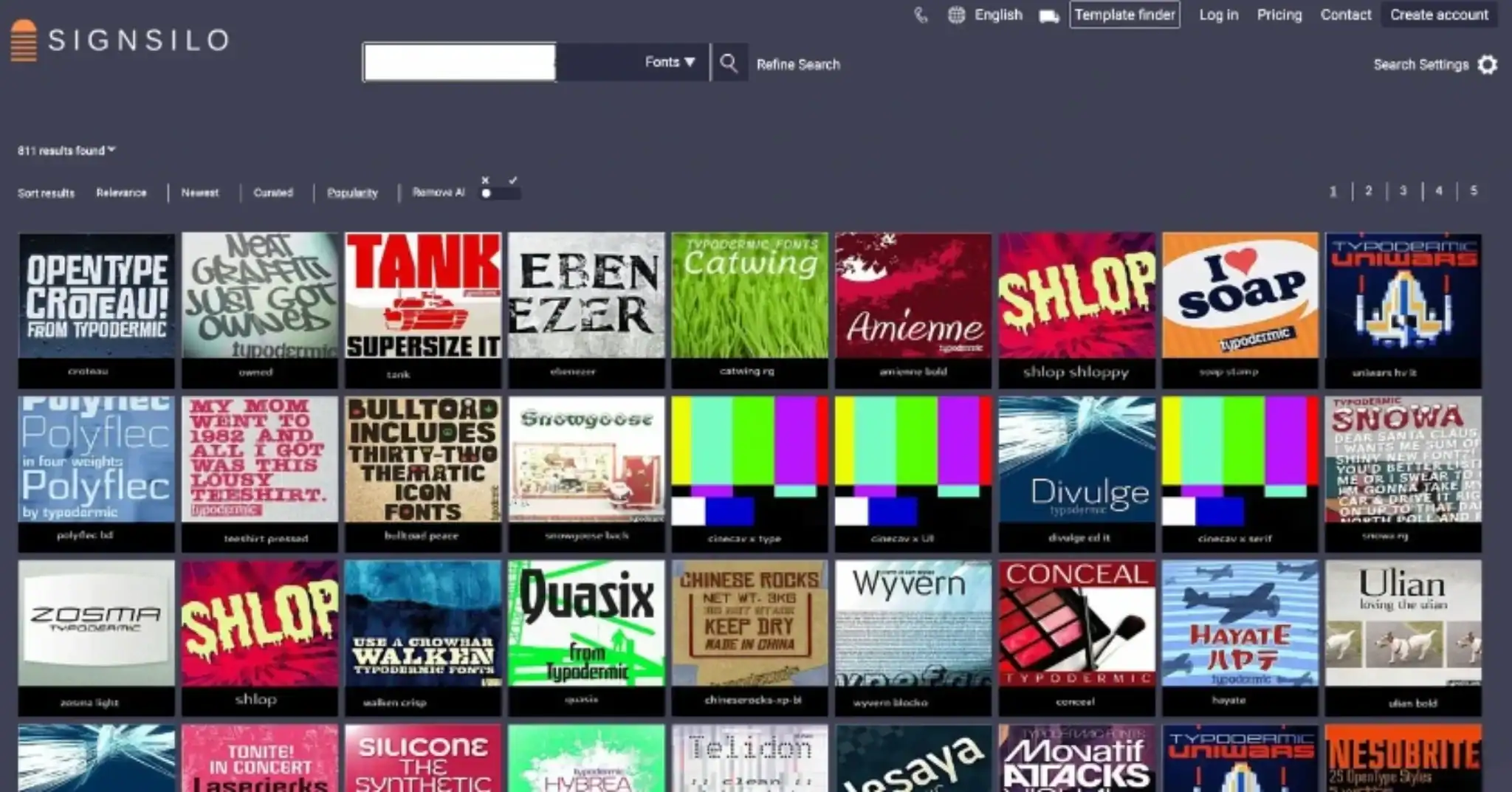
- Specialized Graphics: 85,000 vinyl-ready graphics and 1,000 fonts specifically curated for large-format legibility.
The Economic Impact of Enhanced Fleet Visibility
From a budgetary perspective, the shift toward hybrid surfaces is justified by the increased longevity and effectiveness of the advertisement. While a hybrid wrap may carry a slightly higher initial cost due to the complexity of the laminate application, the cost-per-impression (CPI) is significantly lower over the life of the wrap.
In 2026, fleet branding is viewed as a capital investment. A vehicle that is legible for 18 hours a day, regardless of weather or sun position, provides a much higher return than a gloss-wrapped vehicle that is "washed out" during peak commuting hours. Furthermore, matte and satin bases have shown improved resistance to minor abrasions and "swirl marks" common in automated car washes, helping the fleet maintain a professional appearance for longer durations.

Subscription Models for Design Scalability
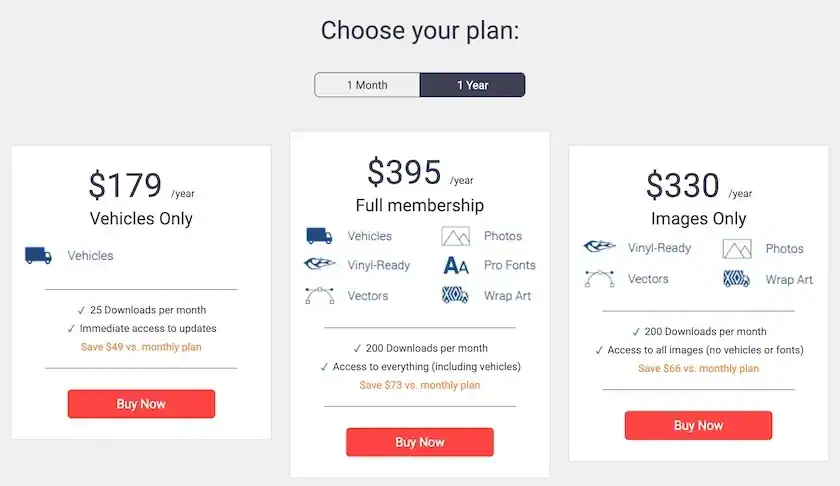
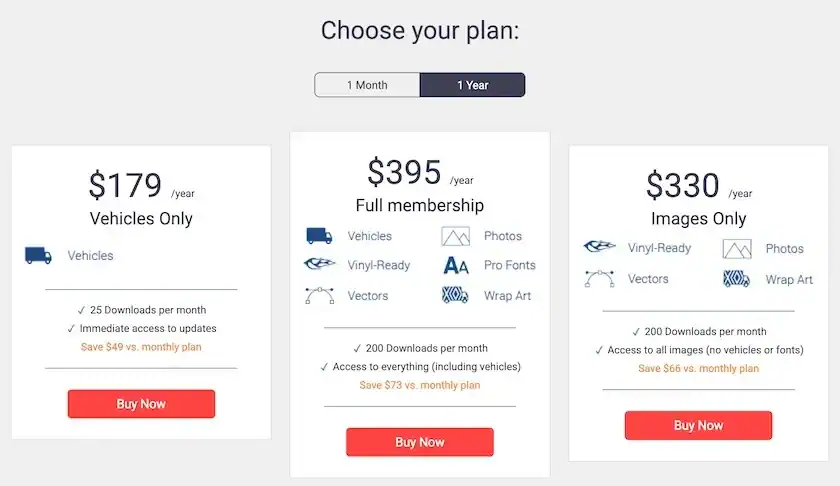
To support this high-level design work, SignSilo has implemented a tiered pricing structure designed to accommodate everyone from boutique wrap shops to national fleet management companies:
- Monthly Access ($39): Ideal for small shops or single projects, offering 25 downloads per month.
- Yearly Access ($199): The standard for professional designers, providing 200 downloads per month (2,400 per year) at a cost of roughly $0.08 per image.
- Yearly Pro Access ($449): Targeted at high-volume production houses, offering 500 downloads per month (6,000 per year), ensuring that designers never run out of fresh assets for large-scale fleet conversions.
To lower the barrier to entry, the platform also offers free tester files. This allows professionals to verify the compatibility of the templates and vectors with their specific printing and cutting hardware before committing to a full subscription.
Broader Implications for the Future of Out-of-Home (OOH) Advertising
The success of hybrid surfaces in 2026 suggests a broader trend in advertising: the move toward "Functional Aesthetics." As the physical world becomes increasingly crowded with visual stimuli, the brands that win are those that prioritize the viewer’s experience. By acknowledging the physics of light and the limitations of human optics, the vehicle wrap industry has transformed a simple protective film into a sophisticated communication tool.
Looking beyond 2026, experts predict that the hybrid surface trend will evolve into "active surfaces," where finishes may change properties based on light exposure or temperature. However, the foundational principle will remain the same: using contrast—not just in color, but in texture—to ensure that the message is seen, read, and remembered.
For the modern wrap installer and graphic artist, the message is clear. The days of "one-size-fits-all" finishes are over. The future of the road is a sophisticated blend of matte and gloss, a hybrid approach that ensures fleet branding remains a practical, high-visibility asset in an increasingly bright and busy world.