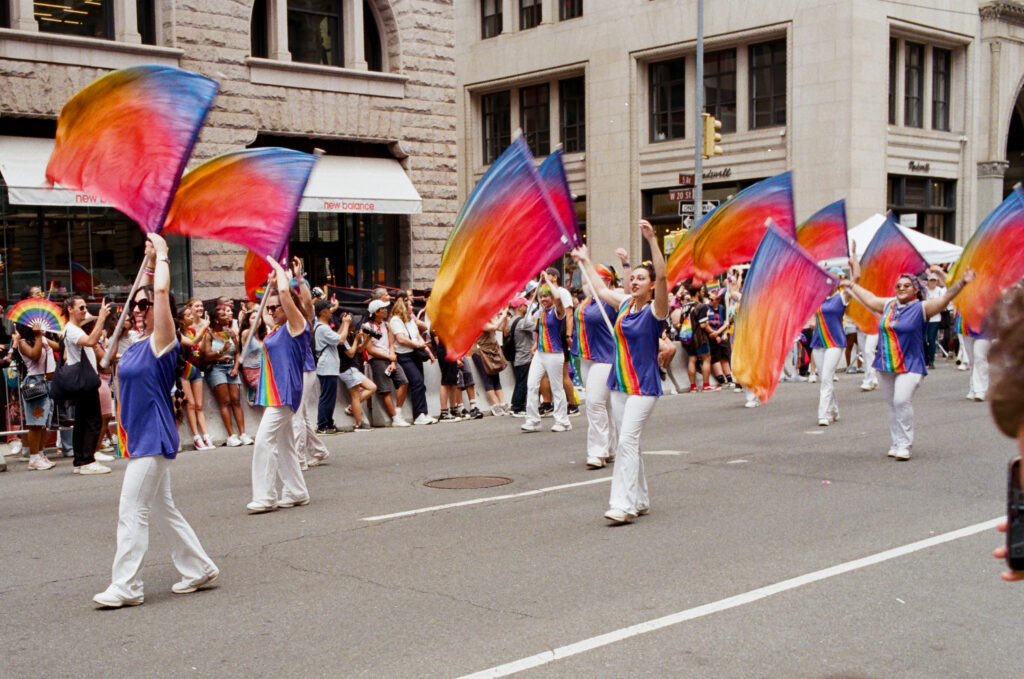
New York City’s Pride Month, a global celebration attracting tens of millions of participants annually, maintains its historic epicenter in the West Village, where the 1969 Stonewall Uprising laid the groundwork for the modern LGBTQ+ rights movement. What began as a series of spontaneous protests against systemic police harassment has evolved into a massive cultural and economic phenomenon, symbolizing decades of legislative progress and social transformation. The 2026 celebrations continued this legacy, blending the traditional political roots of the march with a modern, multi-faceted celebration of identity and civil liberties.
The Historical Foundation: From Resistance to Recognition
The contemporary Pride movement traces its direct lineage to June 1969, a period characterized by frequent raids on establishments catering to the gay community. At the time, the New York City Police Department’s vice squad frequently targeted the Stonewall Inn, leading to a pivotal moment where the community chose to resist rather than disperse. This defiance transitioned the struggle for gay rights from a series of clandestine efforts into a public liberation movement.
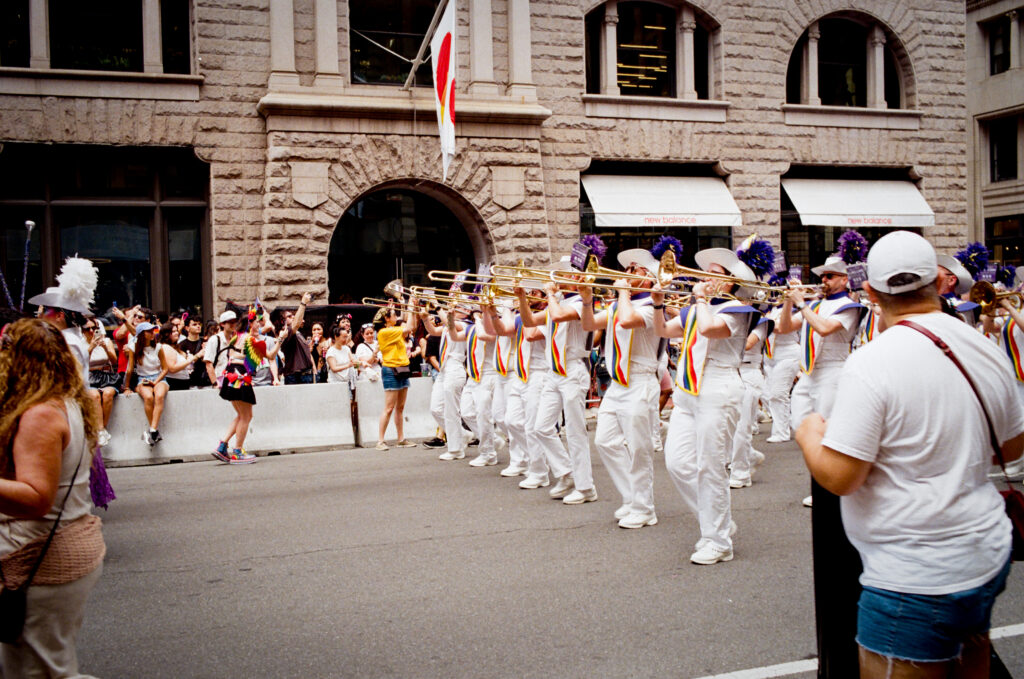
In the year following the riots, the first "Christopher Street Liberation Day" was held, marking the anniversary of the uprising. This event served as the prototype for the modern Pride parade. Over the ensuing five decades, the movement transitioned from a radical act of protest into a mainstream societal fixture. Observers note that while the struggle against discrimination remains an ongoing effort, the movement has secured significant victories in the realms of legal equality, workplace protections, and healthcare advocacy.
A Chronology of Legislative and Social Milestones
The trajectory of the LGBTQ+ rights movement in the United States is marked by several critical turning points that have redefined the legal landscape. Following the initial push for visibility in the 1970s, the 1980s were dominated by the urgent need for medical advocacy during the HIV/AIDS crisis. Organizations such as ACT UP (AIDS Coalition to Unleash Power) utilized direct-action protest to revolutionize the practice of medicine, successfully pressuring the Food and Drug Administration (FDA) to accelerate the development and approval of life-saving treatments.
The 21st century brought a wave of judicial and legislative successes:
- 2003: The Supreme Court ruling in Lawrence v. Texas decriminalized consensual same-sex activity nationwide.
- 2011: New York State passed the Marriage Equality Act, allowing same-sex couples to marry legally.
- 2015: The landmark Supreme Court case Obergefell v. Hodges guaranteed the fundamental right to marry for same-sex couples across all 50 states.
- 2020: The Supreme Court ruled in Bostock v. Clayton County that the Civil Rights Act of 1964 protects employees against discrimination based on sexual orientation or gender identity.
These milestones have not only altered the legal standing of millions but have also facilitated a broader cultural shift. Regions previously characterized by conservative social norms have seen a gradual increase in the awareness and acceptance of LGBTQ+ individuals as integral components of the social fabric.
Documenting the 2026 Celebrations: Technical and Cultural Perspectives
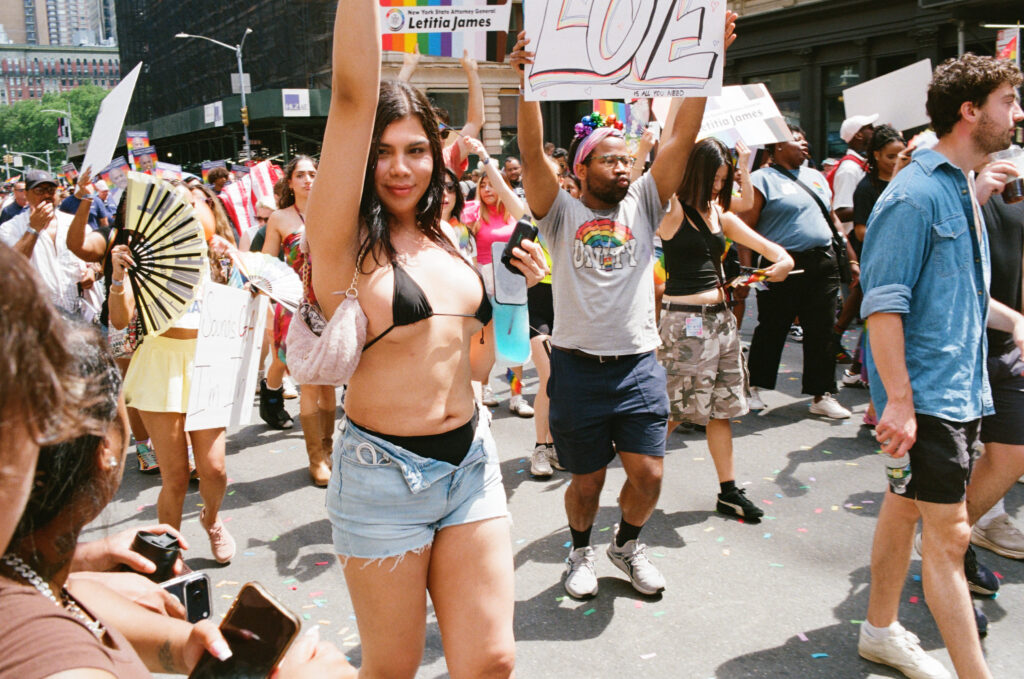
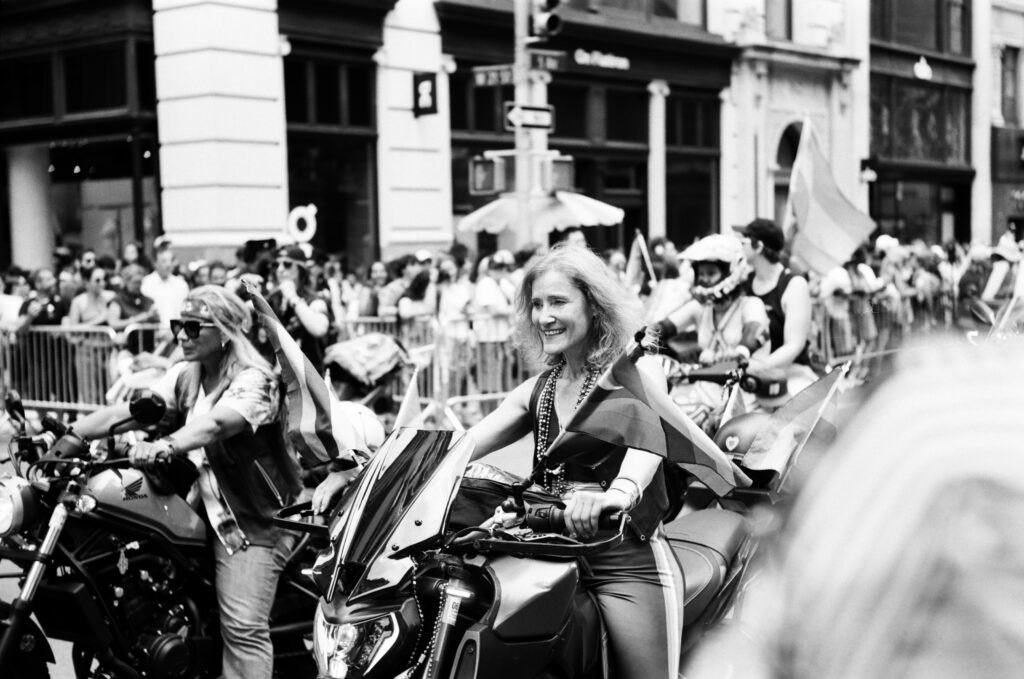
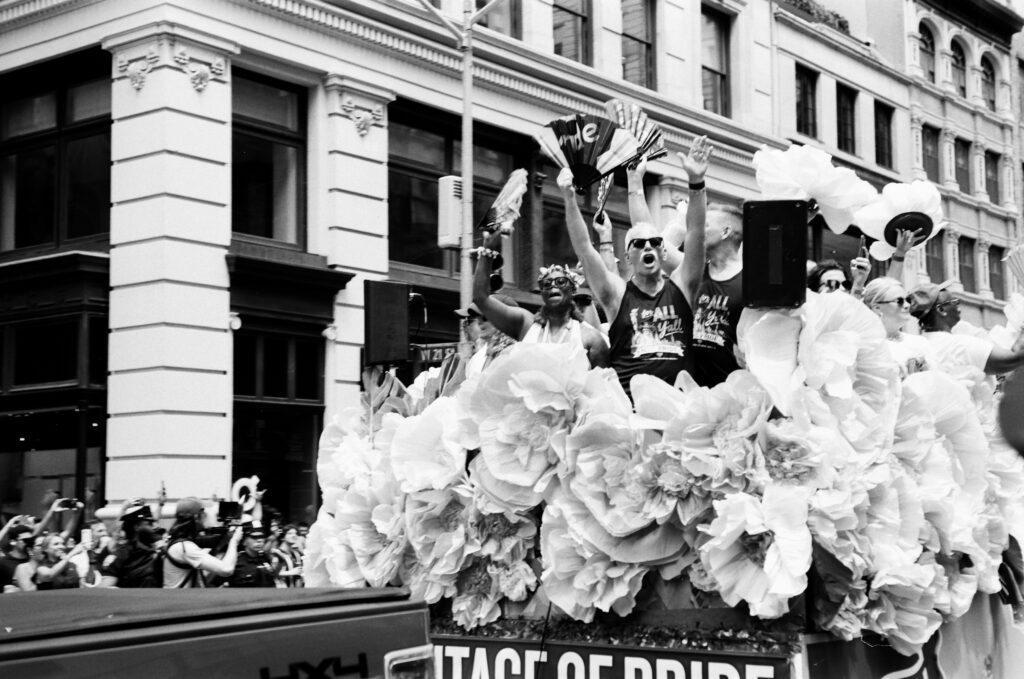
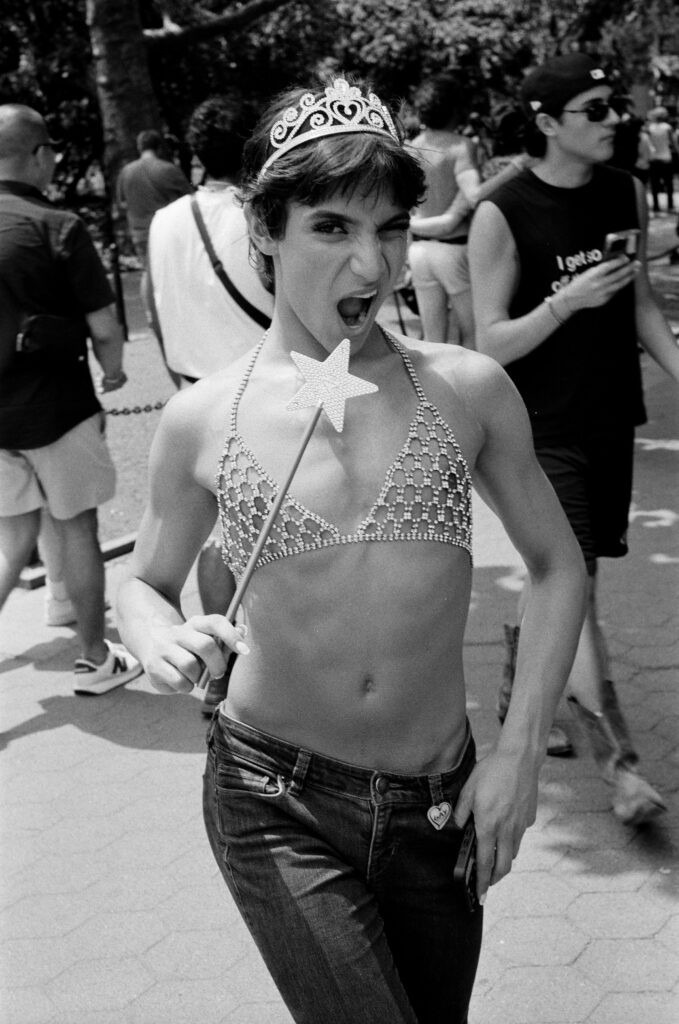
The 2026 Pride celebrations in New York City showcased the enduring appeal of the event as a subject for both professional and amateur documentation. The festivities were split between the structured official parade and the more spontaneous grassroots gatherings in Greenwich Village.
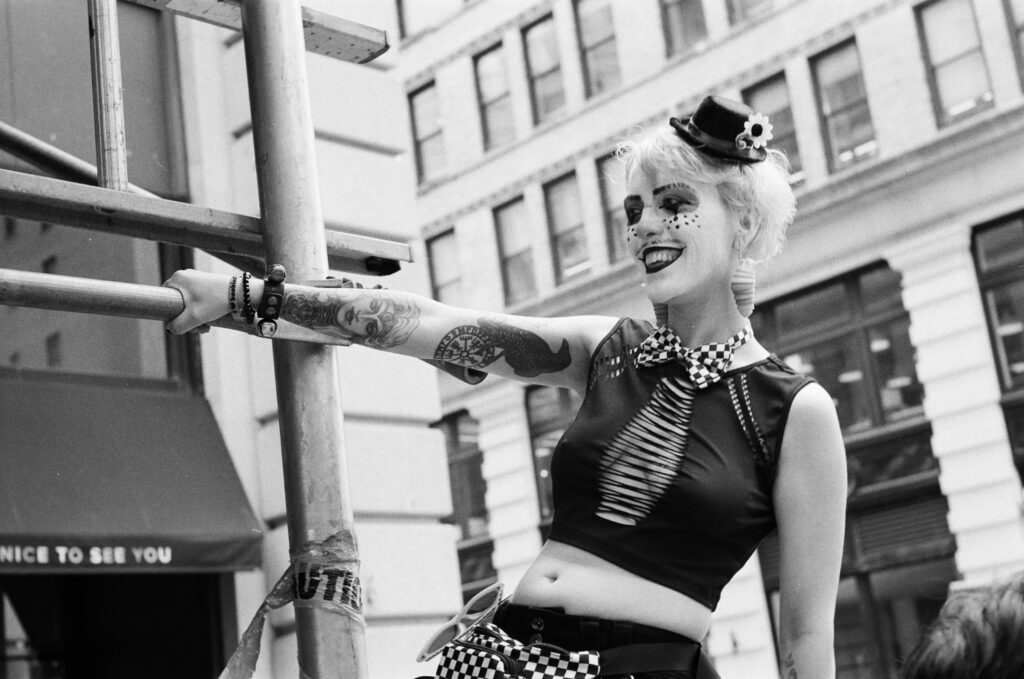
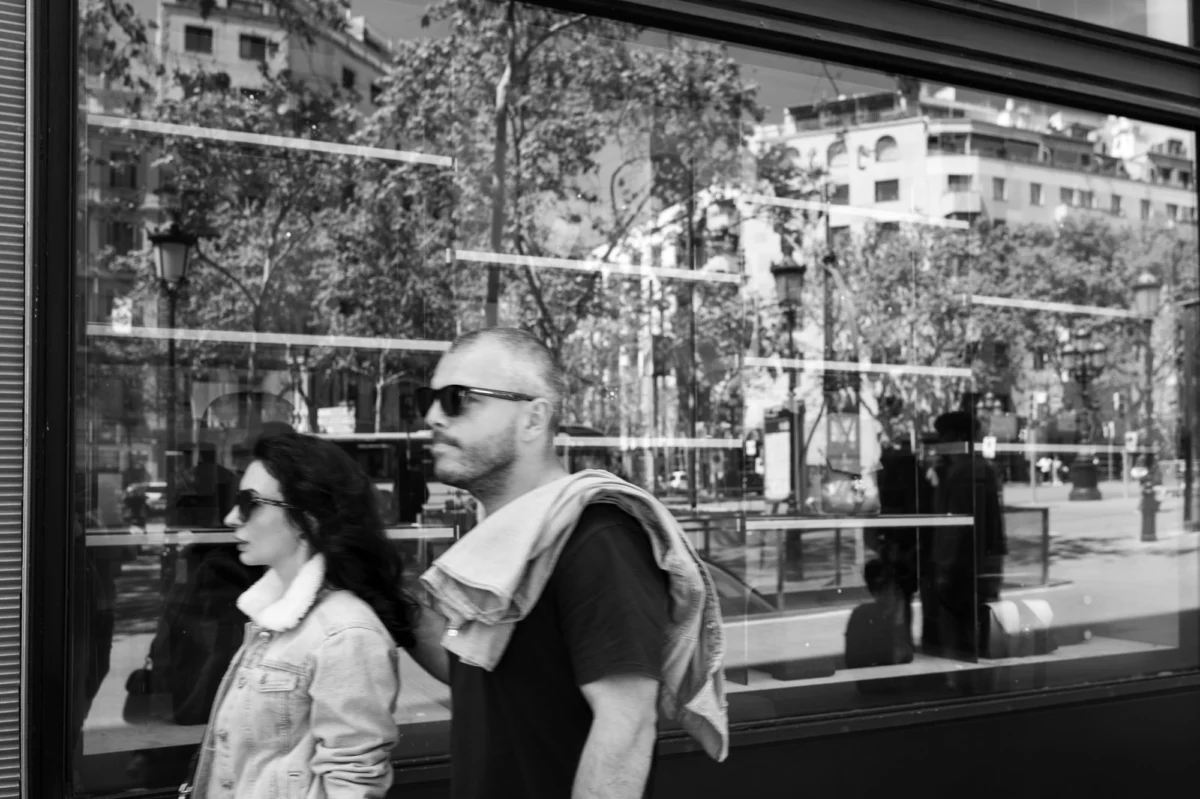
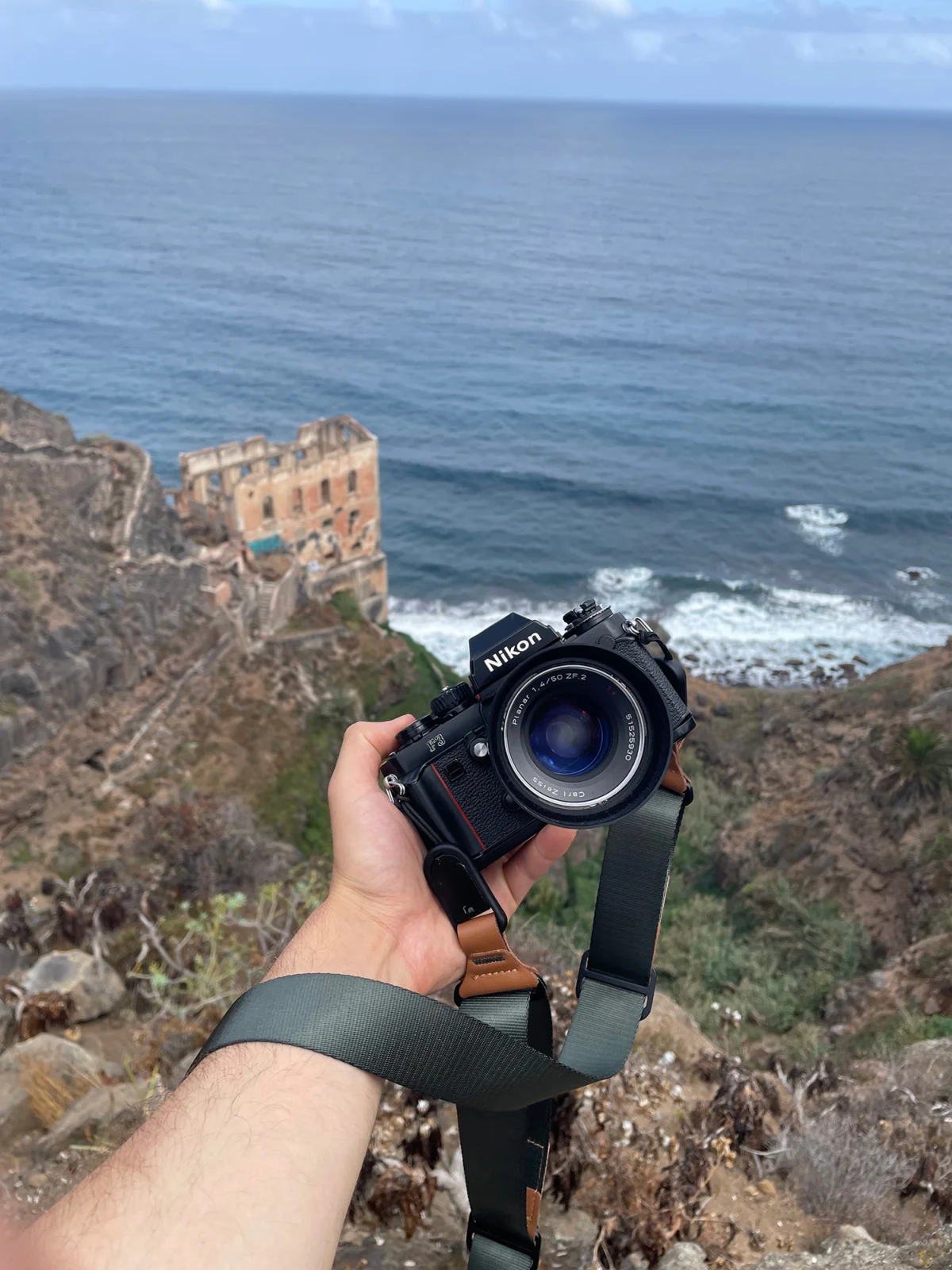
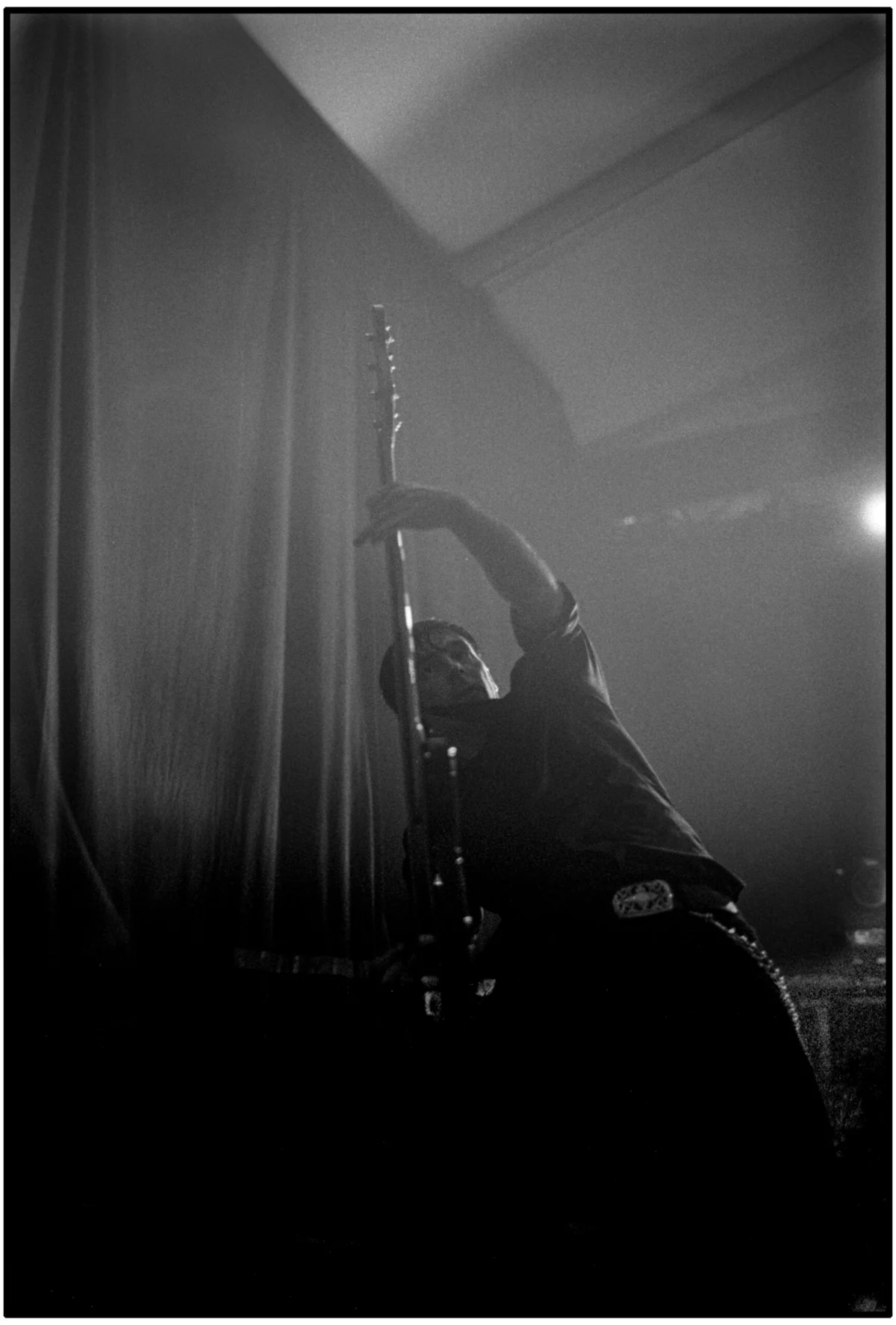
Journalistic and artistic documentation of these events often utilizes specific photographic techniques to capture the dual nature of the day. During the morning hours, the official parade is typically documented using 35mm rangefinder systems, such as the Leica M3. These tools are favored for their portability and speed, allowing photographers to capture the "dynamic energy" and motion of the marchers. The use of films like Delta 400 and Fuji 400 remains prevalent among traditionalists who seek to preserve the tactile, historical feel of the movement’s early years.
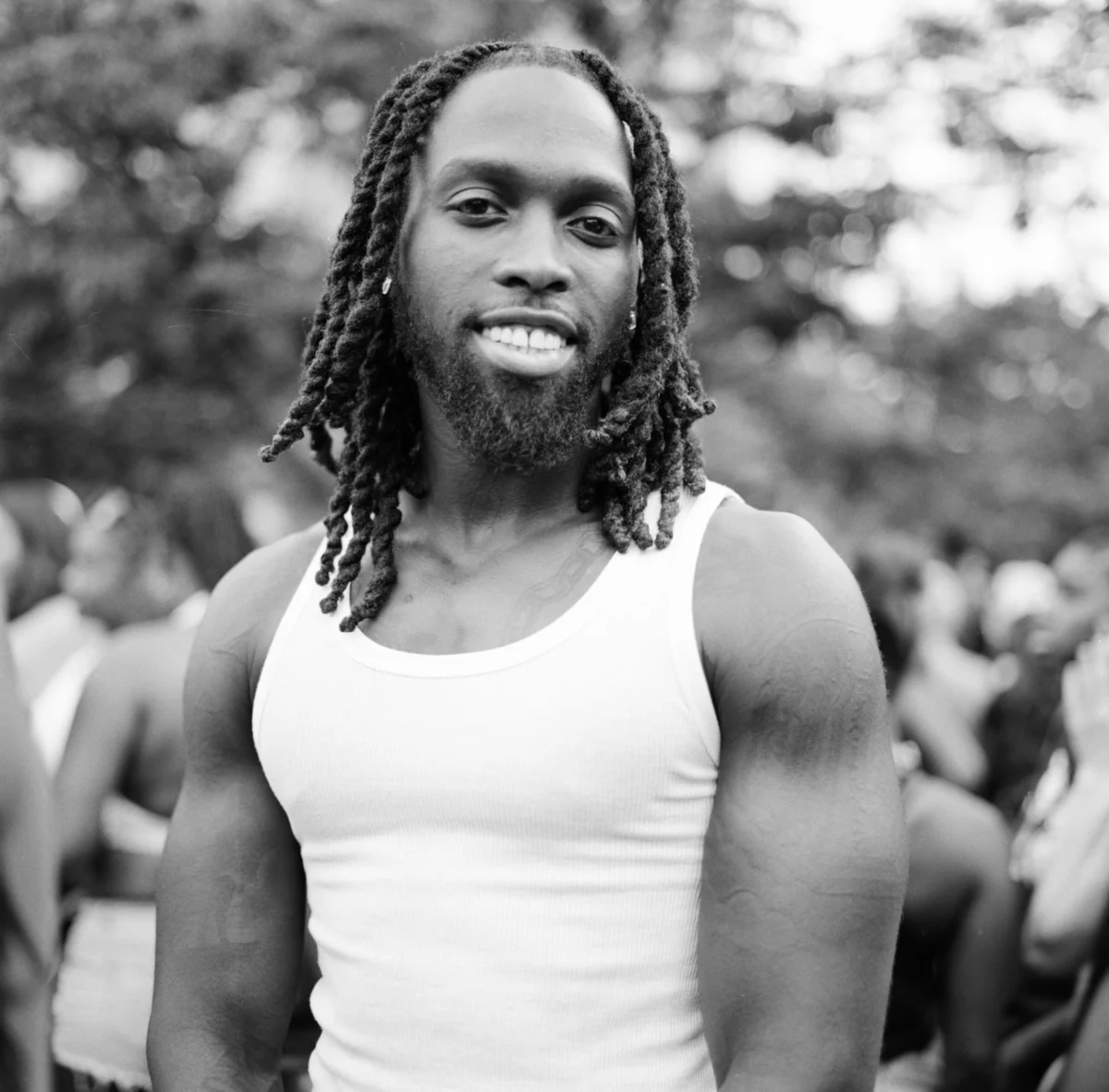
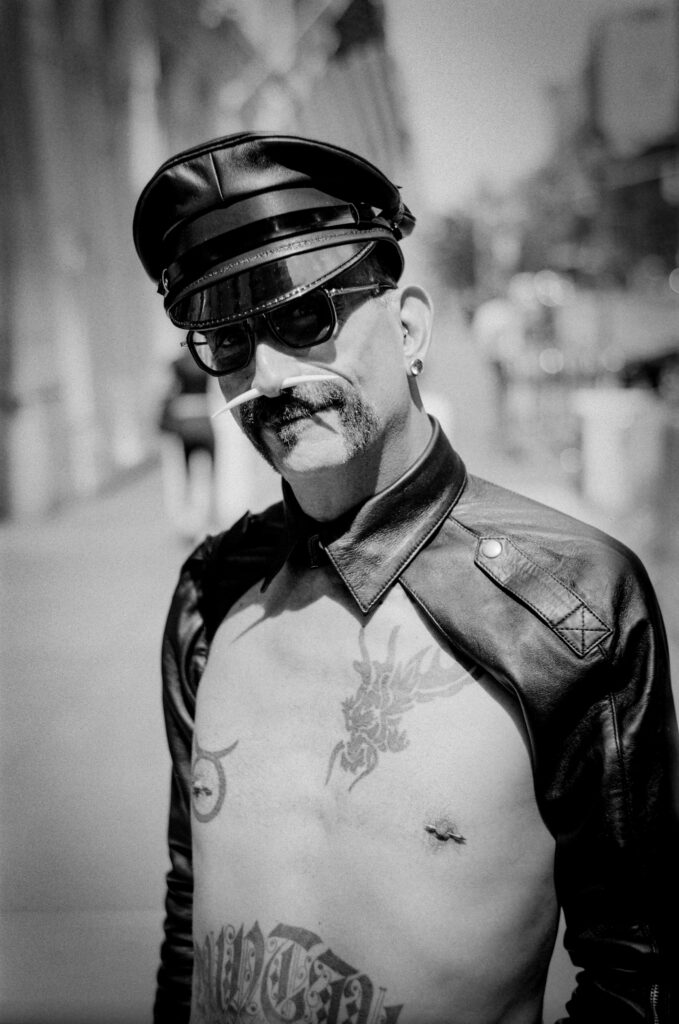
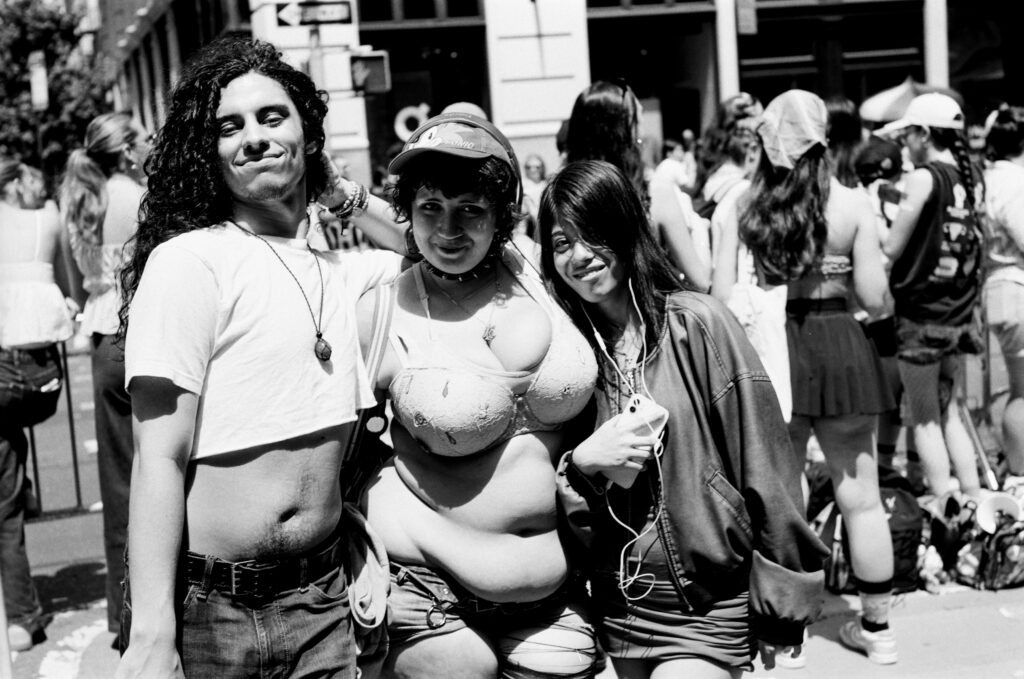
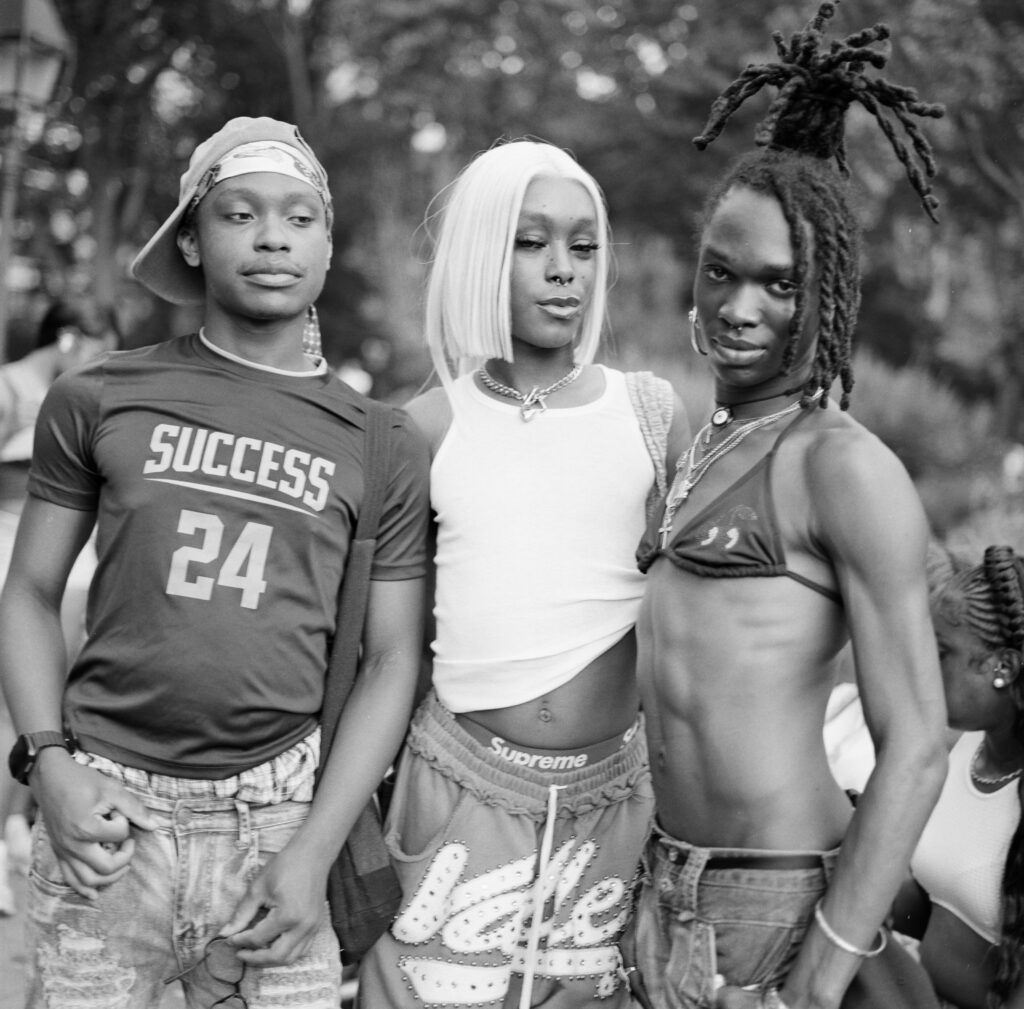
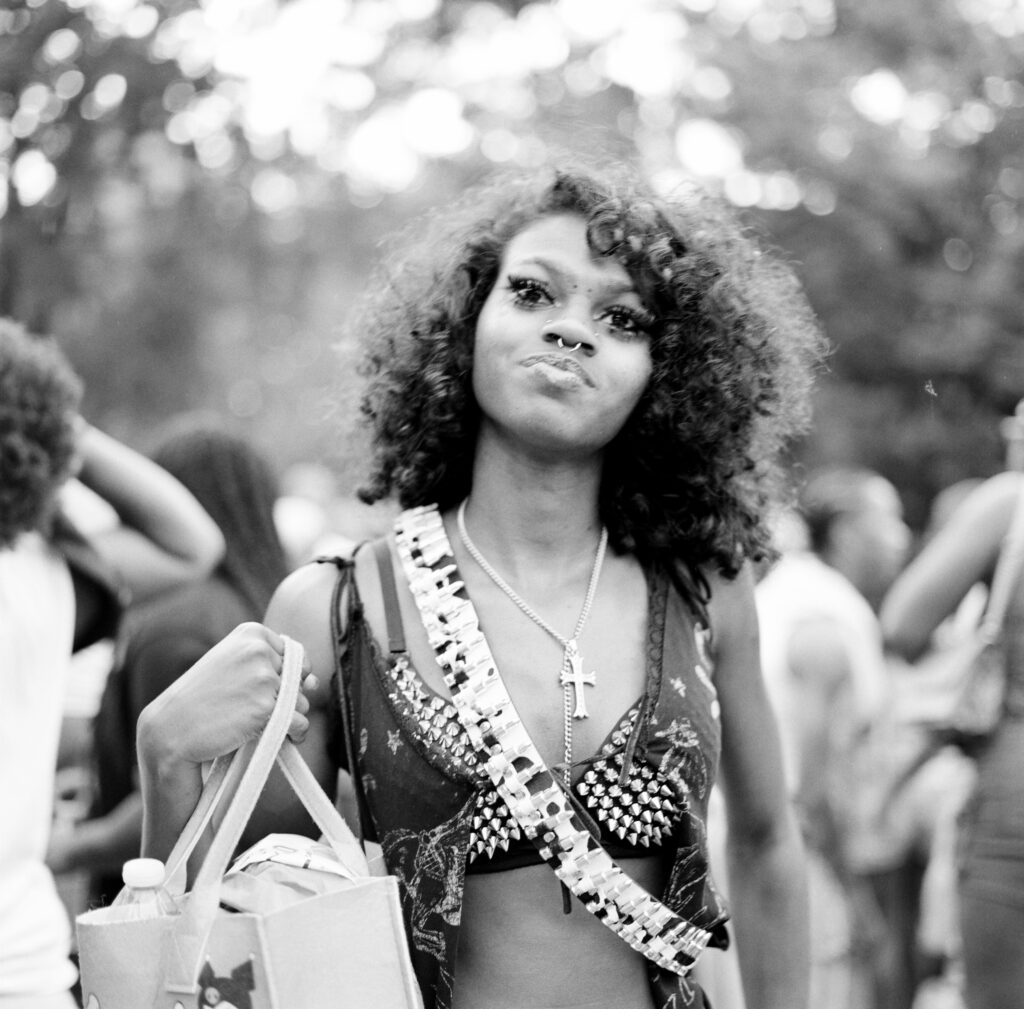
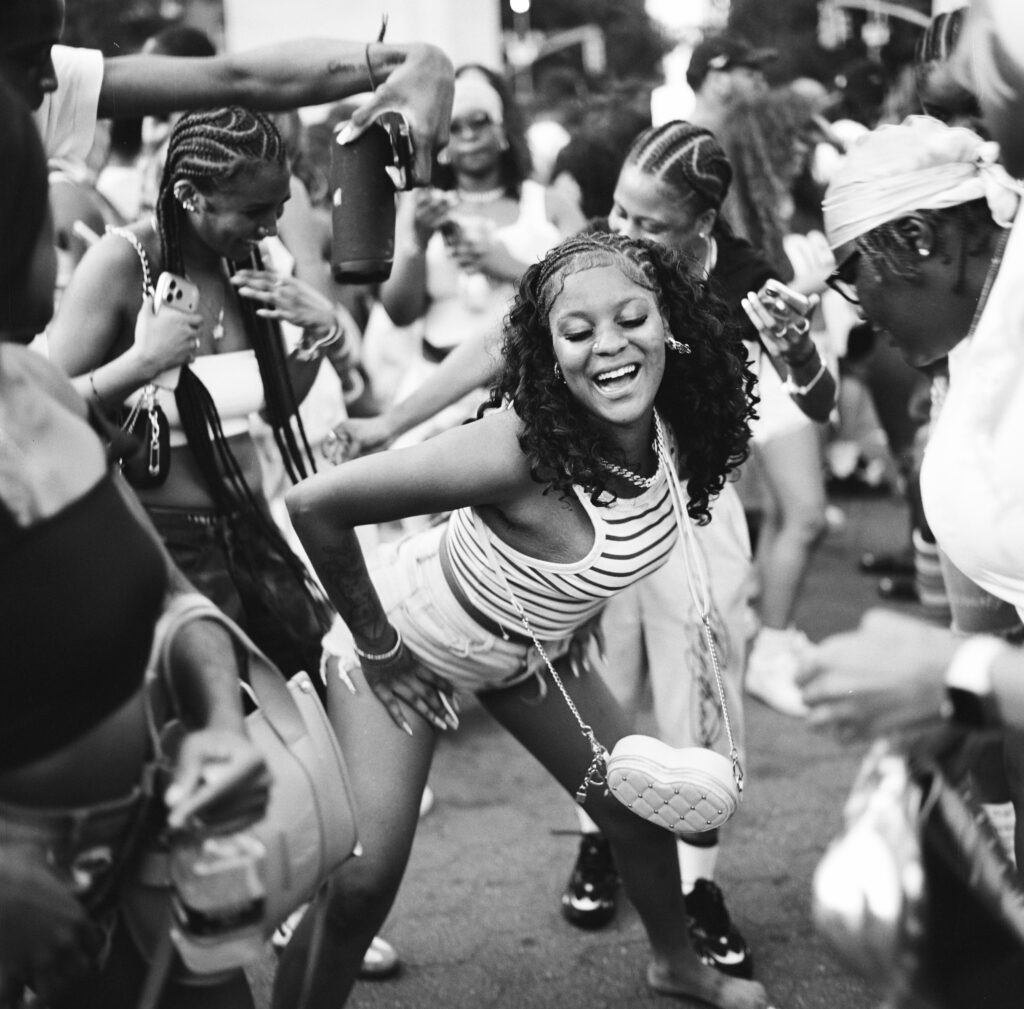
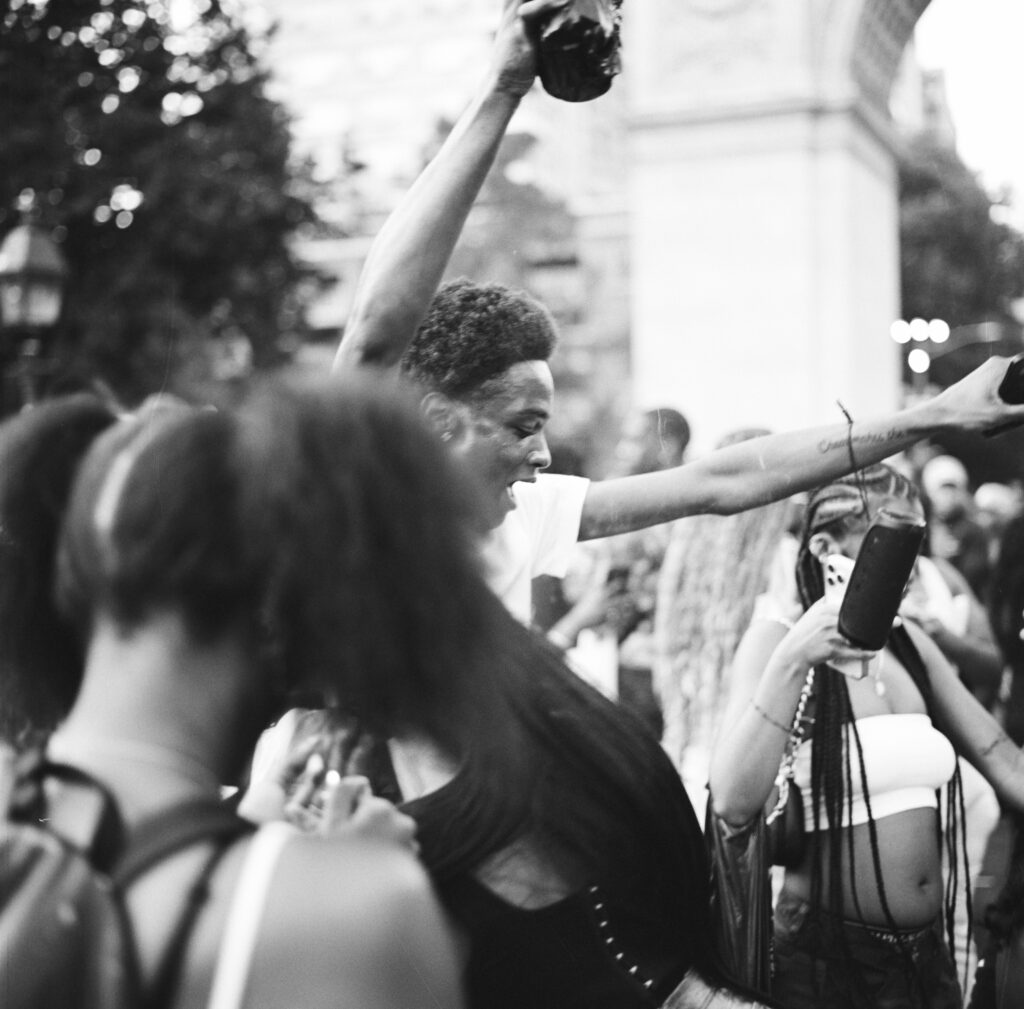
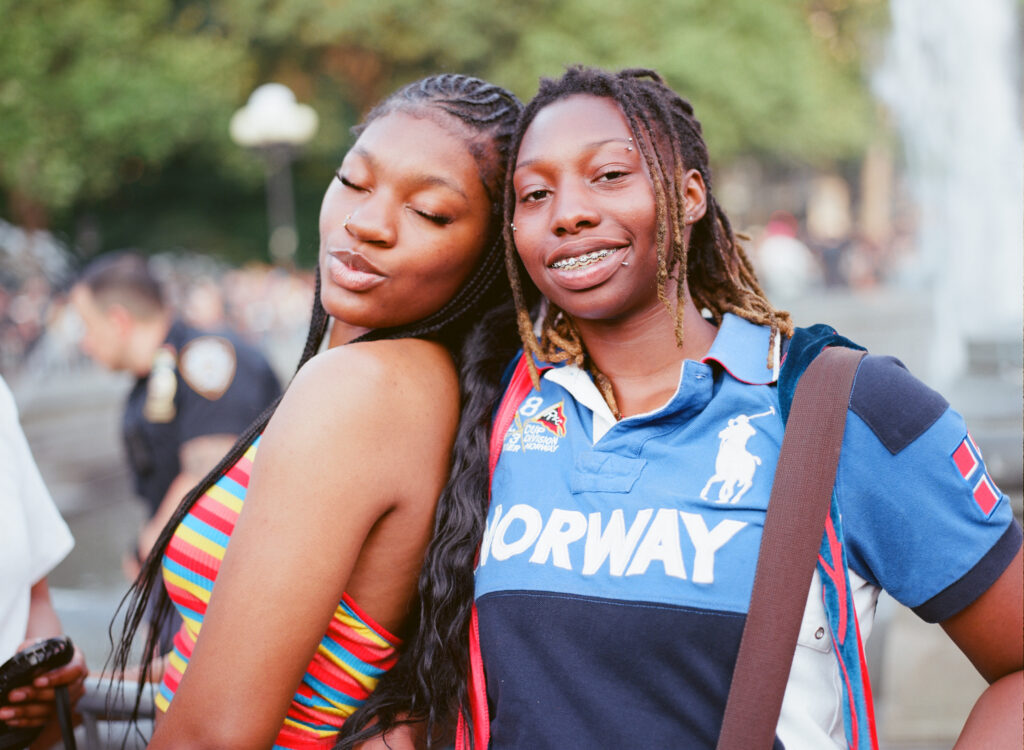
In contrast, the late afternoon and evening gatherings in the West Village often invite a more deliberate approach. As the official parade gives way to a "free-flowing street party," photographers frequently employ medium format cameras, such as the Hasselblad 503CW. The use of Zeiss Planar 80mm lenses and films like Kodak Portra 400 or Tri-X allows for composed, high-fidelity street portraits. These images often provide a stark contrast to the surrounding "fun chaos," offering calm and composed snapshots of participants amidst the crowded urban environment. The technical challenge of "avoiding foreground crosses" in such a dense environment highlights the skill required to isolate subjects in a sea of millions.
Economic and Societal Impact
The scale of NYC Pride has significant economic implications for the city. Estimates suggest that Pride Month generates over $600 million in economic impact for New York City, driven by tourism, hospitality, and retail spending. Beyond the financial data, the event serves as a critical platform for corporate and political engagement. While some activists express concern over the "commercialization" of Pride, proponents argue that the presence of major global brands and high-ranking officials is a testament to the movement’s success in moving from the margins to the center of public life.
Furthermore, the movement has had a profound effect on "allyship." Social analysts point out that the visibility of Pride has played a major role in liberating non-LGBTQ+ individuals from historical anxieties and prejudices. By humanizing the community and celebrating it as an essential part of the "everyday fabric of life," Pride has fostered an environment where friends, coworkers, and family members can engage in more open and honest discourse.
The Intersection of Public Health and Activism
A significant portion of the Pride movement’s legacy is tied to healthcare. The advocacy born out of the 1980s did more than just secure funding; it changed the patient-doctor dynamic. Activists demanded a seat at the table during clinical trials, leading to the "Denver Principles," which empowered people with disabilities and chronic illnesses to take an active role in their own care.
In 2026, this legacy continues as the community focuses on broader access to gender-affirming care and the global eradication of HIV. The evolution from the "devastating HIV virus" of the 1980s to modern preventative measures like PrEP (pre-exposure prophylaxis) and effective antiretroviral therapies (ART) is viewed as one of the most successful examples of grassroots activism in medical history.
Broader Implications and the Future of the Movement
Despite the celebratory atmosphere of 2026, the movement faces a complex future. Observers note that the "long struggle against oppression" is not entirely over. Recent years have seen a rise in legislative challenges regarding trans rights and educational curricula in various parts of the world. This tension ensures that Pride remains both a celebration of past victories and a necessary venue for ongoing political expression.
The global expansion of Pride also highlights a growing divide. While tens of millions celebrate in New York, London, and Sao Paulo, many individuals in other nations still face severe legal penalties for their identity. This global context reinforces the role of New York City as a symbolic "beacon" for the movement, where the right to "fight back" and "refuse to cower in shame" is commemorated annually.
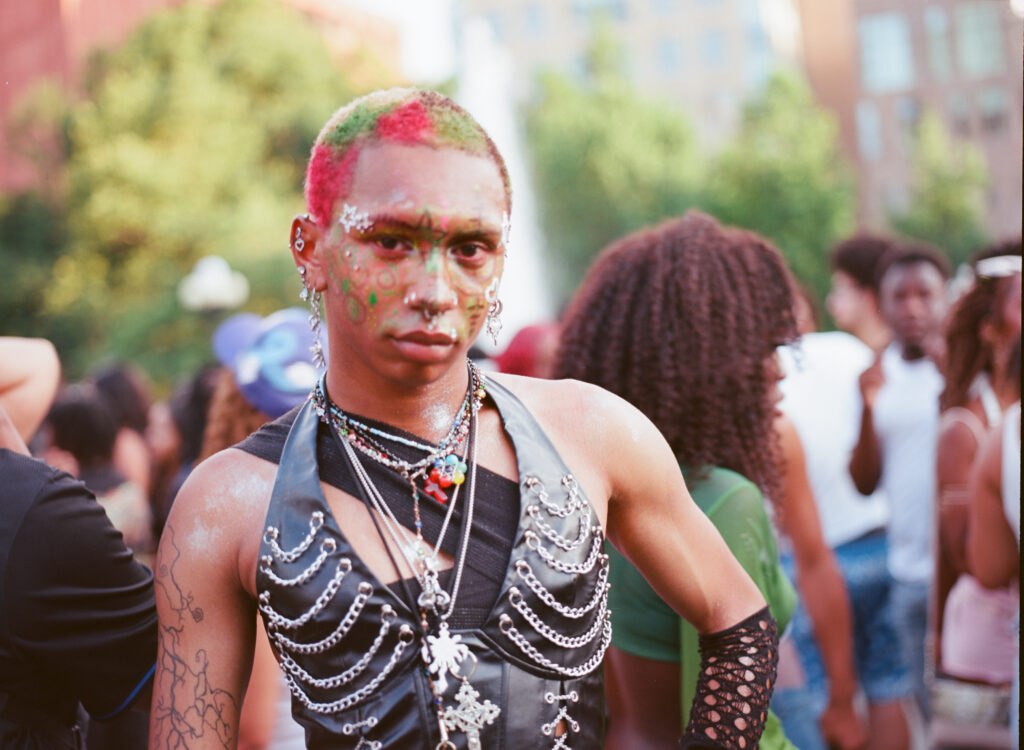
As the 2026 events concluded, the sentiment among participants and observers was one of resilience. The transition from the "vice squad" raids of 1969 to the protected, city-wide celebrations of today represents one of the most rapid and significant civil rights shifts in American history. The movement’s ability to change society "for the better" is evidenced not just in the laws of the land, but in the composed, joyful faces captured in the streets of the West Village—a testament to a community that has moved from the shadows of history into the full light of public pride.