Each year, the comprehensive analysis of rental data serves as a critical barometer for the photography and videography industry, offering invaluable insights into market trends, technological preferences, and the operational demands of creative professionals. As a leading rental house in America, the aggregated data from 2025 illuminates shifts in equipment utilization, providing a predictive compass for future industry developments and manufacturer strategies. This annual review, a staple for industry observers, delves into the most exciting and successful products, highlighting the evolving landscape of professional and prosumer gear.
Overall Rental Trends: The Dominance of Versatility
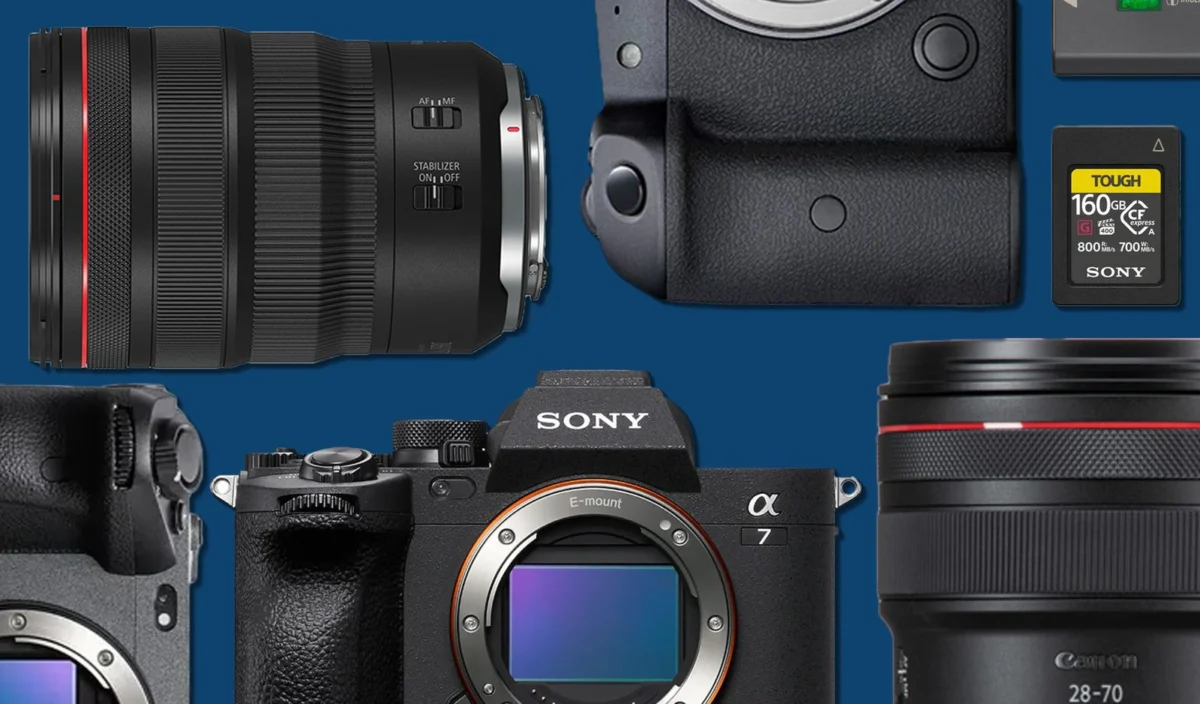
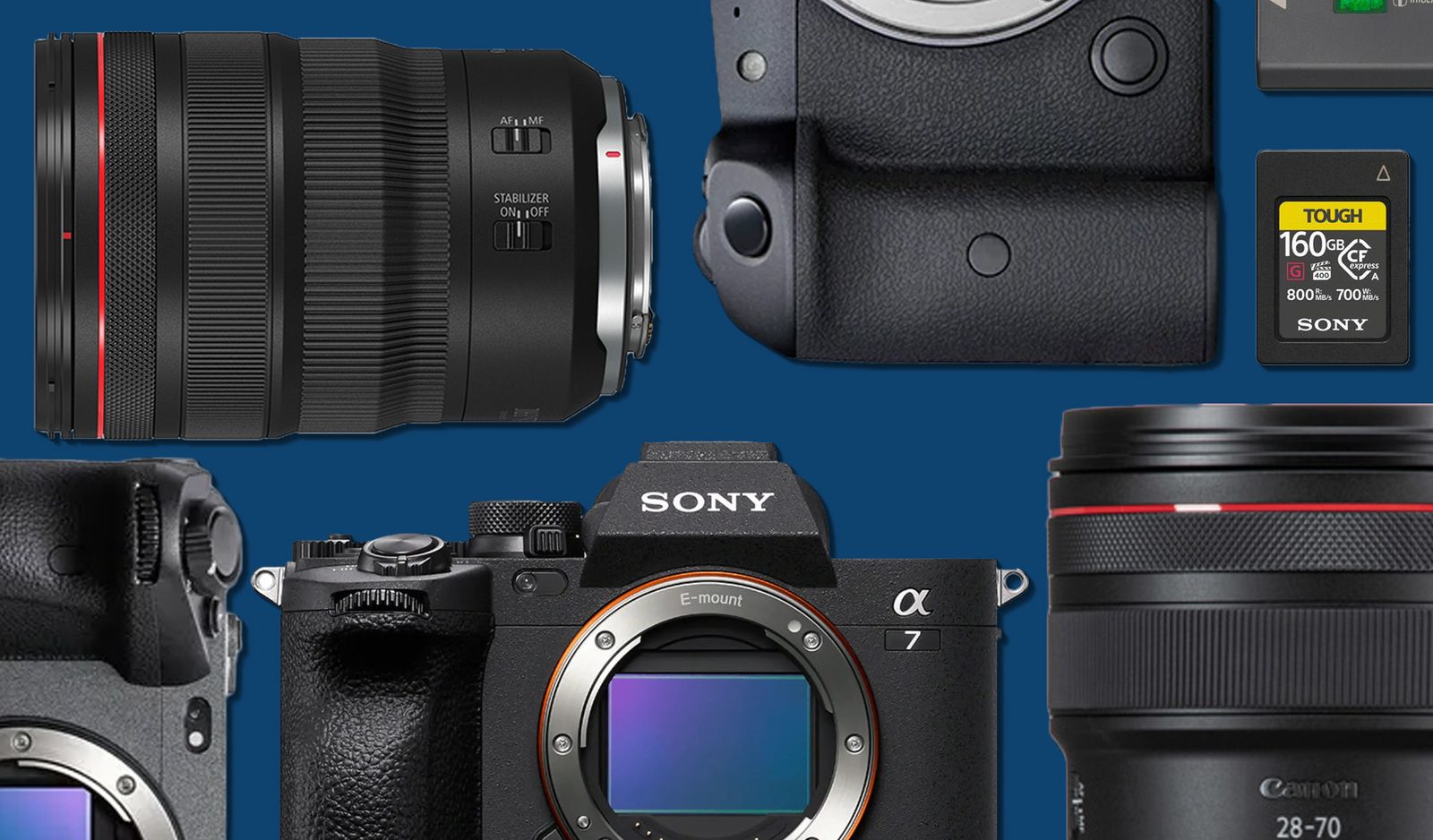
The 2025 rental data, meticulously compiled based on the sheer volume of rentals rather than revenue, presents a clear picture of user priorities: versatility reigns supreme. Contrary to the popular industry adage, "Prime is King," the statistics consistently demonstrate a pronounced preference for flexible zoom lenses. Leading the charge in overall popularity was the Canon RF 24-70mm f/2.8L IS, closely followed by its slightly faster, albeit shorter-ranged, sibling, the Canon RF 28-70mm f/2L. This trend underscores the practical needs of renters who often require adaptable tools capable of handling a diverse array of shooting scenarios without the need for frequent lens changes. From commercial shoots to event coverage and burgeoning content creation, a reliable midrange zoom minimizes logistical complexities and maximizes efficiency on set. The pervasive demand for such versatile optics pushed the first prime lens, the Canon RF 50mm f/1.2L, down to the 17th position, indicating that while primes offer unparalleled image quality and low-light performance, their specialized nature often makes them secondary choices for general rental purposes.
Camera Landscape: Canon’s Reign and Sony’s Diverse Portfolio
A deeper dive into camera rentals reveals intriguing patterns, with unexpected leaders and strong brand performances. To the surprise of many industry veterans and enthusiasts, the Canon R6 Mark II emerged as the most rented camera of 2025. This triumph is particularly notable given its competition, outranking the more advanced R5 Mark II and even the original R5, which still held a respectable 4th place. The R6 Mark II’s success can be attributed to its compelling balance of professional-grade features, robust performance, and a more accessible price point compared to its higher-end counterparts. It offers an optimal blend of resolution, autofocus capabilities, and video features that cater to a broad spectrum of users, making it an ideal choice for rental where cost-effectiveness and broad utility are paramount.
Sony, a consistent innovator in the mirrorless segment, demonstrated significant market penetration, with an impressive nine different camera models appearing within the top twenty rented cameras. This diverse showing ranged from high-end professional cinema cameras like the Sony FX6, favored for its cinematic capabilities and workflow integration, to compact, feature-rich point-and-shoot options such as the Cybershot RX100 VII, popular among vloggers and casual users seeking premium image quality in a portable form factor. Sony’s strategy of offering a wide ecosystem of cameras tailored to specific user needs clearly resonated with the rental market.
Conversely, the 2025 data highlighted a notable absence of Fujifilm cameras in the top twenty, a segment often lauded for its aesthetic appeal and unique color science. This suggests that while Fujifilm commands a dedicated user base for ownership, its rental appeal may be more niche or its market share in the professional rental sector remains limited. Nikon, historically a dominant force, secured only one spot in the top twenty with its Nikon Z8. This singular entry points to the continued challenges Nikon faces in competing with the sheer breadth and depth of Canon and Sony’s mirrorless offerings in the rental space, despite the Z8 being a highly capable and critically acclaimed camera. These figures underscore the dynamic competitive landscape, where brand loyalty and comprehensive ecosystems play a crucial role in shaping rental demand.
Lens Preferences: Practicality Over Specialization
The analysis of most popular lens rentals for 2025 mirrors the camera trends, predominantly showcasing two major players: Canon and Sony. The lens market for rentals is heavily skewed towards practical, workhorse optics. Only Sigma managed to break into the top 20, with its highly regarded 24-70mm f/2.8 DN Art, demonstrating the strength of its third-party offerings that provide comparable quality at often more competitive rental rates. The overarching theme across the top-rented lenses is functionality and broad utility. The list is dominated by zoom lenses covering widely used focal lengths, designed to meet the demands of various photography and videography assignments. These include standard zooms, telephoto zooms, and wide-angle zooms, all engineered for versatility rather than specialized applications. The preference for these pragmatic options underscores the rental market’s emphasis on efficiency and adaptability for diverse projects. Renters prioritize lenses that can perform across multiple genres, reducing the need for extensive kit changes and streamlining their workflow. This segment of the data strongly reinforces the idea that for temporary equipment needs, comprehensive coverage and reliability outweigh niche performance.
The Essential Toolkit: Accessories and Support Gear
Beyond cameras and lenses, the accessories category encompasses everything from cables and hard drives to tripods and lighting equipment. The 2025 rental data for accessories revealed a focus on the fundamental necessities of modern digital imaging. Unsurprisingly, batteries and memory cards topped the list, reflecting the inherent demands of contemporary camera systems. Mirrorless cameras, which now constitute the bulk of professional gear, are known for their higher power consumption compared to their DSLR predecessors, making extra batteries an absolute necessity for extended shoots. Similarly, the increasing resolution and frame rates of video recording demand copious amounts of high-speed memory, rendering multiple, reliable memory cards indispensable.
Interestingly, despite the growing sophistication of lighting and drone technology, very little dedicated lighting or drone equipment made it into the top twenty accessory rentals, with the DJI TB50 battery (used in specific drone models) being the sole exception at the 18th position. The remaining spots were largely filled by essential support gear such as light stands and tripods. This could suggest several factors: professionals might own their core lighting and drone kits, preferring to purchase these specialized items rather than rent them frequently; smaller, more specialized rental houses might cater to niche lighting/drone needs; or the overall rental volume for these items, while significant, might not individually reach the same peak as ubiquitous items like batteries and memory cards. The data emphasizes that regardless of the creative vision, the foundational elements of power, storage, and stable support remain universal and critical for any production.
Market Dynamics: Brand Performance and Strategic Shifts
The brand market share analysis for 2025, based on revenue, offers a different perspective, inherently skewing towards higher-priced brands like RED or Leica. Despite this, Canon maintained its long-standing lead in rentals, capturing 26.51% of the market, a steady increase from 25.69% in 2024 and 23.96% in 2023. This consistent growth underscores Canon’s robust ecosystem, reliability, and strong professional user base. Sony solidified its position as a strong second, growing to 21.66% in 2025 from 20.45% in 2024 and 19.13% in 2023, showcasing its aggressive innovation and expanding appeal across various market segments.
The performance of other brands revealed varied trajectories. Nikon experienced a slight dip, moving from 5.91% in 2024 to 5.56% in 2025, after a rise from 4.88% in 2023. This fluctuation suggests the brand is navigating a challenging competitive environment, despite releasing highly capable products. DJI, a dominant force in drones and gimbals, continued its incremental growth, reaching 4.29% in 2025 (up from 3.80% in 2024 and 3.31% in 2023), indicating the increasing integration of drone technology into professional workflows and the reliability of DJI’s accessory ecosystem.
Conversely, brands like Blackmagic (3.15%), Sigma (3.13%), RED (1.11%), and Sachtler (1.05%) saw slight declines or relatively stable shares. Blackmagic’s slight dip from 3.57% in 2023 to 3.15% in 2025, and RED’s more significant decrease from 2.03% to 1.11% over the same period, could reflect shifts in high-end cinema production preferences or increased competition from brands like Sony and Canon entering the professional video space with more integrated hybrid solutions. Fujifilm, despite its lack of top-20 camera representation, showed a modest increase in revenue share, from 2.24% in 2023 to 2.79% in 2025, suggesting a steady, if smaller, base of users who rent specialized Fujifilm gear or perhaps a higher average rental value per unit. Panasonic and Leica maintained relatively stable, albeit smaller, shares. These revenue-based figures highlight the sustained dominance of Canon and Sony, whose comprehensive product lines and broad market appeal continue to drive the majority of rental expenditures.
Innovations on Demand: Insights from New Gear Rentals
The most popular new gear for 2025 offers a glimpse into future market directions, albeit with certain caveats. This list prioritizes products newly introduced into inventory during 2025, meaning items released earlier in the year naturally have a greater advantage in accumulating rental orders. Furthermore, it occasionally highlights new product markets or subsections that the rental house has recently expanded into.
Leading the list of new products was an updated version of the Manfrotto 190 series tripod. The Manfrotto 190 series has long been a staple in the industry, particularly favored by videographers for its proven reliability, robust build quality, and versatile configurations. The updated model likely features incremental improvements in ergonomics, load capacity, or material science, resonating with professionals who seek dependable support solutions.
A significant debut on this list came from the lighting sector: the Amaran COB 200x. This 200W bi-color monolight, known for its powerful output and flexible color temperature adjustment, stood out due to its dual power options—both battery and AC. This versatility makes it an exceptionally attractive rental option for various production environments, from studio shoots to on-location setups where power access can be unpredictable. The Amaran COB 200x’s success indicates a strong demand for portable, powerful, and adaptable lighting solutions that can integrate seamlessly into diverse production workflows.
The remainder of the new gear list largely comprised refreshes of existing popular equipment. These offerings typically provide marginal upgrades to already exceptional products, such as improved autofocus algorithms, enhanced battery life, or minor ergonomic tweaks. This trend suggests that 2025 was a "transitional year" in terms of groundbreaking new releases, with manufacturers focusing more on refining and enhancing their established product lines rather than introducing revolutionary new categories. This approach ensures continued relevance for their flagship products while allowing the industry to consolidate around proven technologies.
Implications and Future Outlook
The 2025 rental data paints a clear picture of an industry prioritizing practical versatility and robust reliability. The dominance of midrange zooms and hybrid-capable cameras like the Canon R6 Mark II suggests that content creators and production teams increasingly require flexible tools that can adapt to rapid changes in project scope and delivery formats, from high-resolution stills to professional-grade video. Canon’s sustained leadership and Sony’s broad market presence underscore the importance of comprehensive ecosystems that offer solutions across various price points and professional needs. The limited showing of some brands, like Fujifilm and Nikon in specific top-tier rental categories, highlights the intense competition and the need for continuous innovation and strategic market positioning.
The robust demand for essential accessories like batteries and memory cards points to the operational realities of modern digital capture, where power and data management are paramount. The selective emergence of new lighting solutions like the Amaran COB 200x indicates a growing appetite for portable, powerful, and adaptable production tools. As the industry moves forward, it is likely that manufacturers will continue to focus on enhancing the hybrid capabilities of their cameras, developing more versatile and efficient lenses, and integrating smarter power and data solutions. The rental market, being a frontline indicator of professional demand, will continue to play a pivotal role in signaling these shifts and guiding the evolution of photographic and videographic technology.
The insights gleaned from this annual rental report are instrumental not only for manufacturers in shaping their R&D and product roadmaps but also for professionals in making informed decisions about equipment investments. These trends suggest a continued emphasis on efficiency, adaptability, and high performance in a dynamic creative landscape. The data from 2025 sets the stage for future discussions, particularly when juxtaposed with purchase data, which will reveal which of these rented tools were so indispensable they found a permanent home in professionals’ kits.