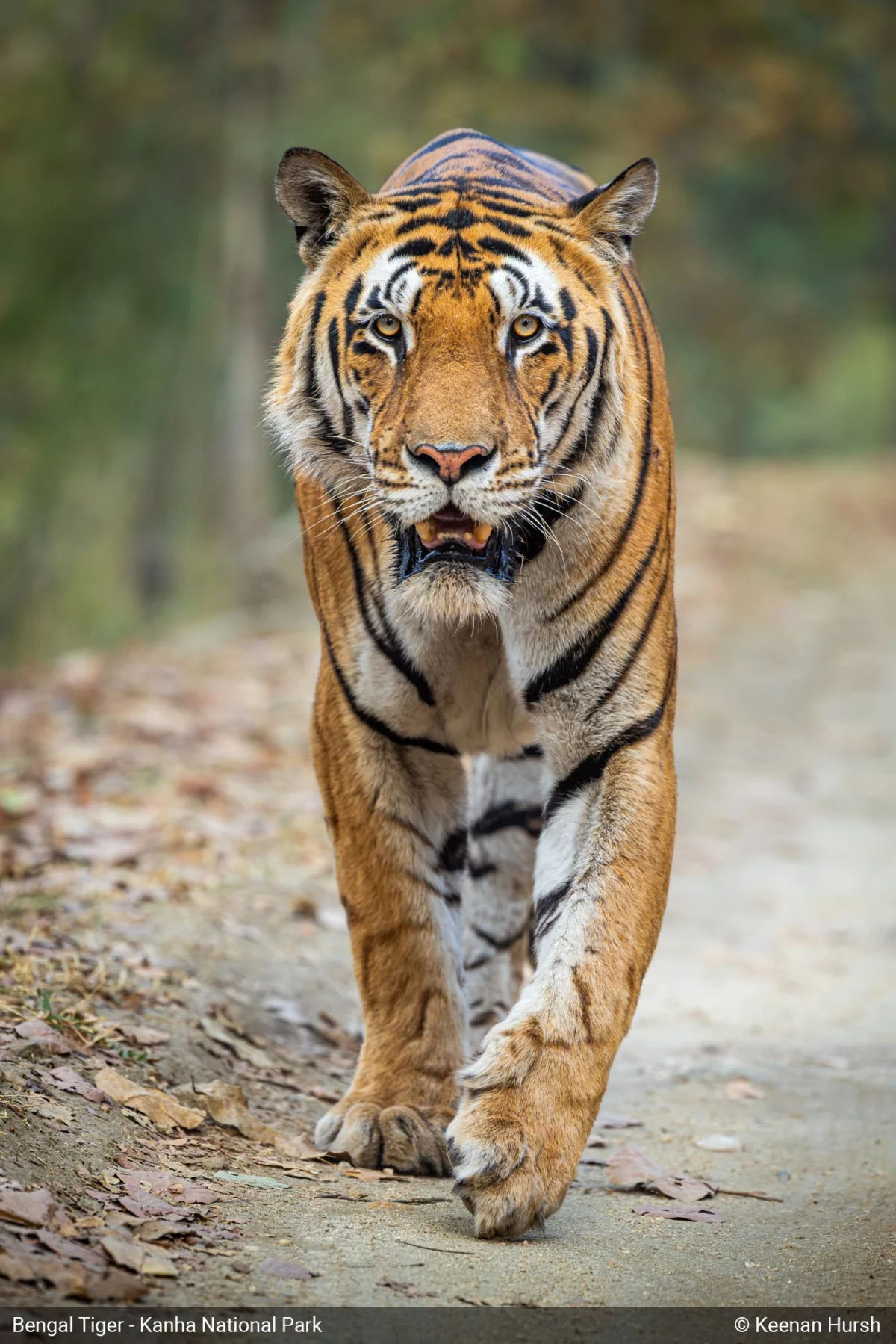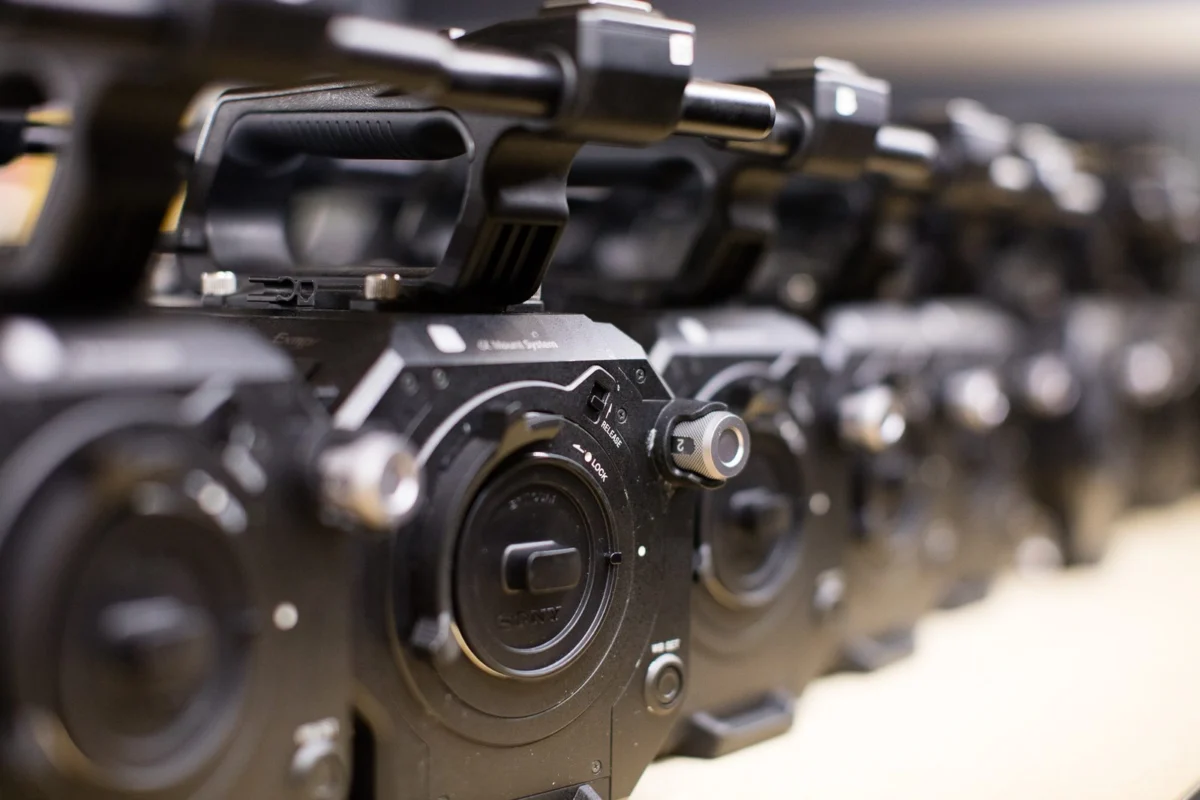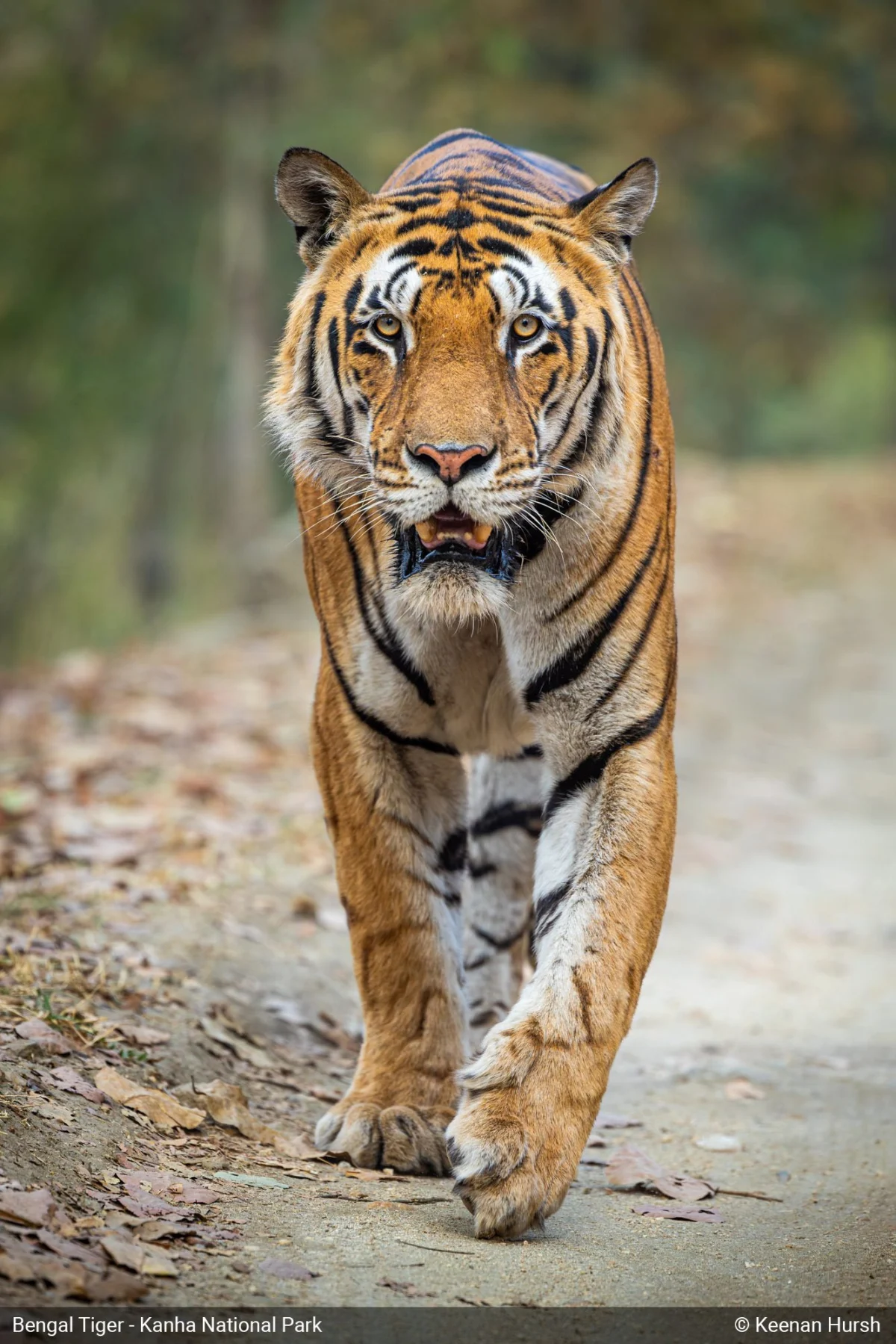
Wildlife photography, a pursuit demanding a unique blend of patience, technical skill, and an understanding of animal behavior, offers profound rewards but is equally known for its inherent challenges. The success of capturing elusive moments often hinges not only on a photographer’s expertise but also significantly on the capabilities of their equipment. Recent advancements in camera technology have revolutionized this demanding art form, enabling the capture of images that were once considered unachievable. Professional nature and wildlife photographer Keenan Hursh recently put these technological leaps to the ultimate test during an immersive photography workshop in India, conducting a real-world, side-by-side comparison of Canon’s flagship mirrorless cameras: the original EOS R5 and the newer EOS R5 Mark II.
A Photographic Expedition to India’s Tiger Strongholds
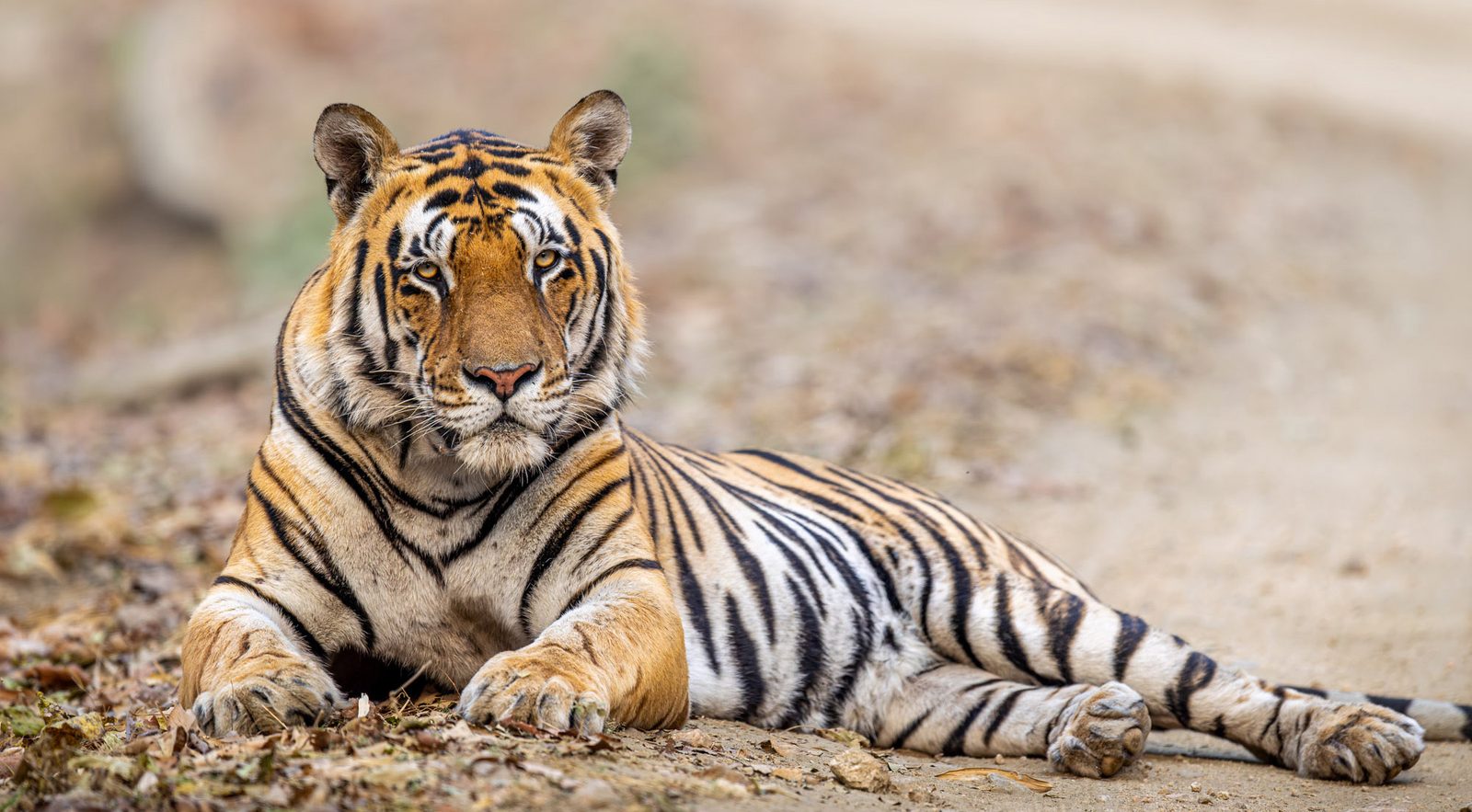
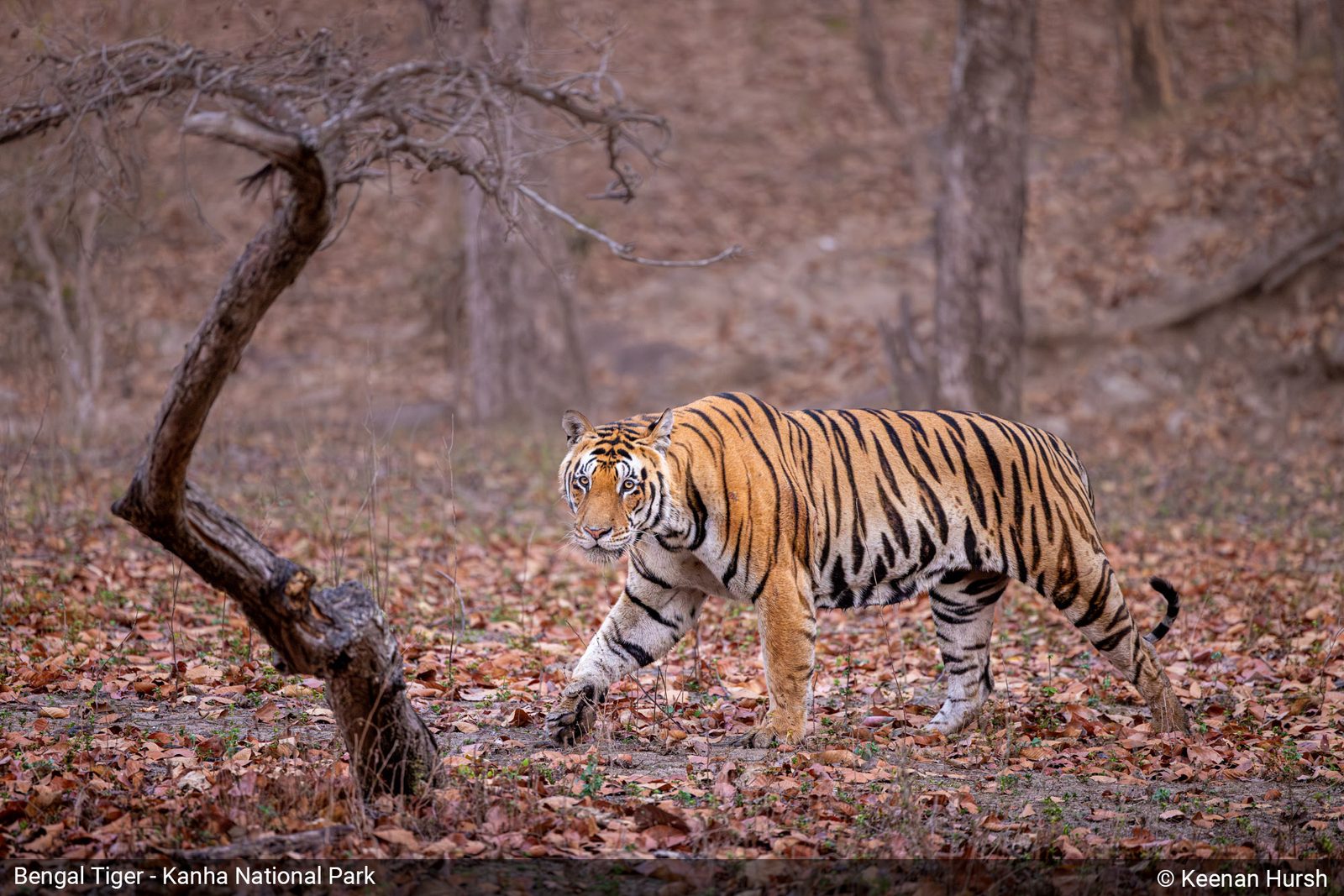
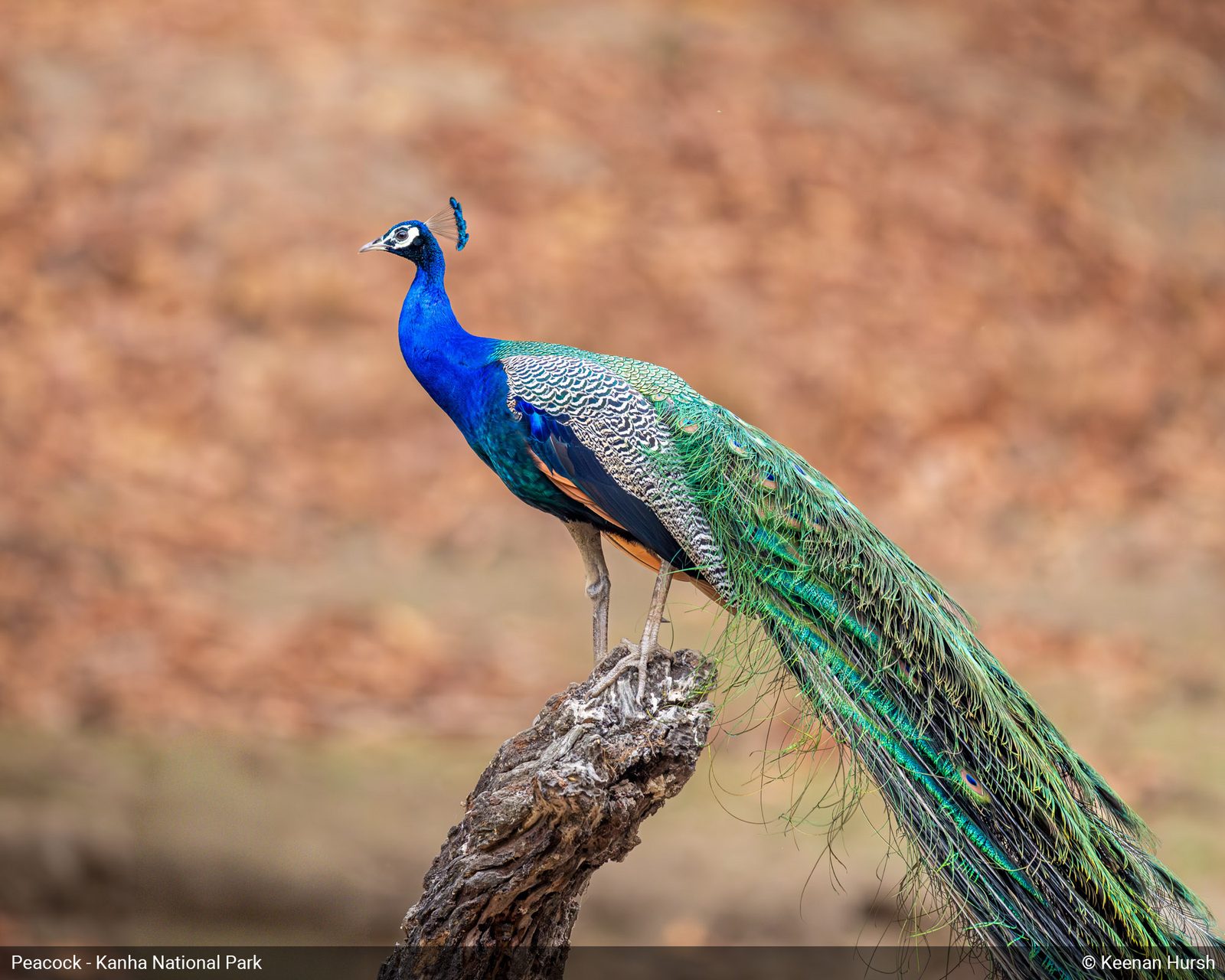
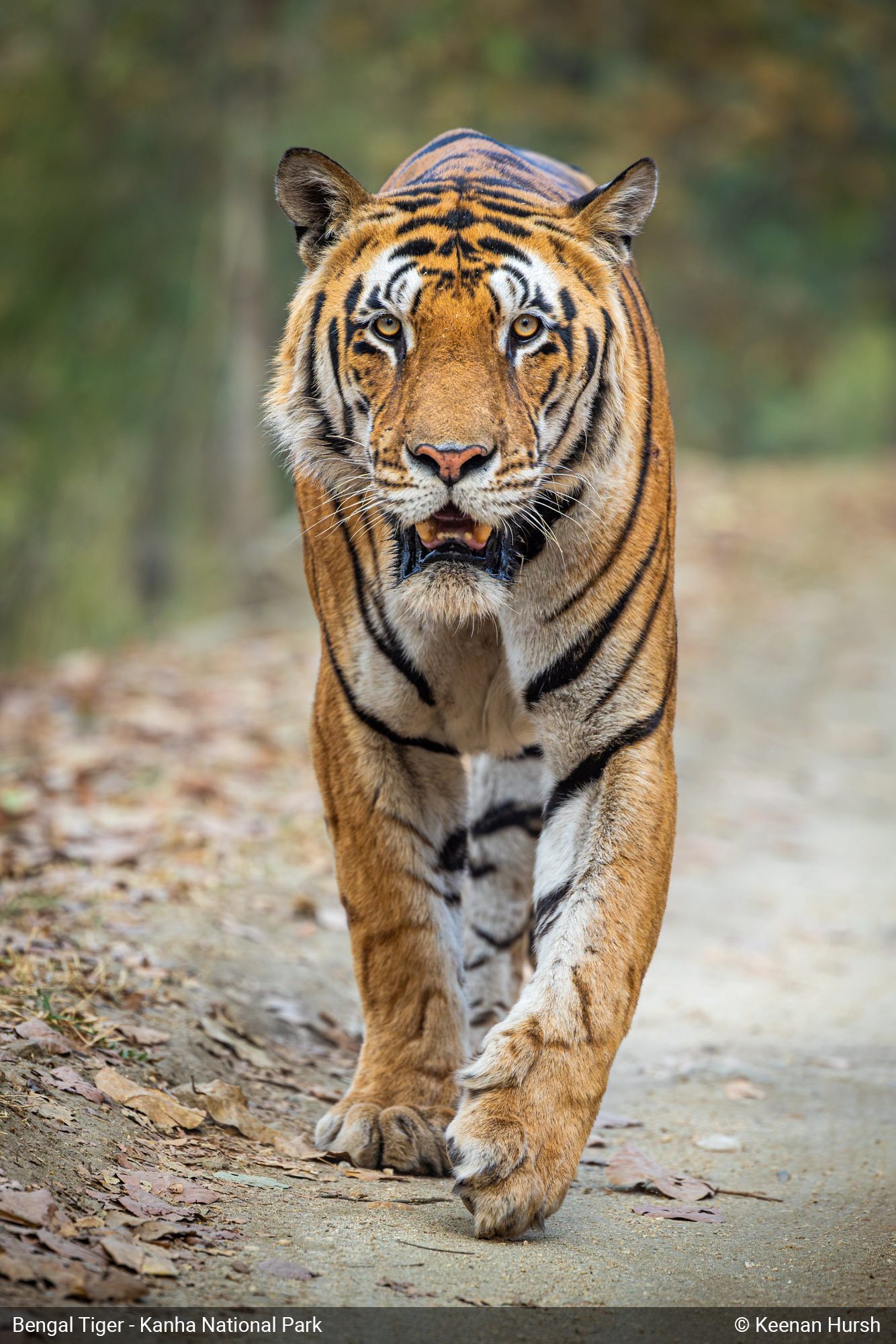
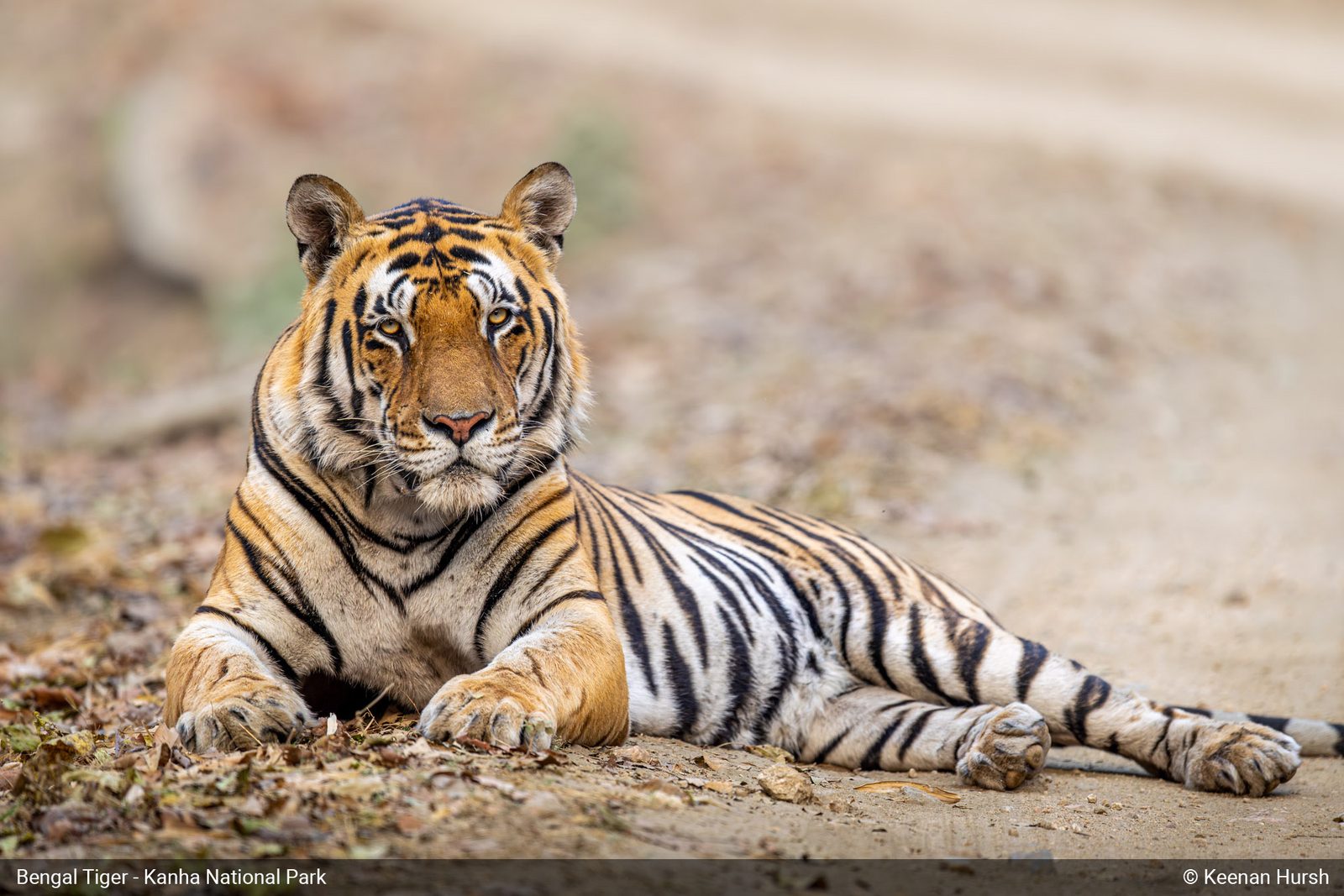
The expedition, organized by Backcountry Journeys, saw Hursh leading a small group of photographers through Bandhavgarh and Kanha National Parks in Madhya Pradesh, India. These parks are renowned globally as premier destinations for observing and photographing Bengal tigers (Panthera tigris tigris) in their natural habitat. For Hursh, this journey represented the fulfillment of a long-held ambition to document India’s iconic wildlife. The itinerary involved extensive travel, culminating in a rendezvous with workshop participants in Delhi before proceeding to the heart of India’s tiger country.
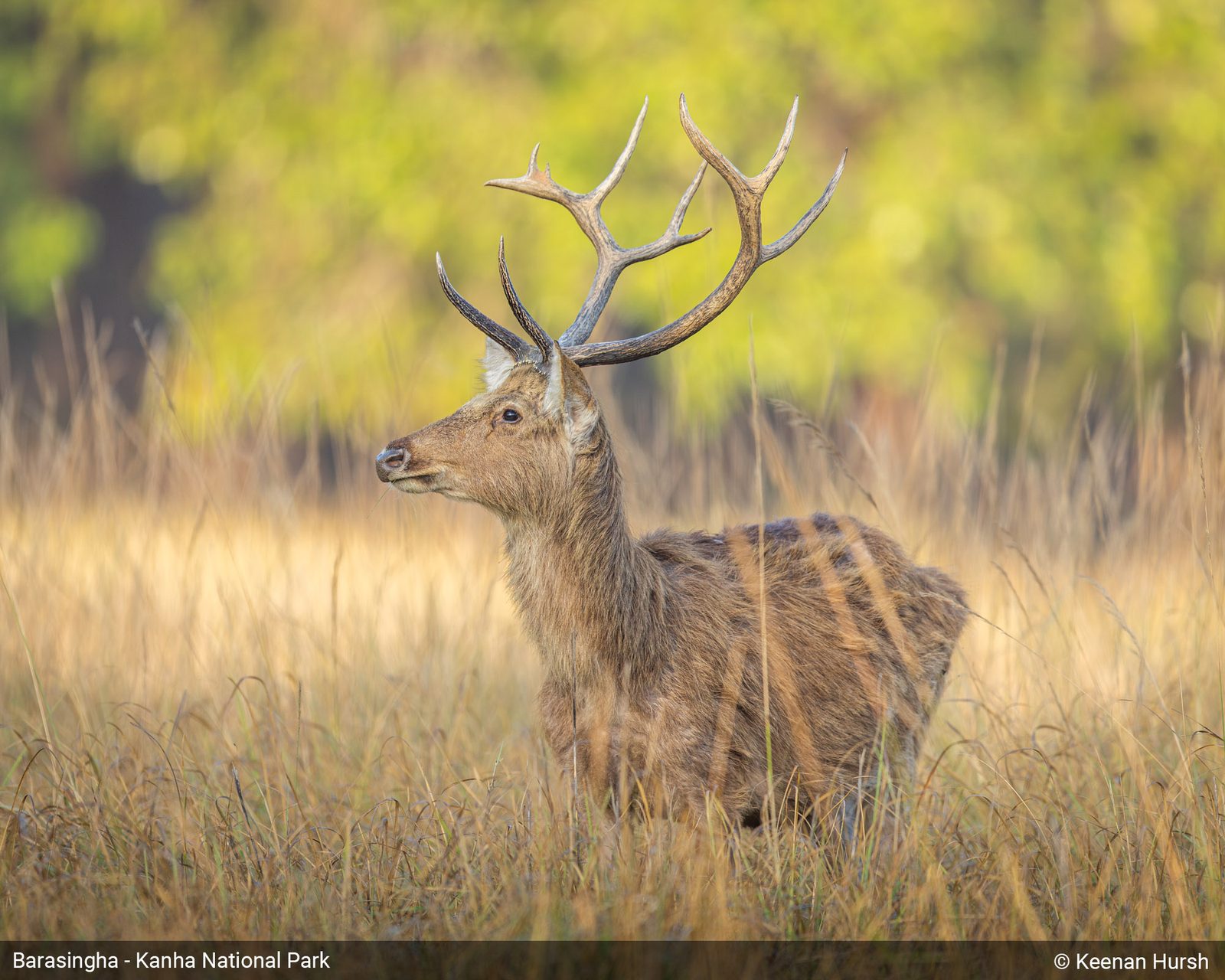
Over a period of 10 days, the group embarked on daily safari drives, exploring the diverse landscapes and abundant wildlife of both parks. Bandhavgarh, historically a hunting reserve for Maharajas, is celebrated for its high tiger density and dramatic landscapes featuring ancient forts and rugged terrain. Kanha, on the other hand, is one of India’s largest national parks, known for its expansive meadows, dense sal forests, and a successful conservation history, particularly in bringing back the hardground barasingha (swamp deer) from the brink of extinction. While each park offered distinct photographic opportunities, their shared abundance of tigers was the primary draw.
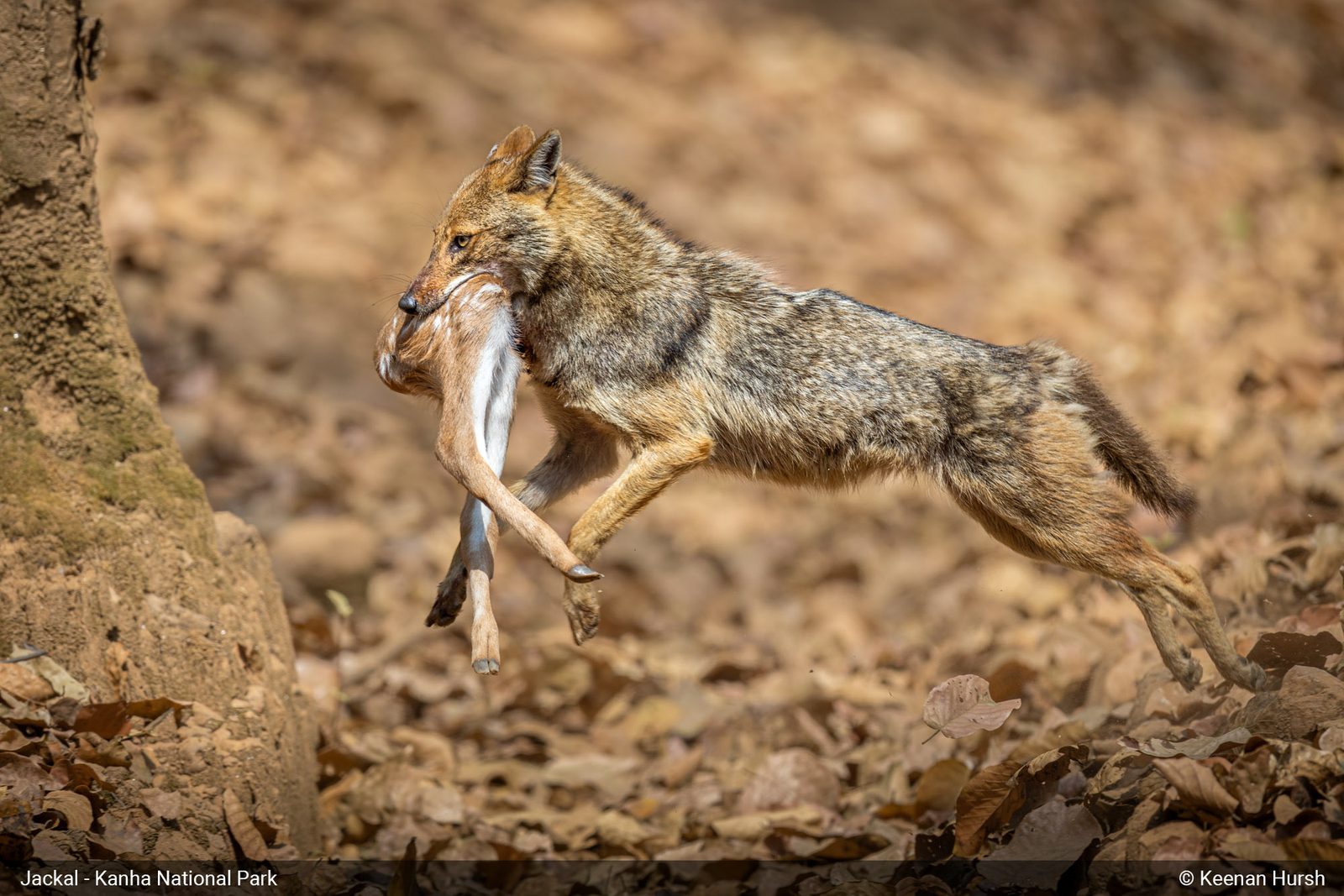
The workshop proved exceptionally productive, with participants experiencing an impressive 15 individual tiger sightings. These encounters provided invaluable opportunities for capturing compelling images of the apex predator. Beyond tigers, the expedition also yielded photographs of numerous other mammal and bird species unique to the Indian subcontinent, highlighting the rich biodiversity of these protected areas. This immersive experience underscored the critical role of advanced camera equipment in maximizing photographic success in dynamic wildlife environments.
The Evolution of Wildlife Photography Technology
The last decade has witnessed a dramatic acceleration in camera technology, profoundly impacting wildlife photography. The transition from digital single-lens reflex (DSLR) cameras to mirrorless systems has been a pivotal shift, bringing with it a suite of innovations crucial for capturing fast-moving, unpredictable subjects. Key advancements include:
- Autofocusing Capabilities: Modern mirrorless cameras boast sophisticated AI-assisted autofocus systems with advanced subject and eye detection. These systems can rapidly acquire and track subjects, even in challenging lighting conditions or against complex backgrounds.
- Low Light Performance: Improved sensor technology and image processing allow for cleaner images at higher ISO sensitivities, enabling photographers to shoot effectively in dawn, dusk, or heavily shadowed environments, which are often prime times for wildlife activity.
- Increased Burst Speeds: The ability to capture a high volume of frames per second significantly increases the chances of freezing decisive moments, such as a bird taking flight or a predator in pursuit.
- Pre-Capture Functionality: This innovative feature allows the camera to record images before the shutter button is fully pressed, effectively capturing moments that would otherwise be missed due to human reaction time.
- Electronic Viewfinders (EVFs) and Stacked Sensors: EVFs provide a real-time preview of the captured image, including exposure and white balance, a significant advantage over optical viewfinders. Stacked sensors enhance processing speed, reducing rolling shutter effects and enabling higher frame rates and blackout-free viewing.
These technological leaps have made it possible for photographers to achieve results that were simply not feasible even a few years ago. Keenan Hursh’s decision to compare the Canon EOS R5 and R5 Mark II stemmed from a professional curiosity regarding the practical benefits of these incremental improvements in a demanding field setting.
Canon EOS R5: A Trailblazer’s Legacy
Upon its release in 2020, the Canon EOS R5 quickly established itself as a benchmark in the mirrorless camera market, particularly for professional applications. Hursh, having owned two R5 bodies for several years, attests to its robust performance across a spectrum of challenging conditions, from extreme temperatures to diverse ecological zones. Its specifications made it a formidable tool for wildlife photography:
- 45-Megapixel Full-Frame Sensor: Offering exceptional detail and cropping flexibility.
- 20 Frames Per Second (fps) Burst Rate: When using the electronic shutter, providing ample speed for action.
- Advanced AI-Assisted Autofocus: Featuring subject and eye detection that was considered cutting-edge at the time.
- In-Body Image Stabilization (IBIS): Delivering up to 8 stops of stabilization with compatible lenses, crucial for sharp images in variable light.
From a professional perspective, the R5 has consistently delivered high-quality results for wildlife encounters. Its ability to handle high ISO values and its reliable autofocus system were instrumental in securing numerous impactful images. However, extensive field use also revealed areas where enhancement could further streamline the photographic process. Critiques included a somewhat cumbersome default method for switching between photo and video modes, which could lead to missed opportunities in fast-paced wildlife scenarios. Additionally, the electronic shutter, while silent, lacked auditory feedback, and exhibited momentary blackouts in the viewfinder, interrupting the continuous view of a moving subject. While its autofocus was highly capable, there were instances where it could be less decisive or "jumpy" in acquiring and maintaining focus on challenging subjects. These observations, while minor in the context of the R5’s overall excellence, highlighted potential avenues for refinement in subsequent models.
Canon EOS R5 Mark II: Refining Excellence
The introduction of the Canon EOS R5 Mark II aimed to build upon the strong foundation of its predecessor, and Keenan Hursh’s field test in India offered a compelling assessment of its evolution. While maintaining core strengths like the 45MP resolution, superb IBIS, and robust weather-sealed magnesium alloy body, the Mark II introduced several significant enhancements, particularly beneficial for wildlife photographers. Hursh’s experience indicated that the Mark II delivered a "great plus" experience, especially in its targeted improvements.
The most profound upgrade, according to Hursh’s assessment, lies in the autofocus capabilities. The R5 Mark II’s AF system is notably faster, more accurate, and more reliable, exhibiting smoother subject tracking and reduced "jumpiness" compared to the original R5. The ability to seamlessly switch between multiple identified subjects within the frame further enhances its utility in complex wildlife scenarios. For photographers where autofocus performance is paramount, the Mark II clearly presents a superior solution.
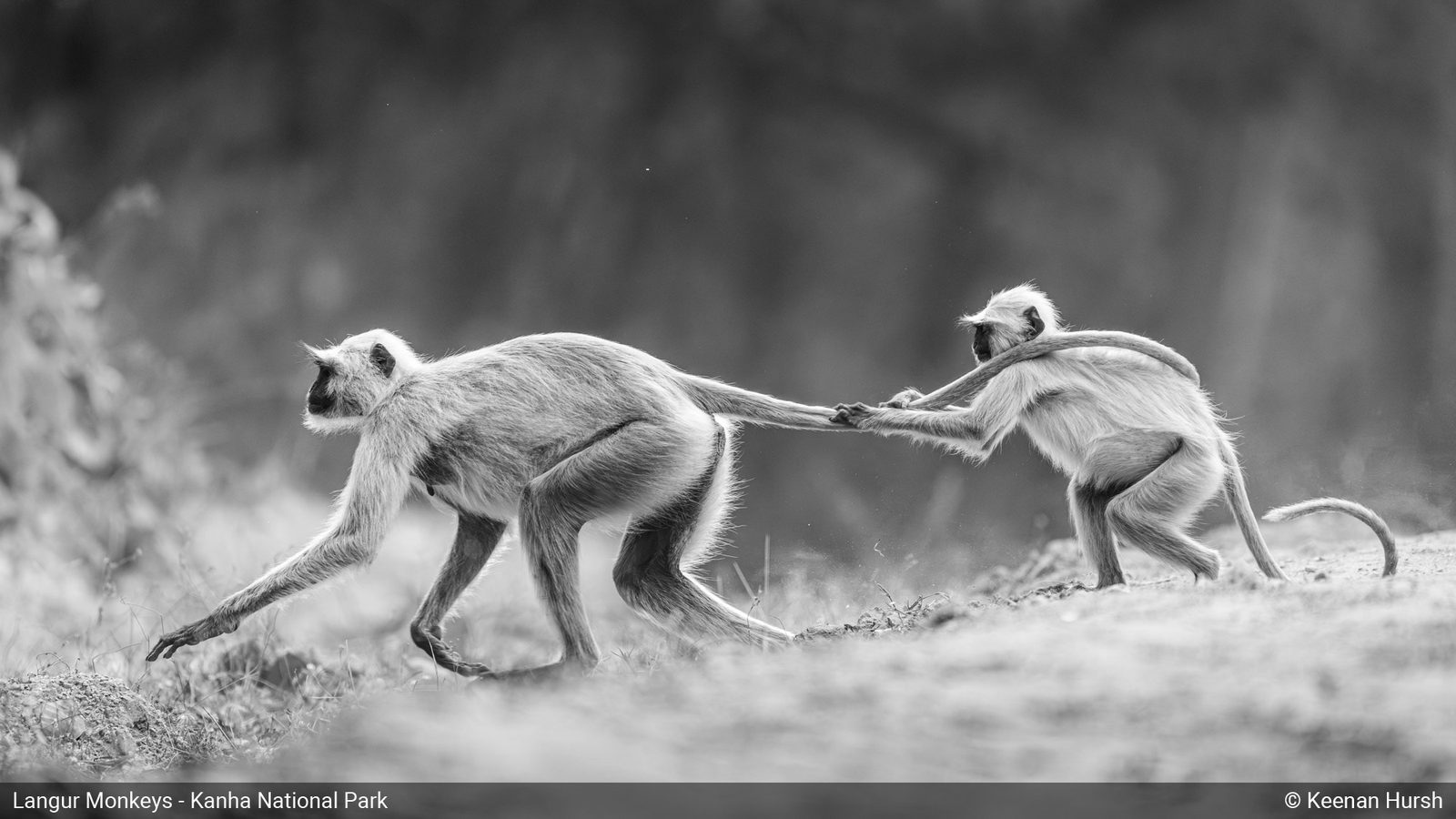
Another game-changing feature is pre-capture. This functionality, which allows the camera to buffer images before the shutter is fully depressed, proved invaluable for capturing unpredictable animal actions, such as birds taking flight. This innovation effectively mitigates the human reaction time barrier, enabling the capture of fleeting moments that were previously near-impossible to secure.
Ergonomically, the dedicated photo/video switch is a welcome addition, addressing a minor but persistent complaint about the original R5’s mode selection. This thoughtful design improves workflow efficiency, particularly for hybrid shooters.
Perhaps the most significant underlying technological upgrade in the R5 Mark II is the brand-new stacked sensor. While retaining the 45MP resolution, this sensor unlocks several performance advantages, especially when utilizing the electronic shutter, which is favored by many wildlife photographers for its silence and speed:
- Enhanced Burst Speed: The Mark II can achieve an impressive 30 frames per second (fps), a substantial increase from the R5’s 20 fps, providing a critical advantage in capturing dynamic sequences.
- 14-bit RAW Files: Unlike the R5, which compressed RAW files to 12-bit when using the electronic shutter, the Mark II maintains 14-bit RAW capture, preserving more image data for post-processing flexibility.
- Blackout-Free EVF: The stacked sensor enables a continuous, blackout-free view through the electronic viewfinder during burst shooting. This creates a more immersive and natural shooting experience, allowing photographers to track subjects without interruption.
- Reduced Rolling Shutter: The faster readout speed of the stacked sensor minimizes rolling shutter distortion, which can be particularly noticeable with fast-moving subjects or panning shots.
- Audible Electronic Shutter: The option to enable an audible "shutter sound" for the electronic shutter addresses the previous silent operation, providing helpful feedback to the photographer.
These collective improvements elevate the R5 Mark II to an exceptional tool for wildlife photography, addressing many of the minor limitations of its predecessor.
Challenges and Considerations for the R5 Mark II
Despite its significant advancements, the Canon EOS R5 Mark II is not without practical considerations, as highlighted by Hursh’s review. The most prominent concern for existing R5 users is the battery incompatibility. To fully leverage the Mark II’s enhanced capabilities, users must invest in new batteries, a potentially costly transition for those with an existing inventory of R5 batteries. This decision, while perhaps driven by the increased power demands of the new features, represents a practical hurdle for some photographers.
Another point of note, though described as "marginal," is a slightly diminished low-light performance. Direct side-by-side comparisons revealed that the Mark II introduces a tiny bit more noise at equivalent ISO values compared to the original R5. This subtle trade-off is attributed to the stacked sensor architecture, where the benefits of speed and blackout-free viewing come with a minor compromise in low-light image cleanliness. However, Hursh’s assessment suggests this difference is so minimal as to be negligible for most practical applications.
Finally, the question of whether the Mark II represents a sufficiently substantial upgrade over the original R5 remains a point of discussion within the photographic community. While the advancements are impactful, some may argue that the overall package, considering the price point, could have offered even more radical innovation. This perspective suggests that for a significant portion of users, the original R5 may still offer comparable value relative to its cost.
Strategic Choices: Which Camera for Whom?
The field comparison between the Canon EOS R5 and R5 Mark II reveals that both cameras are highly capable, but the Mark II undeniably holds a technical edge, particularly for specialized applications. The choice between the two largely depends on a photographer’s specific needs, shooting style, and budget.
For professional wildlife and sports photographers, or those who frequently capture fast-moving subjects where split-second timing and impeccable autofocus are critical, the EOS R5 Mark II stands out as the superior choice. Its enhanced autofocus system, the revolutionary pre-capture feature, and the stacked sensor benefits (30 fps, 14-bit RAW, blackout-free EVF) offer a distinct advantage that can translate directly into a higher success rate for capturing definitive images. The increased cost, approximately $1,000 more than the original R5 at the time of writing, is often justified by the professional imperative to secure the shot.
Conversely, for landscape photographers, portrait photographers, or those operating on a tighter budget, the original Canon EOS R5 remains an exceptionally powerful and relevant camera. Its 45MP sensor, robust build, and already excellent autofocus capabilities continue to deliver professional-grade results across a wide range of photographic disciplines. The $1,000 price difference makes the R5 a compelling value proposition for users who may not require the bleeding-edge speed and specialized features of the Mark II.
Keenan Hursh’s personal conclusion, as a professional wildlife photographer, strongly leans towards acquiring the R5 Mark II. The improvements in autofocus alone are deemed significant enough to warrant the upgrade, as even marginal gains in this area can dramatically impact success in the unpredictable world of wildlife. The additional benefits of the stacked sensor, such as higher burst rates and a blackout-free viewfinder, further solidify its appeal for his specific niche.
For photographers still undecided, the recommendation to rent both cameras for a real-world field test is invaluable. This allows for direct, personal experience with each model’s nuances, providing far more insight than technical specifications or reviews alone.
Broader Implications for Wildlife Photography and the Industry
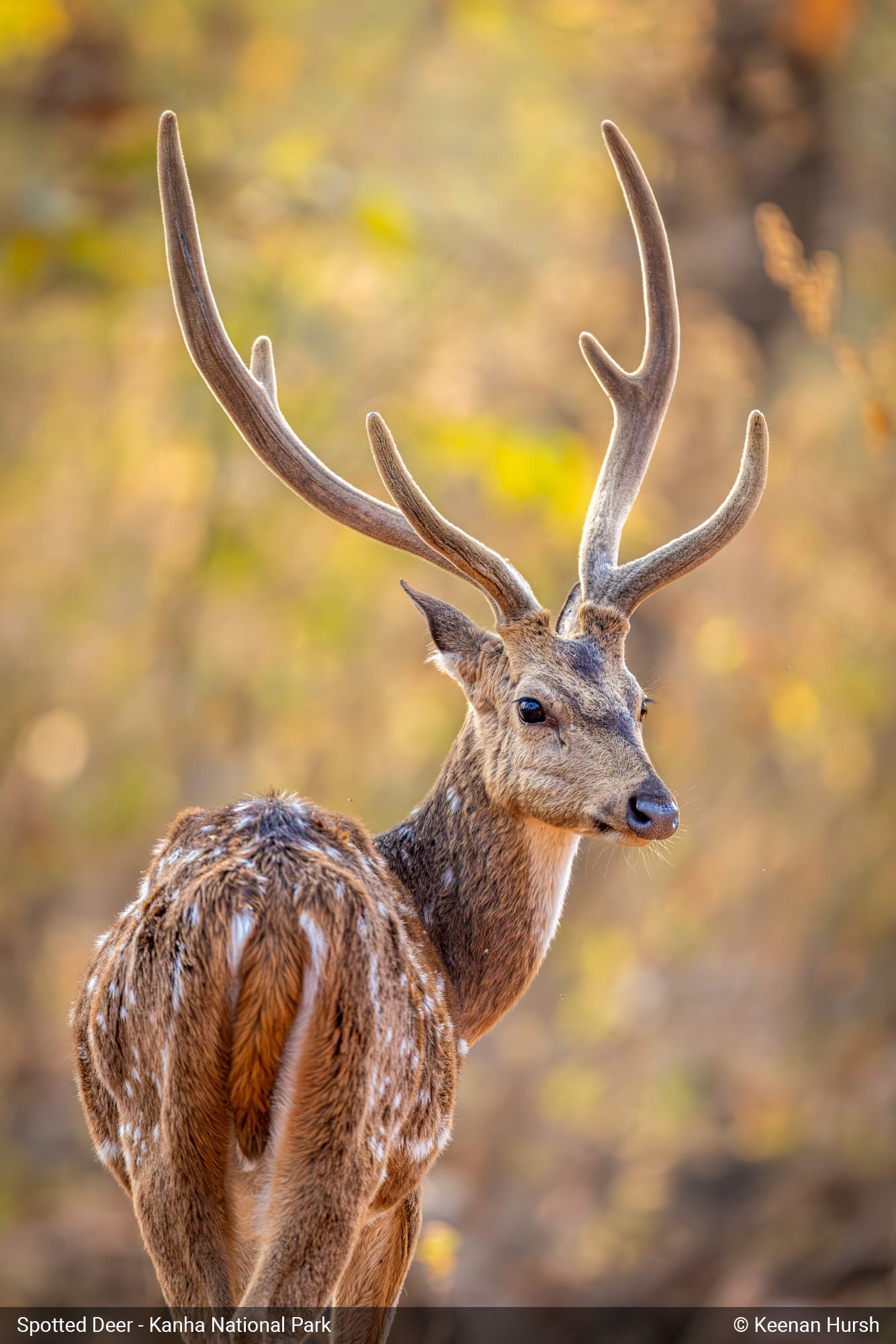
The continuous evolution of camera technology, exemplified by the Canon EOS R5 and R5 Mark II, carries significant implications beyond individual purchasing decisions. For wildlife photography, these advancements empower practitioners to capture images of unprecedented clarity and detail, which in turn can serve vital roles in conservation efforts, scientific documentation, and public awareness campaigns. The ability to freeze fleeting moments, document rare behaviors, and produce visually stunning portrayals of the natural world strengthens the narrative for protecting biodiversity.
From an industry perspective, the competitive landscape among camera manufacturers continues to drive innovation, pushing the boundaries of what’s possible. The mirrorless segment, in particular, remains a hotbed of development, with companies striving to offer faster, smarter, and more integrated systems. This constant innovation ensures that photographers, regardless of their specialization, will continue to benefit from increasingly capable tools designed to meet the most demanding creative and technical challenges.
Keenan Hursh’s recent wildlife photography adventure in India, combining the thrill of photographing Bengal tigers with a rigorous technical comparison, underscores both the enduring appeal of the natural world and the transformative power of modern photographic technology. The decision between the R5 and R5 Mark II, while nuanced, highlights the specialized needs of different photographers within a rapidly advancing field.