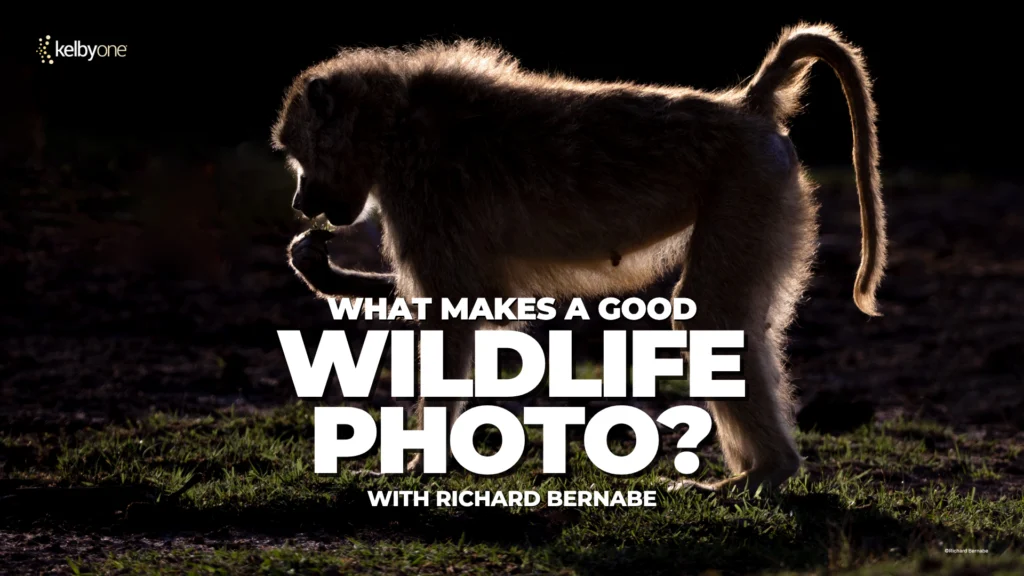
A new milestone in online photography education has been reached with the launch of an intensive course titled "What Makes a Good Wildlife Photo?" on the renowned KelbyOne platform. This comprehensive program features legendary wildlife photographer Richard Bernabe, who, in collaboration with acclaimed educator and KelbyOne co-founder Scott Kelby, offers an unprecedented deep dive into the artistic and decision-making processes behind truly exceptional wildlife imagery. The course transcends mere technical settings and gear discussions, focusing instead on the intangible elements that allow a photograph to connect profoundly with its viewer. This initiative is poised to significantly impact the global community of aspiring and professional wildlife photographers, providing access to master-level insights previously difficult to obtain.
A Deep Dive into Artistic Vision and Storytelling
The core premise of this new KelbyOne offering is the distinction between merely documenting an animal and crafting an incredible photograph. Richard Bernabe, celebrated for his evocative and technically brilliant wildlife captures, opens his extensive portfolio to dissect the elements that elevate his work. From the dense Pantanal wetlands where jaguars roam, to the icy expanses of Svalbard home to polar bears, and the iconic plains of the Masai Mara teeming with lions, Bernabe shares the compelling narratives behind his most celebrated images. More crucially, he elucidates the precise decisions—both technical and artistic—that he made in the field to create them. This approach shifts the learning paradigm from rote memorization of camera settings to a holistic understanding of photographic artistry.
Throughout the course, Bernabe and Kelby meticulously examine several fundamental principles of compelling wildlife photography. They explore the transformative power of shooting from a low angle, a technique that can dramatically alter perspective, putting the viewer "eye-to-eye" with the subject and fostering a profound sense of intimacy and presence. The role of gesture and light is thoroughly investigated, demonstrating how these dynamic elements can imbue a frame with energy, emotion, and a sense of narrative. Furthermore, the instructors delve into the critical importance of cropping, illustrating how strategic framing can guide the viewer’s eye, emphasize key details, and pull them deeper into the photographic moment. Counter-intuitively, they also challenge the common notion that "getting closer" is always the optimal solution, demonstrating scenarios where including more of the environment can enrich the story, provide crucial context, and create a more expansive and impactful image. This nuanced exploration of compositional choices is designed to empower photographers to make deliberate, impactful decisions in the field.
The Evolution of Wildlife Photography Education
The launch of this course comes at a time of burgeoning interest in wildlife photography, fueled by advancements in digital camera technology that have made high-quality equipment more accessible. However, while technical proficiency has become widespread, the ability to consistently produce images that resonate emotionally and artistically remains a significant challenge for many. The global market for online education, particularly in creative fields, has seen exponential growth, with platforms like KelbyOne at the forefront of delivering specialized content from industry leaders. Data from various market research firms indicates that the e-learning market is projected to exceed hundreds of billions of dollars in the coming years, with a substantial segment dedicated to photography and visual arts. This growth reflects a persistent demand for flexible, high-quality instruction from credible sources.
KelbyOne, founded by Scott Kelby, stands as a premier online educational resource for photographers and creatives worldwide. With a legacy spanning decades in the photography education space, KelbyOne has consistently delivered cutting-edge courses taught by a roster of world-renowned experts. Its mission is to make professional-level photography and design education accessible to a global audience, empowering individuals to hone their skills and achieve their creative aspirations. This latest collaboration with Richard Bernabe underscores KelbyOne’s commitment to providing unparalleled, master-level instruction in specialized niches like wildlife photography.
Richard Bernabe’s career trajectory exemplifies a journey from passion to unparalleled mastery. Recognized globally for his breathtaking landscape and wildlife imagery, Bernabe has published extensively in prestigious magazines and books, and his work is sought after by collectors. His expeditions span the globe, capturing the essence of diverse ecosystems and their inhabitants, often with an underlying message of conservation. Bernabe is not just a photographer but also an author and educator, known for his ability to articulate complex photographic concepts in an accessible manner. His work is characterized by a blend of technical precision and profound artistic sensibility, making him an ideal mentor for those seeking to elevate their craft. Scott Kelby, an equally influential figure, complements Bernabe’s expertise with his formidable skills as an interviewer and educator. As the editor-in-chief of Photoshop User magazine, publisher of Lightroom Magazine, and host of "The Grid," Kelby has a unique talent for extracting practical wisdom from experts and presenting it in an engaging, digestible format. His role in hosting this course ensures that Bernabe’s insights are conveyed with clarity and maximum impact for the learner.
Unpacking the Curriculum: A Global Portfolio
The course curriculum is structured around Bernabe’s own portfolio, providing concrete examples from his extensive travels. Learners will virtually journey to the Pantanal, a vast tropical wetland, to understand the intricate process of photographing elusive jaguars. They will then transport to the Arctic archipelago of Svalbard, learning the nuances of capturing majestic polar bears against stark, icy backdrops. The African savanna, specifically the Masai Mara, serves as another crucial case study, revealing strategies for photographing lions and other iconic species in dynamic environments. Each location and animal presents unique photographic challenges, and Bernabe’s detailed recounting of his decision-making process offers invaluable lessons applicable to a wide range of wildlife encounters.
Key principles explored in detail include:
- Perspective and Proximity: The profound difference a low shooting angle can make in creating intimate, powerful images, versus the often-misguided pursuit of extreme telephoto "close-ups" that lack context or connection.
- The Language of Light: How to identify, anticipate, and utilize various qualities of light—golden hour, overcast, harsh midday—to shape mood, reveal texture, and enhance the subject’s form.
- Capturing Gesture and Emotion: Strategies for recognizing and anticipating animal behavior to capture moments of peak action, emotion, or characteristic posture that tell a compelling story.
- The Art of Cropping and Framing: Beyond the initial capture, how post-processing decisions regarding crop can refine composition, eliminate distractions, and intensify the narrative focus.
- Environment as a Storyteller: When to intentionally include more of the habitat to provide context, illustrate the animal’s place in its ecosystem, or add layers of visual interest and narrative depth. This challenges the common impulse to isolate the subject completely.
Voices from the Industry: Perspectives on the New Offering
The launch of such a specialized course from a figure of Bernabe’s stature is met with enthusiasm across the photography community. Richard Bernabe himself commented, "My goal with this course is to help photographers look beyond the technical specifications and truly understand the profound decisions that elevate a mere snapshot to a powerful narrative. Each image in my portfolio represents not just a moment, but a series of conscious choices about composition, light, and storytelling, and I am excited to share that philosophy."
Scott Kelby added, "Working with Richard is always an immense learning experience. He has a unique way of articulating the artistic intuition that drives his incredible work. This course is not just a masterclass in seeing, but a masterclass in truly understanding the essence of a wildlife photograph, going far beyond what gear you use."
A representative from KelbyOne stated, "We are committed to providing unparalleled educational content that truly makes a difference in our members’ photographic journeys. This collaboration with Richard Bernabe and Scott Kelby exemplifies our dedication to bringing world-class expertise directly to our global audience, helping them transform their passion into mastery and create images that genuinely connect."
The Broader Implications for Photographers and Conservation
This course is expected to have significant broader implications for the field of wildlife photography. By emphasizing artistic vision and ethical decision-making over purely technical prowess, it encourages a more thoughtful and respectful approach to photographing wildlife. This can indirectly contribute to conservation efforts; powerful, well-crafted images often serve as potent tools for raising awareness and fostering appreciation for the natural world and its inhabitants. When photographers learn to tell a compelling story through their images, they become more effective advocates for the subjects they photograph.
The accessibility of such high-level instruction through an online platform democratizes expertise, allowing photographers from diverse geographical and socioeconomic backgrounds to learn directly from a master. This fosters a global community of more skilled and artistically aware wildlife photographers, potentially elevating the overall standard of wildlife imagery produced worldwide. The focus on "what makes an image work" rather than just "how to operate a camera" addresses a critical gap in many photography curricula, pushing students to develop their creative eye and critical thinking skills.
Accessibility and Future Prospects
To facilitate access, KelbyOne is offering the first lesson of "What Makes a Good Wildlife Photo?" for free, allowing prospective students to experience the quality and depth of instruction before committing to the full course. This initiative reflects a commitment to making high-quality photography education widely available and demonstrates confidence in the value of the content. The course is available immediately on the KelbyOne platform, accessible to members worldwide. This collaboration between two titans of the photography world represents a significant addition to the landscape of online learning, promising to inspire and equip a new generation of wildlife photographers to create images that are not just seen, but truly felt.