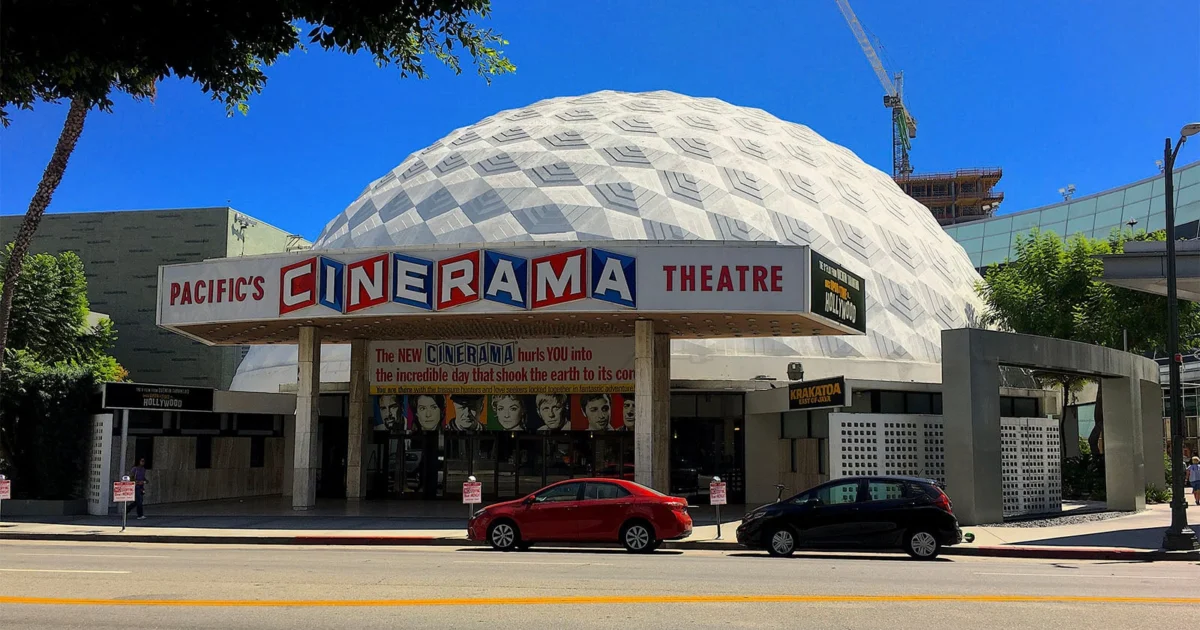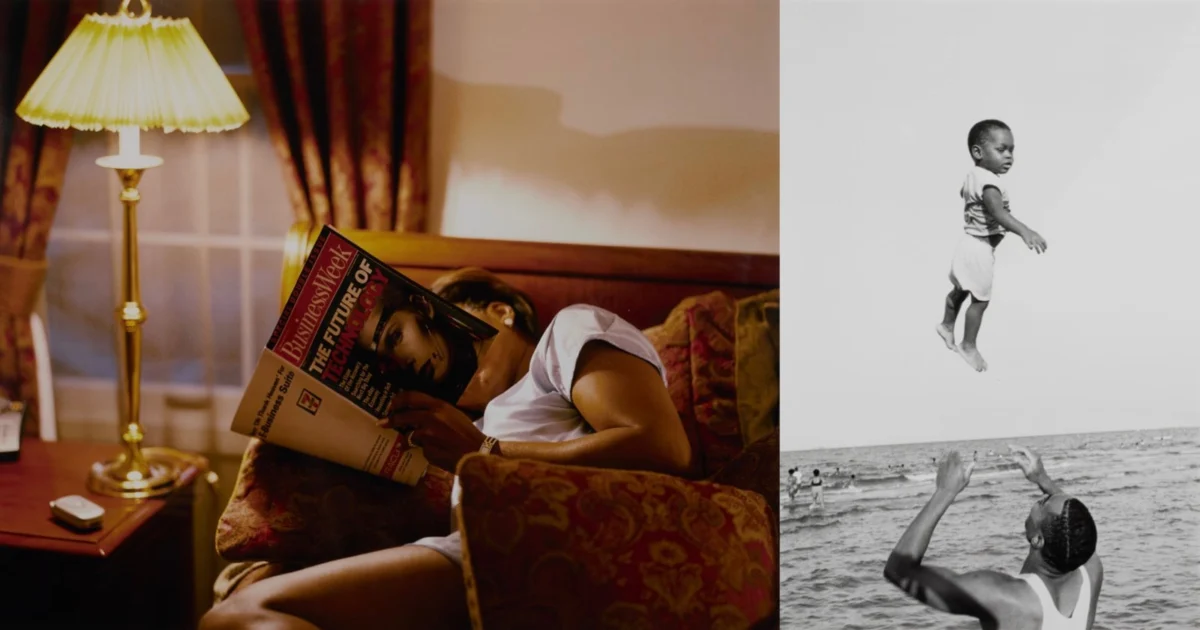
This profound exhibition, titled If Emmett Till Lived: Freedom on American Ground, is currently on view at the Museum of Contemporary Photography (MoCP) at Columbia College Chicago, offering a poignant and thought-provoking exploration of a life unjustly curtailed. Running until December 19, 2026, the exhibition draws from the museum’s extensive image collection to construct a compelling alternative narrative for Emmett Till, envisioning the experiences, milestones, and societal transformations he might have witnessed and contributed to had his life not been brutally cut short in 1955. This year marks what would have been Till’s 85th birthday, making the exhibition a timely reflection on his enduring legacy and the profound ‘what ifs’ that resonate through American history.
The Unforgettable Tragedy of Emmett Till
To fully grasp the weight and significance of If Emmett Till Lived, it is crucial to revisit the horrific events that cemented Emmett Till’s name in the annals of American injustice and civil rights. In August 1955, 14-year-old Emmett Louis Till, a Black teenager from Chicago, was visiting relatives in Money, a small town in the Mississippi Delta. On August 24, he entered Bryant’s Grocery and Meat Market, where a white woman named Carolyn Bryant Donham (then Carolyn Bryant) accused him of offending her. Though accounts of the interaction varied wildly, and Donham later recanted parts of her story, her allegations ignited a firestorm in the deeply segregated South.
Days later, on August 28, Till was abducted from his great-uncle Mose Wright’s home by Donham’s husband, Roy Bryant, and his half-brother, J.W. Milam. They brutally beat him, gouged out one of his eyes, shot him in the head, and then tied a 75-pound cotton gin fan to his neck with barbed wire before dumping his body into the Tallahatchie River. Till’s mutilated body was discovered three days later. His mother, Mamie Till-Mobley, insisted on an open-casket funeral in Chicago, stating, "Let the people see what they did to my boy." The harrowing photographs of Till’s disfigured body, published in Jet magazine, shocked the nation and the world, exposing the barbaric realities of racial violence in the Jim Crow South.
A Catalyst for Change: Till’s Enduring Impact
The murder of Emmett Till and the subsequent acquittal of his confessed killers by an all-white, all-male jury in September 1955 became a pivotal moment in the burgeoning Civil Rights Movement. Despite overwhelming evidence and eyewitness testimony from Mose Wright, the jury deliberated for only 67 minutes, with one juror reportedly saying they "took a short break for a pop." Bryant and Milam later openly admitted to murdering Till in a 1956 interview with Look magazine, protected by double jeopardy laws.
The injustice of Till’s case resonated deeply with African Americans and white allies alike, sparking widespread outrage and galvanizing a generation of activists. Just three months after Till’s murder, on December 1, 1955, Rosa Parks famously refused to give up her seat on a bus in Montgomery, Alabama. Parks later revealed that Emmett Till was on her mind when she made that courageous decision, having recently attended a rally in his memory led by a then little-known minister, Martin Luther King Jr. This act of defiance launched the Montgomery Bus Boycott, a 381-day protest that demonstrated the power of nonviolent resistance and marked a turning point in the struggle for civil rights.
Till’s death also spurred legislative action. Discussions in Congress regarding the widespread violence and discrimination faced by African Americans, intensified by Till’s case, contributed to the passage of the Civil Rights Act of 1957. This landmark legislation, the first federal civil rights law since Reconstruction, aimed to protect voting rights and established the Civil Rights Division within the Justice Department. The collective memory of Emmett Till continued to fuel subsequent legislative efforts, including the Civil Rights Act of 1964 and the Voting Rights Act of 1965, underscoring his profound and lasting influence on the fight for racial equality in America.
Imagining an Unlived Future: The Exhibition’s Narrative
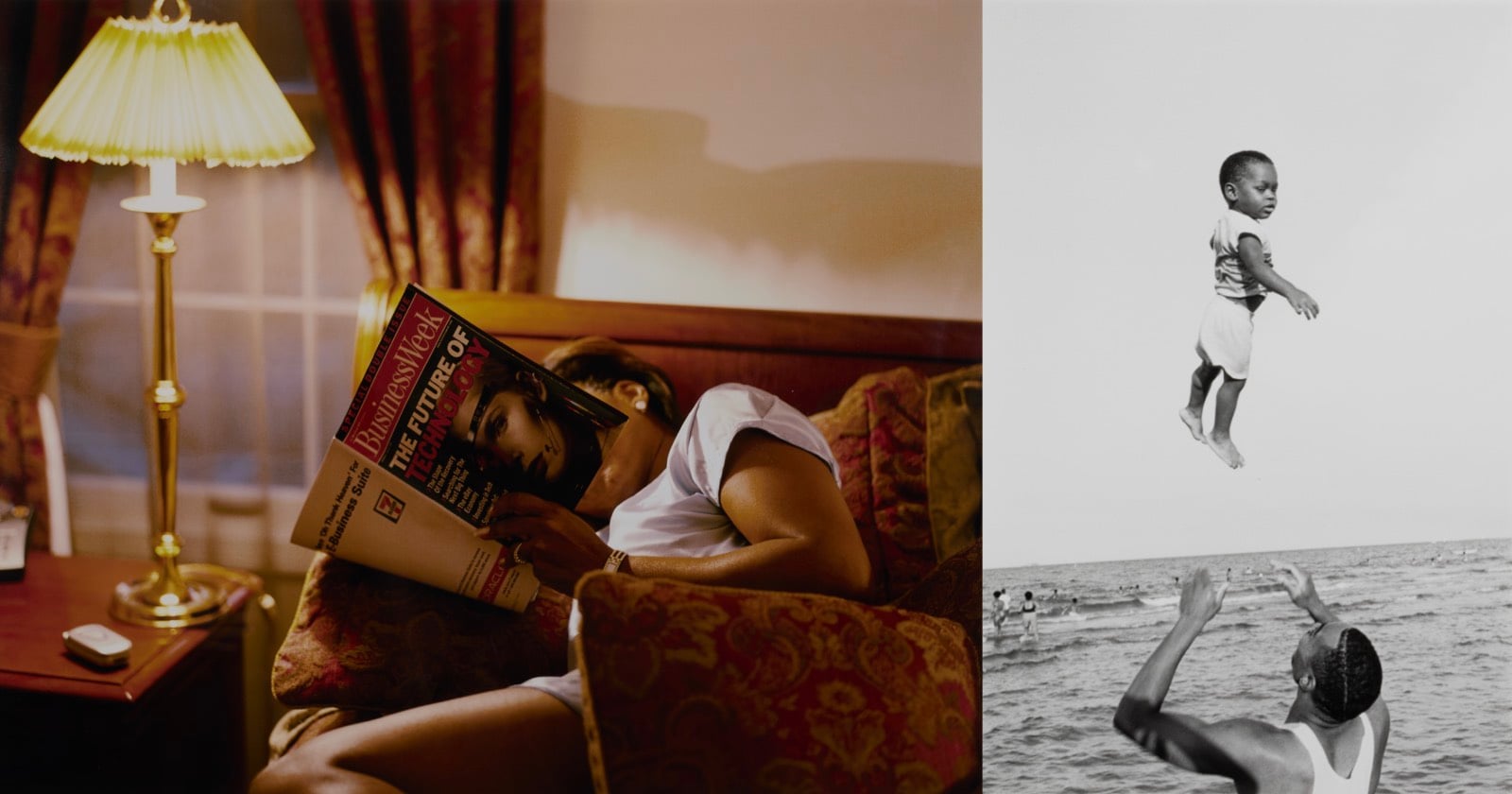
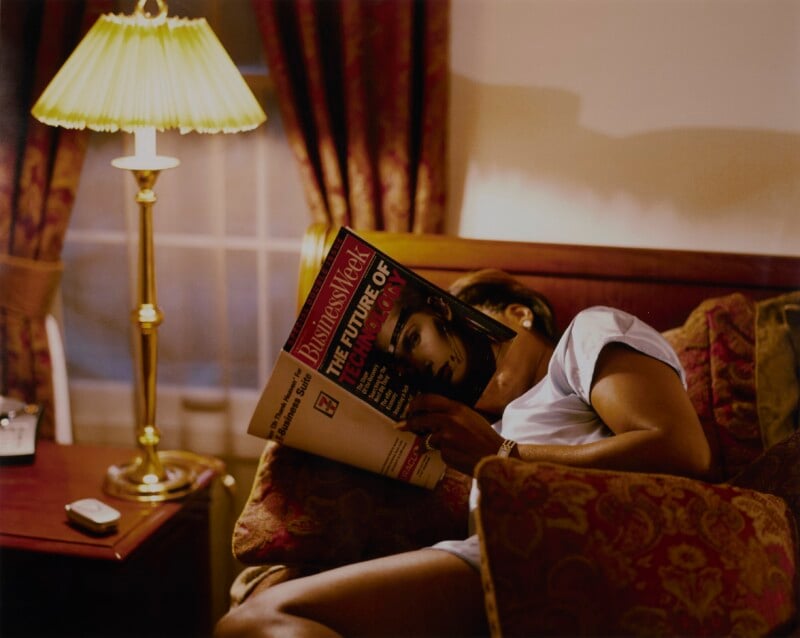
The If Emmett Till Lived exhibition at MoCP does not attempt to directly portray Till, but rather to construct a rich, complex visual narrative of the life he could have experienced. By drawing exclusively from the museum’s extensive collection of photographic works, the exhibition curators have meticulously selected images that evoke the social, cultural, and personal landscapes of the past seven decades. The photographs depict a spectrum of life’s moments and milestones:
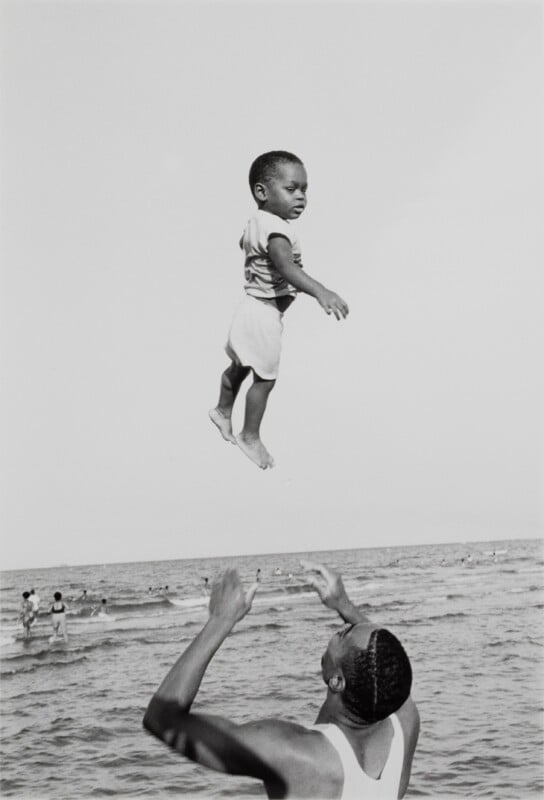
- Everyday Life: Images capture the vibrancy of neighborhoods, the bustle of public spaces, and the quiet dignity of daily routines, suggesting the environments Till might have inhabited.
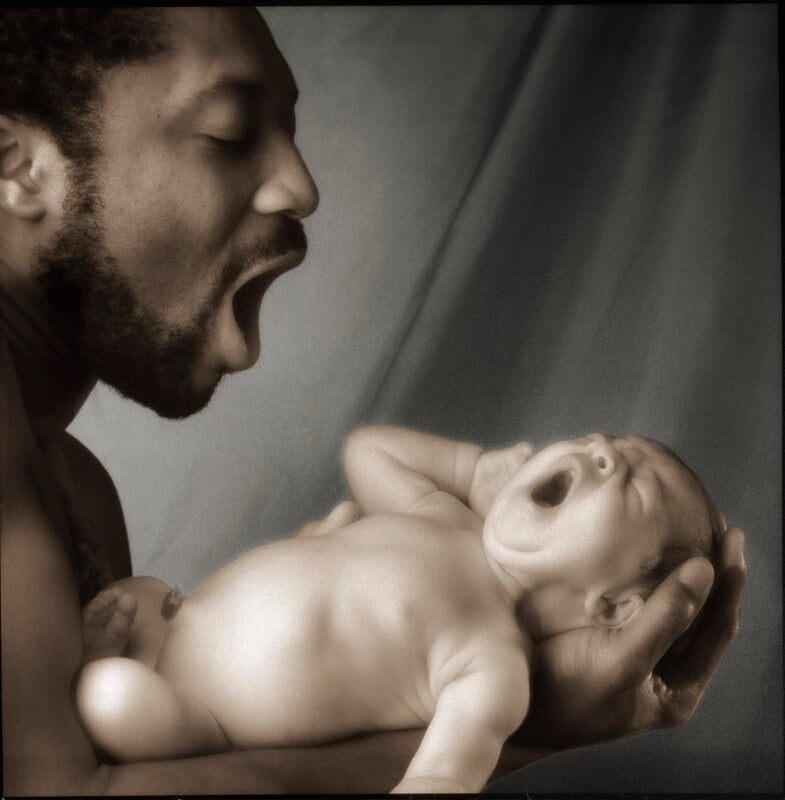
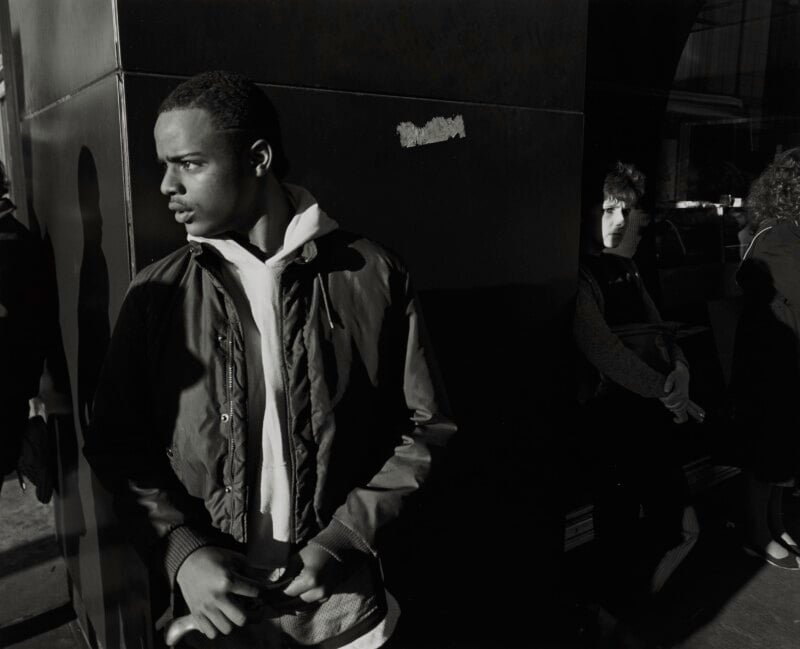
- Family and Community: The exhibition explores universal themes of family, marriage, and fatherhood, offering glimpses into the personal joys and responsibilities Till would have encountered. Phil Borges’s “Paternity, 1990” (Gelatin silver print) and Stephen Marc’s “Untitled, from Changing Chicago, 1988” (Gelatin silver print) are examples of images that speak to these intimate moments.
- Social and Historical Milestones: The curated images touch upon broader historical and cultural events that shaped America, particularly for African Americans. This includes moments of significant triumph and change, such as Michael Jordan’s iconic career with the Chicago Bulls, a team that rose to prominence in Till’s home city, and the historic election of Barack Obama as the first Black president of the United States, a dream that would have seemed impossible in 1955. Dawoud Bey’s "Barack Obama, 2006" (Inkjet print) powerfully anchors this aspect of the imagined future.
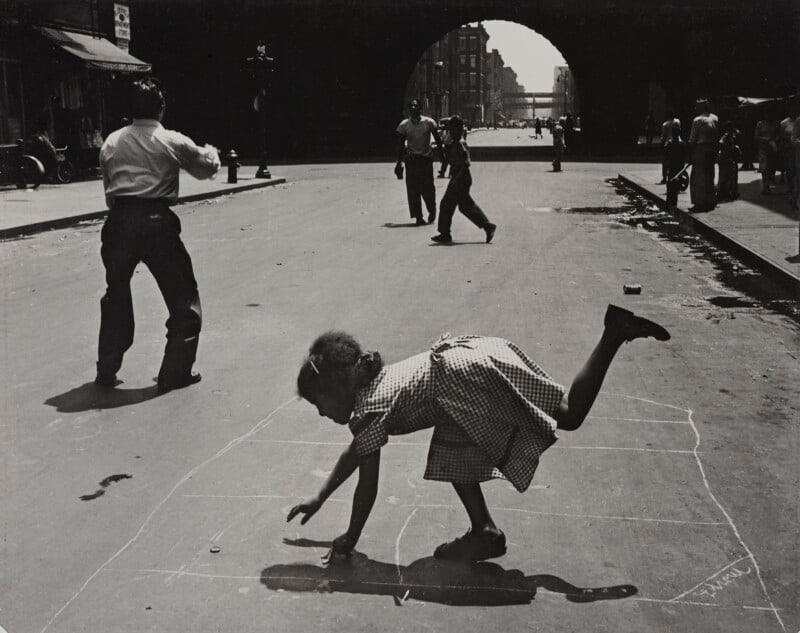
- Journeys and Aspirations: Photographs of railroad lines and journeys across the U.S. symbolize movement, opportunity, and the pursuit of dreams, reflecting the mobility and choices Till was denied. Images like Walter Rosenblum’s "Hopscotch, 1952" (Gelatin silver print) and Sheila Pree Bright’s "Untitled 12, from the Suburbia series, 2006" (Inkjet print) subtly suggest the innocence and domesticity he never experienced.
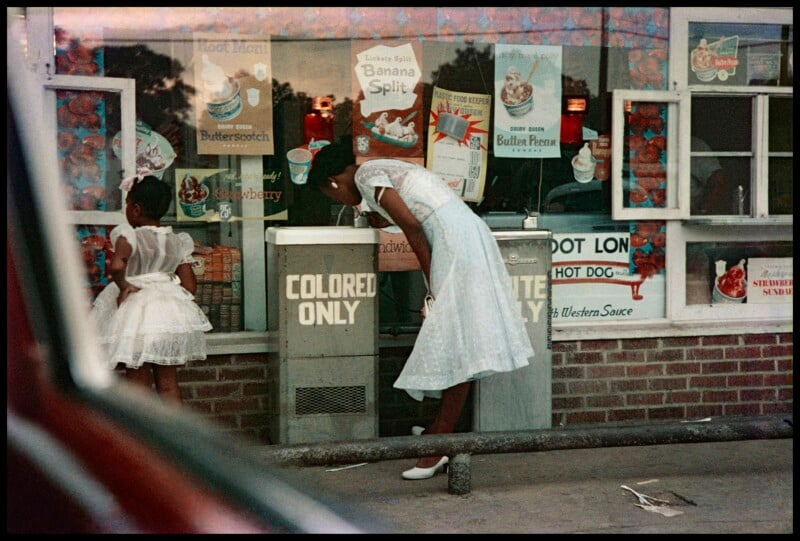
- The Struggle and the Hope: While imagining a life free from his tragic fate, the exhibition doesn’t ignore the realities of the ongoing fight for civil rights. Gordon Parks’s "Drinking Fountains, Mobile, Alabama, 1956" (Archival pigment print), depicting segregated water fountains, serves as a stark reminder of the world Till left behind and the progress still being sought.
The diverse array of photographers whose works comprise this exhibition spans multiple generations, reflecting the evolving landscape of American photography and its capacity to document both individual lives and collective histories. Notable artists include Henri Cartier-Bresson, Dorothea Lange, Gordon Parks, Dawoud Bey, Teju Cole, Laylah Amatullah Barrayn, Carrie Mae Weems, Stephen Marc, Phil Borges, Sheila Pree Bright, Walter Rosenblum, Barbara Crane, Antonio Perez, and Jerry N. Uelsmann. Through their varied lenses, the exhibition crafts a tapestry of experiences, from quiet introspection to public celebration, from moments of struggle to expressions of joy, all contributing to a rich, plausible narrative of a life that should have been.
A Curator’s Call to Reflection
Sarah Lewis, the curator of If Emmett Till Lived: Freedom on American Ground, articulates the profound impetus behind this unique exhibition. In a powerful statement, she challenges the viewer: "Why create this show and publication now? Because more than seventy years after Emmett Till’s death, we are still asking, have we made good on the sacrifice of his life? We should not have to ask this question." Lewis emphasizes that the very existence of such an exhibition is a testament to unfulfilled promises and ongoing struggles for racial justice.
She continues, "This show and the book that is its counterpart should not have to exist — and that is why I felt called to make them. They claim the ground of Till’s untaken journey from Mississippi back to Chicago." This poignant reference to Till’s journey underscores the exhibition’s geographical and emotional core, positioning Chicago, his home city, as a place of potential return and flourishing, rather than merely a site of his memorial. Lewis frames Till’s truncated life as emblematic of a larger question confronting American society: "His life is the epitome of the question we still grapple with today: Who has a right to the ground, to claim the right to stand? This exhibition and book are a creative monument to the life that Till — that anyone, any black or brown boy — has a right to live."
Lewis’s statement highlights the exhibition’s role not just as an artistic endeavor but as a moral imperative. It serves as a "creative monument," asserting the fundamental right to life, freedom, and self-determination for all, particularly for Black and brown individuals who continue to face systemic oppression and violence.
Broader Implications and Enduring Relevance
The If Emmett Till Lived exhibition transcends a mere historical retrospective; it is a powerful exercise in counterfactual history and empathetic imagination. By inviting visitors to envision Till’s potential life, it forces a confrontation with the true cost of racial violence and the vast potential lost to injustice. This approach is particularly resonant in contemporary America, where discussions about racial inequality, police brutality, and systemic discrimination remain at the forefront. The exhibition implicitly asks how many other lives have been similarly truncated, and what collective progress has been hindered by such acts.
The exhibition’s location in Chicago, Emmett Till’s home city, adds another layer of profound resonance. It connects the personal tragedy to a broader urban narrative of African American migration, community building, and ongoing struggles for equity. For visitors, particularly younger generations, the exhibition offers a unique entry point into understanding the Civil Rights Movement not as a distant historical event, but as a continuous struggle with direct links to the present. It encourages critical thinking about history, memory, and the power of photography to shape our understanding of both the past and possible futures.
In a nation still grappling with its history of racial violence and striving for a more equitable future, If Emmett Till Lived: Freedom on American Ground serves as a vital reminder of the past’s profound impact on the present. It is an invitation to reflect on the lives lost, the potential unrealized, and the enduring call for a society where every individual has the right to live freely and fully. The exhibition stands as a testament to the power of art to provoke thought, foster empathy, and keep alive the memory of those whose sacrifices continue to shape the American quest for justice.