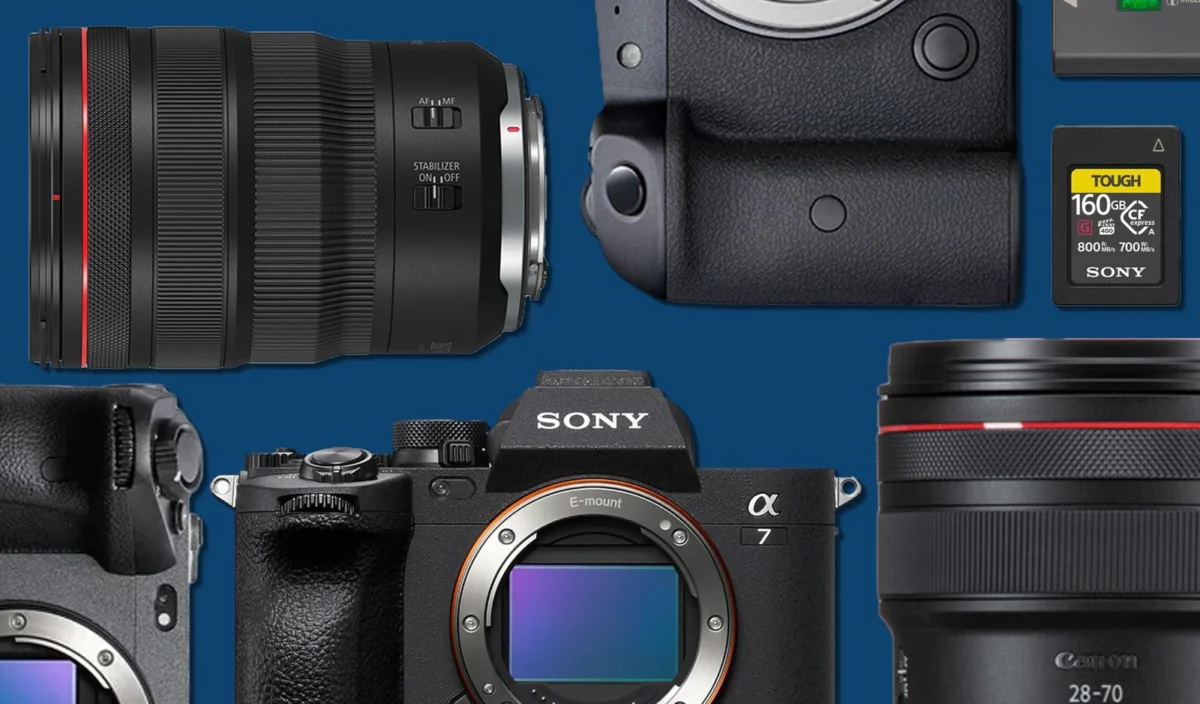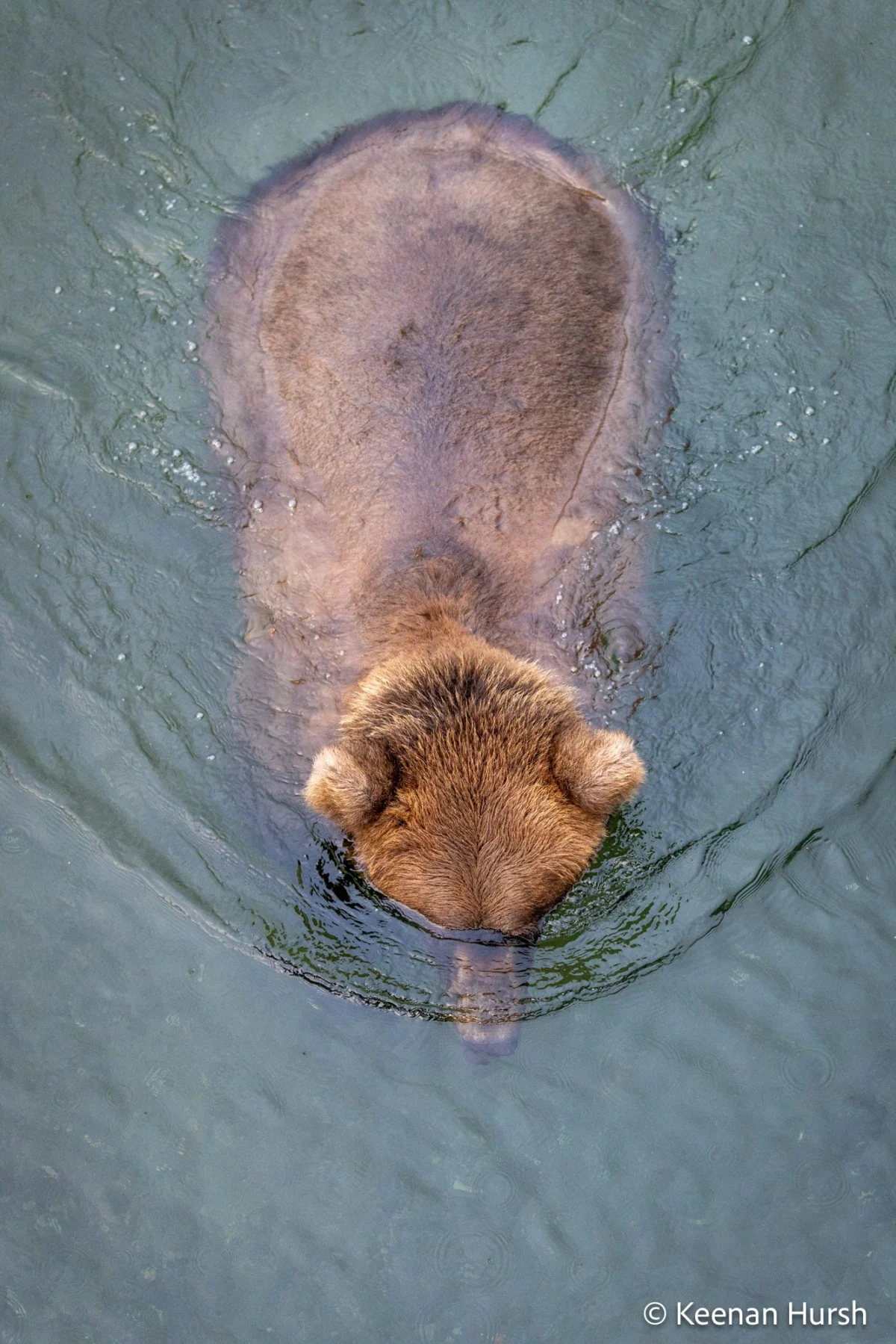
The rigorous demands of professional wildlife photography, particularly in remote and challenging environments, necessitate meticulous planning and the selection of highly specialized equipment. This principle was recently underscored by a professional photography trip leader for Backcountry Journeys, who successfully deployed a rented Canon RF 100-300mm f/2.8 L IS USM lens to capture compelling images of brown bears at Katmai National Park’s iconic Brooks Falls. The strategic decision to rent this advanced telephoto zoom lens proved instrumental in achieving a diverse range of high-quality shots during two back-to-back workshops, highlighting the critical role of versatile optics and specialized rental services in high-stakes photographic endeavors.
The Allure of Katmai and Brooks Falls
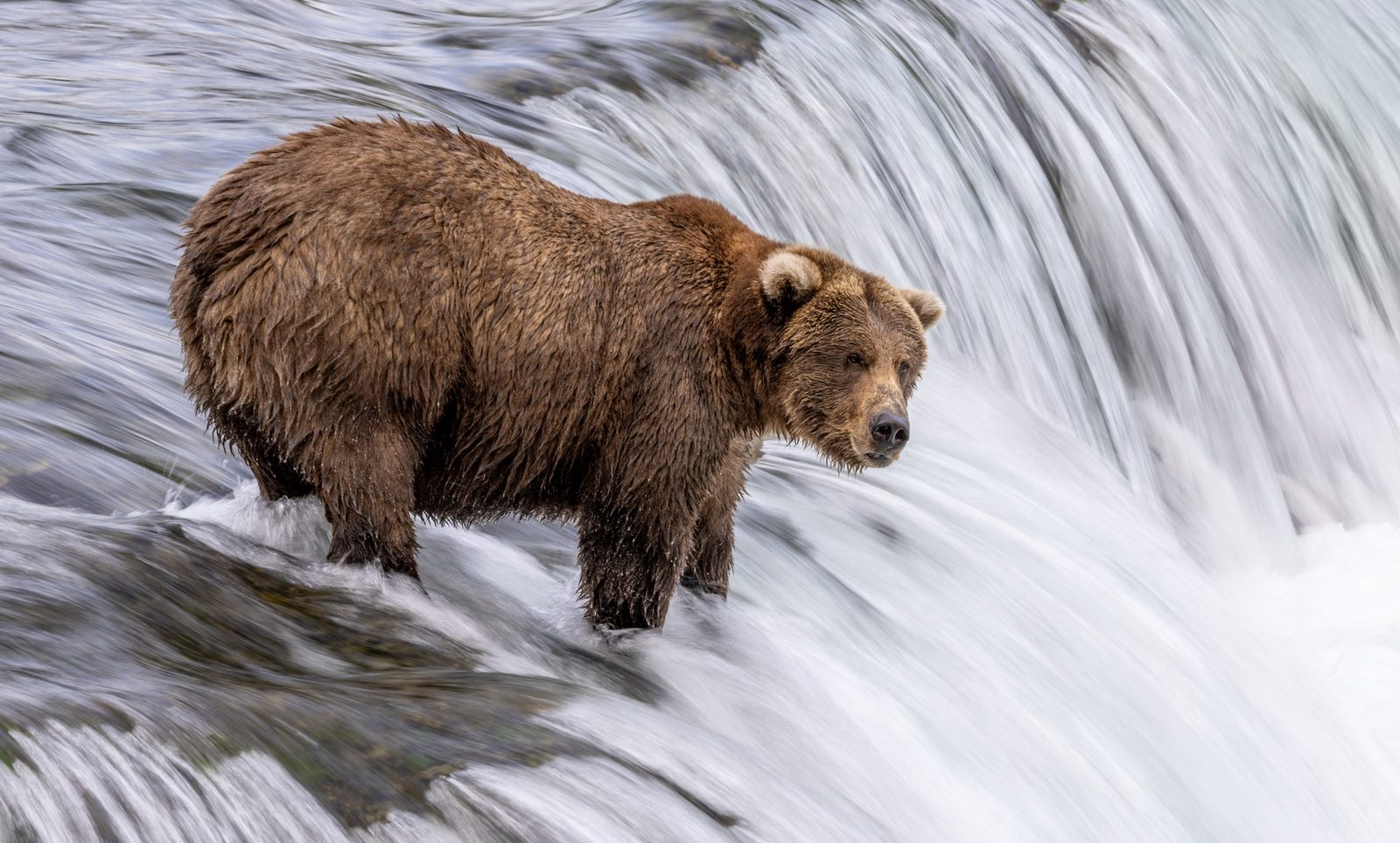
Katmai National Park and Preserve, located on the Alaska Peninsula, is a globally renowned sanctuary for North American brown bears (Ursus arctos horribilis). Spanning over 4 million acres, the park is a vital ecosystem, but its most famous attraction is undoubtedly Brooks Falls. Each summer, from late June through September, thousands of sockeye salmon migrate upstream to spawn, creating an unparalleled spectacle as brown bears congregate at the falls to feast. This natural phenomenon offers photographers a unique opportunity to observe and document bears in their natural habitat, often at relatively close distances from designated viewing platforms. The sheer density of bears and their dynamic interactions with the salmon present a constantly evolving photographic challenge, demanding both rapid responsiveness and optical precision.
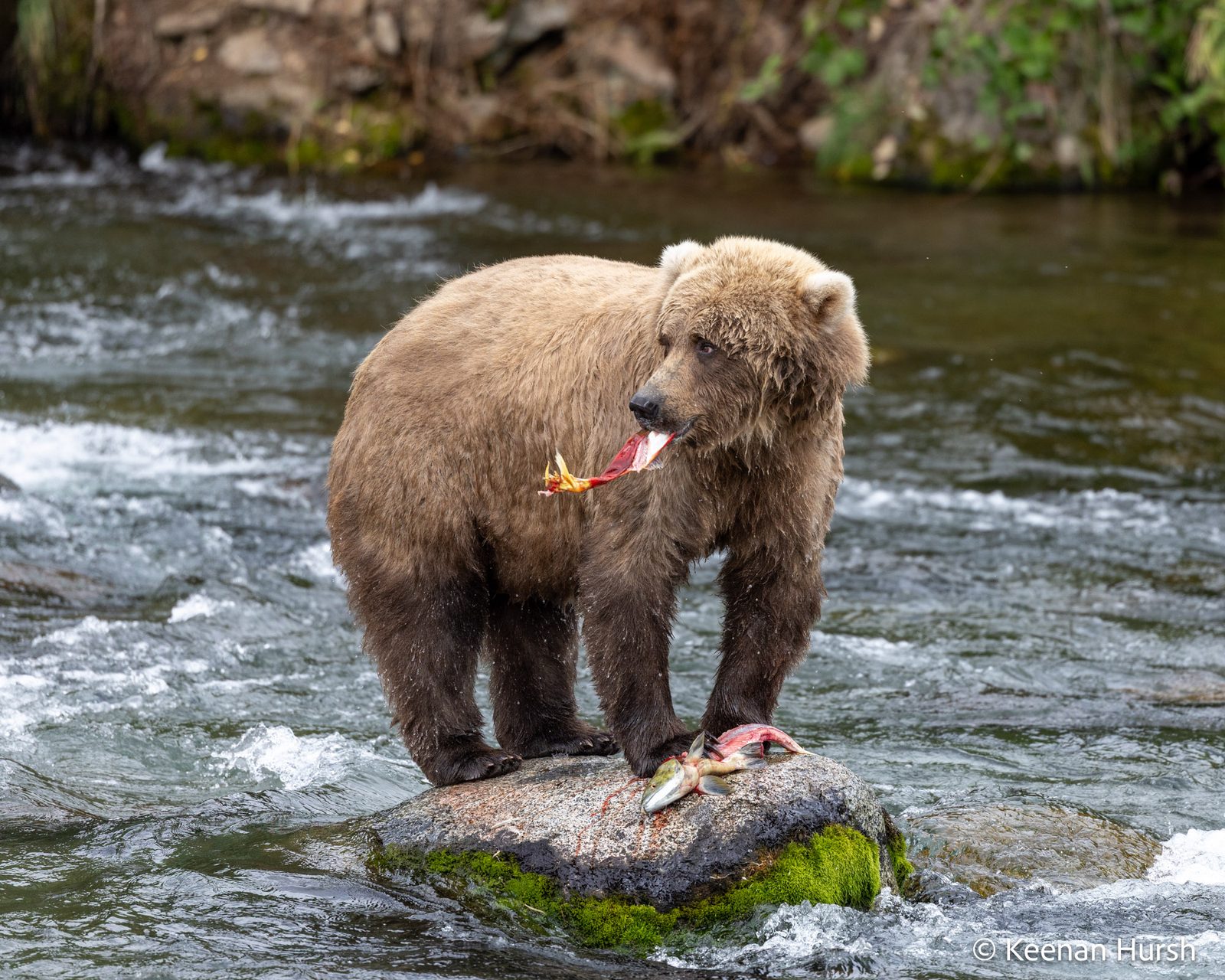
For photography trip leaders like those at Backcountry Journeys, who guide enthusiasts through these breathtaking landscapes, ensuring participants and leaders alike are equipped for every photographic scenario is paramount. The goal is not just to witness the bears but to capture their essence—their power, grace, and interaction with their environment. This requires a range of photographic approaches, from intimate portraits that isolate the subject to wider environmental shots that tell a broader story, and action sequences that freeze moments of intense hunting. The variability in bear proximity and activity levels at Brooks Falls means a photographer must be ready to adapt focal lengths quickly and efficiently.
Strategic Gear Planning and the Canon RF 100-300mm f/2.8 L IS USM
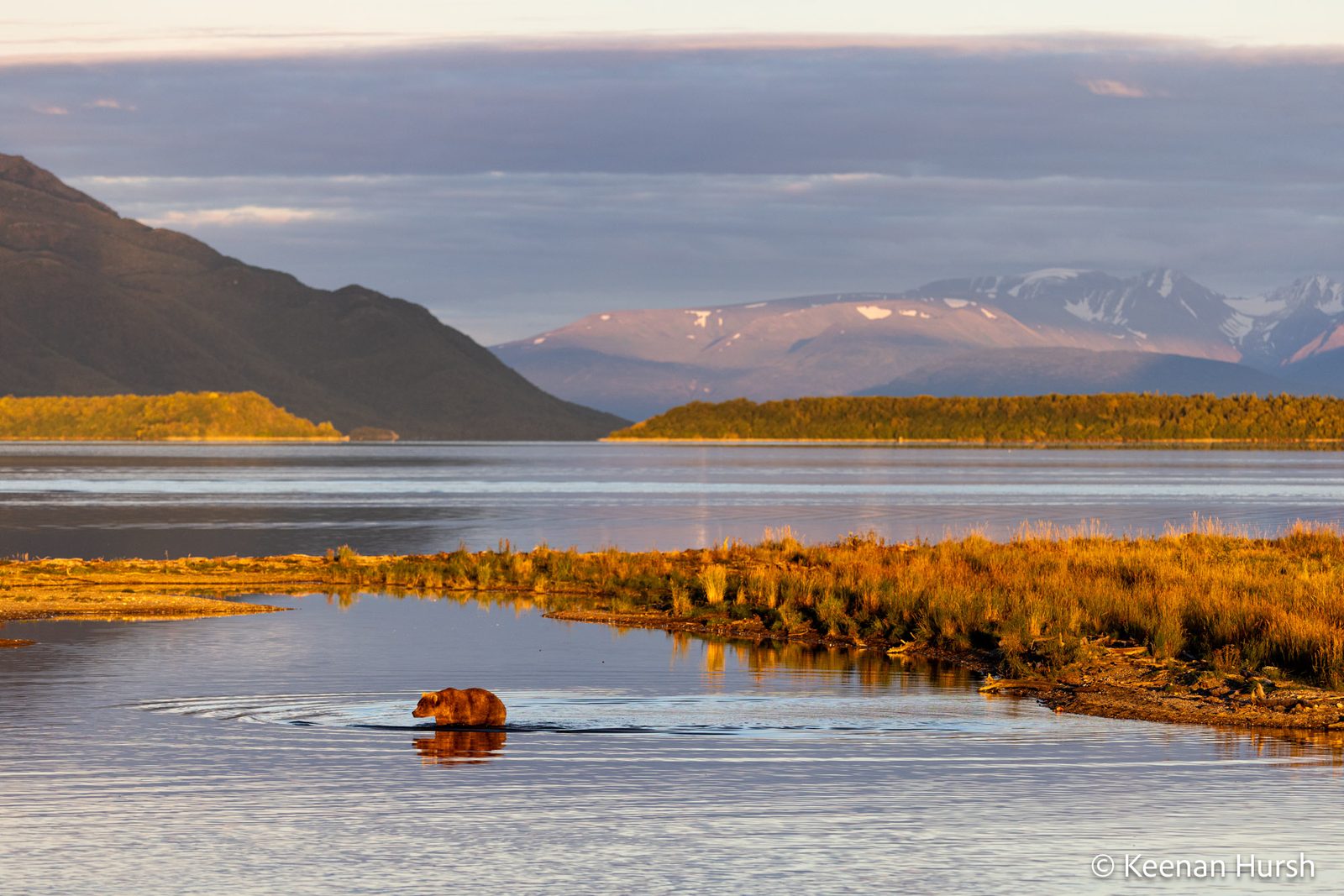
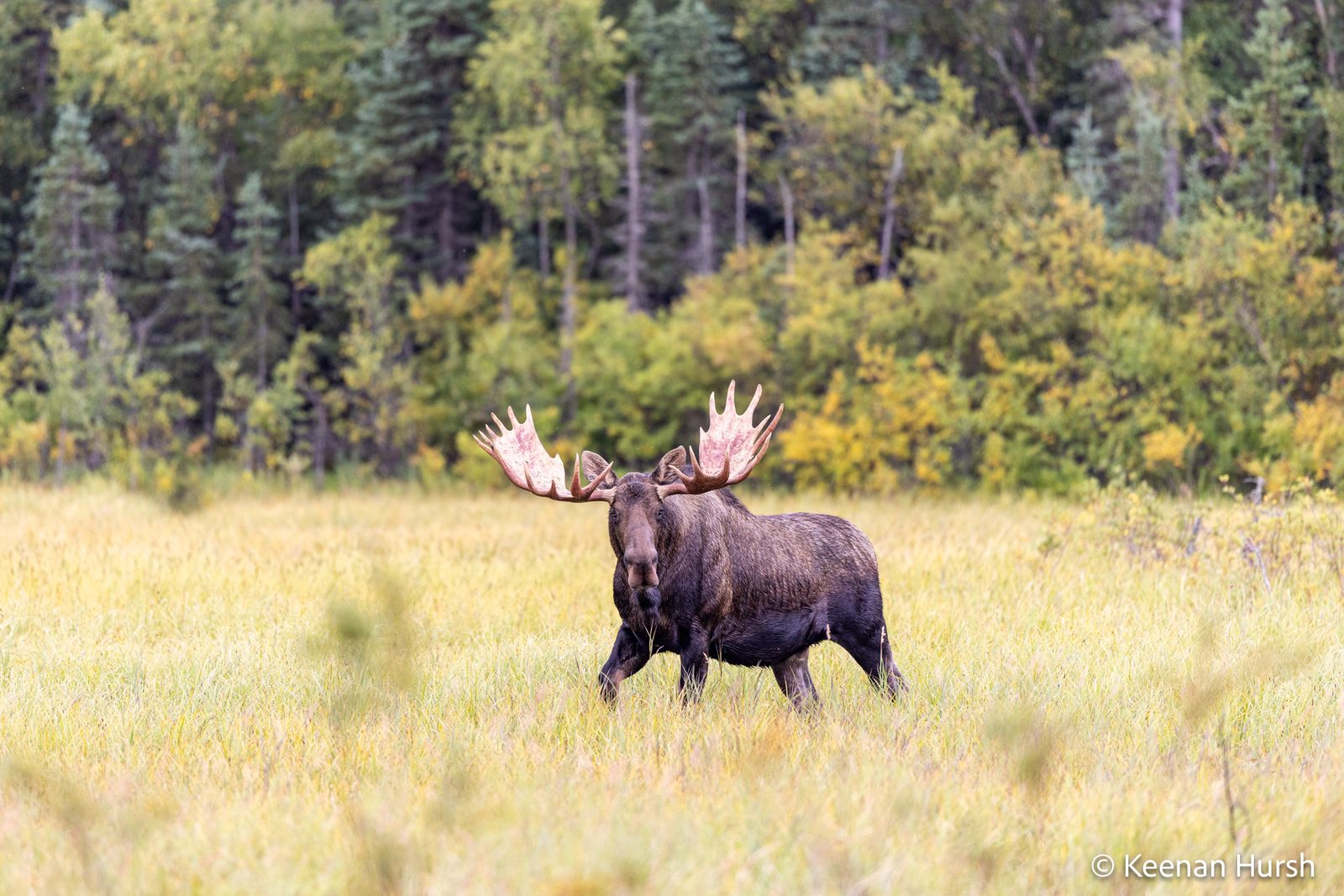
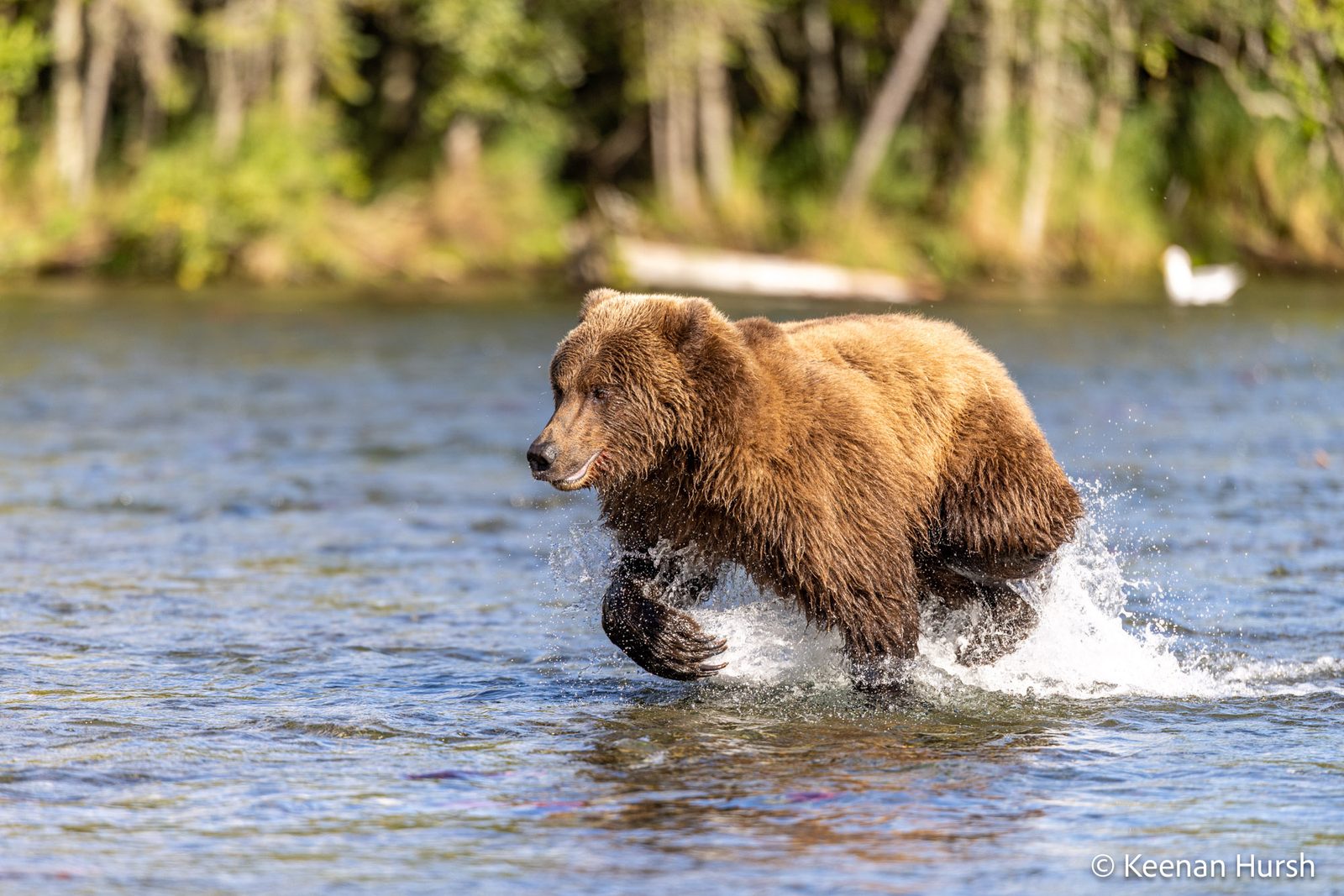
The trip leader, an experienced Canon shooter, typically relies on a Canon EF 600mm f/4 L IS III USM prime lens for long-distance wildlife photography. While exceptionally sharp and capable, a 600mm prime can be overly long for subjects that approach closely, as bears frequently do at Brooks Falls. The vision for the Katmai workshops included specific types of images: tight portraits with creamy bokeh, broader environmental perspectives, and dynamic action shots of bears fishing or charging through the water. Achieving this breadth of imagery required a lens that offered both significant reach and a wider field of view than a super-telephoto prime, coupled with fast aperture and uncompromising optical quality.
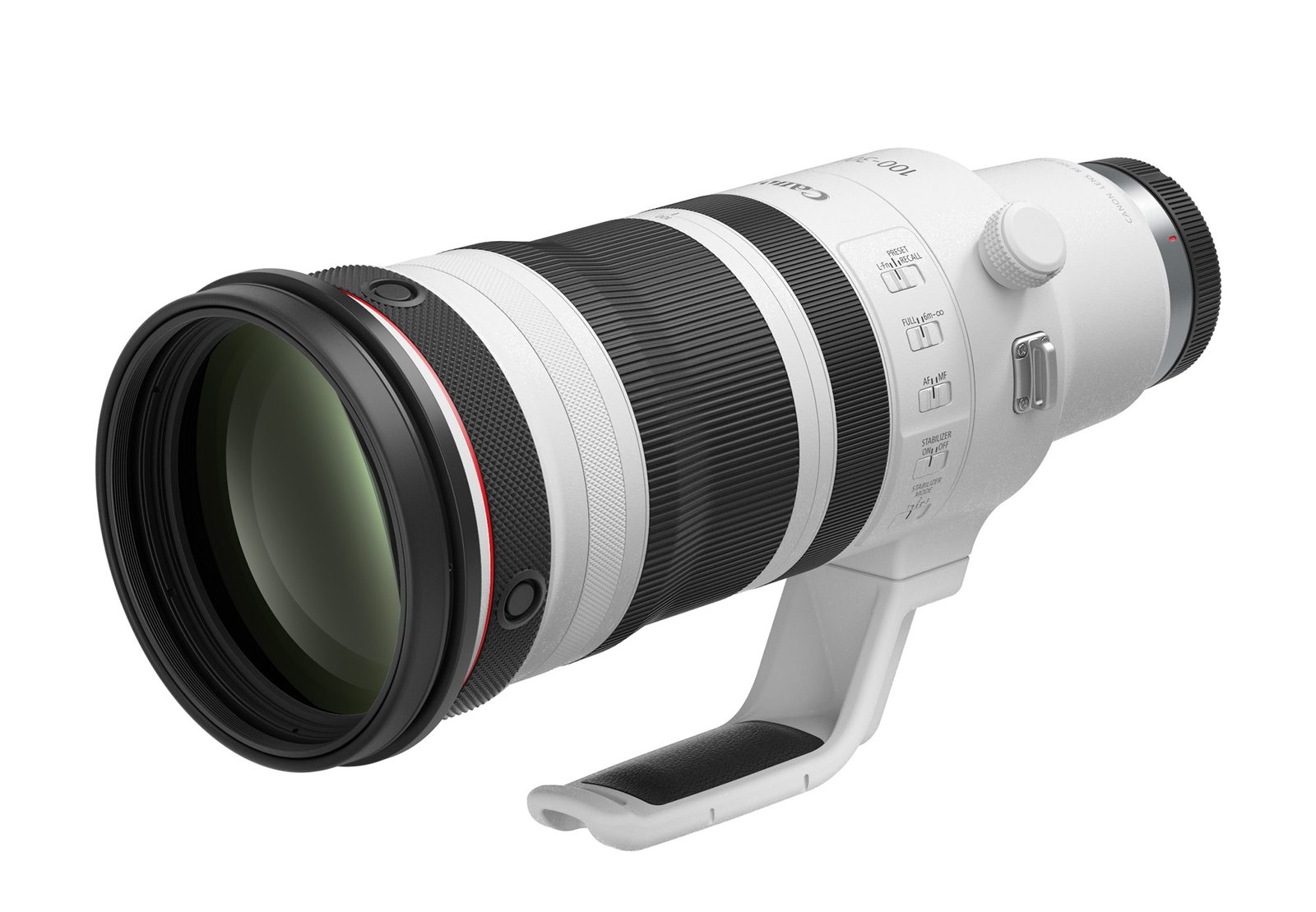
Upon its release, the Canon RF 100-300mm f/2.8 L IS USM lens generated considerable interest within the professional photography community. Representing a strategic shift in Canon’s mirrorless lens development, it aims to deliver the optical excellence typically associated with prime lenses within a versatile zoom framework. Its constant maximum aperture of f/2.8 across the entire 100-300mm focal range is a standout feature, promising exceptional low-light performance and superior subject isolation. This combination of flexibility and speed made it an ideal candidate for the unpredictable conditions at Brooks Falls, where light can vary and subjects move rapidly. The ability to zoom from 100mm to 300mm without losing a stop of light or compromising sharpness allows for seamless transitions between different compositional needs, from capturing a bear’s full body in its riverine context to zooming in for a powerful headshot.
The Role of Equipment Rental Services
For specialized, high-value photographic equipment, rental services like Lensrentals provide an indispensable resource. Acquiring a lens of the Canon RF 100-300mm f/2.8’s caliber, which carries a significant retail price tag, is a substantial investment, often prohibitive for a single-use scenario or for photographers who need to test gear before committing to a purchase. Lensrentals facilitates access to cutting-edge technology, allowing professionals and enthusiasts to utilize specific tools precisely when and where they are needed. The trip leader, having had positive experiences with Lensrentals in the past, leveraged their services to obtain the desired Canon RF 100-300mm f/2.8 for the Katmai expedition. This model of equipment access is crucial for photographers undertaking diverse projects or operating on project-specific budgets, ensuring they are never limited by the gear they permanently own. The logistical efficiency and reliability of such services are critical, especially when sending high-value equipment to remote destinations like Alaska.
Performance Analysis: Canon RF 100-300mm f/2.8 L IS USM in the Field
Over eight intensive days at Brooks Falls, the Canon RF 100-300mm f/2.8 L IS USM was rigorously tested in its intended environment. Its performance affirmed its design philosophy and technical specifications.
Key Performance Indicators:
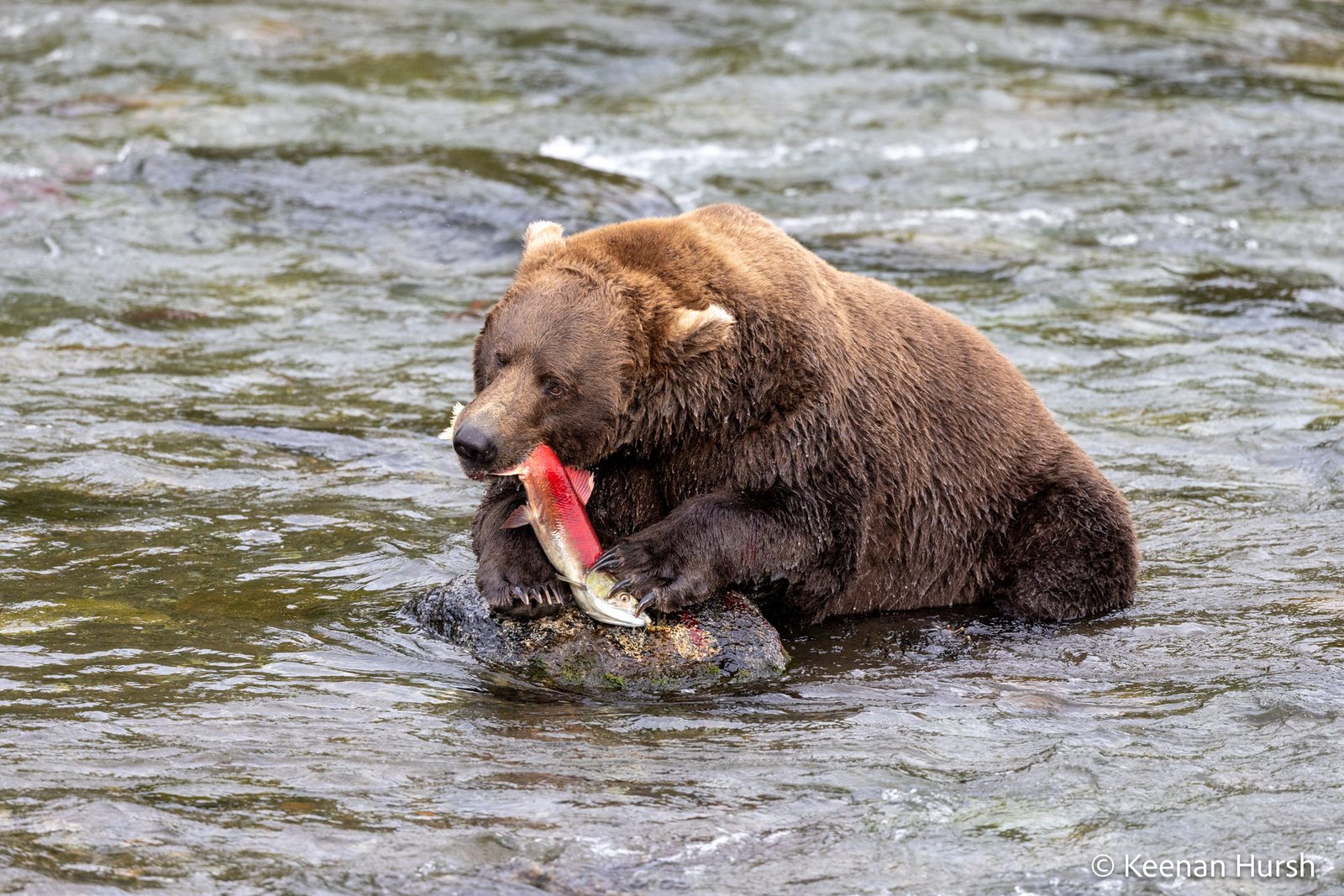
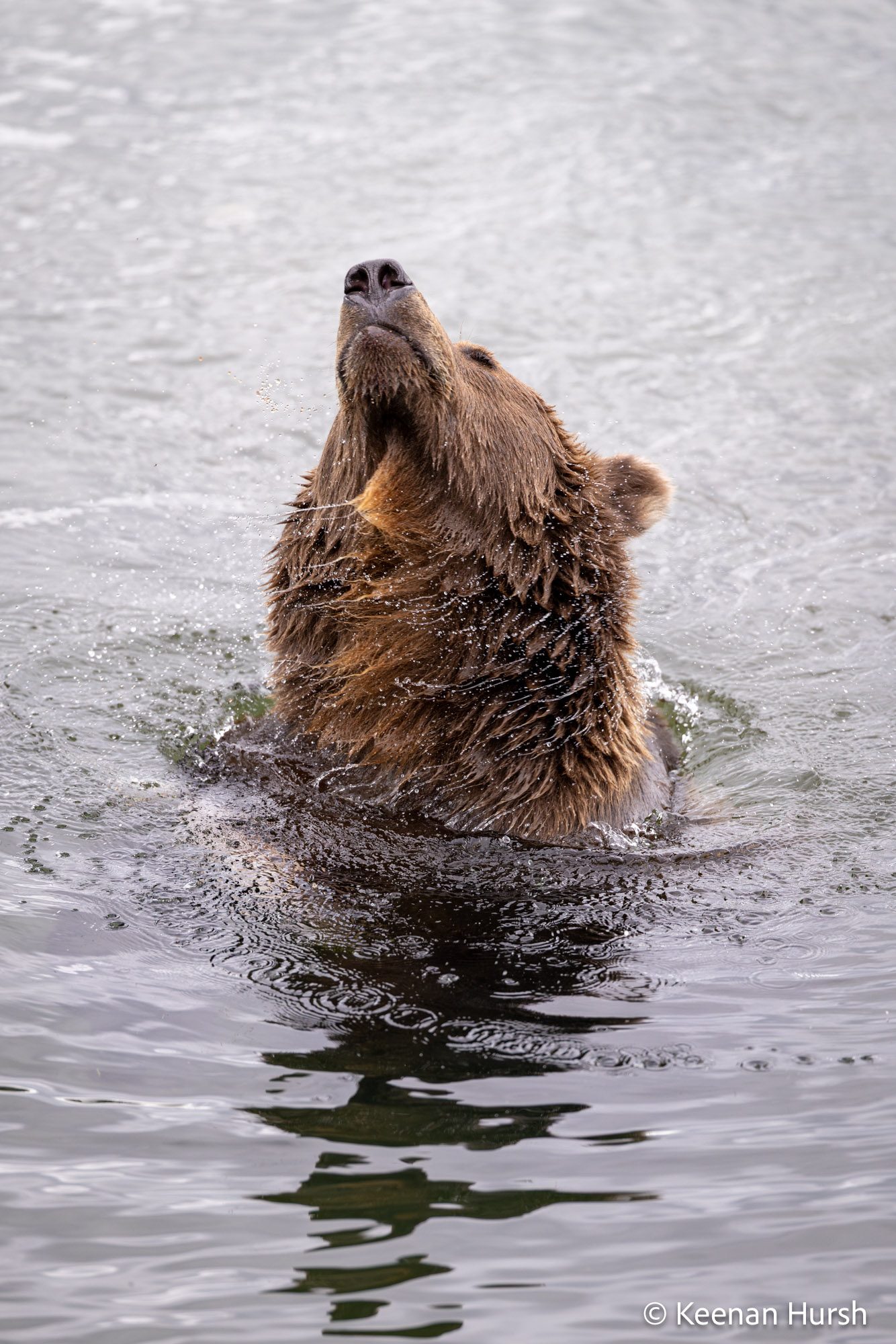
- Optical Sharpness: The lens delivered consistently sharp images across its entire focal range and aperture settings. Details in the bears’ fur, water droplets, and fish were rendered with exceptional clarity, meeting the high standards expected of Canon’s L-series professional optics. This level of detail is crucial for large-format prints and high-resolution digital presentations.
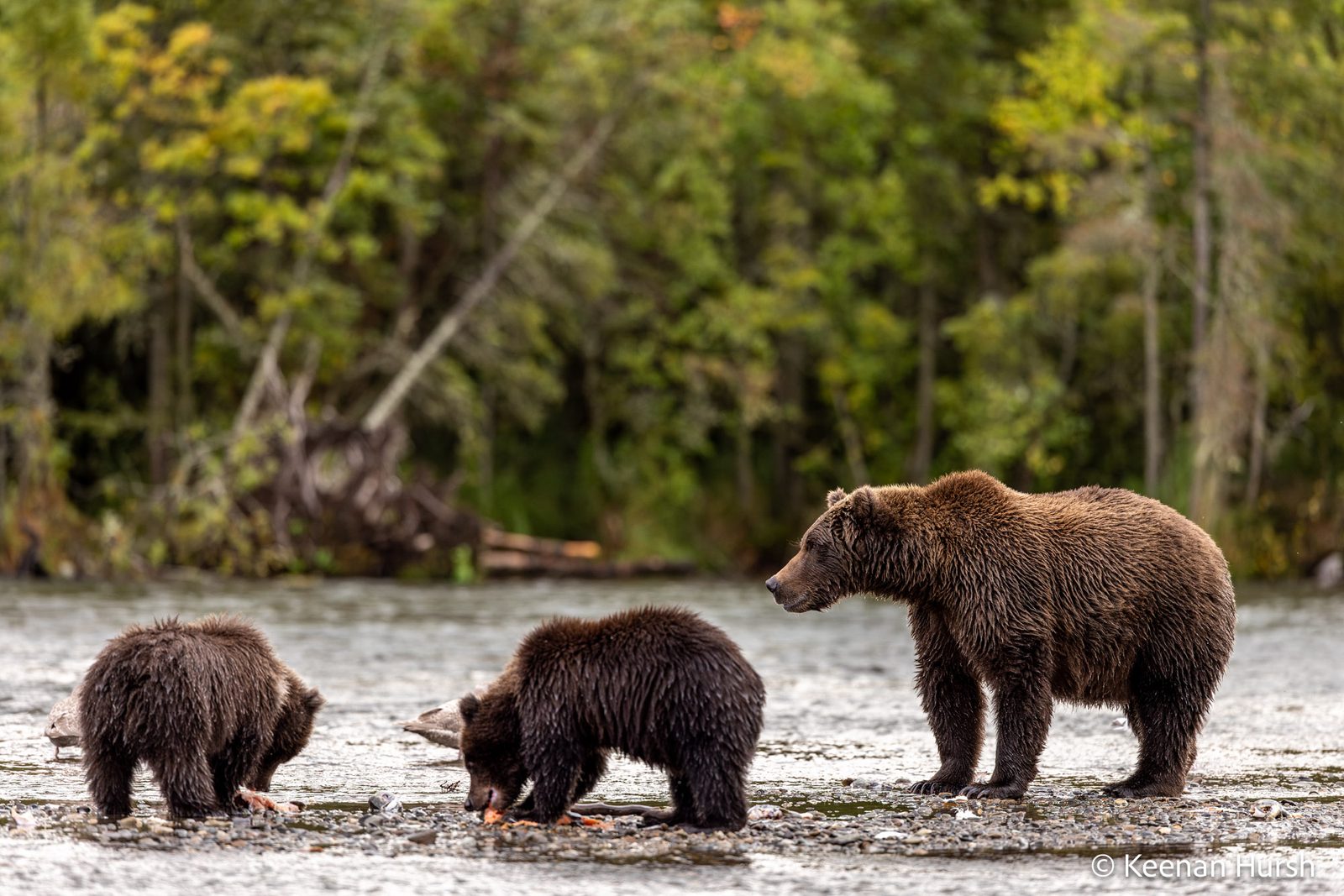
- Versatility of Focal Length (100-300mm): This range proved invaluable. At Brooks Falls, where bears can be meters away or just dozens of yards, the ability to quickly adjust from a wide-angle environmental shot at 100mm to a tighter, more intimate portrait at 300mm was a significant advantage. The fluidity of zooming allowed for dynamic storytelling, capturing both the individual bear and its ecological context without changing lenses, which is often impractical in fast-paced wildlife scenarios. The lens allowed the photographer to shift seamlessly from capturing a bear mid-leap for a salmon to a calm portrait of another bear resting on the riverbank.
- Constant f/2.8 Aperture: The wide, constant maximum aperture was a game-changer for subject isolation and low-light performance. It enabled the creation of beautiful, creamy bokeh, effectively separating the bears from potentially busy backgrounds and drawing the viewer’s eye directly to the subject. In the often overcast conditions or early morning/late evening light common in Alaska, the f/2.8 aperture allowed for faster shutter speeds, minimizing motion blur in both the subject and the photographer’s hand movements, or keeping ISO levels lower to preserve image quality. This is particularly important for action shots where freezing motion is critical.
- Autofocus Speed and Accuracy: While not explicitly detailed in the original content, the successful capture of "action shots of bears charging through the river attempting to catch fish" implicitly attests to the lens’s fast and accurate autofocus system. Modern telephoto zooms like this are designed to pair seamlessly with Canon’s R-series mirrorless cameras, leveraging advanced subject tracking capabilities to maintain focus on rapidly moving subjects.
- Image Stabilization: The integrated Image Stabilization (IS) system played a crucial role in maintaining sharpness, especially when shooting handheld or in situations requiring slower shutter speeds. The ability to achieve stable shots in less-than-ideal lighting conditions without resorting to excessively high ISO settings or a tripod enhances the photographer’s flexibility and expands creative possibilities.
- Build Quality and Ergonomics: The L-series designation indicates robust, weather-sealed construction, which is essential for the damp, unpredictable conditions of Katmai. While a large lens, its design aims for balance and usability, allowing for extended periods of shooting in the field.
Considerations and Implications
While the Canon RF 100-300mm f/2.8 L IS USM represents a pinnacle of optical engineering, certain aspects warrant consideration. Its professional-grade construction and advanced optics naturally translate to a substantial physical presence. While arguably lighter and more compact than carrying multiple prime lenses to cover the same range, it remains a significant piece of equipment in terms of weight and size compared to consumer-grade zooms. For photographers trekking long distances or seeking ultra-light setups, this could be a factor, though for dedicated wildlife photography from established viewing points, its benefits far outweigh this.
The cost of ownership is another significant point. The lens’s premium pricing positions it as a specialized tool for working professionals or serious enthusiasts. This high entry barrier further validates the critical role of rental services, which democratize access to such high-performance equipment, enabling photographers to utilize cutting-edge technology for specific projects without the prohibitive capital outlay.
Broader Impact and Future Outlook
The successful deployment of the Canon RF 100-300mm f/2.8 at Katmai National Park underscores several broader trends in the photography industry:
- Advancement in Zoom Lens Technology: Canon’s development of fast telephoto zooms with prime-like optical quality signifies a continued push towards versatile, high-performance lenses within the mirrorless ecosystem. This trend empowers photographers with greater flexibility without sacrificing image fidelity.
- The Value of Specialized Rental Services: The experience highlights how companies like Lensrentals are integral to the professional photographic landscape. They enable access to a diverse array of equipment, foster experimentation, and support project-based needs, ultimately enhancing creative output across the industry.
- The Intersection of Technology and Conservation: High-quality wildlife photography plays a vital role in conservation efforts, raising awareness and appreciation for natural ecosystems and endangered species. The ability to capture compelling, technically excellent images of subjects like the Katmai brown bears helps tell their story more effectively.
- Economic Impact of Photography Tourism: Wildlife photography workshops and expeditions contribute significantly to local economies in regions like Alaska, supporting tourism infrastructure, local guides, and service providers. This symbiotic relationship between photography and ecotourism benefits both local communities and the conservation of natural habitats.
In conclusion, the strategic decision to rent the Canon RF 100-300mm f/2.8 L IS USM for the Katmai National Park brown bear workshops was a resounding success. The lens proved to be an indispensable tool, enabling the capture of a diverse portfolio of razor-sharp, impactful images that would have been significantly more challenging, if not impossible, with less specialized equipment. This experience serves as a testament to the importance of thoughtful gear selection, the capabilities of modern optical engineering, and the invaluable support provided by professional equipment rental services for ambitious photographic projects.