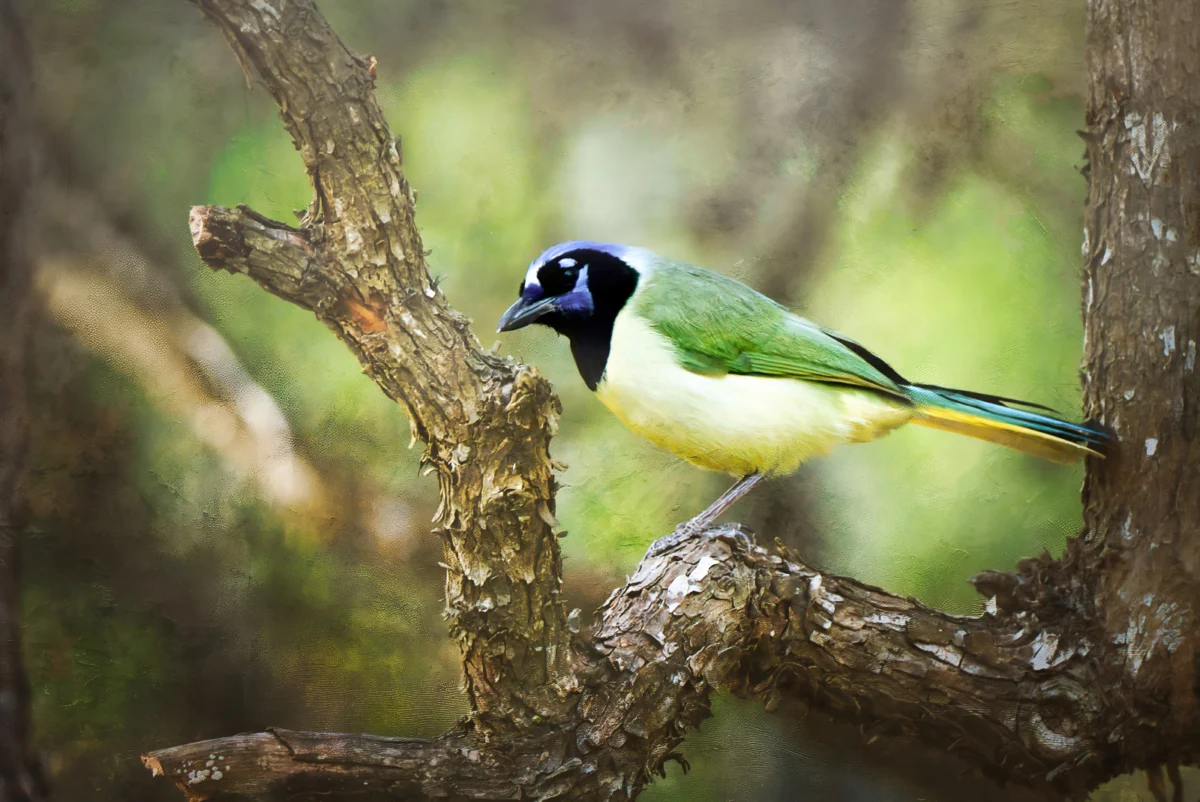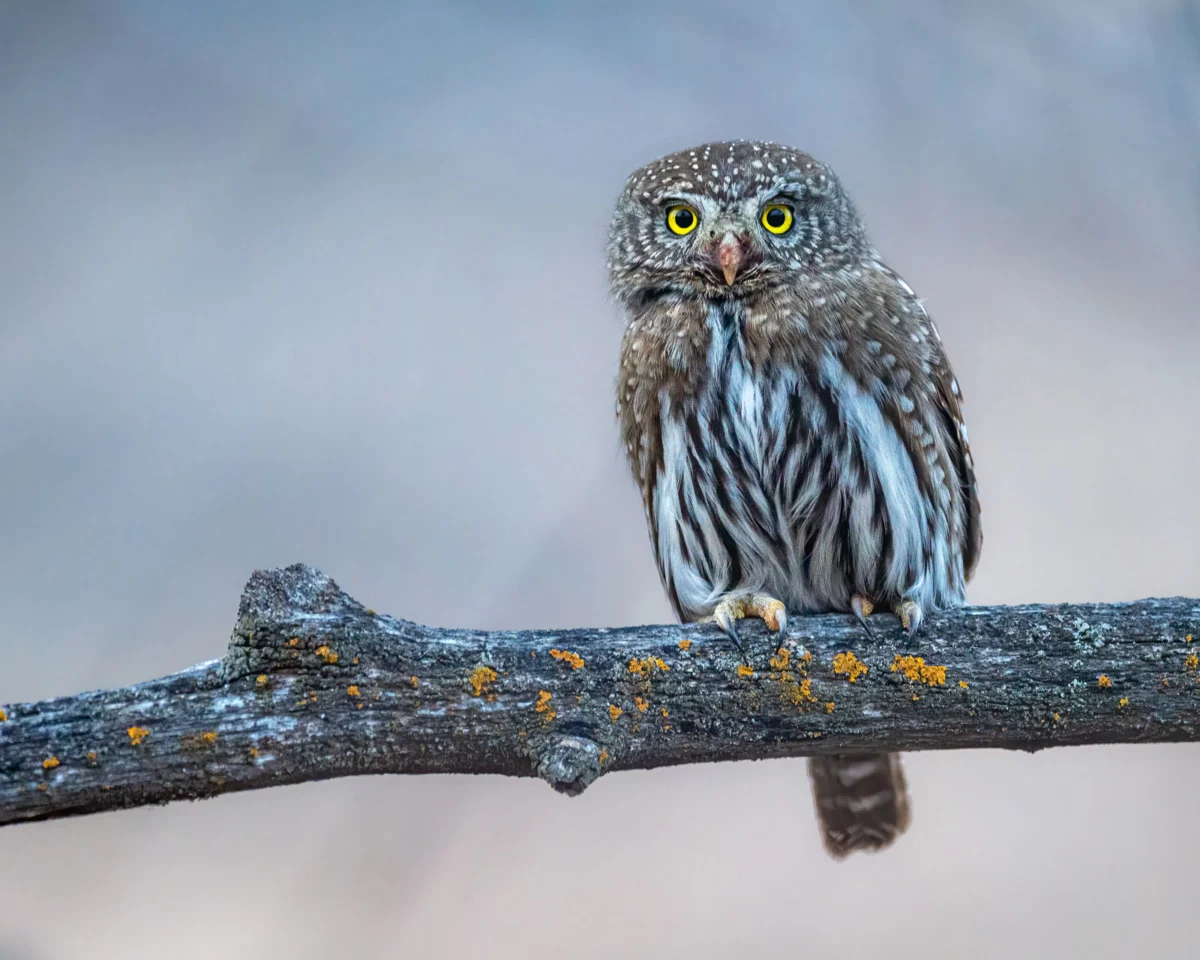
Passerine birds, members of the colossal order Passeriformes, represent the zenith of avian evolutionary success, encompassing over half of all known bird species. From the bustling urban sparrow to the elusive woodland warbler, these "perching birds" are ubiquitous across the globe, inhabiting an astonishing array of environments from manicured gardens and dense forests to expansive open fields. Their defining anatomical feature—a unique toe arrangement with three digits pointing forward and one backward—provides an unparalleled grip, allowing them to cling to slender branches, reeds, and even vertical surfaces with remarkable agility. This article delves into the intricate world of passerine photography, offering a comprehensive guide to capturing the essence of these small, fast-moving, yet immensely rewarding subjects.
The Dominance of Passeriformes: A Biological Perspective
The order Passeriformes boasts an estimated 6,500 species, making it the most diverse order of birds and indeed, the largest order of terrestrial vertebrates. This incredible speciation is attributed to several evolutionary advantages, including their highly adaptable diets, complex vocalizations for communication and territorial defense, and efficient perching feet. Their relatively small size, while presenting photographic challenges, also contributes to their ecological flexibility, allowing them to exploit a wide range of niches. This adaptability has allowed passerines to colonize virtually every terrestrial habitat on Earth, from the polar fringes to tropical rainforests, making them an accessible subject for photographers regardless of their geographical location.
The Allure and Challenge of Passerine Photography

For aspiring wildlife photographers, passerines offer an unparalleled opportunity. Their sheer abundance and widespread distribution mean that many species can be observed and photographed even in urban or suburban settings, often within the confines of one’s own garden. This accessibility, however, belies the technical demands of capturing their beauty. Passerines are notoriously small and incredibly fast, their movements often a blur to the naked eye. Freezing their dynamic actions, from a mid-air dart to a fleeting moment on a branch, requires a blend of technical precision, observational skill, and immense patience. The reward, however, is equally great: a sharp, captivating image of a vibrant goldfinch or an iconic robin is a testament to the photographer’s dedication and skill, fostering a deeper connection with the natural world.
Beyond the personal achievement, passerine photography also contributes to a broader understanding of avian populations. Images shared online or with local ornithological groups can aid in species identification, population monitoring, and even contribute to citizen science initiatives that track bird migration and distribution patterns. This blend of artistic pursuit and scientific contribution elevates the hobby beyond mere aesthetic pleasure.
Mastering the Hunt: Locating and Identifying Passerine Birds
Successful passerine photography begins long before the camera is raised; it starts with meticulous observation and understanding. Common examples of these adaptable birds include the ubiquitous sparrows, the acrobatic tits, the melodious finches, the often-cryptic warblers, and the graceful swallows.
The Symphony of the Wild: Learning Bird Songs
A crucial, often overlooked, aspect of identifying passerines is their vocalizations. Passerine birds are renowned for their complex and varied songs, which serve purposes ranging from attracting mates and defending territories to warning of predators. Learning to identify bird songs is an invaluable skill for any bird photographer. It allows for early detection of species that may be hidden by foliage, helping to anticipate their movements or pinpoint their location. Numerous field guides, smartphone applications, and online resources exist to help beginners distinguish between the trill of a wren and the cheerful melody of a blackbird. Spending time simply listening and correlating sounds with visual sightings will significantly enhance your ability to locate and approach subjects.

Behavioral Ecology: The Photographer’s Advantage
As with any form of wildlife photography, a profound understanding of your subject’s behavior is paramount. Researching specific species—their feeding habits, breeding cycles, preferred perches, and daily routines—provides an invaluable roadmap for anticipating their actions. Dedicate time to silent observation, noting how birds interact with their environment, with each other, and with potential food sources. This knowledge allows photographers to predict optimal moments for capturing specific behaviors, such as a bird taking flight, feeding its young, or engaging in a territorial dispute. For instance, knowing that many passerines are most active during the early morning and late afternoon will guide your timing for photographic excursions.
Habitat Specifics and Seasonal Influences
Passerines are most commonly found in habitats that offer ample perching opportunities and food sources. Gardens, parks, and woodlands are prime locations, but wetlands also host specific passerine species like reed warblers and sedge warblers. Their presence and activity levels fluctuate significantly with the seasons. Spring brings vibrant breeding plumage and intense singing; summer sees the raising of young; autumn witnesses migration and flocking behaviors; and winter, with its scarce natural food, often drives birds to human-provided feeders. Tailoring your approach to the season will yield more diverse and compelling images.
Creating the Perfect Stage: Setting Up a Feeding Station
One of the most effective and accessible methods for attracting passerines for photography, especially for garden-based enthusiasts, is establishing a well-maintained feeding station. This becomes particularly vital during colder months or periods of harsh weather when natural food sources dwindle. These challenging conditions can often lead to increased numbers of birds visiting feeders, presenting enhanced opportunities to capture interactions and dynamic shots.
Food Selection for Diverse Species
To attract a wide array of passerine species, offer a diverse menu. High-energy options like black oil sunflower seeds appeal to many finches and tits. Nyjer seeds are a favorite of smaller finches like goldfinches, while peanuts attract woodpeckers and jays (though often not strictly passerines, they are common feeder visitors). Suet cakes provide essential fats, especially in winter, and are popular with tits and robins. Mealworms can attract insectivorous species such as robins and wrens. Providing a mix caters to different dietary preferences, thereby increasing the variety of birds visiting your station.

Strategic Feeder Placement
When positioning feeders, prioritize areas that receive ample natural light, ideally soft, diffused light during the golden hours (shortly after sunrise and before sunset). Avoid direct, harsh midday sun that can create strong shadows and blown-out highlights. Crucially, position feeders away from wide-open spaces. Passerines are skittish and require the safety of nearby foliage, such as shrubs or trees, where they can quickly retreat from predators. A balance between light and cover is key. Consider also the background when placing feeders; aim for a clean, uncluttered backdrop that will render smoothly out of focus.
Hygiene: A Non-Negotiable Imperative
The health and safety of the birds must be paramount. Regularly cleaning feeders is essential to prevent the spread of diseases like salmonellosis and trichomoniasis, which can devastate local bird populations. Feeders should be cleaned every one to two weeks, or more frequently during periods of high bird activity or wet weather. Use a mild bleach solution (one part bleach to nine parts water) or a specialized bird feeder cleaner, scrubbing thoroughly and rinsing completely. Allow feeders to air-dry completely before refilling to prevent mold growth. Rotating feeder locations periodically can also prevent a build-up of waste and pathogens in one spot.
The Allure of Water: Beyond Reflections
Adding a fresh water source, such as a bird bath or a shallow reflection pool, can dramatically increase the number and variety of birds visiting your garden. Water is essential for drinking and bathing, attracting species that may not be interested in seeds. For photographers, a well-placed water feature offers incredible opportunities to capture birds splashing, preening, or drinking, and to create stunning portraits with reflections.
To create an effective reflection pool, a large, rectangular planting tray can be sunk into the ground or positioned on a stable surface. Carefully placed rocks or logs within the tray provide perching spots for birds. Experiment with the pool’s placement to achieve desirable reflections. Reflections of trees or distant foliage are often preferred over the bright, overpowering reflections of the sky, which can wash out colors and distract from the subject. The golden hours provide the best light for creating warm, rich reflections.
The Art of the Perch: Crafting the Ideal Environment

Beyond the feeder itself, the immediate environment plays a pivotal role in creating visually compelling images of passerines. An attractive, natural-looking perch can transform a simple feeding shot into a piece of art, adding context, interest, and a hint of the bird’s natural habitat.
Sourcing Natural Perches
When scouting for natural perches, look for branches, twigs, or even flowers that complement the bird’s colors and add aesthetic appeal to your photographs. Moss or lichen-covered branches offer texture and a rustic charm. A sprig of blossom in spring can provide a vibrant, seasonal backdrop. The key is authenticity: ensure the perch looks as though it belongs in the bird’s natural environment to prevent the image from appearing contrived or unnatural. Collecting suitable perches during walks in woodlands or parks allows you to curate your feeding station’s aesthetic.
Optimizing Perch Position and Lighting
The positioning of your chosen perch is critical, especially concerning natural light. Aim for front-lit conditions in the morning and consider backlighting experiments during the evening golden hour. The golden hour, with its warm, rich light, is ideal for creating dramatic silhouettes or rim lighting that highlights the bird’s contours. Overcast days, often dismissed by photographers, should not be overlooked. Clouds act as a giant diffuser, softening the light, eliminating harsh shadows, and allowing for the capture of intricate feather detail and muted, painterly colors. Experiment with different angles throughout the day to understand how light interacts with your setup.
Backgrounds: The Canvas for Your Subject
To ensure your passerine subject stands out, backgrounds must be rendered completely out of focus, creating a pleasing blur known as bokeh. The distance between your subject and the background, combined with your lens’s focal length and chosen aperture, determines the degree of blur. A wide aperture (e.g., f/2.8 to f/5.6) will create a shallow depth of field, effectively separating the bird from its surroundings. Longer focal lengths further exaggerate this effect.
Before shooting, take a few test images to assess how the background appears. Look for areas where the background colors complement, rather than clash with, the bird’s plumage. Areas of deep shadow can be strategically used to create a dark, dramatic background that makes vibrant bird colors pop, adding impact and a sense of depth to your images.

Technical Mastery: Camera Settings for Fast Action
Photographing passerines demands technical precision due to their small size and lightning-fast movements. Beyond the fundamental exposure triangle (shutter speed, aperture, ISO), mastering your camera’s focusing settings is crucial.
Shutter Speed: Freezing the Fleeting Moment
For stationary passerines, a shutter speed of at least 1/1000th of a second is recommended to freeze any subtle movements or sudden shifts. These birds rarely sit still for long. For birds in flight or mid-action (like taking off or landing), you will need to significantly increase this, ideally to 1/2500th of a second or even faster, to capture sharp, motion-free images. In brighter conditions, you might reach speeds of 1/4000s or 1/8000s, which is ideal.
Aperture: Controlling Depth and Isolation
A wide aperture, typically ranging from f/2.8 to f/5.6, is ideal for creating a shallow depth of field. This isolates the bird from its background, making it the undeniable focal point of your image while rendering distractions into a smooth bokeh. However, when shooting very close, especially for frame-filling portraits, the depth of field becomes extremely narrow. In such cases, you may need to "stop down" to a slightly smaller aperture (e.g., f/8) to ensure that critical elements like both the eye and the chest feathers are sharply in focus. When photographing two or more birds interacting, a slightly smaller aperture might also be necessary to keep all subjects acceptably sharp.
ISO: Embracing the Digital Grain
Do not shy away from increasing your ISO setting in low-light conditions. Modern cameras handle higher ISOs remarkably well, producing images with manageable digital noise. It is always preferable to achieve a critically sharp image with some visible noise than a clean, noise-free image that lacks sharpness due to an insufficient shutter speed. Software advancements in noise reduction also mean that post-processing can effectively clean up high-ISO images.

Focus Mode: Precision in Motion
Continuous autofocus (often labeled AI Servo on Canon or AF-C on Nikon/Sony) is essential for tracking moving birds, as it continuously adjusts focus as the subject moves towards or away from the camera. Many modern mirrorless cameras offer advanced eye-detection autofocus, which can be incredibly effective for birds. However, if the eye detection struggles in complex environments or with very fast-moving subjects, switch to a single-point or group focus mode, keeping the selected focus point directly on the bird’s eye or head for maximum accuracy.
Burst Mode: Capturing the Peak Action
Utilize your camera’s continuous high-speed shooting mode (burst mode) to fire a rapid sequence of frames. This significantly increases your chances of capturing that split-second, perfect moment, whether it’s a wingbeat, an interesting head tilt, or a dynamic interaction between birds.
Manual Pre-focus: Anticipating the Shot
For highly predictable action, such as a bird flying from a known perch to a feeder, manual pre-focusing can be highly effective. Set your camera to manual focus and pre-focus on a specific spot—for instance, halfway between the perch and the feeder. As the bird flies through that plane of focus, fire a burst of images. This technique can yield exceptionally sharp results for fast, localized action.
Crafting Compelling Images: Composition and Framing
Strong composition is the bedrock of visually striking images. Before pressing the shutter, take a moment to visualize your desired image and consciously consider the placement of each element within the frame. While compositional guidelines exist, remember they are tools to aid creativity, not rigid rules.

The Rule of Thirds: A Guiding Principle
Imagine your frame divided into nine equal parts by two horizontal and two vertical lines. Positioning your subject, or key elements of your subject, on one of the intersecting points (often called "power points") or along these lines will generally create a more dynamic and aesthetically pleasing composition than simply centering the subject.
Incorporating the Environment: Storytelling Through Context
Move beyond simple portraits by including elements of the bird’s natural habitat. A branch covered in fresh leaves or a sprig of blooming flowers can add depth, provide context, and tell a richer story about the bird’s life and environment. This helps ground the subject within its world.
Eye-Level Perspective: Intimacy and Connection
Whenever possible, position yourself at the bird’s eye level. This creates a sense of intimacy and connection between the viewer and the subject, drawing them into the bird’s world. It also tends to produce more flattering backgrounds, as you’re shooting across the plane of the ground rather than down at it.
Negative Space: Emphasizing the Subject and Surroundings
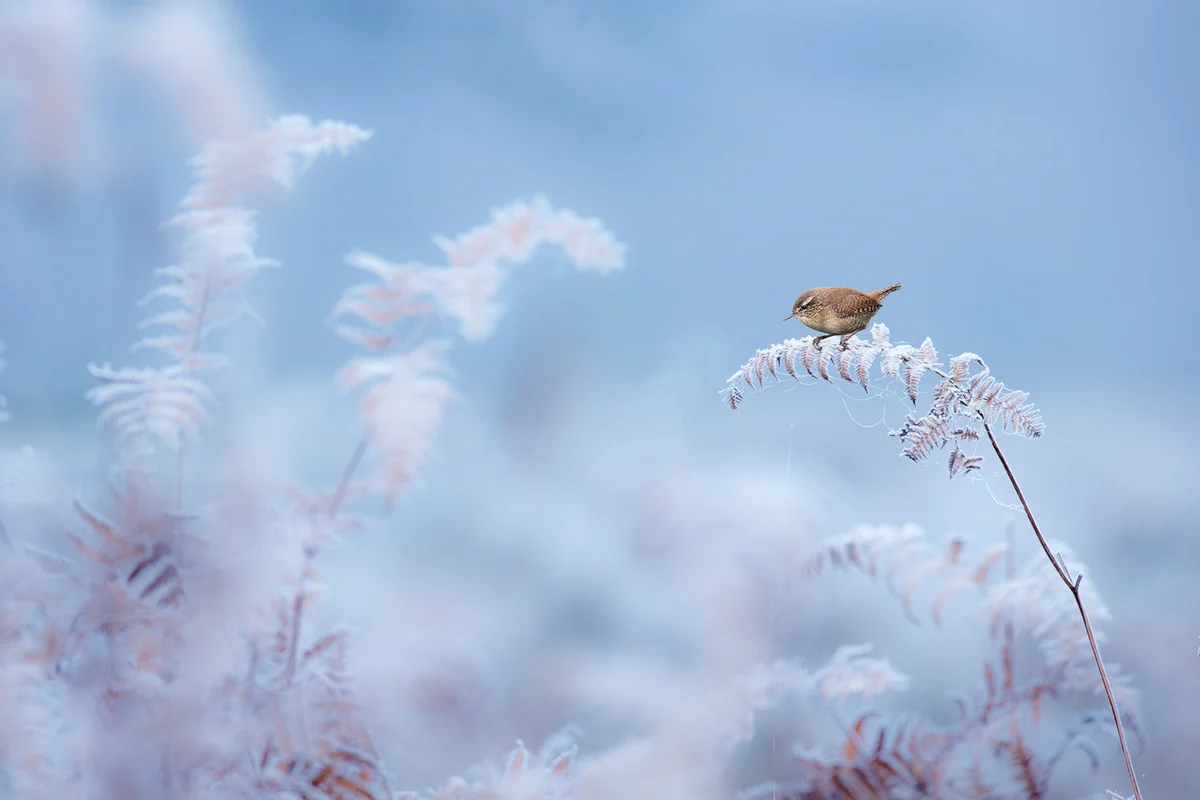
Deliberately leaving empty space around the bird, known as negative space, can convey a sense of isolation, emphasize the vastness of its natural surroundings, or simply allow the viewer’s eye to rest. This technique is particularly effective in winter photography, where a bird against a snowy backdrop can be very impactful. When using negative space, compose the image so the bird is looking or moving into the empty space, which creates a more balanced and dynamic composition.
Leading Lines: Guiding the Viewer’s Gaze
Utilize natural lines within the scene—such as a curved branch, a dry stone wall, or the edge of a path—to guide the viewer’s eye towards your subject. Leading lines create depth and movement within the frame, enhancing the overall impact of the image.

Narrating Nature: Capturing Behavior and Interactions
Passerines are social and active creatures, constantly engaging in intriguing behaviors that can elevate your photographs from simple portraits to compelling narratives. Patience and keen observation are your most valuable assets here. Spend extensive time watching your subjects to understand their routines and anticipate their actions.
Dynamic Interactions and Feeding Habits
Periods of harsh weather often bring heightened activity to feeding stations, leading to squabbles over food. These fast-paced interactions provide excellent opportunities for dynamic action shots. When including two or more birds in the frame, remember that you may need to stop down your aperture slightly (e.g., f/8) to increase the depth of field and ensure all subjects are in focus. Always monitor your shutter speed and increase ISO if it drops below the recommended minimum for freezing action. Documenting birds feeding or drinking from a pool of water also creates interesting, naturalistic images.
The Symphony of Life: Singing and Display
During the breeding season, many passerines—such as robins, wrens, blackbirds, and song thrushes—sing vociferously to establish and defend their breeding territories and attract mates. Capturing a bird mid-song, with its beak open, can convey a strong sense of its natural behavior and the vibrancy of the season.
Flocks and Fights: Group Dynamics
Observe and capture the dynamics within groups, whether it’s a cooperative feeding session or a territorial dispute. Birds squabbling over a prime feeding spot or gathering in large flocks can create visually exciting and energetic action shots. Photographing large flocks, particularly during migration, can yield stunning abstract patterns and a sense of collective movement.

Parenting: The Cycle of Life
The breeding season offers poignant opportunities to photograph parents feeding their chicks or teaching fledglings to fly. These moments require extreme patience and a highly ethical approach to avoid any disturbance to the birds. Only attempt such shots if you can do so from a significant distance, using a long telephoto lens, and without any risk of stressing the birds or compromising the nest. Often, fledged young will be fed by their parents at garden feeders or in nearby foliage, offering safer and less intrusive photographic chances.
Bathing and Preening: Intimate Details
Birds spend a considerable amount of time maintaining their plumage. Capturing them splashing in a water bath or meticulously preening their feathers offers opportunities for both dynamic action shots and intimate detail shots that showcase the intricate beauty of their plumage.
Essential Gear for the Passerine Photographer
Having the right equipment significantly enhances your chances of success, especially when tackling the fast-paced world of passerine photography.
Camera Body: Speed and Sensitivity
A DSLR or mirrorless camera with fast autofocus capabilities is paramount. Mirrorless cameras, with their advanced eye-detection autofocus and often higher frames-per-second (FPS) capabilities, have become increasingly popular for bird photography. Models offering 10 frames per second or more are highly beneficial for capturing critical moments in rapid sequences. High ISO performance is also a significant advantage, allowing for faster shutter speeds in challenging light.

Lenses: Reaching Out and Isolating
A telephoto lens of 300mm or longer is essential to photograph birds from a distance without causing disturbance. Longer lenses, such as 500mm or 600mm primes or zooms, are particularly effective for achieving diffuse backgrounds and isolating subjects, thanks to their narrow depth of field at long focal lengths. Tele-zoom lenses (e.g., 150-600mm, 100-400mm) offer greater flexibility in framing and composition, making them an excellent choice for varied situations. Teleconverters can extend the reach of your existing lens but come with a trade-off in aperture and sometimes autofocus speed.
Tripod: Stability for Sharpness
A sturdy tripod provides crucial stability, especially when using long, heavy telephoto lenses or during extended shooting sessions. It minimizes camera shake, ensuring sharper images. For lenses of 500mm and above, a gimbal head is highly recommended. Its balanced design allows for smooth, effortless tracking of birds in motion, a distinct advantage over traditional ball heads.
Concealment: Hides and Camouflage
Using a portable hide or camouflage netting allows you to get closer to birds without disturbing them. A purpose-built bird photography hide, especially one that can be left in situ for prolonged periods, allows birds to habituate to its presence, leading to more natural behavior and closer photographic opportunities. Even simply wearing drab, earth-toned clothing can help you blend into the environment.
Accessories: Remote Triggers and Storage
A remote shutter release minimizes camera vibrations, crucial for achieving maximum sharpness, especially when shooting from a hide or with the camera pre-focused on a specific spot. High-speed memory cards are non-negotiable; they are essential for handling the large file sizes and rapid data transfer rates associated with burst shooting, ensuring you don’t miss a moment due to a full or slow card. Always carry multiple spare memory cards and fully charged batteries.
Broader Implications and Ethical Practices

While the pursuit of stunning photographs is rewarding, it must always be balanced with ethical considerations and respect for wildlife. Minimizing disturbance to birds, especially during sensitive breeding or nesting periods, is paramount. Avoid baiting birds with unnatural food items or calling them in with recordings, which can disrupt their natural behaviors and energy expenditure. Always prioritize the well-being of the birds over the shot.
Passerine photography offers endless opportunities for creative wildlife photography, whether in your backyard, a local park, or a wilder natural setting. These small, fast-moving birds present a significant challenge, but with dedicated observation, strategic environmental setup, and mastery of technical skills, photographers can consistently capture stunning images that not only showcase the beauty and charm of these avian marvels but also contribute to their appreciation and conservation. So, equip yourself with knowledge and gear, step into the natural world, and immerse yourself in the enchanting and rewarding pursuit of passerine photography.