The photography and videography industry experienced a dynamic year in 2025, with rental data from America’s premier equipment rental house offering a crucial barometer of market trends, professional preferences, and the technological currents shaping content creation. Each year, an exhaustive analysis of rental statistics provides invaluable insights into the products most sought after by creators, revealing not only what is popular but also where the industry is poised to evolve in the coming years. This comprehensive report delves into the top rentals across cameras, lenses, and accessories, alongside an examination of brand market share and the most impactful new gear introductions, providing a holistic view of the professional landscape.
The Pulse of the Industry: Top Rental Performers of 2025
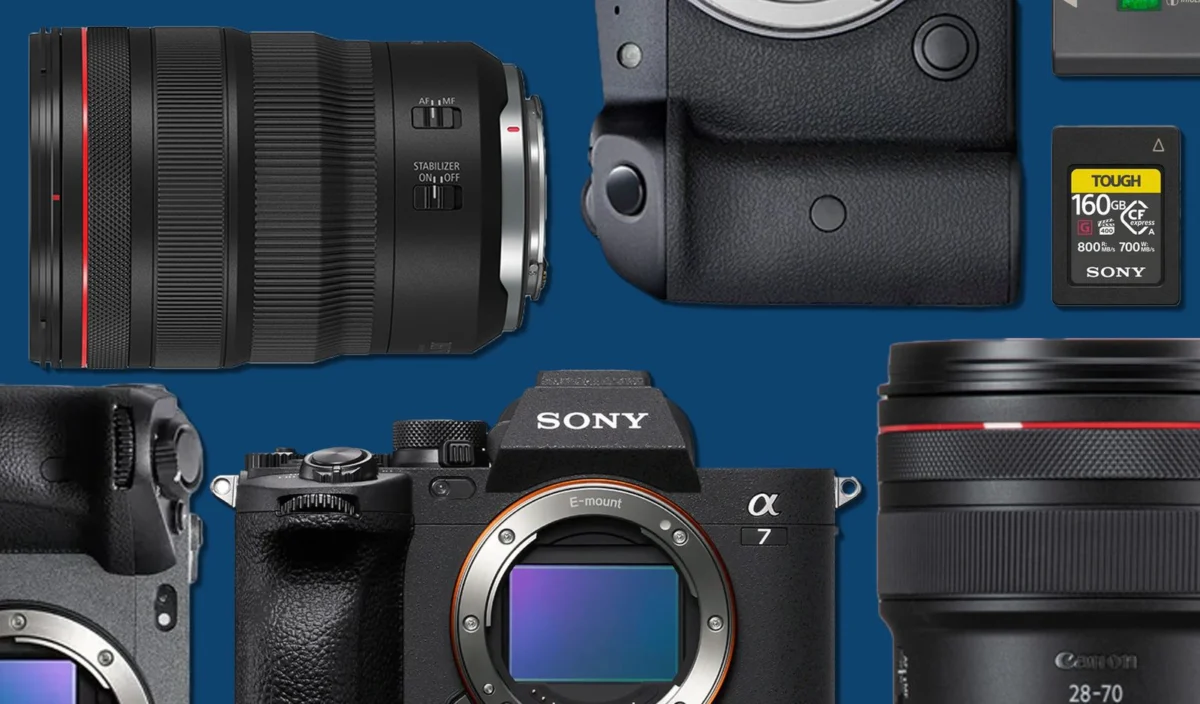
The aggregate data for 2025 reveals a distinct pattern in rental preferences, prioritizing versatility and robust performance. Unlike sales figures, rental statistics often reflect the practical needs of projects, where adaptability and reliability are paramount. The most popular rentals for the year, determined by the sheer number of transactions rather than revenue, underscored this pragmatic approach. Leading the charge was the Canon RF 24-70mm f/2.8L IS, a perennial favorite for its balanced optical quality, stabilization, and essential focal range. Hot on its heels was the Canon RF 28-70mm f/2L, an optic renowned for its wider aperture and exceptional low-light performance, albeit with a slightly narrower zoom range. This strong showing by mid-range zoom lenses challenges the often-repeated industry adage, "Prime is King," at least within the rental ecosystem.
The dominance of these versatile zoom lenses highlights a key operational reality for many rental customers. Whether working on diverse commercial shoots, corporate video productions, or event coverage, a single high-quality zoom can often cover a multitude of scenarios, reducing the need for multiple lens changes and streamlining workflows. This efficiency translates directly into cost and time savings on set, making such lenses an indispensable asset. It wasn’t until the 17th position that a prime lens, the highly acclaimed Canon RF 50mm f/1.2L, made its appearance, signaling that while primes are valued for their specialized optical characteristics, zooms frequently serve as the workhorse options. Industry analysts suggest this trend reflects a broader professional demand for tools that can adapt quickly to varied shooting conditions without compromising on image quality, a sentiment echoed by many freelance cinematographers and photographers.
Camera Body Dynamics: Canon R6 Mark II Leads a Diverse Field
A closer examination of the top 20 camera rentals for 2025 revealed some surprising shifts and reinforced established brand strengths. The Canon R6 Mark II unexpectedly claimed the top spot as the most rented camera of the year. This achievement is particularly noteworthy as it surpassed its higher-resolution sibling, the R5 Mark II (ranking 8th), and the original R5 (ranking 4th). The R6 Mark II’s success can be attributed to its compelling balance of features, performance, and price point. Offering excellent video capabilities, robust autofocus, and a 24.2-megapixel sensor that delivers superb image quality in diverse conditions, it has positioned itself as an ideal all-rounder for professionals who demand high performance without the premium cost associated with the R5 series’ ultra-high resolution.
Sony, a formidable innovator in the mirrorless space, showcased an impressive breadth of appeal, with nine different camera bodies making it into the top twenty. This diverse representation spanned from high-end cinema systems like the Sony FX6, favored for its full-frame sensor and advanced video features in professional productions, to compact, feature-rich point-and-shoot options such as the Cybershot RX100 VII, often rented for its portability and high image quality for discreet or travel-focused assignments. This wide array demonstrates Sony’s successful strategy of catering to various segments of the market, from indie filmmakers to vloggers and documentary photographers.
In contrast, the top 20 list presented a notable scarcity from certain manufacturers. Fujifilm, despite its strong brand identity and loyal user base, was conspicuously absent from the leading camera rentals. This might indicate that while Fujifilm cameras are highly valued for their unique aesthetic and compact form factors, their ecosystem or specific models might not align as broadly with the general rental market’s demand for high-volume, general-purpose professional workhorses. Nikon secured a single spot with the Nikon Z8, a powerful mirrorless camera that has garnered praise for its robust build, advanced autofocus, and high-resolution capabilities, positioning it as a strong competitor in the professional segment, albeit with a smaller overall presence in rental volume compared to its rivals. The implications of these brand performances for overall market share will be discussed in further detail, but they offer an initial glimpse into the competitive landscape.
Lens Preferences: Zooms Reign Supreme, Practicality Over Specialization
When dissecting the most popular lens rentals for 2025, the narrative of practicality and broad utility continued to unfold. The list was predominantly dominated by two key players: Canon and Sony, mirroring their strong presence in camera body rentals. These brands have meticulously built comprehensive lens ecosystems that cater to the diverse needs of their camera users. The overwhelming majority of the lenses on this list were zoom lenses, further reinforcing the earlier observation regarding the preference for versatility. These zooms covered common and essential focal lengths, crucial for a wide spectrum of photography and videography applications, from wide-angle landscapes and architectural shots to portraiture and telephoto sports coverage.
The singular breakout performance from a third-party manufacturer came from Sigma, with its 24-70mm f/2.8 DN Art lens. This entry, barely making it into the top 20, is significant. Sigma has long been respected for offering high-quality optics at competitive prices, and its 24-70mm f/2.8 is a testament to its ability to compete with first-party offerings in a critical focal range. However, its isolated appearance also underscores the formidable advantage held by Canon and Sony in building integrated camera-and-lens ecosystems that foster brand loyalty and simplify rental decisions for customers seeking guaranteed compatibility and performance. The general trend away from specialized "quirky options" and towards reliable, workhorse zooms speaks volumes about the pragmatic nature of the rental market, where efficiency and broad applicability often trump niche capabilities.
Beyond Cameras and Lenses: The Essential Accessories
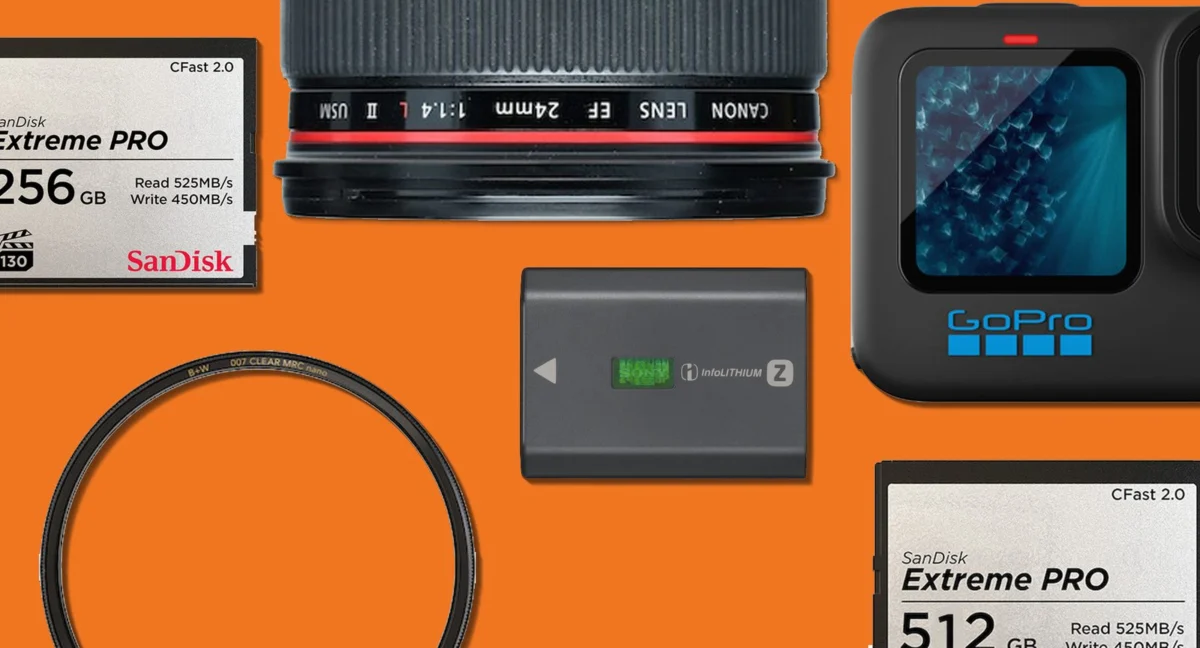
The rental data for accessories provides a grounding perspective on the operational realities of modern content creation. "Accessories" encompass a vast array of equipment, from fundamental components like cables and hard drives to critical support gear such as tripods and sophisticated lighting setups. Unsurprisingly, the accessory list was heavily populated by two indispensable categories: batteries and memory cards. This is an obvious reflection of the demands placed on contemporary camera systems. Modern mirrorless cameras, while offering revolutionary performance, are notorious for their power consumption compared to their DSLR predecessors. Consequently, extended shoots necessitate a robust supply of spare batteries. Similarly, the increasing resolution of both stills and video (4K, 6K, 8K) demands vast amounts of data storage, making high-capacity, high-speed memory cards an absolute necessity.
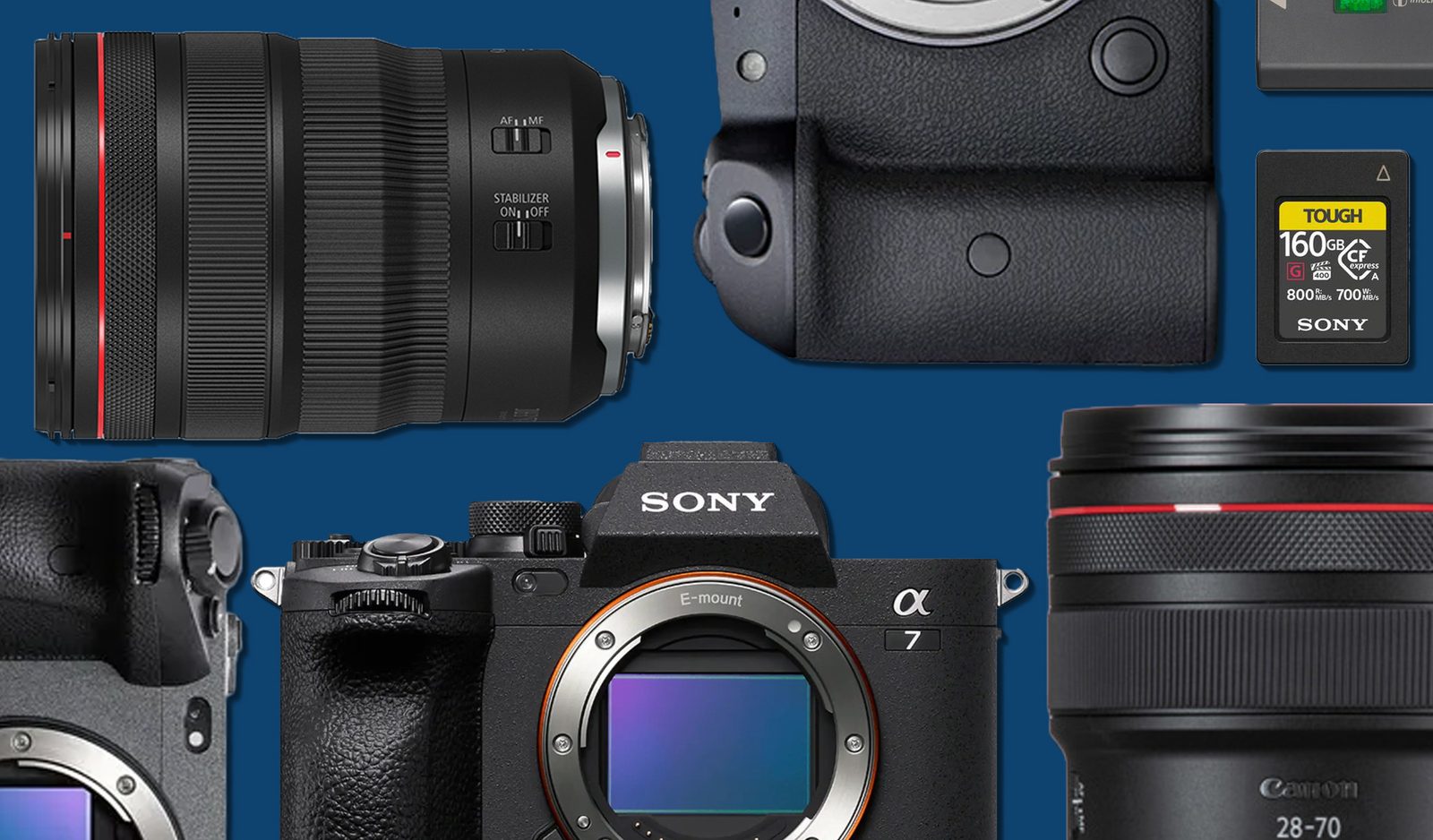
What was perhaps more surprising was the relative absence of specialized lighting gear or drone equipment in the top twenty accessory rentals, with the notable exception of the DJI TB50 battery in the 18th position. This indicates that while lighting and drones are integral to many productions, their rental patterns might be more specialized or project-specific, leading to lower overall rental volumes compared to the universally needed power and storage solutions. The remaining positions in the accessory list were filled by various light stands and tripods, reinforcing the fundamental need for stable camera support and flexible lighting positioning on nearly every professional set. This highlights that while cutting-edge cameras and lenses grab headlines, the foundational tools that ensure a smooth, functional production environment remain consistently in demand.
Brand Market Share: A Landscape of Stability and Incremental Shifts
The brand market share analysis for 2025, derived from revenue data, provides a different lens through which to view the industry’s competitive dynamics. While unit-based metrics reveal popularity, revenue-based figures often highlight the impact of higher-priced, premium brands, even if their rental volume is lower. Consistent with previous years, Canon maintained its lead, securing 26.51% of the market share, a steady increase from 25.69% in 2024 and 23.96% in 2023. Sony followed closely, demonstrating robust growth to 21.66% in 2025, up from 20.45% in 2024 and 19.13% in 2023. The combined dominance of Canon and Sony underscores their entrenched positions as the primary providers of professional-grade imaging equipment.
Other brands exhibited varying trajectories. Nikon experienced a slight dip, moving from 5.91% in 2024 to 5.56% in 2025, after a gain from 4.88% in 2023. This suggests a challenging, yet stable, position in a market largely dominated by its two main rivals. DJI, a powerhouse in drone technology, continued its steady ascent, growing from 3.31% in 2023 to 4.29% in 2025, indicating the increasing integration of drone cinematography into mainstream production workflows. Conversely, Blackmagic Design and Sigma saw slight contractions, with Blackmagic dropping from 3.57% in 2023 to 3.15% in 2025, and Sigma from 3.32% to 3.13% over the same period. Fujifilm, despite its absence from the top camera rental list, showed marginal growth in market share, from 2.24% in 2023 to 2.79% in 2025, suggesting that its offerings, though not top-tier in rental volume, command a respectable market presence in other segments or via other channels.
Brands like Aputure (lighting), Panasonic, Leica, RED (high-end cinema), and Sachtler (tripod systems) maintained relatively stable or slightly fluctuating positions. The presence of premium brands like RED (1.11%) and Leica (1.52%) on a revenue-based list, despite their niche appeal and significantly higher price points per unit, highlights their enduring value in high-budget productions where specialized performance and brand prestige are prioritized. The overall picture is one of relative stability among the top players, with incremental shifts as smaller brands carve out or consolidate their positions, often at the expense of others, making way for a wider array of specialized product brands not captured in this specific top-tier list. "The market is maturing, and we’re seeing consolidation around ecosystems," commented Dr. Eleanor Vance, a technology market analyst. "Canon and Sony have built incredibly strong platforms, making it harder for others to gain significant ground without a truly disruptive innovation or by carving out very specific niches."
Glimpses of the Future: Most Popular New Gear of 2025
Forecasting future trends is often best done by examining the immediate past, specifically the most popular new gear introduced in 2025. This list, however, comes with a few important caveats. Firstly, a product launched early in the year naturally has a greater advantage in accumulating rental orders over one released in the latter months. Secondly, this list reflects new additions to the rental house’s inventory, which sometimes includes products released prior to 2025 but represent new market segments or subsections the rental house has decided to enter.
Leading the charge for new product popularity was the updated version of the Manfrotto 190 series tripod. This is a significant indicator, as it highlights the enduring value of foundational, reliable equipment. The Manfrotto 190 series has been a staple in video and photography for years, renowned for its robust build, versatility, and proven reliability. The update, likely incorporating minor ergonomic improvements, weight reductions, or enhanced quick-release mechanisms, demonstrates that even in a rapidly evolving tech landscape, consistent performance in essential tools remains highly prized.
Finally, the list saw a strong debut from a lighting company, the Amaran COB 200x. This 200W bi-color monolight, offering both battery and AC power options, quickly rose in popularity. Its versatility in power delivery makes it an incredibly adaptable option for various sets, from studio environments to remote outdoor locations. This signals a growing demand for accessible, powerful, and flexible lighting solutions, reflecting the increasing sophistication of visual production across all levels. Beyond these two standouts, the remainder of the "most popular new gear" list comprised largely refreshes of existing popular items. These offered marginal upgrades to already exceptional products, indicative of a transitional year in which manufacturers focused on refining proven designs rather than introducing revolutionary new categories. This trend suggests a period of consolidation and optimization within the industry, where incremental improvements are prioritized as technologies mature.
Broader Implications and Outlook
The 2025 rental data paints a clear picture of an industry that values versatility, reliability, and robust performance. The dominance of mid-range zoom lenses and all-rounder camera bodies like the Canon R6 Mark II underscores the practical needs of content creators navigating diverse projects. Manufacturers are continually refining their ecosystems, with Canon and Sony leading the charge, supported by strong lens lineups and innovative camera bodies that cater to a wide spectrum of professional requirements.
For rental houses, this data is critical for inventory management and forecasting. It guides investment decisions, ensuring that the most in-demand equipment is readily available, while also identifying emerging categories that warrant future expansion, such as accessible professional lighting solutions. The consistent demand for accessories like batteries and memory cards highlights the ongoing need for robust support infrastructure alongside cutting-edge cameras and lenses.
Looking ahead, the industry appears to be in a phase of refined innovation rather than radical disruption. The focus on incremental upgrades in new gear suggests that manufacturers are listening to user feedback, enhancing usability, and improving existing technologies. The continued growth of DJI also points to the expanding role of aerial cinematography and photography, pushing creative boundaries. Rental services will continue to play a pivotal role in democratizing access to this advanced technology, enabling a broader range of creators to utilize high-end equipment without the prohibitive upfront investment. As the industry evolves, the symbiotic relationship between manufacturers, rental houses, and content creators will undoubtedly drive future innovations and shape the visual narratives of tomorrow. The analysis of purchase data, set to be released next week, will provide a further dimension to these trends, revealing which rented items resonated so deeply that customers chose to make them permanent additions to their arsenals.