The close of 2025 marks another pivotal moment for the photography and videography industries, with Lensrentals, a leading equipment rental platform, releasing its annual insights into customer purchasing habits. Following a comprehensive report on rental trends earlier in December, this latest data provides a unique lens into what professionals and enthusiasts are choosing to permanently add to their kits, offering a distinct perspective compared to general retail sales figures. This analysis, spanning purchasing data from 2023 to 2025, highlights enduring brand loyalties, strategic investment in legacy gear, and a significant surge in demand for specialized workflow technologies, particularly in the realm of wireless transmission.
The Landscape of Photographic & Videographic Investment: Beyond the Rental Shelf
Lensrentals operates a distinctive business model, primarily focused on equipment rentals but also offering customers the option to purchase gear they’ve rented through programs like the "Keeper program." This initiative allows users to apply rental costs towards the purchase of the exact item they’ve used, often resulting in a full refund of rental fees under specific terms. This mechanism means Lensrentals’ purchase data reflects a highly informed buying decision—customers are investing in equipment they have already tested extensively in real-world scenarios, making this dataset a powerful indicator of long-term satisfaction and practical utility rather than speculative acquisition.
While the company’s rental data, shared previously, often points to emergent trends and experimental adoption of new technologies, the purchase data reveals where professionals are committing their capital for enduring value and proven performance. This distinction is crucial; rentals might capture the excitement around a new camera body, but purchases indicate a conviction in its long-term utility or the sustained necessity of an accessory. The 2025 purchase figures underscore a dynamic market where foundational tools, cost-effective high-performance optics, and efficiency-enhancing accessories are taking precedence.
Deep Dive into Purchase Categories: What Customers Are Buying
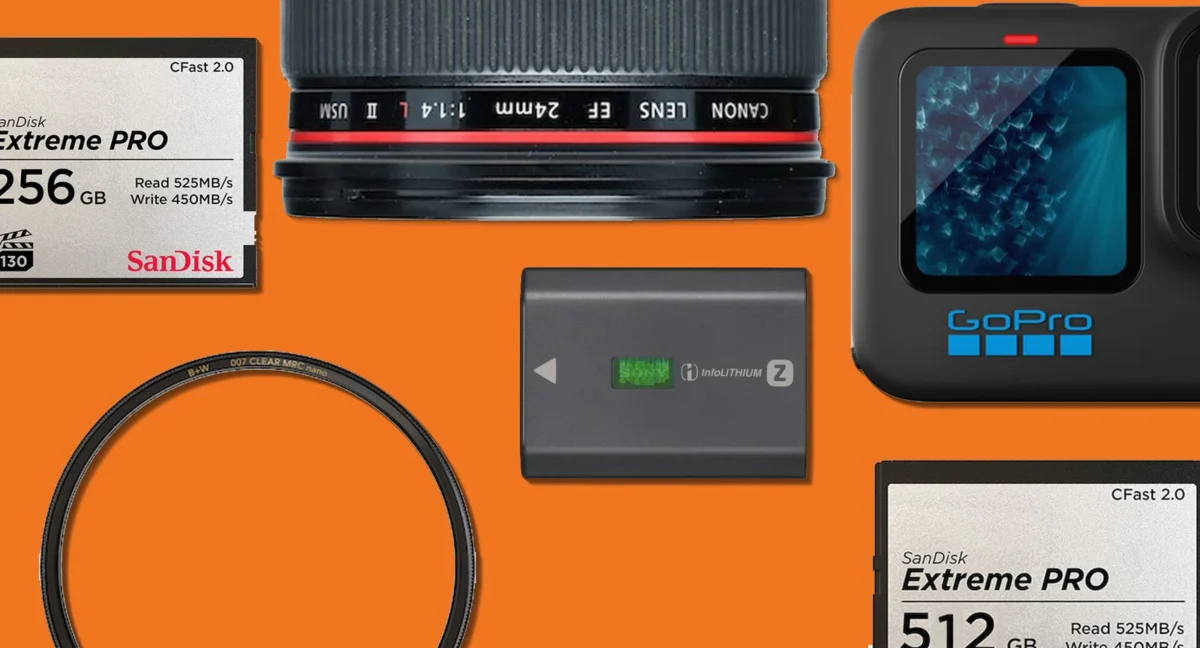
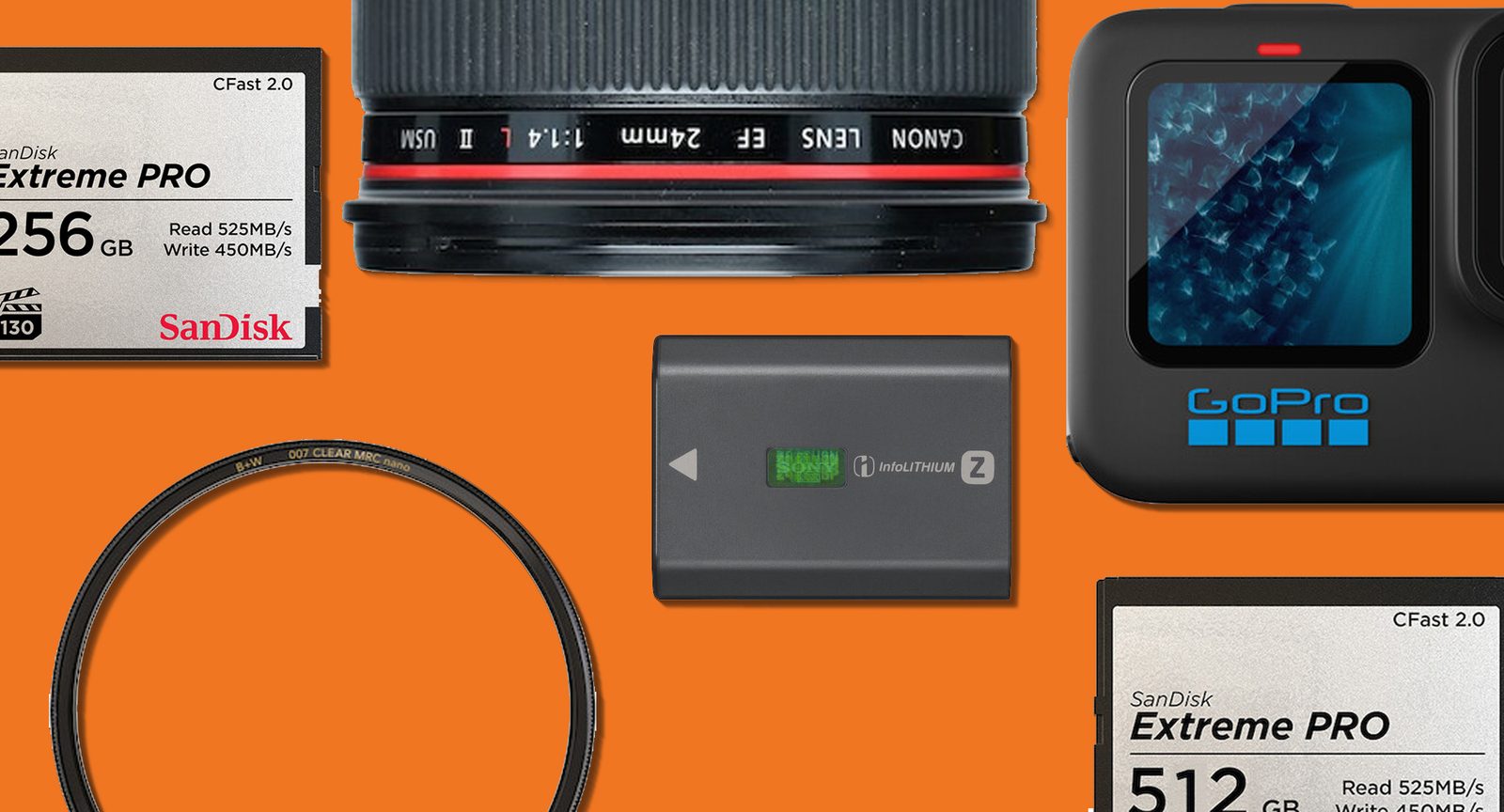
When examining the sheer quantity of items purchased, the data presents a clear picture: essential complementary products dominate. CFast cards, camera batteries, and UV filters consistently lead the list of most common customer purchases. This trend is not surprising; these items are fundamental to the operation of any camera system, are often consumable or require frequent replacement, and represent a practical investment for any working professional or serious hobbyist. Their dominance by volume underscores the foundational needs of the creative community, often purchased as part of a complete kit alongside a rented camera or lens, or acquired as reliable spares after extensive use. The "Keeper program" is particularly conducive to these purchases, allowing users to secure well-vetted accessories that have proven their worth during a rental period.
Beyond these indispensable accessories, the data reveals a significant preference for a specific high-value item: the Canon EF 24-70mm f/2.8L II lens. This lens, a perennial contender for most rented optics, consistently tops the list of high-value purchases. Its continued popularity as a purchased item, even in late 2025, speaks volumes about its enduring performance and perceived value. With Canon’s strategic shift towards its mirrorless RF lens lineup, many EF lenses, while still highly capable, have seen more attractive pricing in the secondary market and through programs like Lensrentals’ Keeper initiative. This makes the EF 24-70mm f/2.8L II a compelling "bargain" for professionals seeking top-tier optical quality and reliability without necessarily transitioning fully to a new mirrorless system or paying the premium for the equivalent RF glass. Its versatility as a workhorse zoom, combined with its robust build and exceptional image quality, ensures its place as a trusted investment for a wide range of photographic and videographic applications.
Brand Market Share: A Three-Year Trajectory (2023-2025)
Analyzing the brand purchase market share by revenue across 2023, 2024, and 2025 provides critical insights into the evolving competitive landscape and consumer trust.
Canon’s Unwavering Lead (23.55% in 2025):
Canon continues its reign as the top brand for customer purchases in 2025, securing 23.55% of the market share by revenue. While slightly down from its 2023 peak of 28.43%, it has seen a marginal recovery from 22.99% in 2024. This consistent leadership, despite the ongoing industry-wide transition to mirrorless, can be attributed to several factors. Canon’s long-standing reputation for reliability and professional-grade equipment, coupled with a vast ecosystem of lenses and accessories, fosters strong brand loyalty. The strategic pricing of its highly capable EF lenses, like the 24-70mm f/2.8L II, presents a compelling value proposition for customers looking to invest in proven technology. Industry analysts suggest that Canon’s robust market presence and the continued demand for its EF-mount lenses indicate a segment of the professional market that prioritizes established performance and cost-effectiveness, especially for secondary systems or specific project needs.
Sony’s Retreat (16.60% in 2025):
In a notable shift, Sony experienced a significant decline in its purchase market share, dropping from 28.83% in 2023 to 21.60% in 2024, and further to 16.60% in 2025. This represents a considerable 5% drop in just one year and a fall from the leading position it held in 2023. While Sony’s mirrorless systems continue to be highly popular for rentals, this decrease in outright purchases through Lensrentals’ program could point to several underlying dynamics. One possible explanation is market saturation within Sony’s early adopter base; many professionals who initially embraced Sony’s mirrorless revolution may have already purchased their core gear directly from retailers. Alternatively, the intensely competitive mirrorless market, with strong offerings from Canon RF and Nikon Z, may be diffusing purchase intent. It’s also plausible that customers are choosing to buy new Sony gear directly from retail channels or authorized dealers rather than through a rental-to-own program, especially for the very latest models. This trend suggests a nuanced relationship between rental popularity and long-term purchasing commitment for the brand.
DJI’s Meteoric Rise (9.95% in 2025):
Perhaps the most surprising and significant upward trajectory belongs to DJI, which climbed to become the third-most-popular brand for purchases, achieving 9.95% market share in 2025, up from 7.22% in 2023. This ascent positions DJI ahead of traditional camera giants like Nikon and Fujifilm. DJI’s success underscores the growing importance of videography, content creation, and cinematic tools beyond conventional camera bodies and lenses. The brand’s dominance in drones, gimbals, and stabilization systems caters to a rapidly expanding segment of creators who require sophisticated motion capture and dynamic camera control. This trend reflects a broader industry shift where integrated systems for video production are becoming as critical as the camera itself, driving sustained investment in these specialized tools.
Nikon’s Steady Gains (4.90% in 2025):
Nikon demonstrated steady, albeit marginal, growth, increasing its market share from 3.93% in 2023 to 4.90% in 2025. This incremental improvement suggests a positive reception for its mirrorless Z-system, indicating that while it may not challenge the top two for overall volume, it is steadily building a loyal customer base for outright purchases.
Niche Growth and Specialized Players:
The remainder of the market share table showcases a diverse ecosystem of specialized brands experiencing modest gains:
- Blackmagic: Rose from 2.41% in 2023 to 3.43% in 2025, highlighting continued investment in its cinema cameras and production tools.
- Leica: Saw an increase from 1.63% to 3.25%, indicating a niche but growing market for its premium optics and cameras, likely among connoisseurs and specialized professionals.
- Fujifilm: Grew from 1.29% to 3.24%, reflecting increasing confidence in its medium format and APS-C mirrorless systems.
- Aputure: A leading brand in LED lighting, increased its share from 2.38% to 3.01%, underscoring the critical role of professional lighting equipment in modern productions.
- SmallHD: Specializing in on-camera monitors, saw its share rise from 1.58% to 2.83%, reinforcing the demand for reliable monitoring solutions on set.
- Panasonic: Maintained a stable presence, moving from 2.05% to 2.76%, demonstrating consistent interest in its Lumix line, particularly for video-centric users.
- Sigma: Experienced a slight dip from 3.09% to 2.42%, possibly indicating stronger competition in the third-party lens market or a shift in consumer preference.
Teradek’s Ascendance: The Wireless Revolution on Set (2.83% in 2025):
One of the most striking developments is Teradek’s dramatic leap in market share, skyrocketing from 1.02% in 2023 and 0.92% in 2024 to 2.83% in 2025. This substantial increase is directly corroborated by the data on the most common purchases of gear introduced in 2025, where the Teradek 6G V Antenna takes the top spot. Furthermore, the Teradek Wireless Antenna for Bolt 500/1000 holds the second position among all popular purchases. This trend unequivocally highlights the escalating demand for fast, reliable wireless video transmission on professional film and video sets. The necessity for seamless communication, remote monitoring, and untethered workflows is becoming paramount, driving significant investment in specialized wireless solutions. This demonstrates a clear industry shift towards enhancing efficiency and flexibility in production environments, making Teradek’s technology a critical component for modern filmmaking.
Emerging Technologies and New Product Adoption:
The focus on new product purchases further solidifies the trend towards workflow optimization. The Teradek 6G V Antenna, a critical component for high-speed, long-range wireless video transmission, topping the list of new products, speaks volumes. This isn’t just about capturing images; it’s about how those images are managed, monitored, and transmitted in real-time on a dynamic set. The rapid adoption of such specialized wireless solutions indicates that production teams are actively investing in technologies that streamline operations, improve collaboration, and enhance the overall efficiency of their workflows. This is a clear signal that the industry is moving towards more integrated and responsive production environments, where connectivity and real-time data flow are as important as image fidelity.
Industry Implications and Forward Outlook:
The Lensrentals 2025 purchase data offers several profound implications for manufacturers, consumers, and the broader photography and videography industries.
For Manufacturers: The data reinforces the need for brands to understand the nuanced purchasing decisions of their customer base. While innovation drives rental interest, long-term investment often gravitates towards proven reliability, value, and essential workflow tools. Canon’s sustained success with its EF line, even amidst its RF push, demonstrates the enduring power of a strong legacy ecosystem and strategic pricing. Sony’s decline in purchases, despite its strong rental performance, suggests a need to re-evaluate its long-term value proposition or distribution strategies for direct sales. The remarkable rise of DJI and Teradek highlights the imperative for traditional camera manufacturers to recognize and integrate with, or even develop, complementary technologies that address the evolving demands of content creators for stabilization, drones, and wireless transmission. The market is increasingly holistic, and success requires more than just a great camera body.
For Consumers and Professionals: The data validates a strategic approach to gear acquisition. The popularity of the Canon EF 24-70mm f/2.8L II underscores that investing in high-quality, proven optics, even if from a previous generation, can offer exceptional value and performance. It suggests a pragmatic approach where budget-conscious professionals are prioritizing performance per dollar. The dominance of accessories like memory cards and batteries emphasizes that a complete, reliable kit extends far beyond the camera body. Furthermore, the significant investment in Teradek’s wireless solutions signals that professionals are actively seeking tools that enhance their efficiency and adaptability on set, recognizing that time and seamless workflow are increasingly valuable assets.
The Hybrid Acquisition Model: The unique insights from Lensrentals highlight the growing importance of a hybrid acquisition model. Professionals are increasingly leveraging rentals to test, experiment, and fulfill short-term project needs, while carefully selecting specific items for outright purchase based on proven performance and long-term utility. The "Keeper program" itself is a testament to this integrated approach, blurring the lines between temporary access and permanent ownership. This model allows for greater financial flexibility and ensures that capital investments are made in equipment that genuinely enhances productivity and creative output.
The Evolving Ecosystem: Ultimately, the 2025 purchase data paints a picture of an evolving industry. It’s no longer solely about the camera and lens; it’s about the entire ecosystem of tools that enable modern content creation. This includes drones, gimbals, advanced lighting, and, critically, robust wireless transmission systems. Brands that can provide integrated solutions or excel in these specialized, high-demand niches are poised for significant growth. The consistent sharing of such detailed market data by entities like Lensrentals serves as an invaluable resource, offering a transparent look into the actual investment patterns shaping the future of visual storytelling.