The global landscape of video camera manufacturing for content creators is currently exhibiting a profound divergence, with Chinese technology giant DJI experiencing unparalleled market saturation in Japan while simultaneously navigating significant legal and competitive headwinds in the United States. Recent data from the BCN Ranking in Japan reveals an extraordinary level of market control, with DJI products claiming all top ten spots among best-selling video cameras last month. This near-monopoly, even for a company renowned for its global influence, underscores DJI’s formidable presence in certain international markets. However, this Japanese success story stands in stark contrast to the company’s increasingly precarious position in the U.S., where regulatory challenges and the ascendance of competitors like Insta360 are reshaping the competitive dynamics.
DJI’s pervasive influence in the video and content creator camera market is not a novel phenomenon. For years, the company has consistently held a dominant share, previously estimated at a whopping 73% of the video camera market globally. This established market power makes the current situation in Japan, where its products occupy every slot in the BCN top ten, particularly noteworthy. Such a level of market penetration is rarely observed in any consumer electronics segment and speaks to the company’s successful product development, marketing, and distribution strategies within the Japanese context. The BCN Ranking, a respected measure of consumer electronics sales across major retailers in Japan, provides a clear statistical snapshot of consumer preference in that nation, indicating a strong affinity for DJI’s range of creator tools, from gimbals to pocket cameras.
The Escalating Regulatory Quagmire in the United States
Conversely, DJI’s operations in the United States are mired in a deepening regulatory crisis, primarily spearheaded by concerns from the United States Federal Communications Commission (FCC). While DJI’s widely popular drones have been the most prominent subject of these governmental scrutinies, with the FCC currently weighing a retroactive ban on drone models it previously authorized for import and sale, the company’s creator cameras are facing similar, albeit less publicly discussed, obstacles. This broad regulatory dragnet highlights a growing apprehension within U.S. federal agencies regarding the national security implications and data privacy practices associated with technology manufactured by Chinese entities.
The most tangible evidence of this regulatory blockade in the consumer camera sector is the prolonged unavailability of DJI’s latest and most advanced offerings in the U.S. market. The new Osmo Pocket 4P, lauded by technology reviewers for its exceptionally impressive sensor and video quality—often compared favorably to full-frame camera footage—remains inaccessible through official U.S. channels. The same restriction applies to its predecessor, the Osmo Pocket 4. These two models, in their various configurations and bundles, were responsible for six of the ten best-selling video camera positions in Japan last month, illustrating the significant market demand and technological leadership that U.S. consumers are currently being denied. This situation presents a dual disadvantage: a bad outcome for American consumers who are restricted in their choice of advanced imaging tools, and a worse one for DJI, which is losing access to a critical global market for its cutting-edge products.
A Timeline of Mounting Tensions
The current predicament for DJI in the U.S. is not an isolated event but rather the culmination of several years of escalating geopolitical tensions and specific policy actions.
- Early 2010s: DJI rapidly ascends to become the global leader in consumer and professional drones, establishing a strong presence in the U.S. market with minimal regulatory friction.
- Mid-2010s: Initial concerns begin to surface within U.S. government circles regarding data security and potential intelligence risks associated with Chinese-made drones, particularly for government and critical infrastructure use.
- 2017-2019: The U.S. Department of Defense issues memos warning against the use of Chinese-made drones. The U.S. Congress passes legislation restricting federal agencies from purchasing drones from countries deemed national security risks, specifically targeting China.
- 2020: The U.S. Department of Commerce adds DJI to its "Entity List," citing national security concerns, which restricts U.S. companies from exporting technology to DJI without a license. While primarily impacting supply chains, it signals a broader government stance.
- 2023-2024: Broader legislative efforts, such as the "Countering CCP Drones Act," gain traction, aiming to prohibit DJI drones from operating on U.S. infrastructure and to potentially restrict future imports. The FCC begins actively considering a retroactive ban on previously approved DJI drones.
- 2026 (current context): The direct impact extends to DJI’s consumer camera lines, with new models like the Osmo Pocket 4 and 4P being officially withheld from the U.S. market, directly linking regulatory actions to consumer product availability. The case of Xtra, an entity effectively operating as a proxy for DJI, also facing FCC scrutiny, further underscores the systemic nature of the ban, indicating that circumventing the restrictions through rebranding is unlikely to succeed.
Insta360’s Strategic Opportunity in the Vacuum
This unprecedented regulatory environment has inadvertently created a massive strategic opportunity for DJI’s primary competitor in the action camera and creator camera segment: its longtime Chinese rival, Insta360. With DJI’s most compelling new products effectively barred from official distribution in the U.S., Insta360’s latest offerings are positioned to fill a significant void in the market.
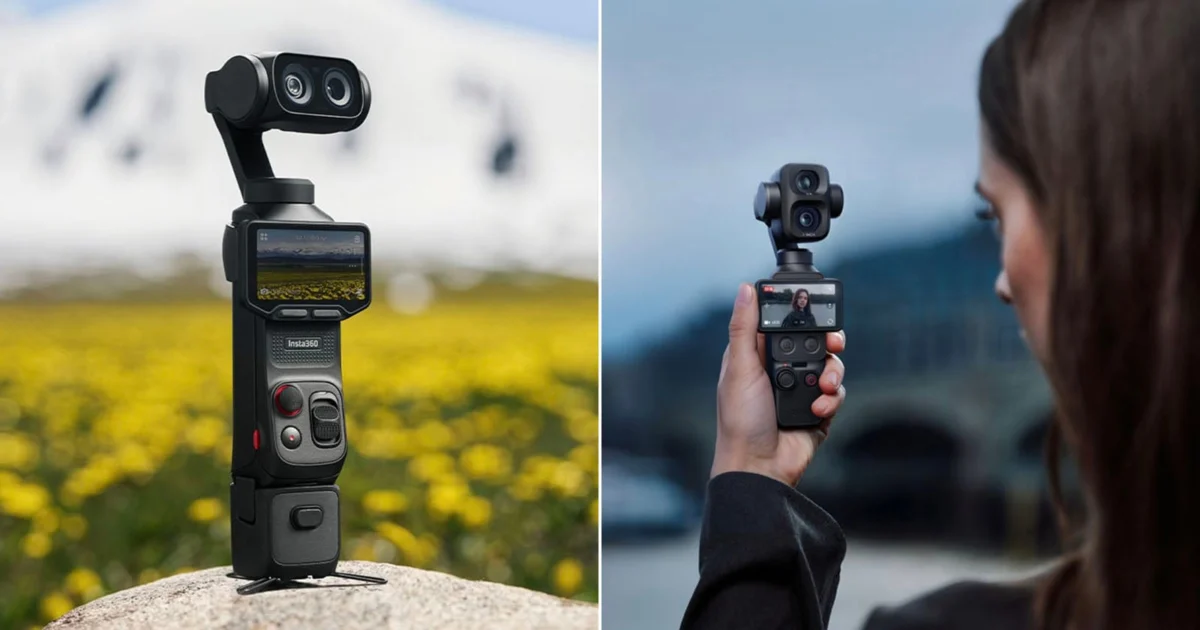
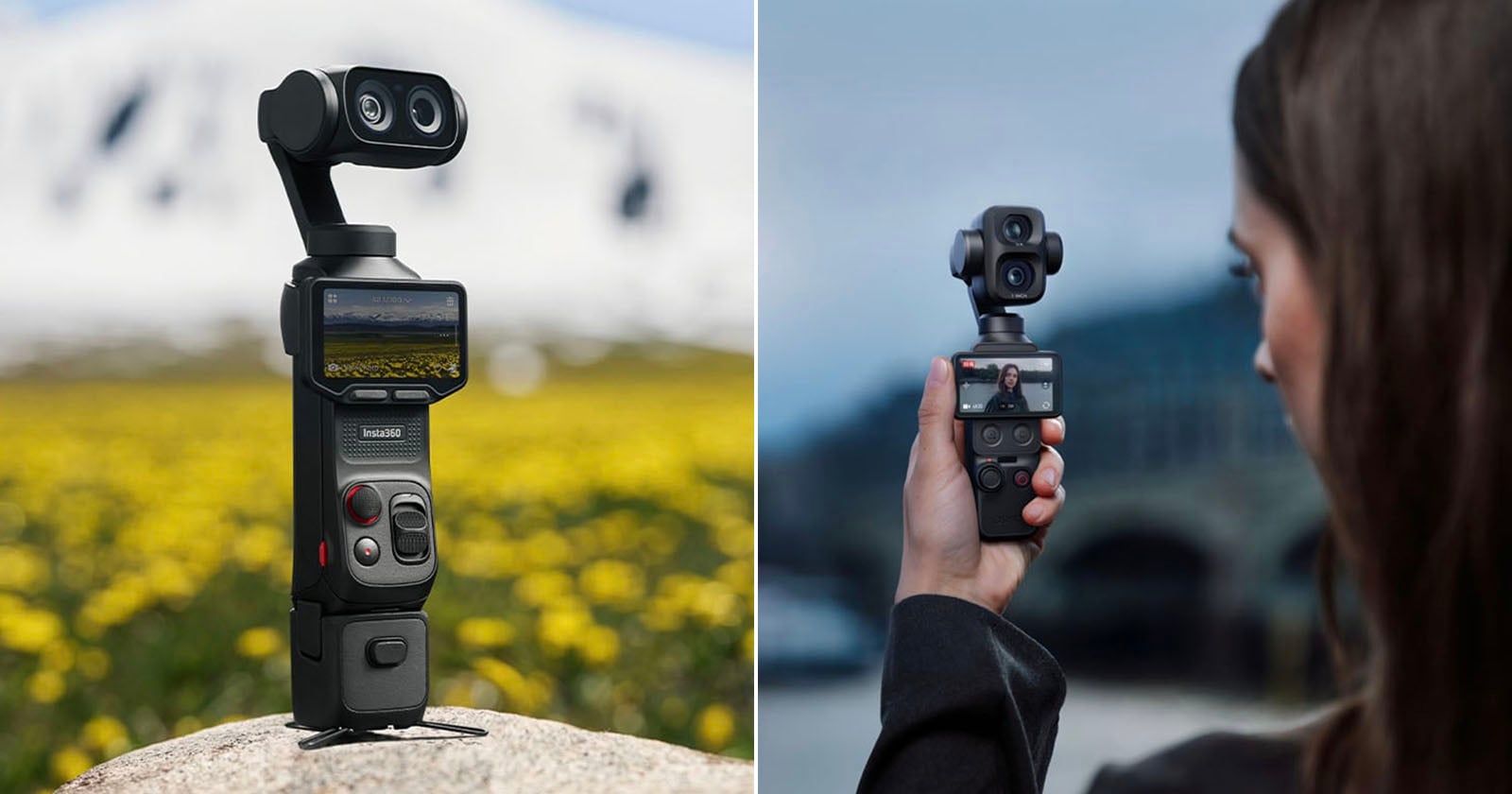
Insta360’s new Luna cameras, including the Luna Ultra—a direct competitor to the DJI Osmo Pocket 4P—have been well-received by critics and users alike. Reviewers commend the Luna Ultra as an excellent vlogging camera, demonstrating strong performance and innovative features, albeit with a few minor caveats. Crucially, for American consumers who prefer to purchase through authorized retailers with full warranty coverage, Insta360’s Luna series represents the only new, high-end option in this specific category. The absence of DJI’s competitive models leaves Insta360 with a virtually uncontested path to market dominance in the U.S. for these types of handheld gimbal cameras.
The profound shift in market dynamics has not gone unnoticed by industry observers. On a recent episode of the PetaPixel Podcast, YouTube creator Becca Farsace engaged in a discussion with hosts Chris and Jordan regarding the intensifying battle between DJI and Insta360. Farsace emphatically highlighted the "incredible opportunity" that Insta360 now holds in the U.S. market. When directly questioned about the potential for Insta360 to significantly erode DJI’s market share in the U.S., Farsace offered a definitive assessment: "Massive, yeah. And they’re going to take advantage of it, for sure." She further underscored the positive aspect that "the [Luna] is a good camera," implying that Insta360 is well-equipped to capitalize on this situation with a strong product lineup.
Broader Implications for Consumers, Competition, and the Global Tech Landscape
This unique situation carries substantial implications across multiple facets of the technology industry.
- Consumer Impact: For American consumers, the primary consequence is a reduction in choice and potentially stifled innovation. The inability to access leading-edge products from a dominant market player means fewer options, potentially higher prices for available alternatives due to reduced competition, and a slower pace of technological advancement being driven by market forces. While Insta360 offers a compelling alternative, a truly competitive market thrives on multiple strong players pushing each other forward.
- Competitive Landscape: The immediate beneficiary is Insta360, which has an unprecedented chance to significantly expand its market share in the U.S. and solidify its brand presence. This could lead to increased investment in R&D and marketing from Insta360, further accelerating its product development. Long-term, if DJI’s absence persists, it might also open doors for other smaller players or even new entrants into the U.S. market, though establishing a foothold against an established brand like Insta360 would still be challenging.
- Innovation and Supply Chains: The restrictions could compel DJI to reconsider its global manufacturing and distribution strategies, potentially leading to diversification away from purely Chinese production if it seeks to regain access to critical markets. It also highlights the growing fragmentation of the global technology market, where geopolitical considerations increasingly dictate product availability and supply chain resilience.
- Geopolitical Ramifications: The situation underscores the ongoing tech rivalry between the U.S. and China, where technology products, even consumer electronics, become proxies in a broader struggle over national security, economic influence, and technological supremacy. The FCC’s actions send a clear message that the U.S. government is willing to use regulatory tools to mitigate perceived risks from foreign technology, even if it impacts consumer choice and market dynamics.
This is an unprecedented scenario in a rapidly expanding camera market, particularly one catering to the burgeoning content creator economy. Never before have American consumers been so systematically cut off from accessing essentially all of the most popular and technologically advanced cameras from a market leader. Becca Farsace’s assessment holds true: this represents a monumental opportunity for Insta360. The coming months will reveal whether the company can effectively leverage this extraordinary confluence of circumstances to permanently alter the competitive landscape in its favor and consolidate a significant portion of the U.S. market share that DJI is currently unable to contest. The outcome will not only reshape the future of consumer video cameras but also serve as a telling indicator of the enduring impact of geopolitical factors on the global technology market.