A seasoned professional photographer, specializing in leading workshops for Backcountry Journeys, recently undertook a demanding expedition to Alaska’s Katmai National Park, leveraging a rented Canon RF 100-300mm f/2.8 L IS USM lens to capture the park’s iconic brown bears. The photographer’s meticulous planning and strategic equipment choices underscore the critical role specialized gear plays in achieving specific photographic objectives in challenging wildlife environments, particularly when facing subjects at variable distances. This detailed account offers an objective assessment of the lens’s performance and its contribution to a successful two-week workshop series at the renowned Brooks Falls.
The Demands of Professional Wildlife Photography Expeditions
Professional photography trip leaders operate at the intersection of logistical expertise and artistic vision. Their role extends beyond merely guiding participants; it encompasses ensuring optimal conditions for capturing high-quality images, which inherently necessitates careful consideration of photographic equipment. For the expedition to Katmai, a location globally recognized for its dense population of brown bears, the photographer’s objectives were clearly defined: secure intimate portrait shots with artistic background blur, capture wider-angle environmental images illustrating the bears within their habitat, and freeze dynamic action sequences of bears hunting salmon in the river.
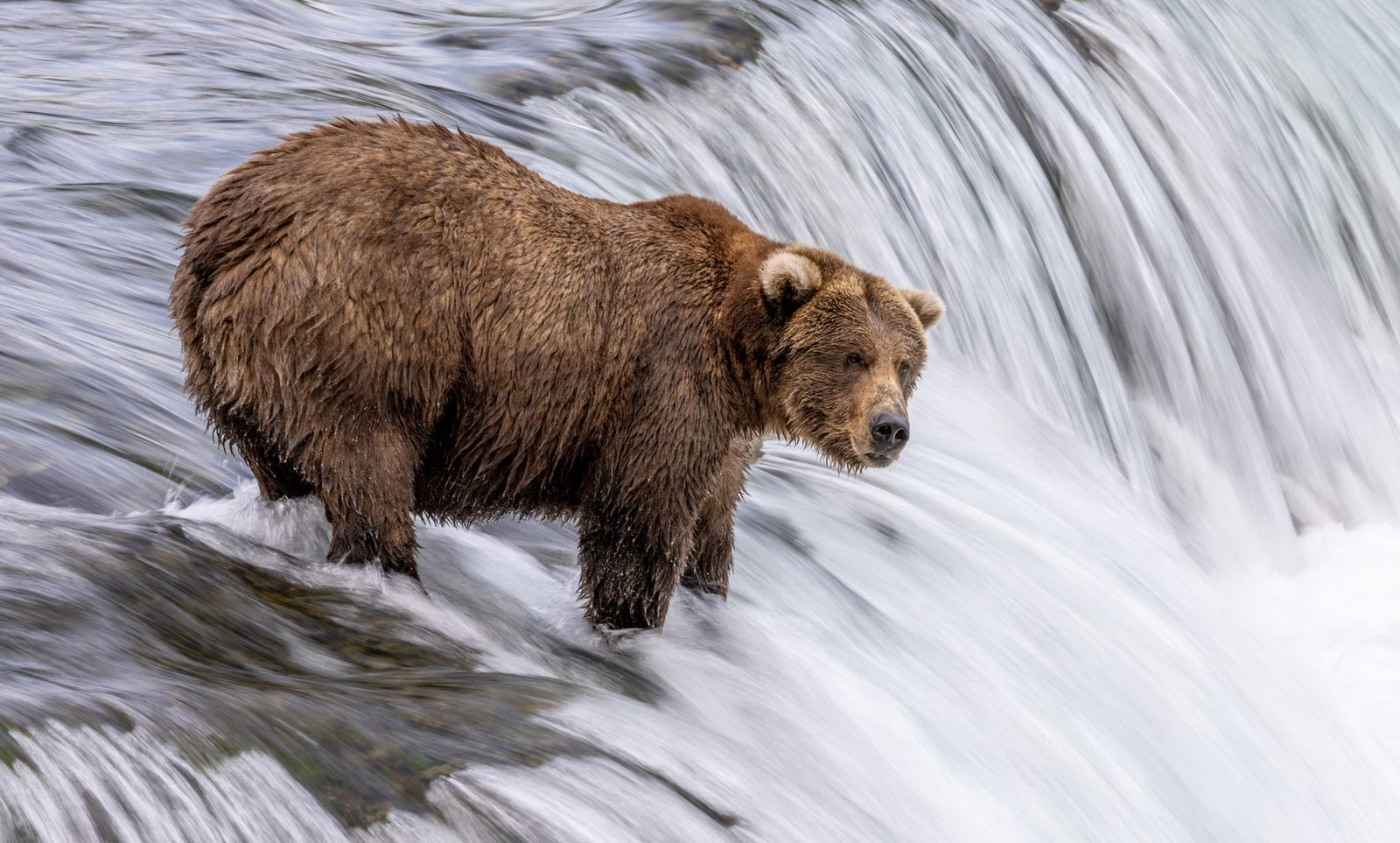
Katmai National Park, situated on the Alaska Peninsula, is a pristine wilderness spanning over four million acres. Its fame primarily stems from the annual salmon runs in rivers like the Brooks River, which attract hundreds of brown bears, making it an unparalleled destination for wildlife photography. The viewing platforms at Brooks Falls offer unique proximity to these powerful predators, presenting both incredible opportunities and specific challenges for lens selection. While a long prime telephoto lens, such as the Canon EF 600mm f/4, is often the default choice for distant wildlife, the dynamic range of subject distances at Brooks Falls frequently calls for a more versatile focal length.
Strategic Gear Selection and the Role of Lens Rentals
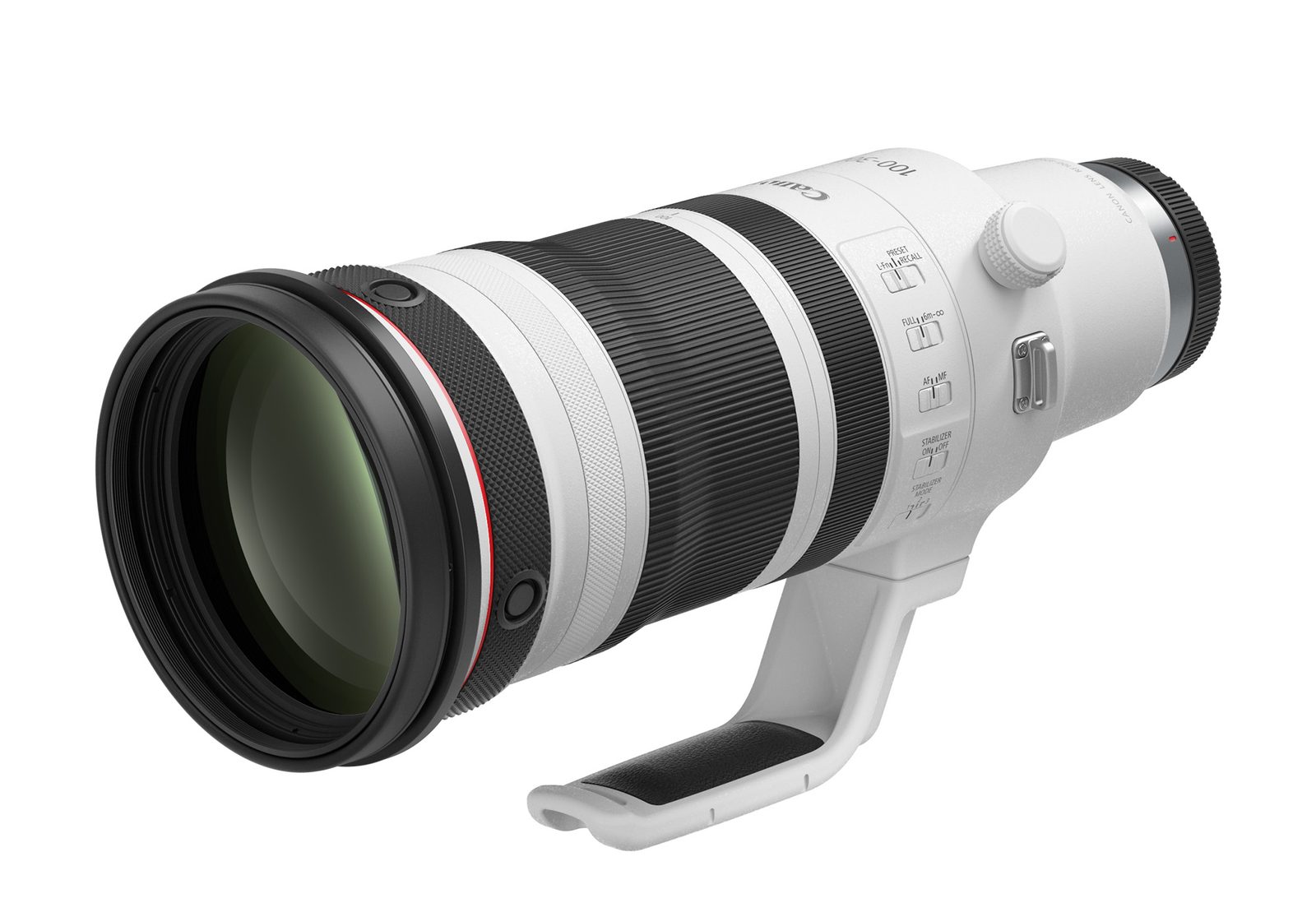
The decision to utilize the Canon RF 100-300mm f/2.8 L IS USM was not arbitrary but the result of extensive planning. The photographer, a dedicated Canon user, had identified this particular lens upon its release as a potential game-changer due to its unique combination of a versatile zoom range and a constant fast aperture. The Canon RF 100-300mm f/2.8 represents a significant engineering achievement, offering optical performance typically associated with prime lenses across a variable focal length. Its specifications include an optical construction of 23 elements in 18 groups, a minimum focusing distance of 1.8 meters (5.9 feet), and an advanced Image Stabilization system rated for 5.5 stops of correction, extending to 6.0 stops when paired with a camera featuring in-body image stabilization (IBIS). Weighing approximately 2.59 kg (5.7 lbs) and measuring around 32.34 cm (12.73 inches) in length, it is a substantial but manageable lens designed for professional use.
Given the lens’s premium status and significant investment cost, renting equipment from specialized services like Lensrentals has become a standard practice for professionals. This approach allows photographers to access high-end, specialized lenses for specific projects without the prohibitive cost of outright purchase, enabling them to test new technologies or supplement their existing kit for unique assignments. The photographer noted a consistent positive experience with Lensrentals in previous engagements, reinforcing the decision to secure the RF 100-300mm f/2.8 for the Katmai workshops. This strategy ensured that the precise tools required for the envisioned shots were available, optimizing the chances of capturing the desired imagery.
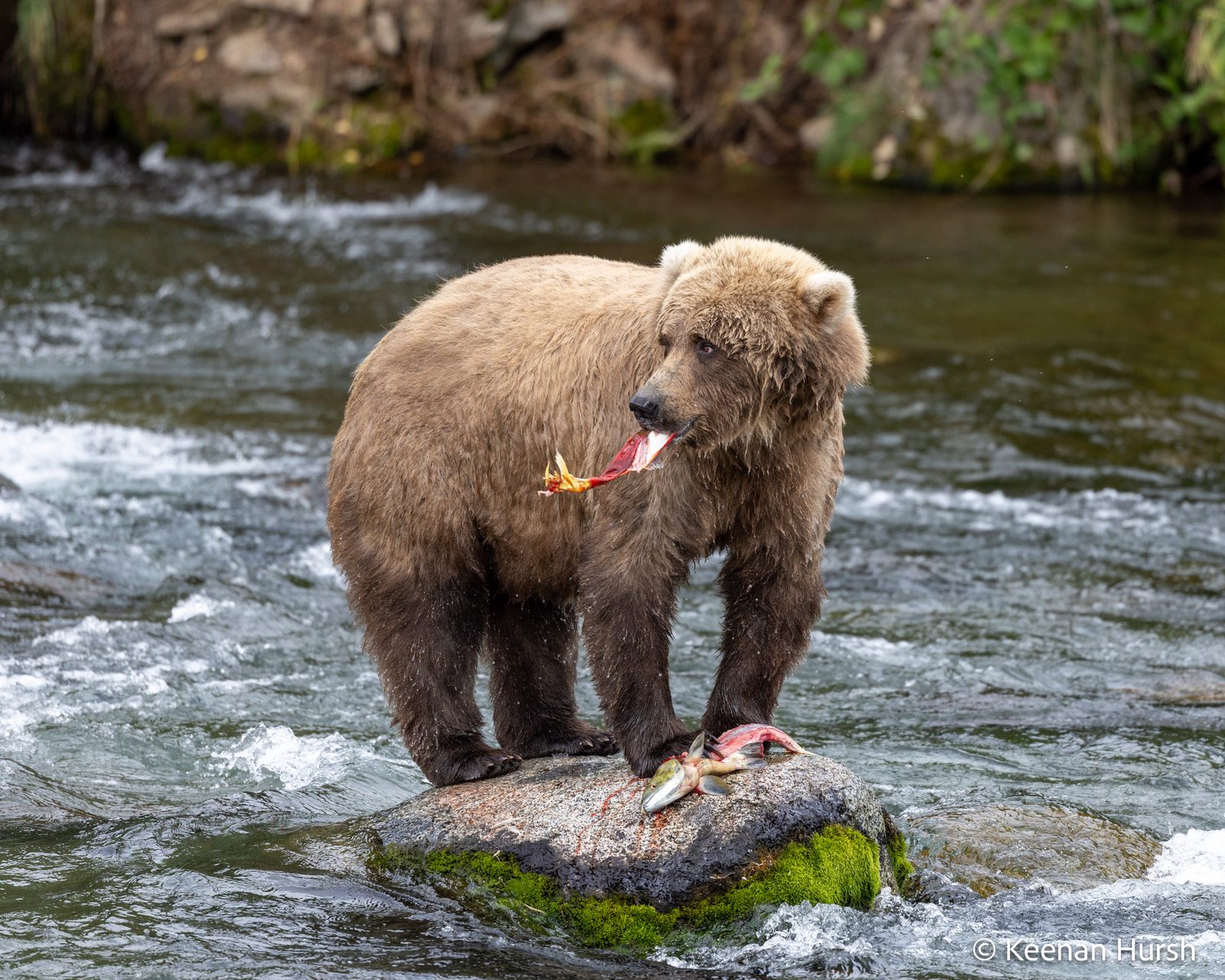
Overview of the Canon RF 100-300mm f/2.8 L IS USM
The Canon RF 100-300mm f/2.8 L IS USM has garnered considerable attention since its introduction, signaling Canon’s commitment to developing a new generation of high-performance telephoto and super-telephoto zoom lenses for its mirrorless RF system. This lens is perceived as a foundational step in Canon’s strategy to deliver zoom lenses that rival the sharpness and optical quality of traditional prime lenses, a demanding objective that this particular optic appears to largely fulfill.
During the eight-day photographic immersion in Katmai, the lens proved to be an exceptionally valuable asset. The prevalence of bears at varying distances around Brooks Falls, from distant foraging animals to those mere yards away from viewing platforms, highlighted the lens’s inherent flexibility. The ability to transition seamlessly from a 600mm prime for more distant subjects to the 100-300mm zoom for closer encounters proved invaluable. Within a range of 50-75 yards, the 100-300mm became the primary choice, allowing for rapid compositional adjustments without the need for lens changes. Furthermore, the constant f/2.8 maximum aperture was instrumental in achieving excellent subject isolation against smoothly blurred backgrounds and in maintaining manageable ISO settings in challenging low-light conditions, a common scenario in the Alaskan wilderness.
In-Depth Performance Analysis: Strengths and Considerations
The expedition provided ample opportunity to evaluate the Canon RF 100-300mm f/2.8 across various photographic scenarios. Several key performance aspects consistently stood out as significant advantages.
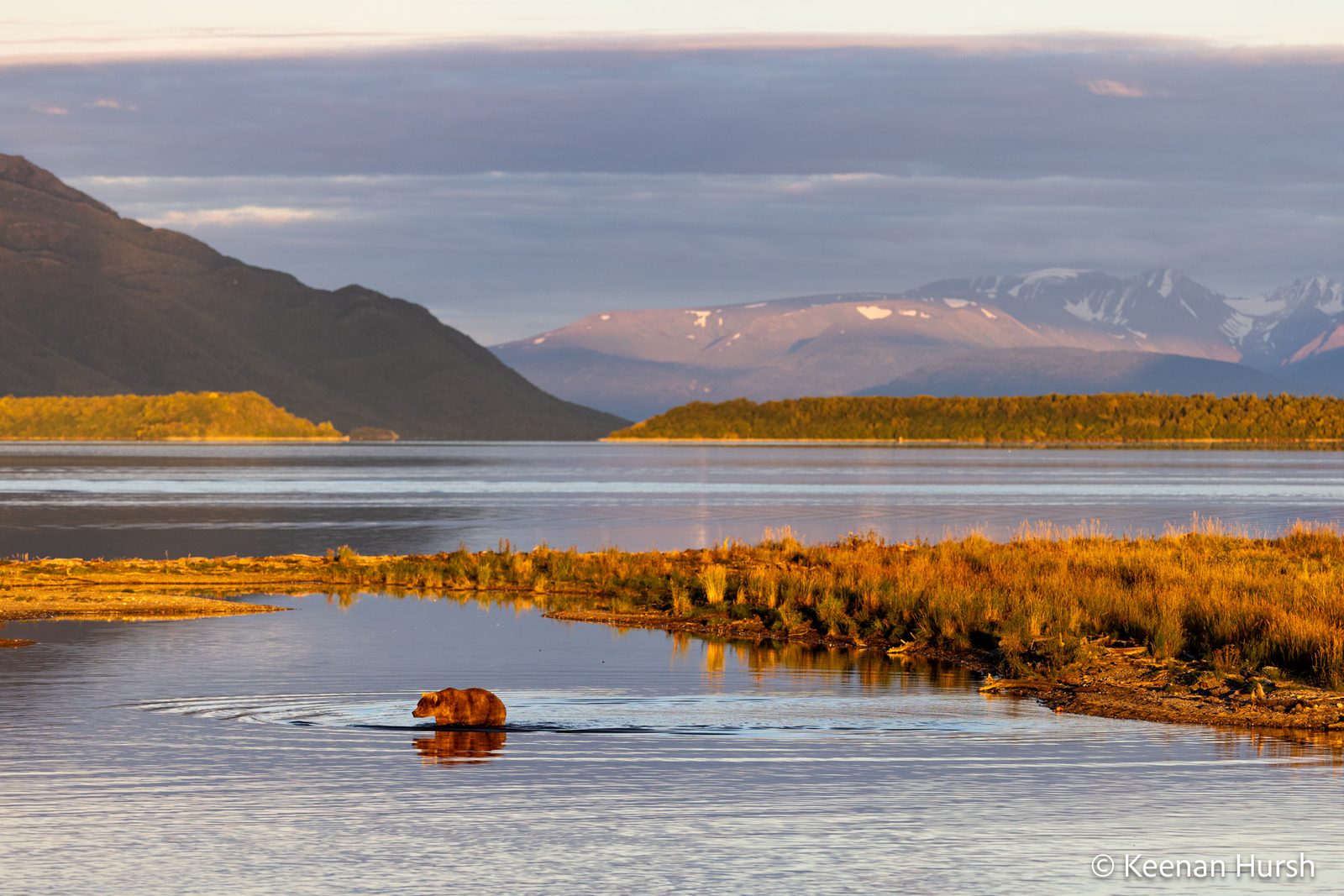
Exceptional Optical Performance and Image Sharpness
A paramount requirement for professional wildlife photography is unparalleled image sharpness. The RF 100-300mm f/2.8 delivered consistently sharp images across its entire focal range and aperture settings. This optical fidelity allowed for significant cropping in post-production when necessary, without compromising image quality—a critical factor when dealing with unpredictable wildlife subjects. The lens’s advanced optical design, incorporating specialized elements, effectively minimized aberrations, contributing to its renowned clarity.
Versatile Focal Range and Constant Aperture
The 100-300mm focal range, coupled with a constant f/2.8 aperture, is arguably the lens’s most compelling feature. This combination offers unprecedented flexibility for wildlife photographers. It allows for capturing wide environmental shots at 100mm, closer portraits at 300mm, and dynamic action in between, all without changing lenses. The f/2.8 aperture, maintained throughout the zoom, ensures consistent light gathering capability and depth-of-field control, crucial for isolating subjects and performing well in variable lighting.
Advanced Image Stabilization
The integrated Image Stabilization (IS) system was highly effective, particularly beneficial for handholding the lens in dynamic shooting situations or when light levels necessitated slower shutter speeds. The stated 5.5 stops of stabilization provided a significant advantage, reducing the reliance on high ISO settings and enabling sharper images in conditions where a tripod might be impractical or restricted. This feature proved invaluable for capturing bears in motion or reacting quickly to fleeting moments.
Rapid and Accurate Autofocus
For fast-moving subjects like fishing brown bears, the speed and accuracy of the autofocus system are non-negotiable. The RF 100-300mm f/2.8, when paired with compatible Canon RF-mount bodies, exhibited swift and precise autofocus performance. This enabled the photographer to consistently track and capture bears charging through water or interacting with their environment, ensuring critical moments were not missed due to focus acquisition delays.
Robust Build Quality and Ergonomics
Constructed to Canon’s professional L-series standards, the lens features a weather-sealed, durable design, essential for the harsh and unpredictable conditions often encountered in remote locations like Katmai. Its robust build provides confidence in adverse weather, while its ergonomic design, despite its size, facilitates comfortable handling during extended shooting sessions. The controls are intuitively placed, allowing for quick adjustments in the field.
Considerations and Potential Drawbacks
While the lens’s performance was overwhelmingly positive, a comprehensive review necessitates acknowledging certain practical considerations. The primary point of discussion often revolves around the lens’s substantial weight and cost.
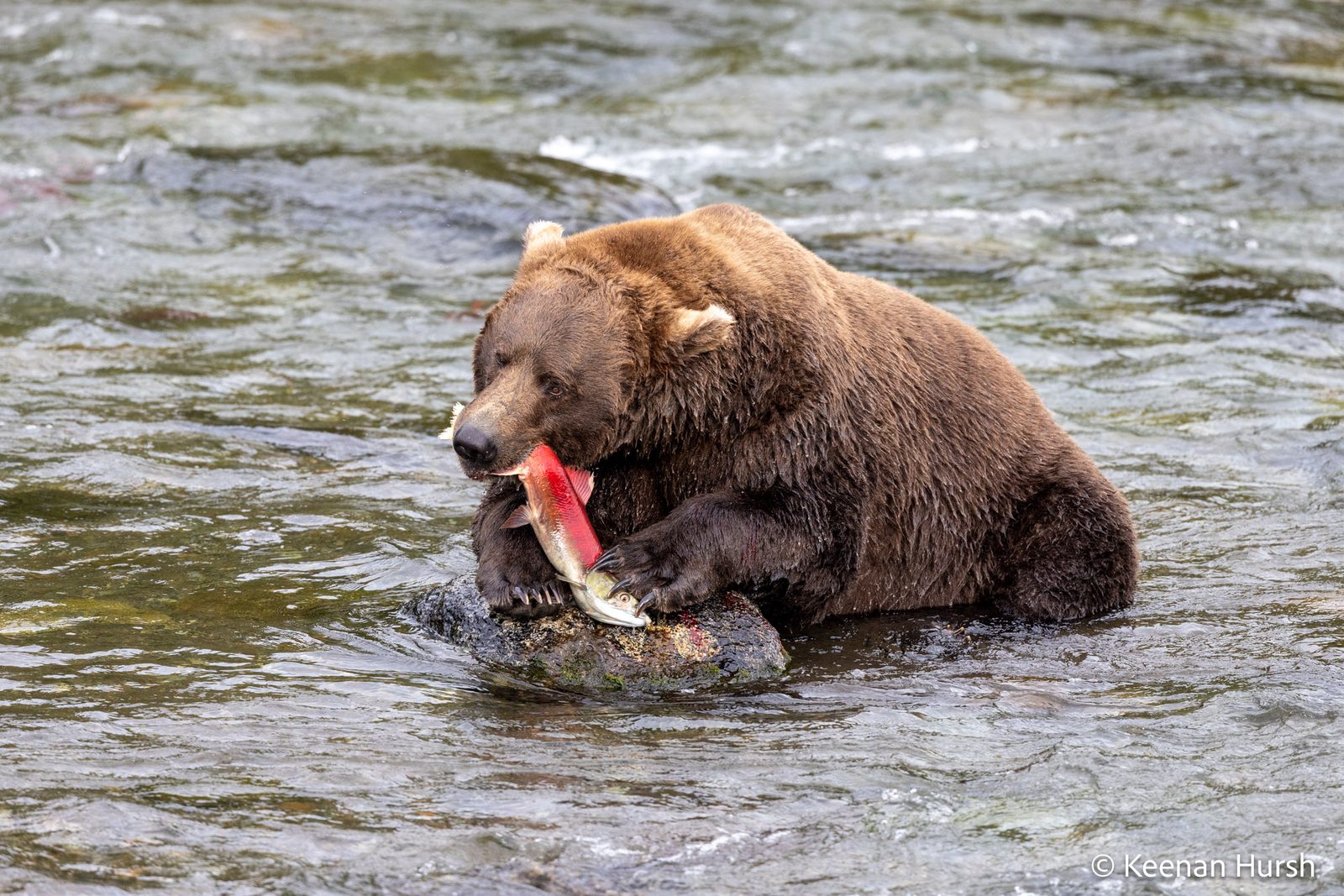
Weight and Size: At approximately 2.59 kg (5.7 lbs), the RF 100-300mm f/2.8 is a heavy lens. While this weight is a trade-off for its robust construction and wide aperture, it can contribute to photographer fatigue during prolonged handholding. However, it is important to contextualize this; carrying a single 100-300mm f/2.8 zoom is often lighter and more versatile than carrying multiple prime lenses (e.g., 100mm, 200mm, 300mm primes, each at f/2.8).
Acquisition Cost: With a market price typically ranging between $9,500 and $10,000 USD, the Canon RF 100-300mm f/2.8 represents a significant financial investment. This high cost is a primary reason why rental services are indispensable for many professionals and enthusiasts who require such specialized equipment for specific projects rather than permanent ownership. The cost reflects its advanced optical design and professional-grade construction.
These points, while noted, are largely inherent characteristics of a lens offering such a unique combination of focal length and aperture, and were thoroughly weighed against its benefits prior to the rental.
Field Application and Photographic Achievements
The practical application of the Canon RF 100-300mm f/2.8 in Katmai yielded highly successful results. The ability to quickly adjust focal length allowed the photographer to capture a diverse range of images that would have been considerably more challenging, if not impossible, with a fixed prime lens or a slower zoom.
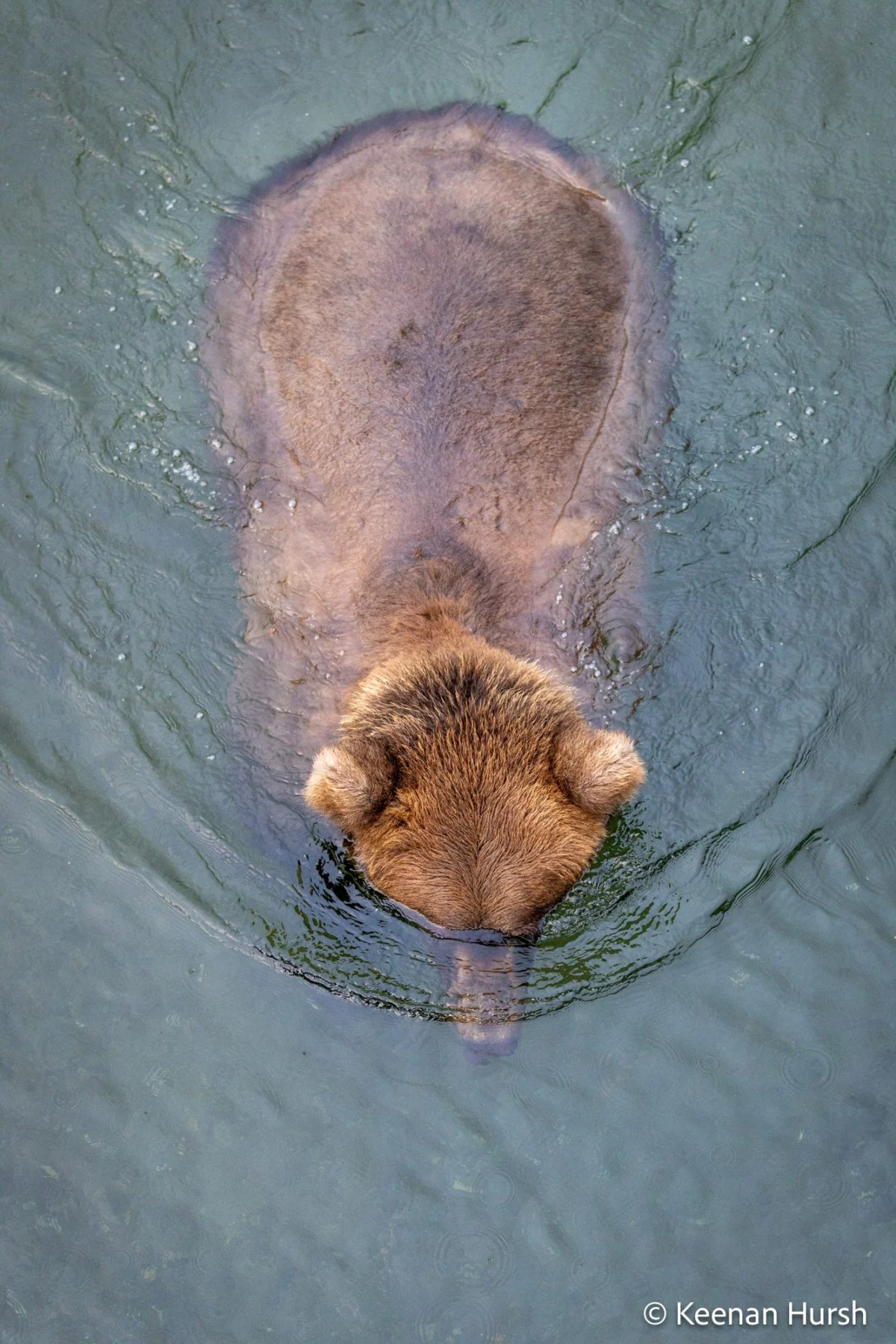
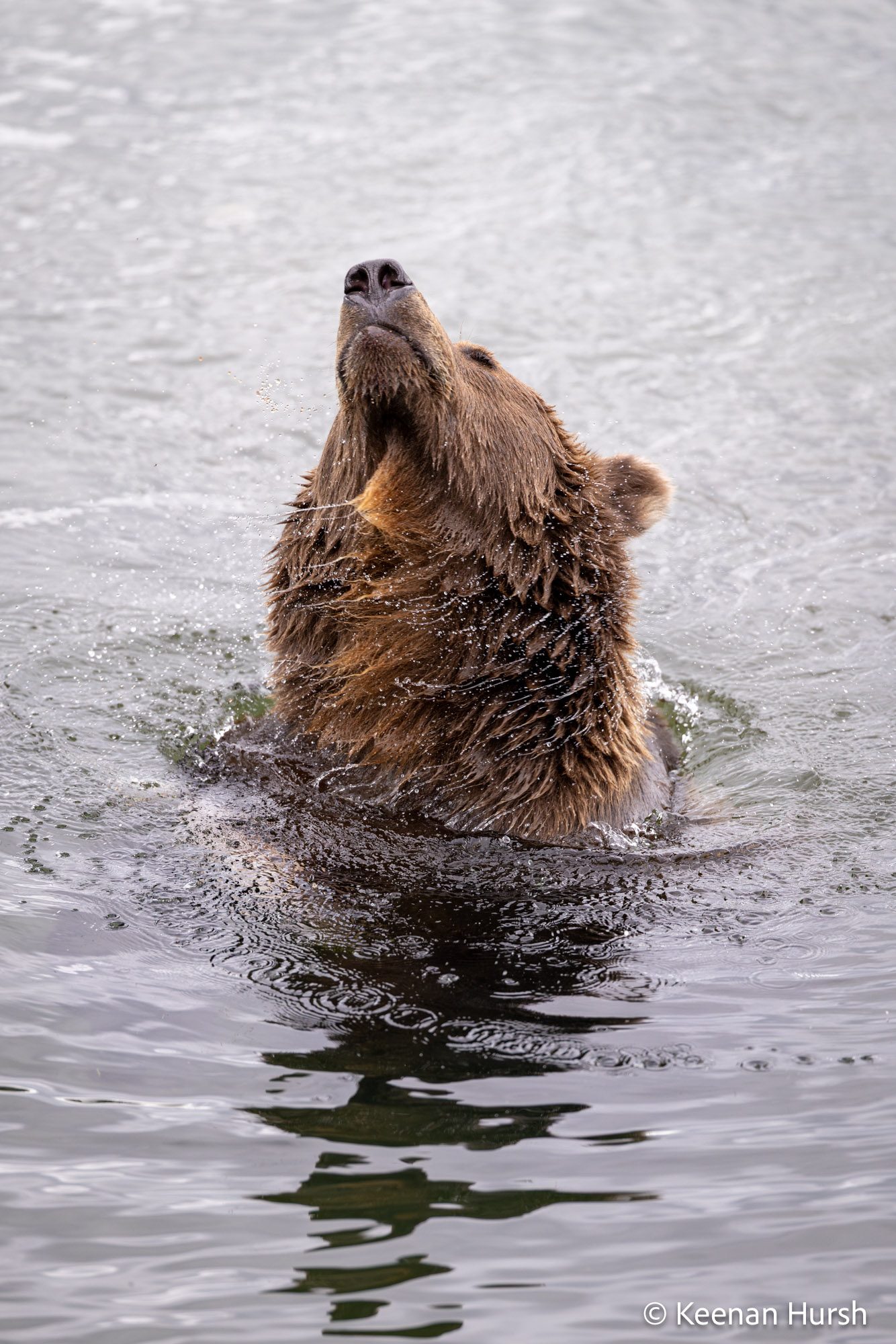
- Up-close portraits: The 300mm end, combined with the f/2.8 aperture, created stunningly sharp bear portraits with beautifully rendered, creamy bokeh, effectively isolating the subject from the background.
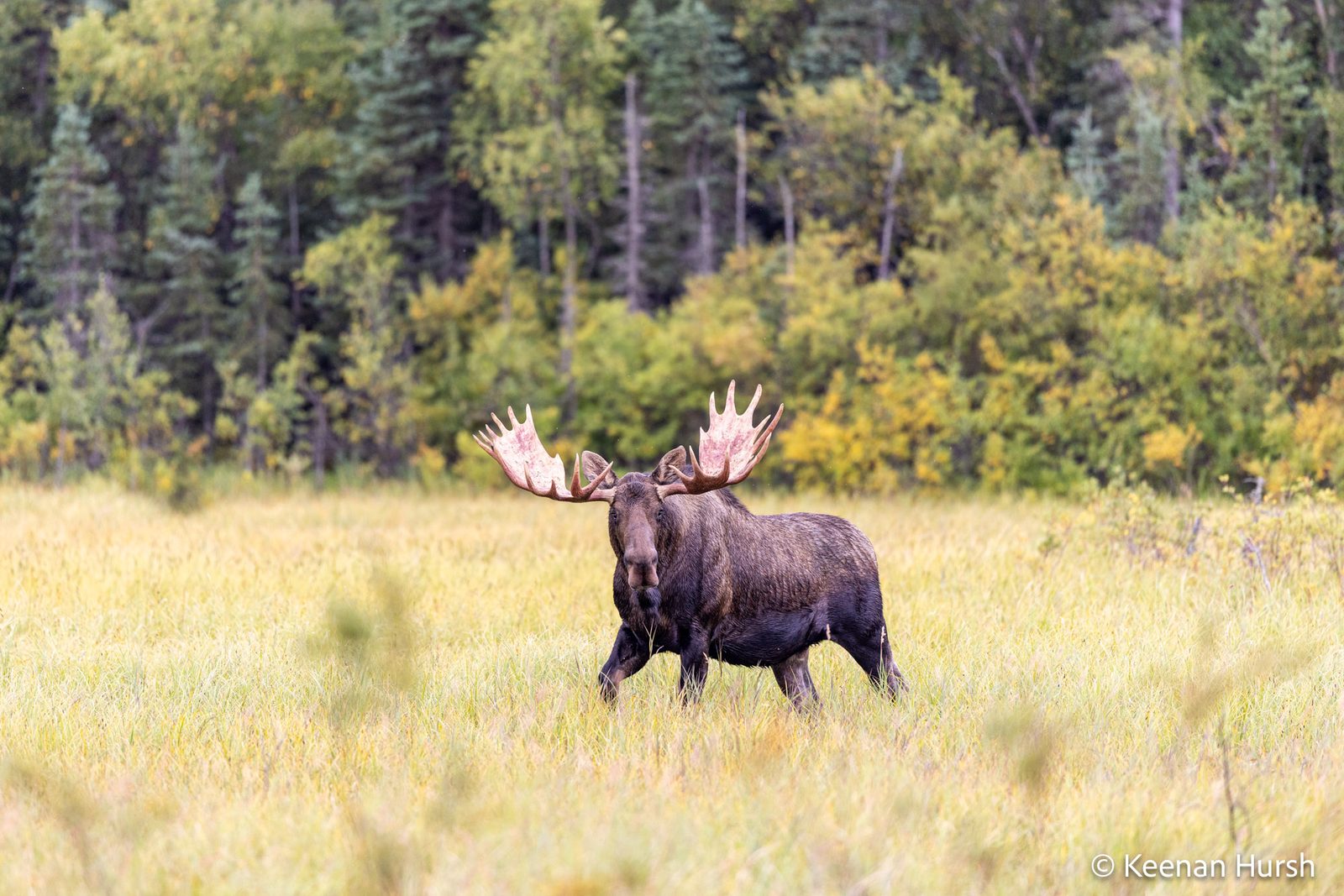
- Environmental shots: The 100mm end provided the necessary field of view to compose bears within their dramatic Alaskan landscape, offering context and a sense of scale.
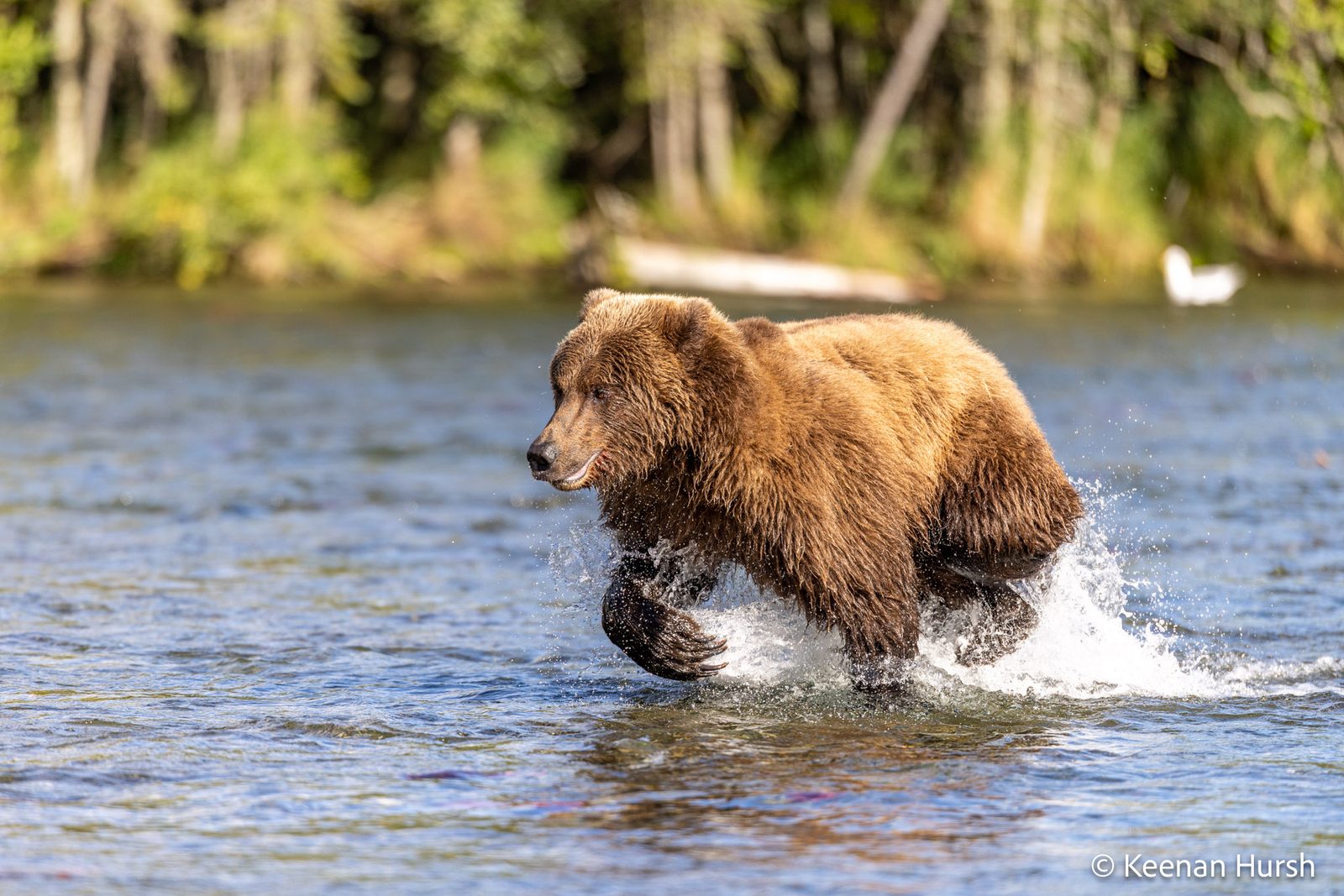
- Action sequences: The fast autofocus and versatile zoom range were crucial for capturing bears mid-leap while fishing, or charging through the water, freezing their powerful movements with clarity.
The successful capture of these varied shots directly validated the initial planning and the decision to rent this specific lens. The images obtained during the workshops served not only as personal achievements but also as valuable learning material for the participants, demonstrating the capabilities of high-end equipment in expert hands.
Broader Implications: Industry Trends and Rental Value
The experience with the Canon RF 100-300mm f/2.8 L IS USM in Katmai National Park carries broader implications for both the photographic industry and individual photographers.
Canon’s Strategic Direction: This lens exemplifies Canon’s ongoing commitment to pushing the boundaries of optical engineering within its RF mirrorless system. By developing zooms that approach prime lens quality, Canon is addressing the evolving needs of professional photographers who demand both versatility and uncompromising performance. This trend suggests a future where high-performance zooms may increasingly replace multiple primes in a photographer’s kit for certain applications.
The Value of Equipment Rental Services: The successful integration of a rented lens into a professional expedition highlights the invaluable role of services like Lensrentals. They democratize access to prohibitively expensive gear, allowing photographers to utilize specialized tools for specific projects, test equipment before a significant purchase, or simply expand their creative capabilities on a temporary basis. This model is particularly beneficial for niche assignments or for exploring new photographic genres without substantial capital outlay.
Impact on Wildlife Photography: For wildlife photography, a lens like the RF 100-300mm f/2.8 offers a unique blend of flexibility and speed. It enables photographers to adapt to rapidly changing situations and subject distances without sacrificing image quality or light-gathering capability. This enhances creative possibilities and can lead to more diverse and compelling portfolios.
Conclusion
The expedition to Katmai National Park served as a compelling field test for the Canon RF 100-300mm f/2.8 L IS USM lens. From the initial meticulous planning to the successful execution of two back-to-back workshops, the lens proved to be an indispensable tool, exceeding expectations in terms of optical performance, versatility, and reliability in a challenging environment. The strategic decision to rent this specialized lens through Lensrentals was fully vindicated by the exceptional images captured and the smooth operation throughout the demanding assignment.
This experience underscores the importance of thoughtful gear selection and the practical benefits offered by professional rental services for photographers embarking on specialized projects. The Canon RF 100-300mm f/2.8 stands out as a formidable optic, setting a new benchmark for telephoto zoom performance in the mirrorless era, and solidifying its position as a highly recommended choice for wildlife photographers seeking both versatility and uncompromising image quality.