The digital age, with its unprecedented proliferation of visual content, has ignited a recurring debate within photographic communities: what truly constitutes "street photography"? This perennial discussion, often fueled by passionate exchanges on online forums and social media platforms, seeks to delineate the boundaries of a genre that has become increasingly fluid and expansive. However, the persistent focus on rigid definitions may be inadvertently stifling the very creativity it aims to preserve, leading to a predictable output that risks alienating broader audiences and hindering artistic evolution.
The Paradox of Defining Street Photography in the Digital Deluge
The advent of digital photography has fundamentally altered the landscape of image-making. With an estimated five billion photographs captured daily worldwide, the sheer volume of visual data presents a significant challenge to categorization. This overwhelming output necessitates a degree of classification, leading photographers and critics alike to grapple with defining genres such as street photography, landscape, portraiture, and more. While the pursuit of clarity in definition can offer some benefits, such as providing a framework for understanding and critique, it also harbors significant pitfalls.
One of the most detrimental consequences of imposing strict definitions on street photography is the tendency for photographers to adhere to a formulaic approach. This adherence often results in a homogenization of imagery, yielding repetitive, uninspired, and derivative photographs. The visual landscape becomes saturated with predictable tropes: the ubiquitous figure under an umbrella navigating a rain-slicked street, the archetypal elderly man in a fedora silhouetted against dramatic light and shadow, or the young individual posing against a backdrop of graffiti. These recurring motifs, while once perhaps iconic, have become visual clichés, diminishing the genre’s capacity for surprise and genuine observation.
This phenomenon is particularly evident on platforms like Instagram, where the pursuit of likes and algorithmic favor can incentivize the replication of successful formulas. Street photography, ironically, a genre historically celebrated for its spontaneity and the capture of the "decisive moment," now frequently resembles a form of visual cosplay. The same umbrellas, the same dramatic silhouettes, the same perceived "Leica aesthetic," and the endlessly re-enacted "decisive moment" create an environment of painful predictability. This trend, akin to the unintended consequence of the Oprah Book Club which some critics argued led to formulaic "Oprah novels," illustrates how rigid rules for creative output can lead to a dilution of originality.
The Stifling Effect of Checklists and Competitions
The pressure to conform to perceived genre requirements can lead photographers to prioritize meeting a set of criteria over genuine artistic expression. This backward approach to the creative process, where the intention is to satisfy an external checklist rather than to create compelling work that then defines itself, is a significant impediment to creativity. The author’s personal experience, likening judging street photography competitions to a dental visit, underscores the pervasive sense of repetition and lack of distinctiveness that can characterize such events. It is a common observation that a significant portion of entries in these competitions feel as though they were produced by the same individual, highlighting a collective creative rut.
The Core Question: Does it Need a Person? An Urban Landscape?
The debate over definitions frequently revolves around fundamental questions: Does a street photograph necessitate the presence of a human subject? Must it be set within an urban environment? While these questions are valid points of discussion for understanding the genre’s evolution, they are perhaps best approached as rhetorical prompts for reflection rather than as definitive requirements. The pursuit of absolute answers often leads to immediate and insurmountable exceptions.
Consider the assertion that a street photograph must feature an urban landscape. This definition would effectively exclude photographers working in rural or remote settings, an outcome that seems counterintuitive to the spirit of capturing candid moments of life. Martin Parr’s evocative photographs of British seaside resorts, for instance, capture a distinct form of public life, yet they might be questioned if a strict urban criterion were applied. Similarly, William Eggleston’s iconic photograph of a child’s tricycle, devoid of any human figure and set against a seemingly suburban backdrop, is widely celebrated within street photography circles, demonstrating that established conventions do not always align with rigid definitions. These complexities highlight the inherent difficulty in fencing in the genre with inflexible boundaries.
A New Perspective: The Power of the Photograph Itself
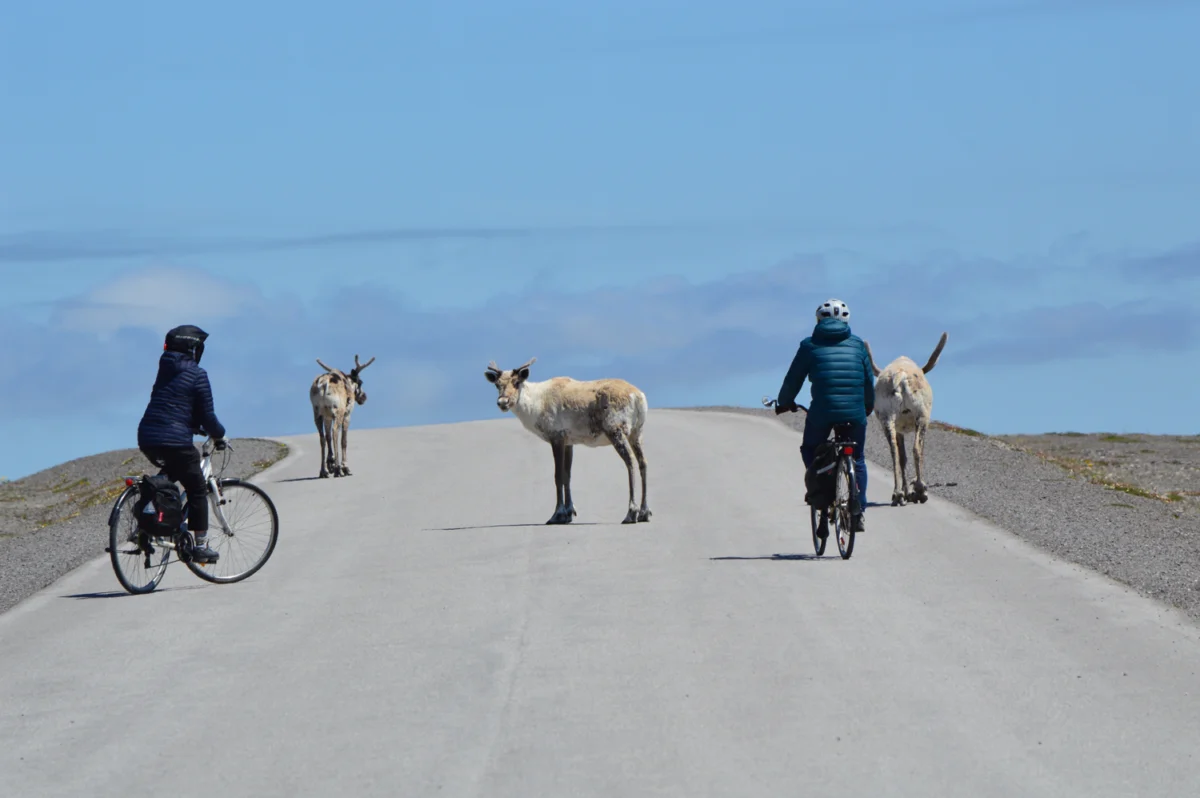
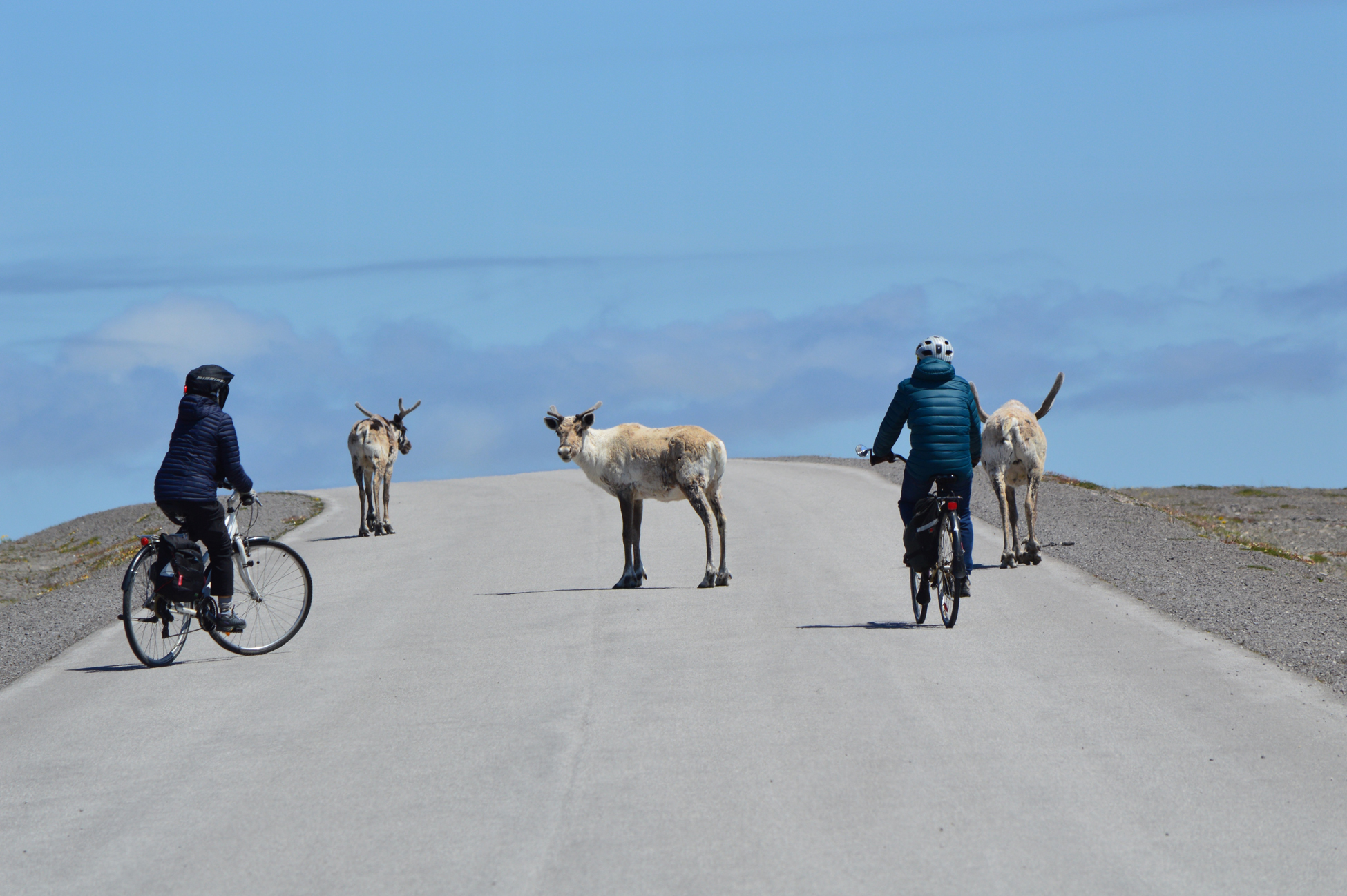
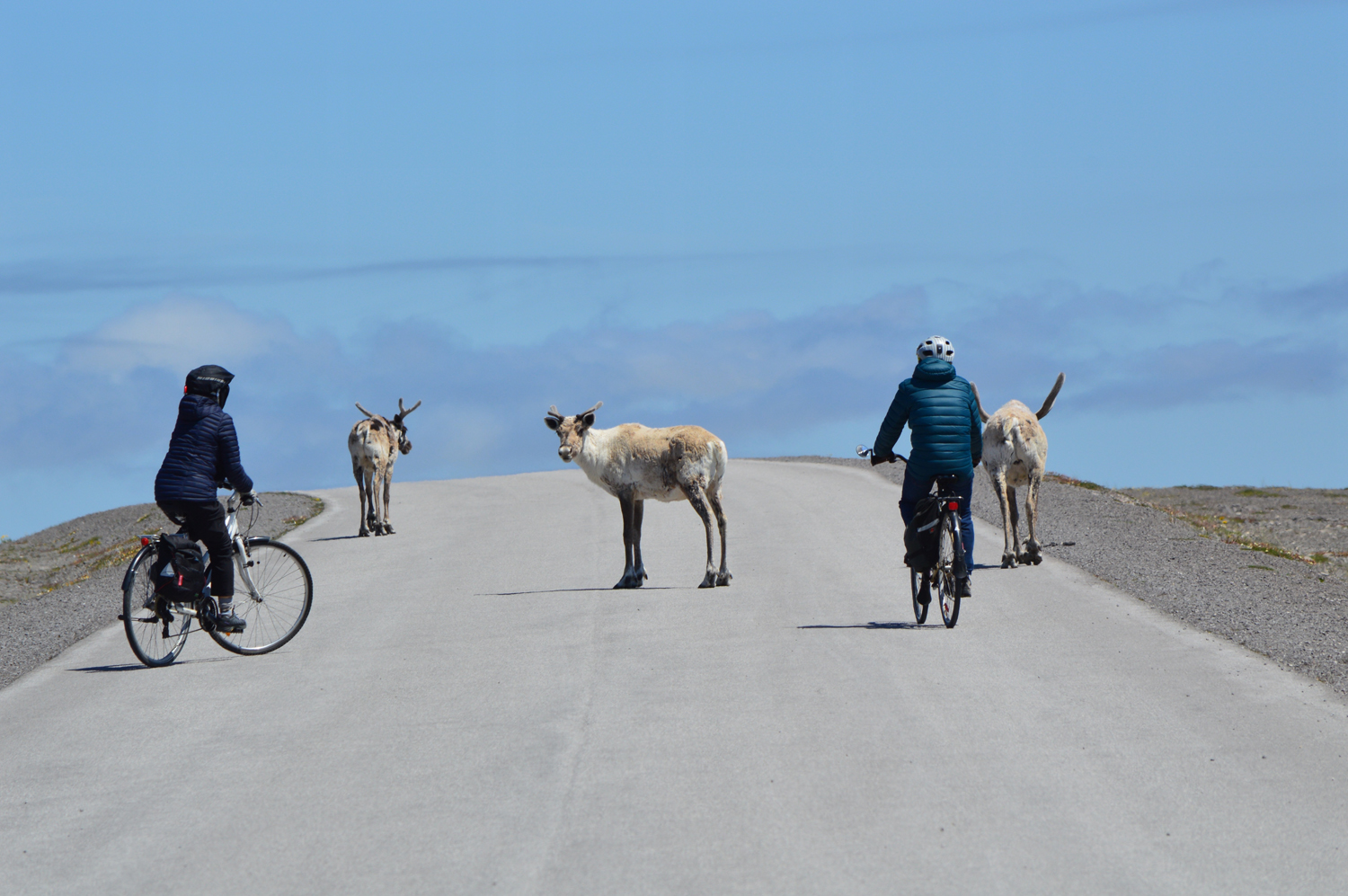
The photograph presented here, captured by Canadian painter Susan N. Sweet in Newfoundland, serves as a catalyst for re-evaluating these entrenched notions. Whether one classifies it as a "street photograph" or not, its compelling visual narrative and emotional resonance prompt a deeper consideration of what truly matters in an image. This photograph, and others like it, encourage a shift in perspective, moving away from rigid categorization towards a more open appreciation of photographic merit.
Perhaps the fundamental requirement for a street photograph is not adherence to a set of rules, but rather the existence of a photograph that is inherently worth looking at. This sentiment suggests that the efficacy and impact of an image should supersede its classification.
The Case for Photography Beyond Genre
The question then arises: does street photography even need to exist as a distinct genre? The author expresses a long-held appreciation for allowing photographs to communicate directly, without the need for explanatory labels or predefined contexts. This perspective extends to a growing comfort with viewing photographs simply as photographs, open to individual interpretation and subjective engagement.
The prevailing sentiment is that great photographs create genres, rather than genres creating great photographs. While the existence of photographic genres is undeniable and likely to persist, mirroring their presence in other art forms like music, cinema, and painting, the current approach to defining street photography may be overly restrictive. The proposal is not to abandon categorization entirely but to broaden the acceptance of what can be considered within the purview of street photography.
Reclaiming Creativity: Focus on the Lens, Not the Algorithm
The emphasis should shift from navigating social media algorithms and their associated labels to a more profound engagement with the subject matter directly in front of the lens. Photographers should be afforded the freedom to create before they are compelled to categorize. The ultimate measure of a photograph’s success, in this view, lies in its ability to captivate, challenge, or alter the viewer’s perspective. If an image achieves this, it is a good photograph, and that is often sufficient.
The moment a definition transforms into a checklist, creativity begins to atrophy. The more time a community dedicates to debating definitions, the less time is available for the creation of memorable and impactful work. History tends to remember artists who redefined genres, not those who meticulously followed pre-existing rules. Ultimately, genres tend to emerge in the wake of groundbreaking work, not the other way around. This approach encourages a more dynamic and inclusive understanding of street photography, one that values individual vision and artistic impact above adherence to a potentially limiting set of conventions.
Broader Implications for the Photographic Community
The persistent debates surrounding the definition of street photography, while seemingly academic, have tangible implications for photographers at all levels. For emerging artists, understanding these discussions can be confusing, potentially leading them to self-censor or to chase trends rather than developing a unique voice. For established artists, it can lead to frustration if their work, which they believe embodies the spirit of street photography, is dismissed due to not fitting a narrow definition.
Furthermore, the commercial viability of street photography can be affected. Galleries, publications, and potential clients may be hesitant to engage with work that falls outside established, albeit rigid, genre expectations. This can limit opportunities for artists whose work pushes boundaries or explores less conventional themes within the realm of candid human observation.
The implications extend to the very evolution of photography as an art form. If the discourse remains fixated on outdated or overly restrictive definitions, the genre risks becoming stagnant. This could stifle innovation and prevent the emergence of new styles and approaches that reflect the complexities of contemporary life. The digital age presents unprecedented opportunities for visual storytelling; a more flexible and inclusive understanding of street photography could unlock the full potential of this dynamic medium.
A Call for a More Inclusive and Visionary Approach
The core argument for a less rule-bound approach to street photography is rooted in the belief that artistic merit should be the primary criterion for appreciation. By encouraging photographers to focus on creating compelling images that resonate with viewers, rather than on conforming to a predefined set of characteristics, the genre can experience a revitalization. This shift in focus from definition to execution promises a richer and more diverse landscape of photographic work, one that celebrates individuality and the enduring power of a well-crafted image. The future of street photography, and indeed many visual art forms, may lie in embracing ambiguity and celebrating the photographs that, by their very excellence, define themselves.