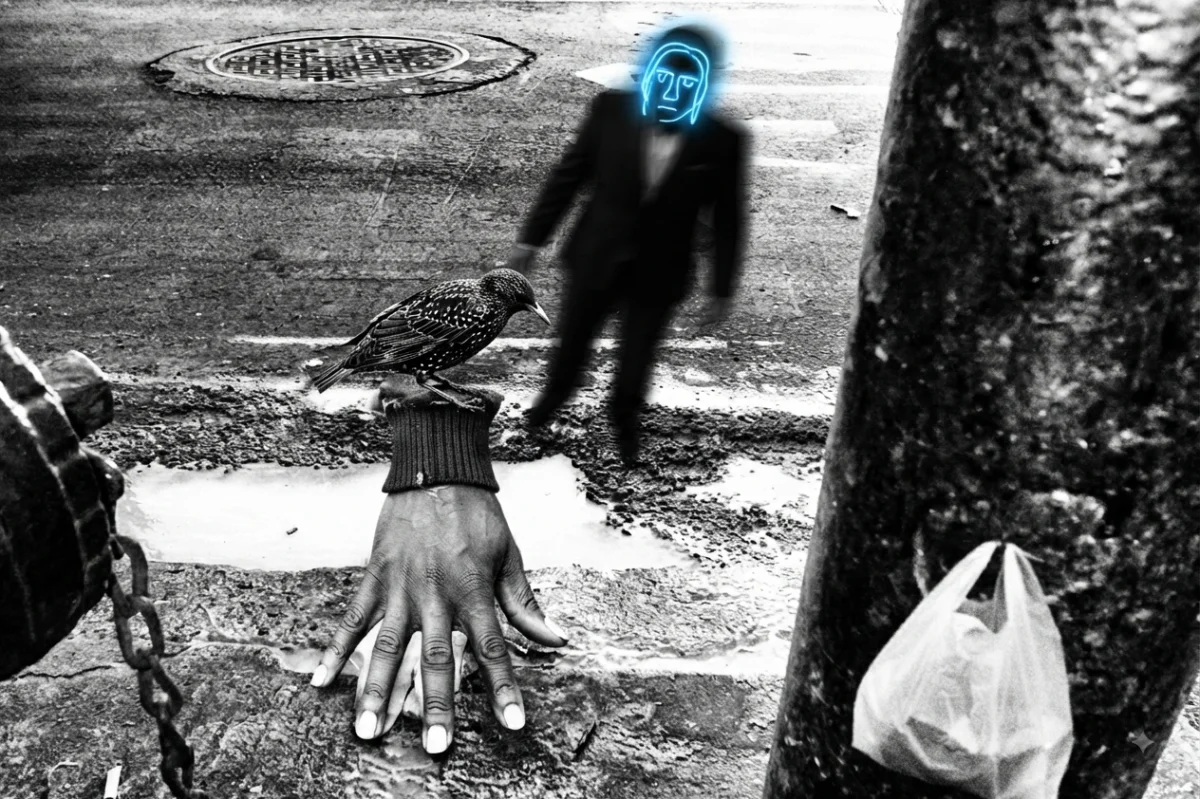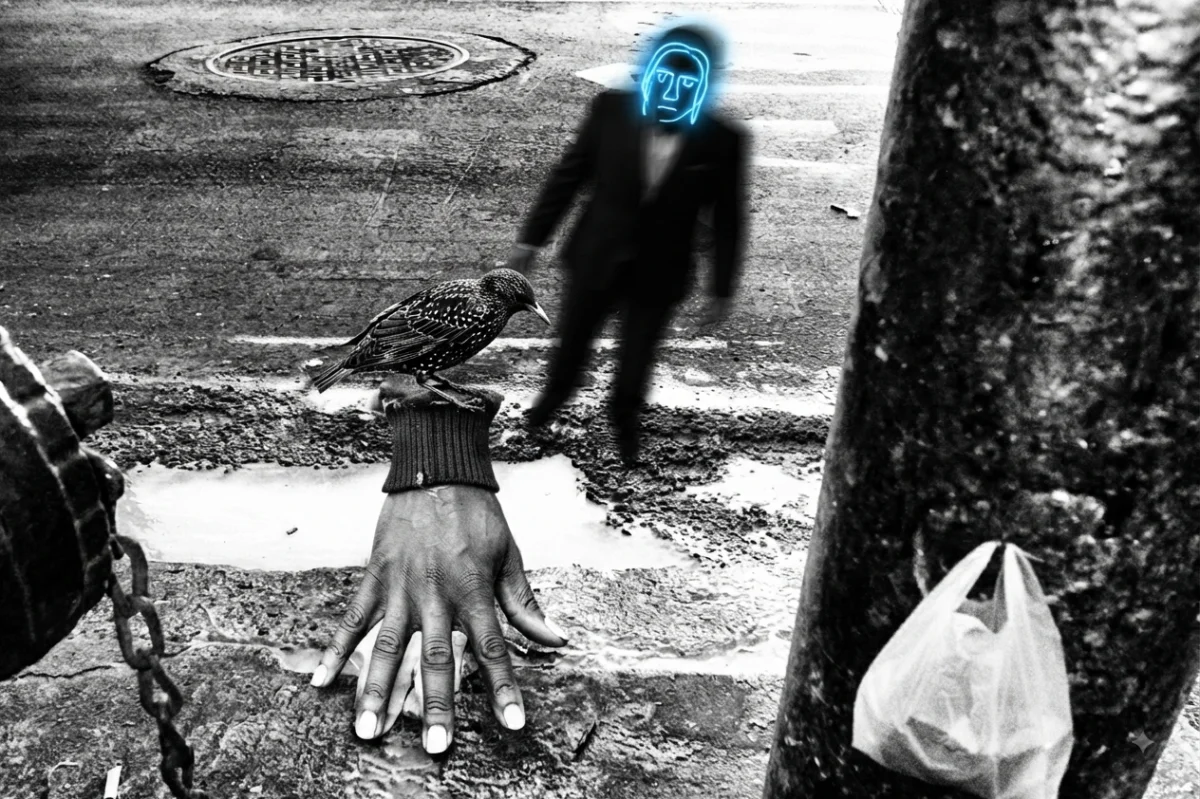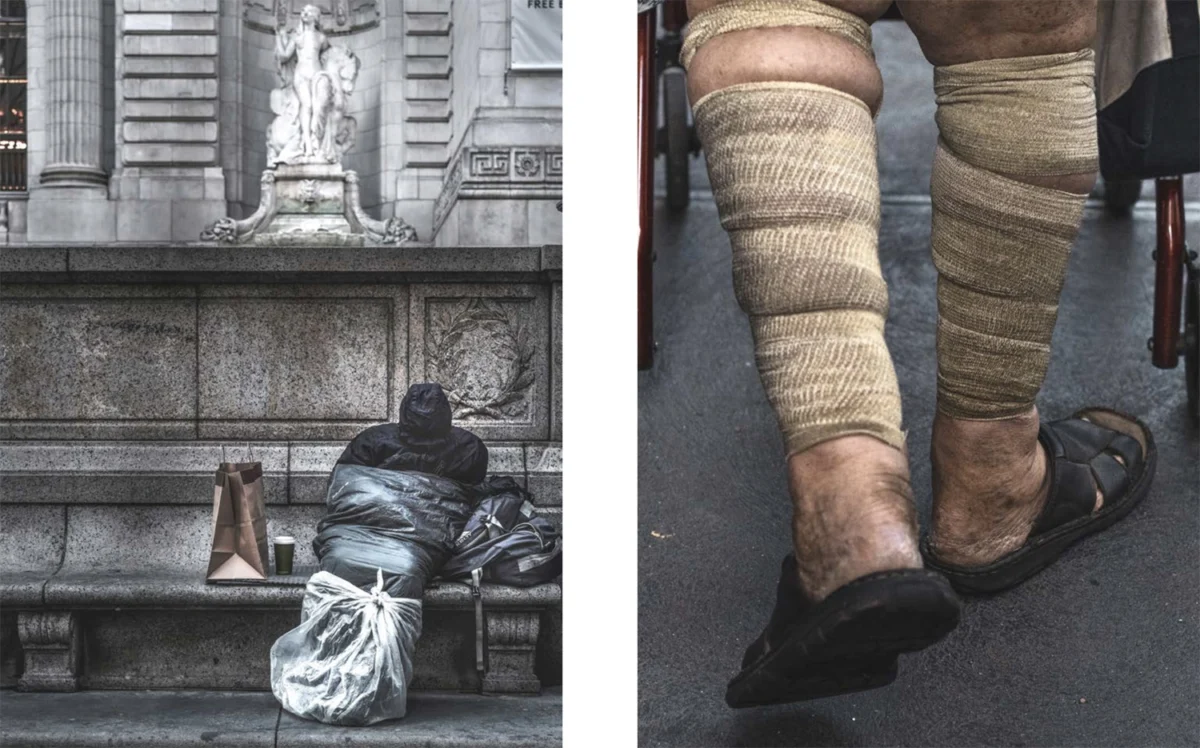
Street photography, a genre that often captures fleeting moments and candid human interactions, finds a profound new expression in Angela Ambrosini’s latest photobook, Captured, Between the Streets. This compelling collection, published by Snap Collective, extends Ambrosini’s long-standing exploration of the human condition, demonstrating how seemingly disparate moments across the globe share an underlying thread of universal experience. The book represents a significant milestone in Ambrosini’s photographic journey, building upon the insights shared six years ago when her work was first featured, revealing a deeper engagement with the narrative potential of her craft.
A Journey of Self-Discovery Through the Lens
Ambrosini’s initial foray into street photography, as previously documented, was deeply intertwined with her personal growth. She described her practice as a reflective mirror, allowing her to understand herself and the world around her with greater clarity. "It has allowed me to travel and meet people I would never meet, and experience life without fear," Ambrosini stated, emphasizing the transformative power of her camera. "Life is a journey and the camera is the tool we use to tell our story." This foundational philosophy continues to inform Captured, Between the Streets, where the emphasis is not merely on documenting individual scenes but on weaving a cohesive narrative of shared humanity.
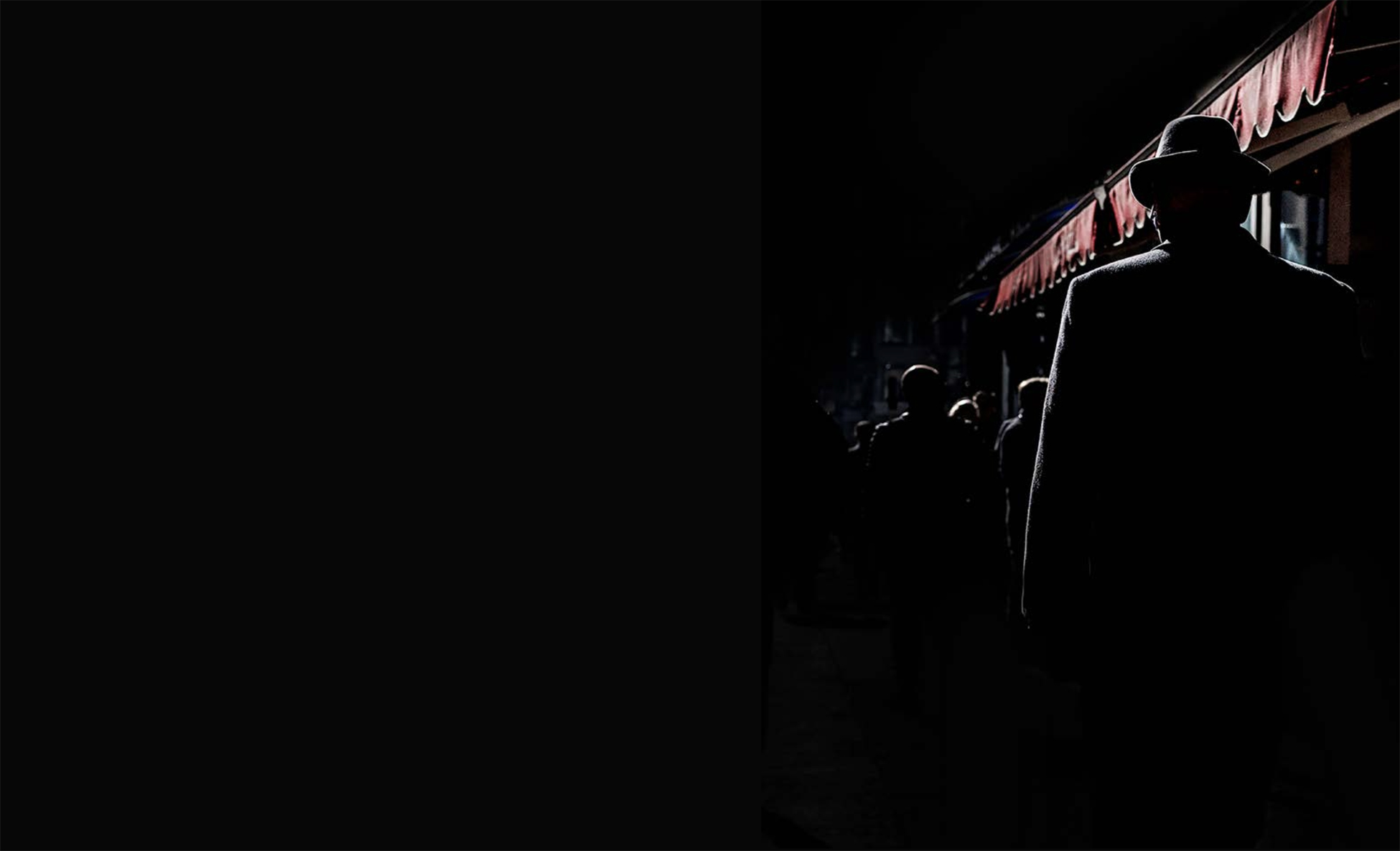
The genesis of Captured, Between the Streets stems from Ambrosini’s desire to transcend geographical boundaries and illustrate the commonalities of human experience. While New York City, her longtime muse, remains a significant presence within the book, she made a deliberate choice to include images captured in diverse locations worldwide. This intentional curation highlights her central thesis: that despite superficial differences in scenery and culture, the fundamental human emotions, gestures, and interactions remain remarkably consistent. "The idea behind the book is to show that even though the streets may look different—whether in New York, India, or somewhere else in the world—the human experience has a common thread that connects us," Ambrosini explained. This approach elevates her work from a collection of isolated observations to a powerful statement on global interconnectedness.
The Evolution of an Artistic Vision
Ambrosini’s journey into street photography began with a simple, yet potent, curiosity. She sought to observe the world with a heightened sense of awareness, developing an acute ability to discern the significance of details, gestures, and expressions. What might appear ordinary in isolation, when brought together within a series, begins to construct a larger, more resonant story. This gradual evolution from observation to passionate storytelling underscores her dedication to capturing life as it unfolds, in all its raw emotion and intricate detail.
Her approach to street photography prioritizes authenticity and spontaneity. Ambrosini defines an ideal street photograph as one that is "honest and unforced but still carries a sense of meaning or tension that makes you look twice." This commitment to genuineness is evident throughout Captured, Between the Streets, where each image feels imbued with a sense of immediacy and truth.

Furthermore, Ambrosini has thoughtfully integrated established photographic ideologies into her practice, notably Henri Cartier-Bresson’s concept of the "Decisive Moment." However, she interprets this principle through her own unique lens. For Ambrosini, the "decisive moment" is less about the frantic pursuit of a perfect, instantaneous shot and more about cultivating a state of profound presence. "For me, it’s less about chasing a perfect split second and more about being present enough to recognize when everything aligns—expression, movement, light, and context," she articulated. This mindful engagement allows her to perceive the subtle interplay of elements that transform a mundane scene into a compelling narrative.
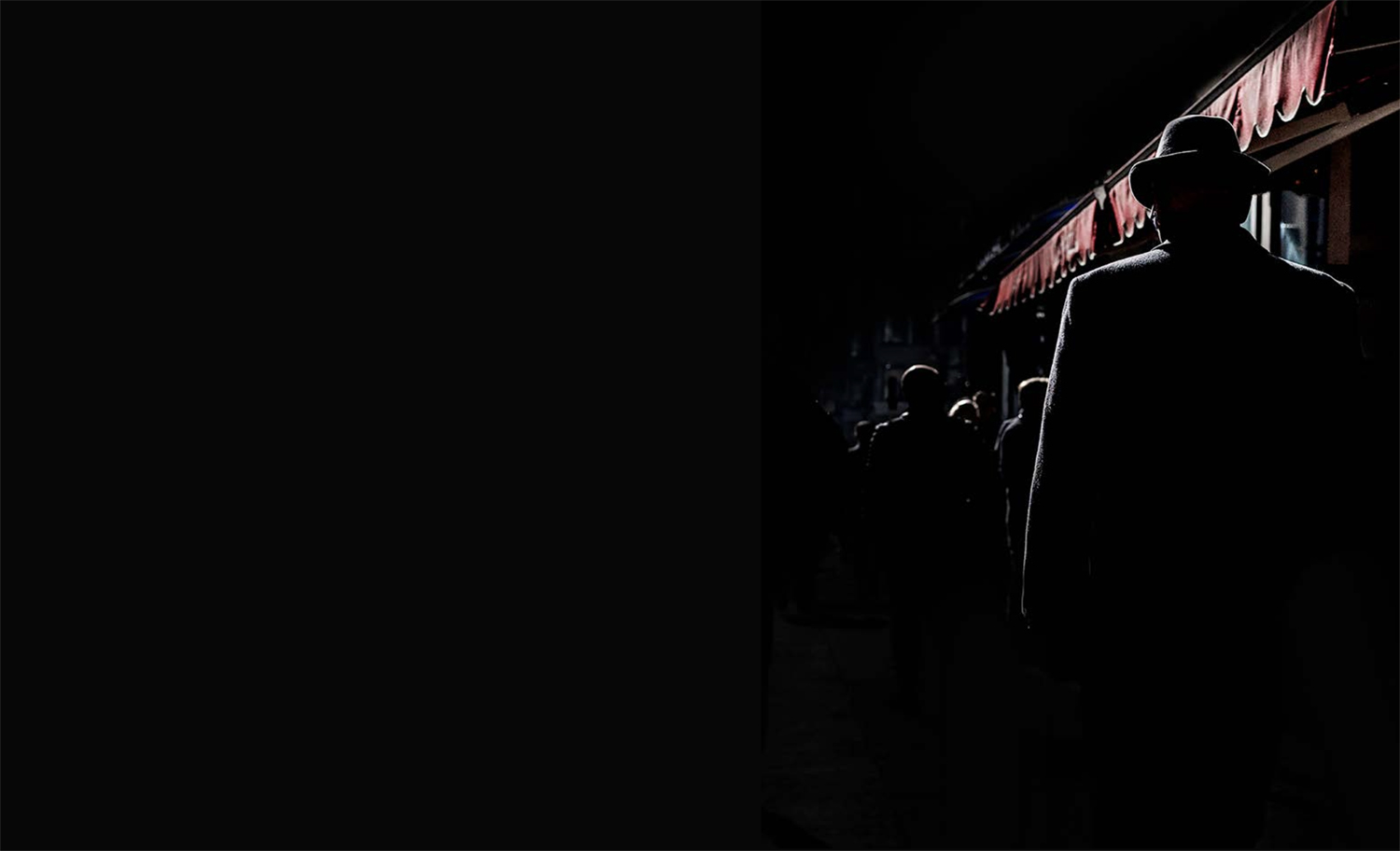
The dynamic nature of street photography, where opportunities can vanish in the blink of an eye, has instilled in Ambrosini a keen awareness of the ephemeral quality of moments. She recognizes that "how small fractions of a second can completely change the meaning of a frame." This understanding fuels her intuitive approach to shooting. "When I’m shooting, I try to stay aware and trust instinct, because the moment you hesitate, it’s gone," she advises. This trust in instinct, coupled with a sharp eye for composition and timing, is what imbues many of the candid moments in her book with their striking impact. Whether it’s the dramatic interplay of light and shadow, a fleeting expression, or a vibrant splash of color that accentuates the subject’s interaction with their environment, Ambrosini expertly captures these elements, often in a single, decisive instant. This creative impetus thrives on the unexpected. "That idea pushes my creativity because it forces me to stay open to the unexpected, and many of my favorite images happened when something unplanned suddenly completed the scene."
Curating a Visual Dialogue: The Art of Sequencing
The curatorial process for Captured, Between the Streets was as critical as the photographic capture itself. Ambrosini envisioned a book that would not only showcase individual striking images but also foster a visual dialogue between them. She recognized that an interesting scene unfolding in one city could resonate with a similar human sentiment or energy experienced in another, thereby creating a profound sense of connection across geographical and temporal divides.

"I’m drawn to ordinary moments, humor, gestures, and small coincidences because they reveal how similar we all are, no matter where we live," Ambrosini muses. This profound observation is the bedrock upon which she meticulously sequenced the photographs within the book. Each pairing and placement was made with careful consideration, aiming to amplify the thematic resonance and emotional impact.
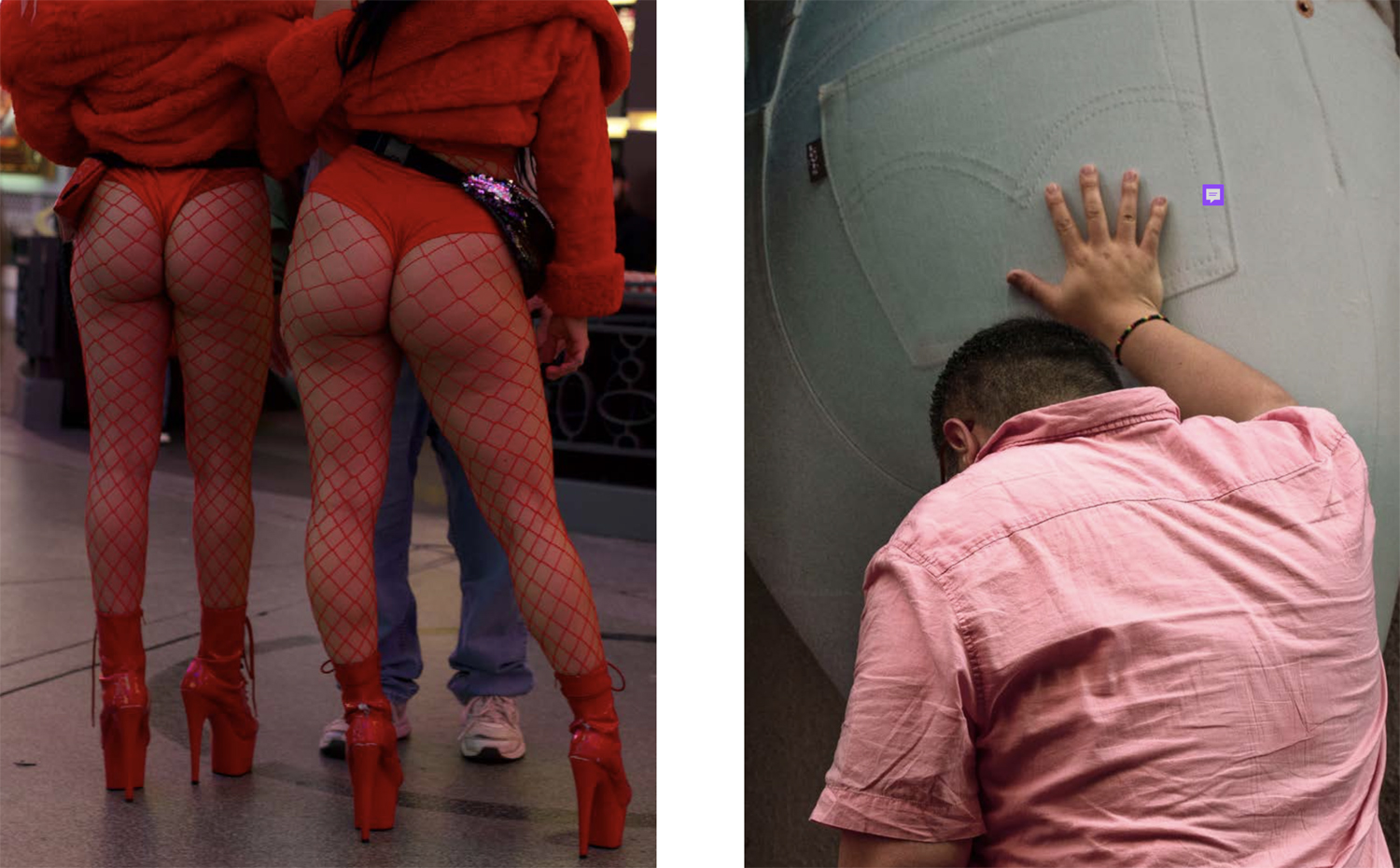
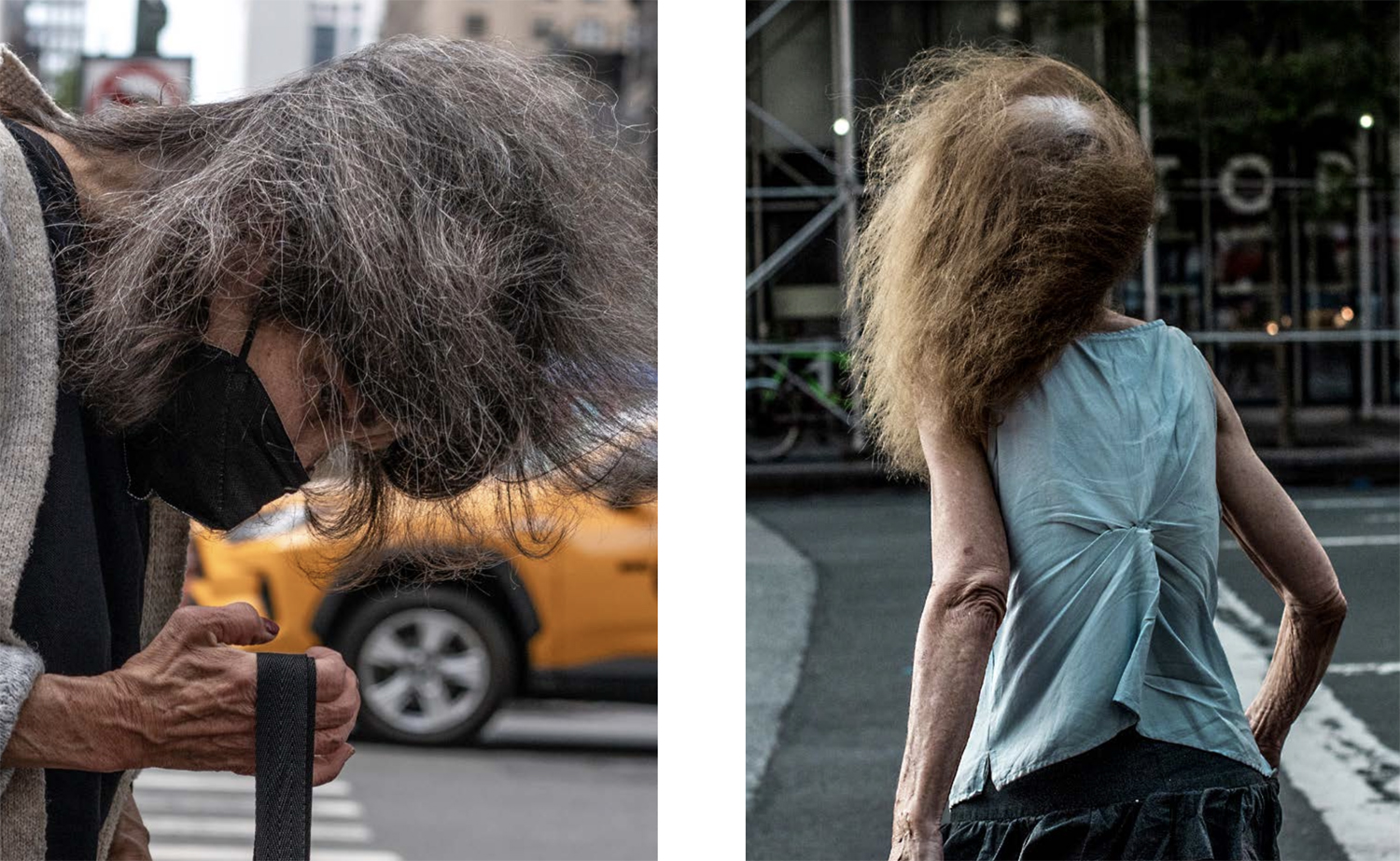
The deliberate juxtaposition of images is central to the book’s message. By placing photographs from different locations side-by-side, Ambrosini aims to create a visual bridge, demonstrating that the streets, irrespective of their locale, share a common emotional landscape. "By putting these images next to each other, I wanted to create a visual link between places and people, showing that the streets everywhere share the same emotions, surprises, and stories," she explained. The ultimate goal is to encourage viewers to slow down, observe more closely, and recognize the pervasive interconnectedness of humanity. "The message I hope comes through is that when you slow down and really look, you start to see how connected we all are, even in the most ordinary moments."
One particularly illustrative example of this curatorial strategy is the "Superman juxtaposition." Ambrosini describes a spread featuring a woman in India wearing a blue sari on one page and a man in New York City sporting a Superman t-shirt on the facing page. Though captured years apart and on opposite sides of the world, these images share an uncanny visual echo—in their colors, posture, and overall feeling. This pairing serves as a powerful metaphor for the book’s overarching theme: the universal threads of humanity, humor, strength, and coincidence that bind us all. This deliberate sequencing transcends mere aesthetic appeal, transforming the book into a compelling visual argument for global empathy.
Seeing the World Through the Lens of Connection
Captured, Between the Streets is more than just a collection of visually arresting photographs; it is a profound testament to the power of human connection and a nuanced exploration of the human condition. While street photography is often appreciated for its ability to present compelling snapshots of daily life, Ambrosini elevates the genre by actively seeking out the hidden relationships between moments. This pursuit shapes her worldview, encouraging her to perceive the world not as a series of isolated events but as an interconnected tapestry.
"When I’m on the street, I’m not only paying attention to what’s happening in front of me, but also to how moments might relate to something I’ve seen somewhere else, at another time, or in another part of the world," she states. This holistic perspective imbues her work with an extraordinary depth.
The very structure of Captured, Between the Streets is designed to facilitate this perception of interconnectedness. The sequencing is intentionally crafted to initiate dialogues between photographs, spanning across pages and even continents. By juxtaposing images from diverse origins, the book mirrors Ambrosini’s own lived experience of the world—as a mosaic of moments that, when assembled, reveal the profound bonds that unite us. "In Captured, that idea became the guiding thread of the book. The sequencing is meant to create conversations between photographs, sometimes across pages, sometimes across continents. By placing images from different places side by side, the book reflects how I experience the world on the street—as a collection of moments that, when put together, reveal how closely linked we all really are."
Broader Impact and Implications
The implications of Ambrosini’s work extend beyond the realm of art photography. In an increasingly globalized yet often fragmented world, Captured, Between the Streets offers a vital reminder of our shared humanity. By highlighting the universal nature of emotions, gestures, and life experiences, Ambrosini’s photographs serve as powerful antidotes to division and misunderstanding. The book’s ability to foster empathy and encourage a more mindful engagement with the world around us is particularly relevant in contemporary society.
The success of Captured, Between the Streets also underscores a growing appreciation for the power of visual storytelling to bridge cultural divides. As data from organizations like the Pew Research Center consistently show, visual media plays an increasingly significant role in how people understand global events and cultures. Ambrosini’s work taps into this trend, offering a deeply human and accessible entry point into understanding diverse perspectives.
Furthermore, the book’s emphasis on finding connection in the ordinary resonates with a broader cultural shift towards mindfulness and a desire for authentic experiences. In a world often dominated by the spectacular and the sensational, Ambrosini’s focus on the subtle, the overlooked, and the everyday offers a refreshing and grounding perspective.
Angela Ambrosini invites us to view the world as an expansive, interconnected photographic canvas. The scenes depicted in Captured, Between the Streets may vary in their superficial details, but they are undeniably linked by the common thread of the human spirit. This book serves as a powerful call to action, urging viewers to adopt a more attentive and empathetic gaze. It suggests that by slowing down and truly looking, we can unlock a deeper understanding of ourselves and our fellow inhabitants of this shared planet.
Angela Ambrosini’s website, http://www.angelaambrosini.com/pixs/index.html, offers a comprehensive portfolio of her work. She can also be followed on Instagram at @angelambro_pixs for ongoing visual narratives. The photobook Captured, Between the Streets is available for purchase through Snap Collective at https://shop.snap-collective.com/products/captured-by-angela-ambrosini.