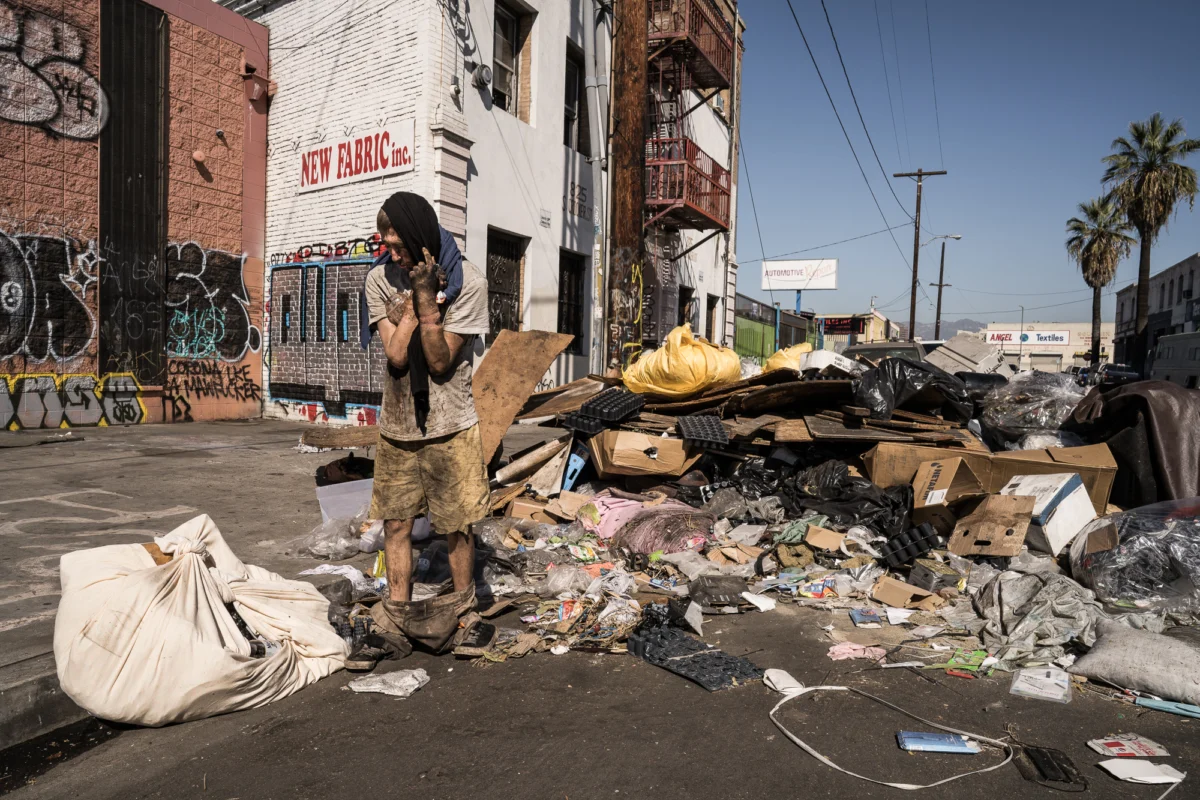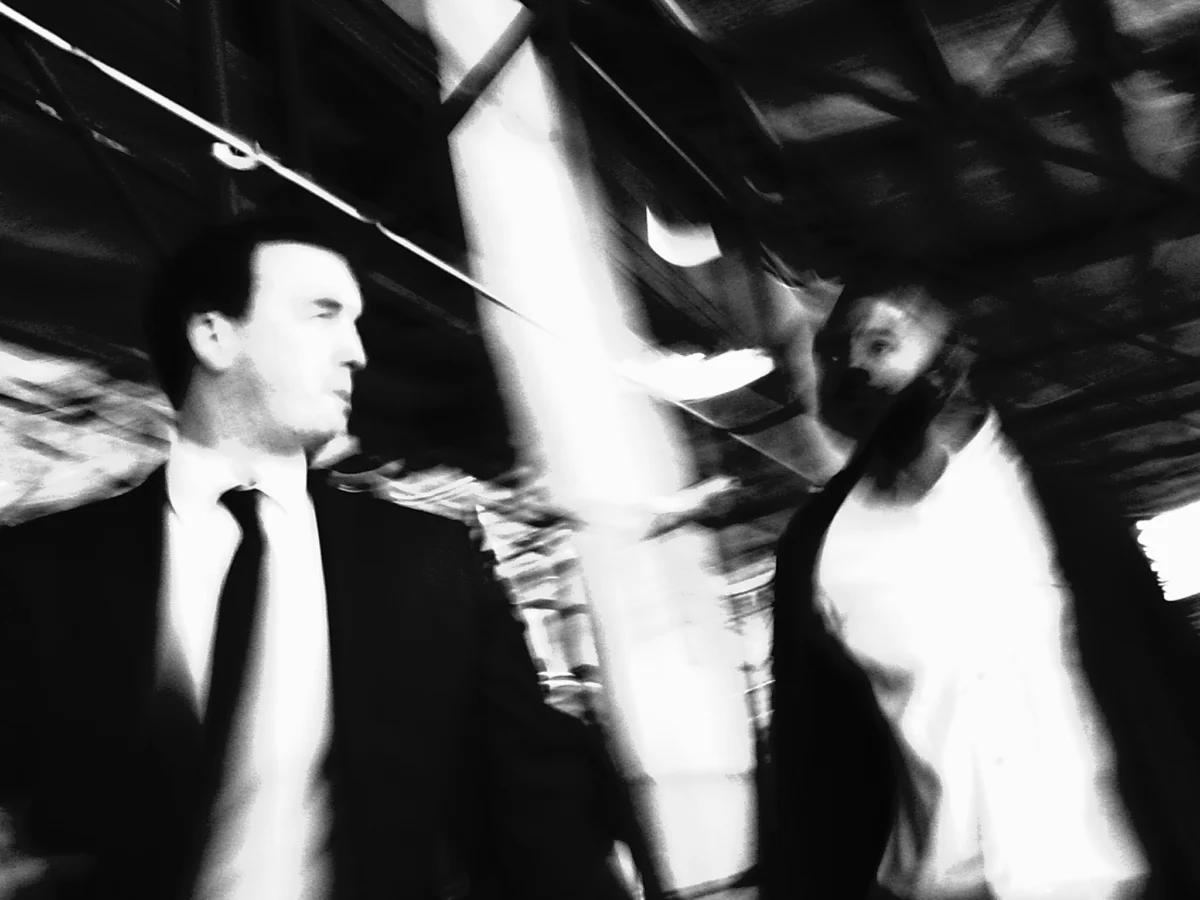
Photojournalism and street photography, while sharing common ground in their reliance on candid observation and the capturing of decisive moments, represent fundamentally distinct genres with divergent intentions, ethical frameworks, and evaluative criteria. Understanding these differences is crucial for appreciating the unique contributions each discipline makes to visual culture and public discourse. Photojournalism is primarily an act of factual reporting, aiming to document news and events with accuracy and comprehensive context, often for dissemination through media outlets. Its core responsibility lies in unambiguous, factual storytelling, adhering to stringent ethical standards of objectivity and minimizing any form of manipulation. Street photography, conversely, delves into the candid, often artistic portrayal of everyday life and urban environments, prioritizing mood, composition, humor, juxtaposition, and the serendipitous discovery of spontaneous moments, frequently imbuing images with ambiguity and prompting contemplation.
The fundamental divergence lies in their intent. Photojournalists are driven by the imperative to inform audiences and to serve as a historical record, preserving evidence of unfolding events. Their work is often dictated by assignment, covering pre-scheduled events or responding to breaking news. In contrast, street photographers are motivated by a personal vision, seeking aesthetic expression and social commentary. Their artistic output is infused with a broader palette of elements, including lighthearted or dark humor, layers of meaning through juxtaposition, and an exploration of the human condition as it unfolds organically in public spaces.
While both genres depend on keen observational skills, a photographer’s "eye" for the decisive moment, and the practice of candid shooting, the underlying purpose shapes their approach. Photojournalism operates under the umbrella of editorial guidelines and, depending on the sensitivity of the story, may involve complex consent protocols and a commitment to avoiding harm to subjects. Street photography, while requiring ethical awareness, navigates a different landscape of privacy norms and artistic freedom, often operating within a framework of self-regulation. The legal and ethical considerations, therefore, vary significantly, with photojournalists bound by institutional obligations to truth and harm avoidance, while street photographers engage in a more introspective and self-directed balancing act between their creative aspirations and respect for the individuals and environments they capture.
The Art of Serendipity vs. The Mandate of Information
The practice of street photography is deeply reliant on serendipity and impeccable timing. Capturing fleeting, unplanned moments requires a photographer to be constantly present, possess lightning-fast reflexes, and embrace an element of luck to align perfect composition, light, and expression. This spontaneity is a hallmark of the genre. Photojournalism, by its nature, often involves a more structured approach. Coverage is frequently organized around known events, predictable news cycles, or established beats, allowing for a more deliberate and planned photographic strategy.
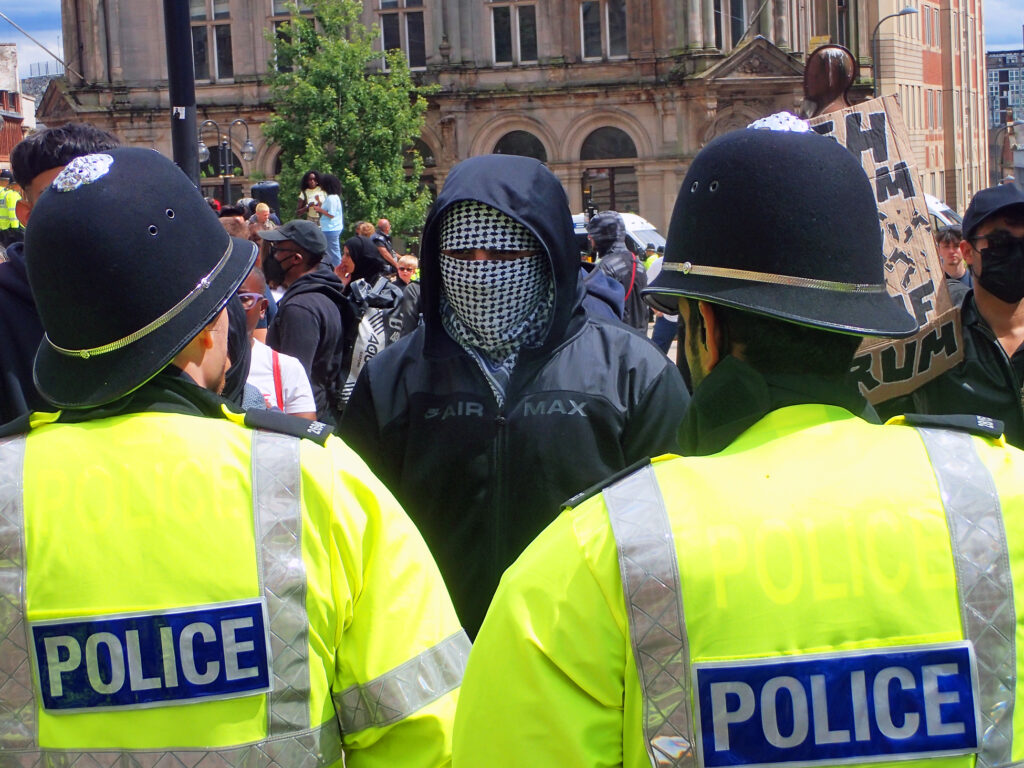
A single frame in street photography must often encapsulate a narrative, a strong visual design, and an implied story. The photographer is tasked with achieving cohesion through composition, contrast, and mood, all within the confines of a solitary image. Photojournalists, however, have the advantage of building narratives across sequences of images, augmented by captions and contextual information. This allows for a more explicit and detailed explanation of events, a crucial element in news reporting. The reliance on captions and sequences in photojournalism distinguishes it from the self-contained storytelling often found in street photography.
Subjectivity and Objectivity in Evaluation
The criteria by which "greatness" is judged also diverge. Street photography is heavily evaluated on its personal vision, originality, and emotional resonance. This inherently subjective nature means that consensus on what constitutes exceptional street photography can be elusive, falling into more personal and interpretive standards. Photojournalism, on the other hand, has clearer, more objective benchmarks for success. Accuracy, relevance, and adherence to editorial standards are paramount, providing a more defined framework for assessing the effectiveness of a photographic report.
The Ethical Tightrope: Institutional Mandates vs. Personal Responsibility
The ethical dimensions of both genres are a critical area of distinction. Photojournalism operates under the stringent, often institutionally enforced, ethical codes of news organizations. These codes emphasize truthfulness, fairness, and a commitment to minimizing harm to subjects. The potential for a photograph to be misconstrued or to cause distress is a constant consideration, leading to a cautious and responsible approach, particularly when dealing with sensitive subjects or vulnerable individuals.
Street photography, while not devoid of ethical considerations, places a greater onus on the individual practitioner. The "self-regulated" nature of the genre means that street photographers must develop their own ethical compass, balancing artistic freedom with a conscientious respect for the privacy and dignity of those they photograph. This can involve navigating complex situations where the desire to capture a compelling image might conflict with the subject’s right to privacy. The ethical framework in street photography is less about institutional compliance and more about the photographer’s personal integrity and judgment.
Historical Context and Evolving Roles
The evolution of photography has seen the lines between genres blur and converge. In the early days of photojournalism, the directness and immediacy of images from the street were instrumental in shaping public perception and driving social change. Figures like Henri Cartier-Bresson, while often associated with street photography’s aesthetic sensibilities, also produced powerful documentary work. The Farm Security Administration (FSA) photographers of the 1930s, such as Dorothea Lange and Walker Evans, documented the hardships of the Great Depression, creating iconic images that served both as powerful social commentary and crucial historical records. Their work often captured candid moments of everyday life, demonstrating an early intersection of street photography’s visual language with photojournalistic imperatives.
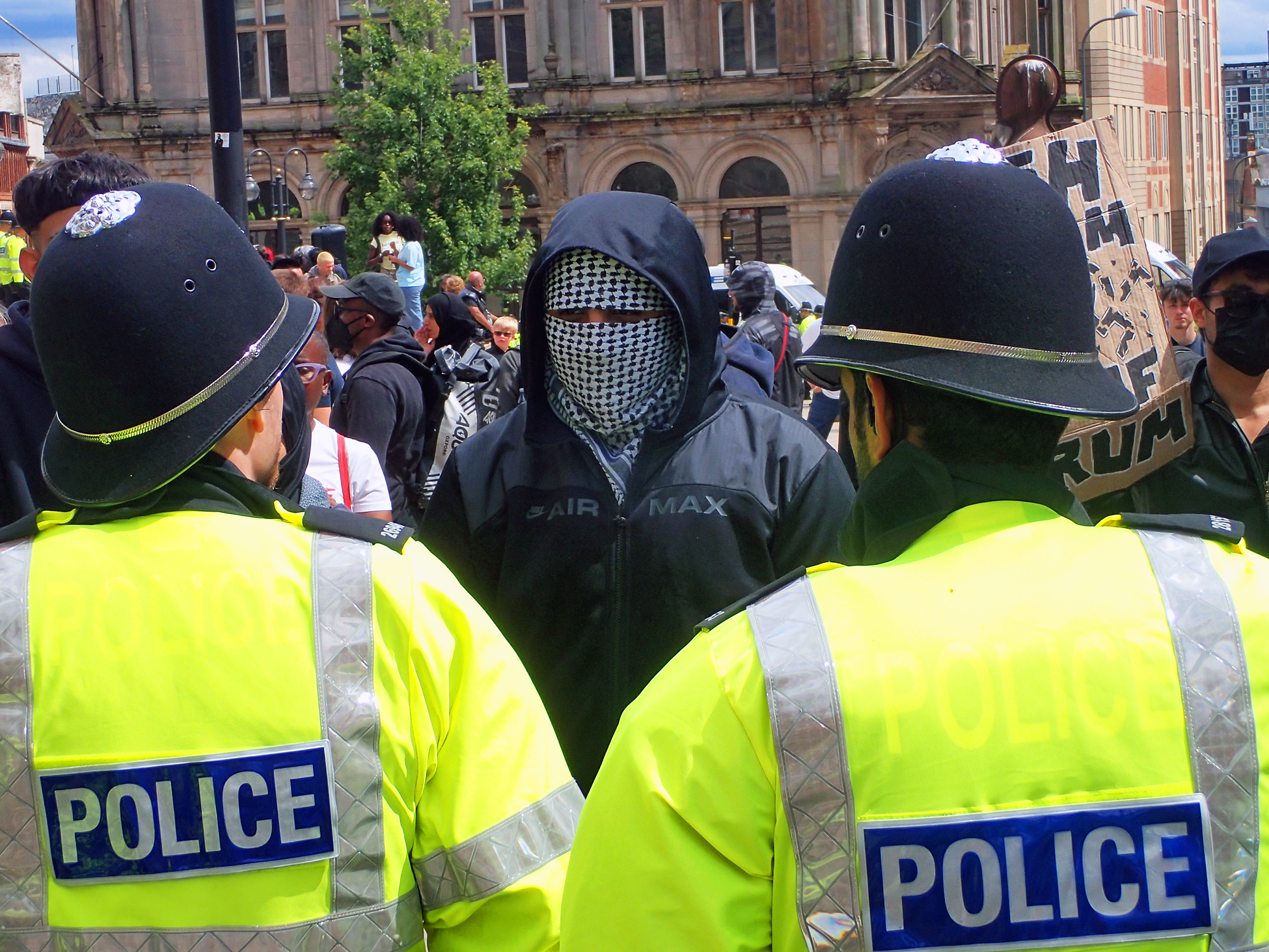
During the Civil Rights Movement in the United States, photographers on the ground captured the raw reality of protests, marches, and acts of resistance. These images, often taken amidst the chaos and danger of demonstrations, served as irrefutable evidence of the injustices faced by African Americans. They were not merely artistic expressions; they were vital tools in the fight for equality, informing the national conscience and galvanizing support for legislative change. The iconic photograph of Bloody Sunday on the Edmund Pettus Bridge in Selma, Alabama, taken by James Keller, is a stark reminder of the power of photojournalism to bear witness to critical historical moments.
The rise of digital technology and the proliferation of social media have further complicated these distinctions. Anyone with a smartphone can now capture and share images of public events, leading to a democratization of visual reporting but also raising questions about accuracy, intent, and ethical responsibility. This has, in turn, influenced both photojournalism and street photography. Photojournalists are increasingly expected to produce visually engaging narratives, sometimes adopting aesthetic approaches reminiscent of street photography. Conversely, street photographers may find their work gaining traction as news-worthy, particularly when it captures significant social or cultural phenomena.
The Influence of Technology and Accessibility
The accessibility of high-quality cameras has broadened the pool of individuals practicing both photojournalism and street photography. While this has led to a richer tapestry of visual content, it also underscores the importance of understanding the underlying principles and ethical considerations that guide each discipline. The ease with which images can be captured and disseminated online means that the responsibility for truthful representation and respectful portrayal rests more heavily on the individual creator, regardless of whether they identify as a photojournalist or a street photographer.
Case Studies in Distinction and Overlap
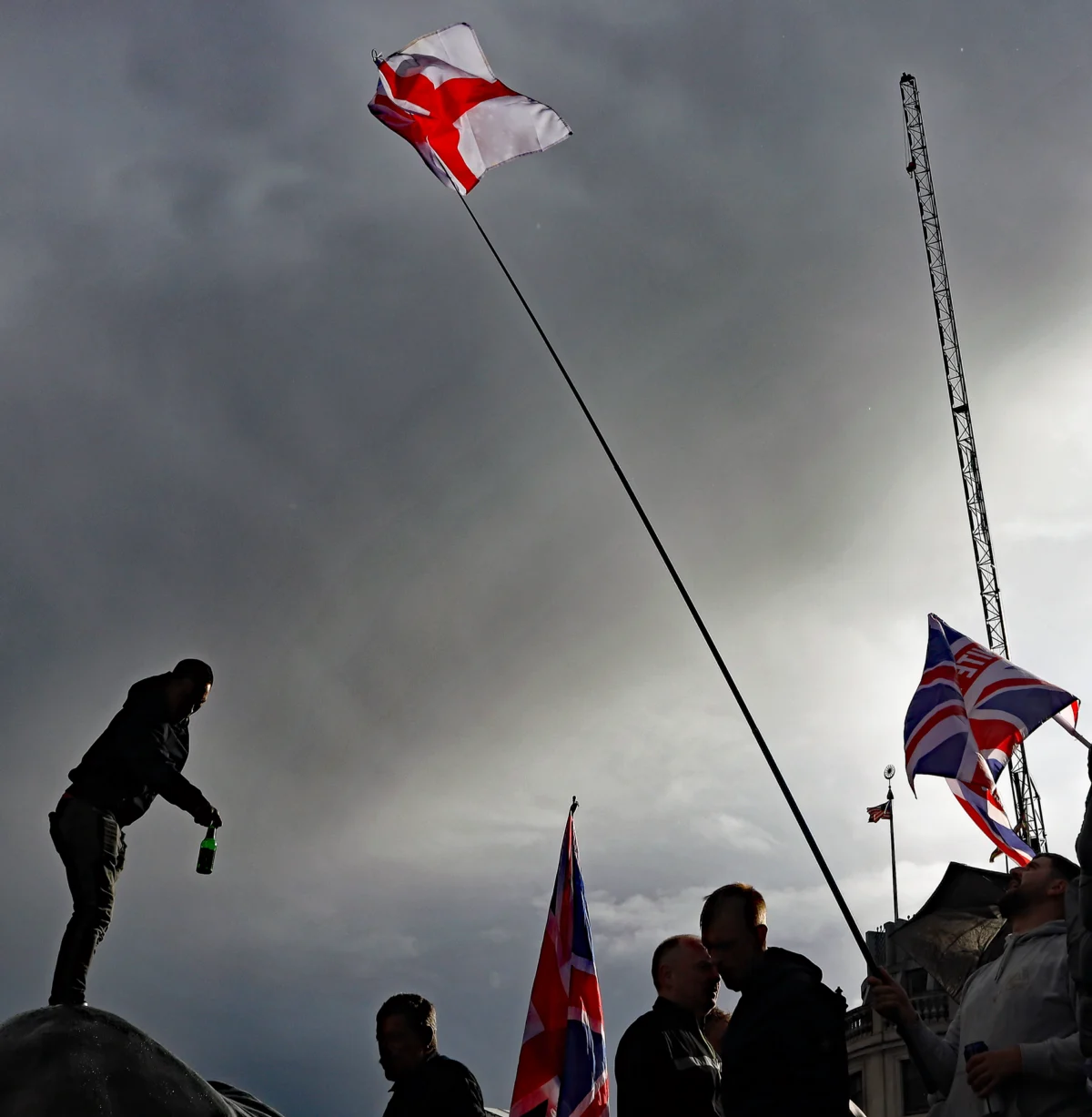
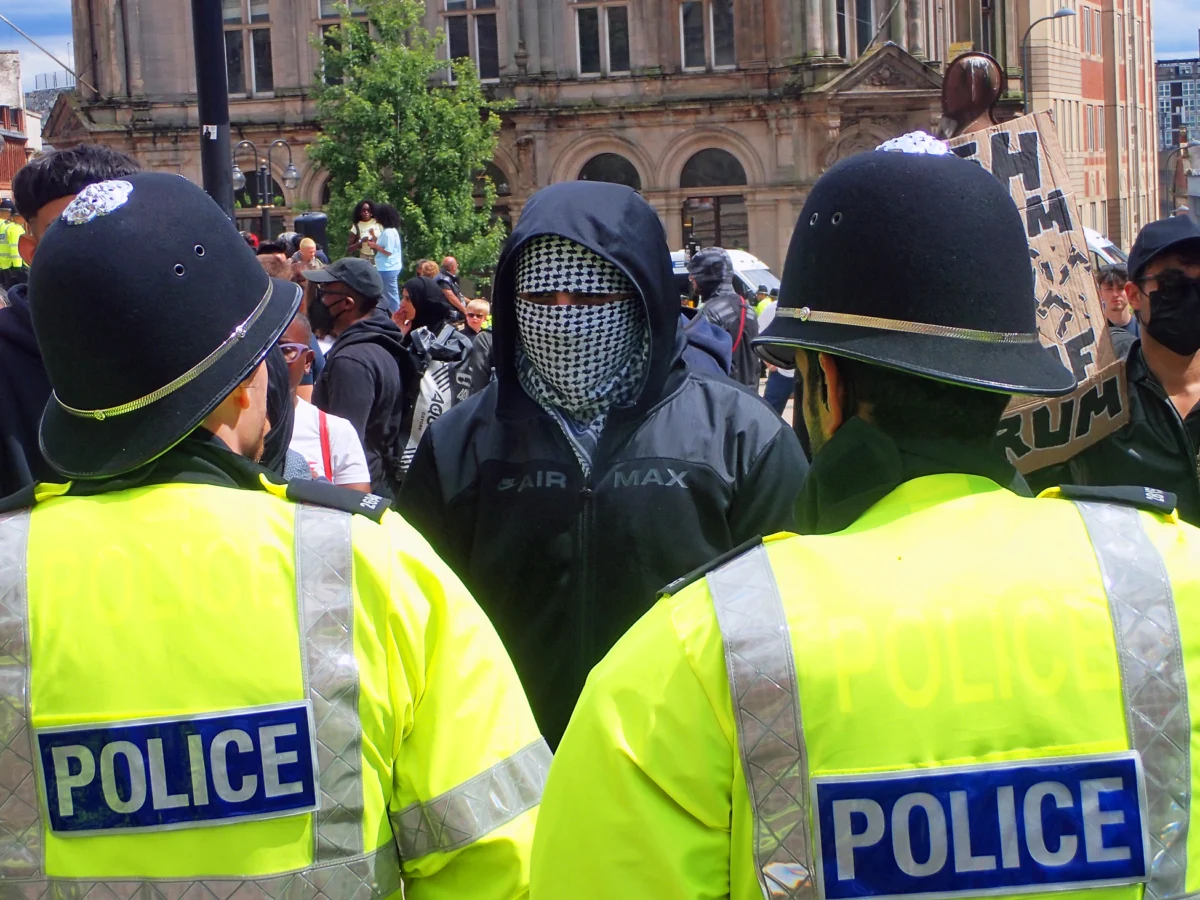
Consider a photographer documenting a protest. A photojournalist’s goal would be to capture the event’s key moments, convey the motivations of the participants, and provide context for the demonstration. This might involve interviewing organizers, obtaining official statements, and ensuring the accuracy of captions. The resulting images would aim to inform the public about the event itself and its broader significance.
A street photographer, on the other hand, might be drawn to the human drama unfolding within the protest. They might focus on the expressions of individuals, the juxtaposition of opposing viewpoints within the crowd, or a moment of unexpected beauty or pathos amidst the turmoil. While their images might indirectly comment on the event, their primary aim would be aesthetic and emotional resonance, inviting the viewer to engage with the scene on a more personal and interpretative level.
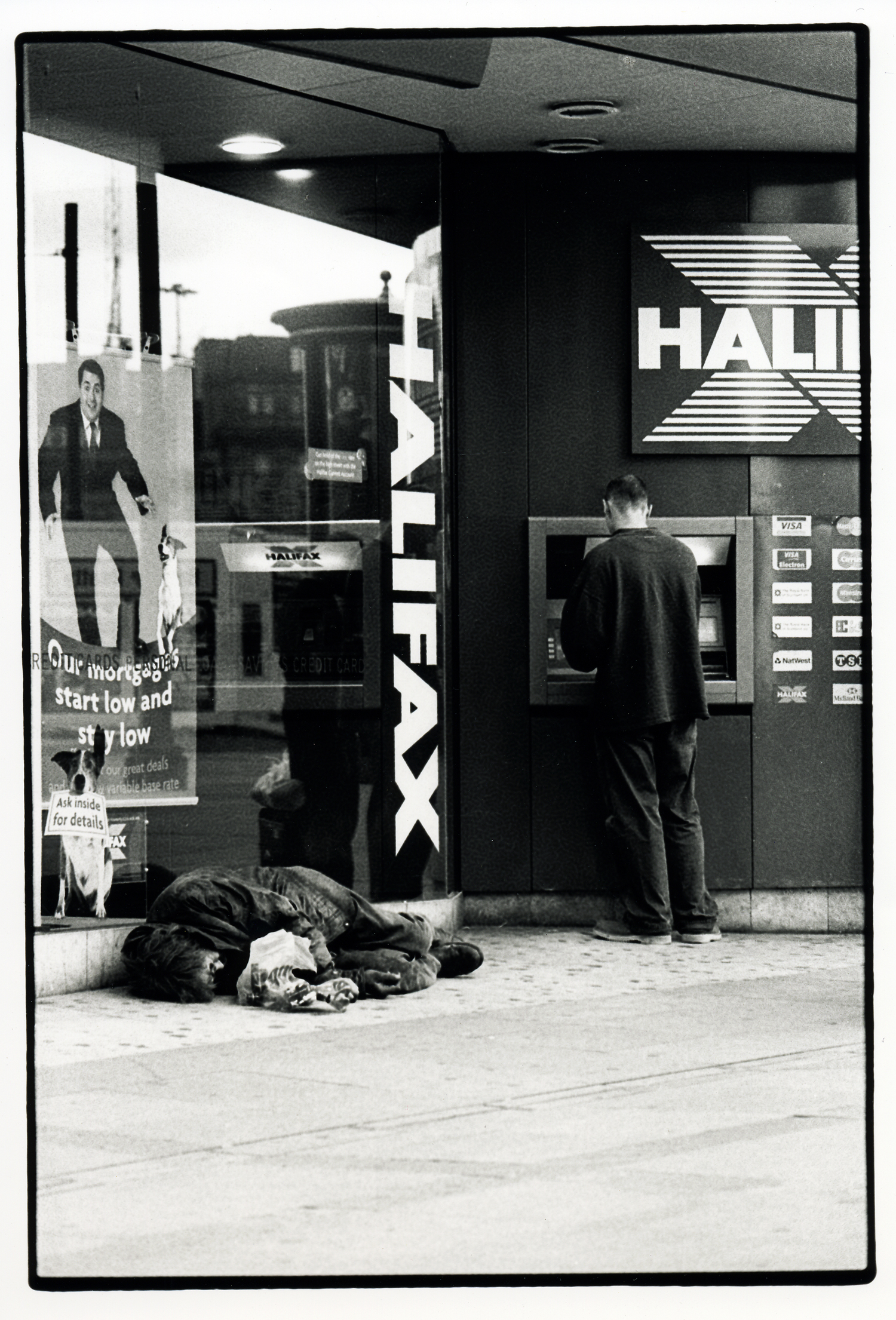
The photograph of a street vendor skillfully arranging their wares, captured by a street photographer, might be lauded for its composition, color, and the implied narrative of daily labor and resilience. If, however, that vendor’s stall becomes the focal point of a news story due to a municipal policy change affecting their livelihood, a photojournalist might then photograph the same vendor, but with the explicit aim of illustrating the impact of that policy. The context and accompanying information would transform the image’s purpose and reception.
The Future Landscape of Visual Storytelling
As the digital landscape continues to evolve, the interplay between street photography and photojournalism will undoubtedly persist. The shared reliance on keen observation and the capture of authentic moments ensures their continued connection. However, maintaining a clear understanding of their distinct aims and ethical frameworks is paramount. Photojournalism’s commitment to verifiable truth and public information remains vital in an era of information overload and misinformation. Street photography’s exploration of the human experience, its artistic expression, and its capacity for social commentary offer a unique and invaluable perspective on the world around us. Both genres, in their own right, contribute significantly to our understanding of ourselves and the society we inhabit, enriching our visual literacy and fostering deeper engagement with the world. The discerning viewer, armed with an understanding of these differences, can better appreciate the intent, skill, and impact of each photographic discipline.