The rapid integration of artificial intelligence (AI) into various creative workflows is presenting a complex and evolving challenge for the field of street photography, a genre deeply rooted in the documentary tradition and the capture of authentic, unmediated moments. As AI tools become more sophisticated, their application in aspects of photography, from image selection and metadata tagging to advanced retouching and even content generation, is blurring the lines between human creation and machine assistance. This technological encroachment has ignited a critical debate within the street photography community regarding the definition of authenticity, the role of the artist, and the very essence of what constitutes a photograph.
The Dilemma of AI in a Documentary Genre
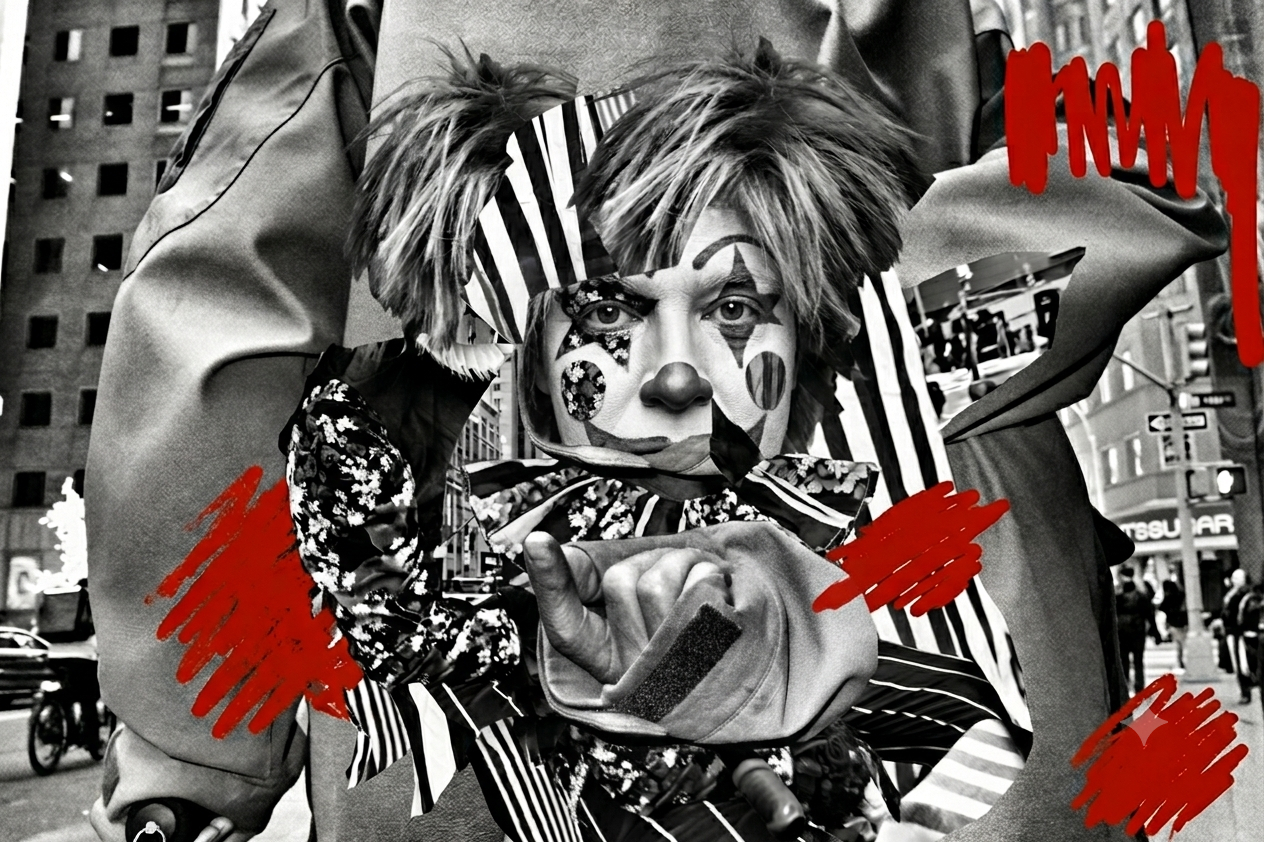
Street photography, by its very nature, is intrinsically linked to the documentary tradition. This connection hinges on the principle of an authentic record of a physical moment captured through a lens. The introduction of AI into this process raises fundamental questions: When does the intervention of a machine sever this crucial link? Does a photograph created with significant AI assistance retain its status as photography, or does it transition into a new category, perhaps termed "promptography" or "synthetic imagery"? The core of the debate lies in whether to permit this overlap of mediums or to delineate strict boundaries between human-generated and machine-generated art. This is not a new discussion for the art world, but its application to a genre that prides itself on capturing reality in its rawest form presents a unique and pressing dilemma.
Historical Parallels and Technological Evolution
To understand the current discourse, it is beneficial to examine historical precedents where new technologies have been met with skepticism. The advent of the typewriter, for instance, was initially viewed with suspicion by some who felt it diminished the "hand-crafted" nature of writing. Similarly, the widespread adoption of computers for writing and editing faced similar resistance. In photography, the transition from film to digital, and the subsequent development of sophisticated editing software, already introduced levels of manipulation that were once unimaginable. Modern digital cameras themselves employ complex algorithms for autofocus, exposure metering, and image processing, all of which can be considered forms of computational intelligence. Automated metadata tagging, a common practice for organizing vast image libraries, is another instance where machine intelligence assists the photographer. These existing technological integrations suggest that the line between human and machine in the photographic process has been gradually shifting for some time.
The Analogy of AI in Creative Writing
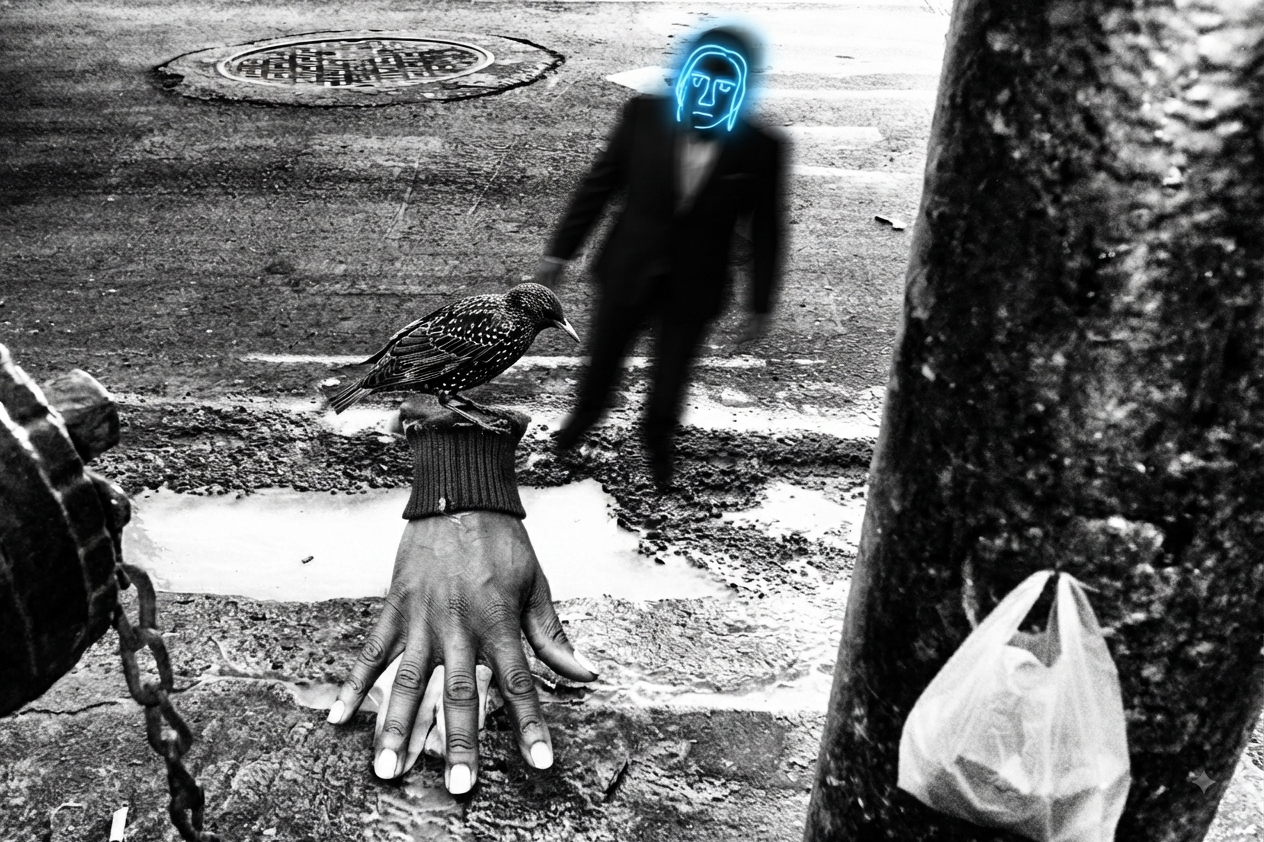
The parallels with the creative writing industry offer a valuable perspective. Many publications have begun to reject submissions that have been generated or significantly assisted by AI. However, this stance raises questions about the extent of acceptable assistance. Should dictionaries, spell checkers, or grammar correction software like Grammarly also be banned? These tools, while not generative in the same way as AI text generators, significantly aid writers in refining their work. The internet itself, a vast repository of information and inspiration, is a constant source of borrowed ideas and data for writers. When AI tools are viewed as advanced versions of these established aids, the outright rejection of AI assistance in creative fields appears to be a complex ethical and practical challenge. The question then becomes not if AI is used, but to what degree and in what capacity.
Defining the "Human Element" in Art
A strong desire exists within artistic communities, including street photography, to preserve the "human element." This sentiment is not inherently problematic; art, in its various forms, has historically been a profound expression of human experience, observation, and interpretation. The concern arises when the extent of machine intervention obscures or supplants this human authorship. The challenge lies in precisely identifying where the boundary between human effort and machine generation truly lies. Even in what might be considered the "purest" forms of documentary photography, photographers inevitably interact with technology that incorporates artificial intelligence. The critical question is how to categorize and evaluate works where AI plays a more substantial role in the creative output.
Towards a Framework of Transparency and Categorization
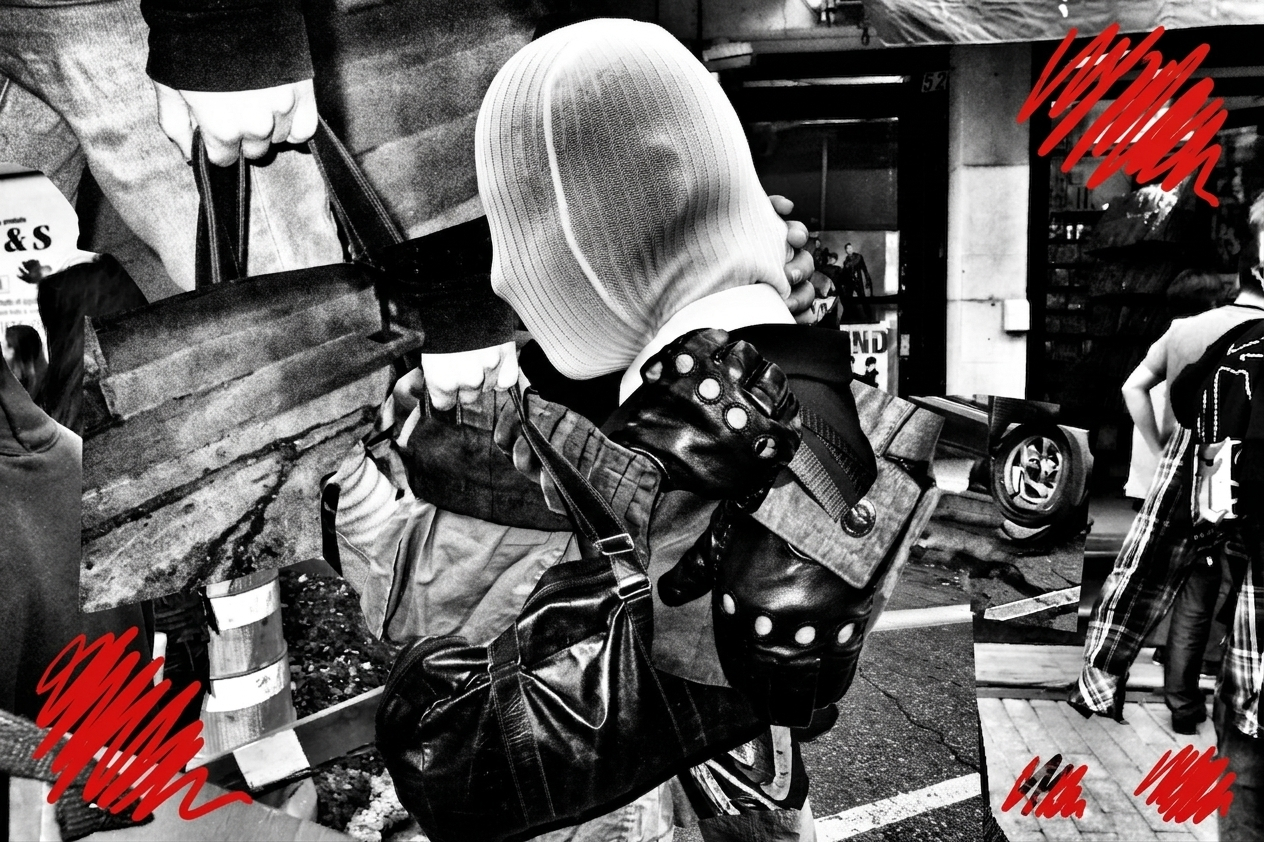
The debate of "to ban or not to ban" AI in street photography may be an unproductive framework for moving forward. Instead, the focus needs to shift towards establishing clear guidelines and guardrails that differentiate human creative input from machine-generated content. For street photography that crosses a significant threshold into being predominantly machine-made, a potential solution lies in its categorization. Such works could be placed in their own distinct category or be clearly labeled to inform viewers about their origin and creation process. This approach acknowledges the evolving technological landscape while respecting the traditional values of the genre.
The Broader Question of Workflow Disclosure
This leads to a more expansive discussion regarding transparency in photographic workflows. Should photographers be required to disclose the extent of AI usage in their creative process? Historically, the analog era offered a degree of insight into a photographer’s process through contact sheets. These sheets revealed the volume of shots taken, the selection process, and the effort involved in capturing a specific image. Some photographers consistently produced compelling frames, while others relied on capturing hundreds of shots to secure a single noteworthy image. Consequently, sharing full contact sheets was often a rarity, as it could reveal a less than perfect efficiency.
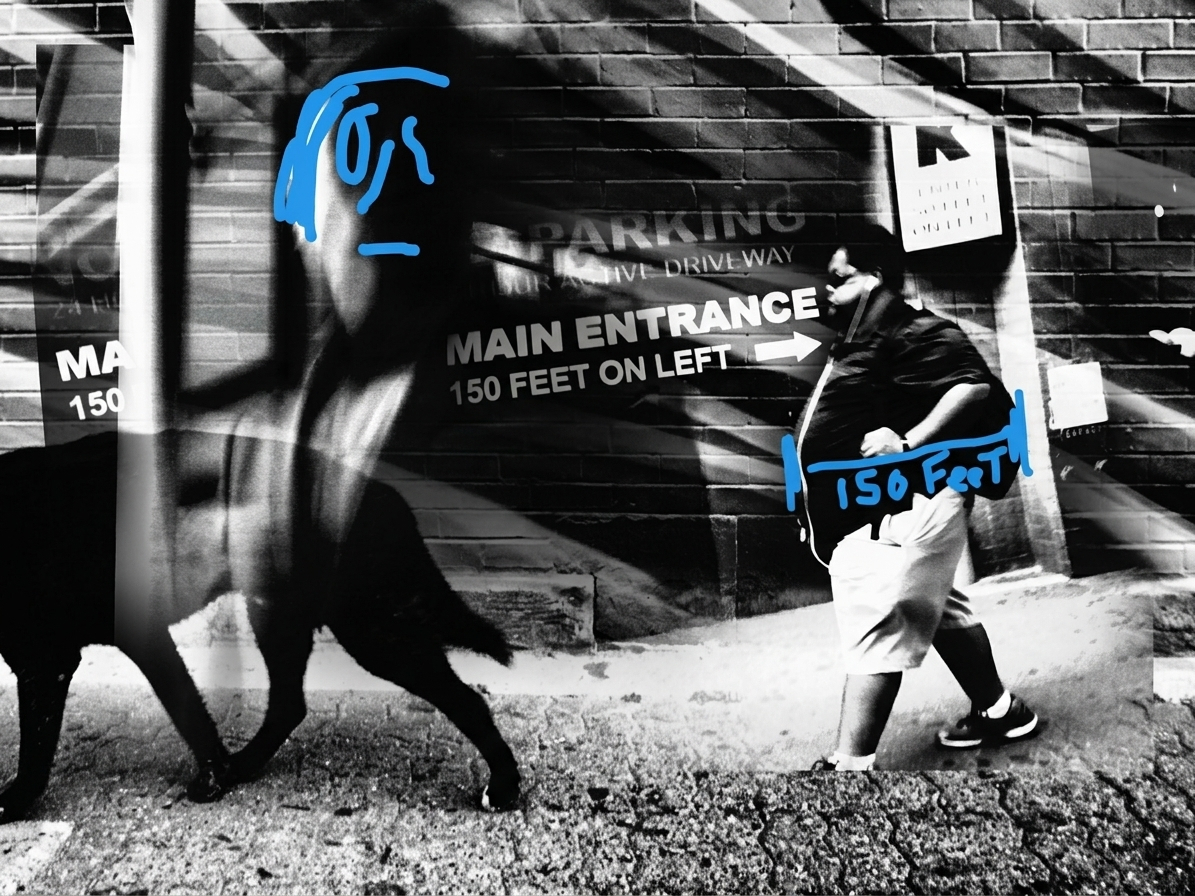
In the digital age, the equivalent of contact sheets—the hundreds or thousands of discarded frames on a hard drive—remain largely private. If the community is to demand transparency regarding AI integration, a consistent standard would suggest a similar demand for disclosure regarding other aspects of the photographic process. For instance, should the selection of a "decisive moment" from a burst sequence of a hundred frames be treated differently from a photographer who exclusively shoots single frames? The context of how an image is created can significantly alter its evaluation and understanding. A compelling argument can be made for the importance of understanding the complete context behind any photograph, not just the final output.
AI’s Inevitability and the Future of Street Photography
Attempting to ban artificial intelligence from street photography is likely an unachievable objective. AI is an established and rapidly advancing technology that will continue to permeate creative workflows, including photography, to an ever-increasing degree. The fundamental decision facing the street photography community is not whether to resist AI, but rather how to engage with it responsibly and ethically. This necessitates a discussion about demanding radical transparency regarding how images are made. If such transparency is to be pursued, it should extend beyond just AI integration to encompass the entirety of the photographic workflow. This holistic approach ensures a more equitable and informed understanding of photographic creation in the digital age, where "what’s good for the goose is good for the gander." The conversation must evolve to address the full spectrum of technological and methodological influences on the art form.