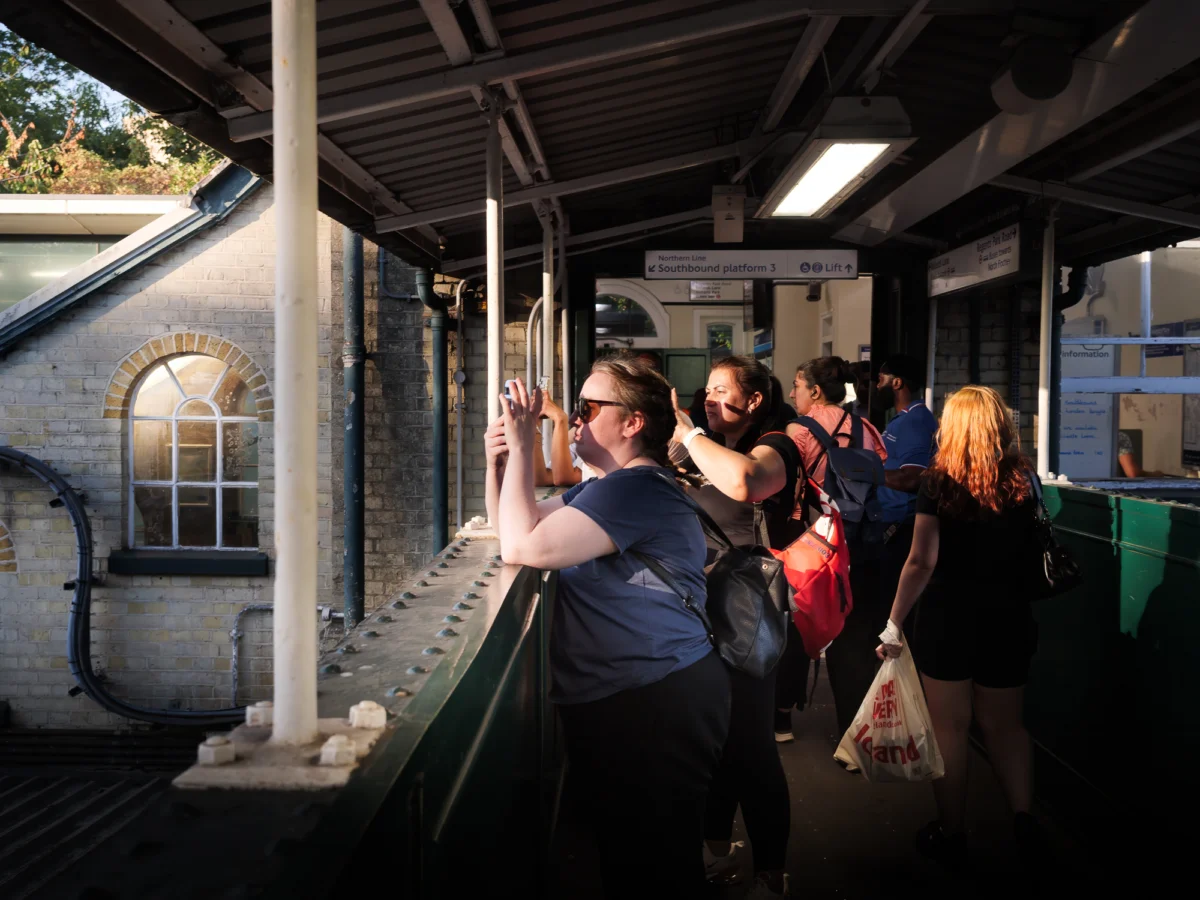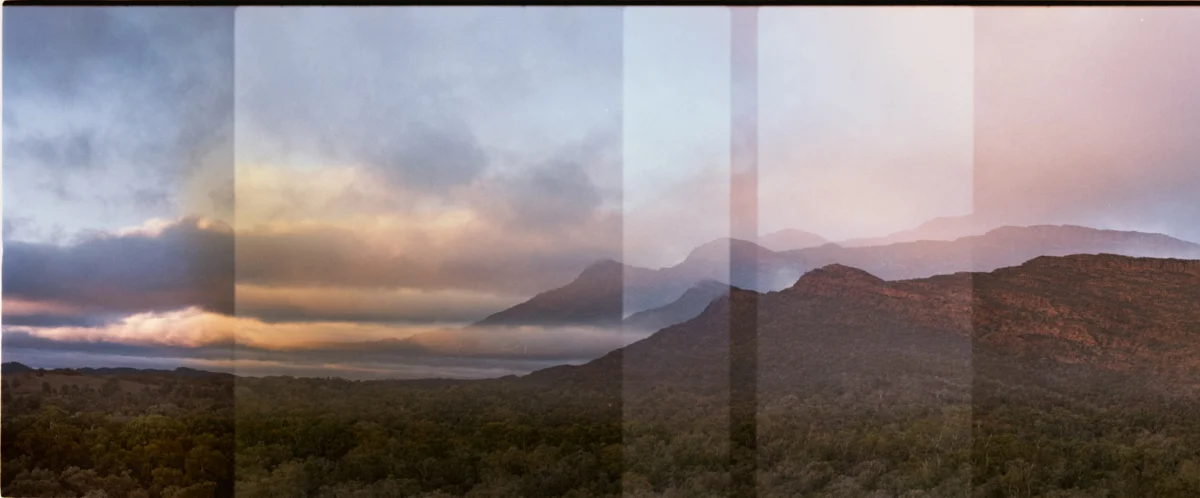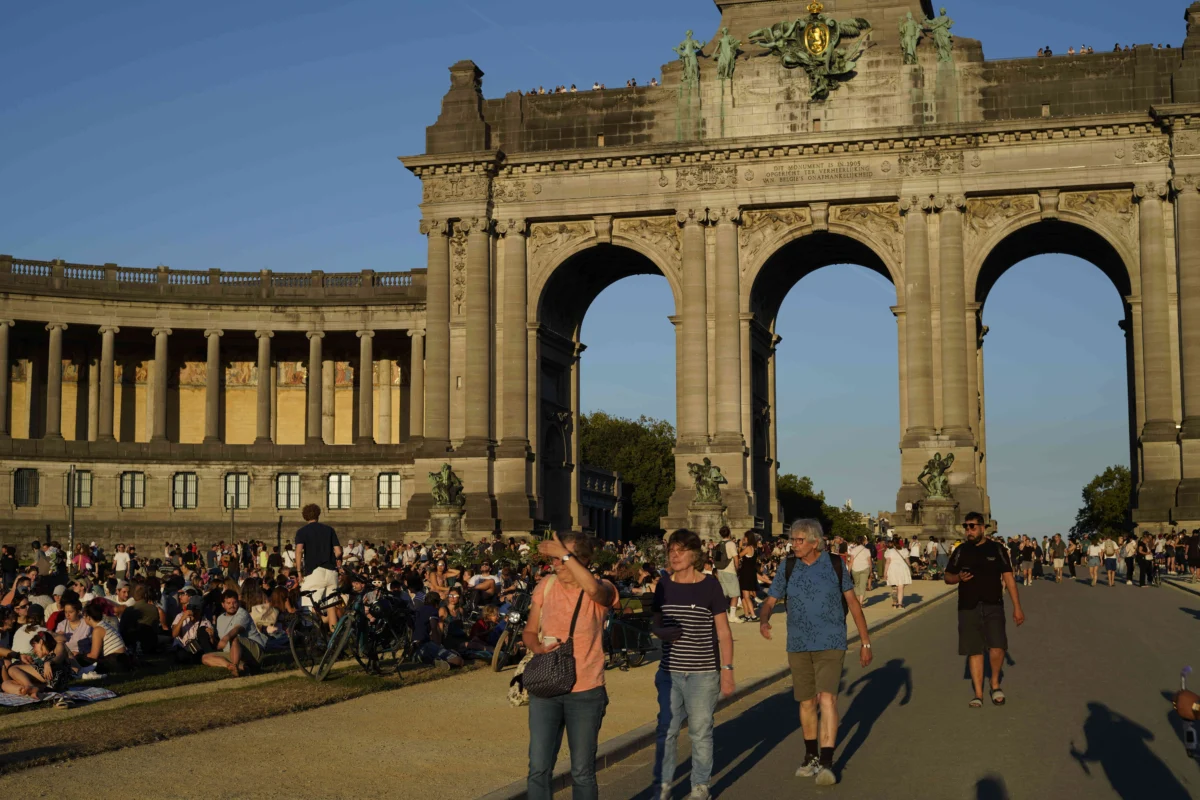
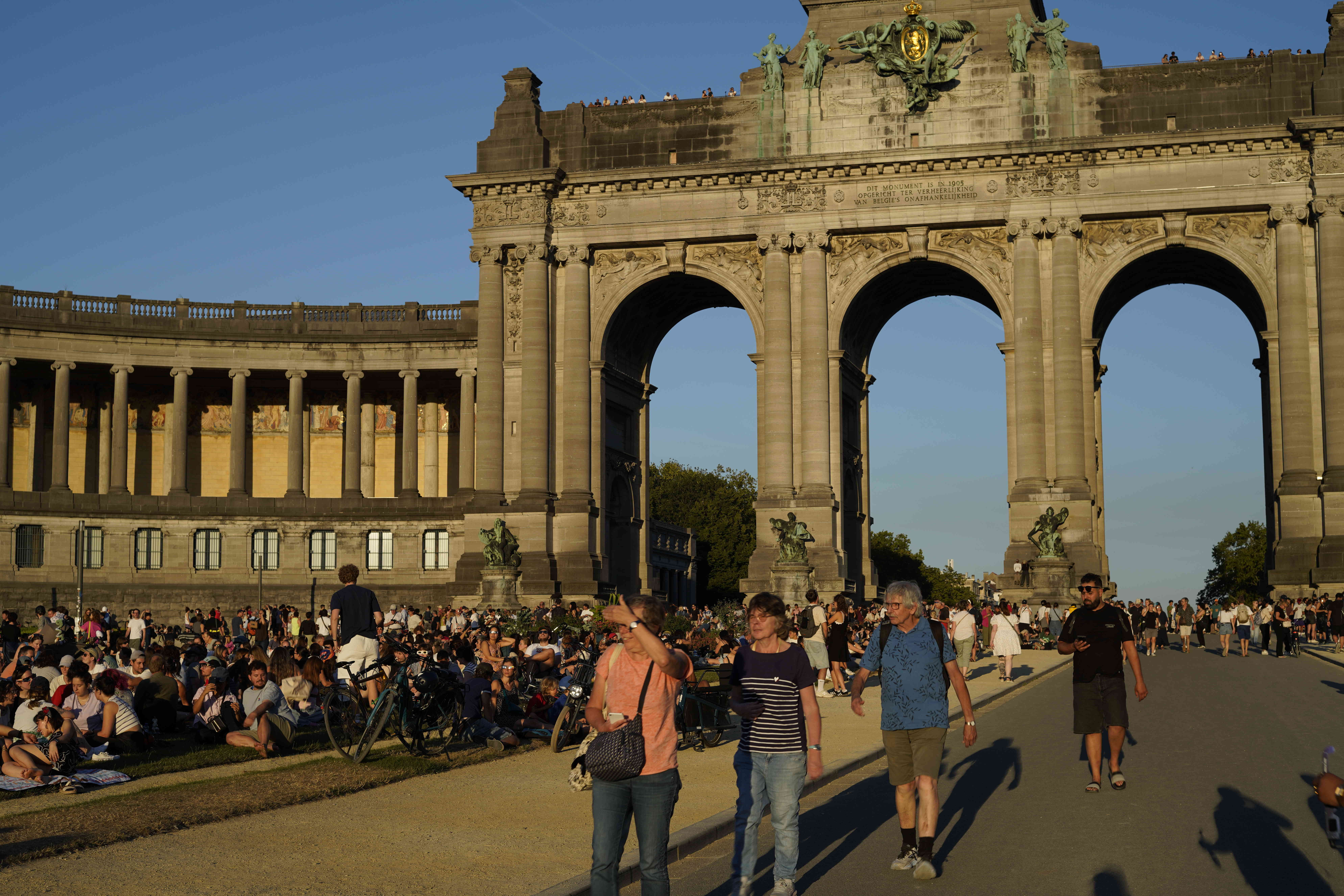
The celestial alignment of August 2026 brought thousands of spectators to the historic Parc du Cinquantenaire in Brussels, where a significant partial solar eclipse transformed the Belgian capital’s skyline. Observers gathered to witness the astronomical phenomenon, which, at its peak, obscured approximately 90% of the sun’s surface. Among the crowd of "sun worshippers" was photographer Geoff Chaplin, who documented the event using a Sony A7Riii equipped with a Zeiss Loxia Sonnar 50mm f/2 lens and a K&F Concept Nano-K variable ND 2-400 filter. Despite the technical limitations of a standard focal length for solar photography, the resulting images and the communal atmosphere of the event highlighted the intersection of professional optics and public interest in rare astronomical occurrences.
The August 2026 Solar Event: Context and Magnitude
The solar eclipse of August 2026 was one of the most anticipated astronomical events of the decade for Western Europe. While a total solar eclipse was visible along a path crossing Greenland, Iceland, and Northern Spain, Brussels sat well within the zone of high-magnitude partiality. At this latitude, the moon covered 90% of the solar disk, a level of obscuration that creates a noticeable "eerie" quality of light, distinct from the warm hues of a standard sunset.
Astronomically, a 90% partial eclipse is a significant event. Although the sky does not go completely dark as it does during totality, the reduction in solar irradiance is substantial. However, experts from the Royal Observatory of Belgium reminded the public that even with 90% coverage, the remaining 10% of the sun is sufficiently bright to cause permanent retinal damage if viewed without specialized solar filters. This safety requirement dictated the equipment choices for photographers and hobbyists alike, who converged on open spaces across the city to capture the waning crescent of the sun.
Technical Specifications and Field Adaptations
For professional photographers, solar events present a unique set of challenges. Standard landscape or portrait lenses are generally ill-suited for capturing the fine details of the solar corona or the precise curvature of the moon’s shadow. Geoff Chaplin’s account of the event notes that his choice of equipment was dictated by recent travel constraints, having arrived in Brussels only 48 hours prior following a 27-hour international journey.
The use of a 50mm lens on a full-frame sensor like the Sony A7Riii results in a relatively small projection of the sun. Mathematically, the image of the sun or moon on a 35mm frame is approximately 1mm for every 100mm of focal length. With a 50mm lens, the solar disk occupies less than 0.5mm of the sensor, necessitating extensive post-capture cropping to make the eclipse visible to the naked eye in a final print or digital display.
To manage the intense luminosity, Chaplin employed a K&F Concept Nano-K variable Neutral Density (ND) filter. Variable ND filters function by rotating two layers of polarized glass to restrict light entering the lens. The ND 2-400 range provides up to approximately 8.6 stops of light reduction. While this is often sufficient for long-exposure photography in daylight, direct solar photography typically requires "solar filters" (ND 100,000 or higher) to ensure sensor safety and visual clarity. Chaplin noted that the filter was set to its maximum density and, due to a size mismatch with the 50mm lens, was held by hand in front of the glass—a field improvisation that allowed for successful, albeit challenging, captures.
Chronology of the Gathering at Parc du Cinquantenaire
The atmosphere at Parc du Cinquantenaire (Jubelpark) was described as one of quiet anticipation. As a central hub for Brussels’ international community, the park served as a natural theater for the event.
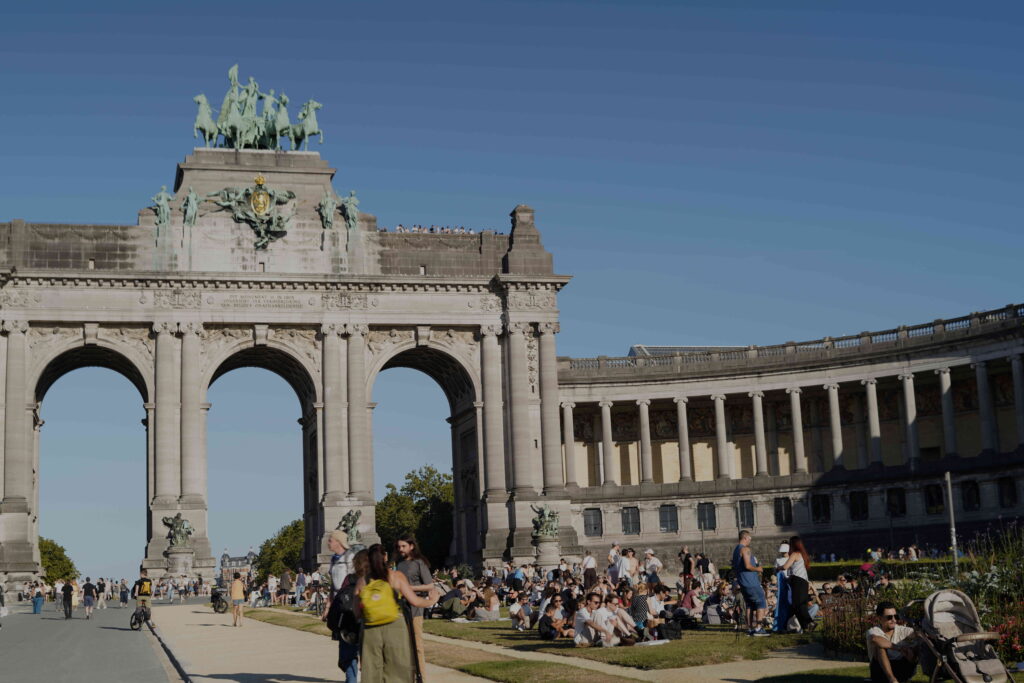
7:15 PM – The Arrival: Spectators began to fill the lawns in front of the Cinquantenaire Arch an hour before the eclipse reached its maximum. The crowd was characterized by a diverse demographic, ranging from casual observers to dedicated astrophotography enthusiasts. Chaplin arrived at this time, noting that the location was already densely populated with well-behaved crowds.
7:35 PM – Early Stages: Approximately 20 minutes after the initial contact, the moon had begun its visible transit across the sun. Photographers began testing their exposures. At this stage, the ambient light remained relatively normal, though the sun’s shape, when viewed through filters, had begun to resemble a "bitten" cookie.
8:15 PM – Maximum Eclipse: As the event reached its 90% peak, the light quality in Brussels shifted. While not dark, the illumination took on a silvery, high-contrast quality. This is the point where the solar light is reduced by 90%, yet the remaining sliver of the photosphere remains dangerously bright. It was during this window that the most critical images were captured, showing the sun as a thin, brilliant crescent.
8:30 PM – Departure and Post-Peak: Following the maximum, the light began to return to a more standard sunset glow. As the crowd began to disperse, photographers like Chaplin captured the "aftermath" light, noting the transition from the sharp, eclipsed light back to the diffused warmth of evening.
The Social Fabric: International Collaboration in Photography
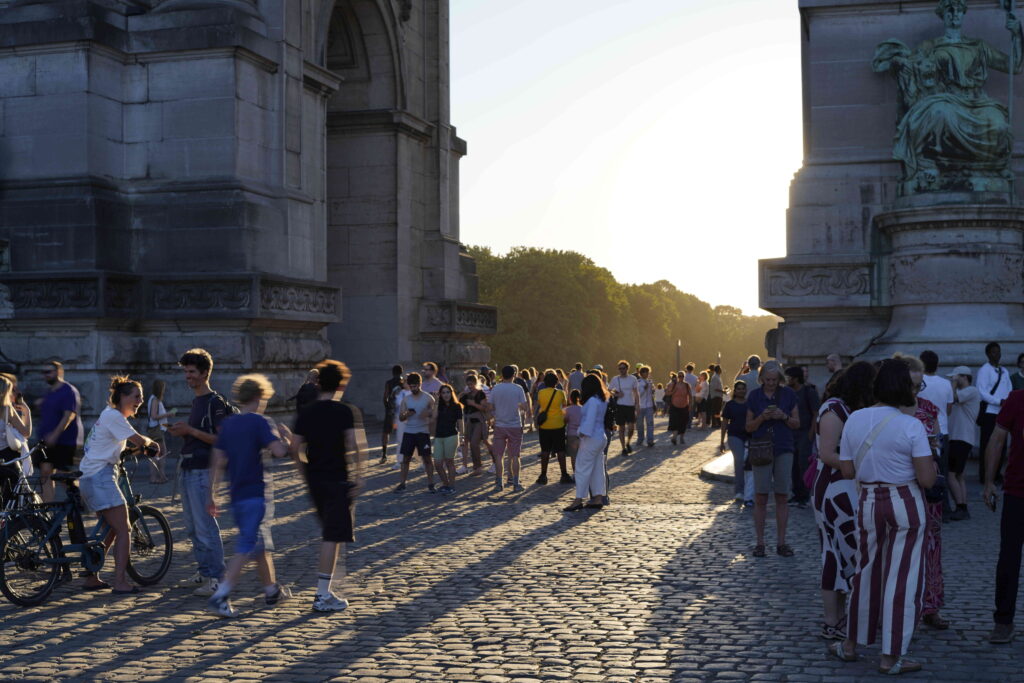
One of the defining characteristics of the Brussels eclipse gathering was its international nature. Chaplin joined the "Photoresk" MeetUp group, a local collective of photography enthusiasts. In a city that serves as the de facto capital of the European Union, the group reflected Brussels’ multiculturalism, with participants hailing from Portugal, Italy, and the Middle East, among other regions.
The communal aspect of the event served as a knowledge-sharing platform. While some members brought high-end telescopic equipment and tracking mounts, others arrived with minimal gear, relying on the expertise and shared filters of their peers. The use of English as a lingua franca among the diverse group highlighted the role of hobbyist photography as a bridge between cultures. For many, the event was as much a social "party" and a celebration of science as it was a technical exercise in image-making.
Data Analysis: The Challenges of 50mm Solar Photography
The technical data provided by the images taken during the event illustrates the limitations and possibilities of "standard" gear for astronomical use. The Sony A7Riii, with its 42.4-megapixel resolution, provided a crucial advantage: the ability to crop.
In a standard 50mm shot, the sun represents a tiny fraction of the total pixel count. However, the high pixel density of the A7Riii sensor allowed for "extensive cropping," as Chaplin noted. By isolating the small area of the sensor where the sun was projected, the photographer was able to produce a usable image of the crescent sun.
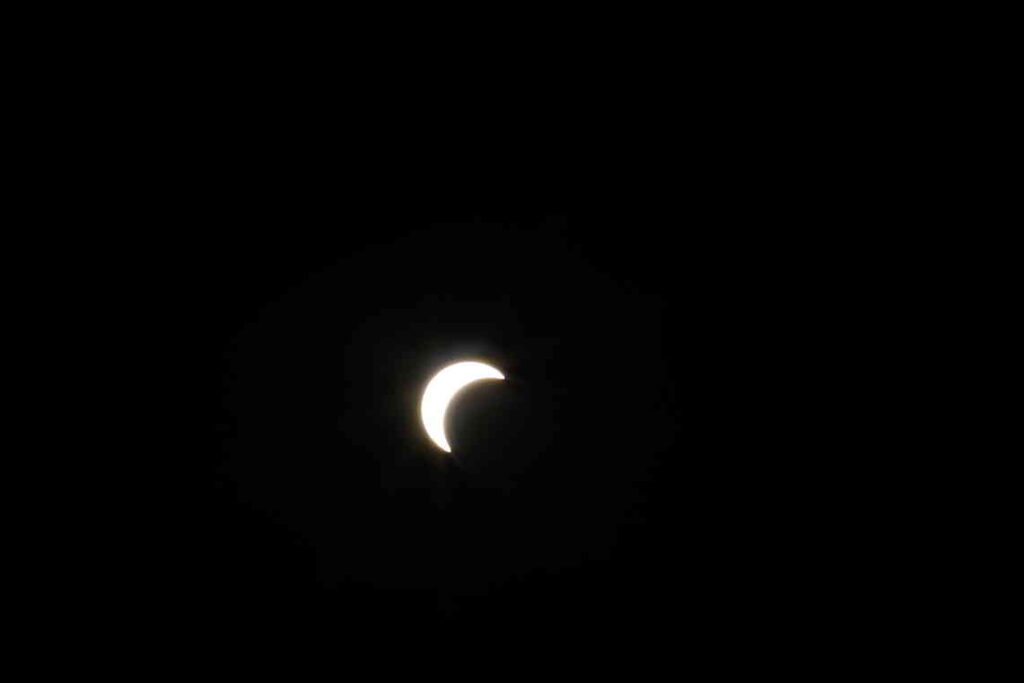
The exposure settings also tell a story of extreme light management. One of the final frames, taken with the ND filter still held in front of the lens, was shot at 1/15th of a second. This indicates that even with an ND 400 filter and the sun 90% obscured, the light levels remained significant enough to require relatively fast shutter speeds to prevent sensor blooming or overexposure.
Broader Impact and Implications
The August 2026 eclipse serves as a case study in how modern digital technology has democratized astronomical observation. A decade ago, capturing a 90% partial eclipse with a 50mm lens would have resulted in a grainy, unusable image on film or early digital sensors. Today, the high dynamic range and resolution of mirrorless cameras allow photographers to "make do" with inappropriate focal lengths and still contribute to the visual record of the event.
Furthermore, the gathering at Parc du Cinquantenaire underscores the enduring human fascination with celestial cycles. In an era of digital saturation, the sight of thousands of people standing in silence to watch a shadow move across a star remains a powerful testament to collective curiosity. The event also highlighted the importance of urban green spaces as "astronomical theaters," where the public can safely congregate to witness natural phenomena.
As the sun set over Brussels on August 20, 2026, the images captured by the Photoresk group and others began to circulate on social media and photography forums like 35mmc. These records serve not only as personal mementos for photographers like Geoff Chaplin but as a collective archive of how the city of Brussels experienced one of the 21st century’s most significant solar alignments. The success of the "hand-held filter" method and the 50mm crop serves as an encouraging precedent for amateur photographers: that the best camera for an eclipse is the one currently in hand, provided one has the right filter and a bit of ingenuity.