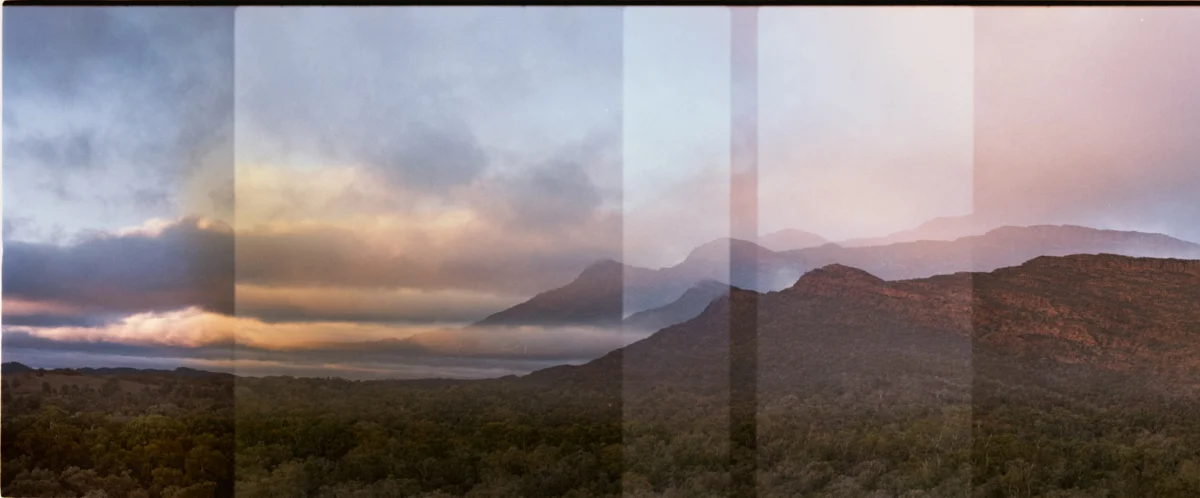
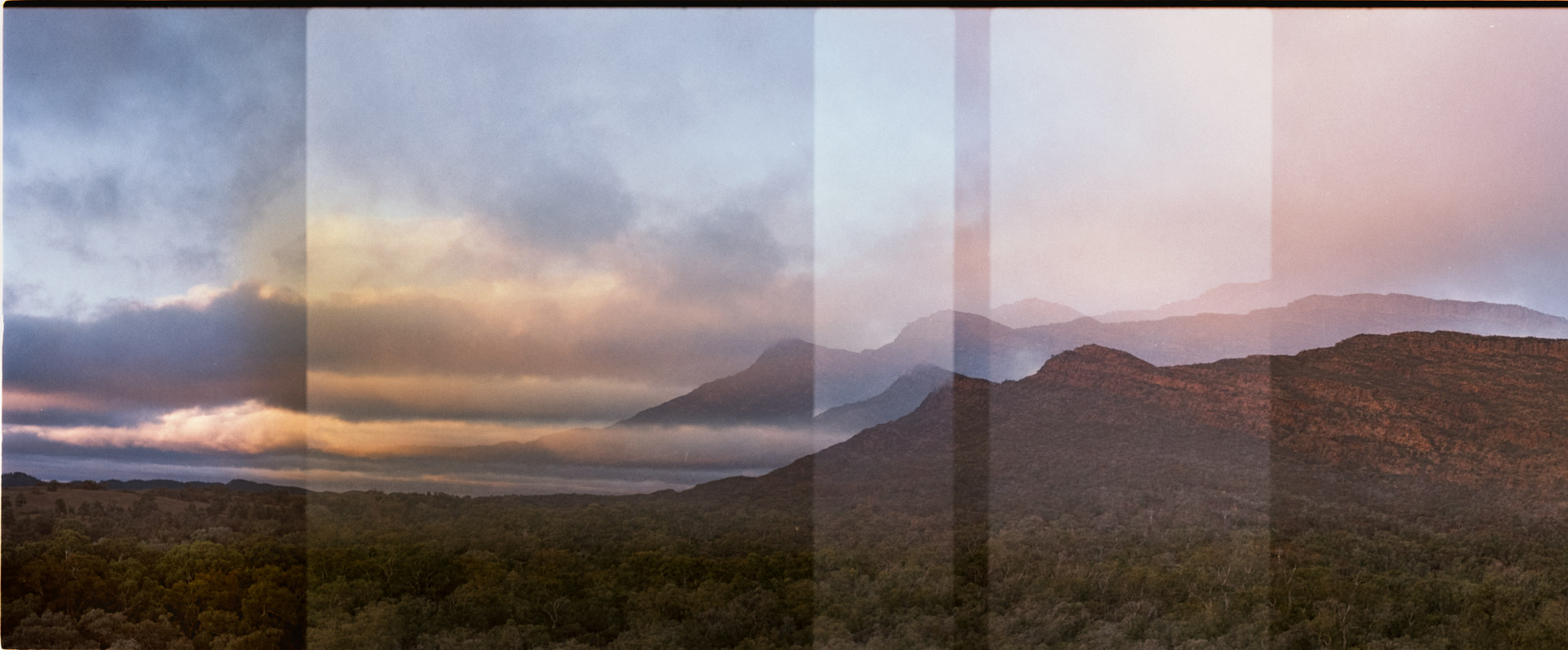
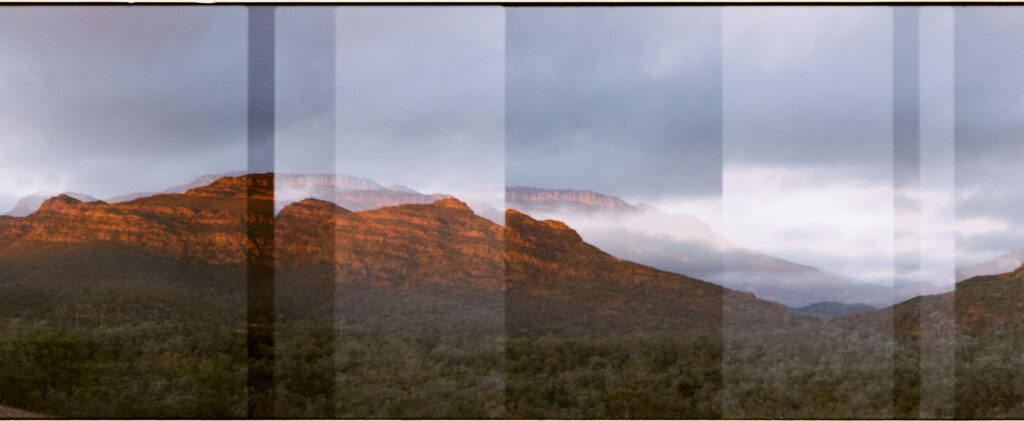
The intersection of vintage mechanical engineering and modern digital post-processing has fostered a renewed interest in non-traditional panoramic photography, as evidenced by recent experimental work emerging from the Flinders Ranges. Photographer David Hume has documented a specialized technique utilizing the Nikon F2, a professional-grade 35mm film camera produced between 1971 and 1980, to create "in-camera panoramas" through a process of overlapping exposures. This method, which bypasses the need for specialized wide-format equipment like the Hasselblad X-Pan or the rotating-lens Widelux, relies on the manipulation of the camera’s film transport mechanism to create a continuous, multi-layered image on a single strip of Kodak Portra 160 film. By engaging the film release button while advancing the shutter, the photographer can partially wind the film, allowing for a sequence of exposures that blend into one another, effectively capturing a broader field of view while introducing a temporal element that mimics the scanning motion of human vision.
Technical Foundations of the In-Camera Panorama
The mechanical architecture of the Nikon F2 serves as the primary catalyst for this specific photographic approach. Unlike modern digital cameras that utilize electronic sensors and software-based stitching, the F2 is a fully mechanical system known for its robust construction and precision. The "in-camera pano" technique requires a high degree of tactile control. By depressing the film rewind release button located on the baseplate, the photographer disengages the film sprockets. When the advance lever is then actuated, the shutter cocks for the next exposure, but the film moves only a fraction of a standard 36mm frame.
This manual manipulation creates a series of overlapping frames. When executed correctly, the resulting negative contains a panoramic view that retains the vertical height of a standard 35mm frame but extends horizontally across what would normally be two or three frames. This technique challenges the traditional "instantaneous" nature of photography. While a standard wide-angle lens captures a scene in a fraction of a second—often 1/125th or 1/250th of a second—the overlapping panorama process typically spans five to ten seconds. This duration allows for the recording of movement, light shifts, and the "scanning" behavior of the human eye, which naturally moves across a horizon rather than perceiving it as a static, singular block of information.
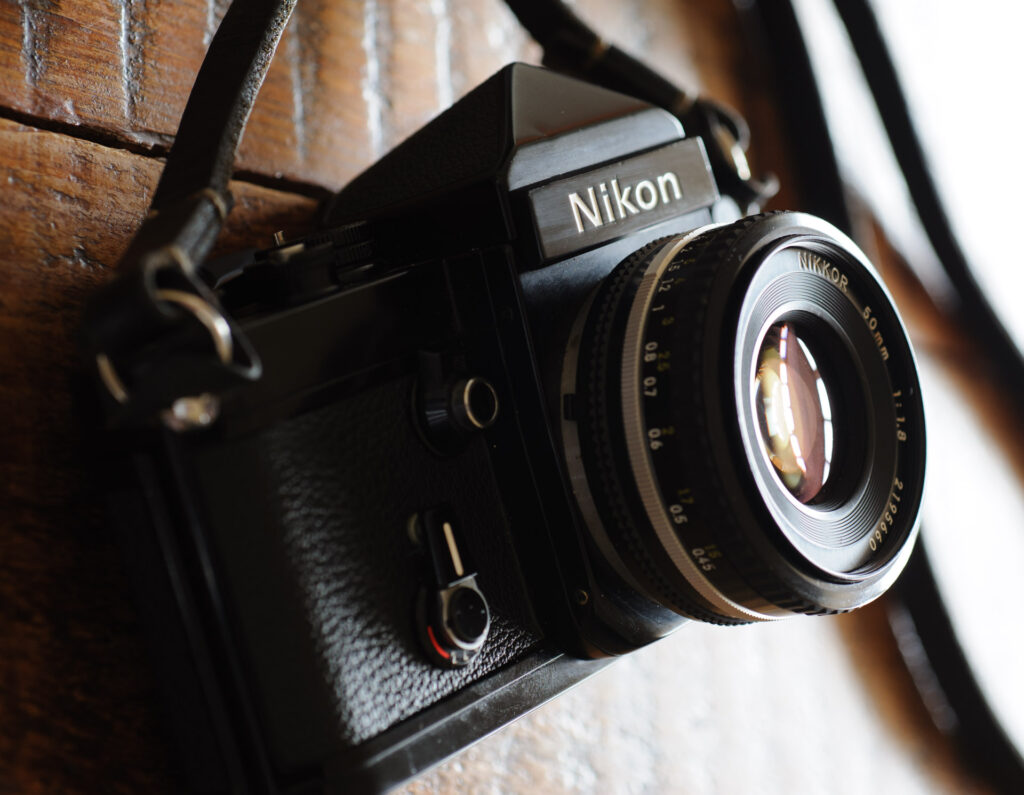
Geographic and Environmental Context: The Flinders Ranges
The backdrop for this technical exploration is the Flinders Ranges, the largest mountain range in South Australia. Stretching over 430 kilometers, the region is characterized by ancient folded mountains, deep gorges, and a distinct semi-arid light that has attracted landscape photographers for decades. The geological significance of the area, featuring formations that date back over 600 million years, provides a complex visual texture that is particularly suited for panoramic documentation.
During a documented week-long expedition, environmental factors played a significant role in the creative output. Persistent rain and shifting cloud cover provided a high-contrast sky, which tested the dynamic range of the chosen medium. Kodak Portra 160, a color negative film known for its extremely fine grain and high exposure latitude, was selected specifically for its ability to retain detail in the highlights—a critical requirement when shooting directly into sunrise or sunset conditions. The archival records of this trip indicate a disciplined schedule of returning to the same vantage points at dawn and dusk, a practice of repetition intended to observe the subtle permutations of light and atmosphere over time.
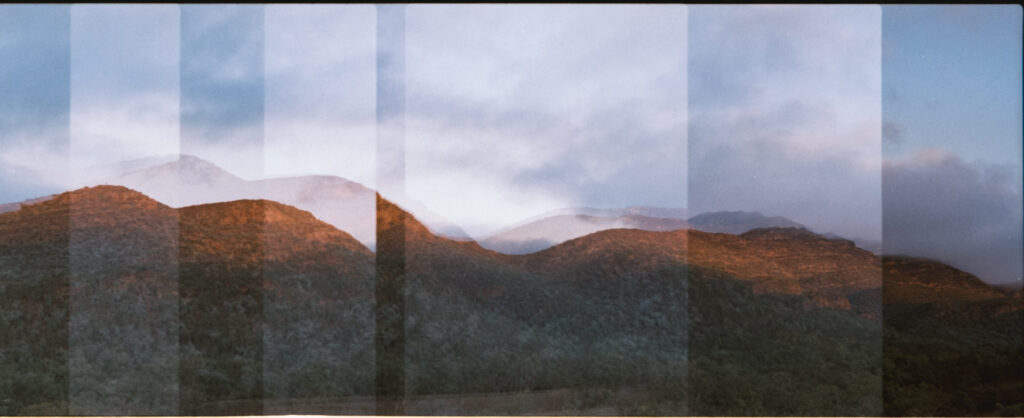
The Hybrid Workflow: Analog Capture to Digital Mastery
A critical component of modern film photography is the "hybrid workflow," which bridges the gap between chemical capture and digital distribution. The process documented by Hume involves a sophisticated digitization chain that emphasizes photographer agency over automated lab results. While standard commercial lab scans provide a baseline reference, the final images are produced through a high-resolution "camera scanning" setup.
In this configuration, a digital camera—specifically a Fujifilm X-Pro3 or a Nikon Df—is mounted on a copy stand over a high-CRI (Color Rendering Index) lightbox. A dedicated macro lens, such as the Micro Nikkor 60mm f/2.8 AFD, is used to capture the negative in a RAW digital format. This method is increasingly preferred by professionals over traditional flatbed scanners (like the Epson V850) or dedicated film scanners (like the Nikon Coolscan series) due to the superior sharpness and speed of modern CMOS sensors.
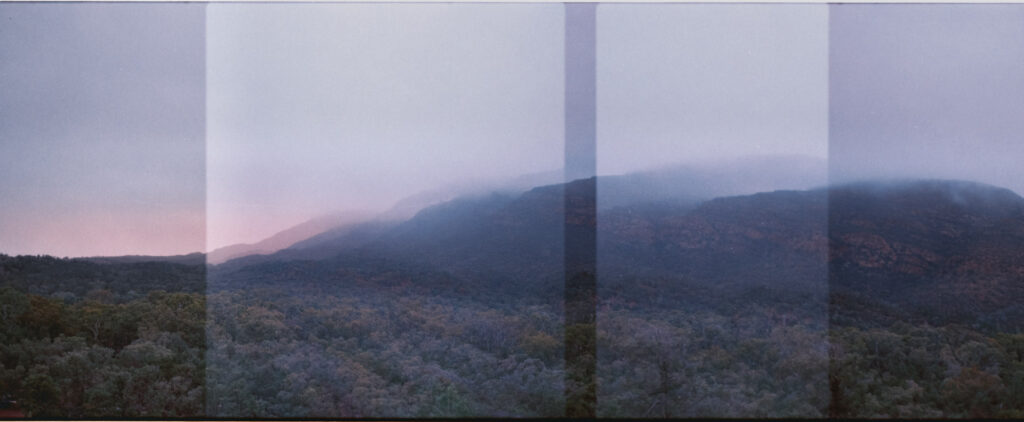
Following the capture of the digital RAW file, the "inversion" process is handled by software such as Negative Lab Pro, a plugin for Adobe Lightroom. This software applies complex algorithms to neutralize the orange mask of the film base and convert the negative colors into a positive image. The photographer then exports these files as 16-bit TIFFs, allowing for significant post-processing adjustments. This level of control allows the creator to move beyond the "standard" color profiles of Portra 160, resulting in a color palette that is a subjective interpretation of the scene rather than a default machine output.
Comparative Analysis of Panoramic Systems
To understand the significance of the Nikon F2 panorama technique, it must be compared to dedicated panoramic systems currently available in the market. The photographic industry has seen a massive surge in the price of specialized analog panoramic cameras, driven by a combination of scarcity and high demand from the "analog revival" movement.
- The Hasselblad X-Pan / Fujifilm TX-1: These cameras use a dual-format system that can shoot standard 24x36mm frames or 24x65mm panoramic frames. They are highly sought after for their "instantaneous" wide-frame capture but currently command market prices exceeding $4,000 USD.
- The Widelux / Noblex: These cameras utilize a swing-lens mechanism that physically rotates the lens during exposure, scanning the film behind a slit. While they offer a 140-degree field of view, they are prone to mechanical failure and "banding" if the gears are not perfectly maintained.
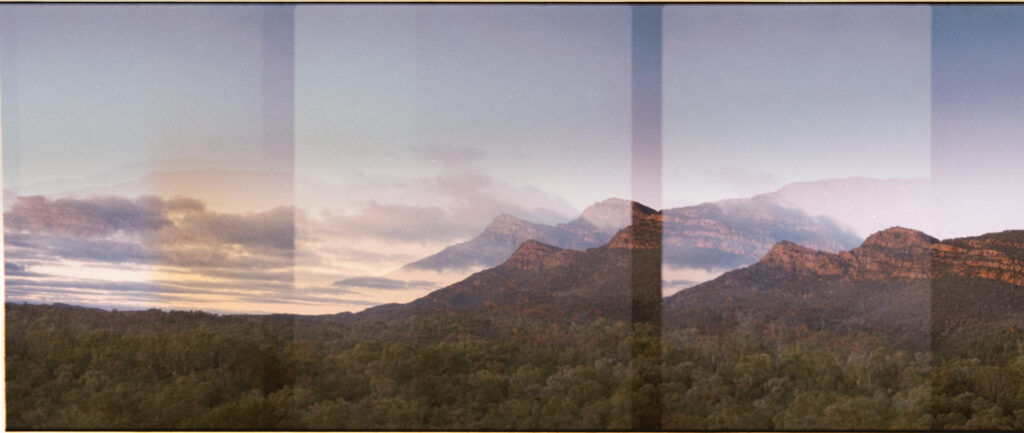
- The Overlapping SLR Method: This manual method requires no specialized hardware beyond a standard SLR. It offers a cost-effective entry point into panoramic photography while providing a unique aesthetic that dedicated cameras cannot replicate: the visible "seams" or "shifts" in perspective that evoke the principles of Cubism, where an object or landscape is depicted from a multitude of viewpoints to represent the subject in a greater context.
Industry Implications and the "Slow Photography" Movement
The resurgence of these manual techniques reflects a broader trend within the global photography community toward "Slow Photography." As digital sensors reach unprecedented levels of resolution and automation, a segment of the market is pivoting back to intentional, process-oriented workflows. Data from the film manufacturing sector suggests this is not merely a niche hobby; Kodak Alaris and Fujifilm have both reported increased demand for professional-grade color stocks over the last five years, leading to price adjustments and the occasional reintroduction of discontinued emulsions.
The use of the Nikon F2 in this context is also a testament to the longevity of mechanical tools. In an era of planned obsolescence, a 50-year-old camera remains a viable professional tool capable of producing imagery that rivals modern digital systems in terms of aesthetic character and resolution. The "in-camera pano" serves as a bridge between the precision of engineering and the fluidity of artistic expression, suggesting that the future of photography may lie in the thoughtful integration of disparate eras of technology.
Conclusion and Future Outlook
The documentation of these panoramic experiments in the Flinders Ranges highlights a shift in how photographers approach the landscape. Rather than seeking a "perfect," sterile representation of a scene, there is a growing movement toward documenting the experience of seeing. The combination of a sore physical state—as noted by Hume’s Achilles tendon injury—and the repetitive act of climbing to a vantage point adds a layer of physical endurance to the creative process.
As these images are cataloged and prepared for potential publication or exhibition, they serve as a case study for the continued relevance of analog experimentation. The "in-camera panorama" is more than a technical hack; it is a philosophical statement on the nature of time, vision, and the ownership of the final image. By mastering every step from the manual winding of the film to the digital color grading of the final TIFF, photographers are reclaiming a sense of craftsmanship that is often lost in the automated pipelines of the 21st century. The success of such projects indicates that as long as film remains available, photographers will continue to find ways to push the boundaries of what these "obsolete" machines can achieve.