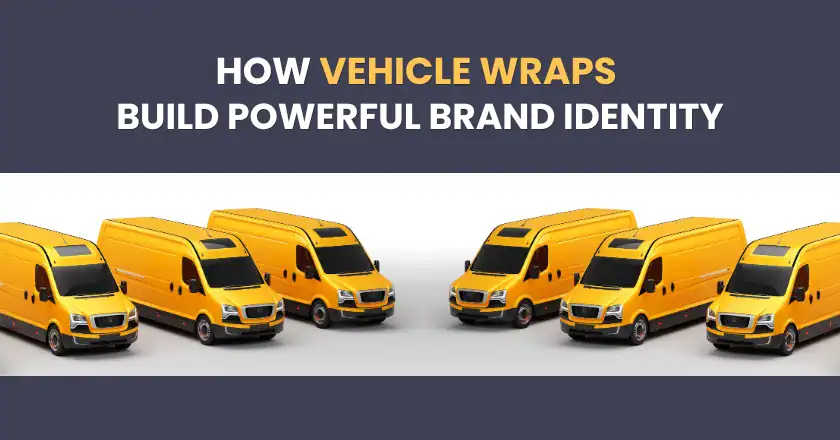
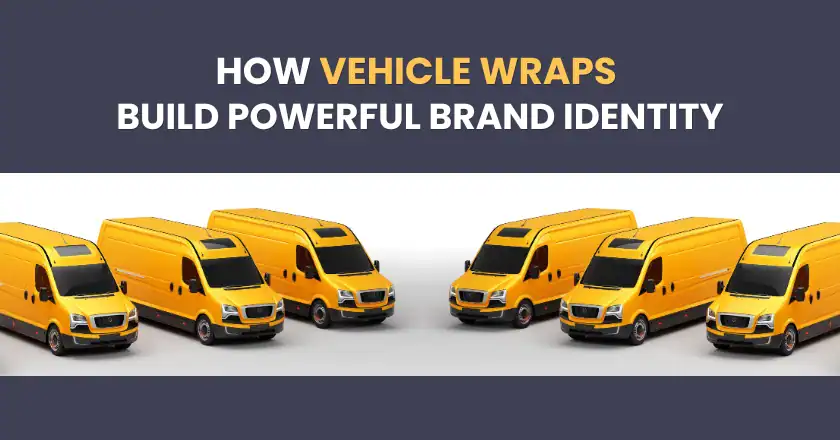
In the modern landscape of hyper-localized marketing, the traditional stationary billboard is increasingly being outpaced by a more dynamic and cost-effective alternative: the vehicle wrap. For businesses operating service fleets, delivery vans, or corporate cars, every mile driven represents a strategic opportunity to cultivate brand awareness and establish a foundation of consumer trust. A vehicle on the road is no longer viewed merely as a tool for transportation; it has evolved into a high-impact mobile asset that projects a company’s professionalism, values, and operational scale. As market competition intensifies, firms are turning to specialized resources like SignSilo to streamline the design and deployment of these mobile identities, ensuring that their fleets serve as consistent, high-quality ambassadors for their brand.
The Strategic Shift Toward Mobile Brand Environments
The transition from traditional advertising to fleet-based branding is driven by a fundamental shift in consumer attention. While digital advertisements are often filtered by ad-blockers or ignored due to "banner blindness," a professionally wrapped vehicle occupies a physical space that is difficult to ignore. According to data from the Outdoor Advertising Association of America (OAAA), vehicle wraps offer the lowest cost-per-impression of any major advertising medium. A single intra-city vehicle can generate between 30,000 and 70,000 impressions daily, depending on the route and population density.
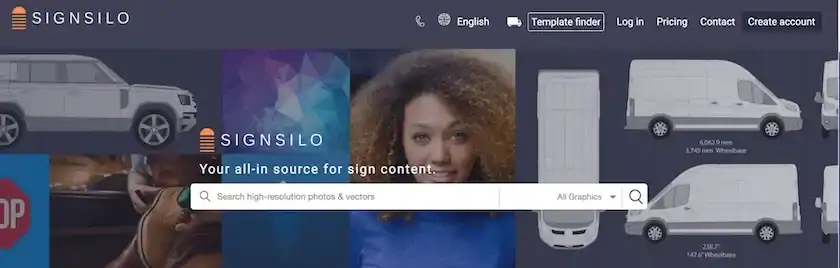
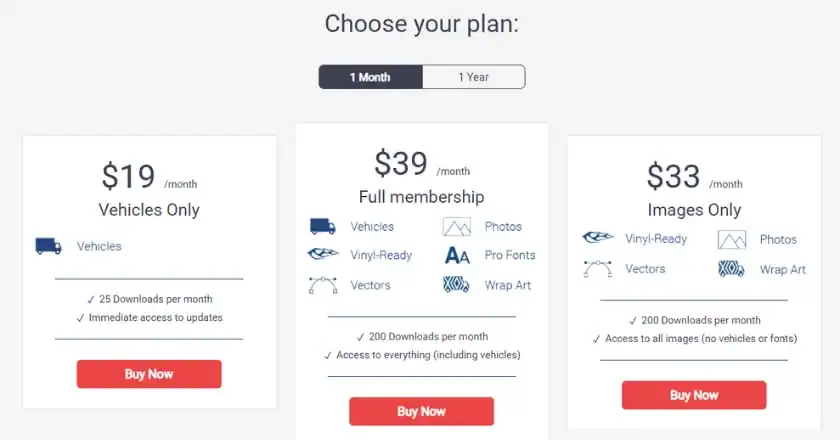
This high visibility, however, necessitates a high standard of design. An amateurish or poorly fitted wrap can have the opposite of the intended effect, projecting a sense of disorganization or lack of capital. Consequently, the industry has seen a surge in demand for precision-engineered templates and high-resolution graphics that ensure a seamless fit across various vehicle makes and models. This is the niche occupied by SignSilo, which provides a comprehensive library of over 24,000 vehicle templates and millions of high-resolution images to help sign-makers and businesses achieve a factory-finish look.
A Chronology of Fleet Branding: From Hand-Painted Signs to Digital Precision
The evolution of vehicle branding has been marked by significant technological milestones that have lowered the barrier to entry for small and medium-sized enterprises (SMEs).
- The Era of Hand-Lettering (1900s–1970s): For much of the 20th century, fleet branding was the domain of master sign-painters. Logos and contact information were hand-painted directly onto the metal panels of trucks. This was time-consuming, expensive, and nearly impossible to replicate with perfect consistency across a large fleet.
- The Rise of Cut-Vinyl Decals (1980s–1990s): The introduction of computer-aided design (CAD) and vinyl plotters allowed for "cut-vinyl" lettering. This improved consistency and reduced costs but was limited to simple shapes and a few solid colors.
- The Digital Printing Revolution (2000s–Present): The development of large-format inkjet printers and specialized "cast" vinyl allowed for full-color, high-definition images to be applied to complex vehicle curves. This era gave birth to the "full wrap," turning the entire vehicle surface into a canvas.
- The Resource Integration Phase (Current): Today, the focus has shifted from the capability to print to the efficiency of design. Platforms like SignSilo represent this current phase, where the primary challenge—obtaining accurate vehicle dimensions and high-quality creative assets—is solved through centralized digital hubs.
The Role of SignSilo in Modern Fleet Management
Building a unified fleet identity requires a sophisticated infrastructure of creative assets. SignSilo has positioned itself as a critical partner for wrap shops and internal marketing departments by providing a "one-stop" repository for production-ready materials. Their library is curated to address the specific technical requirements of large-format printing, which differs significantly from standard web or print design.

The platform’s offerings include:
- Precision Vehicle Templates: These are highly accurate, multi-view drawings (front, back, sides, and roof) of thousands of vehicle models. Using these templates allows designers to account for door handles, fuel doors, and windows, preventing critical information from being cut off during installation.
- High-Resolution Photography and Textures: SignSilo offers millions of photos and "wrap-specific" textures (such as carbon fiber, brushed metal, or camouflage) that are optimized for the massive scale of vehicle panels.
- Scalable Vector Graphics: Vectors are essential for fleet branding because they can be scaled to the size of a semi-truck without any loss of clarity or "pixelation."
- 3D Vehicle Renders: These tools allow businesses to visualize how a wrap will look in a real-world environment before the first piece of vinyl is printed, facilitating a more effective approval process between designers and stakeholders.
By offering these resources at a budget-friendly subscription price, the platform helps smaller wrap shops compete with national agencies, effectively democratizing high-end fleet branding.
Supporting Data: The Economics of Professional Wraps
The financial argument for investing in high-quality vehicle wraps is supported by comparative advertising metrics. When evaluating the "Return on Investment" (ROI) of a vehicle wrap, analysts typically look at the lifespan of the material versus the cost of recurring digital or print placements.
- Longevity: A high-quality professional wrap, maintained properly, has a lifespan of five to seven years.
- Cost Comparison: A full wrap for a standard van may cost between $2,500 and $4,000. When amortized over five years, the cost is approximately $50 to $66 per month.
- Impression Volume: In a mid-sized metropolitan area, that $60-a-month investment yields hundreds of thousands of impressions. To achieve similar reach through digital platforms like Facebook or Google Ads, a business might spend thousands of dollars monthly.
Furthermore, the "tester" program offered by SignSilo—allowing professionals to download free samples—serves as a risk-mitigation strategy. It allows shops to verify the compatibility of templates with their specific RIP (Raster Image Processor) software before committing to a full subscription, ensuring that the production workflow remains uninterrupted.
The Psychology of Trust: Why Branding Matters at the Doorstep
Beyond the raw numbers of impressions, there is a profound psychological component to fleet branding. For service-based industries—such as plumbing, HVAC, electrical, or home security—the vehicle is often the first physical touchpoint between the company and the client.
Industry studies in consumer behavior indicate that a branded vehicle serves as a form of "social proof." When a neighbor sees a professionally wrapped service van in a nearby driveway, the brand is instantly associated with the trust and endorsement of that neighbor. Conversely, an unmarked or poorly maintained white van can trigger "stranger danger" instincts, making customers hesitant to open their doors.

A unified fleet—where every vehicle, from the owner’s SUV to the technician’s transit van, shares the same color palette, typography, and logo placement—communicates stability. It suggests that the company is an established entity with the resources to stand behind its work. In the eyes of the consumer, a consistent brand identity equals a consistent service experience.
Broader Impact and Industry Implications
The growth of the vehicle wrap industry is also influencing the secondary market for commercial vehicles. Many companies now choose "wrap-friendly" base colors (usually white or black) for their fleet purchases to simplify the branding process. Additionally, wraps serve a dual purpose: they protect the vehicle’s original OEM paint from UV rays and minor abrasions, which can lead to a higher resale value when the fleet is cycled out.
As sustainability becomes a core corporate value, the industry is also seeing a shift toward PVC-free wrap materials and eco-solvent inks. The ability to update a brand’s look by simply peeling off an old wrap and applying a new one—without the need for toxic paint stripping or repainting—aligns with the modern "circular economy" goals of many large corporations.
Conclusion: Building a Brand That Moves
The goal of modern fleet branding is to transform a logistical necessity into a powerful marketing engine. By leveraging the technical precision and creative depth provided by platforms like SignSilo, businesses can ensure that their mobile presence is as polished as their digital one. The strongest fleet wraps are characterized not by their complexity, but by their clarity and consistency.
As the "attention economy" continues to fragment, the value of the physical, moving brand will only increase. For a business looking to scale, the message is clear: do not treat your vehicles as an afterthought. Invest in the right templates, utilize high-resolution assets, and maintain a unified visual language. In the world of local commerce, trust is built on the road, one mile at a time. The objective is to move beyond simple transportation and, as industry experts suggest, build a brand that moves.